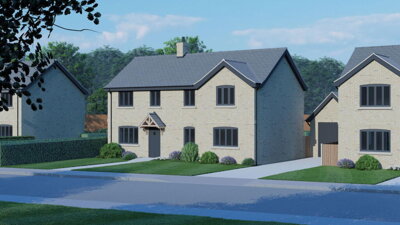
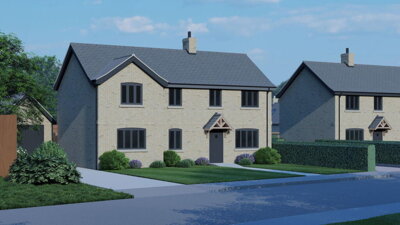
Browse 2 homes new builds in Witcham, East Cambridgeshire from local developer agents.
The larger property sector typically features multiple bathrooms, substantial reception space, and private gardens or off-street parking. Four bedroom houses in Witcham span detached, semi-detached, and occasionally terraced configurations, with styles ranging from period properties to modern executive homes.
£625k
5
0
107
Source: home.co.uk
Showing 5 results for 4 Bedroom Houses new builds in Witcham, East Cambridgeshire. The median asking price is £625,000.
Source: home.co.uk
Detached
5 listings
Avg £649,000
Source: home.co.uk
Source: home.co.uk
The Lower Hardres and Nackington property market has demonstrated robust performance over recent years, with Rightmove recording a 24% year-on-year increase and a 14% rise above the 2023 peak of £663,333. Our data shows current average prices settling around £633,000 according to the most recent listings, though this figure varies between sources depending on their reporting periods and aggregation methods. Zoopla reports £642,750 for the last 12 months while Rightmove's figure of £757,500 reflects longer-term performance, illustrating the strong capital growth this village has experienced. Detached properties dominate the upper end of the market, commanding an impressive average of £960,000, while semi-detached homes offer comparatively more accessible entry at approximately £555,000. These prices reflect both the scarcity of available stock in this sought-after village setting and the premium attached to period features, generous plot sizes, and the rural postcode.
New build activity within the parish remains limited, preserving the character that makes Lower Hardres and Nackington so appealing to buyers. A notable recent completion included a substantial 3-bedroom home of over 300 square metres constructed in 2020, designed to harmonise with surrounding period architecture through traditional details such as chimneys, fireplaces, and exposed timber beams. This property demonstrates how new development in the area must respect the vernacular, with brick construction and sloped red tile roofs being the norm to maintain visual cohesion with historic farmhouses like Butt's Farmhouse, Young's Farmhouse, and Court Lodge Farmhouse, all of which contribute to the parish's listed building character.
The exclusive Nackington Court development offers five detached Tudor-style properties, representing the premium end of the local market for buyers seeking character accommodation without the maintenance demands of a genuine period property. Specific availability and pricing for these homes should be confirmed with local agents, as turnover in this segment is infrequent. The proposed development of up to 200 dwellings south and east of Nackington Road represents the most significant change on the horizon for the parish, with the outline planning application CA/22/00700 having attracted concerns from the Parish Council regarding traffic congestion, loss of prime agricultural land, and proximity to the Kent Downs AONB. If approved, construction is anticipated to span five years with potential completion around 2027, introducing up to six affordable homes to the area alongside market housing.

Lower Hardres and Nackington presents a quintessential English village experience, characterised by winding country lanes, hedgerow-lined footpaths, and a landscape that has evolved little over several centuries. The parish maintains a population of 608 residents spread across a rural area with a population density of just 66.54 people per square kilometre, ensuring that the sense of space and countryside tranquility remains tangible in everyday life. Historically, the local economy centred on agriculture, with both Lower Hardres and Nackington villages having long-standing connections to farming that persist in the surrounding patchwork of fields and farmland visible throughout the parish today.
The village atmosphere is defined by its conservation ethos, as evidenced by the substantial number of listed buildings and the planning controls that protect the architectural heritage of the area. Community life revolves around the parish church, traditional pubs, and local events that bring together residents who value their rural identity. The proximity to Canterbury provides residents with easy access to comprehensive shopping, dining, and cultural amenities while returning each evening to the peace and quiet of village life. The Kent Downs Area of Outstanding Natural Beauty lies nearby, offering outstanding walking and cycling opportunities across chalk grassland and ancient woodland, making this an ideal location for outdoor enthusiasts who appreciate natural beauty on their doorstep.
Beyond the immediate village setting, residents benefit from easy access to the Kent coast, with the seaside town of Whitstable approximately 30 minutes away by car. Whitstable is renowned for its oysters, colourful beach huts, and thriving artistic community, providing an excellent day-trip destination for village residents seeking coastal recreation. The historic city of Canterbury, with its world-famous cathedral, theatres, and extensive shopping facilities, serves as the primary service centre for Lower Hardres and Nackington, offering everything from major supermarkets to specialist independent retailers. The Channel ports at Dover are reachable in approximately 45 minutes to an hour, making continental travel accessible for business or leisure purposes.

Families considering a move to Lower Hardres and Nackington will find a selection of educational establishments within easy reach, with Canterbury offering particularly strong options for both primary and secondary education. Primary schooling is available at nearby village schools and the excellent St John's Church of England Primary School in Canterbury, which serves families seeking faith-based education within a reasonable commute. Several Outstanding-rated primary schools operate within Canterbury itself, providing excellent options for younger children without requiring lengthy school runs from the village.
Secondary education options include the highly regarded Simon Langton Grammar Schools, The Canterbury Academy, and St Clare's Catholic Comprehensive School, all accessible via school transport from the village. For families prioritising academic excellence, the Grammar school system in Kent provides access to selective education, with the Simon Langton Grammar School for Boys and Simon Langton Grammar School for Girls consistently achieving impressive examination results that place them among the top-performing schools in Kent. Entry to these selective schools is determined by the Kent eleven-plus examination, and preparation for this assessment should factor into family planning for those with primary-aged children.
Several independent schools in the Canterbury area offer alternative educational pathways, including St Edmund's School Canterbury and King's School Canterbury, the latter being one of the oldest continuously operating schools in the world with a history spanning over 1,400 years. These institutions provide independent education from preparatory through to sixth form, though fees are substantial and waiting lists can be lengthy for the most oversubscribed establishments. Sixth form and further education provision is well catered for through Canterbury College and the various sixth forms at Canterbury's secondary schools, ensuring that secondary-aged children have comprehensive options as they progress through their education without requiring relocation away from the family home.
Despite its rural character, Lower Hardres and Nackington offers reasonable connectivity for commuters, with Canterbury city centre approximately 4 miles distant providing comprehensive transport links. The A2 trunk road passes nearby, offering direct access to the M2 motorway at Sittingbourne and subsequently to London and the wider motorway network. Journey times by car to Canterbury take approximately 15-20 minutes, while accessing the coast at Whitstable requires around 30 minutes and the Channel ports at Dover can be reached in approximately 45 minutes to an hour. The M25 orbital motorway is accessible via the M2 and M20, opening up the Greater London area and connections to major UK airports including Gatwick and Heathrow.
Rail services from Canterbury West and Canterbury East stations provide access to the Southeastern railway network, with High Speed 1 services from Ashford International reaching London St Pancras in under an hour. For those working in London, the commute is manageable with departures early in the morning taking approximately 55-75 minutes depending on the specific service and whether a change at Ashford is required. Southeastern trains from Canterbury West also connect directly to London Victoria and London Bridge, with journey times to London Bridge typically around 90 minutes. Many commuters choose to drive to Canterbury and park before catching the train, or alternatively use the parkway station at Bekesbourne, which offers direct services to London Victoria.
Local bus services operated by Stagecoach connect the village to Canterbury and surrounding villages, though service frequencies may be limited on certain routes, making a car practically essential for most residents. The Stagecoach 4 and 4A routes serve the Canterbury to Faversham corridor and pass through villages near Lower Hardres, though journey planning should account for potentially infrequent timetables, particularly on evenings and weekends. Cyclists benefit from quiet country lanes and the surrounding Kent countryside, though the hilly terrain towards the Kent Downs requires reasonable fitness for recreational cycling. National Cycle Route 18 passes through Kent, providing connectivity to the wider cycle network for those seeking longer distance routes.
Before viewing properties, obtain a mortgage agreement in principle from a lender to understand your budget. This strengthens your position when making offers and demonstrates you're a serious buyer to estate agents in this competitive market where properties can sell quickly. Given the higher property values in Lower Hardres and Nackington, with averages around £630,000, ensure you have a realistic understanding of your borrowing capacity including any additional costs such as Stamp Duty and survey fees.
Study recent sales data, understand price trends, and learn about the different neighbourhoods within the parish. Given the prevalence of period and listed properties, research specific properties and their planning histories thoroughly. Rightmove shows 22 current listings on Nackington Road alone, with recent sales recorded in late 2024 and early 2025, indicating consistent market activity despite the limited stock. Understanding which properties have been on the market longest and any price reductions can provide negotiating leverage.
Work with local estate agents who know the Lower Hardres and Nackington area intimately. View multiple properties to compare condition, character, and value, paying particular attention to the age and maintenance history of period homes. The village's concentration of listed buildings means many properties have been subject to historic planning conditions, and estate agents familiar with local transactions can advise on specific properties and their histories.
Given the high proportion of older properties in the parish, a comprehensive Level 2 Home Survey is essential. This will identify issues such as damp, roof condition, timber defects including rot and woodworm, and any structural concerns common in period properties constructed with traditional brick, stone, and timber framing. For properties above £500,000, expect to pay approximately £586 for a thorough inspection, while premium properties above £600,000 may cost up to £930. A RICS Level 3 Survey may be warranted for particularly complex historic structures.
Choose a solicitor experienced in rural and listed property transactions. They will handle local authority searches, title checks, and ensure all planning permissions and listed building consents are properly documented for any works carried out on the property. Given the prevalence of listed buildings in the parish, conveyancing can involve additional complexity including checking for any conditions attached to listed building consents and ensuring compliance with conservation area requirements.
Once searches are satisfactory and finances are confirmed, exchange contracts to secure the property. Completion typically follows within 2-4 weeks, when you will receive the keys and take ownership of your new home in Lower Hardres and Nackington. Given the rural nature of the village, ensure your conveyancing solicitor has arranged appropriate buildings insurance to be in place from the point of completion.
The prevalence of period and listed properties in Lower Hardres and Nackington demands careful due diligence before committing to a purchase. Properties in this parish often feature traditional construction methods including brick, local stone, and timber framing that require specialist knowledge to assess properly. A RICS Level 2 Survey is particularly valuable here, as these homes frequently exhibit issues common to older construction such as damp penetration, aging roof structures, timber defects including rot and woodworm, and electrical systems that may not comply with current regulations. The presence of exposed timber beams in many properties, while aesthetically appealing, requires careful inspection to ensure structural integrity and absence of woodworm activity.
Buyers should investigate whether a property falls within a conservation area, as this significantly affects what alterations and extensions are permissible without planning permission. Listed buildings require listed building consent for virtually any external alteration or significant internal works, adding complexity and potential cost to renovation projects. The 22 listed buildings within the parish, including Grade I listed St Mary's Church in Nackington and numerous Grade II listed farmhouses and cottages, demonstrate the heritage value that planning controls seek to protect. Any buyer considering a listed property should budget for the additional costs and timescales associated with obtaining necessary consents and using appropriate materials and contractors.
The proposed development of up to 200 dwellings south and east of Nackington Road should also be researched, as this may impact traffic, views, and the rural character of specific locations within the parish. The outline planning application CA/22/00700 remains under consideration, and monitoring its progress through Canterbury City Council planning portal is advisable for buyers concerned about future changes to the village environment. Flood risk and drainage should be verified through local authority searches, particularly given the agricultural nature of surrounding land and proximity to watercourses in the area, though no specific high-risk designations have been identified for the village itself.
Given that a substantial proportion of the housing stock is likely over 50 years old, the potential for subsidence, outdated plumbing, and aging infrastructure should be assessed carefully. Traditional construction materials like local stone and handmade bricks can perform differently to modern equivalents, and understanding the maintenance history of any property is crucial. Our inspectors are experienced in assessing period properties throughout Kent and understand the specific construction methods and defect patterns common to historic village homes like those found throughout Lower Hardres and Nackington.
Understanding the predominant construction types in Lower Hardres and Nackington is essential for any prospective buyer, as the character of the housing stock directly influences both maintenance requirements and renovation potential. The parish contains a rich variety of period properties ranging from medieval farmhouses to Georgian residences, each constructed using methods and materials appropriate to their era. Historic farmhouses such as Parsonage House, Mount Pleasant, and The Old Farmhouse showcase traditional Kentish construction with load-bearing brick or stone walls, thatched or clay tile roofs, and timber-framed elements that require specialist understanding to assess correctly.
Newer additions to the housing stock, such as the 2020 completion in Lower Hardres, have been designed to complement existing period architecture through traditional details including chimneys, fireplaces, and exposed timber beams. These properties typically feature brick cavity wall construction with sloped red tile roofs, meeting modern building regulations while achieving visual harmony with surrounding heritage assets. The Nackington Court development demonstrates another approach, with five detached Tudor-style properties offering mock-historic architecture for buyers seeking character aesthetics without the maintenance demands of genuine period properties.
The prevalence of traditional construction methods means that prospective buyers should anticipate issues commonly associated with older buildings. Mortar joints in traditional brickwork may require repointing, timber windows may have been replaced with modern double-glazed equivalents, and older plumbing and electrical systems may require updating to meet current standards. A thorough RICS Level 2 Survey will identify these issues and provide cost estimates for any remedial works, enabling informed purchasing decisions and realistic budgeting for period property ownership.
Average house prices in Lower Hardres and Nackington range from £630,000 to £760,000 depending on the data source and reporting period used. Rightmove reports £757,500 for the last year while OnTheMarket shows £633,000 as of February 2026, reflecting different aggregation methodologies. Detached properties command premium prices averaging around £960,000, while semi-detached homes typically sell for approximately £555,000. The market has shown strong performance with year-on-year increases of around 24% recorded on Rightmove, reflecting the continued demand for rural properties in this sought-after Kent village setting. Properties on Nackington Road and surrounding streets show consistent turnover, with 22 listings currently available on Rightmove alone.
Lower Hardres and Nackington falls under Canterbury City Council administration. Council tax bands vary by individual property based on their valuation, ranging from Band A for lower-valued properties through to Band H for the most expensive homes. Given the predominance of period and substantial detached properties in this village, many homes fall into Bands E through G, particularly the larger farmhouses and period residences that characterise the parish. Prospective buyers should check the specific band for any property they are considering through the Valuation Office Agency website, as bands can be disputed and potentially reduced if evidence suggests the valuation is incorrect.
While Lower Hardres and Nackington itself has limited schooling facilities, families benefit from excellent options in nearby Canterbury. St John's Church of England Primary School serves the local area, while Canterbury offers several Outstanding-rated primary schools and highly regarded secondary options including Simon Langton Grammar Schools for Boys and Girls. The Kent Grammar school system provides selective education through the eleven-plus examination, with the Simon Langton schools consistently achieving impressive examination results. Independent options include King's School Canterbury, founded in AD 597 and one of the oldest continuously operating schools in the world, and St Edmund's School Canterbury, with further education available at Canterbury College.
Public transport options are limited, reflecting the rural nature of the village. Stagecoach bus services connect to Canterbury and surrounding villages, though service frequencies are not high, making car ownership practically essential for most residents. The nearest railway stations are Canterbury West and Canterbury East, offering Southeastern train services with High Speed 1 connections to London St Pancras from Ashford International in under an hour. For London commuters, journey times to London Bridge are approximately 90 minutes from Canterbury West. The A2 trunk road provides straightforward road access to the M2 motorway at Sittingbourne, the M25, and subsequently to London and major UK airports.
Lower Hardres and Nackington offers several factors that make it attractive for property investment. The area has demonstrated consistent price appreciation, with year-on-year growth of 24% recorded recently, and the scarcity of available properties helps maintain values. The historic character and 22 listed buildings in the parish limit new development, supporting the premium attached to period properties. The proposed development of up to 200 dwellings south and east of Nackington Road may add stock to the market, though it remains subject to planning approval and concerns have been raised about its impact. Proximity to Canterbury, the Kent Downs AONB, and good transport links to London ensure continued demand from buyers seeking the rural lifestyle proposition the village offers.
Stamp Duty Land Tax applies at standard rates for most buyers purchasing in Lower Hardres and Nackington. The current thresholds for 2024-25 are 0% on the first £250,000 of purchase price, 5% between £250,000 and £925,000, 10% between £925,000 and £1.5 million, and 12% on any amount above £1.5 million. For a typical village property priced at £630,000, a standard buyer would pay £19,000 in SDLT. First-time buyers purchasing a property up to £625,000 would qualify for relief, reducing their SDLT to £10,250 on the same property. Additional SDLT surcharges of 3% apply for non-UK resident buyers and for second home purchases.
An outline planning application (CA/22/00700) exists for a development of up to 200 dwellings south and east of Nackington Road, including up to six affordable homes and associated open space and infrastructure. The Parish Council raised concerns in May 2022 regarding traffic congestion, loss of prime agricultural land, and proximity to the Kent Downs AONB. If approved and constructed over a five-year period, completion might occur around 2027. Prospective buyers should monitor the progress of this application through Canterbury City Council's planning portal and consider how it might affect specific properties they are interested in purchasing.
Given the prevalence of older and listed properties in Lower Hardres and Nackington, a RICS Level 2 Survey is strongly recommended for most purchases. For standard period properties, this inspection will identify common defects including damp, roof condition, timber defects, and structural concerns. Properties above £500,000 typically cost around £586 for a Level 2 survey, while premium properties above £600,000 may cost up to £930. For particularly complex historic structures or listed buildings, a RICS Level 3 Building Survey provides more comprehensive analysis of construction methods, materials, and specific defect patterns associated with historic properties. Our team has extensive experience surveying period properties throughout Kent and understands the particular construction methods and defect patterns common to village homes in this area.
Budgeting for your purchase in Lower Hardres and Nackington requires careful consideration of all associated costs beyond the property purchase price itself. The Stamp Duty Land Tax (SDLT) bill will depend on your purchasing circumstances and whether you qualify for any relief schemes. For a typical property priced at the village average of £630,000, a standard buyer would pay nothing on the first £250,000, 5% on the subsequent £380,000 equating to £19,000, bringing the total SDLT liability to £19,000. First-time buyers purchasing a property up to £625,000 would qualify for relief, reducing their SDLT to £10,250 on the same property, though relief is withdrawn for purchases above that threshold.
Additional purchase costs include solicitor conveyancing fees, which typically range from £500 to £1,500 depending on complexity and whether the property is freehold or leasehold. For listed properties or those with complex titles, additional searches and specialist advice may increase costs towards the upper end of this range. A RICS Level 2 Survey costs between £376 and £930 depending on property value, with homes above £500,000 averaging around £586 for the inspection and report. Survey costs vary based on property size, value, and accessibility, with larger or more complex properties requiring additional inspection time.
Removal costs vary according to volume and distance, while surveys and searches add several hundred pounds to the total. Local authority searches from Canterbury City Council, environmental searches, and drainage searches are typically included within conveyancing fees but may be itemised separately. Buildings insurance must be in place from the point of completion, and if you require a mortgage, arrangement fees of 0-2% of the loan amount plus valuation fees may also apply. Land Registry fees for registering your ownership are typically modest but should be budgeted for. Our related services section above provides access to competitive quotes for mortgages, conveyancing, and surveys to help you budget accurately for your new home in Lower Hardres and Nackington.
Properties New Builds In London

Properties New Builds In Plymouth

Properties New Builds In Liverpool

Properties New Builds In Glasgow

Properties New Builds In Sheffield

Properties New Builds In Edinburgh

Properties New Builds In Coventry

Properties New Builds In Bradford

Properties New Builds In Manchester

Properties New Builds In Birmingham

Properties New Builds In Bristol

Properties New Builds In Oxford

Properties New Builds In Leicester

Properties New Builds In Newcastle

Properties New Builds In Leeds

Properties New Builds In Southampton

Properties New Builds In Cardiff

Properties New Builds In Nottingham

Properties New Builds In Norwich

Properties New Builds In Brighton

Properties New Builds In Derby

Properties New Builds In Portsmouth

Properties New Builds In Northampton

Properties New Builds In Milton Keynes

Properties New Builds In Bournemouth

Properties New Builds In Bolton

Properties New Builds In Swansea

Properties New Builds In Swindon

Properties New Builds In Peterborough

Properties New Builds In Wolverhampton

Enter your details to see if this property is within your budget.
Loans, cards, car finance
Estimated property budget
Borrowing + deposit
You could borrow between
Typical borrowing
Monthly repayment
Est. at 4.5%
Loan-to-value
This is an estimate only. Your actual budget may vary depending on interest rates, credit history, and personal circumstances. For an accurate affordability assessment, speak to one of our free mortgage advisors.
This calculator provides estimates for illustrative purposes only and does not constitute financial advice. Your home may be repossessed if you do not keep up repayments on your mortgage. Estimates based on 4.5% interest rate, repayment mortgage. Actual rates depend on your circumstances.
Homemove is a trading name of HM Haus Group Ltd (Company No. 13873779, registered in England & Wales). Homemove Mortgages Ltd (Company No. 15947693) is an Appointed Representative of TMG Direct Limited, trading as TMG Mortgage Network, which is authorised and regulated by the Financial Conduct Authority (FRN 786245). Homemove Mortgages Ltd is entered on the FCA Register as an Appointed Representative (FRN 1022429). You can check registrations at NewRegister or by calling 0800 111 6768.

We use cookies to show you personalised content and improve your experience of our website. Find out more in our Privacy policy and Cookie policy.