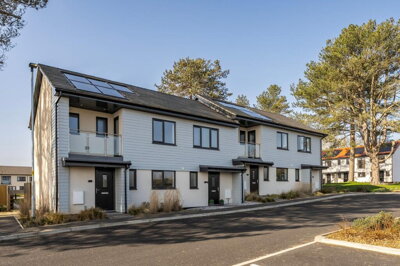
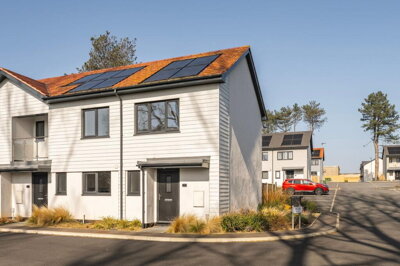
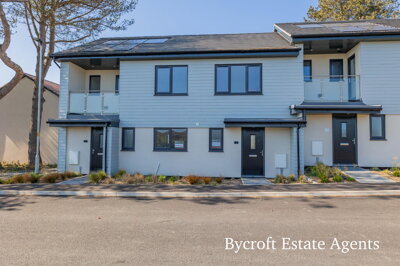
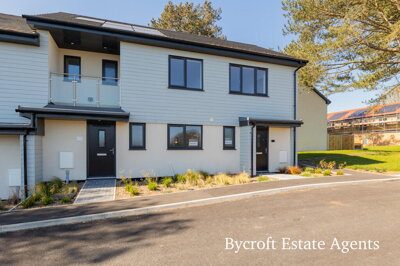
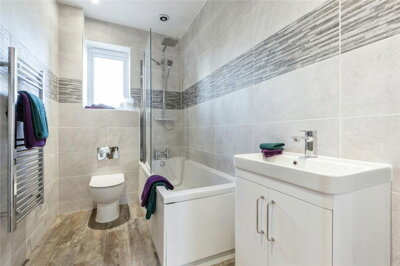
Browse 5 homes new builds in Winterton-on-Sea from local developer agents.
The 2 bed house market features detached, semi-detached, and terraced properties with two separate bedrooms plus living spaces. Properties in Winterton On Sea range across contemporary developments, with pricing varying across different neighbourhoods.
The Winterton-on-Sea property market has demonstrated remarkable resilience and growth in recent years, with Rightmove reporting a 22% increase in average prices compared to the previous year, and values now 13% above the 2021 peak of £325,066. This upward trajectory reflects the sustained demand for coastal properties in Norfolk, particularly in villages that offer both natural beauty and practical accessibility. Our platform aggregates listings from local estate agents, giving you access to the full range of properties currently available in this competitive market segment. The village attracts buyers seeking everything from traditional fisherman cottages to modern detached family homes, with the diversity of housing stock reflecting the community's long history.
Property types available in Winterton-on-Sea span a range of budgets and preferences. Detached homes command the highest average prices at approximately £404,154, with larger properties in sought-after positions near the beach or conservation areas often exceeding this figure. Semi-detached properties offer more accessible entry points at around £304,200, making them popular with families looking to establish roots in the village. Terraced properties, including charming cottages in the older village centre, typically start from £140,500 to £205,000 depending on condition and location. Notably, new build activity in the NR29 4 postcode area remains minimal, with zero new build homes sold in 2025, meaning buyers purchasing here are investing in existing properties with established character and history.
The village's older properties reflect centuries of local craftsmanship, with some of the oldest cottages in Winterton-on-Sea constructed using timber recovered from shipwrecks along the coast - a unique feature that distinguishes these historic homes from typical Norfolk housing stock. Properties near the two designated Conservation Areas, including the village centre and the area around Holy Trinity and All Saints church along Somerton Road, represent particularly characterful options for buyers seeking period features and traditional architecture. The Grade I listed church itself dates from the early 13th century, providing a historic anchor for the surrounding village landscape.

Life in Winterton-on-Sea revolves around the rhythm of the tides and the changing seasons of the Norfolk coast. With a population of approximately 1,100 to 1,300 residents across around 560 households, the village maintains an intimate community atmosphere where neighbours know one another and local events bring people together throughout the year. The village centre, which is covered by one of two Conservation Areas, houses the essential amenities that residents need for daily life, including a well-regarded primary school, a traditional village pub serving local ales and hearty meals, a shop and post office for everyday provisions, and the famous local chip shop that draws visitors from across the region during peak season.
The coastline is the defining feature of Winterton-on-Sea, offering residents and visitors access to sandy beaches, impressive cliffs, and one of England's most accessible grey seal colonies. The seals gather on the beach throughout the year, with pupping season in winter creating a particularly memorable spectacle that attracts wildlife enthusiasts and photographers. The village also sits in close proximity to the Broads, Britain's third-largest inland waterway, which has earned national and international designations for its unique wildlife habitats. The nearby Martham Broad and the River Thurne system provide additional opportunities for boating, birdwatching, and exploring Norfolk's distinctive landscape of waterways, marshes, and reed beds that support an extraordinary diversity of birdlife.
The old Winterton Lighthouse, built in the 1600s and decommissioned in the 1920s, stands as a striking local landmark that connects the village to its maritime heritage. This historic structure, now a notable feature on the village skyline, serves as a reminder of Winterton-on-Sea's long relationship with the sea and the vessels that once navigated these coastal waters. The tourism season brings additional vibrancy to the village, with seasonal shops opening to serve the influx of visitors drawn by the beaches, wildlife, and natural beauty of the area.

Families considering a move to Winterton-on-Sea will find a well-established educational facility in the village. Winterton Primary School serves local children from reception through to Year 6, providing primary education within easy walking distance for most village residents. The school maintains strong connections with the local community and benefits from the supportive village environment that enables teachers to know each pupil individually. For secondary education, children typically travel to schools in the surrounding area, with several options available in the Great Yarmouth area and further afield in Norwich for families seeking specialist subjects or particular educational approaches.
The village's Ofsted-registered childcare facilities and the local primary school create a solid foundation for families with young children, while the presence of several nearby grammar schools provides pathways for academically ambitious students. Norfolk operates a grammar school system, and families within catchment areas may access these academically-selective options, though parents should research specific admission criteria and geographic boundaries when considering properties. For families with older children, the nearby town of Great Yarmouth offers further education options, while Norwich, approximately 20 miles away, provides access to the University of East Anglia and a comprehensive range of further and higher education institutions.
The village environment, with its outdoor lifestyle and strong community bonds, offers children opportunities for outdoor exploration and wildlife engagement that urban settings cannot match. Children growing up in Winterton-on-Sea benefit from regular access to the beach, coastal walks, and the natural playground of the nearby Broads, where families can explore waterways, observe wildlife, and enjoy the distinctive landscape of Norfolk's unique wetland area.
Winterton-on-Sea occupies a relatively rural position on the Norfolk coast, approximately 12 miles north of Great Yarmouth and around 20 miles from Norwich. The village is connected to surrounding towns by a network of B-roads that wind through the coastal landscape and the fringes of the Broads. For daily commuting or accessing wider amenities, car travel remains the primary transport option for most residents, with the A149 coast road providing the main artery connecting Winterton to Great Yarmouth to the south and the Broads towns of Potter Heigham and Stalham to the north. Journey times by car to Norwich city centre typically take around 45 minutes, making it feasible for residents who work in the city but prefer coastal village living.
Public transport options serving Winterton-on-Sea include bus services that connect the village to Great Yarmouth and the surrounding coastal communities, though frequency may be limited compared to urban routes. Great Yarmouth railway station provides access to the Bittern Line, which runs services to Norwich and connects with the broader national rail network. From Norwich, East Midlands Trains and other operators provide regular services to London Liverpool Street, with journey times of approximately two hours. For residents who travel further afield for work, Norwich International Airport offers domestic and European flights, providing additional connectivity for business and leisure travel.
Cyclists can enjoy the relatively flat Norfolk landscape, with quiet country lanes making cycling a pleasant option for local journeys and recreational rides along the coast. The terrain around Winterton-on-Sea is particularly suited to cycling, with gentle gradients allowing riders of all abilities to explore the surrounding countryside, coastal paths, and connections to the broader network of cycling routes throughout the Broads National Park. The slow pace of village life, combined with the absence of heavy traffic on local roads, makes Winterton-on-Sea an attractive location for those who prefer two wheels to four.
Before diving into property viewings, take time to understand Winterton-on-Sea's unique market dynamics. With detached properties averaging over £400,000 and the market showing strong growth of 16-22% annually, establishing a realistic budget is essential. Consider additional costs including stamp duty, solicitor fees, and survey costs when calculating your total moving budget. The village's coastal location and the presence of Conservation Areas and listed buildings mean that specialist surveys may be particularly valuable for certain properties.
Most sellers will expect buyers to have their financing arranged before committing to a purchase. Contact mortgage brokers to compare rates and obtain an Agreement in Principle, which demonstrates your purchasing power when making offers on properties in this competitive coastal market. Given that property values in Winterton-on-Sea have been rising steadily, having your finances in place puts you in a strong position to act quickly when the right property becomes available.
Use Homemove to browse all available properties in Winterton-on-Sea, filtering by property type, price range, and key features. Once you find properties that match your criteria, contact estate agents to arrange viewings. Given the village's limited housing stock and strong demand, be prepared to move quickly on properties that meet your requirements. Properties in the older village centre, near the beach, or within the conservation areas tend to attract particular interest from buyers seeking character and location.
Given Winterton-on-Sea's coastal location and prevalence of older properties, a thorough survey is essential before purchasing. A Level 2 HomeBuyer Report, typically costing between £400-£600 depending on property size, will identify issues such as damp, structural concerns, roof condition, and any signs of coastal erosion or flood damage that may affect the property. Properties constructed from timber, including historic cottages built with shipwreck timber, may benefit from specialist inspection for rot or pest damage.
Your solicitor will handle the legal aspects of the purchase, including searches, contracts, and registration of title. Local conveyancing firms familiar with Norfolk properties can efficiently manage the process, including any specific considerations related to conservation areas or listed buildings. Searches will typically include local authority checks for planning history, environmental searches for flood and erosion risk, and drainage and water authority enquiries.
Once all enquiries are resolved and your mortgage is finalized, you will exchange contracts and pay your deposit. Completion typically follows within weeks, at which point you will receive your keys and can begin your new life in Winterton-on-Sea. Our platform can connect you with local solicitors and surveyors who understand the specific considerations affecting Winterton-on-Sea properties.
Purchasing a property in Winterton-on-Sea requires careful attention to factors that are specific to this coastal Norfolk location. Coastal erosion represents the most significant environmental concern affecting the village, with the North Sea coastline experiencing ongoing loss of land to storms and wave action. The former Dunes Cafe was demolished due to the threat of collapse from erosion, and sea defences have been affected by the advancing coastline. Prospective buyers should research the specific position of any coastal property relative to erosion risk, consider the history of the coastline in that area, and factor in the potential long-term implications for property values and insurance costs. Properties closer to the established village centre and the protection of the sand dune system may offer more security against these natural processes.
The presence of two Conservation Areas in Winterton-on-Sea means that many properties, particularly those in the older village centre, are subject to planning restrictions designed to preserve the historic character of the area. Any exterior alterations, extensions, or significant changes to properties within these designated areas will require planning consent that takes full account of the historic environment. Several properties are also listed buildings, including the Grade I listed Church of Holy Trinity and All Saints, Grade II listed war memorials, and 28 and 30 Low Street, which carry additional obligations for maintenance and alteration. The ruined St Mary's Church near Burnley Hall at East Somerton, Grade II listed and dating to the 13th century, represents another historic element of the wider area's heritage.
Insurance considerations should be carefully evaluated before purchasing, as properties in coastal and low-lying areas can face higher premiums due to flood risk and coastal erosion concerns. While the village sits behind protective sand dunes and the 1953 floods that devastated the area led to significant improvements in flood defences, the proximity to the sea and Broads means that flood risk cannot be entirely dismissed. Prospective buyers should obtain insurance quotes before completing a purchase and ensure they understand any history of flooding or water damage affecting the property. Properties with single-pane windows, older electrical systems, or timber construction typical of the village's historic cottages may also require investment in modernisations that should be reflected in your renovation budget.
The age of many Winterton-on-Sea properties means that buyers should be particularly vigilant about common defects in older homes. Timber construction, including historic cottages built with timber from shipwrecks, requires inspection for wet rot, dry rot, and woodworm. Single-pane windows and original electrical and plumbing systems may need updating to meet modern standards. A thorough RICS Level 2 or Level 3 survey will identify these issues and help you budget for any necessary works after purchase.
Average house prices in Winterton-on-Sea currently range from £327,000 to £367,000 depending on the data source consulted. PropertyResearch.uk reports a median price of £327,000 based on 23 sales in 2025, while Rightmove shows an average of £367,368 for the past year. Detached properties average around £404,154, semi-detached homes approximately £304,200, and terraced properties between £140,500 and £205,000. The market has shown strong growth, with prices increasing 16-22% over the past twelve months.
Properties in Winterton-on-Sea fall under Great Yarmouth Borough Council's jurisdiction for council tax purposes. The specific band depends on the property's valuation, with bands ranging from A through to H. Most standard family homes in the village typically fall within bands A to D, while larger detached properties or those with significant sea views may be placed in higher bands. Prospective buyers can check the specific band for any property through the Valuation Office Agency website or by requesting this information during the conveyancing process.
The primary school serving Winterton-on-Sea is Winterton Primary School, which provides education for children from reception through to Year 6. For secondary education, children typically attend schools in the surrounding area, with several options available within reasonable commuting distance. Norfolk also has a grammar school system, and families in the catchment areas for schools such as Great Yarmouth High School or other nearby grammar schools may have access to these academically-selective options. Parents should check current catchment areas and admissions policies when considering properties, as geographic proximity plays a significant role in school admissions in Norfolk.
Winterton-on-Sea has limited public transport options, with bus services providing the primary connection to surrounding villages and Great Yarmouth. The village is not directly served by rail, with Great Yarmouth railway station the nearest option, providing services on the Bittern Line to Norwich and connections to the national rail network. Norwich station offers regular services to London in approximately two hours. Most residents rely on car travel for daily commuting and accessing amenities, though the relatively flat Norfolk landscape makes cycling a viable option for local journeys and recreational rides along the coast.
The Winterton-on-Sea property market has demonstrated consistent growth, with prices rising 16-22% over the past year and values now exceeding previous peaks. The village's coastal location, wildlife attractions, and limited housing supply create conditions that typically support continued demand. However, investors should carefully consider the coastal erosion risks, conservation area restrictions, and the seasonal nature of tourism-related income if considering holiday let investments. The village's small size and limited amenities compared to larger towns may also affect rental demand for long-term tenants, though the area's popularity with visitors creates potential for holiday let returns during peak season.
Stamp duty rates for 2024-25 are 0% on the first £250,000 of residential property purchases, 5% on the portion from £250,001 to £925,000, 10% on the portion from £925,001 to £1.5 million, and 12% on any amount above £1.5 million. First-time buyers benefit from relief on the first £425,000, with 5% applying to the £425,001 to £625,000 range. Given that most Winterton-on-Sea properties fall below £925,000, standard purchases would attract stamp duty only on amounts above £250,000.
Coastal erosion is the primary environmental concern affecting Winterton-on-Sea, with the North Sea coastline experiencing ongoing land loss to storms and wave action. The village's low-lying position also creates some flood risk, though the protective sand dune system and improved flood defences since 1953 provide significant protection. Properties in or near the two Conservation Areas may face planning restrictions, and several local buildings are listed, requiring specialist consideration for any works. Prospective buyers should commission appropriate surveys and research specific property positions relative to known environmental risks.
The housing stock in Winterton-on-Sea is dominated by detached properties, which accounted for over 60% of recent sales and command the highest prices averaging around £404,154. Semi-detached homes offer more accessible entry points at approximately £304,200, while terraced properties and cottages in the older village centre range from £140,500 to £205,000. Flats are less common in the village, though some may be available at lower price points. New build activity is minimal in the NR29 4 postcode area, meaning buyers are typically purchasing established properties with character rather than new homes.
Understanding the full costs of purchasing property in Winterton-on-Sea is essential for budgeting effectively and avoiding surprises during the transaction. The most significant immediate cost beyond the property price is Stamp Duty Land Tax, which for standard residential purchases in 2024-25 applies at 0% to the first £250,000 of the purchase price. For a typical Winterton-on-Sea property at the median price of £327,000, this means stamp duty would be due on £77,000 at the 5% rate, resulting in a charge of £3,850. First-time buyers purchasing properties up to £625,000 can benefit from relief that raises the nil-rate band to £425,000, reducing the stamp duty on a £327,000 property to nil.
Additional buying costs include solicitor fees for conveyancing, which typically range from £500 to £1,500 depending on the complexity of the transaction and whether the property is freehold or leasehold. Survey costs are particularly important given the nature of Winterton-on-Sea's housing stock, with a RICS Level 2 HomeBuyer Report recommended for most properties and costing between £400 and £600 for standard homes, while older or non-standard properties may require the more detailed RICS Level 3 Building Survey at £600 or more. Properties in Conservation Areas or listed buildings often benefit from the more comprehensive Level 3 survey due to the specialist considerations involved. Mortgage arrangement fees, valuation fees, and local search costs should also be factored into your budget, along with removal costs and any immediate renovation or repair works you plan to undertake after completion.
Our platform connects you with trusted local conveyancing solicitors and surveyors who understand the specific considerations affecting Winterton-on-Sea properties, from conservation area requirements to coastal property concerns. We recommend obtaining quotes from several providers to ensure competitive pricing, and we can facilitate introductions to vetted professionals who service the local area. Budgeting for a buffer of around 10-15% above the purchase price is prudent to cover unexpected costs that may arise during the buying process or in the immediate aftermath of purchase.
Properties New Builds In London

Properties New Builds In Plymouth

Properties New Builds In Liverpool

Properties New Builds In Glasgow

Properties New Builds In Sheffield

Properties New Builds In Edinburgh

Properties New Builds In Coventry

Properties New Builds In Bradford

Properties New Builds In Manchester

Properties New Builds In Birmingham

Properties New Builds In Bristol

Properties New Builds In Oxford

Properties New Builds In Leicester

Properties New Builds In Newcastle

Properties New Builds In Leeds

Properties New Builds In Southampton

Properties New Builds In Cardiff

Properties New Builds In Nottingham

Properties New Builds In Norwich

Properties New Builds In Brighton

Properties New Builds In Derby

Properties New Builds In Portsmouth

Properties New Builds In Northampton

Properties New Builds In Milton Keynes

Properties New Builds In Bournemouth

Properties New Builds In Bolton

Properties New Builds In Swansea

Properties New Builds In Swindon

Properties New Builds In Peterborough

Properties New Builds In Wolverhampton

Enter your details to see if this property is within your budget.
Loans, cards, car finance
Estimated property budget
Borrowing + deposit
You could borrow between
Typical borrowing
Monthly repayment
Est. at 4.5%
Loan-to-value
This is an estimate only. Your actual budget may vary depending on interest rates, credit history, and personal circumstances. For an accurate affordability assessment, speak to one of our free mortgage advisors.
This calculator provides estimates for illustrative purposes only and does not constitute financial advice. Your home may be repossessed if you do not keep up repayments on your mortgage. Estimates based on 4.5% interest rate, repayment mortgage. Actual rates depend on your circumstances.
Homemove is a trading name of HM Haus Group Ltd (Company No. 13873779, registered in England & Wales). Homemove Mortgages Ltd (Company No. 15947693) is an Appointed Representative of TMG Direct Limited, trading as TMG Mortgage Network, which is authorised and regulated by the Financial Conduct Authority (FRN 786245). Homemove Mortgages Ltd is entered on the FCA Register as an Appointed Representative (FRN 1022429). You can check registrations at NewRegister or by calling 0800 111 6768.

We use cookies to show you personalised content and improve your experience of our website. Find out more in our Privacy policy and Cookie policy.