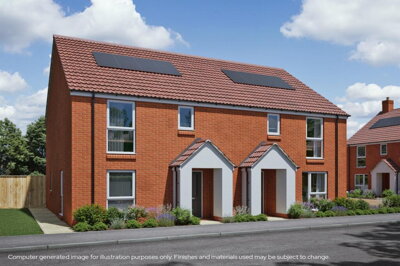
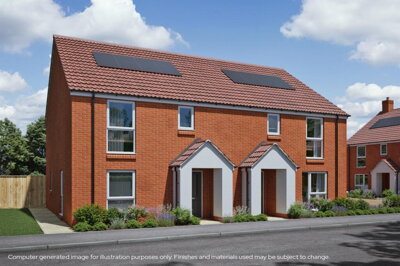
Browse 2 homes new builds in Winterborne Clenston from local developer agents.
Three bedroom properties represent a significant portion of the Winterborne Clenston housing market, offering space for families with multiple reception rooms and gardens in many cases. Browse detached, semi-detached, and terraced options ranging across new residential developments.
The Winterborne Clenston property market operates at a measured pace, with just 2 property sales completing in the past twelve months. This limited transaction volume reflects the village's small size and the high value placed on properties within this sought-after Conservation Area. The average house price of £708,000 positions the village in the upper tier of the Dorset rural market, with prices supported by the rarity of available properties and strong demand from buyers seeking authentic period homes. Our local agent network provides real-time access to these rare opportunities as soon as they appear.
Property types in Winterborne Clenston are dominated by detached houses, many of which are substantial period homes built from local Purbeck and Portland stone. The village's architectural heritage includes numerous listed buildings spanning several centuries of construction, from medieval cruck-framed structures to Georgian and Victorian additions. Thatched roofs are a common feature, reflecting the traditional building practices of North Dorset. Buyers should note that no active new-build developments exist within the village itself, meaning that any purchase will be for an established period property with all the character and potential challenges that entails.
The 12-month price trend shows a slight decline of 1.4%, which may reflect the limited sample size rather than any fundamental weakening of demand. Given the village's conservation status and the absence of any new housing supply, long-term values are likely to remain robust for buyers seeking a stable investment in an area of acknowledged character. Properties in conservation villages like Winterborne Clenston typically maintain their value well due to the strict planning controls preventing overdevelopment and preserving the unique character that makes these locations so desirable.

Life in Winterborne Clenston centres around the rhythms of the Dorset countryside, with the village pub serving as a focal point for community gatherings and the surrounding farmland providing opportunities for rural pursuits. The village sits within easy reach of Blandford Forum, approximately 6 miles to the north, which offers essential shopping facilities, healthcare services, and weekly markets. For everyday necessities, residents typically travel to nearby towns, though the sense of peaceful isolation is considered a significant advantage by those who choose to make this their home.
The local geology plays a defining role in the village's character, with properties built from chalk bedrock and the characteristic local stone that has been quarried in Dorset for centuries. The River Winterborne flows through the village, and properties near the watercourse benefit from the tranquil setting but should be aware of potential flood risk during periods of heavy rainfall. Surface water flooding can affect low-lying areas, and buyers should investigate individual property flood history as part of their due diligence. The combination of chalk bedrock with overlying clay deposits creates specific ground conditions that can affect older properties, particularly those with shallow foundations near mature trees.
As a Conservation Area, Winterborne Clenston benefits from strict planning controls that preserve its architectural heritage and prevent inappropriate development. This means that any modifications to properties, including extensions or alterations to listed buildings, require careful consideration and often require consent from Dorset Council. The community takes considerable pride in maintaining the village's appearance, and residents generally appreciate the protections that prevent the area from being spoilt by unsympathetic changes. These planning controls extend to matters such as external paint colours, boundary treatments, and even the types of windows and doors that can be installed, all of which help maintain the historic character that makes Winterborne Clenston so special.

Families considering a move to Winterborne Clenston will find primary education available at nearby village schools in the surrounding Winterborne valley. The closest primary schools serve the surrounding rural communities, and many have been rated favourably by Ofsted inspectors in recent years. Transport arrangements for school-aged children typically involve school buses or private transport, reflecting the dispersed nature of the local population and the village's rural setting. Parents should always verify current catchment areas and transport arrangements with Dorset Council before purchasing a property, as these can change and may affect daily routines significantly.
Secondary education is provided at schools in Blandford Forum and the surrounding market towns, with several popular options within a reasonable driving distance. Parents should research current admission arrangements and catchment areas, as these can change and may affect which schools their children can access. For families prioritising academic excellence, grammar schools in Dorset offer an alternative pathway, though competition for places can be intense. The drive from Winterborne Clenston to Blandford Forum schools typically takes around 20 minutes, making this a manageable commute for secondary-aged children who can travel independently.
Further education opportunities are available in Dorchester and Poole, where colleges offer a wide range of A-level and vocational courses. Many families find that the journey times are manageable for older students who can drive or use public transport independently. The peaceful environment of Winterborne Clenston can be particularly beneficial for children who thrive in quieter settings away from the pressures of urban life. University options within reasonable reach include Bournemouth University and the University of Southampton, both accessible by train from Poole station for older students pursuing higher education.
Transport connections from Winterborne Clenston reflect its rural character, with most residents relying on private vehicles for daily commuting and essential journeys. The village is situated approximately 8 miles from the A350, which provides access to the wider road network including routes to Poole, Bournemouth, and the M27 motorway beyond. Journey times to major employment centres such as Poole and Southampton typically range from 45 minutes to an hour by car, making this a viable option for commuters who can work flexibly or travel outside peak hours. The A354 provides a direct route south to Dorchester and Weymouth, while the A357 connects westward towards Sturminster Newton and the Somerset border.
Public transport options are limited, as is typical for villages of this size. Bus services connect Winterborne Clenston with Blandford Forum and other nearby villages, though frequencies are reduced compared to urban routes. For travel further afield, railway stations at Poole and Bournemouth offer direct services to London Waterloo, with journey times of approximately two hours. Southampton Airport provides access to domestic and international flights for those who need to travel further. The nearest mainline station at Poole is approximately 30 miles away, and many residents find that driving to the station and parking is more practical than relying on connecting bus services.
Cycling can be an enjoyable way to explore the local area, with quiet country lanes connecting Winterborne Clenston to neighbouring villages and the surrounding countryside. The nearby Cranborne Chase offers excellent walking and cycling opportunities, and the village is within easy reach of some of Dorset's most beautiful landscapes. For commuters who can work from home for some or all of the week, Winterborne Clenston offers an ideal base with the connectivity needed for modern working patterns. The undulating chalk downland provides challenging but rewarding routes for experienced cyclists, while gentler lanes through the valley offer more accessible options for family rides.
Begin by exploring current listings in Winterborne Clenston and understanding the £708,000 average price point. Given the small number of properties available, monitoring the market regularly and working with a local estate agent who knows the conservation village market will give you an advantage when new properties come to market. Sign up for property alerts to be notified immediately when homes matching your criteria are listed, as desirable properties in Winterborne Clenston can attract interest quickly despite the limited overall transaction volume.
Before arranging viewings, obtain a mortgage agreement in principle from a lender. This demonstrates your financial readiness to sellers and their agents, which is particularly important in a competitive market where properties in desirable conservation villages attract serious buyers. Given the property values in Winterborne Clenston, most buyers will need substantial mortgages or significant capital, so getting your finances organised early puts you in a strong position when you find the right property.
Visit Winterborne Clenston to view available properties in person. Pay close attention to the condition of period features, thatched roofs, and stone walls. Properties in conservation areas often require careful maintenance, and understanding the condition of key elements will help you make an informed decision. Take time to walk around the village at different times of day to get a genuine feel for the community and its rhythms before committing to a purchase.
Given the age of properties in Winterborne Clenston, a thorough survey is essential. An RICS Level 2 Survey will identify any structural issues, damp problems, or timber defects common in period properties. For listed buildings, consider whether a more detailed Level 3 Building Survey would be appropriate to provide a comprehensive assessment of condition and any maintenance concerns specific to historic construction.
Once your offer is accepted, instruct a conveyancing solicitor with experience of rural and listed properties. They will handle searches, legal checks, and ensure that any restrictions relating to the conservation area status are properly addressed. Special considerations for Winterborne Clenston properties may include restrictions on alterations, requirements for specific materials in any repairs, and checks on flooding history given the proximity to the River Winterborne.
Your solicitor will manage the final legal steps, including local authority searches and any special conditions relating to listed building consent. On completion, you will receive the keys to your new home in Winterborne Clenston. Allow time for the registration of title at the Land Registry and ensure that buildings insurance is in place from the point of exchange, particularly for period properties with thatched roofs which may require specialist insurers.
Properties in Winterborne Clenston are predominantly period homes, many dating back centuries, and buyers should approach purchases with a clear understanding of the issues that can affect traditional construction. Damp is one of the most common problems, whether rising damp from the chalk foundations, penetrating damp through solid stone walls, or condensation resulting from modern living in older buildings. A thorough survey will identify the extent of any damp issues and recommend appropriate remediation measures using traditional materials where necessary to maintain the property's character.
Thatched roofs, while beautiful and characteristic of the area, require regular maintenance and eventual replacement. The presence of mature trees near properties can contribute to subsidence risk, particularly given the clay content in superficial deposits overlying the chalk bedrock. Tree roots can affect soil moisture levels, causing the clay to shrink and swell seasonally and potentially damaging foundations. An experienced surveyor will assess these risks and advise on any remedial action needed, including potential underpinning or root barriers where appropriate.
Listed building status brings additional considerations for buyers. Properties listed as Grade I, Grade II*, or Grade II are protected for their architectural or historic interest, and any alterations require Listed Building Consent from Dorset Council. This can affect the scope for modernisations or extensions, and buyers should understand these constraints before committing to a purchase. The conservation area designation also imposes certain controls on external changes, ensuring that the village's character is preserved for future generations. Always factor in the potential costs of maintaining and repairing period properties using appropriate traditional methods and materials, which can be higher than modern construction.
Electrical and plumbing systems in older properties often require updating to meet current safety standards. Properties built before the 1960s may still have original wiring, and a full electrical inspection is advisable before purchase. Similarly, heating systems may be outdated or inefficient, requiring significant investment to bring up to modern standards. These renovation costs should be factored into your overall budget when considering a property in Winterborne Clenston.
The average property price in Winterborne Clenston is currently £708,000, based on recent sales data. This reflects the village's status as a premium rural location with significant period properties and its designation as a Conservation Area. Given that only 2 properties have sold in the past 12 months, the market is very limited, and prices can vary significantly depending on property size, condition, and listed status. Detached period homes with substantial gardens and original features tend to command prices at the upper end of this range, while smaller cottages may be available at more accessible price points.
Properties in Winterborne Clenston fall under Dorset Council's council tax scheme. Specific bandings depend on the property's valuation, though many period homes in the village are likely to be in bands D through H due to their size and character. You can check the council tax band for any specific property through the Valuation Office Agency website or by contacting Dorset Council directly. Properties with listed building status may have specific valuations that affect their council tax banding, and some improvement works may require assessment by the Valuation Office.
Primary education is provided by village schools in the surrounding Winterborne valley, with several receiving positive Ofsted ratings in recent years. The drive to primary schools in nearby villages typically takes 10-15 minutes by car. Secondary education is available at schools in Blandford Forum, approximately 6 miles north, including The Blandford School which offers a wide range of GCSE and A-level courses. Parents should check current admission arrangements and consider transport arrangements when choosing a property, as school catchment areas can influence access to particular schools and can change over time.
Public transport connections are limited, reflecting the village's small size and rural location. Bus services operate between Winterborne Clenston and Blandford Forum, with services typically running two to three times per weekday, though weekend services are often more restricted. Most residents rely on private vehicles for daily transport. The nearest railway stations with services to London are in Poole and Bournemouth, approximately 30 miles away, with journey times of around two hours to London Waterloo. For commuting purposes, driving to the station is generally more practical than attempting to coordinate with limited bus connections.
Property in Winterborne Clenston can be a sound investment, particularly given its status as a Conservation Area with no new-build supply and strong demand from buyers seeking rural character. The village's historical significance, traditional architecture, and limited availability create conditions for sustained values over the long term. However, the small market size means that capital growth may be slower than in more active markets, and properties may take longer to sell when you decide to realise your investment. The strict planning controls that prevent overdevelopment also protect the character that makes the village attractive, providing a buffer against market volatility that affects less desirable locations.
Stamp Duty Land Tax rates from 2024-25 apply as follows: 0% on purchases up to £250,000, 5% on the portion from £250,001 to £925,000, and 10% on amounts up to £1.5 million. First-time buyers may qualify for relief on the first £425,000, paying 5% on amounts between £425,001 and £625,000. Given the £708,000 average price, most buyers will fall into the 5% bracket on a significant portion of their purchase. For a £708,000 property, standard buyers would pay approximately £22,900 in stamp duty, while first-time buyers would pay around £14,150 under current relief provisions.
Winterborne Clenston sits adjacent to the River Winterborne, and properties near the river may be at risk of river flooding during periods of high water. The village's location on chalk bedrock with overlying clay deposits can also create conditions for surface water flooding in low-lying areas, particularly during heavy rainfall when drainage capacity is exceeded. Buyers should request flood risk information for specific properties through the Gov.uk flood risk checker and consider whether flood resilience measures are in place. Insurance costs may be higher for properties with a history of flooding, and some lenders may require specific flood risk assessments before approving mortgages.
Given the age and character of properties in Winterborne Clenston, an RICS Level 2 Survey (HomeBuyer Report) is strongly recommended for most purchases. This will identify structural issues, damp, roof condition, and timber defects common in period properties with traditional construction. For listed buildings or properties of unusual construction, a more detailed RICS Level 3 Building Survey may be appropriate to provide a comprehensive assessment of condition and any maintenance concerns specific to historic buildings. Survey costs typically range from £400 to £1,000 for Level 2 reports and £600 to £1,500 or more for detailed Level 3 surveys, depending on property size and complexity.
From £400
A detailed inspection of the property condition, ideal for modern homes and standard period properties.
From £600
Our most comprehensive survey, recommended for older, listed, or unusual properties.
From 4.5%
Competitive mortgage deals from trusted lenders to help finance your purchase.
From £499
Specialist conveyancing solicitors with experience in rural and listed properties.
Buying a property in Winterborne Clenston involves several costs beyond the purchase price itself. The primary additional expense is Stamp Duty Land Tax, which applies to all purchases above £250,000. For a typical property at the village average of £708,000, a standard buyer would pay nothing on the first £250,000, then 5% on the amount between £250,001 and £708,000. This would result in stamp duty of approximately £22,900. First-time buyers may benefit from relief on the first £425,000, reducing the amount on which the 5% rate applies and potentially saving around £8,750 on their purchase.
Survey costs should also be factored into your budget, particularly given the period nature of properties in the village. An RICS Level 2 Survey typically costs between £400 and £1,000 depending on property size and value, while more detailed Level 3 surveys for listed buildings may cost £600 to £1,500 or more. Legal fees for conveyancing usually start from around £499 for straightforward transactions but may be higher for properties involving listed building consent or conservation area requirements. Our recommended conveyancing solicitors have experience handling these specialist matters and can provide a clear estimate upfront.
Other costs to consider include mortgage arrangement fees, which can range from nothing to several thousand pounds depending on the lender and product chosen. Local authority searches through Dorset Council will incur fees, and you may need to budget for environmental searches given the village's proximity to the River Winterborne and potential flood risk areas. Buildings insurance should be arranged from the point of exchange, and for period properties with thatched roofs, specialist insurers may be required. By budgeting carefully for all these costs, you can ensure a smooth path to completing your purchase in this special Dorset village.
Properties New Builds In London

Properties New Builds In Plymouth

Properties New Builds In Liverpool

Properties New Builds In Glasgow

Properties New Builds In Sheffield

Properties New Builds In Edinburgh

Properties New Builds In Coventry

Properties New Builds In Bradford

Properties New Builds In Manchester

Properties New Builds In Birmingham

Properties New Builds In Bristol

Properties New Builds In Oxford

Properties New Builds In Leicester

Properties New Builds In Newcastle

Properties New Builds In Leeds

Properties New Builds In Southampton

Properties New Builds In Cardiff

Properties New Builds In Nottingham

Properties New Builds In Norwich

Properties New Builds In Brighton

Properties New Builds In Derby

Properties New Builds In Portsmouth

Properties New Builds In Northampton

Properties New Builds In Milton Keynes

Properties New Builds In Bournemouth

Properties New Builds In Bolton

Properties New Builds In Swansea

Properties New Builds In Swindon

Properties New Builds In Peterborough

Properties New Builds In Wolverhampton

Enter your details to see if this property is within your budget.
Loans, cards, car finance
Estimated property budget
Borrowing + deposit
You could borrow between
Typical borrowing
Monthly repayment
Est. at 4.5%
Loan-to-value
This is an estimate only. Your actual budget may vary depending on interest rates, credit history, and personal circumstances. For an accurate affordability assessment, speak to one of our free mortgage advisors.
This calculator provides estimates for illustrative purposes only and does not constitute financial advice. Your home may be repossessed if you do not keep up repayments on your mortgage. Estimates based on 4.5% interest rate, repayment mortgage. Actual rates depend on your circumstances.
Homemove is a trading name of HM Haus Group Ltd (Company No. 13873779, registered in England & Wales). Homemove Mortgages Ltd (Company No. 15947693) is an Appointed Representative of TMG Direct Limited, trading as TMG Mortgage Network, which is authorised and regulated by the Financial Conduct Authority (FRN 786245). Homemove Mortgages Ltd is entered on the FCA Register as an Appointed Representative (FRN 1022429). You can check registrations at NewRegister or by calling 0800 111 6768.

We use cookies to show you personalised content and improve your experience of our website. Find out more in our Privacy policy and Cookie policy.