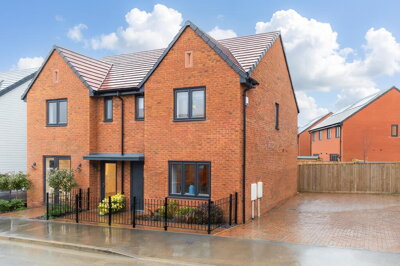
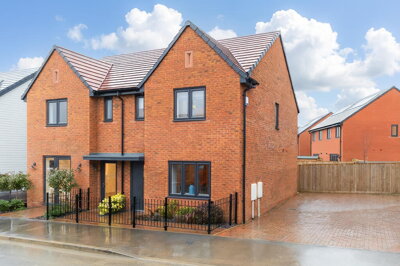
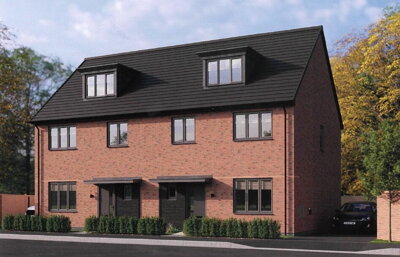
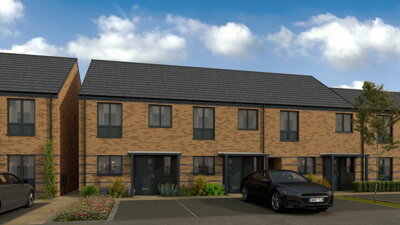
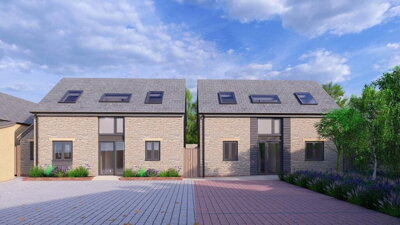
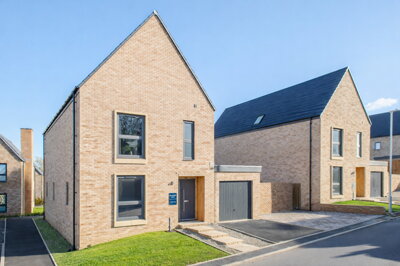
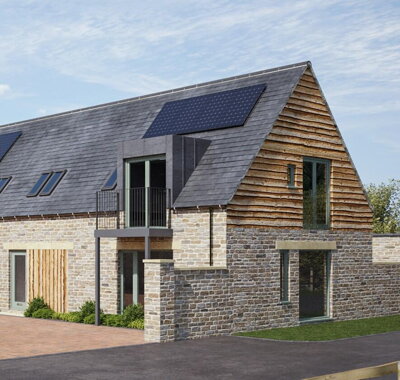
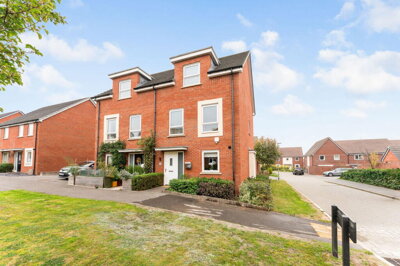
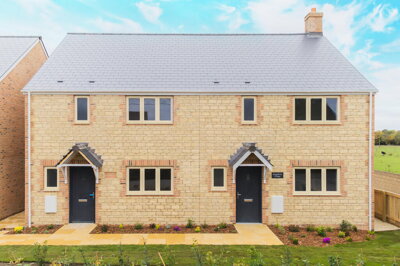
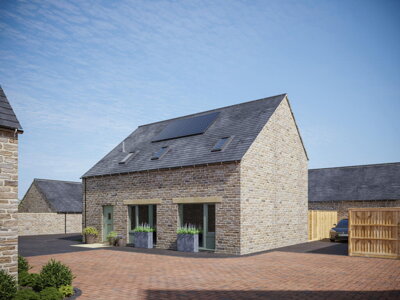
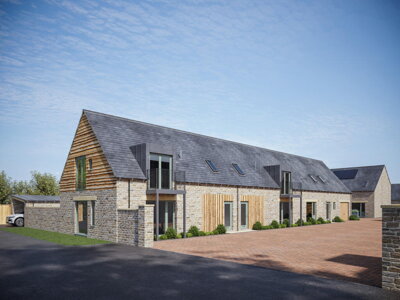
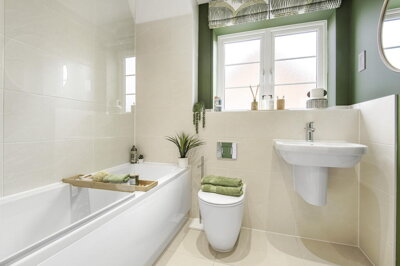
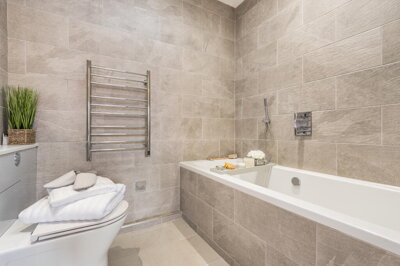
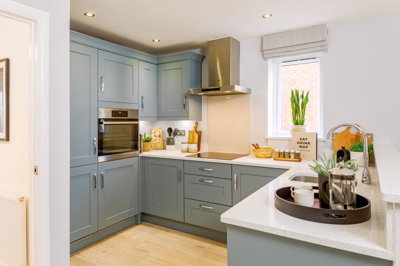
Browse 635 homes new builds in Wiltshire, England from local developer agents.
£336k
5,233
482
103
Source: home.co.uk
Source: home.co.uk
Detached
1,451 listings
Avg £680,396
Semi-Detached
992 listings
Avg £355,350
Terraced
687 listings
Avg £275,976
Apartment
378 listings
Avg £186,019
End of Terrace
355 listings
Avg £302,409
Flat
324 listings
Avg £163,906
Detached Bungalow
157 listings
Avg £460,058
Retirement Property
118 listings
Avg £189,955
Bungalow
105 listings
Avg £395,870
House
100 listings
Avg £650,252
Source: home.co.uk
Source: home.co.uk
The Wiltshire property market has demonstrated steady growth, with average house prices increasing by 3.4% from December 2024 to December 2025, reaching £332,000. This consistent performance reflects strong buyer demand for homes in this scenic county where the average property value now sits comfortably between London and the South West peninsula. Our listings feature properties across all price brackets, from attractive flats and terraced houses starting around £163,000 to impressive detached family homes commanding £522,000 or more.
Over the past twelve months, approximately 8,900 properties have changed hands in Wiltshire, though transaction volumes have decreased by 15.1% compared to the previous year as the market adjusts to changing economic conditions. Semi-detached properties have been particularly sought after, with prices rising by 4.9% over the year, while the new-build sector continues to attract buyers seeking modern energy-efficient homes with contemporary fittings and specifications. The average new-build property in Wiltshire now costs around £393,000, compared to £337,000 for established homes, a premium that reflects the benefits of modern construction, air source heat pumps, and enhanced insulation standards.
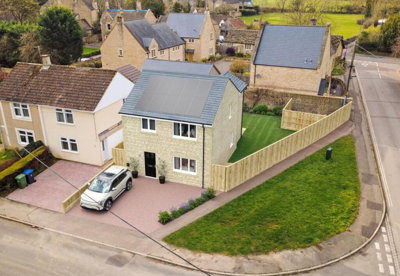
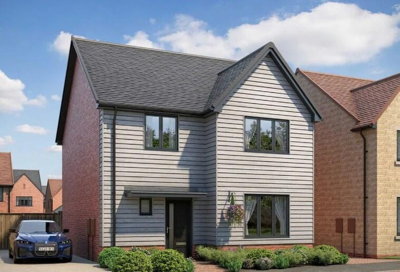
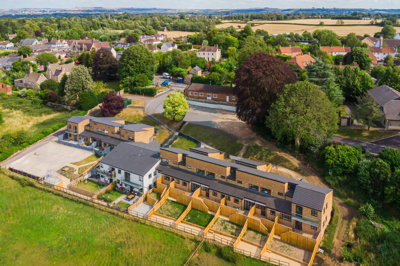
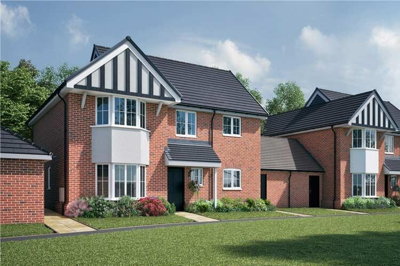
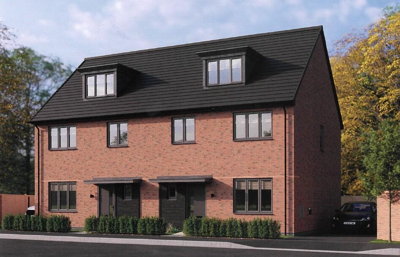
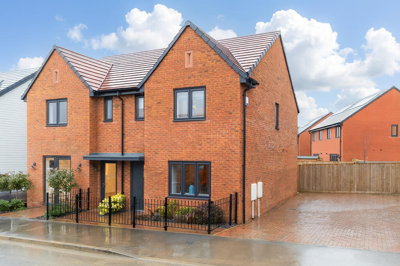
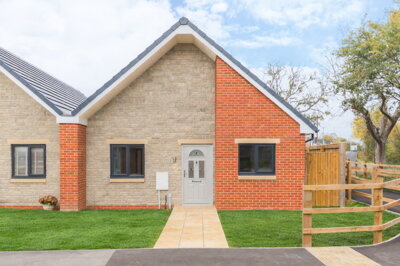
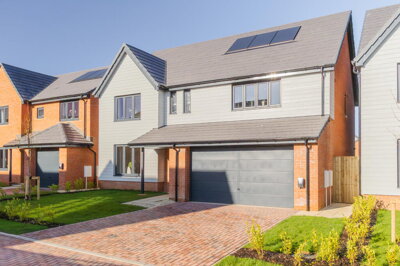
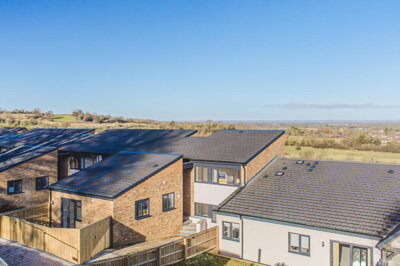
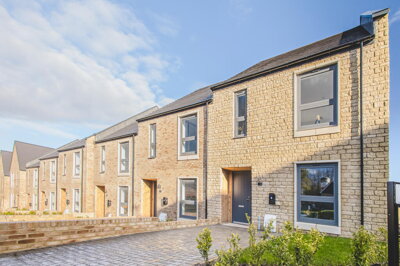
Several new developments offer opportunities for buyers seeking brand-new homes. White Horse Valley in Bratton provides 2, 3 and 4 bedroom homes with air source heat pumps and underfloor heating, while Rowden Chase near Chippenham offers properties ranging from £315,000 to £630,000. Weavers Meadow in Hilperton presents more affordable options from £285,000 to £507,000, making the dream of new-build ownership accessible to a broader range of buyers across the county. Redlands Grove in Wanborough near Swindon offers 2, 3 and 4 bedroom homes from £365,000 to £395,000, while Marshalls Green near Devizes provides modern energy-efficient homes with easy access to the Wiltshire countryside.

Wiltshire rewards its residents with an exceptional quality of life, combining the convenience of well-connected market towns with the charm of unspoiled rural villages. The county's population of 523,700 enjoys a landscape shaped by millions of years of geological history, from the chalk uplands of Salisbury Plain to the limestone ridges of the Cotswolds fringe in the northwest. This varied geology has not only created breathtaking scenery but has also influenced the distinctive character of local architecture, with villages built from locally quarried stone, flint, and chalk creating a strong sense of place throughout the county.
The historic building traditions of Wiltshire are evident in every town and village, where Bath stone, extracted from formations around the county, has been used for centuries to create magnificent structures including Malmesbury Abbey, Lacock Abbey, and Longleat House. The vernacular building styles reflect the underlying geology, with older properties in the south and east featuring combinations of flint, chalk, brick, and stone, while the north-west displays the prevalent use of Jurassic limestone in all types of buildings and boundary walls. Walking through conservation areas such as those in Bradford-on-Avon with its 344 listed buildings, or Box with 232, reveals layers of architectural history spanning several centuries.
Wiltshire contains a remarkable collection of historic buildings, from grand country houses like Bowood, Longleat, and Wilton to humble vernacular cottages that line village streets. The county's 20,000+ listed buildings include structures of exceptional importance, with examples ranging from the world-famous Salisbury Cathedral to countless village churches, manor houses, and farmsteads. Residents enjoy access to excellent cultural attractions, including prehistoric sites like Stonehenge and Avebury, while modern amenities in towns like Swindon, Salisbury, Trowbridge, and Chippenham provide comprehensive shopping, dining, and entertainment options.
The county's towns each offer distinct characters, from the artistic community of Bradford-on-Avon with its independent shops and riverside walks, to the larger urban offerings of Swindon with its shopping centre and multiplex cinema. Market towns like Devizes, with its famous flight of 29 locks on the Kennet and Avon Canal, and Marlborough with its historic Georgian high street, provide local services and community atmospheres that draw people away from larger cities seeking a better quality of life.
Families considering a move to Wiltshire will find an impressive array of educational options at every level, from outstanding primary schools in rural villages to highly regarded secondary schools and sixth forms in the main towns. The county maintains a strong commitment to education, with numerous schools consistently achieving good or outstanding Ofsted ratings and students regularly progressing to top universities across the country. The presence of excellent educational institutions significantly influences property values in catchment areas, making early research into school placements essential for families with children.
Wiltshire's secondary schools include notable grammar schools serving specific catchment areas, as well as comprehensive schools offering broad curricula and extensive extracurricular programmes. For students seeking higher education or vocational training, the county provides access to further education colleges offering qualifications from apprenticeships to A-level equivalents. Many families are drawn to Wiltshire specifically for its educational provision, with villages near outstanding schools often commanding premium property prices reflecting the value placed on educational opportunity within the community.
Independent schools throughout the county provide additional educational choices, with several establishments offering boarding facilities for families requiring flexible arrangements. The Wiltshire Council education authority provides comprehensive information on school admissions, catchment areas, and application procedures, enabling parents to make informed decisions when choosing a property. Transport links to schools are generally good, with school bus services serving rural communities and making properties in villages beyond walking distance of schools still practical options for families.
The Swindon and Wiltshire Local Enterprise Partnership monitors educational attainment across the county, reporting strong outcomes at Key Stage 4 and post-16 levels. Parents should note that school performance data changes annually, and catchment boundaries can shift, so we recommend checking current information through the government schools database and speaking directly with schools before committing to a property purchase.
Wiltshire enjoys excellent transport connections that make commuting to major employment centres entirely feasible while enjoying the benefits of rural living. The county is served by mainline railway stations offering regular services to London, with journey times to the capital typically ranging from under an hour from stations like Swindon and Salisbury to around 90 minutes from towns such as Trowbridge and Warminster. These direct rail links make Wiltshire an attractive location for commuters who work in the capital but prefer the quality of life offered by the English countryside.
The Great Western Railway network provides connections to Bristol, Bath, Exeter, and the South West peninsula from stations across the county. For drivers, the M4 motorway crosses the northern part of Wiltshire, providing fast access to London, Reading, Swindon, Bristol, and South Wales. The A419 and A429 trunk roads connect the principal towns, while an extensive network of country lanes weaves through the chalk downlands and vales, offering some of the most scenic driving routes in England. Salisbury is additionally served by the A303, providing convenient access to the South Coast and the historic sites of Hampshire and Dorset.
Bus services operated by Wiltshire Council and private operators connect villages to market towns, though frequency can be limited in more rural areas, making car ownership important for many residents. Park and ride schemes in Salisbury and Chippenham help reduce town centre congestion. For cyclists, the National Cycle Network passes through parts of Wiltshire, with traffic-free routes linking some communities. Bristol Airport, located within easy reach of western Wiltshire, provides international flight connections, while Southampton Airport serves the southern parts of the county.
For those working locally, major employment hubs include the Honda plant and industrial estates in Swindon, the hospital complexes in Salisbury and Swindon, and various business parks distributed across the county's market towns. The growing technology and logistics sectors have created additional employment opportunities, reducing the need for some residents to commute to London or Bristol entirely.
Explore different towns and villages across Wiltshire to find the location that best suits your lifestyle needs and budget. Consider factors like commute times, school catchment areas, and the character of different neighbourhoods from market towns like Bradford-on-Avon to villages in the Vale of Pewsey. Each area has its own distinct property market, with prices influenced by proximity to transport links, schools, and local amenities.
Obtain a mortgage agreement in principle before you start viewing properties, as this demonstrates your seriousness to sellers and estate agents. Speak to our mortgage partners who can compare rates from multiple lenders and help you understand your borrowing capacity based on current average prices around £332,000. Factor in additional costs including stamp duty, solicitor fees, survey costs, and removals when calculating your total budget for moving.
View multiple properties across different price ranges to understand what your budget buys in different parts of Wiltshire. Pay attention to construction materials, which vary significantly across the county from limestone buildings in the northwest to flint and chalk structures in the south and east. Take photographs and notes during viewings to help compare properties later and identify any red flags that warrant a follow-up survey.
Given Wiltshire's significant stock of older and historic properties, we strongly recommend a RICS Level 2 or Level 3 survey before purchasing. These surveys identify common defects in period properties including structural movement, dampness, roof condition, and outdated electrical systems. For listed buildings or properties in conservation areas, a Level 3 Building Survey is particularly advisable as it provides the detailed assessment needed for these complex properties.
Appoint a conveyancing solicitor with experience in Wiltshire property transactions to handle the legal aspects of your purchase. Our conveyancing partners can manage searches, contracts, and registration with Wiltshire Council. Local knowledge of the county's specific issues, such as conservation area restrictions and listed building regulations, can help avoid complications during the conveyancing process.
Once your mortgage is approved, surveys completed, and legal searches satisfactory, you will exchange contracts and pay your deposit. Completion typically follows within 2-4 weeks, when you will receive your keys and take ownership of your new Wiltshire home. We recommend arranging buildings insurance before completion and scheduling utility transfers in advance to ensure a smooth move.
Properties in Wiltshire encompass a fascinating variety of construction types and ages, reflecting centuries of building tradition shaped by the county's diverse geology. Understanding local building materials is essential when evaluating any property, as repairs and maintenance requirements differ significantly between a solid-walled Victorian house built from local stone and a modern home constructed with cavity wall insulation. The Jurassic limestones prevalent in the northwest provide durable but sometimes porous building fabric, while the flint and chalk structures common in southern Wiltshire require specific maintenance approaches that differ from standard brick-built properties.
Conservation areas are widespread throughout Wiltshire's towns and villages, and purchasing a property within a designated area brings additional responsibilities and considerations. Properties in conservation areas may be subject to restrictions on external alterations, window replacements, and boundary treatments, requiring planning permission or listed building consent for works that might not need approval elsewhere. The county's extensive stock of listed buildings, ranging from Grade I structures of exceptional importance to Grade II properties of special interest, carries the most stringent requirements, with all works potentially requiring consent from Wiltshire Council's planning department.
The underlying geology of Wiltshire includes clay formations that can cause shrink-swell movement, particularly in areas underlain by Oxford, Kimmeridge, Gault, and London Clays. Properties in affected areas may show signs of foundation movement, with cracking to walls and doors becoming difficult to close. A thorough survey will identify any structural concerns, and insurance arrangements should reflect the specific risks of the property's location. River valleys, including those traversed by the River Avon system, may present localised flood risk that should be investigated through Environment Agency flood maps and appropriate searches before purchase.
Common defects in Wiltshire's older properties warrant careful attention during viewings and surveys. Penetrating damp affects many solid-walled stone properties where mortar joints have deteriorated, while rising damp can occur where original bitumen damp-proof courses have failed. Roof condition is particularly important in period properties with original slate or stone tile coverings, where ridge mortar decay and slipped tiles are frequent issues. Properties built before 1999 may contain asbestos in floor tiles, pipe cement, or thermal insulation, and older electrical systems with original wiring rarely meet modern safety standards and should be upgraded.
Wiltshire's varied geology has produced a rich of building traditions that any prospective buyer should understand. In the northwest, around Chippenham, Calne, and Lyneham, Jurassic limestones dominate construction, with the fine-grained Corallian limestone quarried locally used for prestigious buildings and everyday walls alike. The famous Bath stone, particularly the desirable Box Ground variety with its warm honey colouring, was historically reserved for the most important structures including Malmesbury Abbey, Longleat House, and countless Georgian townhouses. This premium building material continues to influence property values today, with Bath stone properties commanding premiums in desirable areas.
Moving south and east across the county, building materials shift to reflect different geological conditions. Here, flint set in mortar or clunch (hard chalk) forms the walls of cottages and churches, with brick used for dressings, chimneys, and more prestigious buildings from the 18th century onwards. Small brickworks exploited the Oxford, Kimmeridge, Gault, and London Clays found across the county, producing distinctive red and brown bricks that characterise many Victorian terraces. In chalk areas like Salisbury Plain, bricks were used to dress flint walls and construct chimneys, while in clay vales, brick was often used independently with red clay roof tiles.
Timber frame construction, frequently with thatch roofing, is more prevalent in the eastern and southern parts of Wiltshire, particularly in rural villages where the combination of materials suited local conditions and available resources. The development of canal and railway networks in the 19th century brought Welsh slate to the county, replacing traditional stone tiles and thatch on many properties. When viewing properties, identifying the construction type helps predict likely maintenance requirements, potential structural issues, and renovation possibilities. Our surveyors regularly encounter these different construction methods and can advise on their specific characteristics during the inspection process.
The average house price in Wiltshire was £332,000 as of December 2025, according to provisional Land Registry data. This represents a 3.4% increase over the previous twelve months. Property prices vary significantly by type, with detached homes averaging £522,000, semi-detached properties at £332,000, terraced houses around £268,000, and flats and maisonettes at approximately £163,000. New-build properties command a premium averaging £393,000 compared to £337,000 for established homes. Prices in Wiltshire remain approximately 2% below the 2022 peak of around £352,000, suggesting reasonable entry points for buyers in the current market.
Council tax bands in Wiltshire are set by Wiltshire Council based on property values as of April 1991. Bands range from A (the lowest values) to H (the highest), with most residential properties falling within bands A through E. You can check the specific band for any property through the Wiltshire Council website or the Valuation Office Agency. Property bands affect annual council tax payments and can influence overall running costs when budgeting for a home purchase. Properties in conservation areas or those with recent extensions may have been rebanded, so verifying the current band should form part of your pre-purchase enquiries.
Wiltshire offers excellent educational provision at all levels, with numerous primary and secondary schools achieving good or outstanding Ofsted ratings. Specific schools vary by location, with notable grammar schools serving designated catchment areas and comprehensive schools offering broad curricula across the county. Towns like Salisbury, Chippenham, and Devizes have particularly strong secondary school options, while rural villages often have well-regarded primary schools that feed into specific secondary schools. The Swindon and Wiltshire Local Enterprise Partnership provides information on educational attainment and provision. Families should research specific school performance data and catchment boundaries relevant to their preferred property location before purchasing.
Wiltshire is well-served by rail connections, with major stations offering regular services to London, Bristol, Bath, and the South West. Swindon station provides the fastest link to London Paddison, with journey times under an hour, while Salisbury offers direct services to the capital in around 90 minutes. The Great Western Railway network serves stations across the county, including Westbury, Trowbridge, and Warminster. The M4 motorway provides fast road access through the north of the county, while the A303 runs through the south connecting to the A30 for South Coast access. Bus services operated by Wiltshire Council and private operators link towns and villages, though rural services may be less frequent than urban routes.
Wiltshire has demonstrated consistent property price growth, with average prices increasing by 3.4% over the past year and remaining only 2% below the 2022 peak despite broader market fluctuations. The county's growing population, which increased by 8.4% between 2011 and 2021 and continues to grow toward 524,000 residents, excellent transport links to London and Bristol, strong schools, and attractive lifestyle offerings support continued demand. Transaction volumes have decreased recently due to broader market conditions, but this may present opportunities for buyers seeking more time for decision-making. The mix of historic properties, new developments, and varied property types provides options across different investment strategies.
As of 2024-25, stamp duty land tax (SDLT) is charged at 0% on the first £250,000 of residential property purchases, 5% on the portion from £250,001 to £925,000, 10% on the portion from £925,001 to £1.5 million, and 12% on any amount above £1.5 million. First-time buyers paying £625,000 or less pay no SDLT on the first £425,000, with 5% charged between £425,001 and £625,000. For properties above £625,000, first-time buyer relief is not available. At Wiltshire's average price of £332,000, a standard buyer would pay £4,100 in stamp duty. First-time buyers at this price point would pay no SDLT at all, making Wiltshire an accessible market for those entering the property ladder.
Wiltshire contains over 20,000 listed buildings, ranging from Grade I structures of exceptional importance to Grade II buildings of special interest. Towns like Bradford-on-Avon have 344 listed buildings within their conservation areas, while Box contains 232 and Downton village has over 80 listed buildings centred on The Borough, High Street, and Lode Hill. Purchasing a listed building brings significant responsibilities, as all external and many internal alterations require listed building consent from Wiltshire Council. A Level 3 Building Survey is strongly recommended for listed properties, as standard surveys may not adequately assess the special considerations these historic buildings require.
From 4.5% APR
Compare rates from multiple lenders to find the best mortgage for your Wiltshire property purchase
From £499
Expert solicitors handling your Wiltshire property purchase
From £350
Recommended for most properties, identifies defects in Wiltshire homes
From £600
Comprehensive survey for older and listed properties
Understanding the full costs of purchasing property in Wiltshire is essential for budgeting effectively, with stamp duty land tax forming a significant element of the upfront expenses. At the current average house price of £332,000, a standard buyer purchasing with a mortgage would pay SDLT of £4,100, calculated at 0% on the first £250,000 and 5% on the remaining £82,000. First-time buyers purchasing properties up to £425,000 would pay no stamp duty at all, making homeownership in Wiltshire's market towns and villages particularly accessible for those just starting on the property ladder.
Beyond stamp duty, buyers should budget for solicitor conveyancing costs typically ranging from £499 to £1,500 depending on complexity and property value, plus disbursements including local authority searches (around £200-300), drainage and water searches, and Land Registry fees. Mortgage arrangement fees vary by lender, ranging from zero to around £2,000, and should be considered when comparing overall mortgage costs. Survey costs for a RICS Level 2 Homebuyer Report start from around £350 for smaller properties, rising for larger homes or more comprehensive Level 3 Building Surveys that are particularly advisable for Wiltshire's older properties with their potential for hidden defects.
Removal costs, potential renovation expenses, and connection charges for utilities and services should also feature in your moving budget. Buildings insurance must be in place from the day of completion, and you will want to consider contents insurance as well. Setting aside around 1.5% to 2% of the property price for these additional purchase costs is a sensible guideline, meaning for a typical Wiltshire property at £332,000, you should budget approximately £5,000 to £6,600 for costs beyond the deposit and mortgage. Our conveyancing and mortgage partners can provide detailed cost estimates tailored to your specific transaction.

Properties New Builds In London

Properties New Builds In Plymouth

Properties New Builds In Liverpool

Properties New Builds In Glasgow

Properties New Builds In Sheffield

Properties New Builds In Edinburgh

Properties New Builds In Coventry

Properties New Builds In Bradford

Properties New Builds In Manchester

Properties New Builds In Birmingham

Properties New Builds In Bristol

Properties New Builds In Oxford

Properties New Builds In Leicester

Properties New Builds In Newcastle

Properties New Builds In Leeds

Properties New Builds In Southampton

Properties New Builds In Cardiff

Properties New Builds In Nottingham

Properties New Builds In Norwich

Properties New Builds In Brighton

Properties New Builds In Derby

Properties New Builds In Portsmouth

Properties New Builds In Northampton

Properties New Builds In Milton Keynes

Properties New Builds In Bournemouth

Properties New Builds In Bolton

Properties New Builds In Swansea

Properties New Builds In Swindon

Properties New Builds In Peterborough

Properties New Builds In Wolverhampton

Enter your details to see if this property is within your budget.
Loans, cards, car finance
Estimated property budget
Borrowing + deposit
You could borrow between
Typical borrowing
Monthly repayment
Est. at 4.5%
Loan-to-value
This is an estimate only. Your actual budget may vary depending on interest rates, credit history, and personal circumstances. For an accurate affordability assessment, speak to one of our free mortgage advisors.
This calculator provides estimates for illustrative purposes only and does not constitute financial advice. Your home may be repossessed if you do not keep up repayments on your mortgage. Estimates based on 4.5% interest rate, repayment mortgage. Actual rates depend on your circumstances.
Homemove is a trading name of HM Haus Group Ltd (Company No. 13873779, registered in England & Wales). Homemove Mortgages Ltd (Company No. 15947693) is an Appointed Representative of TMG Direct Limited, trading as TMG Mortgage Network, which is authorised and regulated by the Financial Conduct Authority (FRN 786245). Homemove Mortgages Ltd is entered on the FCA Register as an Appointed Representative (FRN 1022429). You can check registrations at NewRegister or by calling 0800 111 6768.

We use cookies to show you personalised content and improve your experience of our website. Find out more in our Privacy policy and Cookie policy.