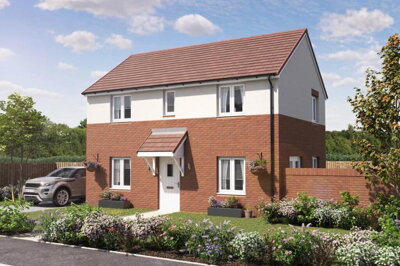
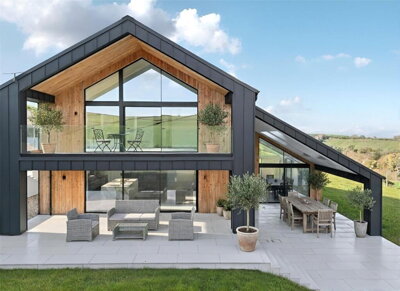
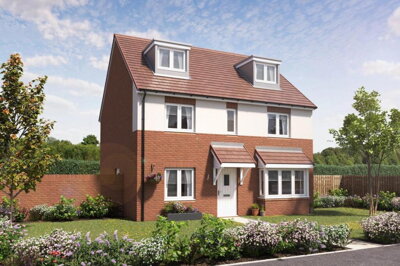
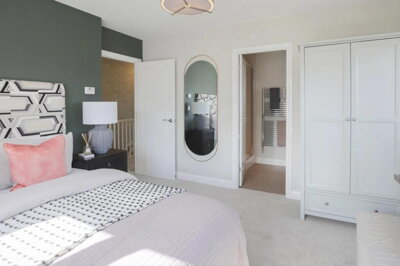
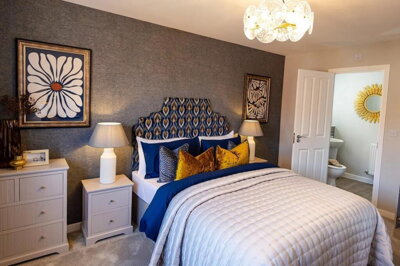
Browse 5 homes new builds in Whitestone, Teignbridge from local developer agents.
The Whitestone property market offers detached, semi-detached, and terraced houses spanning various price ranges and neighbourhoods. Each listing includes detailed property information, photographs, and direct contact with the marketing agent.
£655k
4
0
139
Source: home.co.uk
Showing 4 results for Houses new builds in Whitestone, Teignbridge. The median asking price is £655,000.
Source: home.co.uk
Detached
4 listings
Avg £877,500
Source: home.co.uk
Source: home.co.uk
The Whatley property market reflects the character of this historic Somerset village. Our data shows that detached properties dominate local sales, accounting for approximately 67% of all transactions in the BA11 3LA postcode area. This preference for larger, standalone homes reflects the rural nature of the location, where buyers prioritise space, privacy, and the characteristic stone construction that defines the area. Recent sales include properties such as Ponderosa on Old Wells Road, sold for £510,000 in March 2025, and Zacharys Mill in nearby Egford, achieving £540,000 in June 2025. These figures illustrate the premium that buyers place on homes within this sought-after village setting.
Price trends in the Whatley area demonstrate consistent long-term growth alongside relative stability. Over the past five years, property values in the BA11 3LA postcode have increased by 16.9%, while the decade-long growth stands at an impressive 41.5%. These statistics position Whatley as a sound investment for buyers seeking both lifestyle benefits and property appreciation. The wider BA11 3LA postcode area shows an estimated average property value of £802,785, with this higher figure likely influenced by larger estates and premium rural properties within the vicinity. New build activity specifically within Whatley remains limited, which means the majority of available properties are characterful period homes built using traditional Somerset stone and brick methods.
Looking at property types across the broader BA11 area, our research indicates detached homes command the highest values, with averages around £417,413 for this property type. Semi-detached properties in comparable Somerset locations typically sell for around £272,118, while terraced homes average approximately £227,964. Flats and apartments are relatively uncommon in Whatley itself, reflecting the predominantly rural character of the village where larger properties on substantial plots remain the norm. This mix of property types means that buyers seeking the village lifestyle should expect to focus on detached family homes or traditional stone cottages rather than the flat or terraced housing more common in urban areas.

Life in Whatley centres on the rhythms of the Somerset countryside, where village life unfolds against a backdrop of rolling hills and working farmland. The village forms part of the Mendip district, an area renowned for its limestone geology, ancient settlements, and dramatic landscape features. Residents enjoy walking routes that traverse open fields, woodland paths, and lanes lined with hedgerows teeming with wildlife. The proximity to the Mendip Hills Area of Outstanding Natural Beauty means that outdoor pursuits, including hiking, cycling, and horse riding, are readily accessible from your doorstep. This is countryside living at its most authentic, far removed from the pressures of urban life.
The village itself, while small, benefits from its position near Frome, one of Somerset's most vibrant market towns. Frome's Georgian streets host a weekly charter market, numerous independent retailers, cafes, and restaurants. The town has earned recognition for its artistic community and cultural events, including the acclaimed Frome Independent Market, which takes over the town centre on the first Sunday of each month. Community life in Whatley and the surrounding villages remains strong, with local events, fetes, and gatherings that foster connections between residents. The demographic profile reflects a mix of families drawn to the excellent schooling, professionals seeking rural tranquility with commuting access, and retirees attracted by the quality of life and scenic environment.
The local economy around Whatley reflects its rural character, with employment opportunities typically found in agriculture, tourism, and small businesses serving the wider area. Many residents commute to Frome or other nearby towns for work, taking advantage of the village's position that offers relatively straightforward access to employment centres while maintaining the benefits of countryside residence. The presence of local pubs, farm shops, and artisan producers adds to the village's self-sufficient character, while the thriving cultural scene in nearby Frome provides additional recreational options without requiring a journey to larger cities.

Families considering a move to Whatley will find a range of educational options within easy reach. Primary education is available at several village schools in the surrounding area, with the nearest schools serving the communities around Frome. These smaller rural schools often benefit from close-knit atmospheres where children receive individual attention and develop strong foundations in core subjects. For secondary education, pupils typically travel to Frome, where several well-established schools operate with good reputations for academic achievement and extracurricular activities. Parents are advised to research specific catchment areas, as admissions policies can influence which schools children are eligible to attend.
Beyond state education, the Whatley area offers access to independent schools that serve Somerset and the wider region. These institutions provide alternative educational pathways with varying curricula and extracurricular offerings. For families prioritising academic excellence or specific educational approaches, the availability of independent options within driving distance adds to the area's appeal. Sixth form provision is concentrated in Frome and nearby towns, with several colleges and school sixth forms offering A-level programmes across a range of subjects. The presence of quality education at all levels makes Whatley an attractive location for families at various stages of their educational journey.
The school landscape in Somerset reflects the county's mix of urban and rural communities, with primary schools in surrounding villages typically serving smaller catchment areas than their urban counterparts. Parents moving to Whatley should verify current admissions arrangements with Somerset County Council, as school transport provision and catchment boundaries can influence daily logistics. The journey from Whatley to schools in Frome typically takes around 15-20 minutes by car, making this practical for families who plan their school runs around work commitments.
Despite its rural setting, Whatley offers practical transport connections that serve both local and longer-distance travel needs. The village sits within easy reach of the A361 and A37, major roads that provide access to towns across Somerset and connect the region to the wider road network. The A361 links Frome to Taunton and the M5 motorway, while the A37 provides a route south towards Yeovil and the A303, making longer distance travel to London or the south coast reasonably straightforward. For daily commuting, these road connections allow residents to reach larger employment centres while returning to countryside residence each evening.
Frome railway station, located approximately four miles from Whatley, offers regular services on the Bristol to Weymouth line. Frome provides direct connections to Bath, Bristol, Southampton, and Portsmouth, with journey times to Bath typically taking around 30 minutes and Bristol around 40 minutes. These rail services make Whatley viable for commuters who work in the larger cities but prefer countryside residence. The station has undergone significant improvements in recent years, enhancing facilities for regular travellers. For those working in London, a change at Bristol Temple Meads or Bath Spa provides access to regular mainline services.
Bus services connect Whatley with Frome and surrounding villages, providing essential access for those without private vehicles. The frequency of these services may be limited compared to urban routes, so residents often find that a car proves essential for daily life in this rural location. For international travel, Bristol Airport offers flights to European destinations and beyond, located approximately 30 miles north of Whatley. Southampton Airport provides additional options, particularly for holiday travel. Cyclists benefit from quiet country lanes and the network of bridleways and footpaths that crisscross the Somerset countryside, though the hilly terrain presents challenges for less experienced riders.
Begin by exploring the Whatley property market in detail. Review sold prices in the BA11 postcode area to understand values, noting that recent sales have ranged from £510,000 to over £540,000 for detached properties. Obtain a mortgage agreement in principle before starting viewings, as this strengthens your position when making offers on homes in this competitive rural market. Consider engaging a local estate agent with knowledge of the Whatley and Frome area, as they can provide insights into properties coming to market before they appear on public portals.
Contact local estate agents active in the Whatley and Frome area to arrange viewings of properties that match your criteria. View multiple properties to compare their condition, character, and proximity to amenities. Pay particular attention to the age of properties and any signs of maintenance needs, as the village's older housing stock may require updating. When viewing period properties in Whatley, look beyond cosmetic finishes to assess the condition of structural elements, original features, and any renovation work that may have been undertaken.
Once you identify your preferred property, instruct a RICS Level 2 Survey to assess its condition thoroughly. For older properties in Whatley, this survey will check for common issues including damp, timber defects, roof condition, and any signs of structural movement. Your solicitor should also conduct local searches to identify any planning constraints, mining history, or environmental factors affecting the property. Given the limestone geology of the Mendip Hills area, a thorough assessment of ground conditions and any potential for subsidence or sinkholes is advisable for properties in certain locations.
Present your offer through the selling agent, taking into account the property's condition, survey findings, and comparable sales. In a village market with limited stock, be prepared to negotiate on price and terms. Your mortgage offer should be finalised and your conveyancing solicitor instructed to handle the legal transfer. Be aware that the Whatley market moves at its own pace, and properties may take longer to sell than in urban areas, which can give buyers more time for decision-making but also means competition for particularly desirable homes can be intense.
Work with your solicitor to resolve any queries raised during conveyancing and arrange building insurance for the property. Exchange contracts once all parties are satisfied, and arrange your move for the agreed completion date. Register your ownership with HM Land Registry and notify relevant utilities and local authorities of your change of address. Factor in time for transferring services, redirecting mail, and settling into your new Somerset village home.
Purchasing a property in Whatley requires attention to factors specific to this rural Somerset location. The village's proximity to the historic Somerset coalfield means that some properties may sit above areas of former mining activity. While specific mining records for Whatley were not identified in our research, buyers should instruct a thorough search of mining records and consider a specialist survey if any risk is identified. Properties in this part of Somerset often sit on limestone geology, which can present challenges including potential for sinkholes or ground stability issues. A comprehensive RICS Level 2 Survey will identify any structural concerns that might not be apparent during a standard viewing.
The age of properties in Whatley warrants careful inspection. Evidence suggests a significant proportion of homes date from before 1919, with period properties featuring traditional construction methods including solid walls, timber floors, and original roof structures. Traditional building materials in this part of Somerset typically include local stone such as Doulting Stone or other regional limestones, alongside handmade bricks and timber from local woodland. These characteristics contribute to the village's charm but may bring maintenance requirements that differ from modern properties. Buyers should check for signs of damp, assess the condition of original windows and doors, and verify that electrical and plumbing systems meet current standards or have been appropriately updated.
Properties that form part of a conservation area or are listed buildings may face additional restrictions on alterations and maintenance, which can affect both costs and future plans. While specific listed buildings in Whatley were not detailed in our research, the village's historic character suggests that properties with historical significance are likely present. Such designations can protect the character of your investment but may limit permitted development rights. For period properties in the village, common issues identified during survey include rising damp where solid walls meet ground levels, timber decay in original floor structures, roof covering deterioration, and outdated electrical installations that may require bringing up to current regulations.
The average sold house price in Whatley over the past 12 months stands at approximately £510,000 according to our property data. The wider BA11 3LA postcode area shows an estimated average property value of £802,785, with this figure influenced by larger rural estates in the vicinity. Property prices in the area have demonstrated consistent growth, rising by 1.3% in the past year, 16.9% over five years, and an impressive 41.5% over the past decade. This long-term appreciation reflects the enduring appeal of rural Somerset property and the limited supply of homes in villages like Whatley.
Properties in Whatley fall under Mendip District Council for council tax purposes. Specific bandings vary by property depending on the valuation band assigned by the Valuation Office Agency. Rural Somerset properties, particularly larger detached homes on the village's outskirts, often fall into higher bands due to their size and land values. Prospective buyers should check the specific banding for any property they are considering, as council tax forms part of the ongoing cost of homeownership in the area. Current council tax rates for Mendip District Council can be verified through their official website or by requesting this information during the conveyancing process.
The Whatley area offers access to primary schools in nearby villages and the town of Frome, with several primary schools serving the surrounding communities. Secondary education is concentrated in Frome, where schools serve pupils from Year 7 onwards. The area also provides options for independent schooling, with institutions within reasonable driving distance. Parents should research individual school performance data and admissions catchment areas to identify the most suitable options for their children. The journey time from Whatley to schools in Frome typically involves around 15-20 minutes of driving, making daily school runs practical for families who plan their schedules accordingly.
Whatley is served by limited bus connections linking the village with Frome and surrounding communities. Frome railway station, approximately four miles away, provides regular train services to Bath, Bristol, Southampton, and Weymouth on the Bristol to Portsmouth line. For daily commuting or regular travel, a car is essentially required given the rural nature of the location. Bristol Airport, approximately 30 miles distant, offers international travel options for holidays and business. The A361 and A37 roads provide good access to the wider road network, with connections to the M5 motorway making longer journeys straightforward.
Historical data suggests that property investment in Whatley and the wider BA11 postcode area has performed well over the long term. Prices have increased by 41.5% over the past decade, indicating strong demand for rural Somerset property. The limited supply of homes in this small village, combined with the enduring appeal of countryside living, tends to support values. However, buyers should note that the rural location means the market may be less liquid than urban areas, and properties can take longer to sell. For buyers seeking both a lifestyle investment and potential long-term appreciation, Whatley offers a compelling combination of character properties and consistent value growth.
Stamp duty rates for 2024-25 are 0% on the first £250,000 of property value, 5% between £250,001 and £925,000, 10% between £925,001 and £1.5 million, and 12% above £1.5 million. First-time buyers receive relief on the first £425,000, with 5% payable between £425,001 and £625,000. Given the average property price in Whatley sits around £510,000, a standard buyer purchasing at this level would pay approximately £13,000 in stamp duty, while first-time buyers would pay around £4,250. These costs should be factored into your overall budget alongside legal fees, survey costs, and moving expenses.
Properties in Whatley often date from periods before 1919, meaning they may have solid walls rather than cavity insulation, original timber windows, and older electrical and plumbing systems. These features require careful inspection during the survey process. The rural location also warrants checks for mining history in the broader Somerset coalfield area, potential ground stability issues related to limestone geology, and any planning restrictions that may affect the property. Listed buildings or homes in conservation areas face additional requirements for alterations and maintenance. A thorough RICS Level 2 Survey will assess these factors and highlight any issues requiring attention or negotiation with the seller.
Understanding the full costs of purchasing property in Whatley helps buyers budget accurately for their move. Beyond the purchase price, the most significant additional cost is stamp duty, formally known as Stamp Duty Land Tax. For a property priced at the local average of £510,000, standard buyers pay zero duty on the first £250,000, then 5% on the remaining £260,000, totalling £13,000. First-time buyers benefit from increased thresholds, paying just £4,250 on the same property. These rates apply to purchases completed from autumn 2024 onwards following recent government changes to the thresholds.
Beyond stamp duty, buyers should budget for solicitor fees for conveyancing, which typically range from £500 to £1,500 depending on the complexity of the transaction and whether the property is freehold or leasehold. Survey costs should also be factored in, with a RICS Level 2 Survey for a property in Whatley likely costing between £350 and £600 depending on the size and value of the home. Given the age of many properties in this village, this survey provides valuable protection against hidden defects. Land Registry fees, local authority searches, and potential mortgage arrangement fees complete the typical cost breakdown. Buyers purchasing with a mortgage will also need to consider the cost of buildings insurance from the point of exchange, as well as removal costs for moving day.
Properties New Builds In London

Properties New Builds In Plymouth

Properties New Builds In Liverpool

Properties New Builds In Glasgow

Properties New Builds In Sheffield

Properties New Builds In Edinburgh

Properties New Builds In Coventry

Properties New Builds In Bradford

Properties New Builds In Manchester

Properties New Builds In Birmingham

Properties New Builds In Bristol

Properties New Builds In Oxford

Properties New Builds In Leicester

Properties New Builds In Newcastle

Properties New Builds In Leeds

Properties New Builds In Southampton

Properties New Builds In Cardiff

Properties New Builds In Nottingham

Properties New Builds In Norwich

Properties New Builds In Brighton

Properties New Builds In Derby

Properties New Builds In Portsmouth

Properties New Builds In Northampton

Properties New Builds In Milton Keynes

Properties New Builds In Bournemouth

Properties New Builds In Bolton

Properties New Builds In Swansea

Properties New Builds In Swindon

Properties New Builds In Peterborough

Properties New Builds In Wolverhampton

Enter your details to see if this property is within your budget.
Loans, cards, car finance
Estimated property budget
Borrowing + deposit
You could borrow between
Typical borrowing
Monthly repayment
Est. at 4.5%
Loan-to-value
This is an estimate only. Your actual budget may vary depending on interest rates, credit history, and personal circumstances. For an accurate affordability assessment, speak to one of our free mortgage advisors.
This calculator provides estimates for illustrative purposes only and does not constitute financial advice. Your home may be repossessed if you do not keep up repayments on your mortgage. Estimates based on 4.5% interest rate, repayment mortgage. Actual rates depend on your circumstances.
Homemove is a trading name of HM Haus Group Ltd (Company No. 13873779, registered in England & Wales). Homemove Mortgages Ltd (Company No. 15947693) is an Appointed Representative of TMG Direct Limited, trading as TMG Mortgage Network, which is authorised and regulated by the Financial Conduct Authority (FRN 786245). Homemove Mortgages Ltd is entered on the FCA Register as an Appointed Representative (FRN 1022429). You can check registrations at NewRegister or by calling 0800 111 6768.

We use cookies to show you personalised content and improve your experience of our website. Find out more in our Privacy policy and Cookie policy.