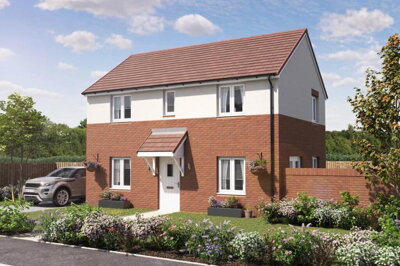
Browse 1 home new builds in Whitestone, Teignbridge from local developer agents.
Three bedroom properties represent a significant portion of the Whitestone housing market, offering space for families with multiple reception rooms and gardens in many cases. Browse detached, semi-detached, and terraced options ranging across new residential developments.
£525k
1
0
41
Source: home.co.uk
Showing 1 results for 3 Bedroom Houses new builds in Whitestone, Teignbridge. The median asking price is £525,000.
Source: home.co.uk
Detached
1 listings
Avg £525,000
Source: home.co.uk
Source: home.co.uk
The Whatley property market reflects the character of this small Somerset village, where detached homes dominate the sales mix, accounting for approximately 67% of all transactions in the BA11 3LA postcode area. This prevalence of larger, detached properties contributes to the area's higher average sold price of £510,000, with premium properties in desirable locations commanding significantly more. Recent sales data shows properties like Ponderosa on Old Wells Road selling for £510,000 and Zacharys Mill in nearby Egford achieving £540,000, demonstrating the strong demand for character homes in this pocket of Somerset.
Property values in Whatley have demonstrated consistent long-term growth, with prices in the BA11 3LA postcode increasing by 16.9% over the past five years and an impressive 41.5% over the past decade. This growth trajectory positions Whatley as a solid investment for buyers seeking both lifestyle benefits and potential capital appreciation. Over the past 26 years, 15 property sales have been recorded in the BA11 3LA postcode area, indicating a stable but relatively low-volume market typical of small rural villages. While specific new build developments within Whatley itself remain limited, the surrounding Somerset region has seen new build activity with an average price of around £396,000, offering alternatives for buyers who prefer modern construction methods and energy efficiency.
The dominance of detached properties in Whatley means that buyers seeking smaller homes may find limited options, with terraced cottages and semi-detached properties making up a smaller portion of available stock. For comparison, detached homes in the wider Langport TA10 area average £417,413, while semi-detached properties sit around £272,118 and terraced homes average £227,964. These figures illustrate the premium that buyers place on space and privacy in this rural setting, where properties with land and generous gardens command significant premiums over more compact alternatives.
Our team monitors the Whatley market continuously, tracking new listings and recently completed sales to keep our data current. We work with estate agents across the Somerset region to ensure our listings reflect the full range of properties available, from traditional stone cottages to substantial period homes. Contact us to set up property alerts for Whatley, ensuring you never miss a new listing in this sought-after village.

Whatley embodies the quintessential Somerset village experience, sitting within a landscape shaped by limestone geology and centuries of agricultural activity. The village lies close to the Mendip Hills, an area renowned for its Carboniferous Limestone geology featuring distinctive karst topography with caves and natural formations. This geological foundation contributes to the stunning rural scenery that defines daily life here, from rolling farmland to rocky outcrops and ancient dry stone walls that line country lanes. The proximity to Frome, just a short drive away, provides residents with access to comprehensive shopping facilities, restaurants, and cultural attractions while maintaining the peace and privacy of village living.
The area's construction heritage reflects its geological setting, with traditional properties likely built using local Doulting Stone and other Somerset limestones that match the surrounding landscape. Many older homes feature solid wall construction rather than modern cavity insulation, meaning they breathe differently than newer properties and may require specific maintenance approaches. Timber floors, pitched roofs with slate or clay tile coverings, and traditional lime mortar pointing are common characteristics that add to the charm of Whatley homes while requiring knowledgeable upkeep.
The demographic character of Whatley reflects its appeal to families and professionals seeking a better quality of life away from urban congestion. As a small village with historical roots dating back centuries, Whatley contains properties such as The Old Rectory and Whatley Cottage, testament to its heritage and the quality of its traditional architecture. The Old Rectory sold in 2021 for £1,888,000, demonstrating the premium that exceptional period properties command in this area, while Whatley Cottage achieved £665,500 in 2015. The village likely contains several listed buildings and may be situated within or adjacent to a conservation area, protecting the architectural character that makes Somerset villages so desirable.
Community life centres around local pubs, parish events, and the natural playground offered by surrounding countryside, with the nearby town of Frome providing additional social and cultural opportunities. The market town of Frome has developed a reputation for its independent shops, weekly markets, and vibrant arts scene, including the renowned Frome Independent Market held on the first Sunday of each month. This combination of village tranquility and cultural access makes Whatley an ideal base for those who want the best of both worlds.

Families considering a move to Whatley will find educational options available both within the village's immediate vicinity and in the surrounding area, particularly in the nearby town of Frome. Primary education is typically provided through village schools or those in neighbouring communities, with parents advised to check current catchment areas and admissions criteria when planning a move. The Somerset local education authority maintains detailed information about school performance and capacity, allowing prospective buyers to research options before committing to a property purchase. Secondary education options in Frome include several well-established schools serving the BA11 postcode area.
For families prioritising educational outcomes, the proximity of Whatley to Frome provides access to a range of state and independent schooling options. Frome College serves as a key secondary institution for the area, offering comprehensive educational programmes and sixth form provision. The college has earned recognition for its broad curriculum and extracurricular activities, serving students from across the BA11 area and beyond. Parents seeking faith-based education or independent schooling will find options within reasonable driving distance across Somerset, including schools in Bath, Wells, and Taunton.
Given the village's small size, prospective buyers with school-age children should confirm current catchment arrangements with Somerset Council, as admissions policies can affect school allocations. Some rural villages have limited school transport routes, and understanding these arrangements before purchase can prevent logistical challenges. Transport provisions may include dedicated bus services operating on specific routes to local schools, though these services are typically reviewed annually and may be subject to change based on funding and demand patterns.
Early years education in the Whatley area includes preschool and nursery options, often operating from village halls or community facilities. These settings provide valuable early socialisation opportunities and can help families establish connections within the local community before children reach primary school age. We recommend visiting potential schools and speaking with current parents to gain genuine insight into each institution's culture and approach.
Connectivity from Whatley benefits from its strategic position in Somerset, offering residents reasonable access to major transport routes while maintaining its rural character. The village sits within the BA11 postcode area, with the A361 and A37 providing road connections to surrounding towns and villages. Frome railway station, located approximately four miles from Whatley, offers regular services connecting passengers to destinations including Bath, Bristol, and Weymouth, making it practical for commuters working in larger cities to maintain a countryside lifestyle. The station has seen service improvements over recent years, enhancing the viability of rail commuting for residents.
For those travelling by car, the A36 provides a key route connecting Whatley to Salisbury and Southampton to the east, while the M5 motorway is accessible via nearby junctions, linking the village to Exeter, Taunton, Bristol, and Birmingham. Bristol, approximately 45 minutes by car, provides access to major employment centres, retail destinations, and an international airport with flights across Europe and beyond. The journey time to Bath is shorter at around 35 minutes, making it feasible for daily commuters who work in the historic city centre.
Bristol Airport, located around thirty miles north, offers international flight connections for business and leisure travellers. The airport handles millions of passengers annually and connects Somerset residents to destinations across Europe and beyond. For those without private vehicles, taxi services operate between Whatley and Frome station, with typical journey times of 15-20 minutes. Bus services operate between Frome and surrounding villages, providing essential connectivity for those without private vehicles, though rural bus routes typically operate on reduced frequencies compared to urban services.
Cyclists and walkers benefit from the network of country lanes and public footpaths that crisscross the Somerset countryside, making active travel a viable option for local journeys. The surrounding landscape offers excellent opportunities for outdoor recreation, with cycling routes ranging from gentle village lanes to more challenging hill routes in the Mendip Hills. Public footpaths provide access to the countryside directly from the village, allowing residents to explore the limestone landscape without needing to drive.
Start by exploring our listings to understand what is available within your budget. With an average property price of £510,000 in the BA11 area, consider whether a traditional cottage, detached family home, or modern property best suits your needs. Research the local area thoroughly, paying attention to proximity to Frome, school catchment boundaries, and any planning restrictions that might affect your plans. Understanding the BA11 3LA postcode specifics can help you identify properties that represent genuine value in this market.
Before viewing properties, obtain a mortgage agreement in principle from a lender. This strengthens your position when making offers and demonstrates to sellers that you have financing secured. Our mortgage partners can help you compare rates and find the most suitable mortgage product for your circumstances, whether you are a first-time buyer or moving from an existing property. Given the higher average property values in Whatley compared to national averages, many buyers will require substantial mortgages, and securing favourable rates can make a significant difference to overall costs.
Contact estate agents representing properties in Whatley to arrange viewings. Take time to assess not just the property itself but also the surrounding neighbourhood, noise levels, road access, and the condition of neighbouring properties. Pay particular attention to the age and construction of buildings, as many properties in this historic village will be pre-1919 and may require additional maintenance. We recommend viewing properties at different times of day to understand traffic patterns and ambient noise levels.
Once you have found your ideal home, we strongly recommend arranging a RICS Level 2 Survey, particularly given the prevalence of older properties in Whatley that may have issues such as damp, timber defects, or outdated electrics. Our survey partners offer competitive rates for this essential inspection, which identifies defects before you commit to purchase. A thorough survey can reveal hidden problems that might cost thousands to remedy, potentially saving you from a costly purchase mistake.
Choose a solicitor experienced in Somerset property transactions to handle the legal aspects of your purchase. They will conduct searches, review contracts, and coordinate with your mortgage lender to ensure a smooth transaction. Our conveyancing partners understand local Somerset property matters and can guide you through the process efficiently. Given that many Whatley properties may be listed buildings or in conservation areas, specialist legal knowledge can help navigate any additional requirements.
Your solicitor will arrange for contracts to be signed and deposits paid at the exchange stage, after which a completion date is agreed. On completion day, the remaining funds are transferred and you receive the keys to your new Whatley home. Ensure you have buildings insurance in place from this date, as this is typically a lender requirement and protects your investment from the moment you take ownership.
Purchasing property in Whatley requires attention to several area-specific factors that differ from urban property searches. The geology of the Mendip Hills area, with its limestone foundation, means that properties may sit on ground with varying stability characteristics. While no specific mining activity is recorded directly beneath Whatley, the village's proximity to the eastern Somerset coalfield warrants investigation into historical mining records, as former mining activity can lead to ground instability and subsidence issues. A thorough survey will identify any concerns related to ground conditions and inform your decision about the property's suitability.
The age of properties in Whatley deserves careful consideration during the buying process. Many homes in this historic Somerset village are likely to be over 50 years old, potentially dating back to the pre-1919 period, and may exhibit common issues associated with older construction. These can include rising or penetrating damp, timber decay, roof covering deterioration, and electrical systems that do not meet current standards. When viewing properties, look for signs of damp on walls and ceilings, check the condition of roofs where visible, and ask about the age of heating systems and consumer units.
Properties constructed using traditional methods may feature solid walls without cavity insulation, meaning heat retention differs from modern buildings. Lime mortar pointing, common in period properties, requires different maintenance approaches than cement-based mortars, and inappropriate repairs can trap moisture and cause deterioration. The potential presence of listed buildings in Whatley means that planning restrictions may apply to any future alterations or extensions, potentially limiting renovation options. Our inspectors frequently encounter these characteristics in Whatley properties and can advise on appropriate maintenance and improvement strategies.
Flood risk in Whatley appears limited given its inland location away from coastal areas, though surface water and river flooding should be verified through standard searches given local topography. Service charges and leasehold arrangements may apply to any flats or apartments in the area, so prospective buyers should carefully review lease terms, ground rent provisions, and any charges for communal maintenance. Properties with gardens or land should be checked for boundaries, rights of way, and any environmental designations that might restrict use. Given the rural setting, wildlife and ecological surveys may be advisable for properties bordering woodland or watercourses.
The average sold price in Whatley over the past 12 months is £510,000, according to recorded sales data. The BA11 3LA postcode area shows higher values at around £802,785 on average, influenced by larger premium properties such as The Old Rectory, which sold for £1,888,000 in 2021. Over the past decade, prices in the area have risen by 41.5%, demonstrating strong long-term growth that makes Whatley an attractive location for both homeowners and investors seeking capital appreciation alongside lifestyle benefits.
Properties in Whatley fall under Mendip District Council, part of Somerset Council following local government reorganisation. Council tax bands range from A to H based on property value, with most traditional cottages and smaller homes likely in bands A to D, while larger detached properties such as those on Old Wells Road may fall into higher bands. Prospective buyers should check specific properties with the Valuation Office Agency or on the Somerset Council website to confirm the applicable band before purchase.
Primary education in the Whatley area is served by village schools and those in nearby communities, with children typically progressing to secondary school in Frome, approximately four miles away. Frome College provides secondary education and sixth form provision for the BA11 area, offering a comprehensive curriculum and extensive extracurricular programme. Families should verify current catchment arrangements with Somerset Council, as admissions policies can affect school allocations and boundaries may change over time. Independent schooling options are available in the wider Somerset region, including schools in Bath and Wells.
Whatley has limited public transport provision typical of a small rural village, though bus services connect the community to Frome where a railway station provides mainline services to Bath, Bristol, and Weymouth. Frome station is approximately four miles from Whatley, with taxis and limited bus services bridging the gap. Train services from Frome to Bath take approximately 25 minutes, while Bristol can be reached in around 40 minutes, making day trips and occasional commuting feasible without a car. Residents relying on public transport should verify current timetables, as rural bus services may operate on reduced schedules compared to urban routes.
The Whatley property market has demonstrated consistent growth with prices rising 16.9% over five years and 41.5% over ten years, suggesting solid investment potential for the right property. The area's proximity to the Mendip Hills, relative affordability compared to nearby Bath and Bristol, and the general appeal of rural Somerset living support ongoing demand. Recent sales like Ponderosa at £510,000 and Zacharys Mill at £540,000 demonstrate active market participation. However, buyers should note that transaction volumes are relatively low in this small village, with only 2 sales recorded in the past year, which may affect liquidity if rapid resale becomes necessary.
Stamp duty rates for properties in Whatley follow standard SDLT thresholds: nothing is payable on the first £250,000, 5% on the portion from £250,001 to £925,000, 10% up to £1.5 million, and 12% on anything above that. First-time buyers benefit from relief on the first £425,000, with 5% applying between £425,001 and £625,000. For a typical £510,000 property in Whatley, a standard buyer would pay £13,000 in stamp duty, while a first-time buyer would pay £4,250.
Period properties in Whatley typically feature traditional construction methods including solid walls, timber floors, and pitched roofs with slate or clay tile coverings. Our inspectors commonly identify issues such as rising damp where solid walls meet ground levels, timber decay in floor joists and window frames, and roof coverings that have exceeded their expected lifespan. Check for any signs of cracking in walls, particularly around door and window openings, and ask about the age and condition of heating systems, consumer units, and plumbing. Properties may have been extended or altered over the years, and not all works may have had appropriate planning consent.
As a historic Somerset village with roots dating back centuries, Whatley is likely to contain several listed buildings, though specific records should be verified through Somerset Council or the Historic England database. Properties such as The Old Rectory and Whatley Cottage demonstrate the village's heritage, and many homes along the village's older lanes may have listed status. Listed buildings are protected for their architectural or historical interest, which means any alterations, extensions, or even some repairs may require Listed Building Consent from the local planning authority. This protection helps maintain the character of the village but can affect what you can do with a property.
Understanding the full costs of buying property in Whatley helps you budget accurately and avoid surprises during the transaction. Beyond the purchase price, the most significant additional cost is stamp duty, calculated on a tiered system. For a property priced at the area average of £510,000, a standard buyer would pay £13,000 in Stamp Duty Land Tax, calculated as 5% on £260,000 above the £250,000 threshold. First-time buyers benefit from enhanced relief, paying only £4,250 on the same property as the zero-rate band extends to £425,000.
Professional costs include mortgage arrangement fees, which typically range from zero to £2,000 depending on the lender and product chosen, plus valuation fees around £300-£500 for a standard property. Survey costs for a RICS Level 2 Survey typically start from around £350 for smaller properties, rising for larger or more complex homes such as substantial detached properties that dominate the Whatley market. Given that many properties here are likely over 50 years old with complex construction, investing in a thorough survey can reveal issues that might cost significantly more to remedy if discovered after purchase.
Conveyancing fees in Somerset typically start from £499 for a straightforward transaction, rising for leasehold properties or those with additional complexity such as listed building status or agricultural ties. Search fees, land registry fees, and telegraphic transfer charges add a further £200-400 to legal costs. If the property is in a conservation area or has been extended, additional searches may be required to verify that all works have appropriate planning consent and building regulations approval.
When setting your budget, remember to account for moving costs, potential repairs or renovations if purchasing an older property, and ongoing costs including council tax, utility bills, and buildings insurance. Properties in Whatley may have higher insurance premiums than newer homes due to their age and potential flood or subsidence risks. Our recommended mortgage and conveyancing partners can provide detailed cost estimates tailored to your specific property and circumstances, helping you plan your purchase with confidence.
Properties New Builds In London

Properties New Builds In Plymouth

Properties New Builds In Liverpool

Properties New Builds In Glasgow

Properties New Builds In Sheffield

Properties New Builds In Edinburgh

Properties New Builds In Coventry

Properties New Builds In Bradford

Properties New Builds In Manchester

Properties New Builds In Birmingham

Properties New Builds In Bristol

Properties New Builds In Oxford

Properties New Builds In Leicester

Properties New Builds In Newcastle

Properties New Builds In Leeds

Properties New Builds In Southampton

Properties New Builds In Cardiff

Properties New Builds In Nottingham

Properties New Builds In Norwich

Properties New Builds In Brighton

Properties New Builds In Derby

Properties New Builds In Portsmouth

Properties New Builds In Northampton

Properties New Builds In Milton Keynes

Properties New Builds In Bournemouth

Properties New Builds In Bolton

Properties New Builds In Swansea

Properties New Builds In Swindon

Properties New Builds In Peterborough

Properties New Builds In Wolverhampton

Enter your details to see if this property is within your budget.
Loans, cards, car finance
Estimated property budget
Borrowing + deposit
You could borrow between
Typical borrowing
Monthly repayment
Est. at 4.5%
Loan-to-value
This is an estimate only. Your actual budget may vary depending on interest rates, credit history, and personal circumstances. For an accurate affordability assessment, speak to one of our free mortgage advisors.
This calculator provides estimates for illustrative purposes only and does not constitute financial advice. Your home may be repossessed if you do not keep up repayments on your mortgage. Estimates based on 4.5% interest rate, repayment mortgage. Actual rates depend on your circumstances.
Homemove is a trading name of HM Haus Group Ltd (Company No. 13873779, registered in England & Wales). Homemove Mortgages Ltd (Company No. 15947693) is an Appointed Representative of TMG Direct Limited, trading as TMG Mortgage Network, which is authorised and regulated by the Financial Conduct Authority (FRN 786245). Homemove Mortgages Ltd is entered on the FCA Register as an Appointed Representative (FRN 1022429). You can check registrations at NewRegister or by calling 0800 111 6768.

We use cookies to show you personalised content and improve your experience of our website. Find out more in our Privacy policy and Cookie policy.