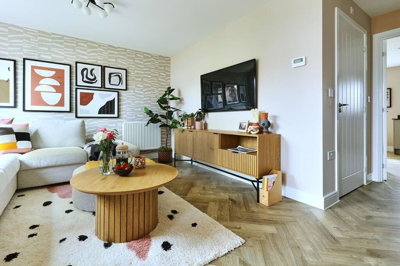
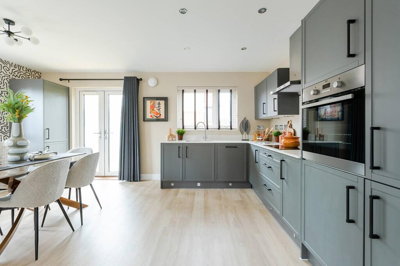
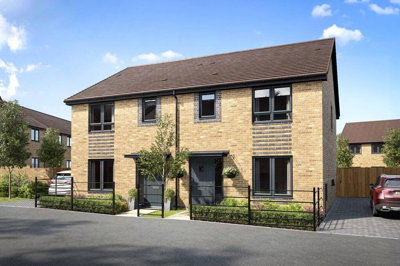
Browse 3 homes new builds in Whimple, East Devon from local developer agents.
Three bedroom properties represent a significant portion of the Whimple housing market, offering space for families with multiple reception rooms and gardens in many cases. Browse detached, semi-detached, and terraced options ranging across new residential developments.
£348k
6
1
128
Source: home.co.uk
Showing 6 results for 3 Bedroom Houses new builds in Whimple, East Devon. 1 new listing added this week. The median asking price is £347,500.
Source: home.co.uk
Detached
2 listings
Avg £525,000
Semi-Detached
2 listings
Avg £342,500
Terraced
2 listings
Avg £317,500
Source: home.co.uk
Source: home.co.uk
The Whimple property market presents a varied landscape of housing options to suit different budgets and preferences. Detached properties command the highest average prices at £511,833, reflecting the desirability of larger family homes with gardens in a village setting. Semi-detached properties average £337,500, offering an accessible entry point for families seeking more space than a terraced property provides while remaining within a manageable budget. The price differential between property types reflects the genuine scarcity of larger detached homes in a village where space for new development remains limited.
Terraced properties in Whimple average around £290,000, providing affordable options for first-time buyers or those looking to downsize from larger homes. Flats are less common in the village, with average prices around £195,000, though these can represent good value for those prioritising location over outdoor space. Over the past five years, property prices in Whimple have increased by 19%, demonstrating steady long-term growth despite a recent 1% dip over the last twelve months. This pattern of sustained appreciation contrasts with more volatile urban markets, suggesting underlying demand fundamentals remain solid despite short-term seasonal variations.
The age profile of properties in Whimple spans several distinct periods, each bringing characteristic features that buyers should understand. Within the Conservation Area covering Church Road, The Square, and London Road, properties dating from before 1919 dominate, constructed from traditional Devon materials including cob, flint, and local stone using lime mortar. Properties from the inter-war and post-war periods add variety in brick construction with cavity walls, while newer homes from post-1980 developments including The Grange and Whimple Gardens offer contemporary construction with modern insulation standards. Two notable new build developments are currently active in Whimple, providing options for buyers seeking brand new homes with contemporary fixtures and energy-efficient designs.

Whimple embodies the quintessential English village character that makes East Devon such a desirable place to live. The village grew around the Church of St Mary the Virgin, a Grade I listed building dating from the medieval period, and its historic core remains protected within a designated Conservation Area. This heritage designation ensures that the village retains its distinctive appearance, with numerous Grade II listed cottages and farmhouses contributing to the attractive streetscene that appeals to those seeking period properties. The conservation framework actively protects architectural features and plot sizes that would otherwise face pressure from redevelopment, helping maintain the village atmosphere that distinguishes Whimple from more homogenised suburban developments.
The local economy revolves around agriculture, with farming continuing to play a significant role in the surrounding countryside. The Whimple Brewery represents one of the village's notable local businesses, adding to the community's self-sufficiency and character. The village benefits from an active community spirit, with local events and facilities bringing residents together throughout the year. With 727 households according to the 2021 Census, Whimple maintains an intimate scale while offering enough facilities to support daily needs without requiring trips to larger towns. Many residents appreciate how the village strikes a balance between retaining its rural identity and providing practical amenities that serve everyday requirements.
The economic foundation of the Whimple housing market extends beyond village businesses to encompass the broader Exeter labour market. A significant proportion of residents commute to Exeter for work, accessing employers across sectors including the University of Exeter, the Royal Devon and Exeter Hospital, retail operations, and technology companies. This commuter dynamic underpins property demand, as buyers recognise that village living need not mean sacrificing career opportunities. The reverse commute pattern also attracts city workers seeking more affordable housing with better access to countryside, creating a diverse community of residents drawn together by shared appreciation for the village setting while maintaining employment links to the city.

Education provision in Whimple serves families with children of various ages, making the village attractive to buyers with school-age dependents. Whimple Primary School provides local education for younger children, serving the village and surrounding rural areas. Parents should research current catchment area arrangements and admission policies directly with the school or the local education authority, as these can change and may influence which properties are most suitable for families prioritising particular school placements. The school benefits from the village setting, with smaller class sizes and strong community connections that many families find appealing compared to larger urban primaries.
For secondary education, students from Whimple typically travel to schools in nearby towns such as Exeter or Honiton. These schools offer a range of GCSE and A-Level programmes, with some providing specialist subjects or extracurricular activities that may not be available at smaller institutions. The nearby city of Exeter also offers several grammar school options for families whose children meet the entrance criteria, with Feniton and Clyst Hydon Community College serving some surrounding areas. Transport arrangements for secondary students typically involve school bus services or parental transport, with journey times to Exeter schools manageable at around 20 to 30 minutes by car.
Beyond school-age education, Whimple's proximity to Exeter provides access to higher education facilities including the University of Exeter, a research-intensive university with an international reputation. The university attracts students from across the UK and internationally, contributing to Exeter's economic vitality while offering advanced educational pathways accessible to local residents. For families considering the long-term educational trajectory of their children, access to these higher education options represents a significant advantage of living in Whimple and being within easy reach of Exeter. Adult learners also benefit from further education colleges and professional development programmes available in Exeter, supporting career advancement for residents at any stage of their working lives.
Whimple benefits from excellent transport connections that make commuting to Exeter straightforward for working professionals. The village has its own railway station on the Avocet Line, providing regular services to Exeter St David's and Exeter Central stations. Journey times to Exeter typically take around 15 to 20 minutes, making day-to-day commuting entirely feasible for those working in the city. The railway connection also provides access to destinations further afield, including connections to Plymouth and London via Exeter, opening up employment and leisure options beyond the immediate region. Parking at Whimple station provides convenience for those driving to the railway.
For those who prefer road travel, Whimple sits near the A3052 road, which provides a direct route to Exeter and connects to the M5 motorway at junction 30. This road link makes car travel to Exeter and beyond convenient, with the M5 providing access to major destinations including Bristol and Birmingham. Local bus services operate in the village, providing public transport options for those without cars or preferring not to drive. The bus network connects Whimple to surrounding villages and towns, though service frequencies are more limited than urban routes, so residents should check timetables carefully when planning journeys without a car.
Cycling infrastructure in the area has improved in recent years, with National Cycle Route 2 passing through nearby villages and providing options for commuters who prefer cycling to driving. The relatively flat terrain around Whimple makes cycling a viable option for many residents, particularly for journeys to the railway station or local amenities. For commuters working in Exeter, the combination of rail services and road access makes Whimple an increasingly popular choice for those seeking to balance rural living with city employment. The terrain and road network also support recreational cycling, with numerous country lanes and scenic routes available for weekend rides through the East Devon countryside.
Spend time exploring Whimple in person to understand the village character, visit local amenities, and check commute times to your workplace. Review property prices in the area and get a mortgage agreement in principle before starting your formal property search. Take time to walk through the Conservation Area along Church Road and The Square to appreciate the village's architectural heritage.
Use Homemove to browse all available properties in Whimple, setting up alerts for new listings that match your criteria. Consider both older properties within the Conservation Area and new builds from developments like The Grange and Whimple Gardens to find options that suit your preferences and budget. Register with local estate agents operating in the village to receive early notifications of properties coming to market.
Book viewings through our platform and visit properties that interest you. Take time to assess the condition of homes, check for signs of damp common in older cob and stone properties, and consider the proximity to flood risk areas such as those near Whimple Brook. View multiple properties before making offers to ensure you have appropriate comparison points for pricing and condition.
Once you have an offer accepted, arrange a RICS Level 2 Survey to assess the property condition. Given Whimple's geology with Mercia Mudstone and potential shrink-swell risks, a thorough survey is essential. Properties over 50 years old or in the Conservation Area may benefit from a more detailed Level 3 Building Survey. Survey costs typically range from £400 to £900 depending on property size and value.
Choose a conveyancing solicitor to handle the legal aspects of your purchase. They will conduct searches, check title deeds, and manage contracts on your behalf. For listed properties or those in the Conservation Area, additional considerations may apply including Listed Building Consent requirements. Solicitors fees typically start from around £499 for standard transactions.
Once all searches are satisfactory and contracts are signed, you will exchange deposits and agree a completion date. On completion day, the property becomes yours and you can collect your keys from the estate agent. Budget for additional costs including Stamp Duty, survey fees, and mortgage arrangement fees when planning your overall budget.
Properties in Whimple require careful inspection due to the variety of construction methods and ages found throughout the village. Many older homes are built from traditional Devon materials including cob, flint, and local stone, often using lime mortar rather than modern cement. These materials require different maintenance approaches compared to modern brick construction, and prospective buyers should understand the potential for issues like damp penetration, especially in properties without adequate damp-proof courses. The solid wall construction typical of pre-1919 properties lacks the cavity that helps with moisture management in more modern homes, making ventilation and maintenance particularly important.
The underlying geology presents specific considerations for property buyers in Whimple. Mercia Mudstone dominates the local geology, creating clay soils with shrink-swell potential that can affect foundations during periods of drought or heavy rainfall. Properties with large trees nearby or those constructed with shallow foundations may be more susceptible to subsidence or heave movement. A thorough survey should assess foundation conditions and look for signs of structural movement such as cracking or doors that stick. The risk of ground movement makes a professional survey particularly valuable before committing to purchase on any older property.
Common defects in Whimple's housing stock reflect the age and construction types present in the village. Damp issues including rising damp, penetrating damp, and condensation frequently affect older cob and stone properties where damp-proof courses may be absent or ineffective. Roof conditions on period properties often require attention, with slipped or broken slates, failing leadwork, and decaying timbers representing typical concerns. Electrical systems in homes built before the 1980s may not meet current safety standards and could require updating, while plumbing and heating systems in older properties often need modernisation to improve energy efficiency and reliability.
Flood risk affects certain areas of Whimple, particularly properties near the Whimple Brook and in the village centre. Surface water flooding can occur during periods of heavy rainfall, and properties close to the brook face potential fluvial flooding risk. Buyers should review Environment Agency flood maps and consider whether properties have appropriate flood resilience measures in place. Insurance costs may be higher for properties with significant flood exposure, so factoring this into running cost calculations is advisable when comparing properties in different locations within the village.
Properties within the Whimple Conservation Area face specific planning restrictions that affect what changes owners can make. Any external alterations or extensions typically require planning permission from East Devon District Council, and works to listed buildings may require additional consents from Historic England. These considerations add complexity to renovation projects but also help protect property values by maintaining the village character that makes Whimple attractive to buyers in the first place. Listed building status brings additional requirements for materials and methods when carrying out repairs or alterations, which buyers should understand before committing to purchase on heritage properties.
The average property price in Whimple is £398,500 according to recent market data from Rightmove. Detached properties average £511,833, semi-detached homes £337,500, terraced properties £290,000, and flats around £195,000. Prices have decreased by 1% over the last twelve months but have increased by 19% over the past five years, indicating long-term growth in the local market despite short-term fluctuations. With 12 property sales completing in the past year, the market shows consistent activity from buyers attracted to the village's character and connectivity.
Properties in Whimple fall under East Devon District Council for council tax purposes. Bands range from A to H depending on property value, with most village properties falling in bands B through E. Band D properties pay around £1,966 per year in council tax (2024-25 rates), though specific amounts vary by band and are set annually by the council. You should check the specific band for any property you are considering, as this affects annual running costs and should be factored into your budget alongside mortgage payments and other expenses.
Whimple Primary School serves younger children from the village and surrounding rural areas, with families generally satisfied with the education provided in the local setting. Secondary students typically attend schools in nearby towns including Honiton Community College or Topsham School, both accessible by school bus services from Whimple. Families seeking grammar school education for their children can access Exeter grammar schools including Exeter School and St Peter's School, with entrance based on the 11-plus examination. The proximity to Exeter also means access to private schooling options including The Maynard School, Exeter School, and St John's School for those considering independent education.
Whimple railway station sits on the Avocet Line, providing regular services to Exeter St David's and Exeter Central with journey times of around 15 to 20 minutes. Trains continue beyond Exeter to destinations including Plymouth and London Paddington, making longer-distance travel accessible without requiring car travel to a major station. The village also has bus services connecting to nearby towns and villages, though service frequencies mean that railway travel remains the primary public transport option for most residents commuting to Exeter or travelling further afield. For road travel, the A3052 provides straightforward access to Exeter and connects to the M5 motorway at junction 30, giving flexibility for those preferring to drive.
Whimple offers several factors that make it attractive for property investment, including 19% price growth over five years demonstrating sustained demand. New developments like The Grange and Whimple Gardens show continued builder confidence in the area, with Cavanna Homes and Baker Estates respectively investing in new housing stock. The Conservation Area designation helps maintain property values by preserving the village character that attracts buyers seeking character properties. Commuter appeal to Exeter supports rental demand from professionals working in the city while preferring village living, while limited development land means supply constraints that can support values over the longer term.
Stamp Duty Land Tax rates for 2024-25 are 0% on the first £250,000 of residential property, 5% on £250,001 to £925,000, 10% on £925,001 to £1.5 million, and 12% above £1.5 million. First-time buyers receive enhanced relief on the first £425,000, paying 5% between £425,001 and £625,000 with no relief above that threshold. Given average prices in Whimple of £398,500, most standard buyer purchases will pay stamp duty on the amount between £250,000 and £398,500, resulting in costs of approximately £7,425. First-time buyers purchasing at average prices would pay no stamp duty due to the zero rate threshold covering the full purchase price.
Given Whimple's mix of older properties with traditional construction including cob, flint, and stone, a RICS Level 2 Survey is recommended for most purchases. Survey costs typically range from £400 to £900 depending on property size and value, with larger detached homes at the higher end of this range. Properties built from traditional Devon materials should receive careful assessment of damp-proofing, timber conditions, and structural integrity. Those in the Conservation Area or listed buildings should consider a RICS Level 3 Building Survey for a more comprehensive analysis due to the complexity of heritage construction. All properties should be checked for potential flood risk given proximity to Whimple Brook, particularly for homes in the village centre or near watercourses.
Much of Whimple's historic centre falls within a Conservation Area designated by East Devon District Council, meaning external alterations require planning permission to preserve village character. Properties with listed building status including the Grade I Church of St Mary the Virgin and numerous Grade II listed cottages and farmhouses face additional restrictions on changes to the building fabric. Works to listed buildings may require consent from Historic England alongside planning permission from the council, with requirements for using appropriate traditional materials and methods. These requirements protect the village character but mean that renovation projects involve more process than in non-designated areas. Buyers should factor this into any plans for property modifications and seek specialist advice when considering changes to heritage properties.
Understanding the full cost of buying a property in Whimple requires consideration of several expenses beyond the purchase price itself. Stamp Duty Land Tax represents a significant upfront cost, with standard rates applying 0% on the first £250,000, 5% between £250,001 and £925,000, 10% on £925,001 to £1.5 million, and 12% above £1.5 million. Given that the average property price in Whimple is £398,500, most buyers will pay stamp duty on amounts between £250,000 and £398,500, resulting in costs of around £7,425 at standard rates. First-time buyers benefit from enhanced relief, with no stamp duty payable on the first £425,000, meaning most first-time buyers purchasing at average Whimple prices would pay no stamp duty at all.
Additional buying costs include solicitor fees for conveyancing, which typically start from around £499 for standard transactions but can increase for leasehold properties or those with complex titles. Local search fees, land registry fees, and electronic registration charges add around £300 to £500 to legal costs. Survey costs range from £400 to £900 for a RICS Level 2 Survey depending on property size and value, while EPC assessments cost from £80 and are required before any sale can complete. Mortgage arrangement fees vary by lender but often fall between 0% and 1.5% of the loan amount, with some lenders offering fee-free mortgages that may suit buyers preferring lower upfront costs.
Budgeting for these costs alongside stamp duty ensures you have a complete picture of your financial commitment when purchasing in Whimple. On a typical £398,500 property purchase, total additional costs including stamp duty, legal fees, survey, and mortgage fees could reach £10,000 to £12,000 depending on circumstances and choices made. Getting a mortgage agreement in principle before property searching helps clarify your budget and demonstrates seriousness to sellers when making offers. Factor these total costs into your financial planning to avoid shortfalls that could delay or jeopardise your purchase.
Properties New Builds In London

Properties New Builds In Plymouth

Properties New Builds In Liverpool

Properties New Builds In Glasgow

Properties New Builds In Sheffield

Properties New Builds In Edinburgh

Properties New Builds In Coventry

Properties New Builds In Bradford

Properties New Builds In Manchester

Properties New Builds In Birmingham

Properties New Builds In Bristol

Properties New Builds In Oxford

Properties New Builds In Leicester

Properties New Builds In Newcastle

Properties New Builds In Leeds

Properties New Builds In Southampton

Properties New Builds In Cardiff

Properties New Builds In Nottingham

Properties New Builds In Norwich

Properties New Builds In Brighton

Properties New Builds In Derby

Properties New Builds In Portsmouth

Properties New Builds In Northampton

Properties New Builds In Milton Keynes

Properties New Builds In Bournemouth

Properties New Builds In Bolton

Properties New Builds In Swansea

Properties New Builds In Swindon

Properties New Builds In Peterborough

Properties New Builds In Wolverhampton

Enter your details to see if this property is within your budget.
Loans, cards, car finance
Estimated property budget
Borrowing + deposit
You could borrow between
Typical borrowing
Monthly repayment
Est. at 4.5%
Loan-to-value
This is an estimate only. Your actual budget may vary depending on interest rates, credit history, and personal circumstances. For an accurate affordability assessment, speak to one of our free mortgage advisors.
This calculator provides estimates for illustrative purposes only and does not constitute financial advice. Your home may be repossessed if you do not keep up repayments on your mortgage. Estimates based on 4.5% interest rate, repayment mortgage. Actual rates depend on your circumstances.
Homemove is a trading name of HM Haus Group Ltd (Company No. 13873779, registered in England & Wales). Homemove Mortgages Ltd (Company No. 15947693) is an Appointed Representative of TMG Direct Limited, trading as TMG Mortgage Network, which is authorised and regulated by the Financial Conduct Authority (FRN 786245). Homemove Mortgages Ltd is entered on the FCA Register as an Appointed Representative (FRN 1022429). You can check registrations at NewRegister or by calling 0800 111 6768.

We use cookies to show you personalised content and improve your experience of our website. Find out more in our Privacy policy and Cookie policy.