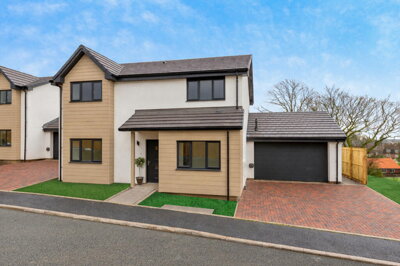
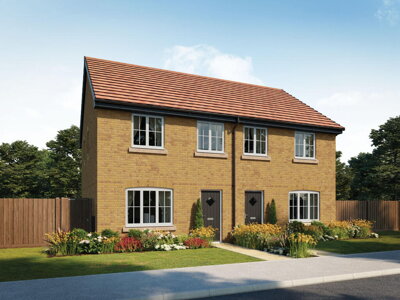
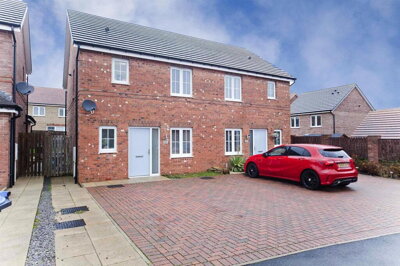
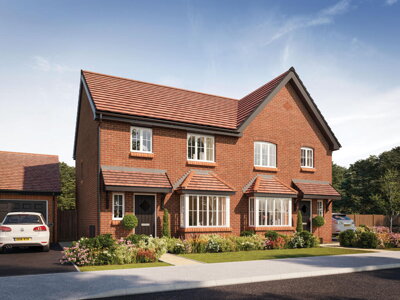
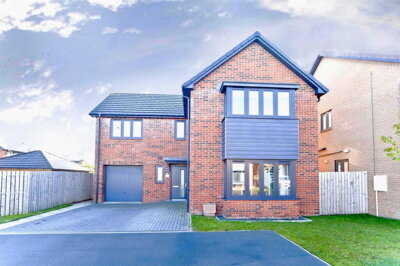
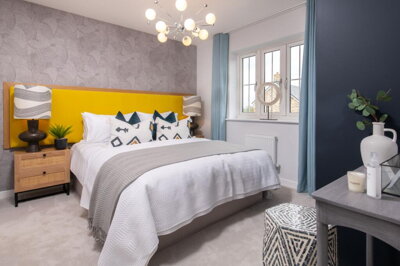
Browse 7 homes new builds in Wheatley Hill from local developer agents.
The property market in Cwm Gwaun operates very differently from urban housing markets. Properties in this conservation village are characterised by their traditional Welsh construction, typically featuring local stone walls, rendered facades, and natural slate roofing. Detached and semi-detached properties dominate the housing stock, with many homes dating from before 1919, including historic farmhouses and farmworkers' cottages that have been lovingly maintained over generations. The traditional architecture here reflects the work of local builders using materials quarried and sourced from the surrounding Pembrokeshire countryside, creating a coherent streetscape that has earned the village its conservation area status.
Specific average house price data for Cwm Gwaun itself is not aggregated separately in national property statistics due to the small number of annual transactions. For broader context, the average house price across Wales reached £215,000 in December last year, representing a 5.0% annual increase. Properties in the Gwaun Valley tend to command premiums reflecting their character, conservation status, and the rarity of homes becoming available. The combination of traditional Welsh architecture, protected village character, and proximity to the Pembrokeshire Coast National Park maintains long-term appeal for certain buyers, though capital growth can be difficult to predict from short-term data given the infrequent nature of transactions.
New build activity is extremely limited in the valley, as the protected status and lack of development land preserve the traditional character of the area. No active new-build developments were found specifically within Cwm Gwaun, Pembrokeshire. The economy of the Gwaun Valley and surrounding rural Pembrokeshire area is largely driven by agriculture, tourism, and small local businesses, with employment opportunities generally limited within the valley itself. Many residents either work locally, operate home-based businesses, or commute to nearby towns like Fishguard or Newport for services and work, which influences the profile of buyers attracted to the area.

Life in Cwm Gwaun revolves around the rhythm of the seasons and the strong sense of community that binds this dispersed rural settlement together. The village and surrounding valley are defined by the River Gwaun, which flows through the glacial valley floor, creating a verdant landscape of meadows, woodlands, and pastoral farmland that has shaped the community for generations. Walking trails crisscross the valley, connecting properties to the wider Pembrokeshire Coast Path, making the area particularly attractive to outdoor enthusiasts and those seeking an active rural lifestyle away from the pressures of urban living.
The local economy of Cwm Gwaun and its surrounding area is rooted in agriculture, with many working farms continuing to operate in the valley alongside the traditional pattern of smallholdings and family-run enterprises. Tourism also plays a significant role, as visitors are drawn to the area's natural beauty, ancient woodlands, and walking routes that showcase the unspoilt character of rural Pembrokeshire. The village pub provides a focal point for social life, serving as a meeting place for locals and a warm welcome for visitors exploring the valley, while the village hall hosts events throughout the year that bring the community together.
Amenities such as shops, medical services, and banking facilities are found in the nearby towns of Fishguard and Newport, both within a reasonable driving distance from the valley. Fishguard offers a wider range of everyday services including supermarkets, independent shops, and professional services, while Newport provides additional options for dining and leisure. Many residents appreciate the practical balance of peaceful rural living with the convenience of having larger towns within easy reach, while the proximity to the Pembrokeshire coastline ensures that beach days and coastal walks are never far away.

Education provision for families living in Cwm Gwaun is primarily served by schools in the nearby towns of Fishguard and Newport. The local primary school serving the valley area provides education for children in the early years, with small class sizes that allow for individual attention and a strong community atmosphere that reflects the close-knit nature of the wider valley community. Parents should research current catchment areas and admission arrangements with Pembrokeshire County Council, as these can change and may affect school placement eligibility for families moving to the area.
Secondary education options in the area include schools in Fishguard and Haverfordwest, with some families choosing independent schools within Pembrokeshire for more specialised educational pathways. For families considering secondary education, the presence of Welsh-medium secondary schools in the county offers opportunities for bilingual education, reflecting the strong Welsh cultural heritage of the region. Sixth form and further education provision is available at colleges in Haverfordwest and Pembroke Dock, accessible via bus services from the valley for older students pursuing higher qualifications or vocational training.
Visiting schools, reviewing current performance data, and understanding admission criteria are essential steps for families relocating to the valley from urban areas where school provision may operate differently. School transport arrangements in rural Pembrokeshire can significantly affect daily routines, and prospective buyers should confirm bus routes, timings, and any associated costs with Pembrokeshire County Council before committing to a purchase. The quality of education available in the wider Haverfordwest area, combined with the intimate primary school experience in the valley, provides families with genuine choices when selecting educational provision for their children.
Transport connections from Cwm Gwaun reflect its rural character, with residents relying primarily on private vehicles for daily commuting and larger shopping trips. The valley is accessed via minor roads that wind through the countryside, connecting to the A487 trunk road that runs through Fishguard and onwards to Haverfordwest. The journey to Haverfordwest, the county town and main service centre for north Pembrokeshire, takes approximately 30 minutes by car, while Fishguard with its wider range of amenities is closer still and accessible in around 15 minutes.
Public transport options are limited but do exist for those without daily commuting requirements. Bus services connecting the valley to Fishguard and Newport operate on a reduced schedule typical of rural Pembrokeshire, and residents planning to use public transport regularly should check current timetables carefully to ensure they align with any work or education commitments. Fishguard Harbour railway station provides connections to the broader rail network, with regular services to Cardiff Central and London Paddington via the Great Western Railway line, making occasional travel to major cities feasible for those working remotely or running businesses that require city access.
For residents working in larger employment centres, the travel time required means that Cwm Gwaun suits those with flexible working arrangements, remote employment, or who are retired. Cycling is popular for recreational purposes, with the quiet country lanes and nearby coast offering scenic routes that attract cyclists from across the region. Many residents appreciate the rural transport challenges as an acceptable trade-off for the quality of life offered by the valley, choosing to plan their work and lifestyle around the practical realities of living in a beautiful but remote location.
Begin by exploring our current listings for Cwm Gwaun and familiarise yourself with the local property market. Given the limited number of properties available at any time, staying informed about new listings is essential. Understanding the conservation area restrictions and traditional construction methods will help you assess properties effectively when they become available.
Arrange viewings to experience the valley firsthand and assess individual properties in person. Pay particular attention to the condition of traditional features such as slate roofs, stone walls, timber joinery, and older plumbing and electrical systems. Viewing properties at different times of day and in various weather conditions can reveal potential issues with damp penetration, drainage performance, or access during poor weather.
If you require financing, approach lenders to secure a mortgage agreement in principle before making an offer on a property in Cwm Gwaun. Traditional stone properties and conservation area homes may require specialist lenders familiar with non-standard construction methods and the unique characteristics of Welsh rural property. Having your finances confirmed strengthens your position when negotiating with sellers in a market where properties are rarely available.
Given the age and traditional construction of properties in Cwm Gwaun, we strongly recommend commissioning a Level 2 Survey before purchase. This detailed assessment will identify defects common in older Welsh properties, including rising and penetrating damp, roof condition issues, timber defects such as woodworm and rot, and signs of structural movement. Our surveyors have experience inspecting traditional stone-built properties and understand the specific issues affecting homes in conservation areas. Budget from £400 upwards for this essential due diligence, with costs varying according to property size and value.
Choose a solicitor with experience in rural Welsh property transactions and conservation area purchases to handle your purchase. They will conduct local searches including drainage and environmental checks, review title documents, and ensure compliance with any planning restrictions affecting the property. Factor in conveyancing costs from £499 for this specialist legal work, which will also include handling the additional considerations that come with listed building status where applicable.
Once searches are satisfactory and financing is confirmed, your solicitor will coordinate the exchange of contracts and final completion of your purchase. The traditional nature of properties in Cwm Gwaun means additional care is needed to ensure all listed building and conservation requirements are properly addressed during the conveyancing process. On completion day, keys are released and you can begin planning your move into your new Welsh valley home.
Purchasing a property in Cwm Gwaun requires careful attention to issues specific to traditional rural Welsh homes. The age of many properties means solid wall construction is prevalent rather than modern cavity wall insulation, which can affect thermal performance and lead to condensation issues in properties without adequate ventilation. Prospective buyers should examine walls carefully for signs of damp, both rising damp at ground level caused by failed or absent damp-proof courses and penetrating damp caused by weathering, damaged render, or deteriorated pointing to the stonework.
The conservation area designation of Cwm Gwaun brings specific planning considerations that buyers must understand before purchasing. Any external alterations, extensions, or significant renovations may require consent from Pembrokeshire County Council planning department, and permitted development rights may be more restricted than in non-conservation areas. Properties may also be listed buildings, adding further restrictions on changes to historic features and requiring specialist contractors for any work affecting original construction. Our inspectors routinely identify issues with older stone properties that require attention, from repointing work to structural repairs.
The presence of the River Gwaun means flood risk should be assessed for properties in low-lying positions adjacent to the river and in areas prone to surface water flooding during heavy rainfall. Appropriate insurance cover must be confirmed before purchase, as some lenders require flood risk assessments and insurance confirmation before completing mortgage offers on properties in flood-risk areas. Service charges and maintenance responsibilities for shared access roads or communal areas are also worth investigating, as rural properties may have unusual arrangements for road maintenance and shared facilities that differ from urban norms.
Specific average house price data for Cwm Gwaun is not aggregated separately in national property statistics due to the small number of annual transactions in this rural valley. For broader context, the average house price across Wales reached £215,000 as of December last year, with an annual increase of 5.0%. Properties in the Gwaun Valley typically reflect traditional Welsh construction and character, with prices influenced by individual property condition, land availability, and the rarity of homes coming to market. We recommend searching our current listings to understand the range of properties and prices currently available in the area.
Council tax bands for properties in Cwm Gwaun are set by Pembrokeshire County Council and will vary according to the property's assessed value and characteristics. Traditional stone cottages and farmhouses in the valley may fall into various bands depending on their size, condition, and amenities, with larger period farmhouses typically in higher bands than smaller workers' cottages. Prospective buyers can check specific bandings on the Welsh Government council tax database or request this information during the conveyancing process through local authority searches. Pembrokeshire County Council provides information on current council tax rates and any applicable discounts or exemptions on their website for those planning their household budget.
Cwm Gwaun itself does not have schools within the village, with primary education provided by schools in nearby communities such as Fishguard and Newport that serve the wider valley area. Parents should research current catchment areas with Pembrokeshire County Council, as school admissions are based on catchment zones and available spaces, and catchment boundaries can affect placement eligibility for families moving to the valley. Secondary education options include schools in Fishguard and broader Pembrokeshire, with Welsh-medium secondary schools available for families seeking bilingual education for their children.
Public transport connections from Cwm Gwaun are limited, reflecting the rural nature of the valley and the reduced service frequencies typical of Pembrokeshire countryside areas. Bus services operate between the valley and nearby towns of Fishguard and Newport, but frequencies are significantly reduced compared to urban areas, and weekend services may be particularly limited. Fishguard Harbour railway station provides mainline rail connections to Cardiff Central and London Paddington via the Great Western Railway network for occasional travel. Residents typically rely on private vehicles for daily commuting and accessing services, and those working from home or with flexible schedules find the rural location most manageable.
Cwm Gwaun offers distinct investment characteristics shaped by its conservation status and rural location within the Gwaun Valley. Property transactions are infrequent, making capital growth difficult to predict from short-term data, and any investment should be considered on a long-term basis reflecting the stable nature of the local market. The combination of traditional Welsh architecture, protected village character, and proximity to the Pembrokeshire Coast National Park maintains appeal for certain buyers seeking an authentic rural Welsh lifestyle investment. Rental demand may be limited given the lack of local employment, though holiday let potential exists for properties meeting relevant criteria, and conservation restrictions on any changes should factor into investment calculations.
Stamp duty land tax rates for purchases in Cwm Gwaun follow Welsh Government rates and differ from those in England. For standard purchases, there is no tax on properties up to £250,000, 5% on the portion from £250,001 to £925,000, 10% from £925,001 to £1.5 million, and 12% above £1.5 million of the purchase price. First-time buyers may benefit from relief on the first £425,000 of a property purchase, paying 5% between £425,001 and £625,000, with no relief available above this threshold. Your conveyancing solicitor will calculate the exact amount due based on your circumstances and purchase price, and this should be factored into your overall buying budget alongside other costs.
Given the prevalence of older, traditional properties in Cwm Gwaun, common defects identified during surveys include rising and penetrating damp in solid wall construction, deterioration of natural slate roofs and lead flashing, timber defects such as woodworm and wet or dry rot in floor joists and roof structures, and outdated electrical wiring and plumbing systems that do not meet modern standards. Properties may also have inadequate insulation by current standards, as retrofitting older buildings with cavity wall or loft insulation can be challenging in solid wall construction. Structural movement and minor settlement cracking is common in older buildings, though significant cracking could indicate more serious foundation issues requiring specialist investigation.
Understanding the full costs of purchasing a property in Cwm Gwaun requires budgeting beyond the purchase price itself. Stamp duty land tax rates in Wales differ from those in England, with zero tax on the first £250,000 of residential property purchases. For a typical property in the Gwaun Valley priced around £300,000, you would pay zero on the first £250,000 and 5% on the remaining £50,000, totalling £2,500 in stamp duty. Higher rates apply to more expensive properties, and first-time buyers purchasing properties up to £625,000 can benefit from relief on the first £425,000, significantly reducing their stamp duty liability.
Additional costs to budget for include conveyancing fees from £499 for legal work including local searches, surveyor fees from £400 for a RICS Level 2 Survey which we strongly recommend given the age and traditional construction of properties in the valley. Removal costs vary according to distance and volume of belongings, and if the property you are purchasing is a listed building or within the conservation area, factor in potential costs for complying with any planning conditions or specialist surveys required. Buildings insurance should be arranged from the point of exchange, and your mortgage arrangement fees, if applicable, should be included in your overall budget alongside valuation fees charged by your lender.
Our Homemove advisers can help you understand the full cost picture for your specific purchase, including any additional considerations that arise from the conservation area status or listed building requirements that may affect properties in Cwm Gwaun. Setting aside a contingency fund for unexpected issues discovered during survey or conveyancing is prudent for any older property purchase, as the traditional construction methods and age of homes in the valley mean that defects are more likely to be present than in modern properties. Budgeting conservatively and planning for the additional costs associated with traditional rural Welsh property ensures a smoother path to completion.
From £499
Expert legal support for your property purchase including local searches and contract review
From £400
Detailed inspection of traditional Welsh properties identifying defects in stone walls, slate roofs, and timber elements
From £80
Energy performance certificate required for all property sales
From 4.5%
Competitive rates for rural and traditional property mortgages including specialist lending options
Properties New Builds In London

Properties New Builds In Plymouth

Properties New Builds In Liverpool

Properties New Builds In Glasgow

Properties New Builds In Sheffield

Properties New Builds In Edinburgh

Properties New Builds In Coventry

Properties New Builds In Bradford

Properties New Builds In Manchester

Properties New Builds In Birmingham

Properties New Builds In Bristol

Properties New Builds In Oxford

Properties New Builds In Leicester

Properties New Builds In Newcastle

Properties New Builds In Leeds

Properties New Builds In Southampton

Properties New Builds In Cardiff

Properties New Builds In Nottingham

Properties New Builds In Norwich

Properties New Builds In Brighton

Properties New Builds In Derby

Properties New Builds In Portsmouth

Properties New Builds In Northampton

Properties New Builds In Milton Keynes

Properties New Builds In Bournemouth

Properties New Builds In Bolton

Properties New Builds In Swansea

Properties New Builds In Swindon

Properties New Builds In Peterborough

Properties New Builds In Wolverhampton

Enter your details to see if this property is within your budget.
Loans, cards, car finance
Estimated property budget
Borrowing + deposit
You could borrow between
Typical borrowing
Monthly repayment
Est. at 4.5%
Loan-to-value
This is an estimate only. Your actual budget may vary depending on interest rates, credit history, and personal circumstances. For an accurate affordability assessment, speak to one of our free mortgage advisors.
This calculator provides estimates for illustrative purposes only and does not constitute financial advice. Your home may be repossessed if you do not keep up repayments on your mortgage. Estimates based on 4.5% interest rate, repayment mortgage. Actual rates depend on your circumstances.
Homemove is a trading name of HM Haus Group Ltd (Company No. 13873779, registered in England & Wales). Homemove Mortgages Ltd (Company No. 15947693) is an Appointed Representative of TMG Direct Limited, trading as TMG Mortgage Network, which is authorised and regulated by the Financial Conduct Authority (FRN 786245). Homemove Mortgages Ltd is entered on the FCA Register as an Appointed Representative (FRN 1022429). You can check registrations at NewRegister or by calling 0800 111 6768.

We use cookies to show you personalised content and improve your experience of our website. Find out more in our Privacy policy and Cookie policy.