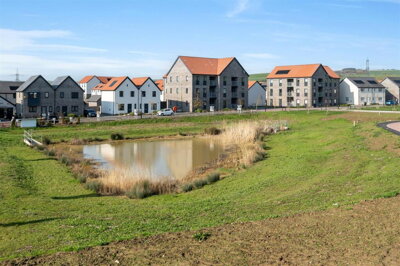
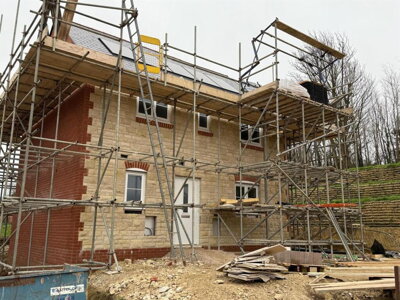
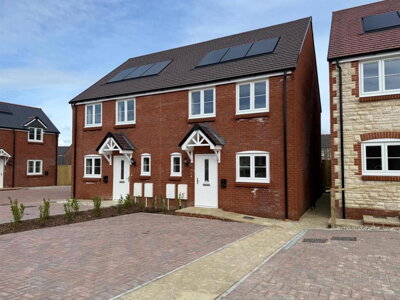
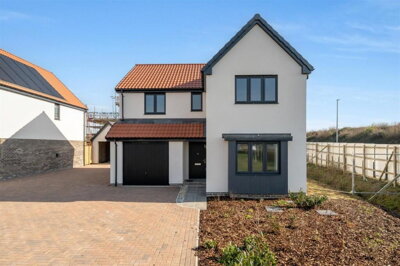
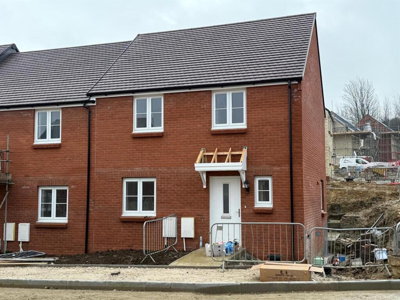
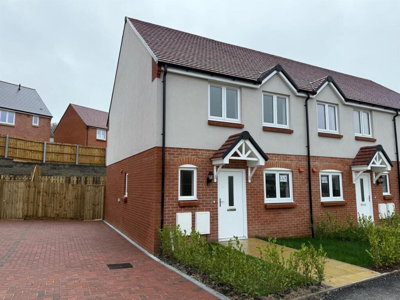
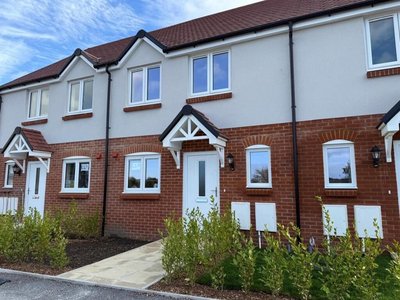
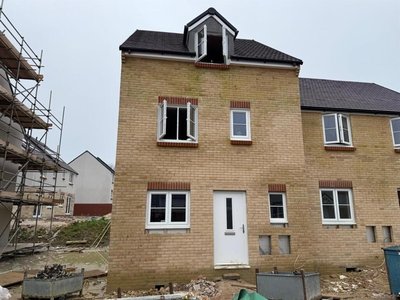
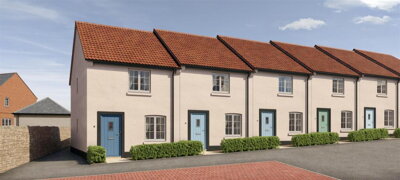
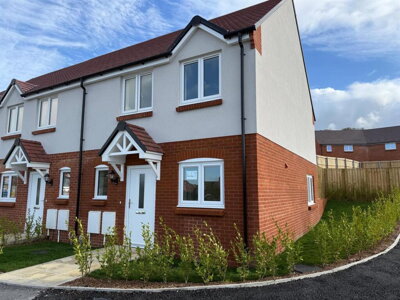
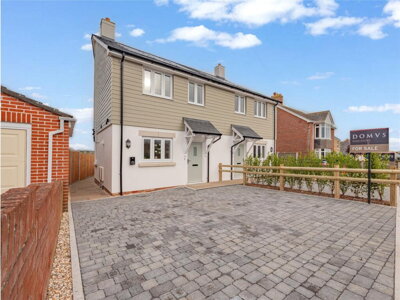
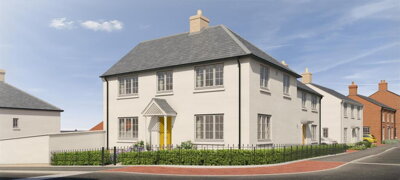
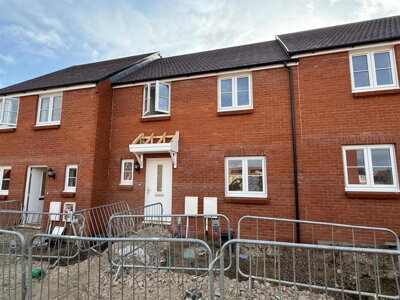
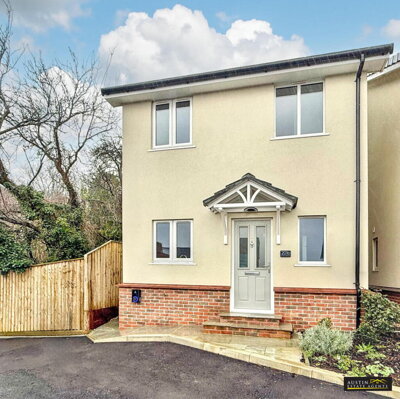
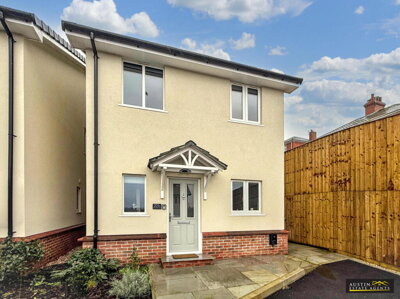
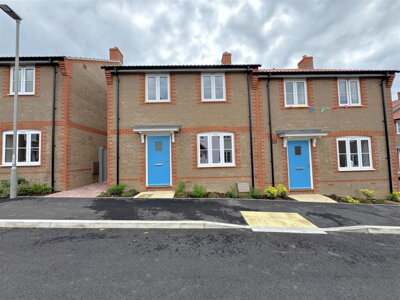
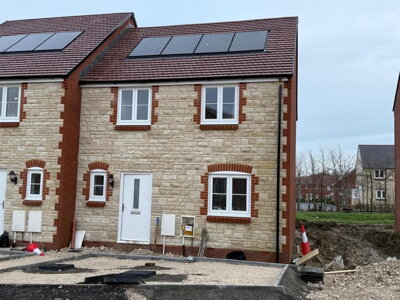
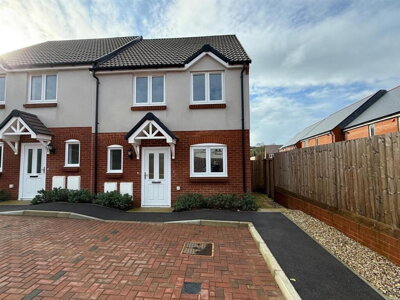
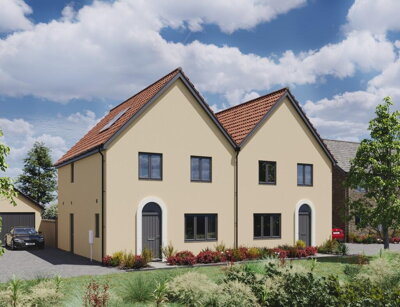
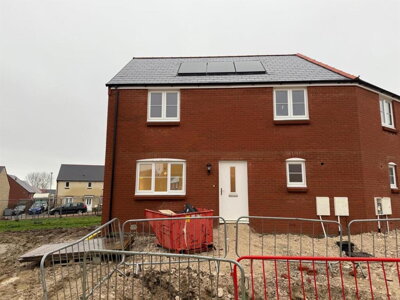
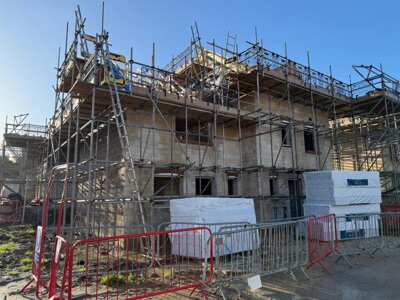
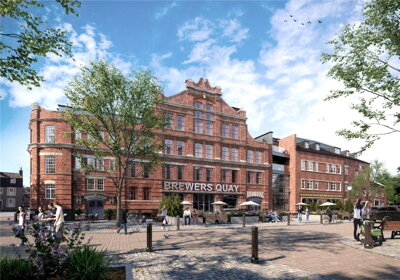
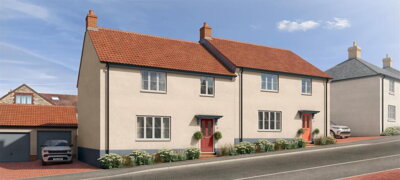
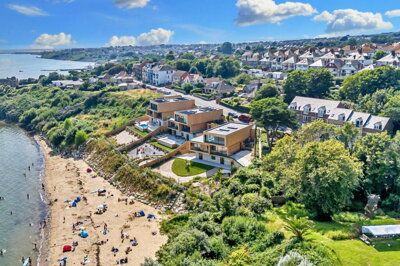
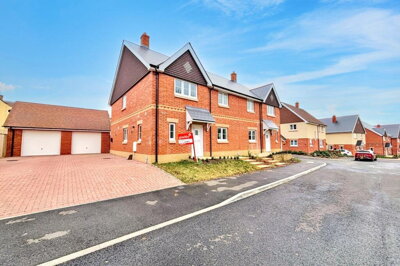
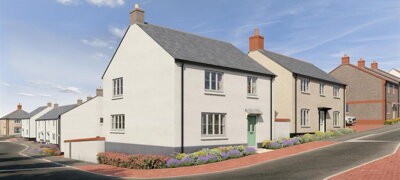
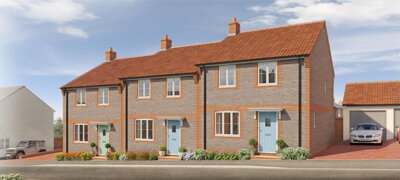
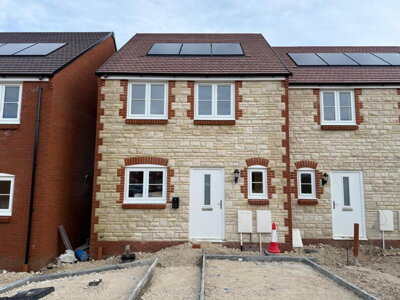
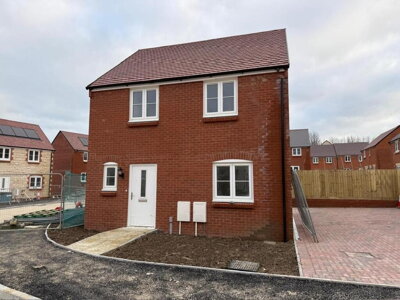
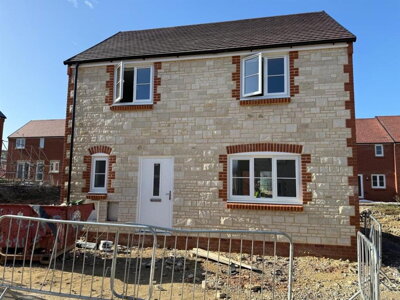
Browse 64 homes new builds in Weymouth, Dorset from local developer agents.
The Weymouth property market offers detached, semi-detached, and terraced houses spanning various price ranges and neighbourhoods. Each listing includes detailed property information, photographs, and direct contact with the marketing agent.
£335k
226
12
114
Source: home.co.uk
Showing 226 results for Houses new builds in Weymouth, Dorset. 12 new listings added this week. The median asking price is £335,000.
Source: home.co.uk
Terraced
91 listings
Avg £309,209
Detached
76 listings
Avg £647,160
Semi-Detached
59 listings
Avg £364,184
Source: home.co.uk
Source: home.co.uk
The Llannor property market reflects the character of this rural Gwynedd community, with properties ranging from traditional terraced cottages to substantial detached family homes. Recent sales data shows terraced properties in the area selling for between £125,000 and £165,000, while detached homes have commanded prices up to £875,000 depending on size, location and condition. Semi-detached properties typically sell for around £135,000 to £180,000 based on recent transactions, indicating a varied market catering to different budgets and requirements.
Property prices in Llannor have shown a significant upward trend over the past year, with the average sold house price reaching approximately £470,000. The LL53 5UN postcode area has an estimated average property value of around £212,707, though this varies considerably between individual streets and property types. Specific recent sales include 3 Tai Newyddion, LL53 5UH, which sold for £160,000 in October 2024, and a mid-terrace property on Britannia Terrace that achieved £164,995 in September 2022, demonstrating the range within the terraced market segment.
The village's historic housing stock includes notable properties such as Goetre Farmhouse, a listed building dating back centuries, alongside terraces of workers' cottages that line the roads leading to the parish church. For buyers seeking character properties, Llannor offers genuine period homes with features such as original fireplaces, exposed stonework and thick walls that are characteristic of pre-1919 construction. The area also includes more recent low bungalow-style properties with dormers, providing options for those seeking modern accommodation without the maintenance requirements of older buildings.
New build activity in the immediate Llannor area remains limited, with most housing stock consisting of established properties built using traditional materials including local stone rubble, pebble-dash render and Welsh slate roofing. Planning permission has been granted for a replacement dwelling on the outskirts of the village, representing one of the few opportunities for new build purchases in this established community.

Life in Llannor centres around the tight-knit community feel that defines so many Welsh villages, with the parish church, local school and village hall providing focal points for social activity. The Grade II* Church of the Holy Cross has served the parish since its 1855 rebuilding, standing as the area's rich ecclesiastical heritage. Community events and gatherings bring residents together throughout the year, reinforcing the social bonds that make rural Welsh villages such welcoming places to call home.
The area's heritage is evident in the architecture throughout Llannor, with buildings constructed predominantly using traditional methods and materials suited to the local climate. The Grade II* Plas Bodegroes, located in nearby Efailnewydd, represents one of the architectural highlights of the community and reflects the prosperity of past generations who called this area home. Traditional terraced housing found throughout the village reflects the agricultural heritage of the area, with workers' cottages built to serve the surrounding farmland that still defines the landscape today.
Local amenities in Llannor include essential services, while the nearby town of Pwllheli provides access to supermarkets, independent shops, healthcare facilities and a range of professional services. The town also hosts regular markets and hosts a programme of events throughout the year that draw visitors from across the peninsula. For leisure activities, the Llŷn Peninsula offers excellent opportunities for walking, fishing, water sports and golf, with the area's natural beauty protected by its designation as an Area of Outstanding Natural Beauty.
The local economy centres on tourism, agriculture, education and healthcare sectors, providing employment opportunities for residents without requiring lengthy commutes to larger towns. Many Llannor households benefit from the ability to work remotely, combining the advantages of rural living with access to national employment markets. The Llŷn Peninsula's enduring appeal as a tourist destination supports local businesses and maintains property values in the area.

Families considering a move to Llannor will find educational provision available at primary level within the local community, with pupils typically progressing to secondary education in Pwllheli. The local primary school serves children from reception through to Year 6, providing education within walking distance for many Llannor families. Gwynedd Council manages educational provision in the area, with schools following the Welsh Curriculum that places strong emphasis on Welsh language and culture alongside national requirements.
Secondary education options in the area include schools in Pwllheli that cater to students from Llannor and surrounding villages. These establishments offer a full range of GCSE and A-Level subjects, with additional provision for vocational qualifications. Parents should research specific catchment areas and admission policies when considering properties in Llannor, as school placements are determined by home address and can be subject to competition in popular areas.
The area offers Welsh-medium education options, allowing children to develop fluency in both Welsh and English from an early age. This bilingual approach is particularly valuable in this part of North Wales where Welsh remains a living community language spoken by a significant proportion of the local population. For families seeking faith-based education or specialist provision, additional options exist within Gwynedd and neighbouring areas.
Further education is available at colleges in Pwllheli and Bangor, with bus services connecting Llannor to these larger towns. The journey to Bangor takes approximately 45 minutes by car, providing access to the university and its associated facilities for older students. Many families appreciate the balance between the intimate educational environment of a rural primary school and the broader opportunities available at secondary and further education establishments.
Transport connections from Llannor primarily rely on road networks, with the A497 providing the main route connecting the village to Pwllheli to the east and onward to the rest of the Llŷn Peninsula. The journey to Pwllheli takes approximately 10 minutes by car, where residents can access the full range of town centre amenities including the railway station. The nearby town serves as a local hub for bus services operating throughout the peninsula and connecting to larger destinations further afield.
The nearest railway station at Pwllheli sits on the Cambrian Coast line, providing direct train services to destinations including Bangor, Chester and beyond. Journey times from Pwllheli station reach approximately 2 hours to Chester and around 3 hours to Birmingham New Street, making the station viable for regular commuters who work from home several days per week. For those travelling to major employment centres in Manchester or Liverpool, the rail journey involves changing at Chester but remains feasible for occasional office attendance.
The nearest major airport is Liverpool John Lennon Airport, located approximately 90 miles from Llannor and accessible via the A55 trunk road that runs along the North Wales coast. Manchester Airport is also reachable within around 3 hours by car. For daily commuting, most Llannor residents work locally in Pwllheli or the surrounding area, in sectors including tourism, agriculture, education and healthcare. The rural nature of the community means car ownership is essential for most households.
Within the village itself, most amenities are accessible on foot or by bicycle, with the local school, parish church and village hall within easy walking distance of most residential properties. The surrounding countryside offers excellent opportunities for walking and cycling, with public footpaths crossing farmland and coastal paths providing access to the peninsula's dramatic landscapes.
Start by exploring current property listings in Llannor to understand what is available at your budget. With average prices around £470,000 but significant variation by property type, knowing the market will help you focus your search effectively. Consider visiting the area at different times of year as seasonal variations can affect both availability and atmosphere. Pay particular attention to specific streets such as Tai Newyddion and Britannia Terrace when searching for terraced properties, as these offer good examples of the character homes available.
Before viewing properties, obtain a mortgage agreement in principle from a lender. This demonstrates to sellers that you are a serious buyer with financing arranged. With properties ranging from terraced cottages to substantial detached homes, having your budget clearly established will streamline your search and strengthen your position when making offers. Given the varied property prices in Llannor, from around £125,000 for older terraces to £875,000 for substantial detached homes, knowing your exact borrowing capacity is essential.
View multiple properties in Llannor to compare the condition, character and value on offer. Pay particular attention to the construction materials used in older properties, as traditional stone and slate buildings may require more maintenance than modern equivalents. A RICS Level 2 survey is strongly recommended for any property over 50 years old, and viewing multiple properties will help you understand which homes justify the additional inspection cost.
For the older properties that dominate Llannor's housing stock, a Level 2 survey (Homebuyer Report) is essential. This inspection will identify defects such as damp, roof condition, structural movement and outdated electrics that are common in period properties. Survey costs typically range from £400 to £800 depending on property size and complexity, with older properties and those with non-standard construction potentially attracting higher fees.
Once your offer is accepted, instruct a conveyancing solicitor to handle the legal aspects of your purchase. They will conduct searches, review contracts and coordinate with the seller's solicitor through to completion. Local solicitors familiar with Gwynedd properties can be particularly helpful regarding any planning conditions or rights of way affecting the property, as well as advising on listed building regulations if you are purchasing a historic property.
After satisfactory survey results and completion of all legal searches, you will exchange contracts and pay your deposit. The remaining balance is paid on completion day, when you will receive the keys to your new Llannor home. Budget for additional costs including Stamp Duty Land Tax, legal fees and moving expenses.
Properties in Llannor require careful inspection due to the age of much of the housing stock, with buildings dating from the 17th century through to the present day. The predominant construction materials of local stone rubble, pebble-dash render and Welsh slate roofing require ongoing maintenance and buyers should check the condition of roofs, gutters and external walls carefully. Properties with original features such as single-pane windows and solid walls may have poorer energy efficiency than modern equivalents, potentially resulting in higher heating costs.
Common defects found in Llannor's older properties include rising damp, which is particularly prevalent in buildings constructed before the introduction of modern damp-proof courses. Penetrating damp can occur where pointing has deteriorated or where roof tiles have become damaged, while condensation issues often affect properties with inadequate ventilation. A thorough survey will identify these moisture-related problems, which are among the most frequently encountered issues in traditional Welsh stone-built properties.
The condition of electrical systems warrants careful attention in older Llannor properties, as many will have original wiring that does not meet current standards. Similarly, plumbing systems in period properties may utilise older materials such as lead or galvanised steel pipes that are prone to corrosion and reduced water pressure. Buyers should budget for potential rewiring and plumbing upgrades when purchasing older properties, as these can represent significant additional costs if identified during survey.
Listed buildings in Llannor, including Grade II* properties such as Plas Bodegroes, Bodfel and the Church of the Holy Cross, require special consideration when purchasing. Any alterations to listed structures require consent from Gwynedd Council, and maintenance obligations may be more demanding than for unlisted properties. If considering a listed building purchase, factor in the additional costs and restrictions that come with this designation. A RICS Level 3 Survey may be more appropriate for complex historic properties given their unique construction and significance.
Flood risk in Llannor should be investigated on a property-by-property basis, particularly for properties located in lower-lying areas or those adjacent to watercourses. While specific flood risk data for individual properties was not detailed in available searches, standard environmental searches conducted during conveyancing will identify any recorded flood events or flood zone designations. Given the coastal location of the Llŷn Peninsula, proximity to the sea and local topography should be considered when evaluating any property.
The average sold house price in Llannor is approximately £470,000 based on recent data, though this varies significantly by property type. Terraced properties have sold for between £125,000 and £165,000, including sales at 3 Tai Newyddion (£160,000 in October 2024) and properties on Britannia Terrace (£164,995 in September 2022). Semi-detached homes sell for around £135,000 to £180,000, and detached properties range from £180,000 to £875,000 depending on size, condition and location. The LL53 5UN postcode area has an estimated average property value of around £212,707.
Properties in Llannor fall under Gwynedd Council's jurisdiction, with council tax bands ranging from A through to H based on property value. Traditional terraced cottages and smaller period properties typically fall into bands A to C, while larger detached homes and converted farm buildings may be in higher bands. You can check the specific band for any property via the Valuation Office Agency website using the property address.
Llannor has a local primary school serving the immediate community, with pupils typically progressing to secondary education in Pwllheli. Gwynedd Council manages school admissions, and catchment areas are determined by home address. The area offers Welsh-medium education options, allowing children to develop fluency in both Welsh and English. Parents should research specific school performance data and admission policies when buying in the area.
Llannor is primarily served by bus routes connecting to Pwllheli, with the nearest railway station located in that town on the Cambrian Coast line. Train services run to Bangor and Chester, with onward connections to major UK cities including Manchester and Birmingham. Most Llannor residents rely on car travel for daily needs, as the rural nature of the area means destinations are spread across the peninsula. The nearest major airport is Liverpool John Lennon, approximately 90 miles away via the A55.
Llannor offers potential for property investment, particularly given the limited new build activity in the area and the enduring appeal of the Llŷn Peninsula's coastal lifestyle. Property values have shown upward trends, and the mix of period cottages and character properties attracts both holiday let operators and permanent residents seeking a rural lifestyle. The tourism economy of the peninsula supports short-term rental opportunities, though buyers should check Gwynedd's planning policies regarding holiday lets.
Stamp Duty (SDLT) in Wales is called Land Transaction Tax. For standard purchases, there is no tax on the first £225,000 of property value, with rates of 6% on £225,001 to £400,000, 7.5% on £400,001 to £750,000, and 10% on £750,001 to £1.5 million. First-time buyers in Wales may qualify for relief on the first £300,000 of properties up to £500,000. For properties above £1.5 million, the rate is 12%.
Llannor's housing stock includes traditional two-storey terraced properties dating from the 18th and 19th centuries, workers' cottages along streets such as Tai Newyddion and Britannia Terrace, and more recent low bungalow-style homes with dormers. Detached properties range from modest family homes to substantial residences commanding prices up to £875,000. The area also includes several listed buildings, including the Grade II* Plas Bodegroes and Goetre Farmhouse, which offer unique character opportunities for buyers seeking historic properties.
Given the age of much of Llannor's housing stock, common defects include rising damp in solid-walled properties without modern damp-proof courses, penetrating damp from deteriorating pointing or damaged roof tiles, and outdated electrical systems that may not meet current standards. Timber decay and pest damage can affect properties where ventilation is poor, while solid-walled construction and single-pane windows often result in poorer energy efficiency than modern buildings. A thorough RICS Level 2 survey is strongly recommended before purchasing any older property in the area.
From 4.5% APR
Compare mortgage deals from leading lenders
From £499
Expert property solicitors for your Llannor purchase
From £400
Professional homebuyer survey for your Llannor property
From £60
Energy performance certificate for your property
Buying a property in Llannor involves several costs beyond the purchase price, with Stamp Duty Land Tax (or Land Transaction Tax in Wales) being one of the most significant expenses. As of 2024-25, standard SDLT rates apply to properties in Wales at 0% on the first £225,000, rising through 6%, 7.5%, 10% and 12% bands for higher value properties. For a typical Llannor property at the average price of £470,000, the SDLT would amount to approximately £12,250 based on current thresholds.
First-time buyers purchasing residential property in Wales may benefit from First-Time Buyer Relief, which raises the zero-rate threshold to £300,000 for properties up to £500,000. This relief can save first-time purchasers around £1,500 on a £300,000 property compared to standard rates. However, properties purchased above £500,000 do not qualify for any first-time buyer relief, meaning standard rates apply in full from the first pound.
Additional buying costs to budget for include conveyancing fees typically ranging from £500 to £1,500 depending on complexity, survey costs of £400 to £800 for a Level 2 survey, and search fees of around £300 to £500. Removal costs vary according to distance and volume of belongings, while mortgage arrangement fees typically range from 0% to 2% of the loan amount. Buildings insurance should be in place from completion day, and you may need to budget for immediate repairs or renovations identified during survey.
Properties New Builds In London

Properties New Builds In Plymouth

Properties New Builds In Liverpool

Properties New Builds In Glasgow

Properties New Builds In Sheffield

Properties New Builds In Edinburgh

Properties New Builds In Coventry

Properties New Builds In Bradford

Properties New Builds In Manchester

Properties New Builds In Birmingham

Properties New Builds In Bristol

Properties New Builds In Oxford

Properties New Builds In Leicester

Properties New Builds In Newcastle

Properties New Builds In Leeds

Properties New Builds In Southampton

Properties New Builds In Cardiff

Properties New Builds In Nottingham

Properties New Builds In Norwich

Properties New Builds In Brighton

Properties New Builds In Derby

Properties New Builds In Portsmouth

Properties New Builds In Northampton

Properties New Builds In Milton Keynes

Properties New Builds In Bournemouth

Properties New Builds In Bolton

Properties New Builds In Swansea

Properties New Builds In Swindon

Properties New Builds In Peterborough

Properties New Builds In Wolverhampton

Enter your details to see if this property is within your budget.
Loans, cards, car finance
Estimated property budget
Borrowing + deposit
You could borrow between
Typical borrowing
Monthly repayment
Est. at 4.5%
Loan-to-value
This is an estimate only. Your actual budget may vary depending on interest rates, credit history, and personal circumstances. For an accurate affordability assessment, speak to one of our free mortgage advisors.
This calculator provides estimates for illustrative purposes only and does not constitute financial advice. Your home may be repossessed if you do not keep up repayments on your mortgage. Estimates based on 4.5% interest rate, repayment mortgage. Actual rates depend on your circumstances.
Homemove is a trading name of HM Haus Group Ltd (Company No. 13873779, registered in England & Wales). Homemove Mortgages Ltd (Company No. 15947693) is an Appointed Representative of TMG Direct Limited, trading as TMG Mortgage Network, which is authorised and regulated by the Financial Conduct Authority (FRN 786245). Homemove Mortgages Ltd is entered on the FCA Register as an Appointed Representative (FRN 1022429). You can check registrations at NewRegister or by calling 0800 111 6768.

We use cookies to show you personalised content and improve your experience of our website. Find out more in our Privacy policy and Cookie policy.