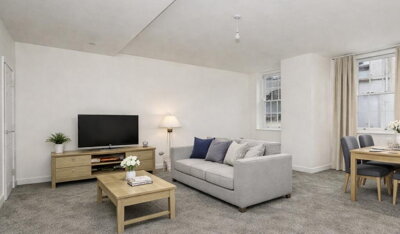
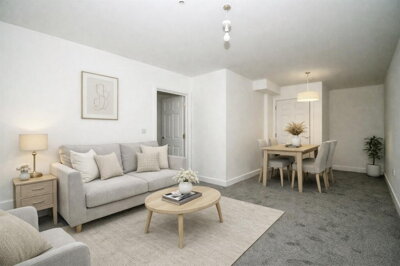
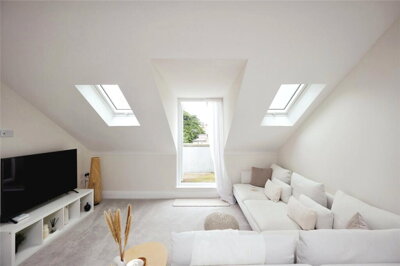
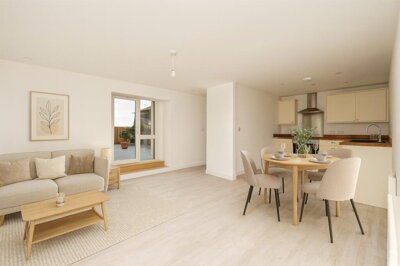
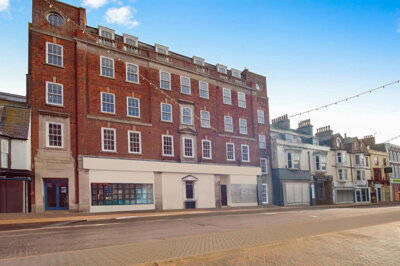
Browse 5 homes new builds in Weymouth, Dorset from local developer agents.
The 2 bed flat sector typically includes two separate bedrooms, dedicated living areas, and bathroom facilities. Properties in Weymouth span purpose-built blocks, converted period houses, and modern apartment complexes on various floors.
£190k
41
1
81
Source: home.co.uk
Showing 41 results for 2 Bedroom Flats new builds in Weymouth, Dorset. 1 new listing added this week. The median asking price is £190,000.
Source: home.co.uk
Flat
41 listings
Avg £201,476
Source: home.co.uk
Source: home.co.uk
The Llannor property market reflects the unique character of this Gwynedd village, with an average sold price of around £470,000 based on recent transactions. Detached properties command premium prices in this area, with one notable sale in April 2025 reaching £875,000 for a substantial family home on LL53 8PQ. Semi-detached and terraced properties offer more accessible entry points to the local market, with recent sales including a mid-terrace at Tai Newyddion selling for £160,000 in October 2024 and another terraced property at Britannia Terrace achieving £164,995 in September 2022.
Property types in Llannor span several eras of construction, from traditional two-storey terraced houses to low bungalow-style homes with dormers. The housing stock includes charming eighteenth and nineteenth-century cottages in areas like Efailnewydd, as well as more modern developments that blend seamlessly with the rural landscape. Regionally, terraced properties account for approximately 36% of sales in Wales, with semi-detached at 28.9% and detached properties at 27.4%. Given the variety of property ages and styles in Llannor, prospective buyers benefit from understanding the local market trends and property characteristics before making their purchase decision.
The community of Llannor encompasses 48.18 square kilometres of diverse Gwynedd countryside, with a population density of approximately 44.30 people per square kilometre. This rural character means property supply is naturally limited, which can create competitive conditions when desirable homes come to market. For buyers seeking character properties in an authentic Welsh village setting, the relative scarcity of available stock makes early engagement with listings advisable.
New build activity in the immediate Llannor area remains limited, though there is occasional planning activity for replacement dwellings and home improvements. Recent applications have included proposals for dormer bungalows on the village outskirts, reflecting demand for properties that offer both character and modern comfort. Buyers interested in new builds may need to consider surrounding areas, though the existing stock in Llannor provides excellent opportunities for those seeking character properties with genuine Welsh heritage.

Life in Llannor offers a distinctive Welsh rural experience characterised by community spirit, stunning natural surroundings, and a pace of life that contrasts sharply with urban living. The village sits within the Llannor community, which encompasses 48.18 square kilometres of diverse Gwynedd countryside. With a population density of approximately 44.30 people per square kilometre, the area maintains its rural character while providing essential local services for residents.
The community spirit in Llannor is evident through local events, traditional pubs, and community facilities that bring residents together throughout the year. The presence of historic buildings including the Church of the Holy Cross, a Grade II* listed structure rebuilt in 1855, adds architectural interest to the village landscape. Plas Bodegroes and Bodfel, both Grade II* listed buildings, stand as testaments to the area's rich heritage and provide glimpses into Gwynedd's agricultural past. The Goetre Farmhouse in nearby Efailnewydd, constructed from local stone rubble with its original irregular-sized slate roof, exemplifies the traditional building methods still visible throughout the community.
Local amenities in the broader Llannor area include traditional terraced properties housing local shops and services, particularly in nearby Abererch where several Grade II listed terraces line the village streets. These include the properties along New Row, Post Office Terrace, and School Terrace, which reflect the commercial and social history of the area. The combination of traditional Welsh architecture, agricultural landscapes, and proximity to the coast makes Llannor particularly appealing to buyers seeking an authentic Welsh village experience.
The Llŷn Peninsula offers excellent walking, cycling, and coastal activities for residents who appreciate outdoor pursuits. From scenic coastal paths along Cardigan Bay to inland routes through farmland and moorland, the area provides recreational opportunities that attract buyers seeking an active lifestyle in a rural setting. The peninsula's position also offers relatively easy access to the amenities of larger towns while maintaining the peace and character of village living.

Families considering a move to Llannor will find educational facilities within reasonable reach in the surrounding Gwynedd area. While Llannor itself is a small village, the broader community includes primary schools serving younger children, with secondary education available in nearby towns such as Pwllheli. The local educational landscape reflects the rural nature of the Llŷn Peninsula, with smaller class sizes and strong community connections that many families find advantageous.
Schools in the Llannor area follow the Welsh education system, with many institutions teaching through the medium of Welsh. This provides children with valuable bilingual skills that are highly valued in Gwynedd and across Wales. Parents should research specific catchment areas and school performance data when considering properties, as availability can vary depending on exact location within the Llannor community. The presence of historic school buildings in nearby Abererch, including the Grade II listed properties on School Terrace, reflects the longstanding educational tradition in this part of Gwynedd.
For families with older children, sixth form and further education options are typically accessed in larger settlements like Pwllheli or through transport links to Bangor, which hosts the nearest university campus. The University of Wales, Bangor offers a range of undergraduate and postgraduate courses, and the journey from Llannor takes approximately 45 minutes by car. Prospective buyers with school-age children should contact Gwynedd Council's education department for the most current information on school placements and catchment boundaries, as these can change and vary between year groups.
Private education options are limited in the immediate Llannor area, with families typically relying on the strong provision within the state system. For those seeking alternative educational approaches, distance learning options and weekly boarding facilities at schools further afield may be worth considering. The Welsh-medium curriculum provides excellent preparation for those planning to live and work in Gwynedd long-term, where bilingual skills are highly valued in the local job market.
Transport connections from Llannor reflect its position on the rural Llŷn Peninsula, with the village relying primarily on road networks and local bus services for everyday travel. The A497 runs through the area, providing connections to Pwllheli to the north and linking with the A499 for travel further afield to Caernarfon and the A55 trunk road. For residents needing to commute to larger employment centres, the journey to Bangor takes approximately 45 minutes by car, while Chester can be reached in around two hours.
Public transport options include local bus services that connect Llannor with surrounding villages and the market town of Pwllheli, which serves as the main service centre for the peninsula. The nearest railway station is located in Pwllheli, offering connections on the Cambrian Coast line to Shrewsbury and beyond, though services are less frequent than on major routes. Residents travelling further often combine rail travel with driving to access the broader rail network from Bangor, which offers faster services to London and other major cities.
For those considering Llannor as a base for remote work or commuting, broadband connectivity should be verified for specific properties, as rural areas can experience variable speeds. Mobile phone coverage may also be limited in some parts of the community, particularly in more isolated properties. Cycling is popular in the area, with the peninsula offering scenic routes for both leisure and utility cycling, though the hilly terrain requires reasonable fitness. The coastal position of the Llŷn Peninsula does mean that some destinations require longer journey times, so prospective residents should consider their commuting requirements when evaluating properties in Llannor.
Parking provision varies across the village, with newer developments typically including allocated parking spaces while older properties may rely on on-street parking. For families with multiple vehicles, this is worth checking during property viewings. The nearest major airport is Liverpool John Lennon Airport, approximately 90 miles away, with Manchester Airport reachable in around two and a half hours by car.
Start by exploring property listings in Llannor and understanding current prices. With average sold prices around £470,000 and significant variation between property types, research recent sales to understand what your budget can achieve in this Gwynedd village. Look at specific streets such as Tai Newyddion and Britannia Terrace for terraced property values, while researching detached prices in areas like LL53 8PQ.
Before arranging viewings, obtain a mortgage agreement in principle from a lender. This strengthens your position when making offers and helps you understand your true budget. Given the varied property prices in Llannor, from terraced cottages priced around £160,000 to detached farmhouses commanding £875,000, knowing your financial position is essential before beginning property searches.
Visit properties that match your criteria, taking time to assess the condition of buildings. Many properties in Llannor are older, with traditional construction methods using local stone rubble and slate roofing, and potential issues such as damp or dated infrastructure that require careful evaluation. Pay particular attention to the condition of original features in listed buildings or period properties.
Once you have an offer accepted, arrange a Level 2 survey to assess the property condition thoroughly. With Llannor's housing stock including listed buildings and period properties dating back to the 17th and 18th centuries, a professional survey is particularly valuable for identifying any structural concerns or maintenance requirements. Survey costs typically range from £400 to £800 depending on property size and age.
Choose a solicitor experienced in Gwynedd property transactions to handle the legal aspects of your purchase. They will conduct searches, handle contracts, and ensure smooth transfer of ownership. Given the number of listed buildings in the Llannor area, your solicitor should be familiar with the additional considerations that may apply to heritage properties.
Once all searches are satisfactory and finances are confirmed, you will exchange contracts and agree a completion date. On completion day, your solicitor will transfer the remaining funds and you will receive the keys to your new Llannor home. At this point, you should arrange buildings insurance to begin from the completion date.
Understanding the construction methods used in Llannor properties helps buyers appreciate the characteristics and potential maintenance needs of homes in this Gwynedd village. The predominant building materials include local stone rubble, pebble-dash render, and traditional slate roofing, all of which are characteristic of North Wales construction. When viewing properties, assessing the condition of these materials and looking for signs of weathering, damage, or maintenance needs that may require future investment is essential.
Many older properties in Llannor, particularly those dating from the 17th and 18th centuries such as Goetre Farmhouse, feature solid-walled construction rather than modern cavity walls. This traditional method of construction offers excellent thermal mass but provides different insulation characteristics compared to contemporary buildings. Plas Bodegroes, another historic property in the area, is rendered and painted white, demonstrating the variety of finishes used across the local housing stock. Properties with original construction may require consideration of insulation improvements to meet modern standards.
Traditional features such as original sash windows, stone fireplaces, and exposed beams are common in period properties throughout Llannor and its surrounding villages. These features contribute to the character and appeal of historic homes but may require ongoing maintenance or restoration. Original damp-proof courses may be absent or have failed in older properties, making rising damp a consideration when evaluating pre-1900 properties. Similarly, traditional timber-framed elements may be susceptible to woodworm or rot if not properly maintained.
The slate roofing found on many Llannor properties is typically sourced from Welsh quarries, with irregular-sized slates being a feature of earlier construction. The longevity of quality slate means many roofs remain serviceable for decades, but inspection of the roof condition should form part of any property assessment. Chimney stacks on period properties may show signs of crumbling brickwork or instability, and flashings where roofs meet walls should be checked for deterioration. Understanding these construction characteristics helps buyers budget appropriately for any remedial work required.
Purchasing a property in Llannor requires careful consideration of several factors specific to this Gwynedd village and the wider Llŷn Peninsula. The area's building materials typically include local stone rubble, pebble-dash render, and traditional slate roofing, which are characteristic of North Wales construction. When viewing properties, assess the condition of these materials and look for signs of weathering, damage, or maintenance needs that may require future investment.
The presence of listed buildings in and around Llannor means that some properties carry additional responsibilities. Grade II* listed buildings include the Church of the Holy Cross, Plas Bodegroes in Efailnewydd, and Bodfel northwest of Efailnewydd. Grade II listed buildings in the area include Goetre Farmhouse with its attached farm building, various properties along New Row, Post Office Terrace, and School Terrace in Abererch, and numerous other historic structures. If you are considering a listed property, factor in the additional requirements and potential costs associated with maintaining a heritage asset.
Older properties in Llannor may exhibit common issues found in historic Welsh homes, including rising damp where original damp-proof courses are absent or failed, roof defects from aging slates or tiles, and timber decay in structural or decorative elements. The solid-walled construction common in pre-1900 properties offers different insulation characteristics compared to modern cavity walls, and buyers should consider the energy efficiency implications when evaluating heating costs and potential improvement works.
Electrical and plumbing systems in older properties may require updating to meet current safety standards. Rewiring a property to modern specifications is a significant expense but essential for safety and insurance purposes. Similarly, old heating systems and boilers should be assessed for efficiency and condition. When purchasing a character property in Llannor, budgeting for these potential upgrades alongside the purchase price and survey costs provides a realistic picture of the total investment required.
The average sold house price in Llannor is approximately £470,000, though prices vary significantly depending on property type and location. Detached properties have sold for over £875,000, while terraced properties in the area have achieved prices between £125,000 and £165,000. The postcode area LL53 5UN has an estimated average property value around £212,707. Recent sales include a mid-terrace at 3 Tai Newyddion selling for £160,000 in October 2024 and a detached property on LL53 8PQ achieving £875,000 in April 2025. Prospective buyers should research specific streets and property types to understand current market values more precisely.
Properties in Llannor fall under Gwynedd Council's jurisdiction and are subject to council tax based on the property's assessed value. Council tax bands in Gwynedd range from Band A for the lowest valued properties through to Band I for the most expensive homes, with bands determined by the Welsh Government's valuation office using the property address. Specific bands depend on the property's assessed value, and buyers can check current bands using the Welsh Government's council tax band search tool online. Band A properties in Gwynedd currently pay around £1,200 annually, while higher bands attract proportionally more, with Band D typically around £1,600 and Band H exceeding £2,400.
Llannor itself has limited school facilities, with primary education typically accessed through schools in nearby villages and the broader Llŷn Peninsula area. Secondary education is available in Pwllheli, which offers comprehensive schooling options including Ysgol Glan y Môr, a dual-stream school providing education in both English and Welsh. Many local schools teach through the medium of Welsh, providing valuable bilingual education opportunities that are highly valued in Gwynedd. Parents should consult Gwynedd Council's education services for current school placements, catchment areas, and Estyn inspection reports when evaluating options for their children.
Public transport connections from Llannor are limited, reflecting its rural location on the Llŷn Peninsula. Local bus services connect Llannor with Pwllheli and surrounding villages, though frequencies are reduced compared to urban areas with services typically running hourly or less on weekdays. The nearest railway station is in Pwllheli on the Cambrian Coast line, offering connections to Shrewsbury and the broader rail network, though the service frequency means advance planning is advisable for longer journeys. For daily commuting, a car is generally essential, though the scenic drives to nearby towns and the A499 connecting to the A55 provide reasonable road access to larger employment centres in Bangor and beyond.
Llannor offers potential for property investment, particularly given its location on the scenic Llŷn Peninsula and the limited supply of properties in this rural Gwynedd village. The average price of around £470,000 positions the market between more affordable Welsh towns and premium coastal locations. Properties with character, traditional features, or listed status may hold particular appeal to buyers seeking authentic Welsh village living. However, the rural location and limited new build development mean capital growth may be slower than in urban areas with higher demand pressures. For buyers planning to live in the property rather than purely invest, the quality of life offered by Llannor makes it an attractive proposition regardless of short-term price movements.
Stamp duty rates for properties in Llannor follow UK-wide SDLT thresholds and apply equally across Wales. For standard purchases, there is no duty on properties up to £250,000, with 5% charged on the portion between £250,000 and £925,000. First-time buyers benefit from relief on properties up to £425,000, paying 5% on the portion between £425,000 and £625,000. For a typical Llannor property at the average price of £470,000, a first-time buyer would pay approximately £2,250 in stamp duty after relief, while an additional purchaser would pay around £11,000. Buyers purchasing as second homes or investment properties should note the additional 3% surcharge that applies above the standard rates.
When viewing properties in Llannor, pay particular attention to the condition of traditional building materials including stone walls, slate roofing, and original windows. Check for signs of damp, particularly in solid-walled properties where damp-proof courses may be absent or failed. Examine the roof for missing, slipped, or deteriorated slates, and check chimney stacks for stability. For listed properties, assess whether any unauthorised alterations have been made that might require rectification. In older properties, the condition of electrical wiring and plumbing should be evaluated, as outdated systems may require complete replacement. Given the coastal position of the Llŷn Peninsula, check for any signs of salt weathering on external elements and ensure guttering and drainage are functioning properly.
From 4.5%
Specialist mortgage advice for Llannor buyers
From £499
Expert solicitors for Gwynedd property transactions
From £400
Professional survey for Llannor properties
From £80
Energy performance certificate for your property
Understanding the additional costs of buying property in Llannor is essential for budgeting effectively. Beyond the property price, buyers should factor in stamp duty land tax, solicitor fees, survey costs, and potential mortgage arrangement fees. For a property in Llannor at the average price of approximately £470,000, a standard buyer would incur approximately £11,000 in SDLT, while first-time buyers would pay around £2,250 under current relief provisions.
Survey costs are particularly important in Llannor given the age and character of many properties. A RICS Level 2 survey typically costs between £400 and £800 depending on property size and complexity, with older or listed properties potentially attracting higher fees due to their construction and condition. For a property priced above £500,000, average survey costs increase to around £586. Pre-1900 properties may incur an additional 20-40% on survey fees due to the complexity of assessing traditional construction. These upfront costs protect buyers from unforeseen structural issues that can prove expensive to remedy.
Solicitor fees for conveyancing in Gwynedd typically start from around £499 for standard transactions, though more complex purchases involving listed buildings or unusual tenure arrangements may cost more. Additional costs include Land Registry searches, local authority searches for the Llannor area, environmental searches, and money transfer fees. Buyers should budget for total legal costs of approximately £1,500 to £2,500 for straightforward transactions, rising to £3,000 or more for complex purchases. Mortgage arrangement fees typically range from £0 to £2,000 depending on the lender and product chosen.
Combined with deposit requirements and moving costs, the additional expenditure beyond the property price can amount to several thousand pounds, making thorough financial planning essential. For a £470,000 property, buyers should budget approximately £15,000 to £18,000 for all associated costs including stamp duty, legal fees, survey, and moving expenses. First-time buyers would typically budget £8,000 to £10,000 given the stamp duty relief available. Obtaining a detailed breakdown from your solicitor and mortgage broker early in the process helps avoid surprises at completion.
Properties New Builds In London

Properties New Builds In Plymouth

Properties New Builds In Liverpool

Properties New Builds In Glasgow

Properties New Builds In Sheffield

Properties New Builds In Edinburgh

Properties New Builds In Coventry

Properties New Builds In Bradford

Properties New Builds In Manchester

Properties New Builds In Birmingham

Properties New Builds In Bristol

Properties New Builds In Oxford

Properties New Builds In Leicester

Properties New Builds In Newcastle

Properties New Builds In Leeds

Properties New Builds In Southampton

Properties New Builds In Cardiff

Properties New Builds In Nottingham

Properties New Builds In Norwich

Properties New Builds In Brighton

Properties New Builds In Derby

Properties New Builds In Portsmouth

Properties New Builds In Northampton

Properties New Builds In Milton Keynes

Properties New Builds In Bournemouth

Properties New Builds In Bolton

Properties New Builds In Swansea

Properties New Builds In Swindon

Properties New Builds In Peterborough

Properties New Builds In Wolverhampton

Enter your details to see if this property is within your budget.
Loans, cards, car finance
Estimated property budget
Borrowing + deposit
You could borrow between
Typical borrowing
Monthly repayment
Est. at 4.5%
Loan-to-value
This is an estimate only. Your actual budget may vary depending on interest rates, credit history, and personal circumstances. For an accurate affordability assessment, speak to one of our free mortgage advisors.
This calculator provides estimates for illustrative purposes only and does not constitute financial advice. Your home may be repossessed if you do not keep up repayments on your mortgage. Estimates based on 4.5% interest rate, repayment mortgage. Actual rates depend on your circumstances.
Homemove is a trading name of HM Haus Group Ltd (Company No. 13873779, registered in England & Wales). Homemove Mortgages Ltd (Company No. 15947693) is an Appointed Representative of TMG Direct Limited, trading as TMG Mortgage Network, which is authorised and regulated by the Financial Conduct Authority (FRN 786245). Homemove Mortgages Ltd is entered on the FCA Register as an Appointed Representative (FRN 1022429). You can check registrations at NewRegister or by calling 0800 111 6768.

We use cookies to show you personalised content and improve your experience of our website. Find out more in our Privacy policy and Cookie policy.