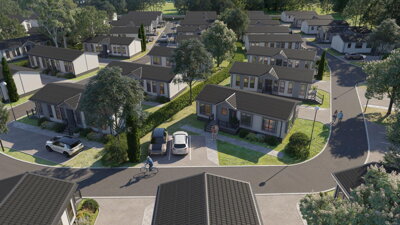
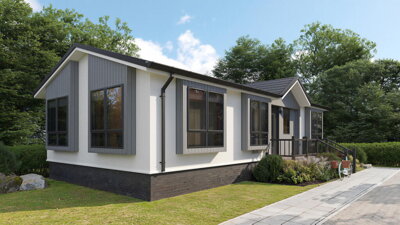
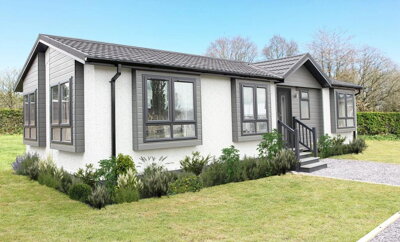
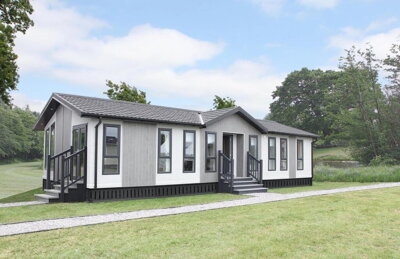
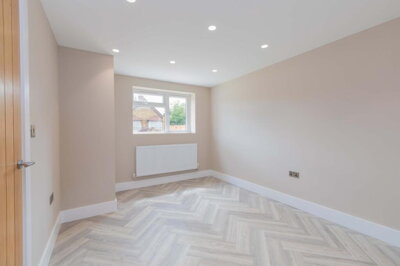
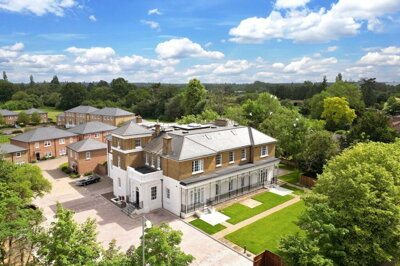
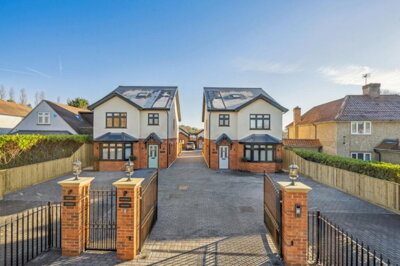
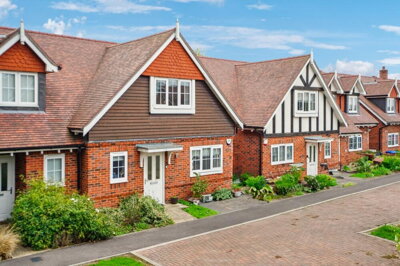
Browse 9 homes new builds in Wexham, Wexham and Ivers Community Board from local developer agents.
The Wexham property market offers detached, semi-detached, and terraced houses spanning various price ranges and neighbourhoods. Each listing includes detailed property information, photographs, and direct contact with the marketing agent.
£913k
14
0
125
Source: home.co.uk
Showing 14 results for Houses new builds in Wexham, Wexham and Ivers Community Board. The median asking price is £912,500.
Source: home.co.uk
Detached
10 listings
Avg £1.11M
Semi-Detached
3 listings
Avg £651,667
Terraced
1 listings
Avg £535,000
Source: home.co.uk
Source: home.co.uk
£881,999
Average Property Price
£1,050,000
Detached Properties
20
Properties Sold (12 months)
60.5%
Detached Housing Stock
The Bramshaw property market is dominated by detached homes, which account for 60.5% of all housing stock according to the 2021 Census. These substantial properties command the highest prices, with detached houses averaging £1,050,000. The market reflects the New Forest premium, where buyers pay a premium for the unique combination of rural charm, protected landscapes, and excellent transport connections to larger cities. Semi-detached properties offer more accessible entry points at around £580,000, while terraced homes average £425,000 and flats start from approximately £275,000.
Recent market data shows a modest softening in prices over the past twelve months, with overall values declining by 1.13%. Detached properties saw a 0.94% decrease, semi-detached properties fell by 1.02%, terraced homes dropped 1.16%, and flats declined by 1.25%. This slight correction follows several years of steady growth driven by strong demand from buyers seeking rural retreats and lifestyle changes. Despite the modest downturn, the market remains active with 20 property sales completing in the past year, demonstrating continued interest in the area.
No new-build developments have been verified within the Bramshaw postcode area, which is understandable given the strict planning controls within the New Forest National Park. This scarcity of new supply means the market primarily consists of existing properties, many of which are period homes with significant character. Buyers should expect competition for the most desirable properties, particularly those with land, outbuildings, or stunning views across the forest.

Life in Bramshaw is defined by the extraordinary natural environment of the New Forest. The village sits within a designated National Park, meaning development is strictly controlled to preserve the area's unique character. The landscape here features a distinctive mix of ancient enclosure pastures, heathland, and woodlands that have been shaped by centuries of traditional farming and forest management. The New Forest is home to legendary free-roaming ponies, cattle, and donkeys that wander across the heathland, creating a scene that feels almost unchanged from centuries past.
The local economy of Bramshaw and the surrounding New Forest area is shaped by tourism, agriculture, and equestrian activities. Many families are drawn to the area specifically for the equestrian infrastructure, including extensive bridleways, riding schools, and liveries. The tourism sector supports a range of local businesses including pubs, tea rooms, craft shops, and outdoor activity providers. Some residents commute to larger employment centres in Southampton or Salisbury, taking advantage of the area's surprising connectivity while enjoying an enviable rural lifestyle in the evenings and weekends.
The demographics of Bramshaw reflect its appeal to families seeking space and tranquility, as well as retirees drawn to the area's natural beauty and community spirit. The 2021 Census recorded 960 residents across 397 households, representing a relatively stable population with strong roots in the local area. The village community is supported by local events, farmer's markets, and the traditional pub, which serves as a focal point for social life. For buyers seeking a slower pace of life without complete isolation, Bramshaw offers an ideal balance.

Properties in Bramshaw typically feature the traditional building methods and materials characteristic of the New Forest region. Common construction includes brick in various types, rendered walls, and some timber-frame elements that reflect the area's vernacular architecture. Older or more bespoke properties in the village may incorporate local stone, which adds to the character and historical authenticity of the housing stock. These traditional materials are generally robust and have proven durable over many decades, but they do require regular maintenance and may present unique challenges during renovation or restoration work.
Given Bramshaw's rural and historic nature within the New Forest, a significant proportion of properties are likely to be over 50 years old, with many dating from the Victorian and Edwardian periods or earlier. These period properties often retain original features such as timber floors, sash windows, cast iron radiators, and solid brick walls that contribute to their charm but also require ongoing upkeep. While traditional construction methods have stood the test of time, older properties will typically need more maintenance than modern homes and may require updates to insulation, heating systems, and utilities to meet contemporary standards.
The geology of the New Forest area, including Bramshaw, is characterised by Tertiary sediments including sands, gravels, and notably clay soils. This geological composition presents particular challenges for property foundations, as the clay component can cause shrink-swell movement in response to moisture changes. During periods of drought, clay soils contract and shrink, potentially causing foundations to settle unevenly. Conversely, when moisture levels return to normal, the soil expands and can exert upward pressure on structures. This phenomenon is especially relevant for older properties with shallow foundations that were built before modern foundation standards were established.
Buyers viewing properties in Bramshaw should look carefully for signs of foundation movement, including cracking in walls (particularly above doorways and windows), doors and windows that stick or fail to close properly, and floors that appear uneven or show visible gaps between floor and skirting boards. These symptoms do not necessarily indicate serious problems, but they should be investigated before committing to a purchase. The presence of mature trees near a property can exacerbate shrink-swell issues, as trees extract moisture from the soil and contribute to subsidence risk. Properties on sloping ground may also show greater evidence of ground movement.
Despite its rural setting, Bramshaw benefits from surprisingly good transport connections that make commuting feasible for those who need to travel to larger employment centres. The village is situated within reasonable distance of major road routes, including the A31 which provides access to Southampton, Bournemouth, and the wider motorway network. The M27 is accessible via the A31, connecting residents to the South Coast's major commercial centres and ports. For air travel, Southampton Airport offers domestic and European flights within approximately 30 minutes' drive.
Rail connections are available from nearby stations in the surrounding New Forest area, with regular services to Southampton, Bournemouth, and London. The South Western Railway network provides direct services to London Waterloo from Southampton Central, with journey times of approximately 90 minutes. For residents who work in Salisbury, the journey is shorter still, making Bramshaw viable for those employed in the cathedral city. The New Forest also has a well-developed bus network, though services can be infrequent, making car ownership practically essential for most residents.
Cycling and walking infrastructure in and around Bramshaw is excellent, with the New Forest designated as a national cycling destination. The forest's gentle terrain, extensive byways, and dedicated cycle paths make cycling a popular mode of transport for both leisure and commuting. Many residents cycle to local villages for shopping and socialising, particularly during the summer months. Parking in Bramshaw is generally straightforward due to the low-density development, with most properties offering off-street parking or garages.
As a village within the New Forest National Park, Bramshaw is subject to significantly stricter planning controls than most other areas of England. The New Forest National Park Authority implements rigorous policies designed to protect the landscape, wildlife, and traditional character of the area. These restrictions affect what owners can do with their properties, including limitations on extensions, outbuildings, fencing, and even changes to exterior colours or materials. Anyone considering purchasing in Bramshaw should understand that renovation projects require careful planning and may face rejection or significant modification by the planning authority.
Many properties in Bramshaw are likely to be listed buildings, given the village's historical character and location within the National Park. Listed buildings receive statutory protection under the Planning (Listed Buildings and Conservation Areas) Act 1990, which controls any alterations that might affect their special architectural or historic interest. This includes internal as well as external works, meaning that even changes to fixtures, fireplaces, or period features require Listed Building Consent from the National Park Authority. Failure to obtain the necessary consents can result in criminal prosecution and enforcement action requiring restoration at the owner's expense.
For properties that are listed buildings or located within conservation areas, a standard RICS Level 2 Survey may not provide sufficient detail about the property's construction and condition. Specialist surveys that go beyond standard inspection are often recommended for such properties, focusing on historical construction methods, specific materials, and the implications of planning restrictions on repairs and alterations. A RICS Level 3 Building Survey, formerly known as a full structural survey, is typically advised for listed properties due to their complexity and the unique considerations involved in maintaining heritage buildings.
Flood risk is an important consideration for properties in Bramshaw, as the village is situated near several small watercourses that feed into larger rivers within the New Forest drainage system. Areas immediately adjacent to these streams and low-lying land may be susceptible to surface water flooding during periods of heavy rainfall, and in some cases, river flooding can affect properties near watercourses. The Environment Agency provides detailed flood risk maps that buyers should consult before committing to a purchase, and mortgage lenders may require flood risk assessments as part of their lending criteria.
Beyond flooding, the New Forest environment presents other considerations for property owners. The heavy clay soils common in the area can create drainage challenges, as surface water may not drain away quickly and can accumulate in low-lying areas of gardens or driveways. Properties with large gardens may require additional drainage systems or careful landscaping to manage water effectively. These environmental factors should be factored into any property evaluation and may affect insurance premiums, which tend to be higher than in urban areas due to the combined flood and subsidence risks.
Before arranging viewings, spend time exploring Bramshaw and the surrounding New Forest villages. Visit at different times of day and week to understand traffic, noise levels, and community activity. Get a mortgage agreement in principle from a lender to understand your true budget, factoring in the £881,999 average property price and associated purchase costs including stamp duty and legal fees.
Use Homemove's property search to browse the 20 homes currently listed for sale in Bramshaw. Filter by property type, price range, and number of bedrooms to narrow your options. Register with local estate agents who operate in the New Forest market, as many properties sell off-market or before listing publicly.
Once you have identified potential properties, arrange viewings through the listing agent. For older properties in Bramshaw, which make up a significant portion of the housing stock, we strongly recommend booking a RICS Level 2 Survey before proceeding. Survey costs in the New Forest area typically range from £400 to £900, depending on property size and complexity. The survey will identify defects common to period properties, including damp, roof issues, and potential subsidence from clay soils.
When you find a property you wish to purchase, submit your offer through the estate agent. Instruct a conveyancing solicitor immediately to begin the legal process. Your solicitor will conduct searches specific to the New Forest area, including drainage and environmental searches. Conveyancing costs in Hampshire typically start from around £499 for standard transactions.
Once your solicitor has completed all searches and the contract is ready, you will exchange contracts and pay your deposit, typically 10% of the purchase price. Completion usually follows within 2-4 weeks, after which you will receive the keys to your new Bramshaw home.
Properties in Bramshaw present unique considerations that buyers should carefully evaluate before committing to a purchase. The New Forest geology presents particular challenges, as the underlying clay soils can cause shrink-swell movement that affects property foundations. This is especially relevant for older properties with shallow foundations, and buyers should look for signs of cracking, sticking doors, or uneven floors. A thorough RICS Level 2 Survey is essential for any property in Bramshaw, particularly given the likely age of many homes in the village.
Flood risk is another important consideration for Bramshaw properties. The village is situated near several small watercourses that feed into larger rivers within the New Forest. Areas adjacent to streams and low-lying land may be susceptible to surface water flooding and river flooding during periods of heavy rainfall. The Environment Agency provides detailed flood risk maps that buyers should consult before purchasing. Properties on elevated ground may offer more protection, but insurance premiums can be higher in flood-risk areas.
Given Bramshaw's location within the New Forest National Park, planning restrictions are significantly more stringent than in most other areas. Many properties will be listed buildings or located within conservation areas, which impose restrictions on alterations, extensions, and even external decorations. Buyers considering any future modifications should consult with the New Forest National Park Authority before purchase. These restrictions help preserve the area's character but mean that renovation projects require careful planning and may face rejection.
The average house price in Bramshaw is £881,999 as of February 2026. Detached properties average £1,050,000, semi-detached homes £580,000, terraced properties £425,000, and flats start from approximately £275,000. Prices have shown a modest decline of 1.13% over the past twelve months, with 20 property sales completing in the year. The New Forest premium means property prices in Bramshaw are significantly higher than the national average, reflecting the area's protected status, natural beauty, and strong demand from buyers seeking rural lifestyles.
Properties in Bramshaw fall under New Forest District Council. Council tax bands vary by property but most homes in the village, given their size and character, typically fall into bands D through H. Band D properties currently pay approximately £1,800-£2,000 per year, while larger detached homes in higher bands can pay significantly more. Exact bands can be verified through the Valuation Office Agency using the property address.
Bramshaw itself has limited schooling facilities due to its small size, with children typically attending schools in nearby villages and towns. The New Forest area is well-served by primary schools in villages such as Lyndhurst and Minstead, many of which are rated Good or Outstanding by Ofsted. Secondary education options include schools in Totton, and the nearby town of Salisbury offers several well-regarded secondary schools and sixth form colleges. Parents should check current catchment areas, as admissions can be competitive for popular schools in the New Forest.
Bramshaw has limited public transport options, making car ownership essential for most residents. The nearest bus services operate on routes connecting New Forest villages to larger towns, but frequencies are typically limited to hourly or less on weekdays, with reduced services at weekends. The nearest railway stations are in nearby towns, providing connections to Southampton, Bournemouth, and London. Most residents rely on driving for daily commutes and errands, though cycling is a popular alternative for shorter journeys during favourable weather.
Bramshaw and the wider New Forest property market has historically shown strong resilience and steady capital growth, driven by persistent demand for rural properties in an area of outstanding natural beauty with limited supply. The strict planning controls within the National Park mean that new development is severely restricted, supporting long-term property values. While recent price data shows a modest 1.13% decline, this follows years of growth and reflects broader national market trends rather than local weakness. Properties with land, outbuildings, or equestrian facilities command particular premiums.
Stamp duty on a Bramshaw property depends on purchase price and your buyer status. Standard rates for 2024-25 are 0% on the first £250,000, 5% on £250,001 to £925,000, 10% on £925,001 to £1.5 million, and 12% above £1.5 million. First-time buyers pay 0% on the first £425,000, with 5% on £425,001 to £625,000. Given the £881,999 average price, most buyers purchasing at around market value would pay approximately £31,500 in stamp duty under standard rates, or £22,750 for first-time buyers qualifying for relief.
The primary risks when buying in Bramshaw include flood risk from nearby watercourses, potential subsidence from clay soils, and the complexity of owning listed buildings or properties in conservation areas. Properties may have outdated electrical and plumbing systems requiring updating, and many homes will need more maintenance than newer builds. Buyers should always commission a thorough RICS Level 2 Survey to identify any structural or environmental issues before committing to purchase.
Given Bramshaw's historical character and location within the New Forest National Park, a significant proportion of properties are likely to be listed buildings or located within conservation areas. Listed buildings receive statutory protection that controls alterations to both the exterior and interior of the property. Anyone purchasing a listed building in Bramshaw will need to obtain Listed Building Consent from the New Forest National Park Authority for most works, including changes to windows, doors, fireplaces, and even some repairs. A specialist survey is recommended for listed properties due to the additional complexities involved in maintaining heritage buildings.
Given the age of most properties in Bramshaw, several defect types are commonly encountered. Rising damp, penetrating damp, and condensation issues are frequent in period properties with original damp-proof courses or inadequate ventilation. Roof condition problems including worn tiles, damaged leadwork, and deteriorating flashing are common in older properties. Timber defects such as wet rot, dry rot, and woodworm may affect structural timbers, floorboards, and roof structures. Outdated electrical systems that do not meet current standards are prevalent in older homes and typically require rewiring. A RICS Level 2 Survey will identify these issues and enable informed negotiations with the seller.
Purchasing a property in Bramshaw involves several costs beyond the purchase price itself. The most significant additional cost for most buyers is Stamp Duty Land Tax, which applies to all property purchases above £250,000. For a typical Bramshaw property at the current average price of £881,999, a standard buyer would pay approximately £31,500 in stamp duty. This is calculated at 5% on the portion of price between £250,001 and £925,000. First-time buyers may benefit from relief, paying only £22,750 on the same property.
Legal costs for conveyancing in the Bramshaw area typically start from around £499 for straightforward transactions, though costs can increase for leasehold properties, listed buildings, or complex sales. Your solicitor will conduct several searches, including local authority searches, drainage and water searches, and environmental searches specific to the New Forest area. These searches typically cost between £250 and £400. Survey costs should also be factored in, with RICS Level 2 Surveys in the New Forest area ranging from £400 to £900 depending on property size and complexity.
Ongoing costs after purchase include council tax, which for most Bramshaw properties falls in bands D through H, representing annual costs of £1,800 to £2,500 or more depending on the band. Buildings insurance will be required from completion day and can be higher than urban areas due to flood and subsidence risks. Service charges may apply if purchasing a leasehold property, which should be verified in the title documents. Budgeting for these ongoing costs alongside your mortgage payments is essential for long-term financial planning.
Properties New Builds In London

Properties New Builds In Plymouth

Properties New Builds In Liverpool

Properties New Builds In Glasgow

Properties New Builds In Sheffield

Properties New Builds In Edinburgh

Properties New Builds In Coventry

Properties New Builds In Bradford

Properties New Builds In Manchester

Properties New Builds In Birmingham

Properties New Builds In Bristol

Properties New Builds In Oxford

Properties New Builds In Leicester

Properties New Builds In Newcastle

Properties New Builds In Leeds

Properties New Builds In Southampton

Properties New Builds In Cardiff

Properties New Builds In Nottingham

Properties New Builds In Norwich

Properties New Builds In Brighton

Properties New Builds In Derby

Properties New Builds In Portsmouth

Properties New Builds In Northampton

Properties New Builds In Milton Keynes

Properties New Builds In Bournemouth

Properties New Builds In Bolton

Properties New Builds In Swansea

Properties New Builds In Swindon

Properties New Builds In Peterborough

Properties New Builds In Wolverhampton

Enter your details to see if this property is within your budget.
Loans, cards, car finance
Estimated property budget
Borrowing + deposit
You could borrow between
Typical borrowing
Monthly repayment
Est. at 4.5%
Loan-to-value
This is an estimate only. Your actual budget may vary depending on interest rates, credit history, and personal circumstances. For an accurate affordability assessment, speak to one of our free mortgage advisors.
This calculator provides estimates for illustrative purposes only and does not constitute financial advice. Your home may be repossessed if you do not keep up repayments on your mortgage. Estimates based on 4.5% interest rate, repayment mortgage. Actual rates depend on your circumstances.
Homemove is a trading name of HM Haus Group Ltd (Company No. 13873779, registered in England & Wales). Homemove Mortgages Ltd (Company No. 15947693) is an Appointed Representative of TMG Direct Limited, trading as TMG Mortgage Network, which is authorised and regulated by the Financial Conduct Authority (FRN 786245). Homemove Mortgages Ltd is entered on the FCA Register as an Appointed Representative (FRN 1022429). You can check registrations at NewRegister or by calling 0800 111 6768.

We use cookies to show you personalised content and improve your experience of our website. Find out more in our Privacy policy and Cookie policy.