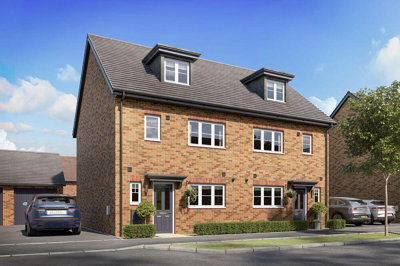
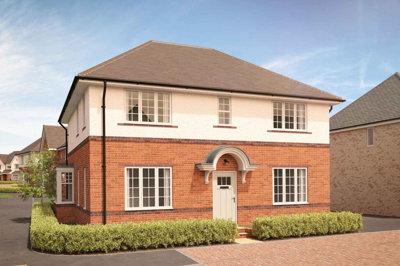
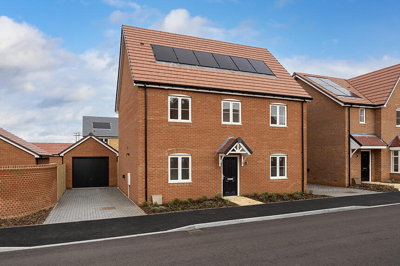
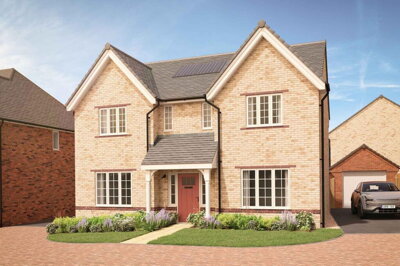
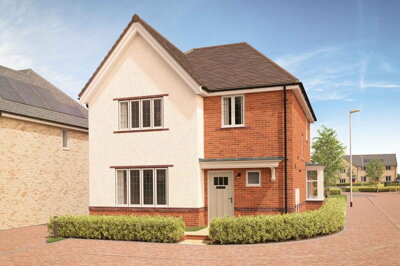
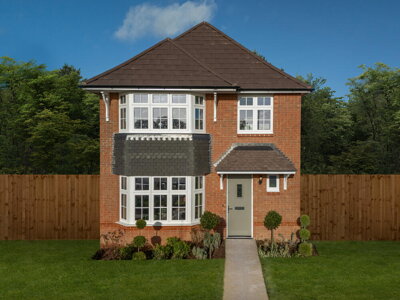
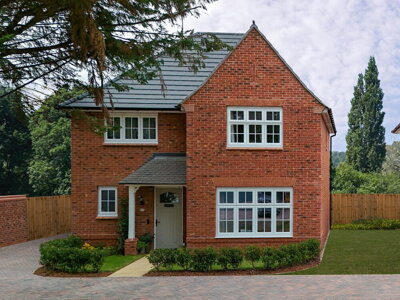
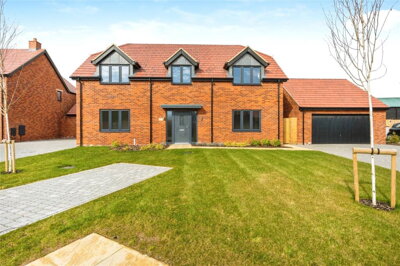
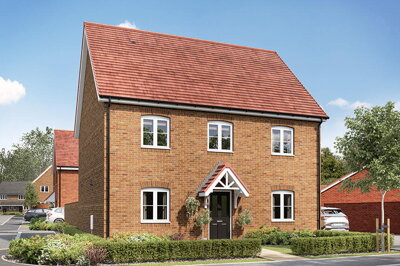
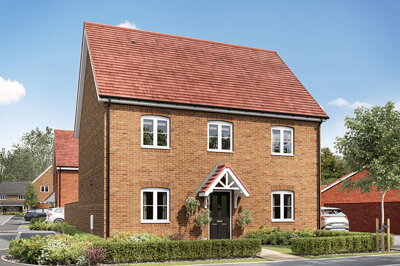
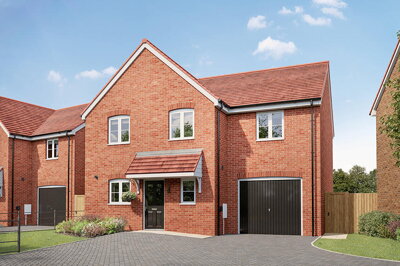
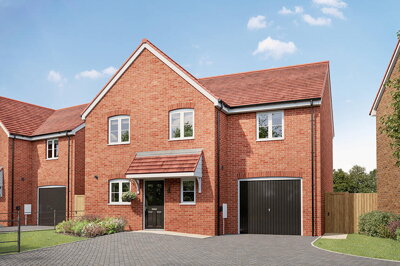
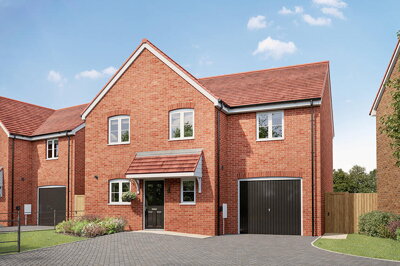
Browse 15 homes new builds in Westoning, Central Bedfordshire from local developer agents.
The larger property sector typically features multiple bathrooms, substantial reception space, and private gardens or off-street parking. Four bedroom houses in Westoning span detached, semi-detached, and occasionally terraced configurations, with styles ranging from period properties to modern executive homes.
£590k
11
1
72
Source: home.co.uk
Showing 11 results for 4 Bedroom Houses new builds in Westoning, Central Bedfordshire. 1 new listing added this week. The median asking price is £590,000.
Source: home.co.uk
Detached
11 listings
Avg £591,818
Source: home.co.uk
Source: home.co.uk
Westoning's property market reflects the character of this established commuter village, where traditional family homes command premium prices due to limited supply and strong demand from buyers seeking the semi-rural lifestyle. Detached properties represent the largest segment of the market, with current averages around £626,667, offering generous proportions and garden space that appeal to growing families. These properties typically date from various periods, with many built between 1945 and 1980 using cavity wall construction featuring brick outer leaves and concrete block inner leaves. The gardens attached to these detached homes are often substantial, reflecting the larger plot sizes that characterised mid-20th century building practices.
Semi-detached homes averaging £410,000 provide an excellent entry point for first-time buyers or those seeking a more manageable property while still benefiting from the village's excellent amenities and transport connections. These properties often feature the characteristic bay windows and generous room proportions of inter-war housing, with many constructed between 1919 and 1945 using solid 9-inch brick walls and suspended timber floors. The terraced segment averaging £330,000 typically consists of older cottages, some dating from the pre-1919 period with original features such as exposed beams, open fireplaces, and flagstone floors, alongside modern mews-style properties that rarely appear on the open market due to limited availability. Flats represent only 4% of the housing stock, making Westoning primarily a village of houses rather than apartments.
Price trends over the past 12 months show remarkable stability across all property types, with detached homes seeing a slight 0.5% decrease while semi-detached properties increased by 2.5% and terraced properties by 1.5%. This balanced growth suggests a mature market where values are supported by fundamental demand drivers rather than speculative activity. The village has no active large-scale new-build developments within the MK45 postcode area, meaning buyers looking for brand new homes may need to consider neighbouring towns such as Flitwick or Ampthill. Existing properties in Westoning span several architectural periods, from pre-1919 period cottages with original features to modern family homes built after 1980, providing options across different styles and budgets.

Westoning sits in Central Bedfordshire, offering residents a peaceful village atmosphere while maintaining excellent connections to surrounding towns and cities. The village has developed organically around its historic core, with the Conservation Area centred on Church Road and The Green preserving the character of the original settlement. Several Listed Buildings dot the village, including St Mary Magdalene Church (Grade I), Westoning Manor (Grade II*), and numerous Grade II residential and agricultural buildings that contribute to the area's architectural heritage. The churchyard contains historical monuments and ancient yew trees, while The Green provides an open space for community gatherings and seasonal events throughout the year.
The demographic profile of Westoning reflects a predominantly family-oriented community with a balanced age distribution across the population. Approximately 18.2% of properties date from the pre-1919 period, with a further 14.1% constructed between 1919 and 1945, giving the village substantial character from these early 20th century additions. The local economy is primarily supported by commuters who work in nearby towns, with many residents travelling daily to offices in Milton Keynes, Luton, Bedford, and London. Small local businesses including the village shop, pubs, and tradespeople serve the community, while the proximity to major employment centres ensures that property values remain robust. The Westoning Lower School provides education within the village itself, while local sports teams and societies offer social activities for all ages.
Outdoor pursuits are well-catered for with countryside walks accessible directly from the village, including footpaths crossing the surrounding farmland and connecting to the wider Bedfordshire countryside. The nearby Purwell Meadows and Woods provide additional recreational opportunities for residents, while the proximity to the Chiltern Hills Area of Outstanding Natural Beauty offers extensive walking and cycling opportunities within easy driving distance. For more active pursuits, several golf clubs operate in the surrounding area, and the lakes at local fishing venues provide additional leisure options. Weekend markets in nearby Ampthill and Flitwick draw visitors seeking fresh local produce and artisan goods, complementing the village's own community events.

Education provision in Westoning serves families with children of all ages, from nursery through to secondary education and beyond. Westoning Lower School provides primary education within the village itself, serving children from reception through to Year 4 (ages 5-9). The school is well-established within the community and benefits from smaller class sizes that many parents find appealing compared with larger urban schools. As a small village school, staff know pupils and families personally, creating a supportive environment that parents frequently cite as a reason for choosing Westoning. For nursery provision, several childminders operate in the village and surrounding area, with additional nursery options available in neighbouring communities.
For secondary education, families typically consider schools in neighbouring towns, with several options within reasonable travelling distance by car or public transport. Harlington Lower School serves the local area through to Year 9, while parents seeking the grammar school route can apply for places at schools in Bedford and Luton, which attract pupils from across the region. Parents should verify current catchment areas and admissions criteria directly with Central Bedfordshire local authority, as these can change and may influence property values in specific streets. Secondary schools in surrounding towns such as Harlington, Ampthill, and Flitwick provide additional options, with many offering specialist subjects and strong academic records including sports, arts, and STEM-focused curricula.
For sixth form education, students can access provision at schools in larger nearby towns or consider further education colleges in Bedford and Milton Keynes, both of which offer a wide range of vocational and academic courses. Several independent schools in the region provide alternatives for families seeking private education, with some offering boarding facilities for greater flexibility. The presence of good educational options within easy reach of Westoning makes the village particularly attractive to families, and this factor consistently influences property values and demand in the area. Parents moving to Westoning should register interest with schools early, particularly for popular year groups where spaces can be limited.
Westoning benefits from excellent transport connections that make it a popular choice for commuters working in London, Milton Keynes, Luton, and other major employment centres. The village is situated close to the M1 motorway (junction 12), providing direct access to London (approximately 50 miles) to the south and Milton Keynes (approximately 15 miles) to the north. The A507 passes through the village, connecting to nearby market towns including Ampthill and Flitwick. For those travelling by car, the road network offers straightforward access to the wider region without the traffic congestion often experienced in larger towns and cities, though peak times can see increased traffic on local routes.
Rail services from nearby Flitwick station provide regular connections to London St Pancras International, with journey times of around 45-55 minutes making day commuting feasible for many workers. Flitwick station is accessible by car (approximately 8 minutes), bus, or bicycle from Westoning, with local bus services operating between the village and surrounding towns. The station offers good parking facilities for those who prefer to drive and park, with daily and season tickets available, and secure cycle storage for environmentally conscious commuters. Thameslink services from Flitwick provide connections to multiple London stations including St Pancras, Farringdon, and London Bridge, offering flexibility for commuters working in different parts of the capital.
For air travel, Luton Airport is within easy reach (approximately 20 miles), offering domestic and European destinations through multiple airlines, while London Luton Airport provides additional international connections including regular services to major European cities and holiday destinations. The comprehensive transport infrastructure significantly enhances Westoning's appeal to buyers who need to commute while maintaining a village lifestyle. Bus services operated by Grant Palmer connect Westoning to Flitwick, Ampthill, and surrounding villages, with services running throughout the day although evening and weekend frequencies are reduced compared with urban areas.
Before scheduling viewings or making offers on Westoning properties, obtain a mortgage agreement in principle from a lender or broker. This document demonstrates to sellers that you have financing secured and strengthens your position when bidding against other buyers in what can be a competitive market. Given Westoning's average property prices around £497,875, securing appropriate mortgage terms is essential, and speaking with a broker familiar with the local market can help identify suitable products.
Explore current listings across major property portals and directly with local estate agents to understand what is available at your budget. The village's limited stock means properties can move quickly, particularly detached family homes which represent the largest share of demand. Consider working with a local agent who knows the village intimately, including awareness of off-market opportunities that may arise in this tight-knit community where some properties never reach public marketing.
Visit properties that match your requirements, paying attention to condition, orientation, noise levels, and the neighbourhood atmosphere. Take photographs and notes to help compare properties later. For older properties in the Conservation Area or those constructed before 1980, look carefully for signs of damp, timber defects, or structural movement that may indicate underlying issues requiring attention.
Once you have agreed a purchase, instruct a qualified surveyor to conduct a RICS Level 2 Survey (Homebuyer Report). Given Westoning's clay geology and the age of many properties, this survey will identify any structural concerns, subsidence risk, or defects that may require attention or negotiation on price. Approximately 66% of Westoning properties were built before 1980, meaning most homes would benefit from this comprehensive assessment of condition.
Appoint a solicitor to handle the legal aspects of your purchase, including searches, contracts, and registration with HM Land Registry. Ensure they are familiar with Central Bedfordshire local authority requirements, any planning conditions affecting the property, and the specific considerations for properties within the Westoning Conservation Area or those that are Listed Buildings.
Once all searches are satisfactory and financing is confirmed, your solicitor will exchange contracts and set a completion date. On completion day, the remaining funds are transferred and you receive the keys to your new Westoning home. At this point, buildings insurance should already be in place, and you should arrange meter readings and utility transfers to your name.
Purchasing a property in Westoning requires careful attention to local factors that could affect your investment, from the underlying geology to planning restrictions within the Conservation Area. Westoning sits on clay-rich soils consisting of Till (Diamicton) overlying bedrock of Gault Formation (mudstone), indicating moderate to high shrink-swell potential. Properties may be susceptible to subsidence or heave if foundations are shallow or if nearby trees affect soil moisture levels. Before purchasing, have a surveyor assess the condition of foundations, look for cracking in walls (particularly diagonal cracks around door and window openings), and check whether any subsidence remediation has been previously undertaken. Properties with large trees nearby, especially those on the clay soils common to this part of Bedfordshire, may require more thorough investigation.
The age distribution of Westoning's housing stock means that many properties will have been built using construction methods now considered outdated. Pre-1919 properties typically feature solid 9-inch brick walls, suspended timber floors, and slate or clay tile roofs, with some having timber frames with brick or infill panels. Properties built between 1919 and 1945 often share similar characteristics but may incorporate some early cavity wall techniques. Post-war properties (1945-1980) were generally constructed with cavity wall systems, concrete tiled roofs, and suspended timber or early concrete ground floors. These older construction methods may perform differently from modern standards in terms of insulation and moisture management, and a thorough survey should identify any resulting defects.
Surface water flooding represents the main flood risk in Westoning, particularly in low-lying areas or where drainage systems may be overwhelmed during heavy rainfall. The village lacks major rivers that would pose significant fluvial flood risk, but seasonal drainage issues can occur in certain locations. Request information about any historical flooding and review the Property Flood Risk from Surface Water mapping before committing to a purchase. For properties within the designated Conservation Area or those that are Listed Buildings, additional planning restrictions apply that may limit permitted development rights and affect renovation plans. These properties may require specialist surveys and Listed Building Consent for certain works, adding complexity and cost to any future improvements.
Properties constructed before 1980 may have electrical wiring, plumbing, and heating systems that do not meet current standards. Older properties may still have original fuse boards, fabric-covered electrical cables, lead water pipes, and cast iron plumbing that will require updating. A RICS Level 2 Survey will identify these issues and help you budget for necessary improvements after purchase. Always verify the property's flood risk status and Conservation Area status with Central Bedfordshire planning authority before proceeding, and factor any planning constraints into your renovation plans.
The average house price in Westoning stands at approximately £497,875, according to recent market data. Detached properties average £626,667, semi-detached homes average £410,000, and terraced properties average £330,000. Price trends over the past 12 months have remained broadly stable across all property types, with semi-detached properties showing modest growth of 2.5% and terraced properties increasing by 1.5%. The stable pricing reflects a mature local market supported by strong commuter demand and limited new supply, with approximately 20 properties changing hands in the past year.
Properties in Westoning fall under Central Bedfordshire Council for council tax purposes. Bands range from A through H depending on the property's assessed value, with most family homes in the village typically falling within bands C to E. Smaller period cottages and apartments may fall into bands A or B, while substantial detached properties with high values could be in bands F or G. Specific bands should be confirmed with the property listing or through the local authority's online council tax band checker. Annual charges vary by band, with higher bands paying proportionally more, and the current rates can be found on the Central Bedfordshire Council website.
Westoning Lower School provides primary education within the village for children aged 5-9 (Reception to Year 4), serving the local community with small class sizes that many parents value. For secondary education, families typically consider schools in surrounding towns including Harlington, Ampthill, and Flitwick, with several options offering strong academic records and specialist subjects. Parents should verify current admissions criteria and catchment areas with Central Bedfordshire local authority, as these can change and may affect school placement for their children. Private and grammar school options are also available in nearby Bedford and Luton for families seeking alternative educational paths, with some offering transport from the Westoning area.
Westoning benefits from good transport connections despite its village setting. Flitwick railway station, approximately 3 miles away, offers regular Thameslink services to London St Pancras with journey times of around 45-55 minutes, making day commuting feasible for workers in the capital. Bus services operated by Grant Palmer connect Westoning to nearby towns including Flitwick and Ampthill throughout the day, though evening and weekend frequencies are limited. For air travel, Luton Airport is accessible within approximately 30 minutes by car, offering domestic and European destinations. The M1 motorway (junction 12) provides straightforward road access to London, Milton Keynes, and the wider motorway network, making Westoning particularly attractive to commuters who prefer a combination of public transport and driving.
Westoning offers several factors that make it attractive for property investment, including consistent demand from commuters, limited supply of available properties, and the lack of large new-build developments in the MK45 postcode area. The village's proximity to the M1 and excellent rail connections to London support rental demand from professional tenants working in the capital or surrounding towns. The village's population of approximately 2,139 and established community suggest stable long-term demand for family housing. However, investors should note that Westoning remains primarily a residential village with limited rental demand from businesses, and any investment should be evaluated against personal circumstances, financing costs, and the specific property characteristics. The stable price growth over the past year indicates a mature market rather than one experiencing rapid appreciation.
Stamp Duty Land Tax (SDLT) rates from April 2025 are 0% on the first £250,000, 5% on £250,001 to £925,000, 10% on £925,001 to £1.5 million, and 12% on any amount above £1.5 million. First-time buyers may benefit from relief on the first £425,000 (0% rate) with 5% payable between £425,001 and £625,000, though this relief phases out completely for properties priced above £625,000. Given the average property price of £497,875, a standard buyer without first-time buyer relief would pay approximately £12,393 in SDLT, calculated at 0% on the first £250,000 and 5% on the remaining £247,875. Always verify current rates with HMRC or your solicitor as thresholds can change, and consider SDLT implications when budgeting for your purchase.
Key risks to consider when purchasing in Westoning include the underlying clay geology which can cause subsidence or heave in properties with shallow foundations or nearby trees, particularly during periods of drought or heavy rainfall. Surface water flooding affects certain low-lying areas of the village, and buyers should review flood risk maps and request information about any historical flooding before committing to a purchase. Properties within the Conservation Area or those that are Listed Buildings face planning restrictions that may limit renovation options and require additional consents for certain works. For older properties (representing approximately 67% of the housing stock), potential issues include damp, timber defects, outdated electrics, and roof condition. A comprehensive RICS Level 2 Survey is strongly recommended for all purchases in the village to identify these issues before completion.
No active large-scale new-build developments were identified within the Westoning postcode area (MK45 5) at the time of research, as the village has limited land available for major development. Small infill developments or individual self-builds may occasionally come to market but are not widely advertised. Buyers seeking brand new properties may need to consider neighbouring towns such as Flitwick, Ampthill, or Toddington, where larger housing developments are more common. Newer properties within Westoning itself typically date from the post-1980 period and represent approximately 33% of the housing stock, offering more modern construction standards but often at premium prices reflecting the village location.
From 3.85%
Expert mortgage advice and competitive rates for Westoning buyers
From £499
Specialist solicitors handling Westoning property purchases
From £400
Comprehensive homebuyer report for Westoning properties
From £80
Energy performance certificate for your new home
Understanding the full costs of purchasing a property in Westoning is essential for budgeting effectively and avoiding surprises during the transaction process. The Stamp Duty Land Tax (SDLT) represents the most significant additional cost for most buyers. On a typical Westoning property priced at the village average of £497,875, a standard buyer would pay SDLT of approximately £12,393, calculated at 0% on the first £250,000 and 5% on the remaining £247,875. First-time buyers may benefit from increased thresholds, paying 0% on the first £425,000 and 5% on the amount between £425,001 and £625,000, though this relief phases out completely for properties priced above £625,000.
Beyond stamp duty, buyers should budget for solicitor conveyancing fees typically ranging from £499 to £1,500 depending on complexity, with more complex transactions (such as leasehold properties or those with planning conditions) at the higher end. Disbursements include local authority searches (approximately £200-£400), drainage and water searches (£100-£150), land registry fees (£20-£150), and bankruptcy checks (£20-£30). A RICS Level 2 Survey costs between £400 and £800 for properties in Westoning, with larger detached homes at the higher end of this range, and older properties potentially requiring additional specialist inspections for Listed Building status or structural concerns.
Mortgage arrangement fees typically range from 0% to 2% of the loan amount, though many lenders offer fee-free deals that may be preferable depending on your loan size and term. Survey costs in Westoning may be slightly higher than the national average for older properties due to the need to assess potential structural concerns related to the local clay geology and the age of much of the housing stock. Buildings insurance should be arranged from the point of exchange, with costs varying based on property value and location. Removals costs depend on distance and volume of belongings, while disconnection and reconnection fees for utilities, TV licensing, and internet services should also be factored into your moving budget.
Properties New Builds In London

Properties New Builds In Plymouth

Properties New Builds In Liverpool

Properties New Builds In Glasgow

Properties New Builds In Sheffield

Properties New Builds In Edinburgh

Properties New Builds In Coventry

Properties New Builds In Bradford

Properties New Builds In Manchester

Properties New Builds In Birmingham

Properties New Builds In Bristol

Properties New Builds In Oxford

Properties New Builds In Leicester

Properties New Builds In Newcastle

Properties New Builds In Leeds

Properties New Builds In Southampton

Properties New Builds In Cardiff

Properties New Builds In Nottingham

Properties New Builds In Norwich

Properties New Builds In Brighton

Properties New Builds In Derby

Properties New Builds In Portsmouth

Properties New Builds In Northampton

Properties New Builds In Milton Keynes

Properties New Builds In Bournemouth

Properties New Builds In Bolton

Properties New Builds In Swansea

Properties New Builds In Swindon

Properties New Builds In Peterborough

Properties New Builds In Wolverhampton

Enter your details to see if this property is within your budget.
Loans, cards, car finance
Estimated property budget
Borrowing + deposit
You could borrow between
Typical borrowing
Monthly repayment
Est. at 4.5%
Loan-to-value
This is an estimate only. Your actual budget may vary depending on interest rates, credit history, and personal circumstances. For an accurate affordability assessment, speak to one of our free mortgage advisors.
This calculator provides estimates for illustrative purposes only and does not constitute financial advice. Your home may be repossessed if you do not keep up repayments on your mortgage. Estimates based on 4.5% interest rate, repayment mortgage. Actual rates depend on your circumstances.
Homemove is a trading name of HM Haus Group Ltd (Company No. 13873779, registered in England & Wales). Homemove Mortgages Ltd (Company No. 15947693) is an Appointed Representative of TMG Direct Limited, trading as TMG Mortgage Network, which is authorised and regulated by the Financial Conduct Authority (FRN 786245). Homemove Mortgages Ltd is entered on the FCA Register as an Appointed Representative (FRN 1022429). You can check registrations at NewRegister or by calling 0800 111 6768.

We use cookies to show you personalised content and improve your experience of our website. Find out more in our Privacy policy and Cookie policy.