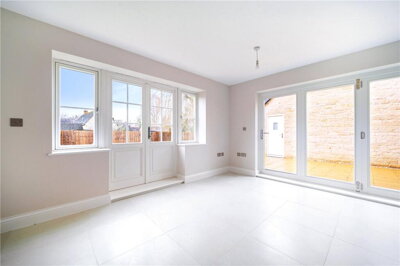
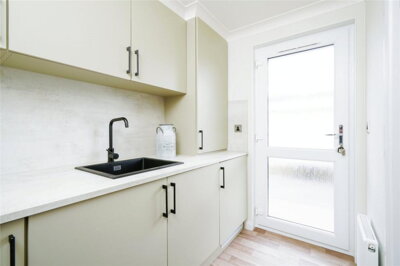
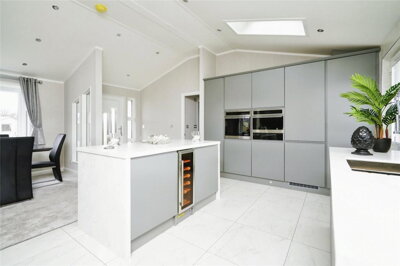
Browse 3 homes new builds in Weston-on-the-Green from local developer agents.
The Bowerchalke property market operates as a niche segment within the wider Wiltshire housing landscape, characterised by limited stock and strong demand from buyers seeking authentic rural living. Current average prices sit at £650,000, representing a 3.2% increase over the twelve-month period ending February 2026, indicating steady appreciation that reflects the enduring appeal of village properties in this designated Conservation Area. The village housing stock is overwhelmingly dominated by detached properties, comprising an estimated 70-80% of all homes, with semi-detached dwellings accounting for a further 15-20% of the housing mix. Terraced properties and flats constitute fewer than 5% of available homes, making this market particularly challenging for buyers seeking smaller or more affordable options.
Property age distribution in Bowerchalke skews heavily toward historic construction, with an estimated 40-50% of homes pre-dating 1919 and reflecting the traditional building methods of that era. These older properties often feature solid wall construction using local flint and chalk stone, lime mortars, and timber roof structures that require specialist understanding during purchase and renovation. Properties constructed between 1945 and 1980 represent approximately 20-30% of the housing stock, while post-1980 builds constitute only 10-15%, typically appearing as infill developments or individual custom builds. The absence of active new-build developments within the Bowerchalke postcode area means that most buyers purchase existing properties requiring varying degrees of modernisation or specialist surveying.
For buyers considering terraced cottages in the village, prices start around £350,000, offering an accessible entry point to this desirable location despite the relative scarcity of this property type. Semi-detached homes average approximately £450,000, while detached country houses regularly exceed £750,000 depending on plot size, condition, and proximity to the village centre. Homes in Bowerchalke benefit from generous plot sizes typical of rural properties, though buyers should factor in potential costs for maintenance of larger gardens and traditional building elements when budgeting for purchase.
Life in Bowerchalke embodies the essence of traditional English village living, offering residents a close-knit community atmosphere within an Area of Outstanding Natural Beauty in the Chalke Valley. The village economy centres on agriculture and small local enterprises, with many residents commuting to Salisbury and surrounding towns for employment while maintaining strong ties to their rural community. The population of 278 people across 119 households creates an intimate scale where neighbours recognise each other and community events foster genuine connection. Bowerchalke Church of England Primary School serves local families, while village halls and local pubs provide focal points for social interaction and village activities throughout the year.
The Upper Chalk geology that underlies Bowerchalke creates the characteristic Wiltshire landscape of rolling chalk downland, steep valleys, and spring-fed meadows that have shaped the local environment for millennia. The River Chalke flows through the valley floor, contributing to the verdant character of the surrounding countryside but also introducing some surface water flood risk in low-lying areas during periods of heavy rainfall. Residents enjoy extensive public footpaths and bridleways radiating from the village, providing direct access to the surrounding farmland and chalk hills that form part of the Cranborne Chase and West Wiltshire Downs Area of Outstanding Natural Beauty. The local geology presents generally low shrink-swell risk for property foundations, though localised areas of superficial deposits may require consideration during construction or extension projects.
Architectural character in Bowerchalke reflects centuries of continuous habitation, with the village itself designated as a Conservation Area in recognition of its special architectural and historic interest. Properties constructed from local flint and chalk stone dominate the streetscape, often featuring rendered or painted finishes that soften the appearance of the traditional building materials. St Margaret's Church stands as a focal point of the village, a Grade I listed building dating from medieval times that exemplifies the historical significance of this community. Numerous Grade II listed cottages and farmhouses scattered throughout the village demonstrate the quality of traditional craftsmanship that characterises the local built environment, creating a coherent and visually appealing village character that has remained largely unchanged for generations.
Families considering a move to Bowerchalke will find educational provision centred on Bowerchalke Church of England Primary School, a small village school that serves the local community and surrounding rural area. The school provides early years and primary education for children within the Chalke Valley, maintaining the intimate class sizes and community integration that characterise village schooling. For secondary education, residents typically access schools in nearby towns, with Salisbury offering several options including grammar schools and comprehensive schools that serve families from across the wider area. Parents should research specific catchment areas and admission arrangements, as school places for village residents may require travel arrangements depending on the school selected.
The proximity of Bowerchalke to Salisbury opens access to a broader range of educational establishments including Salisbury Cathedral School, St Osmund's Catholic School, and Bishop Wordsworth's Grammar School for boys. Private schooling options in the region include Preparatory schools in Salisbury and the surrounding Wiltshire towns, with some families considering boarding options at schools further afield. Sixth form provision in Salisbury offers post-16 students a choice of A-level courses and vocational pathways, with the city colleges providing facilities and resources appropriate for older students. Families relocating from larger urban areas may find the educational landscape in rural Wiltshire represents a shift toward smaller schools with strong community connections, though specialist subjects or extracurricular programmes may require travel to access.
Early years childcare provision in the village itself may be limited, and families often combine village-based provision with childcare arrangements in nearby towns or villages. Childminders serving the Chalke Valley provide flexibility for working parents, while preschool groups meet regularly to support early childhood development and socialisation. Parents researching school performance and Ofsted ratings should consult the Ofsted website for current inspection reports on specific schools, as educational quality can vary across the region. The rural location means that school transport arrangements and journey times form an important consideration for families, particularly those with secondary-age children attending schools in Salisbury or surrounding towns.
Transport connectivity from Bowerchalke relies primarily on road networks, with the village accessed via country lanes that connect to the A354 and subsequently to the wider road network serving south Wiltshire and Dorset. The journey to Salisbury takes approximately 30-40 minutes by car, making day trips and regular commuting feasible for those working in the market town while living in the countryside. The A354 provides onward connections to the A30 and A303, the main trunk route across Wiltshire that connects the southwest of England to London and the south coast. Drivers should note that country lanes approaching Bowerchalke may be narrow and winding, requiring appropriate caution particularly during winter months or adverse weather conditions.
Public transport options from Bowerchalke are limited, reflecting the rural nature of the village and the sparse population that cannot support frequent bus services. The nearest railway station is located in Salisbury, offering South Western Railway services connecting to London Waterloo with journey times of approximately 90 minutes to two hours depending on the service. Exeter, Bristol, and Southampton provide alternative station options for residents willing to travel further, opening additional routes and destinations across the national rail network. Residents commuting to Salisbury for work may find the combination of driving to a park and ride facility or using occasional bus services provides a workable solution, though those requiring daily rail commuting should factor in the total journey door-to-door time when considering property locations within the village.
Cycling infrastructure in the area consists primarily of rural lanes and public bridleways, with enthusiastic local cyclists enjoying the challenging terrain of the chalk downland. Road cycling can be rewarding for experienced riders comfortable with country lanes, though the hilly nature of the landscape demands appropriate fitness and preparation. Walking provides an excellent alternative for local journeys, with footpaths connecting Bowerchalke to neighbouring villages in the Chalke Valley for those who enjoy exploring the countryside on foot. Parking provision within the village reflects its residential character, with properties typically offering off-street parking appropriate to their size and age, though visitors to the village may find limited on-street parking available during peak periods or village events.
Explore current listings and recent sales in Bowerchalke to understand pricing, property types available, and the nature of competition among buyers. With only around 119 households in the village and limited annual turnover, patience may be required to find the right property, and monitoring listings regularly helps identify new opportunities quickly.
Obtain a mortgage agreement in principle before beginning property viewings, as this strengthens your position when making offers on rural properties that attract interest from cash buyers and investors. Factor in the additional costs of older property ownership, including potential survey requirements for listed buildings and conservation area restrictions that may affect future renovations or extensions.
Visit properties that match your criteria, taking time to assess not only the accommodation but also the village atmosphere, neighbouring properties, and practical considerations such as mobile phone reception and broadband speeds. Properties in Bowerchalke often feature traditional construction methods that benefit from experienced surveyors familiar with flint, chalk stone, and solid wall construction.
Given the age of much of the housing stock in Bowerchalke, a thorough survey is essential before proceeding to purchase. RICS Level 2 surveys in the area typically cost between £450 and £800 depending on property size and complexity. For listed buildings or properties with significant historic character, a Level 3 Building Survey provides more detailed analysis of construction and condition.
Choose a solicitor with experience in rural property transactions and awareness of conservation area requirements, listed building consents, and any local planning matters affecting properties in the Chalke Valley. Your solicitor will conduct searches, handle Land Registry documentation, and manage the legal transfer of ownership through to completion.
Exchange contracts and arrange for final completion, ensuring that buildings insurance is in place from the date of completion. The small scale of the village community means that meeting neighbours and integrating into local life often follows naturally once you take up residence in your new Bowerchalke home.
Properties in Bowerchalke present unique considerations for prospective buyers that differ significantly from urban or suburban home purchases. The prevalence of traditional construction using flint, chalk stone, and solid brick walls means that many properties lack modern cavity wall insulation, potentially resulting in higher heating costs and different thermal performance characteristics than newer homes. Older properties may also have outdated electrical systems that require upgrading to meet current safety standards, with wiring dating from the mid-twentieth century or earlier that should be professionally assessed before purchase. Plumbing systems in period properties often include lead or galvanised steel pipes that have corroded over decades of use, necessitating comprehensive replumbing as part of any renovation programme.
The Conservation Area designation affecting the village imposes planning restrictions that buyers must understand before committing to purchase. Any external alterations, extensions, or significant changes to the appearance of properties within the Conservation Area require planning permission from Wiltshire Council, and applications are assessed against policies designed to preserve the historic character of the village. Listed buildings face additional requirements, with Grade I and Grade II listed status bringing stricter controls over materials, methods, and the extent of changes permitted. Buyers should obtain Listed Building Consent guidance from Wiltshire Council planning department before assuming that renovation plans can proceed as they might for properties outside these designations.
Surface water flooding represents a practical consideration for properties in low-lying areas of Bowerchalke, particularly those near the River Chalke valley floor. While the underlying Upper Chalk geology presents generally low risk for foundation movement, localised areas with superficial deposits may introduce variability that should be assessed by a structural engineer or experienced surveyor. Properties with large gardens require ongoing maintenance that buyers should factor into their overall cost calculations, including fencing, hedge cutting, tree management, and upkeep of traditional outbuildings that may require renovation or demolition. Ground conditions for any proposed extensions or new constructions should be investigated through site investigations, as traditional building methods and the presence of tree roots from mature specimens in large gardens can affect foundation design.
Asbestos represents another consideration for buyers viewing properties constructed before 2000, as this material was commonly used in roofing, insulation, and decorative coatings throughout the twentieth century. Properties with original features such as lathe and plaster walls, artex ceilings, or old fireplaces should be inspected by a qualified asbestos surveyor before any renovation work begins. Roof coverings on older properties may contain asbestos cement tiles or slates, requiring specialist removal by licensed contractors at significant cost. The potential for hidden asbestos means that comprehensive surveys before purchase provide essential protection for buyers investing in period properties in this historic village.
Our inspectors frequently encounter specific defect patterns when surveying homes in Bowerchalke, and understanding these common issues helps prospective buyers prioritise their investigations during viewings. Damp problems appear regularly in older properties, particularly rising damp where original lime-based mortars have degraded or where no formal damp-proof course was installed during construction. Penetrating damp often affects walls exposed to prevailing weather, especially where render has cracked or where pointing to flint and stonework has deteriorated over decades of exposure to the Wiltshire climate. Properties near the River Chalke valley floor face elevated risk of surface water ingress during heavy rainfall, and buyers should examine basement areas, cellars, and ground-floor rooms carefully for signs of damp staining or water damage.
Roof condition represents a significant concern across much of the Bowerchalke housing stock, where original slate and tile coverings have exceeded their expected lifespan on properties dating from the Victorian and Edwardian periods. Our team commonly identifies slipped tiles, degraded ridge pointing, and timber decay in roof structures where inadequate ventilation has led to condensation and rot in rafters and battens. Properties featuring traditional timber frames may show signs of woodworm infestation, particularly where moisture has accumulated or where original treatments have long since expired. Specialist timber condition surveys prove valuable for properties showing extensive woodwork or where structural timbers appear suspect during initial inspection.
Subsidence and heave, while less common given the generally stable chalk geology underlying Bowerchalke, can affect properties built on areas with superficial deposits or where drainage issues have developed over time. Our surveyors watch for cracking patterns that suggest ground movement, particularly diagonal fractures around door and window openings or step cracking in solid walls. Tree roots from the large gardens typical of rural properties can affect foundations and drainage systems, especially during periods of drought when roots seek moisture from below structures. Properties with existing or former trees close to buildings should be assessed by a structural engineer for foundation risk before purchase.
Electrical and plumbing systems in Bowerchalke period properties frequently require complete replacement, as original installations dating from the 1950s and earlier fail to meet current safety standards and modern household demands. Consumer units with re-wireable fuses, twin-and-earth wiring with rubber or fabric insulation, and lead or galvanised steel water pipes appear regularly in our surveys of village properties. Buyers should budget for comprehensive re-wiring and replumbing as part of any renovation programme, obtaining quotes from qualified electricians and plumbers before finalising their purchase offer. Gas and oil heating systems in older properties may also require upgrading or replacement, adding further cost considerations for buyers seeking to modernise traditional homes.
Understanding the full costs of purchasing property in Bowerchalke requires careful budgeting beyond the purchase price itself. Stamp Duty Land Tax represents a significant consideration, with the threshold for standard rate relief currently set at £250,000 for all buyers purchasing in England. For properties bought at the Bowerchalke average price of £650,000, a buyer who has previously owned property would pay approximately £20,000 in stamp duty, calculated as 5% on £400,000 above the threshold. First-time buyers benefit from increased thresholds up to £625,000, reducing their SDLT liability to approximately £11,250 on a typical Bowerchalke property.
Survey costs deserve particular attention in Bowerchalke given the age and traditional construction of most properties in the village. RICS Level 2 surveys typically range from £450 to £800 depending on property size and complexity, with larger detached homes or those with significant historic fabric requiring more detailed inspection at the higher end of this range. Properties designated as listed buildings or with complex structural elements may benefit from a RICS Level 3 Building Survey providing more comprehensive analysis, though this represents a higher investment. The presence of traditional building materials including flint, chalk stone, and solid wall construction means that surveyors require specific expertise in historic building defects, and this specialisation may influence pricing.
Conveyancing costs for property transactions in rural Wiltshire typically start from around £499 for standard purchases, though additional costs may arise from specialist searches required for properties in conservation areas or near watercourses. Local authority searches with Wiltshire Council, environmental searches, and drainage and water enquiries form the standard package, with additional drainage location or planning history enquiries sometimes necessary for rural properties. Disbursements including Land Registry fees, bankruptcy searches, and Land Transaction Tax adjustments add to the overall legal bill. Buildings insurance must be arranged from the date of completion, and buyers should obtain quotes before finalising their budget as older properties with traditional construction may attract higher premiums than modern equivalents.
The average house price in Bowerchalke stands at £650,000 as of February 2026, according to property market data for this Wiltshire village. Detached properties average around £750,000, semi-detached homes approximately £450,000, and terraced cottages from £350,000. The market has shown steady growth with a 12-month price increase of 3.2%, reflecting continued demand for rural properties in this designated Conservation Area. Eight property sales completed in the past twelve months indicate modest but consistent market activity given the village's small scale of 119 households.
Properties in Bowerchalke fall under Wiltshire Council's council tax banding system, which classifies homes into bands A through H based on their assessed value as of April 1991. The predominantly older and mid-range properties in this rural village typically fall into bands C through E, though specific properties should be verified through the Valuation Office Agency listing or the Wiltshire Council council tax search facility. Banding affects the annual council tax amount payable and should be confirmed during the conveyancing process before completing your purchase. For reference, a band D property in Wiltshire currently attracts an annual charge of around £2,000-£2,200, though this varies slightly year by year based on council budget requirements.
Bowerchalke Church of England Primary School serves the village and surrounding Chalke Valley for early years and primary education, providing intimate class sizes and strong community integration typical of village schooling in rural Wiltshire. Secondary school options in Salisbury include grammar schools such as Bishop Wordsworth's School for boys and South Wiltshire Grammar School for girls, alongside non-selective comprehensives serving the wider area. Parents should research specific catchment areas, as admission policies determine which schools children can access based on home address. Independent schooling options including Preparatory schools in Salisbury and boarding options further afield provide additional choices for families seeking private education for their children.
Public transport connections from Bowerchalke are limited due to the village's rural location and small population of 278 residents. The nearest railway station is in Salisbury, offering South Western Railway services to London Waterloo with journey times of approximately 90 minutes to two hours depending on the service selected. Bus services connecting Bowerchalke to surrounding villages and towns are infrequent, making car ownership essential for most residents. Residents commuting to Salisbury typically drive to the city or use park and ride facilities, with the A354 providing the main road connection to the wider transport network.
Bowerchalke offers several characteristics that appeal to property investors seeking rural retreats or long-term holdings in an area of outstanding natural beauty. The village's Conservation Area status and limited development potential help protect property values by restricting new construction and maintaining the historic character of the area. The 3.2% annual price appreciation demonstrated over the past twelve months reflects steady demand, while the scarcity of available properties means that well-presented homes in the village tend to attract continued interest. However, investors should note the small market size, limited rental demand in such a rural location, and the potential for higher maintenance costs on older period properties constructed from traditional materials including flint and chalk stone.
Stamp Duty Land Tax rates for residential properties purchased in England from February 2026 start at 0% on the first £250,000 of purchase price, rising to 5% on the portion between £250,001 and £925,000, 10% between £925,001 and £1.5 million, and 12% on any amount exceeding £1.5 million. First-time buyers purchasing properties up to £625,000 pay 0% on the first £425,000, with 5% applying to the amount between £425,001 and £625,000. Given the £650,000 average price in Bowerchalke, a typical first-time buyer would pay approximately £11,250 in stamp duty, while a non-first-time buyer purchasing at the average price would pay around £20,000. Additional SDLT surcharge of 3% applies for second homes and buy-to-let properties.
Bowerchalke village contains numerous listed buildings reflecting its historic character and continuous habitation dating back centuries. St Margaret's Church stands as the most significant listed structure, designated Grade I for its exceptional architectural and historic interest as a medieval building. Several cottages and farmhouses throughout the village hold Grade II listing, protecting their historic fabric and requiring consent for any alterations under the Planning Act. The Conservation Area designation provides additional protection for the village's general character, affecting not just listed buildings but all properties within its boundary. Buyers considering any works to period properties in Bowerchalke should consult Wiltshire Council's planning portal and consider seeking specialist advice before purchase.
Flood risk in Bowerchalke varies across the village according to topography and proximity to watercourses. The River Chalke flowing through the valley floor creates areas of elevated surface water flood risk during periods of heavy rainfall, particularly affecting low-lying properties and gardens near the watercourse. The underlying Upper Chalk geology provides generally good drainage across most of the village, though areas with superficial deposits may experience different drainage characteristics. Our surveyors recommend requesting a full drainage and water search during conveyancing, and properties in known flood risk areas should be assessed for flood resilience measures. Buildings insurance premiums may be higher for properties with elevated flood risk, and buyers should obtain specialist insurance quotes before finalising their purchase.
From 4.5%
Compare mortgage rates and find the right home loan for your Bowerchalke purchase
From £499
Expert property solicitors handling your legal transfer
From £450
Thorough inspection ideal for traditional Bowerchalke properties
From £60
Energy performance certificate for your new home
Properties New Builds In London

Properties New Builds In Plymouth

Properties New Builds In Liverpool

Properties New Builds In Glasgow

Properties New Builds In Sheffield

Properties New Builds In Edinburgh

Properties New Builds In Coventry

Properties New Builds In Bradford

Properties New Builds In Manchester

Properties New Builds In Birmingham

Properties New Builds In Bristol

Properties New Builds In Oxford

Properties New Builds In Leicester

Properties New Builds In Newcastle

Properties New Builds In Leeds

Properties New Builds In Southampton

Properties New Builds In Cardiff

Properties New Builds In Nottingham

Properties New Builds In Norwich

Properties New Builds In Brighton

Properties New Builds In Derby

Properties New Builds In Portsmouth

Properties New Builds In Northampton

Properties New Builds In Milton Keynes

Properties New Builds In Bournemouth

Properties New Builds In Bolton

Properties New Builds In Swansea

Properties New Builds In Swindon

Properties New Builds In Peterborough

Properties New Builds In Wolverhampton

Enter your details to see if this property is within your budget.
Loans, cards, car finance
Estimated property budget
Borrowing + deposit
You could borrow between
Typical borrowing
Monthly repayment
Est. at 4.5%
Loan-to-value
This is an estimate only. Your actual budget may vary depending on interest rates, credit history, and personal circumstances. For an accurate affordability assessment, speak to one of our free mortgage advisors.
This calculator provides estimates for illustrative purposes only and does not constitute financial advice. Your home may be repossessed if you do not keep up repayments on your mortgage. Estimates based on 4.5% interest rate, repayment mortgage. Actual rates depend on your circumstances.
Homemove is a trading name of HM Haus Group Ltd (Company No. 13873779, registered in England & Wales). Homemove Mortgages Ltd (Company No. 15947693) is an Appointed Representative of TMG Direct Limited, trading as TMG Mortgage Network, which is authorised and regulated by the Financial Conduct Authority (FRN 786245). Homemove Mortgages Ltd is entered on the FCA Register as an Appointed Representative (FRN 1022429). You can check registrations at NewRegister or by calling 0800 111 6768.

We use cookies to show you personalised content and improve your experience of our website. Find out more in our Privacy policy and Cookie policy.