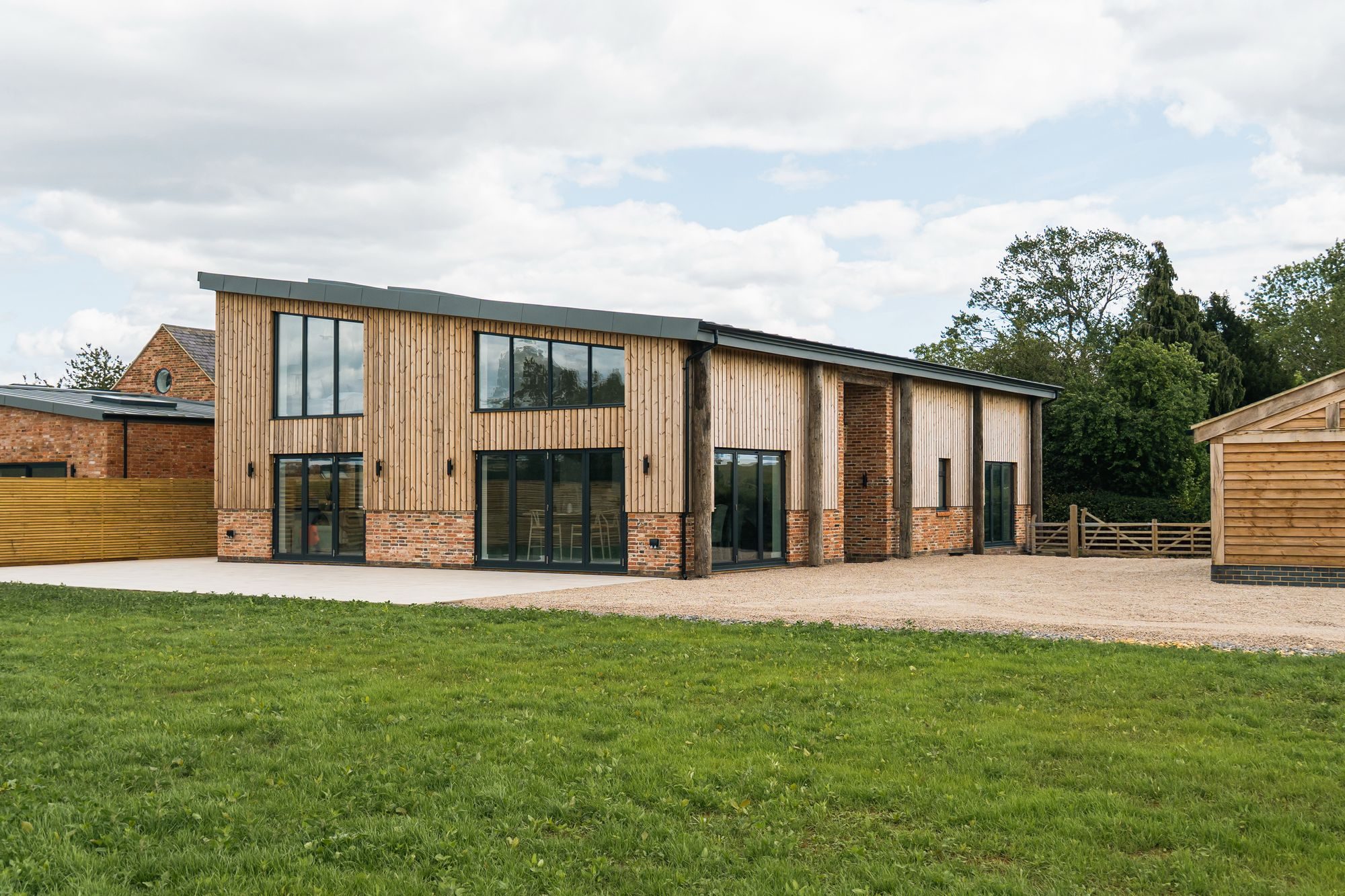
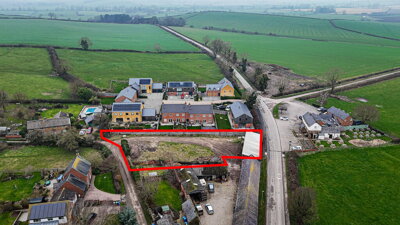
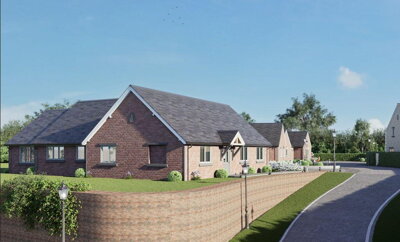
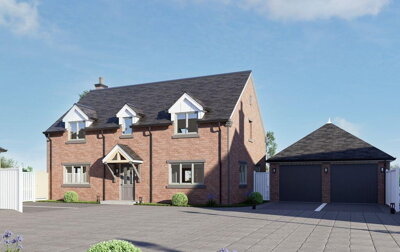
Browse 4 homes new builds in Weston by Welland from local developer agents.
£396,000
Average Price
4.1%
Annual Growth
128
Properties Sold (12 months)
£555,823
Detached Average
£330,308
Semi-Detached Average
4,595
Population
The Church Stretton property market has demonstrated consistent growth over recent years, with prices rising by between 2% and 4.1% annually depending on the data source consulted. Detached properties command the highest values, averaging around £555,823 according to Zoopla, making them ideal for families seeking generous living space and proximity to the outstanding natural beauty of the surrounding hills. Semi-detached homes provide excellent value at approximately £330,308, offering a practical balance between space and affordability for first-time buyers and growing households alike.
The market offers considerable variety for prospective purchasers, with terraced properties available from around £115,000 to £140,000 at auction guide prices, while flats start from approximately £143,522. Census data reveals that detached properties account for over half of all dwellings in the area at 52.2%, with semi-detached homes comprising 21.6% and terraced properties just 9.8%. This predominance of larger detached homes reflects the Victorian and Edwardian origins of much of the housing stock, when Church Stretton developed as a fashionable health resort attracting prosperous visitors from the industrial centres of the Midlands and North.
New build activity remains limited but includes the upcoming Leasowes development by R Hill Homes, which will offer two to four-bedroom houses when complete. Additionally, plans for up to 75 homes at Snatchfield Farm are under consideration by Shropshire Council, though the proposal faces resistance from local residents concerned about the site's protected status within the neighbourhood plan. The limited supply of new homes contrasts with steady demand from buyers attracted to the area's combination of natural beauty, heritage character, and practical connectivity via the Welsh Marches railway line.
Church Stretton presents a distinctive character shaped by its Victorian and Edwardian heritage, when the arrival of the railway in 1852 transformed it into a fashionable health resort for visitors seeking the restorative qualities of the Shropshire Hills air. The town centre clusters around the historic High Street and Church Street, with the medieval town plan still evident despite a devastating fire in 1593 that razed much of the original settlement. Today, approximately 4,595 residents enjoy one of the highest rates of home ownership in England, with over 60% of properties owned outright, nearly double the national average, reflecting the prosperity and stability of this community.
The local economy centres on tourism, outdoor recreation, and services supporting the surrounding rural catchment area. The town lies within an Area of Outstanding Natural Beauty, offering exceptional opportunities for hiking on the Long Mynd, hang gliding from Carding Mill Valley, and exploring the network of footpaths connecting Church Stretton to Caer Caradoc Hill and the broader Shropshire Hills. The Church Stretton Conservation Area encompasses most of the town centre and extends to include Carding Mill Valley, protecting 88 listed buildings including the Grade I listed St Laurence's Church and numerous Victorian and Edwardian structures that define the town's architectural character. Notable listed buildings include numbers 49 and 49A High Street, the range at 54 to 65 High Street, and the handsome pairs at 10 and 12 Cunnery Road.
Community life in Church Stretton benefits from a good range of local amenities including independent shops, cafes, and pubs along the historic High Street. The twice-weekly market, held since medieval times, continues to serve the local population while attracting visitors from the surrounding villages. Various community organisations and clubs cater to different interests, from the local history society to walking groups and gardening clubs, fostering the strong social bonds that characterise this close-knit market town.

Families considering a move to Church Stretton will find a good selection of educational establishments serving the local community. The town provides primary education through St Lawrence Church of England Primary School, which serves families within the parish and surrounding rural area. This Victorian school building, established to serve the growing residential population of the late 19th century, continues to serve local families with a curriculum tailored to the needs of a small market town. Secondary education is available at Church Stretton School, which offers a comprehensive curriculum for students aged 11 to 16. The presence of these established schools within the town means that children can receive a quality education without the need for lengthy daily commutes to larger towns.
The housing stock in Church Stretton reflects the needs of different household types, though census data suggests a potential mismatch between property sizes and current demand. Approximately 65% of properties have three bedrooms or more, while over 80% of the population live in households of one or two people. This indicates that larger family homes may be particularly sought after by buyers with children, while smaller properties appeal to retirees and couples who have been drawn to the area for its peaceful lifestyle and excellent walking opportunities. Census data shows that one person pensioner households account for 20.6% of all households, while households with dependent children make up 17.8%, further illustrating the demographic profile of this prosperous Shropshire market town.
Parents should research specific catchment areas and admission arrangements directly with Shropshire Council to ensure properties meet their children's educational requirements. School performance data, including recent Ofsted ratings and examination results, should be verified through official channels as these can change over time. For families prioritising education in their property search, properties in the Sandford Avenue, Longhills Road, and Cunnery Road areas offer convenient access to both primary and secondary schools while remaining within the conservation area boundary.
Church Stretton railway station sits on the Welsh Marches Line, providing direct connections between Manchester and Cardiff via Crewe, Shrewsbury, and Newport. The station offers regular services throughout the day, making Church Stretton a viable option for commuters who work in larger cities but wish to enjoy a rural lifestyle. Journey times to Shrewsbury take approximately 30 minutes, while Crewe can be reached in around one hour, opening access to broader employment markets and rail connections to London and other major destinations. The journey from Church Stretton to Shrewsbury connects passengers to the West Midlands main line, while Crewe provides access to Virgin Trains services reaching London Euston in approximately 90 minutes.
Road connectivity is provided primarily by the A49, which runs through the town and connects Church Stretton to Shrewsbury in the north and Ludlow in the south. The A49 provides access to the M54 motorway near Shrewsbury, linking to the wider national motorway network. For those travelling by bus, local services connect Church Stretton with surrounding villages and market towns, though frequencies may be limited on less popular routes. Cycling infrastructure has improved in recent years, with the scenic lanes and off-road paths making cycling popular among both residents and visitors for recreational purposes and shorter local journeys. The county council has invested in improving pedestrian crossings and footway surfaces in the town centre, making the historic core more accessible for residents of all ages.
For commuters working from home or seeking flexibility, the reliable rail service combined with fast broadband availability in most of the town makes Church Stretton particularly attractive. Properties along Sandford Avenue, The Square, and the areas east of the A49 generally benefit from good road access while remaining within easy walking distance of the railway station. Those prioritising minimal commuting times should consider properties on the northern side of town, closer to the station and the A49 junction.
Explore current property listings in Church Stretton to understand what is available at your budget. With around 60 to 128 property sales annually and prices averaging around £396,000, take time to compare different property types including detached homes, terraced houses, and flats to find what best suits your needs. Register with local estate agents and set up property alerts to stay informed about new listings, as properties in desirable areas like Church Stretton can sell quickly.
Once you have identified properties of interest, arrange viewings through estate agents active in the area. Consider visiting at different times of day to assess noise levels, light, and the neighbourhood atmosphere. Properties in the conservation area may have restrictions, so ask about any planning conditions that might affect your plans. Many properties in Church Stretton have historical features worth examining during viewings, from original sash windows to period fireplaces and stone-flagged floors.
Before making an offer, obtain a mortgage agreement in principle from a lender. This demonstrates to sellers that you are a serious buyer with financing in place. Our mortgage comparison tool can help you find competitive rates and connect with suitable lenders. Given the average property price of around £396,000, most buyers will require a substantial mortgage, and arranging finance early streamlines the purchasing process considerably.
Given the age of many properties in Church Stretton, with substantial Victorian and Edwardian housing stock, a Level 2 survey is recommended to identify any structural issues, damp, or defects. Survey costs typically range from £350 to £500 for standard properties, though pre-1900 buildings may incur premiums of 20-40% due to their construction complexity. Our inspectors are familiar with local building materials including the traditional soft red brick, timber framing, and plain clay tiles common to the area.
Appoint a solicitor to handle the legal aspects of your purchase. They will conduct searches with Shropshire Council, check the title deeds, and manage the transfer of ownership. Our conveyancing service connects you with experienced solicitors familiar with local properties. Searches will include drainage and water authority checks, local land charges, and environmental searches that identify any flood plain designations that may affect the property.
Once all searches are satisfactory and your mortgage offer is confirmed, you will exchange contracts and pay your deposit. Completion typically follows within a few weeks, when you will receive the keys to your new Church Stretton home. On completion day, arrange buildings insurance from the point of exchange and notify the council tax department of your new address.
Prospective buyers should be aware that Church Stretton contains extensive conservation areas where planning restrictions apply to preserve the historic character of the town. The Church Stretton Conservation Area was originally designated in 1986 and has been extended several times, most recently in September 2013, to encompass a wider area including Carding Mill Valley. Properties within the conservation area may be subject to stricter requirements for alterations, extensions, and even external paint colours. The presence of 88 listed buildings means that many properties carry listed building status, requiring Listed Building Consent for certain works. Before purchasing, establish whether your intended modifications will require planning permission or listed building consent.
The local geology presents some considerations for buyers to understand. Church Stretton sits on the Church Stretton Fault, an ancient geological feature dating back 600 million years, and while an earthquake occurred along a parallel fault in 2000, no widespread subsidence issues have been recorded. The valley floor contains clay deposits from Ice Age glacial deposits that may exhibit shrink-swell behaviour, particularly during periods of drought or heavy rainfall. A thorough survey is particularly valuable for older properties on the valley floor, where clay soils are most prevalent. Properties on the hillside locations, such as those along the Long Mynd slope, typically sit on different geology including sandstone and volcanic rock formations dating back 570 million years.
Flood plain areas exist on the valley floor, with Coppice Leasowes Local Nature Reserve serving as a flood alleviation zone, so verify the flood risk status of any property you are considering through the appropriate environmental searches. The valley was deepened by meltwaters during the Ice Age, leaving behind thick deposits of clay, sand, and gravel that create variable ground conditions. Properties along Watling Street and the northern approaches to the town centre warrant particular attention regarding drainage and surface water risk. Your conveyancing solicitor will include an environmental search that identifies any flood plain designations affecting the property.
Local construction methods reflect the area's Victorian and Edwardian development and the availability of local materials. Traditional buildings feature brick and render facades, with some stone construction using Silurian rubble and harder volcanic stones from the surrounding hills. Timber framing with roughcast or brick infill appears in older properties, while roofs predominantly feature small clay tiles. When viewing properties, look for signs of weathering on south-facing elevations, where the traditional soft red brick can be particularly vulnerable to erosion in the exposed hilltop position. A RICS Level 2 survey will identify any defects related to these traditional construction methods and materials.
Understanding the predominant building materials in Church Stretton helps buyers appreciate the character of local properties and anticipate maintenance requirements. Before the railway arrived in 1852, builders relied almost entirely on local materials, and this heritage is evident throughout the town. Silurian rubble, a distinctive local stone, forms many boundary walls, plinths, and lesser buildings, while harder volcanic stones and Shropshire sandstones appear in ashlar work on more prestigious structures. The traditional soft red brick, produced from local clays, characterises many Victorian properties but often requires repointing and may have been painted to protect the porous surface from weathering.
From the 1860s onwards, materials began to be imported via the railway, enabling the construction of more varied and substantial properties that define the late Victorian and Edwardian residential streets. Terraced and semi-detached houses from this period typically feature brick frontages with render or painted stucco to the rear and sides. Roofs throughout the town are predominantly covered with small clay tiles, though some properties have slate where Welsh slate was more readily available by rail. Timber framing, using traditional oak, appears in older buildings both exposed and with infill panels of roughcast or later brick construction.
The post-war development of Church Stretton brought different construction methods, with housing estates built from the 1950s onwards using cavity wall construction with brick or rendered blockwork. These properties, while lacking the character of Victorian and Edwardian buildings, often benefit from larger rooms, modern insulation, and updated electrical and plumbing systems. When choosing between period and modern properties, consider that older homes may require investment in insulation and double glazing to achieve comfortable living standards, while newer properties may lack the characterful features that make Church Stretton properties so distinctive.
The average house price in Church Stretton currently ranges from approximately £384,432 to £401,061 depending on the data source, with the most recent figures placing the average around £396,000. Property Solvers reports a higher average of £612,000 using HM Land Registry data, which may reflect a different methodology or property mix. Detached properties average £555,823, semi-detached homes around £330,308, and flats starting from approximately £143,522. Prices have increased by between 2% and 4.1% over the past year, reflecting sustained demand for properties in this desirable Shropshire market town.
Properties in Church Stretton fall under Shropshire Council administration. Council tax bands range from A to H depending on the property's assessed value. You can check the specific band for any property through the Shropshire Council website or the Valuation Office Agency. The majority of Victorian and Edwardian properties in the town centre are likely to be in bands B to D, while larger detached homes on the outskirts may fall into higher bands. Given the predominance of owner-occupied properties and the prosperous nature of the town, average council tax contributions are generally comparable to similar rural market towns in Shropshire.
Church Stretton offers education through St Lawrence Church of England Primary School for younger children and Church Stretton School for secondary education. The town also has several nurseries and pre-school settings including Little Acorns and the Church Stretton Pre-School. Parents should verify current Ofsted ratings and admission catchment areas directly with the schools or Shropshire Council admissions team, as these can change and may influence which properties best serve your family's educational needs. The presence of the secondary school means that secondary-age children can complete their education locally, while primary-aged children benefit from the walkable size of the town to their school.
Church Stretton has a railway station on the Welsh Marches Line, providing direct services to Shrewsbury (approximately 30 minutes), Crewe (approximately 1 hour), and connections to Manchester, Cardiff, and beyond. The A49 trunk road runs through the town, providing road access to Shrewsbury and Ludlow. Bus services operate to surrounding villages, though frequencies are more limited than in larger towns. For commuting purposes, the train services make Church Stretton practical for those working in regional cities while enjoying rural living. The station has parking facilities, making it viable for residents who combine driving with rail travel for longer journeys.
Church Stretton offers several attractions for property investors. The consistently high rate of owner occupation (over 60% of homes owned outright) indicates strong local demand and stable property values. Annual price increases of 2% to 4.1% demonstrate sustained capital growth. The town's location within an Area of Outstanding Natural Beauty and its tourism economy support rental demand, particularly for holiday lets and short-term rentals. However, the limited new build supply and strong community character suggest properties hold their value well over the longer term, making it more suitable for steady appreciation than rapid turnover. The planned Leasowes development and potential Snatchfield Farm development may increase supply slightly, though significant impacts on the overall market are unlikely given the constrained development boundaries.
Stamp duty rates for England apply uniformly across the country, including Church Stretton. Standard rates are 0% on the first £250,000, 5% on £250,001 to £925,000, 10% on £925,001 to £1.5 million, and 12% above £1.5 million. First-time buyers benefit from relief on the first £425,000 (0% rate), with 5% payable between £425,001 and £625,000. Given average property prices around £396,000, most buyers would pay either no stamp duty (first-time buyers) or £7,300 on the amount above £250,000 for standard buyers. Properties priced above £925,000 incur significantly higher rates, so budget accordingly when searching in the premium end of the market.
Flood risk in Church Stretton varies depending on location within the valley. Properties on the valley floor, particularly those near the stream corridors and lower-lying areas, may be susceptible to surface water flooding during periods of heavy rainfall. The Coppice Leasowes Local Nature Reserve on the northern edge of town serves as a flood alleviation zone, helping to manage water levels during exceptional rainfall events. Your solicitor will include an environmental search that identifies any flood plain designations, and we recommend requesting a specific flood risk assessment for properties in lower-lying positions. Properties on the hillside locations and along the main residential streets on the valley sides generally sit above the flood plain and face minimal flood risk.
When purchasing a property in Church Stretton, you will need to budget for several costs beyond the purchase price. Stamp Duty Land Tax applies at standard English rates, meaning buyers pay nothing on the first £250,000 of the purchase price. For a typical Church Stretton property priced around £396,000, this results in stamp duty of £7,300 for standard buyers, or nil for qualifying first-time buyers. Properties above £925,000 incur higher rates of 10% on the portion between £925,001 and £1.5 million, while those exceeding £1.5 million pay 12% on the remainder.
Additional costs include solicitor fees for conveyancing, typically ranging from £499 to over £1,500 depending on complexity and property value. A RICS Level 2 survey costs approximately £350 to £500 for standard properties, with older Victorian and Edwardian properties potentially incurring premiums of 20-40% due to their construction and the need for more detailed inspection of traditional building methods. Our surveyors are experienced in assessing traditional buildings and will check condition of brickwork, render, timber framing, and clay tile roofs that characterise local properties. Mortgage arrangement fees typically range from £0 to £2,000, and you should also budget for valuation fees, search fees with Shropshire Council (approximately £250 to £350), and Land Registry fees for registering your ownership.
Building insurance should be arranged from the point of exchange, and removals costs will depend on the distance and volume of belongings being moved. For properties in the conservation area or listed buildings, budget for potentially higher insurance premiums and maintenance costs associated with preserving historic fabric. Properties with traditional materials such as soft red brick, timber framing, and clay tiles may require specialist insurance coverage. Your solicitor will provide a detailed breakdown of all costs before you commit to the purchase, ensuring there are no surprises as you approach completion.
From 4.5%
Find competitive mortgage rates for Church Stretton properties
From £499
Experienced solicitors familiar with local properties
From £350
Thorough inspection for Victorian and Edwardian properties
From £80
Energy performance certificate for your new home
Properties New Builds In London

Properties New Builds In Plymouth

Properties New Builds In Liverpool

Properties New Builds In Glasgow

Properties New Builds In Sheffield

Properties New Builds In Edinburgh

Properties New Builds In Coventry

Properties New Builds In Bradford

Properties New Builds In Manchester

Properties New Builds In Birmingham

Properties New Builds In Bristol

Properties New Builds In Oxford

Properties New Builds In Leicester

Properties New Builds In Newcastle

Properties New Builds In Leeds

Properties New Builds In Southampton

Properties New Builds In Cardiff

Properties New Builds In Nottingham

Properties New Builds In Norwich

Properties New Builds In Brighton

Properties New Builds In Derby

Properties New Builds In Portsmouth

Properties New Builds In Northampton

Properties New Builds In Milton Keynes

Properties New Builds In Bournemouth

Properties New Builds In Bolton

Properties New Builds In Swansea

Properties New Builds In Swindon

Properties New Builds In Peterborough

Properties New Builds In Wolverhampton

Enter your details to see if this property is within your budget.
Loans, cards, car finance
Estimated property budget
Borrowing + deposit
You could borrow between
Typical borrowing
Monthly repayment
Est. at 4.5%
Loan-to-value
This is an estimate only. Your actual budget may vary depending on interest rates, credit history, and personal circumstances. For an accurate affordability assessment, speak to one of our free mortgage advisors.
This calculator provides estimates for illustrative purposes only and does not constitute financial advice. Your home may be repossessed if you do not keep up repayments on your mortgage. Estimates based on 4.5% interest rate, repayment mortgage. Actual rates depend on your circumstances.
Homemove is a trading name of HM Haus Group Ltd (Company No. 13873779, registered in England & Wales). Homemove Mortgages Ltd (Company No. 15947693) is an Appointed Representative of TMG Direct Limited, trading as TMG Mortgage Network, which is authorised and regulated by the Financial Conduct Authority (FRN 786245). Homemove Mortgages Ltd is entered on the FCA Register as an Appointed Representative (FRN 1022429). You can check registrations at NewRegister or by calling 0800 111 6768.

We use cookies to show you personalised content and improve your experience of our website. Find out more in our Privacy policy and Cookie policy.