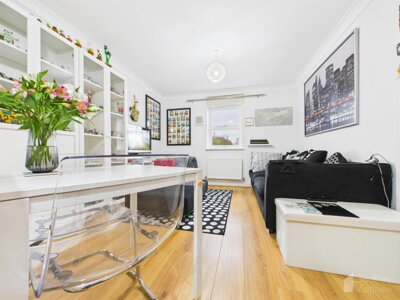
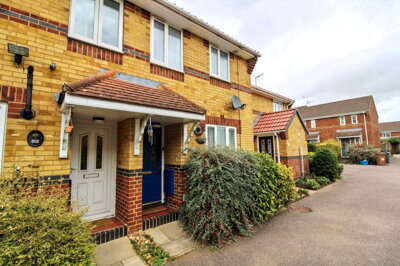
Browse 2 homes new builds in Weston, North Hertfordshire from local developer agents.
£763k
8
0
163
Source: home.co.uk
Source: home.co.uk
Semi-Detached
3 listings
Avg £583,333
Character Property
1 listings
Avg £1.25M
Detached
1 listings
Avg £1.40M
Detached Bungalow
1 listings
Avg £750,000
Link Detached House
1 listings
Avg £525,000
detached
1 listings
Avg £850,000
Source: home.co.uk
Source: home.co.uk
The Monxton property market reflects the village's position as a desirable rural settlement in Test Valley, Hampshire. Recent sales data shows an average house price of £365,000, with three property transactions recorded over the past twelve months. Detached properties form the backbone of available housing in the village, commanding prices consistent with the £365,000 average. The market has remained stable with a 0.0% change in prices over the past year, indicating steady demand rather than rapid price inflation or decline. This stability suggests that buyers purchasing property in Monxton can expect their investment to hold value steadily over time, without the volatility seen in more active urban markets.
Given Monxton's small scale and limited housing stock, properties rarely come to market frequently. The village's predominance of older, traditionally constructed homes means that period features such as original fireplaces, exposed beams, and solid brick walls are commonly encountered. New build developments within Monxton itself are extremely rare, if not non-existent, as the village's Conservation Area status and planning restrictions protect its historic character. Buyers seeking newly constructed properties may need to consider surrounding villages or nearby towns such as Andover, where more development activity occurs. This scarcity of new supply helps maintain the character and value of existing properties in the village.
The village's housing stock consists overwhelmingly of detached and semi-detached homes, with very few terraced properties or flats. This characteristic makes Monxton particularly attractive to families and those seeking space, privacy, and a sense of seclusion. Properties in the village often come with substantial gardens, reflecting the rural setting and the generous plot sizes typical of Hampshire villages. The majority of homes in Monxton date from the pre-1919 period, constructed using traditional methods that include solid brick walls, timber floor structures, and clay tile or slate roofing. These construction types differ significantly from modern cavity-wall properties and require different maintenance approaches, which buyers should factor into their overall purchasing costs.

Life in Monxton offers a rare opportunity to be part of a close, supportive community where neighbours know one another and village events bring residents together throughout the year. The village's historic centre, designated as a Conservation Area, showcases the best of traditional Hampshire architecture with buildings dating back centuries. The presence of the Church of St Mary provides a focal point for both spiritual and community gatherings, while Monxton House and The Old Rectory stand as testament to the village's heritage. Walking through Monxton, you will encounter winding lanes, hedgerow-lined footpaths, and the gentle sound of the Monxton Brook that flows through the village.
The surrounding Test Valley landscape provides endless opportunities for outdoor recreation and appreciation of Hampshire's countryside. The area is renowned for its chalk streams, rolling farmland, and extensive public footpaths that connect Monxton to neighbouring villages and the wider Test Valley network. Local amenities, while limited within the village itself, are easily accessible in nearby towns. The village's small population means that community spirit is strong, with residents actively involved in maintaining the village hall, church activities, and seasonal celebrations. The Test Valley is a designated Area of Outstanding Natural Beauty, placing Monxton within one of England's most scenic rural environments.
Demographically, Monxton attracts a mix of long-term residents, families seeking more space, and those drawn to the peaceful rural lifestyle while maintaining commuting flexibility. The village appeals to buyers who value privacy and space over immediate access to urban conveniences. With excellent access to the surrounding countryside and good transport links to larger employment centres, Monxton represents an ideal balance between countryside seclusion and practical connectivity. The village's proximity to the A303 trunk road makes destinations such as Southampton, Winchester, and beyond readily accessible, while the nearby town of Andover provides everyday shopping, healthcare, and educational facilities within a short drive.

Families considering a move to Monxton will find educational provision within reasonable reach, though the village itself does not host its own primary or secondary schools. The surrounding Test Valley area offers a selection of primary schools in nearby villages, with those in towns such as Andover providing additional options for families seeking a broader range of educational settings. Parents should research individual school catchments carefully, as admissions policies in Hampshire operate on defined geographic boundaries that can significantly influence school placement. The Icknield Way primary school in Andover serves a significant catchment area that includes several surrounding villages, and families should verify whether Monxton falls within its admissions zone.
Secondary education options in the area include schools in Andover and the surrounding towns, with several establishments offering a range of academic and vocational pathways post-16. The Test Valley School in Stockbridge serves the northern part of the Test Valley, while Testbourne Community School in Whitchurch provides secondary education for villages in the western part of the district. Families should verify current Ofsted ratings and admission arrangements directly with Hampshire County Council, as these can change and may differ from what online resources currently suggest. The presence of sixth form colleges and further education institutions in nearby towns ensures that older students have access to diverse educational opportunities without necessarily needing to travel long distances.
For those seeking private education, several independent schools operate within reasonable commuting distance of Monxton, serving families willing to travel for specialist academic provision. St Mary's School in Winchester and the Portsmouth Grammar School are among the options available to families in the Test Valley area, though transport arrangements require careful planning. Transport arrangements for schooling, including school bus services, vary by institution and should be confirmed during the property search process. Given the rural setting, planning for school transport and understanding catchment areas forms an essential part of any family move to the village.
Monxton's position in Test Valley, Hampshire, offers a balanced combination of rural tranquility and connectivity to major transport routes. The village sits within easy reach of the A303, Hampshire's principal trunk road, providing direct access to Southampton to the south and the A34 corridor towards Oxford and the Midlands to the north. This makes commuting to larger employment centres feasible for those who drive, with Andover offering the nearest comprehensive range of everyday services and amenities just a short journey away. The A303 connection is particularly valuable for residents working in Southampton, Basingstoke, or the M3 corridor, providing relatively uncongested access compared to more urban routes.
Rail connections are available in nearby towns, with Andover providing access to services on the South Western Railway network. From Andover station, journey times connect passengers to Southampton Central in approximately 35 minutes, Winchester in around 25 minutes, and London Waterloo in approximately 75 minutes. This makes the village viable for commuters who prefer rail travel for some or all of their journey, particularly those working in professional services, finance, or education sectors. The regional bus network serves villages in the Test Valley, though service frequencies may be limited compared to urban areas, making car ownership advantageous for daily convenience.
For cyclists and walkers, the extensive public footpaths and quiet country lanes of the Test Valley provide pleasant options for local travel and recreation. The Monarch's Way long-distance footpath passes through the area, offering spectacular walking routes through the Hampshire countryside. The village's position within the Hampshire countryside means that cycling to nearby towns is possible for the energetic, though the undulating terrain requires some fitness. Overall, Monxton suits those who value the flexibility of car travel combined with the option to use rail services for longer journeys, particularly into the Southampton and Winchester employment markets.
Before making an offer, spend time in Monxton at different times of day and week to understand what living there is truly like. Visit local amenities in nearby towns, walk the footpaths, and speak with residents to gauge the community atmosphere and assess whether the village suits your lifestyle needs. Take time to explore the Conservation Area boundaries and understand what planning restrictions may apply to any property you are considering.
Contact a mortgage broker or lender to obtain an Agreement in Principle before you start viewing properties. With average prices around £365,000, understanding your borrowing capacity strengthens your position when making offers in what can be a competitive small-village market where homes appear infrequently. Given the prevalence of older properties in Monxton, some lenders may require a satisfactory survey before finalising mortgage offers on period homes.
Arrange viewings through our platform and pay close attention to the construction and condition of properties. Given Monxton's prevalence of older, traditionally built homes, look carefully at signs of damp, roof condition, and any historic alterations that may require attention or specialist conservation work. Pay particular attention to the condition of solid brick walls, timber floors, and original windows, which are commonly found in Monxton properties.
Before proceeding with your purchase, book a comprehensive RICS Level 2 Survey (HomeBuyer Report) to assess the property's condition thoroughly. For a typical Monxton property, costs typically range from £450 to £700 depending on property size and specification. Given the age of most properties in the village, look for signs of damp, timber defects, roof deterioration, and potential subsidence issues that are common in older Hampshire homes.
Appoint a conveyancing solicitor to handle the legal transfer of ownership. They will conduct searches specific to Hampshire, check for planning restrictions related to the Conservation Area, and ensure the property's title is free from complications before you commit fully. Local authority searches with Test Valley Borough Council will reveal any planning permissions, enforcement notices, or tree preservation orders that affect the property.
Once your mortgage is approved, surveys completed, and searches satisfactory, your solicitor will exchange contracts and set a completion date. On completion day, the remaining funds are transferred and you receive the keys to your new Monxton home. Building insurance should be arranged from the point of exchange, as this is when legal responsibility for the property passes to the buyer.
Buying a property in Monxton requires careful attention to the characteristics common to older rural Hampshire homes. The village's Conservation Area status means that any significant alterations, extensions, or outbuilding developments will require planning permission from Test Valley Borough Council, potentially limiting future flexibility. Before purchasing, satisfy yourself that any proposed changes to the property are achievable and that you understand the implications of conservation area restrictions on your plans. The Conservation Area boundary covers the historic village centre, and any works to external features such as windows, doors, roofs, and boundaries may be subject to special consideration.
The geology of the wider Test Valley area includes clay-rich soils that can be prone to shrink-swell movement, particularly where mature trees are present. Foundations of older properties may be shallower than modern standards require, making ground movement a consideration during the survey process. Our inspectors frequently identify signs of movement or past subsidence in period properties across Hampshire, and a thorough RICS Level 2 Survey will identify any concerns that could affect the property's long-term stability and value. The presence of the Monxton Brook also means that properties near the watercourse should be checked for any history of flooding or water damage.
Common defects found in Monxton properties reflect the age and construction type of the village's housing stock. Rising damp is frequently encountered in properties without modern damp-proof courses, while penetrating damp may affect solid brick walls that were never designed to accommodate modern heating and ventilation patterns. Roof condition is another key area of concern, with slate and clay tile roofs often showing signs of age-related deterioration including slipped tiles, failed pointing, and deteriorated leadwork around chimneys and valleys. Timber defects including woodworm and wet or dry rot can affect floor structures, roof timbers, and joinery in properties of this age.
Given the presence of listed buildings and the Conservation Area, be aware that some properties may have listed building consent requirements for alterations, and standard home improvements may face additional scrutiny. Factor these considerations into your decision-making and ensure your solicitor explains any implications for the property you intend to purchase. Service charges and maintenance arrangements for shared facilities, if applicable, should also be clarified, though such arrangements are less common in this predominantly owner-occupied village of detached homes. Building materials in Monxton typically feature traditional brick construction with solid walls, clay tile or slate roofs, and lime-based mortar in the oldest properties, all of which require different maintenance approaches compared to modern cavity-wall construction.
The average house price in Monxton stands at £365,000 based on recent sales data from the past twelve months. This figure reflects three recorded transactions in the village, with all recent sales being for detached properties. Given the limited number of sales, the market is relatively inactive, and prices can vary significantly depending on property size, condition, and specific location within the village. Prospective buyers should note that prices in surrounding Test Valley villages can differ, with Monxton's Conservation Area status and period properties potentially commanding premiums.
Properties in Monxton fall under Test Valley Borough Council jurisdiction, and council tax bands are assigned based on property value as determined by the Valuation Office Agency. Specific bands for individual properties in Monxton can be verified through the Test Valley Borough Council website or the Gov.uk council tax band checker. Typically, period properties in villages like Monxton may be assigned to various bands depending on their assessed value, and buyers should confirm the exact band for any property they are considering purchasing.
Monxton itself does not have schools within the village, so families will need to consider options in surrounding areas. Primary schools in nearby villages and towns such as Icknield Way Primary School in Andover serve the local catchment, while secondary education is available in Andover and surrounding towns with various GCSE and A-level provision. Parents should research current catchment areas, admissions policies, and Ofsted ratings directly with Hampshire County Council and individual schools, as these details can change and may significantly affect school placement eligibility.
Public transport options in Monxton are limited, reflecting its status as a small rural village. Local bus services operate in the Test Valley area, though frequencies are lower than in urban areas. The nearest rail station is in Andover, providing connections to Southampton in approximately 35 minutes, Winchester in around 25 minutes, and London Waterloo in approximately 75 minutes. For daily commuting and full access to services, car ownership is practically essential for most residents, though the village's position near the A303 provides good road connectivity to larger centres of employment.
Monxton's property market benefits from its desirable village location, Conservation Area status, and limited supply of available homes. The stability in prices over the past year, combined with the village's appeal to buyers seeking rural lifestyles within reach of employment centres, suggests that property values are likely to remain resilient. However, the small size of the market means that liquidity is low, and significant capital growth may be slower compared to more active urban markets. For long-term holders seeking rental income or gradual appreciation in a beautiful Hampshire village, Monxton remains an attractive option.
Stamp Duty Land Tax (SDLT) rates for 2024-25 apply as follows: no tax is due on purchases up to £250,000, 5% on the portion from £250,001 to £925,000, 10% from £925,001 to £1.5 million, and 12% above £1.5 million. First-time buyers benefit from relief on properties up to £625,000, paying 0% up to £425,000 and 5% between £425,001 and £625,000. At Monxton's average price of £365,000, a first-time buyer would pay no stamp duty, while other buyers would pay approximately £5,750. Always verify current thresholds with HM Revenue and Customs, as rates can change in Budget announcements.
Properties in Monxton face primarily surface water flood risk, with additional consideration for properties located near the Monxton Brook that runs through the village. The village's inland position means river and coastal flooding risks are minimal, though properties in lower-lying areas near the brook warrant particular attention. Before purchasing, you should request an environmental search that includes the Environment Agency flood risk data for the specific property location. Buildings insurance costs may reflect the assessed flood risk, and our inspectors always note any signs of previous water damage or damp during surveys.
Monxton properties are predominantly constructed using traditional methods typical of rural Hampshire villages. Most homes feature solid brick walls without cavity insulation, timber floor structures, and clay tile or slate roofing. Lime-based mortar was traditionally used in the oldest properties, which requires different maintenance approaches compared to modern cement-based products. Our surveyors are experienced in assessing these construction types and can identify specific defects common to period properties, including damp penetration through solid walls, timber decay in floor and roof structures, and deterioration of traditional building materials.
Beyond the property price, buyers purchasing in Monxton should budget for several additional costs that form part of the total purchase expense. Stamp Duty Land Tax represents the most significant additional cost for most buyers. At Monxton's average price of £365,000, a standard buyer purchasing with a mortgage would pay approximately £5,750 in stamp duty. First-time buyers benefit from relief that reduces this to zero for purchases up to £425,000, meaning many first-time buyers in Monxton would pay no stamp duty at all on properties at or below the village average.
Survey costs are particularly important for Monxton properties given the prevalence of older, traditionally constructed homes. A RICS Level 2 Survey (HomeBuyer Report) typically costs between £450 and £700 depending on property size and specification. For larger or listed properties, a RICS Level 3 Building Survey may be more appropriate, offering more detailed assessment of construction and condition. These costs are essential investments that can reveal hidden defects and justify price negotiations or identify required repairs before you commit fully to the purchase.
Conveyancing fees for property transactions in Test Valley typically start from around £499 for basic legal work, rising depending on complexity, property value, and whether the transaction involves a mortgage. Additional search costs, including local authority searches with Test Valley Borough Council, drainage and water searches, and environmental searches, typically add several hundred pounds to the total. Land Registry fees for registering the transfer of ownership are charged on a scale based on property value. Building insurance should be arranged from the point of exchange of contracts, and buyers should also budget for moving costs, potential furnishing, and any immediate repairs or improvements identified during surveys.
Properties New Builds In London

Properties New Builds In Plymouth

Properties New Builds In Liverpool

Properties New Builds In Glasgow

Properties New Builds In Sheffield

Properties New Builds In Edinburgh

Properties New Builds In Coventry

Properties New Builds In Bradford

Properties New Builds In Manchester

Properties New Builds In Birmingham

Properties New Builds In Bristol

Properties New Builds In Oxford

Properties New Builds In Leicester

Properties New Builds In Newcastle

Properties New Builds In Leeds

Properties New Builds In Southampton

Properties New Builds In Cardiff

Properties New Builds In Nottingham

Properties New Builds In Norwich

Properties New Builds In Brighton

Properties New Builds In Derby

Properties New Builds In Portsmouth

Properties New Builds In Northampton

Properties New Builds In Milton Keynes

Properties New Builds In Bournemouth

Properties New Builds In Bolton

Properties New Builds In Swansea

Properties New Builds In Swindon

Properties New Builds In Peterborough

Properties New Builds In Wolverhampton

Enter your details to see if this property is within your budget.
Loans, cards, car finance
Estimated property budget
Borrowing + deposit
You could borrow between
Typical borrowing
Monthly repayment
Est. at 4.5%
Loan-to-value
This is an estimate only. Your actual budget may vary depending on interest rates, credit history, and personal circumstances. For an accurate affordability assessment, speak to one of our free mortgage advisors.
This calculator provides estimates for illustrative purposes only and does not constitute financial advice. Your home may be repossessed if you do not keep up repayments on your mortgage. Estimates based on 4.5% interest rate, repayment mortgage. Actual rates depend on your circumstances.
Homemove is a trading name of HM Haus Group Ltd (Company No. 13873779, registered in England & Wales). Homemove Mortgages Ltd (Company No. 15947693) is an Appointed Representative of TMG Direct Limited, trading as TMG Mortgage Network, which is authorised and regulated by the Financial Conduct Authority (FRN 786245). Homemove Mortgages Ltd is entered on the FCA Register as an Appointed Representative (FRN 1022429). You can check registrations at NewRegister or by calling 0800 111 6768.

We use cookies to show you personalised content and improve your experience of our website. Find out more in our Privacy policy and Cookie policy.