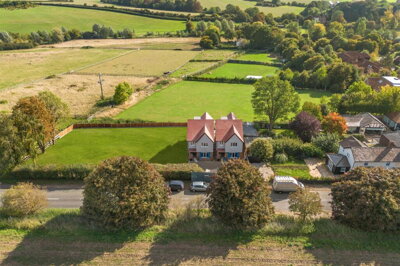
Browse 1 home new builds in Westmill, East Hertfordshire from local developer agents.
The larger property sector typically features multiple bathrooms, substantial reception space, and private gardens or off-street parking. Four bedroom houses in Westmill span detached, semi-detached, and occasionally terraced configurations, with styles ranging from period properties to modern executive homes.
£0k
0
0
0
Source: home.co.uk
Showing 0 results for 4 Bedroom Houses new builds in Westmill, East Hertfordshire.
The Burmington property market has experienced notable changes over the past year, with average prices sitting at approximately £300,000. This figure represents a 47% decrease compared to the previous year and a 71% reduction from the 2020 peak of £1,050,000, suggesting a market correction that may present buying opportunities for those with long-term perspectives. While the exact number of property sales in the past twelve months could not be verified, the available data indicates that the local market remains active despite broader economic pressures affecting the housing sector across Warwickshire and the wider region.
The village's housing stock consists almost entirely of period properties, with the majority dating from the 18th century or earlier. Detached and semi-detached houses predominate, reflecting the historic pattern of farmhouses and manor houses that form the backbone of the village. Terraced cottages are less common but can be found along lanes such as The Lane, where groups of listed cottages demonstrate the traditional vernacular architecture of South Warwickshire. Detached family homes in Burmington tend to command the highest prices due to their relative scarcity and the desirable rural setting, while cottages along The Lane offer more accessible entry points to the local market for buyers seeking character properties at a lower price point.
Burmington has no significant new build housing development within the village itself, which preserves the historic character but limits the supply of modern homes. This scarcity of new stock means that buyers seeking contemporary fittings and energy-efficient construction will need to look beyond Burmington to nearby towns such as Shipston-on-Stour or Stratford-upon-Avon. The lack of new development also contributes to the resilience of values for period properties, as demand for historic homes in this attractive village consistently outstrips supply. First-time buyers and those seeking mortgage-friendly properties may find the selection limited in Burmington itself, making early engagement with local estate agents advisable to identify suitable opportunities as they arise.

Properties in Burmington showcase the traditional building methods that have characterised South Warwickshire for centuries. Burmington Manor, the village's most significant historic dwelling with origins dating back to the early 13th century, demonstrates the evolution of local construction through successive periods of modification and improvement. The manor is constructed from uncoursed limestone rubble that was later supplemented with squared and coursed rubble as the property was extended and upgraded over the centuries. This combination of building materials reflects the practical approach taken by builders who adapted their methods to the available local stone and the changing needs of successive owners.
The cottages at 3, 4, and 5 The Lane illustrate a different phase of construction, dating from the late 18th century when brick became more widely available in the region. These properties are constructed using brick in Flemish bond, a traditional pattern that creates a decorative herringbone effect on the facade while providing structural strength. The stone slate roofs found on these cottages are a distinctive feature of the local vernacular, though the finite lifespan of natural slate means that many properties will have undergone partial or complete re-roofing using appropriate traditional materials. Prospective buyers should establish the history of any re-roofing works and the materials used, as the use of non-traditional substitutes can affect both the aesthetic character and the long-term durability of the roof structure.
The mid-18th-century farmhouse at 6 The Lane represents another variation on local building practice, featuring squared coursed limestone with prominent quoins at the corners. This farmhouse also demonstrates the mixed construction methods sometimes found in working agricultural buildings, with rendered brick gable ends indicating later alterations or repairs. The variety of construction methods found throughout Burmington reflects both the evolution of building technology over several centuries and the practical adaptations made by local builders using available materials. A thorough survey is essential when purchasing any property in Burmington, as the combination of traditional materials and the age of the buildings means that experienced assessment is required to identify any ongoing maintenance needs or structural concerns.
Burmington is a village of considerable historical significance, with origins that can be traced back to at least the early 13th century when Burmington Manor was first established. The village grew over subsequent centuries, with notable construction during the late medieval period and significant development in the 17th and 18th centuries. Today, the village maintains much of its historic fabric, with numerous buildings carrying Grade II and Grade II* listed status. The Church of St Barnabas and St Nicholas serves as a focal point for the community, while scattered throughout the village are historic farmhouses, cottages, and converted agricultural buildings that contribute to the distinctive character of the area.
The population of Burmington was recorded as 127 at the 2001 Census, increasing to 164 by the 2011 Census, indicating modest growth in the community over that decade. As a small village, Burmington offers an intimate living environment where neighbours are likely to know one another and community ties remain strong. The village is served by local amenities in surrounding villages and towns, with residents typically travelling to nearby Shipston-on-Stour or Stratford-upon-Avon for larger shopping trips, healthcare appointments, and recreational activities. Shipston-on-Stour, approximately five miles to the south-west, provides essential everyday services including a Co-operative convenience store, independent shops, a pharmacy, and a veterinary practice, making it the primary service centre for many Burmington residents.
The surrounding countryside offers extensive footpaths and bridleways, making the area particularly attractive to walkers, cyclists, and outdoor enthusiasts who appreciate the natural beauty of the Stour valley. The FoxLOW pub, situated in the village, provides a traditional welcome for locals and visitors alike, serving food and drink in an historic setting that reflects the community-oriented character of village life. The proximity of the River Stour to the village not only shapes the landscape but also provides opportunities for riverside walks and wildlife observation, with the watercourse supporting a variety of bird species and aquatic life that draw nature enthusiasts throughout the year.

Families considering a move to Burmington will find a selection of educational options within reasonable travelling distance. The village sits within the Stratford-on-Avon district, which offers a range of primary and secondary schools serving the surrounding villages. Primary education is available at local village schools in nearby communities, with the nearest options typically within a few miles of Burmington. These smaller rural schools often provide a nurturing environment with close teacher-to-pupil ratios, which many families find appealing compared to larger urban primary schools.
The nearest primary schools to Burmington include those in the surrounding villages that form part of the local education catchment. These schools typically serve small communities and benefit from strong parental involvement and a sense of community that can be harder to achieve in larger urban settings. Parents should verify current catchment arrangements and admission policies, as these can change and may affect the availability of places for children in specific age groups. Visiting potential schools is strongly recommended, as the quality of individual institutions can vary and personal impression plays an important role in selecting the right educational environment for each child.
Secondary education in the area is provided by schools in Shipston-on-Stour and Stratford-upon-Avon, both of which are accessible by bus services connecting Burmington with these market towns. Parents of secondary-age children should research specific school catchments and admission arrangements, as catchment areas can vary depending on the local authority boundaries and individual school policies. For families prioritising selective education, grammar schools in Warwickshire may be accessible for pupils who meet the entry criteria, though competition for places can be significant. Stratford-upon-Avon Grammar School and other selective schools in the wider area accept pupils from South Warwickshire villages who achieve the required standard in entrance assessments. Sixth form and further education provision is available at colleges and schools in Stratford-upon-Avon, providing comprehensive options for students completing their secondary education.
Burmington enjoys a strategic position within South Warwickshire, offering reasonable transport connections despite its rural village setting. The village is situated within the CV36 postcode area, providing access to the local road network that connects Burmington to surrounding towns and villages. The A3400 and A429 roads pass through the nearby area, offering routes to Stratford-upon-Avon to the north and Evesham to the south. For those who drive, the M40 motorway is accessible within approximately 30 minutes, providing fast connections to Birmingham to the north and Oxford and London to the east.
Public transport options for Burmington residents include bus services linking the village with Shipston-on-Stour and Stratford-upon-Avon, enabling access to larger retail centres, healthcare facilities, and railway stations. Stratford-upon-Avon railway station offers regular services on the Shakespeare Line, with connections to Birmingham Moor Street and Birmingham Snow Hill, making it practical for commuters working in the West Midlands conurbation. The journey time by train from Stratford-upon-Avon to Birmingham takes approximately 50 minutes, making day commuting feasible for those employed in the city. For travel to London, changes at Birmingham or Oxford provide access to the capital in approximately two to two and a half hours.
While Burmington itself is a car-dependent village for many daily activities, the reasonable proximity to these transport hubs mitigates the impact of its rural location for those who need to commute to larger employment centres. Most residents find that a car is essential for day-to-day living, particularly for school runs, grocery shopping, and accessing healthcare appointments. The village benefits from reasonable parking provision, however, unlike many urban areas where parking can be a significant challenge. Fuel costs should be factored into household budgets, as regular travel to larger towns will be necessary for many routine activities. Those considering a move to Burmington should evaluate their commuting requirements carefully and, where possible, test the practical realities of travelling from the village during a typical working week before committing to a purchase.
Start by exploring current listings in Burmington and surrounding villages within the CV36 postcode area. Understanding recent sale prices, property types available, and the historic nature of local housing stock will help you set realistic expectations and identify suitable properties. Register with property portals such as Rightmove and Zoopla to receive alerts when new properties matching your criteria are listed, as homes in desirable villages like Burmington can sell quickly.
Before arranging viewings, obtain a mortgage agreement in principle from a lender. This demonstrates your financial readiness to estate agents and sellers, strengthening your position when making an offer on a property in this competitive market. Having your mortgage arranged also speeds up the process once your offer is accepted, which can be advantageous when sellers are considering multiple bids.
Visit properties that match your requirements, paying attention to the condition of historic buildings, potential maintenance requirements, and whether any works required might affect your mortgage eligibility or insurance arrangements. Take photographs and notes during viewings to help compare properties later, and do not hesitate to arrange second visits to properties you are seriously considering.
Once your offer is accepted, arrange for a Level 2 Survey (Homebuyer Report) on the property. Given Burmington's historic housing stock and listed buildings, a thorough survey is essential to identify any structural concerns, renovation requirements, or issues with traditional construction methods. The survey will assess the property condition, highlight defects that require attention, and provide an valuation figure that confirms the purchase price reflects current market conditions.
Choose a solicitor with experience in rural property transactions to handle the legal aspects of your purchase. They will conduct local authority searches, check titles, and manage the transfer of ownership through to completion. Given the prevalence of listed buildings in Burmington, your solicitor will also investigate any planning conditions or consents that affect the property and advise on any restrictions that may limit future alterations or improvements.
Your solicitor will coordinate the exchange of contracts with the seller's representatives, at which point a deposit is paid and the completion date is fixed. On completion day, the remaining funds are transferred and you receive the keys to your new Burmington home. Ensure that buildings insurance is arranged from the point of exchange, as properties remain your legal responsibility once contracts are signed.
Properties in Burmington present unique considerations that buyers should carefully evaluate before proceeding with a purchase. The village's historic building stock, with origins dating back to the 13th century and construction using traditional materials such as limestone rubble, uncoursed stone, and brick in Flemish bond, requires specific expertise when assessing condition. Stone slate roofs, which feature prominently on many period properties, have a finite lifespan and replacement costs can be substantial. Prospective buyers should investigate the maintenance history of any property and factor potential repair costs into their budget calculations.
Listed building status affects a significant proportion of properties in Burmington, including Burmington Manor, various cottages along The Lane, and historic farm buildings. Properties listed at Grade II or Grade II* require consent from the local planning authority for most alterations and modifications, which can restrict future renovation plans and add complexity to any extension or improvement works. Before purchasing a listed property, prospective buyers should familiarise themselves with the additional responsibilities this entails, including restrictions on exterior paint colours, replacement of windows and doors, and modifications to historic features such as fireplaces, staircases, and exposed beams.
The proximity of the River Stour to the south and west of the village warrants investigation of any flood risk affecting specific properties. While no specific flood risk data was identified for individual properties in Burmington, the presence of the river means that lower-lying areas may be susceptible to flooding during periods of heavy rainfall or sustained high water levels. Checking the Environment Agency flood maps for the specific location of any property you are considering is essential. Standard buildings insurance may be more expensive or restricted for properties in flood risk areas, and mortgage lenders may require flood risk assessments before approving finance. A thorough survey will identify potential issues with damp, structural movement, or other concerns common to older properties built on varying ground conditions.
The average house price in Burmington over the last year was approximately £300,000. This represents a significant decrease of 47% compared to the previous year and a 71% reduction from the 2020 peak of £1,050,000. The market has experienced a correction following the pandemic-era price surge, potentially creating opportunities for buyers seeking properties in this historic South Warwickshire village. Property prices can vary considerably depending on property type, size, condition, and listed building status, with detached period homes generally commanding the highest prices while smaller cottages along The Lane may be available at more accessible price points.
Properties in Burmington fall under Stratford-on-Avon District Council for council tax purposes. The village is located within Warwickshire, and council tax bands are assigned based on property value as assessed by the Valuation Office Agency. Specific bands vary by individual property, with period cottages and farmhouses often falling into bands B through E depending on their size and market value. Prospective buyers should check the specific band for any property they are considering, as council tax forms part of the ongoing cost of homeownership and can vary significantly between properties of different sizes and conditions.
Burmington itself does not have a school within the village, but primary education is available at schools in nearby villages within a few miles of the settlement. These rural primary schools typically offer smaller class sizes and strong community connections that many families value highly. Secondary education is provided by schools in Shipston-on-Stour and Stratford-upon-Avon, accessible via local bus services. Stratford-upon-Avon offers several well-regarded secondary schools, including grammar school options for pupils meeting the selection criteria. Families should research individual school Ofsted ratings and admission catchment areas when considering a move, as school places are allocated based on proximity and oversubscription criteria can be competitive.
Burmington is served by bus services connecting the village with Shipston-on-Stour and Stratford-upon-Avon, providing access to larger retail, healthcare, and transport facilities. The nearest railway station is Stratford-upon-Avon, which offers regular services on the Shakespeare Line to Birmingham and connections to the national rail network. For daily commuting, a car remains the most practical option for most residents, though the proximity of the village to the A3400 and A429 roads, and the M40 motorway within 30 minutes, provides reasonable road connectivity for those who drive. Birmingham can be reached by car in approximately one hour, making it a viable commuting destination for those working in the city.
Burmington offers several factors that may appeal to property investors, including its historic character, rural setting within South Warwickshire, and proximity to Stratford-upon-Avon as a major tourist and cultural destination. The village's limited supply of properties and strong demand from buyers seeking rural lifestyles can support long-term values. However, the small size of the village and limited local amenities may affect rental demand, and any investment decision should consider the costs of maintaining historic and listed properties, potential planning restrictions, and the impact of transport connectivity on tenant appeal. Investors should also factor in the additional costs associated with owning period properties, including specialist insurance requirements and potential delays when seeking planning consent for improvements.
Stamp Duty Land Tax (SDLT) rates for 2025 are 0% on properties up to £250,000, 5% on the portion from £250,001 to £925,000, 10% from £925,001 to £1.5 million, and 12% above £1.5 million. First-time buyers benefit from increased relief on properties up to £625,000, paying 5% on amounts between £625,001 and £625,000. Given the average price in Burmington is around £300,000, most standard purchases would attract SDLT of £2,500, while first-time buyers purchasing at the average price point would typically pay nothing if the purchase price falls within the relief threshold.
The River Stour flows to the south and west of Burmington, indicating potential riverine flood risk in parts of the village, particularly for properties located in lower-lying areas near the watercourse. Properties in the village should be checked against Environment Agency flood maps to assess specific risk levels for any address you are considering. Standard buildings insurance may be more expensive or restricted for properties in flood risk areas, and mortgage lenders may require flood risk assessments before approving finance on properties in affected locations. A thorough survey will help identify any signs of previous flooding or water damage, including staining, watermarks, or damaged plasterwork that may indicate historic incidents.
When purchasing a property in Burmington, buyers should budget for additional costs beyond the purchase price. Stamp Duty Land Tax is the most significant upfront expense, with rates currently set at 0% for the first £250,000 of a property's value. For a typical Burmington property priced at the current average of £300,000, a standard buyer would pay £2,500 in SDLT. First-time buyers purchasing properties up to £625,000 can claim relief that reduces or eliminates this cost entirely, making homeownership more accessible for those entering the market for the first time.
Beyond stamp duty, buyers should account for solicitor fees for conveyancing, which typically range from £500 to £1,500 depending on complexity and whether the property is freehold or leasehold. Survey costs are particularly important given the historic nature of Burmington's housing stock, with a RICS Level 2 Survey (Homebuyer Report) costing from £350 for a standard property but potentially more for larger or more complex historic homes. Additional costs include mortgage arrangement fees, valuation fees charged by your lender, search fees covering local authority, drainage, and environmental searches, and Land Registry fees for registering the ownership transfer.
Buildings insurance should be in place from the point of exchange, and buyers should also consider the cost of moving, any immediate renovation works, and ongoing maintenance costs for period properties. Annual maintenance costs for historic buildings are typically estimated at 1-2% of the property value, though this can vary significantly depending on the property condition and any outstanding maintenance issues identified during survey. Setting aside funds for emergency repairs and planned maintenance will help manage the ongoing costs of owning a period property in Burmington.
From 4.5%
Professional mortgage advice and competitive rates for your Burmington purchase
From £499
Specialist solicitors handling property transactions in South Warwickshire
From £350
Essential inspection for historic properties in Burmington
From £60
Energy performance certificate for your new home
Properties New Builds In London

Properties New Builds In Plymouth

Properties New Builds In Liverpool

Properties New Builds In Glasgow

Properties New Builds In Sheffield

Properties New Builds In Edinburgh

Properties New Builds In Coventry

Properties New Builds In Bradford

Properties New Builds In Manchester

Properties New Builds In Birmingham

Properties New Builds In Bristol

Properties New Builds In Oxford

Properties New Builds In Leicester

Properties New Builds In Newcastle

Properties New Builds In Leeds

Properties New Builds In Southampton

Properties New Builds In Cardiff

Properties New Builds In Nottingham

Properties New Builds In Norwich

Properties New Builds In Brighton

Properties New Builds In Derby

Properties New Builds In Portsmouth

Properties New Builds In Northampton

Properties New Builds In Milton Keynes

Properties New Builds In Bournemouth

Properties New Builds In Bolton

Properties New Builds In Swansea

Properties New Builds In Swindon

Properties New Builds In Peterborough

Properties New Builds In Wolverhampton

Enter your details to see if this property is within your budget.
Loans, cards, car finance
Estimated property budget
Borrowing + deposit
You could borrow between
Typical borrowing
Monthly repayment
Est. at 4.5%
Loan-to-value
This is an estimate only. Your actual budget may vary depending on interest rates, credit history, and personal circumstances. For an accurate affordability assessment, speak to one of our free mortgage advisors.
This calculator provides estimates for illustrative purposes only and does not constitute financial advice. Your home may be repossessed if you do not keep up repayments on your mortgage. Estimates based on 4.5% interest rate, repayment mortgage. Actual rates depend on your circumstances.
Homemove is a trading name of HM Haus Group Ltd (Company No. 13873779, registered in England & Wales). Homemove Mortgages Ltd (Company No. 15947693) is an Appointed Representative of TMG Direct Limited, trading as TMG Mortgage Network, which is authorised and regulated by the Financial Conduct Authority (FRN 786245). Homemove Mortgages Ltd is entered on the FCA Register as an Appointed Representative (FRN 1022429). You can check registrations at NewRegister or by calling 0800 111 6768.

We use cookies to show you personalised content and improve your experience of our website. Find out more in our Privacy policy and Cookie policy.