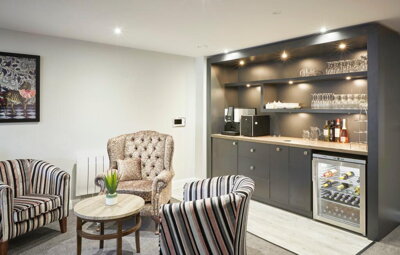
Browse 2 homes new builds in Westby-with-Plumptons from local developer agents.
Studio apartments feature open-plan living spaces without separate bedrooms, incorporating sleeping, living, kitchen, and bathroom facilities. The Westby With Plumptons studio market includes properties in modern apartment complexes, modern purpose-built developments and new residential complexes.
South Otterington's history stretches back to the Domesday Book of 1086, when the village was recorded as a settled agricultural community in the Vale of Mowbray. This medieval heritage is still visible today in the village's older properties, which feature traditional North Yorkshire construction methods including stone and brick walls that have stood for generations. The Grade II listed former railway station buildings, including the station house and signal box, serve as tangible reminders of the Victorian era when the railway brought growth and connectivity to the village. These architectural survivors now form an interesting backdrop for local walks and symbolise the evolution of South Otterington from an agricultural settlement to a residential community.
The arrival of the railway in the 19th century transformed South Otterington's character, connecting the village to the wider regional economy and bringing new residents to the area. When passenger services ceased, the village adapted once again, retaining its railway heritage while developing its current identity as a sought-after dormitory village. St Mary's Church stands at the spiritual heart of the community, its fabric reflecting centuries of worship and community gathering. The village school, established in 1856 and expanded with a new building in 1993, continues the tradition of educating local children that began generations ago, providing continuity with the village's past while preparing young people for the future.
The South Otterington property market is characterised by its predominance of detached family homes, reflecting the village's rural character and generous plot sizes. The 2001 census recorded 85 detached dwellings out of 141 total properties, demonstrating that the overwhelming majority of homes in the village offer the space and privacy that families seek. This detached housing stock includes charming period cottages potentially dating back to the Victorian era or earlier, substantial family houses built during various periods of village expansion, and more recent additions to the village's architectural character. Properties here typically feature generous gardens, off-street parking, and the traditional construction methods associated with North Yorkshire buildings, including solid brick and stone walls that provide thermal mass and durability.
A notable development transforming the local property landscape is Saints Green at Peggy's Field, located at the south end of the village off Stainthorpe Row. Lovell Homes is delivering 42 new homes on this site, comprising 30 private properties and 12 affordable homes. The private homes include a mix of 2, 3, and 4-bedroom houses alongside 10 two-bedroom bungalows, while the affordable housing offer consists of 4 one-bedroom apartments and 8 three and four-bedroom houses available for shared ownership or low-cost rent. This development represents the most significant new-build activity in the village for decades, providing opportunities for first-time buyers and growing families to enter this desirable market while maintaining the visual character of the village through sensitive design.
The village's property market benefits from its proximity to Northallerton, the county town of North Yorkshire, where residents access comprehensive shopping, healthcare, and employment opportunities. Thirsk, famous for its racecourse and literary connections to James Herriot, lies a short drive to the east and offers additional amenities including schools, restaurants, and leisure facilities. This strategic positioning means South Otterington properties appeal to buyers who work in the larger towns but prefer to raise their families in a village environment with strong community ties and excellent schooling at the local primary school. The limited supply of properties in the village, combined with persistent demand from buyers seeking rural lifestyles, tends to support property values over the long term.

Properties in South Otterington reflect the traditional building practices of North Yorkshire, with older homes typically constructed using solid brick or natural stone walls that predate the cavity wall construction methods introduced after the Second World War. These solid wall properties, common throughout the Vale of Mowbray, offer excellent thermal mass but may require additional insulation measures to meet modern energy efficiency standards. The thickness of these traditional walls, often 9 inches or more, provides good sound insulation and contributes to the character of period properties. When evaluating older homes in the village, our inspectors pay particular attention to the condition of these solid wall constructions, checking for any signs of cracking, movement, or deterioration that might indicate structural concerns.
Roof construction in South Otterington's older properties typically features traditional timber roof trusses with either slate or clay tile coverings, materials that have protected North Yorkshire homes for generations. The availability of salvage slate and tile materials in the region means that repairs to these roofs can often be carried out sympathetically using appropriate matching materials. However, the age of these roof structures means that inspection during a RICS Level 2 Survey is essential to assess the condition of timbers for any signs of rot, insect activity, or structural movement. Newer properties, including those at Saints Green, will feature modern roof construction with contemporary insulation and ventilation systems designed to meet current building regulations.
Extensions and alterations to properties over the years have introduced variety into the village's building fabric, with some homes featuring additions built using different materials or construction techniques than the original structure. This mix of construction ages and methods means that each property requires individual assessment during a survey, as the condition and performance of different elements can vary significantly within a single home. Our surveyors understand these local construction patterns and tailor their inspections accordingly, examining junction points between old and new work with particular care. The village's listed railway station buildings require specialist consideration for any works, as listed building consent is required for alterations to these heritage assets.
Life in South Otterington revolves around community connections and the natural beauty of the Vale of Mowbray landscape. The village maintains a Post Office and general store, while a traditional public house provides a focal point for social gatherings and weekend meals with neighbours. St Mary's Church stands as the spiritual centre of the community, with the village school serving local families with primary education. This combination of essential amenities within walking distance creates the village atmosphere that makes South Otterington particularly attractive to families with young children and those seeking a slower pace of life where daily necessities are accessible without car journeys.
The surrounding countryside offers extensive opportunities for outdoor recreation and active lifestyles, with the River Wiske and Howe Beck providing riverside walks where residents can observe local wildlife including kingfishers, herons, and the occasional otter. The wider North Yorkshire landscape offers cycling routes, bridleways, and footpaths connecting to neighbouring villages including West Otterington and Kirby Sigston. The village's position between Northallerton and Thirsk means residents can easily access the facilities of these market towns within a 15-minute drive, including supermarkets, restaurants, healthcare centres, and leisure facilities. This balance of rural tranquility and accessibility to urban amenities defines the South Otterington lifestyle and attracts buyers seeking the best of both worlds.
The community spirit in South Otterington manifests through various village events and the shared pride residents take in their local environment. The former railway station, with its Grade II listed buildings including the station house and signal box, serves as a reminder of the village's industrial heritage and provides an interesting backdrop for local walks. Residents describe a welcoming atmosphere where newcomers are quickly integrated into community life through school events, pub gatherings, and village activities. The population stability over recent decades, with 338 residents recorded in the 2021 census compared to 347 in 2011, reflects a community that retains its character while welcoming new families who appreciate village life.
Education provision in South Otterington centres on South Otterington Church of England Primary School, a community school with roots dating back to 1856 when the original building was constructed. The school received significant investment in 1993 when a modern extension was added, ensuring pupils benefit from contemporary facilities within a building that maintains its historic character. The school serves families from the village and surrounding rural communities, providing primary education for children aged 5 to 11. As a Church of England school, it maintains close ties with St Mary's Church and incorporates Christian values into its curriculum while serving pupils from all backgrounds and faiths.
For secondary education, children from South Otterington typically travel to schools in the nearby market towns of Northallerton and Thirsk. Northallerton Grammar School and the nearby Allertonshire School serve secondary-age pupils from the village, with school transport arrangements facilitating the daily commute. These secondary schools have established reputations for academic achievement and extracurricular activities, with students travelling from South Otterington joining peers from across the wider rural area. The journey times are manageable at around 20-30 minutes by bus, and many families appreciate that their children can access broader subject choices and specialist facilities that smaller village schools cannot provide.
Parents considering property in South Otterington will find the local education landscape offers good options for their children's development from primary through secondary phases. The village primary school's intimate class sizes allow teachers to provide individual attention, while the Church of England ethos promotes strong moral values alongside academic learning. For families prioritising educational outcomes, the proximity to Northallerton's comprehensive school options adds to the appeal of the village, providing flexibility to choose the secondary school that best suits each child's needs and talents. Early registration with the local primary school is advisable given the village's growing popularity among young families seeking to establish roots in this community.

Transport connections from South Otterington reflect its character as a rural village where private vehicle ownership is essential for daily commuting and accessing amenities. The A1(M) motorway lies approximately 5 miles west of the village, providing direct access to Leeds, Newcastle, and the wider national motorway network. This proximity to the A1(M) positions South Otterington favourably for residents who commute to employment in larger cities while choosing to live in a village environment. The journey to Leeds takes approximately one hour by car, making day commuting feasible for those with flexible working arrangements or hybrid working patterns.
Rail services are accessible from nearby Northallerton station, which lies on the East Coast Main Line connecting London King's Cross, Edinburgh, and major northern cities. Northallerton station provides regular services to London in approximately two and a half hours, making South Otterington a viable base for professionals who commute to the capital weekly. Leeds, York, and Newcastle are all reachable within one hour by train, offering employment opportunities across the northern city regions. The combination of village living with excellent rail connectivity from the nearby town creates a practical compromise for buyers seeking the best of both worlds.
Local bus services serving South Otterington are limited, with the village relying primarily on services connecting to Thirsk and Northallerton during specific hours rather than throughout the day. This limited public transport provision reinforces the importance of private vehicle ownership for residents and highlights the village's character as a car-dependent rural community. For daily commuting, most residents drive to nearby towns for work, with the local economy providing limited employment opportunities within the village itself. The Northallerton industrial areas and the retail centres of both Northallerton and Thirsk absorb much of the local workforce, with commute times typically under 30 minutes by car to these employment centres.
Spend time exploring South Otterington at different times of day and week to understand the community atmosphere, noise levels from the A1(M), flood risk areas near the River Wiske, and the true distance to amenities in nearby towns. Visit local amenities including the pub, church, and school, and speak to current residents about their experience of village life. Walking the village lanes and riverside paths helps build a picture of what daily life would be like in this Vale of Mowbray community.
Contact a mortgage broker or lender to obtain an Agreement in Principle before viewing properties. This demonstrates your buying capacity to estate agents and sellers, and helps you understand your budget range. With an average property price of £305,000 in South Otterington, most buyers will need a mortgage of £200,000-£280,000 depending on their deposit. Speaking to a broker familiar with North Yorkshire rural properties can help identify appropriate products for village homes including period properties.
Contact local estate agents to arrange viewings of properties matching your requirements. View multiple properties to compare the condition, character, and value on offer. Pay particular attention to the construction materials, age of the property, and any signs of damp or structural issues common in older village properties. Ask about the history of any additions or alterations, as these can reveal potential issues with older construction methods.
Once your offer is accepted, instruct a qualified surveyor to conduct a Level 2 Survey (Homebuyer Report) on the property. This is particularly important for older properties in South Otterington, including any period cottages or former railway buildings. The survey will identify any defects, structural concerns, or maintenance issues before you commit to the purchase, providing essential information for negotiating repairs or price adjustments with the seller.
Appoint a solicitor to handle the legal aspects of your purchase. They will conduct searches with Hambleton District Council, investigate the title, and handle the transfer of ownership. Given the rural location and presence of watercourses, your solicitor should specifically check for flood risk and any planning restrictions affecting the property, including those relating to listed buildings in the village.
Once all searches are satisfactory and your mortgage offer is confirmed, you will exchange contracts and pay your deposit. Completion typically follows within 2-4 weeks, after which you will receive the keys to your new South Otterington home. Allow time to familiarise yourself with the property systems, local suppliers, and neighbours before diving into any major renovation projects.
Properties in South Otterington span several eras of construction, from Victorian-era cottages to modern new-builds at Saints Green, and each era brings its own characteristic defects that our surveyors regularly identify during inspections. Solid wall construction found in many older village properties can suffer from rising damp where protective damp-proof courses have failed or were never installed. Our inspectors use moisture meters to assess wall dryness and will recommend further investigation if elevated readings suggest damp penetration affecting internal decorations or timber elements. The solid brick and stone walls common throughout the village can also exhibit cracking that, while often cosmetic, sometimes indicates more serious structural movement requiring specialist assessment.
Roof condition is a key concern in properties across South Otterington, particularly those with older slate or clay tile coverings that may have exceeded their expected lifespan. Missing or slipped tiles allow water penetration that can damage roof timbers, insulation, and internal ceilings, often becoming apparent only during periods of heavy rainfall. Our surveyors inspect roof slopes from ground level and accessible loft spaces, checking for signs of deterioration, inadequate ventilation, and previous repairs that may have used mismatched materials. Properties with original Victorian-era roofing may require significant investment in re-roofing or repair, and this cost should be factored into your offer.
Electrical systems in period properties frequently require updating to meet current safety standards, as wiring installed decades ago may be inadequate for modern household demands. Our inspectors will note the age and condition of visible electrical installations and recommend a specialist inspection by a qualified electrician if concerns are identified. Similarly, plumbing in older homes may feature galvanised steel or lead pipes that have corroded over time, potentially affecting water quality and pressure. Heating systems, often upgraded by previous owners, should be assessed for efficiency and remaining lifespan. Properties near the River Wiske or Howe Beck warrant particular attention to basement or cellar areas for any signs of water ingress or damp conditions.
Potential buyers in South Otterington should pay particular attention to flood risk when evaluating properties, given the village's position on the east bank of the River Wiske and the presence of Howe Beck flowing through the northern part of the settlement. Properties in the lower-lying areas near these watercourses face elevated flood risk, and your conveyancing solicitor should conduct thorough drainage and flood risk searches as part of the purchase process. Obtaining buildings insurance quotes before completion is essential, as some properties in flood-prone areas may face higher premiums or coverage restrictions from certain insurers. The Environment Agency flood risk maps can help identify which areas of the village fall within flood zones.
The age and construction of properties in South Otterington varies considerably, from period cottages that may predate the Victorian era to modern developments including the Saints Green at Peggy's Field new-build site. Older properties, particularly those with traditional stone or brick construction, may exhibit common issues including damp penetration, roof condition concerns, and outdated electrical systems. A RICS Level 2 Survey provides valuable protection by identifying these issues before purchase, allowing you to negotiate repairs or price adjustments with the seller. Properties of historical significance, including any near the Grade II listed former railway station buildings, may face additional planning constraints affecting future alterations.
For buyers considering new-build properties at Saints Green or similar developments, understanding the service charges, management company arrangements, and leasehold or freehold terms is essential before committing to a purchase. Lovell Homes' development includes affordable housing units subject to eligibility criteria, while private homes are sold on various terms that buyers should clarify with their solicitor. Checking the specification of new-build properties, including energy efficiency ratings, fitted kitchens, and bathroom quality, helps ensure you understand exactly what is included in the purchase price and what additional costs you may face upon moving in. New-build warranties typically cover major defects for a period of years, providing reassurance that is not available with older properties.
The average house price in South Otterington is currently around £305,000 based on available property listings. This figure reflects a village market dominated by detached family homes, with 2, 3, and 4-bedroom houses in good condition typically commanding prices within this range. Bungalows command premium prices due to their rarity and strong demand from downsizers seeking single-storey living in a rural setting. Smaller cottages and terraced properties may be available at lower price points, though these represent a small proportion of the village's housing stock where 85 of 141 dwellings were detached according to the 2001 census.
Properties in South Otterington fall under Hambleton District Council, and council tax bands range from A to H depending on the property's assessed value. Most detached family homes in the village are likely to be in bands C through E, with newer properties and larger period houses potentially in higher bands. You can check the specific band for any property through the Valuation Office Agency website using the property address, and your solicitor will confirm the applicable band during the conveyancing process. Hambleton District Council sets annual council tax charges based on these bands, with the revenue funding local services across the district.
South Otterington Church of England Primary School serves the village and immediate surrounding area for primary education, with a school roll drawing from the local community. The school, housed in buildings dating from 1856 with modern extensions added in 1993, maintains good standards of education within a supportive village environment where class sizes are typically smaller than in larger towns. For secondary education, children typically attend schools in Northallerton including Allertonshire School or Northallerton School and Sixth Form College, both accessible via school transport from the village with journey times of around 20-30 minutes.
Public transport connections from South Otterington are limited, with bus services operating at specific times to Thirsk and Northallerton rather than throughout the day. The nearest railway station is in Northallerton, approximately 8 miles away, providing access to East Coast Main Line services including direct trains to London taking approximately 2.5 hours, Leeds in around 1 hour, and York in approximately 40 minutes. Most residents rely on private vehicles for daily transport, and the A1(M) motorway is accessible within 5 miles, connecting to the wider national road network and facilitating commutes to cities including Leeds and Newcastle.
South Otterington offers potential for property investment given its rural character, limited new supply, and proximity to growing employment centres in North Yorkshire including those in Northallerton and the surrounding area. The village appeals strongly to families seeking village lifestyles within commuting distance of larger towns, while the aging population of existing residents creates potential demand from downsizers seeking bungalows and smaller properties. The Saints Green at Peggy's Field development adds some supply, but the overall scarcity of properties in this attractive village location suggests solid long-term demand from buyers prioritising quality of life. Rental demand may be modest given the limited local employment, making South Otterington more suitable for owner-occupiers than investors seeking regular rental income.
Stamp Duty Land Tax (SDLT) rates from April 2025 are 0% on the first £250,000 of purchase price, 5% on £250,001 to £925,000, 10% on £925,001 to £1.5 million, and 12% above £1.5 million. For a typical South Otterington property at £305,000, a residential buyer would pay £2,750 in stamp duty, calculated as £0 on the first £250,000 plus £2,750 on the amount above that threshold. First-time buyers paying under £625,000 for properties where they will live may qualify for relief, reducing their SDLT to zero on the first £425,000 of the purchase price. Your solicitor will calculate the exact SDLT due based on your circumstances and any additional properties you own.
The primary environmental consideration for South Otterington properties is flood risk from the River Wiske and Howe Beck, which flow through or adjacent to parts of the village. Properties in low-lying areas near these watercourses should be subject to thorough flood risk assessment during the conveyancing process, including checking the Environment Agency flood maps for the specific property location. Ground conditions in the Vale of Mowbray should be suitable for standard foundations, though your survey will check for any signs of subsidence or ground movement that might indicate shrink-swell clay conditions. The village's rural setting means ambient noise levels are generally low, though properties near the A1(M) may experience some traffic noise during day and night hours that could affect your enjoyment of outdoor spaces.
From 4.5%
Expert mortgage advice and competitive rates for South Otterington buyers
From £499
Specialist solicitors handling property transactions in North Yorkshire
From £350
Comprehensive survey for South Otterington properties
From £60
Energy performance certificate for your new home
Understanding the full costs of purchasing property in South Otterington helps you budget accurately and avoid financial surprises during the transaction. Beyond the purchase price and stamp duty, buyers should budget for solicitor conveyancing fees typically ranging from £500 to £1,500 depending on the complexity of the transaction and property value. Your solicitor will conduct essential searches with Hambleton District Council, which typically cost between £200 and £400, covering local authority searches, drainage and water searches, and environmental searches that will identify any flood risk or contamination issues affecting the property.
A RICS Level 2 Survey (Homebuyer Report) costs between £350 and £600 depending on the size and value of the property, and this investment is particularly valuable in South Otterington given the age of many village properties. The survey identifies structural issues, damp, roof condition, and other defects that may not be apparent during viewings, potentially saving you thousands in unexpected repair costs after purchase. An Energy Performance Certificate (EPC) is legally required before marketing a property and costs approximately £60 to £120, though this is typically arranged by the seller rather than the buyer. If you require a mortgage, arrangement fees typically range from £0 to £2,000 depending on the lender and product chosen.
For a typical South Otterington property at £305,000, residential buyers should budget approximately £2,750 in SDLT, £800-£1,200 in conveyancing fees, £250-£350 for searches, £400-£550 for a Level 2 Survey, and £100 for an EPC, totalling around £4,300-£5,000 in additional purchase costs above the property price. First-time buyers purchasing properties under £425,000 may benefit from SDLT relief that eliminates their stamp duty liability entirely, reducing these additional costs to approximately £1,600-£2,200. Factor in removal costs, potential redecoration and furnishing expenses, and any immediate repairs identified during the survey when setting your overall budget for moving to South Otterington.
Properties New Builds In London

Properties New Builds In Plymouth

Properties New Builds In Liverpool

Properties New Builds In Glasgow

Properties New Builds In Sheffield

Properties New Builds In Edinburgh

Properties New Builds In Coventry

Properties New Builds In Bradford

Properties New Builds In Manchester

Properties New Builds In Birmingham

Properties New Builds In Bristol

Properties New Builds In Oxford

Properties New Builds In Leicester

Properties New Builds In Newcastle

Properties New Builds In Leeds

Properties New Builds In Southampton

Properties New Builds In Cardiff

Properties New Builds In Nottingham

Properties New Builds In Norwich

Properties New Builds In Brighton

Properties New Builds In Derby

Properties New Builds In Portsmouth

Properties New Builds In Northampton

Properties New Builds In Milton Keynes

Properties New Builds In Bournemouth

Properties New Builds In Bolton

Properties New Builds In Swansea

Properties New Builds In Swindon

Properties New Builds In Peterborough

Properties New Builds In Wolverhampton

Enter your details to see if this property is within your budget.
Loans, cards, car finance
Estimated property budget
Borrowing + deposit
You could borrow between
Typical borrowing
Monthly repayment
Est. at 4.5%
Loan-to-value
This is an estimate only. Your actual budget may vary depending on interest rates, credit history, and personal circumstances. For an accurate affordability assessment, speak to one of our free mortgage advisors.
This calculator provides estimates for illustrative purposes only and does not constitute financial advice. Your home may be repossessed if you do not keep up repayments on your mortgage. Estimates based on 4.5% interest rate, repayment mortgage. Actual rates depend on your circumstances.
Homemove is a trading name of HM Haus Group Ltd (Company No. 13873779, registered in England & Wales). Homemove Mortgages Ltd (Company No. 15947693) is an Appointed Representative of TMG Direct Limited, trading as TMG Mortgage Network, which is authorised and regulated by the Financial Conduct Authority (FRN 786245). Homemove Mortgages Ltd is entered on the FCA Register as an Appointed Representative (FRN 1022429). You can check registrations at NewRegister or by calling 0800 111 6768.

We use cookies to show you personalised content and improve your experience of our website. Find out more in our Privacy policy and Cookie policy.