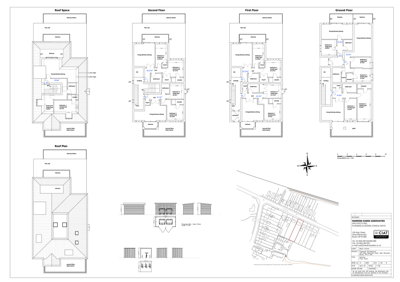
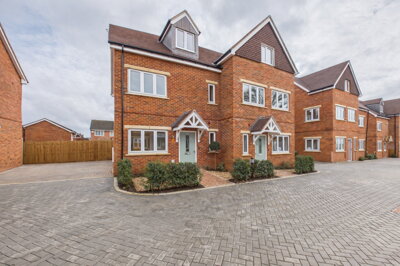
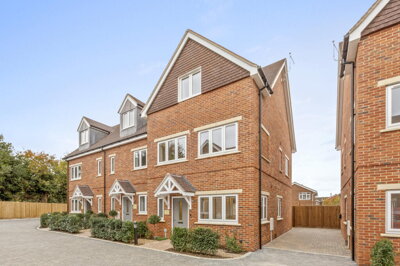
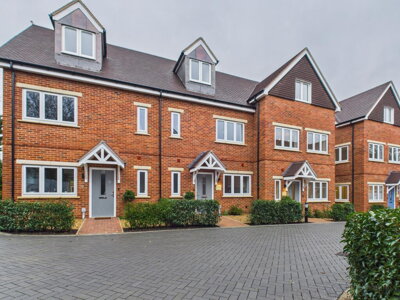
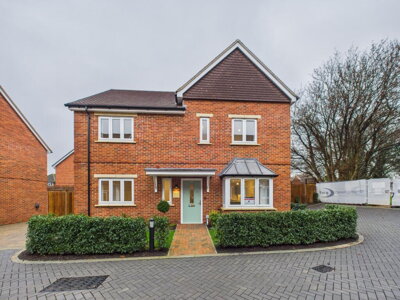
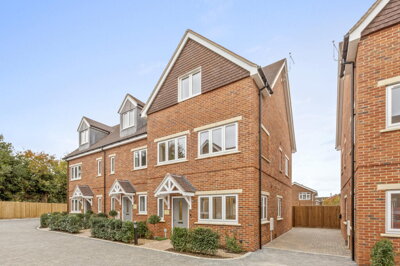
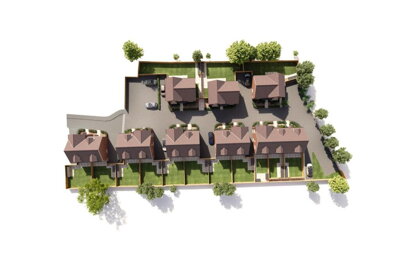
Browse 7 homes new builds in West Wycombe from local developer agents.
The West Wycombe property market offers detached, semi-detached, and terraced houses spanning various price ranges and neighbourhoods. Each listing includes detailed property information, photographs, and direct contact with the marketing agent.
£470,312
Average Property Price
from £531,000
Detached Properties
from £416,250
Semi-Detached Homes
from £275,000
Flats
400+
Properties Listed
417 Sales
RG7 Postcode Area
The Beenham property market presents a varied landscape of property types and price points to suit different buyer requirements. Detached properties dominate the local housing stock, commanding an average price of around £531,000, while semi-detached homes offer more accessible pricing at approximately £416,250. Flats in the village represent the most affordable entry point at around £275,000, though these form a smaller portion of available stock. Our listings include everything from generous five-bedroom detached houses set within generous plots to compact terraced cottages ideal for first-time buyers or investors seeking rental opportunities.
Recent market analysis indicates that property prices in Beenham have experienced a modest correction, with values falling approximately 2% over the past twelve months following a significant peak in 2021 when average prices reached £835,833. This price adjustment presents opportunities for buyers who may have been priced out of the market during the peak period. The RG7 5NN postcode area specifically recorded 17 property sales over the past year, with some areas showing encouraging growth of around 4.4%. Currently, our search results show over 400 properties available across the Reading RG7 area, providing good selection for those ready to proceed with a purchase.
The village has seen limited new development in recent years, which helps maintain the character of the area while also constraining supply. A notable exception is a select development of two-bedroom apartments built by reputable local developers, Gable Homes, which represents one of the newer additions to the local housing stock. The Aldermaston Wharf area, which falls within Beenham parish, received some affordable housing provision in the late 1990s on brownfield land, though this development is geographically separate from the main village centre. These factors combined mean that buyers seeking period properties in the conservation area will find limited competition from new-build alternatives.
Beenham is a village with deep historical roots that stretches back to Neolithic times, evolving through the Saxon era when the Parish Church of St. Mary was first established. The village developed in two distinct parts that merged during the 20th century, creating the linear settlement pattern that defines the area today. The historic core features a conservation area at Beenham's Heath, designated in 1968 and expanded in 1995, where traditional brick-built farm buildings showcase the characteristic orange-red handmade bricks local to this part of Berkshire. Many buildings date from the estate period when Park Farm, White Cottage, Oakwood Farm, and Malthouse Farm served the local agricultural community.
The sale and break-up of the Beenham Estate in 1914 marked a significant turning point for the village, making land available for development and transforming the settlement from a purely agricultural community. Four very late medieval buildings survive in and around Beenham today, testament to the village's long history of continuous occupation. The Parish Church of St. Mary, largely rebuilt in 1859 in the Gothic Revival style, retains its original 1794 brick bell tower, which still stands as a local landmark. Beenham House, a Grade II* listed building, represents another architectural highlight of the village, showcasing the quality of construction found throughout this historic Berkshire settlement.

The village supports a population of 1,217 residents across 502 households according to the 2021 Census, a significant increase from 459 in 2011, reflecting the growth from post-war housing developments. Daily life in Beenham is supported by essential amenities including a well-regarded primary school, the welcoming Six Bells pub, a village hall hosting community events, and extensive recreation grounds. The UK Wolf Conservation Trust based at nearby Butlers Farm adds a unique local attraction, drawing visitors interested in wildlife conservation while adding to the village's profile.
The parish encompasses more than just the main village settlement, including Aldermaston Wharf which adds further variety to the local community with its industrial estate and connectivity to the Kennet and Avon Canal. The Beenham Industrial area near the A4 Bath Road boundary provides local employment opportunities, alongside gravel works and former operations such as Marley Tiles. Agricultural and related businesses continue to operate throughout the parish, maintaining the rural character that has defined Beenham for centuries. This diverse economic base supports a stable community while preserving the village atmosphere that attracts new residents to the area.

Education provision in Beenham centres on the local primary school, which serves the village and surrounding countryside, providing a strong foundation for families with young children. The school benefits from its rural setting with extensive grounds and maintains good standards that appeal to parents seeking a community-focused educational environment. For secondary education, students typically travel to schools in nearby towns such as Reading, Thatcham, or Newbury, with several well-regarded options accessible via regular bus services. Parents should research specific catchment areas and admission criteria when considering properties, as school places are allocated based on proximity and catchment boundaries.
Beyond school-age education, the surrounding West Berkshire area offers excellent further and higher education opportunities. Theale College provides A-level and vocational courses within easy reach, while the University of Reading and Newbury College offer broader academic and vocational programmes. Private schooling options exist throughout the region for families seeking alternative educational pathways. When purchasing property in Beenham, we recommend visiting local schools during their open days and speaking with the admissions teams to understand the application process and any specific requirements for the area. The strong relationship between good school performance and property values in West Berkshire means that proximity to well-regarded schools can positively influence investment returns over time.
Transport connectivity from Beenham centres on the A4 Bath Road, which forms the southern boundary of the parish and provides direct access to Reading approximately 8 miles to the east and Newbury around 7 miles to the west. The A4 historically formed part of the main route from London to Bristol, and while bypassed by the M4 motorway, it remains a functional route for local journeys and access to nearby towns. For longer-distance travel, the M4 motorway junction at Theale or Chieveley provides connections to London, Bristol, and the wider motorway network. Rail services are accessible from stations in nearby towns, with Reading offering direct services to London Paddington.
Bus services operate routes connecting Beenham with surrounding towns, though frequency may be limited compared to urban areas, so residents without private vehicles should factor in service timetables when considering daily commuting. Cycling infrastructure in rural West Berkshire has improved in recent years, with quiet country lanes popular among recreational cyclists, though longer commutes may require vehicle transport. Parking provision varies throughout the village, with on-street parking common in older areas and driveways or garages available with many modern properties. For London commuting, Reading station offers fast trains reaching Paddington in around 25 minutes, making Beenham practical for professionals working in the capital who prefer rural village living.
Before searching for properties, obtain a mortgage agreement in principle from a lender to understand your true budget. Beenham's average price of around £470,312 means most buyers will need a mortgage, though prices vary significantly between property types from flats at £275,000 to detached homes at £531,000. Factor in additional costs including Stamp Duty, solicitor fees, and survey costs, which together typically add 3% to 5% to the purchase price.
Use Homemove to browse all available properties in Beenham and register with local estate agents who know the village intimately. Agents can alert you to new listings before they appear on major portals, which is valuable in a village market where stock moves quickly. Given the limited supply of properties and high demand from buyers seeking village living, early registration with agents gives you a competitive advantage when suitable properties come to market.
View properties that match your criteria, paying attention to the conservation area restrictions, property condition given the village's age, and garden orientation. When you find your ideal home, submit a competitive offer through the selling agent with proof of funding. For period properties in conservation areas, consider whether any planned renovations will require consent from West Berkshire Council before committing.
Commission a RICS Level 2 Survey for standard properties or a Level 3 Building Survey for older listed buildings or period properties. Given Beenham's London Clay geology and many heritage properties, a thorough survey is essential to identify any structural or damp issues. Properties over 50 years old, which make up a significant portion of the local housing stock, particularly benefit from comprehensive surveys that assess timber condition, dampness, and potential movement.
Choose a conveyancing solicitor to handle the legal transfer of ownership. They will conduct searches, review contracts, and coordinate with your mortgage lender through to completion and registration at the Land Registry. Your solicitor should verify planning permissions and listed building consents for any previous alterations, particularly important for properties in Beenham where many buildings have historic planning histories dating back decades.
Buying property in Beenham requires attention to several local-specific factors that distinguish this village from urban markets. The underlying London Clay geology throughout the parish creates potential for shrink-swell movement affecting foundations, particularly in properties with trees nearby or those constructed before modern building regulations. We recommend requesting a RICS Level 2 Survey that specifically assesses signs of subsidence, cracking, or movement, especially for older properties and those with extended gardens. Localised areas of sand and gravel drift deposits may provide different ground conditions in parts of the parish, so a professional survey is essential for .
The conservation area designation at Beenham's Heath means any external alterations require planning permission from West Berkshire Council, so factor this into any renovation plans. The village contains numerous listed buildings including Grade II and Grade II* properties such as Beenham House and the Church of St. Mary, along with buildings like Apple Tree Cottage, Awbury's Farmhouse, and Butler's Farmhouse. If purchasing a listed building, understand that permitted development rights may be more restricted, and any works affecting the building's character or structure will require listed building consent.
Properties near the old marshy floodplain areas near the A4 Bath Road or close to the Kennet and Avon Canal may have elevated flood risk, so check Environment Agency data and consider appropriate insurance costs. Most properties in the village are freehold houses, though any apartments would be leasehold, so verify ground rent and service charge details before committing. The predominant orange-red handmade brick construction characteristic of the area is generally robust, but older properties may have had alterations using harder, machine-made bricks that can perform differently, so survey reports should note these material variations.
Understanding the construction methods used in Beenham properties helps buyers appreciate the character and potential maintenance requirements of homes in this village. The characteristic orange-red local brick dominates the built environment, with older buildings featuring soft handmade bricks produced from local clay deposits. This traditional material is intrinsically linked to the Beenham's Heath Conservation Area, where substantial groups of traditional farm and outbuildings showcase the craftsmanship of local builders from previous centuries. Some larger agricultural buildings feature dark stained weatherboarding, adding visual variety to the village's architectural character.
Many properties in Beenham date from the estate period when farms like Oakwood Farm, Park Farm, and Malthouse Farm provided employment for agricultural workers who lived in associated cottages. These estate buildings often feature consistent design principles including bay windows, fireplaces, and room layouts typical of 19th-century working-class housing. The Marley Tiles company, which operated in the area, contributed to roofing styles across West Berkshire, so buyers may notice characteristic tile patterns on local properties. Post-war housing developments added to the village's stock with more conventional construction methods, creating the diverse mix of property ages found in Beenham today.
For survey purposes, properties built before modern building regulations may have outdated electrical systems, plumbing configurations, or insulation standards that require updating. The London Clay geology underlying much of the parish means that properties with large trees or those without modern drainage may show signs of movement over time. A thorough survey from a qualified RICS inspector will assess these factors and provide recommendations for any necessary repairs or improvements to ensure the property meets your expectations for a modern family home.
The average property price in Beenham is currently around £470,312 according to Rightmove, with slightly higher figures from Zoopla at £503,500 and OnTheMarket at £515,000. Detached properties average £531,000, semi-detached homes around £416,250, and flats approximately £275,000. Prices have corrected around 2% over the past year following a significant peak in 2021 when average prices reached £835,833, presenting opportunities for buyers who were previously priced out of this village market.
Properties in Beenham fall under West Berkshire Council jurisdiction. Council tax bands range from A to H depending on property value and are assessed by the Valuation Office Agency. You can check specific bands via the Gov.uk council tax bands database using the property address or postcode RG7. The village's mix of property types and ages means council tax bands vary considerably across the local housing stock.
Beenham has a well-regarded primary school serving the village and surrounding area, providing education for children from early years through to Key Stage 2. For secondary education, students commonly travel to schools in Reading, Thatcham, or Newbury, with several good options accessible by bus including grammar schools for academically selective families. Theale College provides further education locally for post-16 students. School catchment areas can affect admissions, so research specific schools and their intake criteria before purchasing, as proximity to school gates often influences property values in this popular village location.
Beenham is primarily served by bus routes connecting to Reading and Newbury, though frequencies are limited compared to urban areas, so residents without private vehicles should check timetables carefully. The A4 Bath Road provides access to nearby towns, with the M4 motorway accessible for longer journeys to Swindon, Bristol, or London. Reading station offers direct trains to London Paddington in around 25 minutes, making commuting feasible for those working in the capital. The Kennet and Avon Canal at nearby Aldermaston Wharf provides recreational walking and cycling routes connecting to the wider waterway network.
Beenham offers solid investment potential given its proximity to Reading and the Thames Valley corridor, good transport links, and limited new development within the village itself. Rental demand exists from professionals working in nearby towns who prefer rural village living, with properties commanding realistic rents for the area. The village's conservation area and numerous listed buildings help maintain character while limiting development that might change the neighbourhood's character. However, the recent price correction from 2021 peaks suggests a stable rather than rapidly appreciating market, so capital growth expectations should be realistic.
Standard Stamp Duty Land Tax rates are 0% on the first £250,000, 5% on £250,001 to £925,000, 10% on £925,001 to £1.5 million, and 12% above £1.5 million. First-time buyers purchasing properties up to £625,000 pay 0% on the first £425,000 and 5% on £425,001 to £625,000. Given Beenham's average price of £470,312, most buyers would pay SDLT on amounts between £250,000 and the purchase price. A standard buyer would pay approximately £11,015, while qualifying first-time buyers would pay around £2,265, so calculate your specific liability based on your circumstances.
Period properties in Beenham, particularly those in the conservation area or listed buildings, may have structural issues related to the underlying London Clay soil, older construction methods, or historic renovation work. Many buildings feature traditional brickwork that may show signs of weathering or repair using different materials. Properties may have outdated electrical systems, plumbing, or insulation that require updating to modern standards. A thorough RICS Level 2 or Level 3 Survey is essential, and you should verify any planning permissions or listed building consents for previous alterations with West Berkshire Council before completing your purchase.
The majority of properties in Beenham are detached houses, making up approximately 94% of transactions in the RG7 5NN postcode area. The village offers a mix of period cottages, farm conversions, and post-war family homes, with terraced properties also available at more accessible price points. The conservation area features traditional orange-red brick buildings dating from the 18th and 19th centuries, while newer developments from the post-war period have expanded the village's housing stock. Flats are less common in the village itself, with most apartments found in conversions of period buildings or the nearby Aldermaston Wharf area.
Purchasing a property in Beenham involves several costs beyond the purchase price, with Stamp Duty Land Tax being a significant consideration for most buyers. For a typical Beenham property at the current average price of £470,312, a standard buyer would pay no stamp duty on the first £250,000 and 5% on the amount between £250,001 and £470,312, which amounts to £11,015.60. First-time buyers purchasing properties up to £625,000 can benefit from increased thresholds, reducing their SDLT liability to around £2,265.60 on the same property. These calculations depend on your buyer status, so verify your position with HMRC or your solicitor before proceeding.
Additional buying costs include solicitor conveyancing fees typically ranging from £500 to £1,500 depending on complexity and property value, mortgage arrangement fees which vary by lender but often total 0.5% to 1% of the loan amount, and survey costs. A RICS Level 2 Survey costs between £400 and £700 for standard properties in the Beenham area, rising to £600 or more for higher-value homes or larger properties. Search fees, Land Registry registration fees, and mortgage valuation fees typically add another £300 to £500. We recommend budgeting approximately 3% to 5% of the property price for these additional costs to avoid unexpected shortfalls during the transaction.
Properties New Builds In London

Properties New Builds In Plymouth

Properties New Builds In Liverpool

Properties New Builds In Glasgow

Properties New Builds In Sheffield

Properties New Builds In Edinburgh

Properties New Builds In Coventry

Properties New Builds In Bradford

Properties New Builds In Manchester

Properties New Builds In Birmingham

Properties New Builds In Bristol

Properties New Builds In Oxford

Properties New Builds In Leicester

Properties New Builds In Newcastle

Properties New Builds In Leeds

Properties New Builds In Southampton

Properties New Builds In Cardiff

Properties New Builds In Nottingham

Properties New Builds In Norwich

Properties New Builds In Brighton

Properties New Builds In Derby

Properties New Builds In Portsmouth

Properties New Builds In Northampton

Properties New Builds In Milton Keynes

Properties New Builds In Bournemouth

Properties New Builds In Bolton

Properties New Builds In Swansea

Properties New Builds In Swindon

Properties New Builds In Peterborough

Properties New Builds In Wolverhampton

Enter your details to see if this property is within your budget.
Loans, cards, car finance
Estimated property budget
Borrowing + deposit
You could borrow between
Typical borrowing
Monthly repayment
Est. at 4.5%
Loan-to-value
This is an estimate only. Your actual budget may vary depending on interest rates, credit history, and personal circumstances. For an accurate affordability assessment, speak to one of our free mortgage advisors.
This calculator provides estimates for illustrative purposes only and does not constitute financial advice. Your home may be repossessed if you do not keep up repayments on your mortgage. Estimates based on 4.5% interest rate, repayment mortgage. Actual rates depend on your circumstances.
Homemove is a trading name of HM Haus Group Ltd (Company No. 13873779, registered in England & Wales). Homemove Mortgages Ltd (Company No. 15947693) is an Appointed Representative of TMG Direct Limited, trading as TMG Mortgage Network, which is authorised and regulated by the Financial Conduct Authority (FRN 786245). Homemove Mortgages Ltd is entered on the FCA Register as an Appointed Representative (FRN 1022429). You can check registrations at NewRegister or by calling 0800 111 6768.

We use cookies to show you personalised content and improve your experience of our website. Find out more in our Privacy policy and Cookie policy.