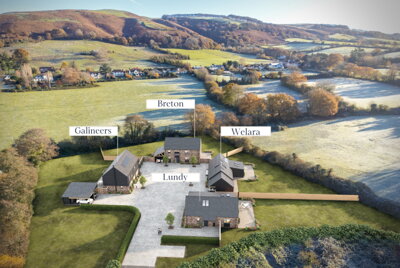
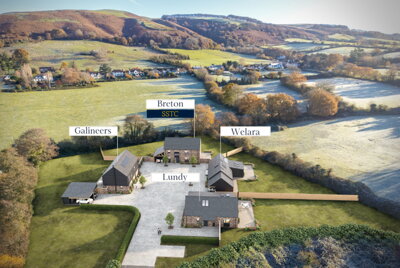
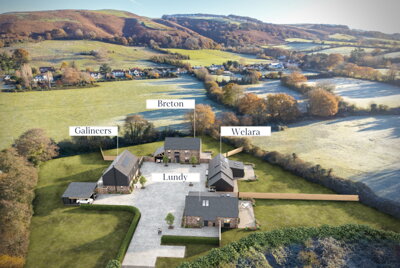
Browse 3 homes new builds in West Quantoxhead from local developer agents.
£352,600
Average Price (Fritton)
£539,925
Average Price (St. Olaves)
From £430,000
Detached Properties
From £236,500
Terraced Properties
£19,995 - £99,995
Park Homes
44 in 12 months
Properties Sold (Priory Road)
The property market in Fritton and St. Olaves reflects the broader trends of rural Norfolk, with distinct price variations between the two villages. St. Olaves commands higher average prices at £539,925, compared to Fritton's £352,600, likely due to the village's position along the River Waveney and its proximity to heritage sites. Detached properties dominate the upper end of the market, with average prices around £430,000 in Fritton, while terraced properties offer more accessible entry points at approximately £236,500. Recent data shows prices in Fritton are currently 10% below the 2022 peak of £390,000, presenting potential opportunities for buyers looking to negotiate on asking prices. The market attracts a mix of buyers including those relocating from London and the Home Counties seeking countryside retreats, as well as local buyers upsizing or downsizing within the area.
The twelve-month sales data reveals active market activity across key roads within the postcode area. Priory Road in St Olaves has recorded 44 property transactions in the past year, with prices currently 16% above the previous year but 24% below the 2019 peak of £611,667. Herringfleet Road has seen significant price corrections, down 70% from its 2021 peak of £3,050,000, influenced by high-value sales in previous periods. Priory Close offers more modest property values at an average of £333,200, representing an 11% decline from the previous year and 23% below its 2021 peak of £435,000. These variations highlight the importance of researching specific road data rather than relying solely on village-wide averages when evaluating property values in this area.
The market also includes a notable segment of park homes and static caravans at Caldecott Hall Country Park, where prices range from approximately £19,995 to £99,995, offering more affordable pathways into homeownership in this desirable location. Developments at Caldecott Hall Estate include new park homes such as the Sorrel semi-detached model and the Swift Bordeaux featuring two bedrooms and two bathrooms. These properties provide an alternative to traditional bricks-and-mortar homes, though buyers should note that park homes may have different financing and resale considerations compared to freehold properties. The mix of traditional homes and park homes creates a diverse market catering to different budgets and lifestyle preferences.
Life in Fritton and St. Olaves revolves around the rhythms of the Norfolk countryside, with residents enjoying a pace of life that contrasts sharply with urban living. The area is described as the outermost villages of Great Yarmouth, sitting on the edge of the Waveney Forest and bordering the prestigious Somerleyton Estate with its famous Fritton Lake. The local economy is supported by tourism and leisure sectors, with attractions including Caldecott Hall's 18-hole golf course and driving range, the Fritton Owl Sanctuary, Redwings Horse Sanctuary, and an extensive garden centre. These amenities draw visitors from across the region while providing residents with convenient access to leisure activities on their doorstep. The Fritton Lake itself operates as a private holiday club, adding an exclusive dimension to the area's recreational offerings.
The demographic profile of Fritton and St. Olaves reveals a community characterised by an aging population, with local neighbourhood planning documents noting a low proportion of younger people and families with children. This trend reflects the appeal of the area to those seeking retirement living or peaceful countryside retreats, and it shapes the community atmosphere into one that is settled and established. The presence of holiday parks and lodges introduces a seasonal element to village life, with visitors drawn to the area's natural beauty and attractions during peak periods. For those seeking a permanent residence in this tranquil setting, the community offers a welcoming environment with strong ties to local traditions and heritage sites. The Belton with Browston, Burgh Castle, and Fritton with St Olaves Neighbourhood Plan 2022-2038 specifically addresses housing needs, indicating that at least 90% of new homes should have three bedrooms or fewer to maintain the village character and meet local demand.
The area's position on the edge of the Waveney Forest provides excellent walking and cycling opportunities, with the flat Norfolk landscape offering favourable terrain for riders of all abilities. Local residents appreciate the strong sense of community, with events and gatherings centred around village facilities and the nearby garden centre complex. The proximity to the Norfolk Broads means that water-based activities including boating, kayaking, and wildlife watching are readily accessible, while the Suffolk border towns of Beccles and Bungay provide additional options for dining, shopping, and cultural experiences. The area successfully balances rural tranquility with practical access to services, making it popular with those seeking to escape larger towns without feeling isolated.

Families considering a move to Fritton and St. Olaves will find educational provision primarily concentrated in the surrounding larger settlements, as the villages themselves are small with limited on-site facilities. Primary education is available in nearby villages and towns within the Great Yarmouth borough, with several primary schools serving the rural communities within comfortable driving distance. Parents should research individual school Ofsted ratings and specific catchment areas, as these can vary significantly and change over time as school admissions policies are reviewed. The villages' small scale means that school transport arrangements may be necessary for daily attendance, and families should factor these logistics into their property search.
The neighbourhood planning documents for the area, covering Belton with Browston, Burgh Castle, and Fritton with St Olaves, indicate a local housing need for smaller homes, which suggests ongoing attention to family demographics and the potential for future educational provision adjustments. This planning approach recognises the current demographic profile of the area while anticipating modest growth in family households. Secondary education options in the broader area include schools in Great Yarmouth, which offers a range of secondary schools and sixth form colleges serving the wider region. Parents should research specific catchment areas and school performance data, including Ofsted ratings, when considering properties in Fritton and St. Olaves.
The area's proximity to the Suffolk border also provides access to secondary schools in that direction, particularly for families living in the southern parts of the postcode area. Schools in towns such as Beccles and Bungay offer alternative options that may be closer for some properties in the Fritton and St. Olaves area. For higher education, the University of East Anglia in Norwich is accessible via the A47, offering a full range of undergraduate and postgraduate programmes for older children. Norwich also provides further education options including Norwich University of the Arts and the University of East Anglia's highly regarded creative writing programme. Families with older children will appreciate that university access remains practical despite the rural location of these villages.
Transport connections from Fritton and St. Olaves are geared primarily toward road travel, with the villages positioned along the A143 and in close proximity to the A47. The A47 provides the main arterial route connecting Norwich to Great Yarmouth, passing through the area and offering connections to the wider Norfolk road network. For commuting to work or accessing services, car ownership is effectively essential for residents of these rural villages, as public transport options are limited. The postcode NR31 covers the area, and residents typically travel to Great Yarmouth for major shopping, healthcare, and employment opportunities. The journey to Great Yarmouth takes approximately 20-25 minutes by car, while Norwich is around 40 minutes away via the A47.
Rail connections are available at nearby stations including Great Yarmouth and Somerleyton, with services running along the Bittern Line to Norwich. This provides access to the East Anglian rail network, connecting to London Liverpool Street via Norwich, with journey times to the capital typically taking around two hours. Somerleyton station, located just a short drive from St. Olaves, offers a quieter alternative to the busier Great Yarmouth station and provides connections to the Wherry Lines network. The proximity to the Suffolk border also provides routes toward Lowestoft and Ipswich for those working or travelling in that direction, with Lowestoft accessible within approximately 30 minutes by car.
For air travel, Norwich International Airport offers domestic flights and some European destinations, situated approximately 40 minutes' drive from the villages. The airport provides connections to destinations including Amsterdam Schiphol, from which global connections are available, making international travel manageable despite the rural location. Cycling is popular for local journeys, with the flat Norfolk landscape providing favourable terrain for riders of all abilities. Dedicated cycle routes and quiet country lanes make cycling a viable option for short local trips, particularly during the summer months. Bus services connect the villages to nearby towns, though frequencies are reduced compared to urban areas, and residents planning to rely on public transport should check current timetables carefully.
Begin by exploring current listings in Fritton and St. Olaves to understand the price ranges and property types available. With average prices ranging from £236,500 for terraced properties to £430,000 for detached homes, setting a realistic budget is the essential first step. Consider factors such as proximity to Fritton Lake, the River Waveney, and local amenities when narrowing your search. Use the road-specific data available for areas like Priory Road and Priory Close to understand micro-market variations within the broader village averages.
Before viewing properties, obtain a mortgage agreement in principle from a lender. This demonstrates to sellers that you are a serious buyer with financing in place. Given the price variations in the area, with some premium properties reaching into the hundreds of thousands, having your finances confirmed strengthens your position in negotiations. Speak to a mortgage broker familiar with Norfolk properties if possible, as they can advise on lender criteria for rural properties and any unique considerations such as park homes or listed buildings.
Schedule viewings of properties that match your criteria, paying attention to the condition of properties and any signs of common issues in older Norfolk homes such as damp, roof condition, or outdated electrics. Consider the proximity to flood risk areas near Fritton Lake and the River Waveney when evaluating individual properties. When viewing period properties, check for signs of listed building restrictions that may affect your plans for the property. The area's heritage properties, including the tiny thatched church in Fritton and the St Olaves Drainage Mill, are likely to be listed buildings, so verify any property's status before proceeding.
Once your offer is accepted, instruct a RICS Level 2 Survey (Homebuyer Report) to assess the property's condition. For properties in this price range, expect to pay between £400-£800 depending on value and size. This survey identifies defects that may not be visible during viewings, giving you leverage for price negotiations or requiring sellers to address issues before completion. Given the age of many properties in the area and the proximity to water, a thorough survey is particularly valuable for identifying potential issues with drainage, damp, or structural concerns.
Appoint a conveyancing solicitor to handle the legal aspects of your purchase. They will conduct searches, review contracts, and coordinate with the seller's solicitor to ensure a smooth transaction. Local knowledge of Norfolk properties and planning history is valuable for properties in conservation areas or with listed building status. Your solicitor should conduct flood risk searches and drainage searches given the area's geography near the River Waveney and the presence of the historic drainage mill in St Olaves.
Upon satisfactory completion of all searches and surveys, your solicitor will arrange for contracts to be exchanged, committing both parties to the sale. Completion typically follows within days or weeks, at which point you will receive the keys and take ownership of your new home in Fritton and St. Olaves. Factor in removals costs and any immediate repairs or improvements you plan to undertake. The villages' peaceful atmosphere and strong community spirit make them rewarding places to establish a new home.
Buying property in Fritton and St. Olaves requires careful consideration of several location-specific factors that differ from urban property purchases. Flood risk is a primary concern given the area's geography, with proximity to Fritton Lake and the River Waveney meaning that some properties may be situated in flood zones or areas with high water tables. St Olaves historically features a drainage mill, indicating ongoing water management challenges in the locality. Prospective buyers should request flood risk searches and consider the elevation and drainage history of any property under offer. Properties in low-lying areas near the river may face higher insurance premiums or difficulty obtaining mortgages without specific conditions.
Conservation areas and listed buildings are prevalent in the villages, with St Olaves home to the Grade-listed Drainage Mill and the remains of a 14th-century Augustine priory with a brick-vaulted undercroft. The tiny thatched church in Fritton is likely to be a listed building, and barn conversions in the area may carry listed status. These designations impose restrictions on alterations, renovations, and extensions, so buyers should verify the status of any property and understand the implications before proceeding. The Neighbourhood Plan for the area indicates that new developments should prioritise smaller homes with three bedrooms or fewer, reflecting the community's desire to maintain the village character. This planning approach suggests that larger family homes in the area are likely to be existing properties rather than new builds.
The construction of properties in the area typically follows Norfolk traditions, with many older homes built using local red brick and traditional building methods. Properties dating from the 1800s or earlier may have features such as thatched roofs, exposed beams, and period fireplaces that require specialist maintenance. The geology of Norfolk includes areas with clay soils that can be susceptible to shrink-swell movement, particularly affecting older properties with shallow foundations. When purchasing period properties, budget for ongoing maintenance costs that may exceed those for modern homes. The park homes at Caldecott Hall Country Park offer a contrast to traditional properties, with modern construction and lower maintenance requirements, though buyers should understand the specific tenure arrangements for park home sites.
Understanding the additional costs of buying property in Fritton and St. Olaves is essential for budgeting effectively. Stamp Duty Land Tax is the most significant upfront cost, with standard rates of 0% on the first £250,000, 5% on £250,001 to £925,000, and higher rates for more expensive properties. First-time buyers purchasing residential property up to £625,000 can benefit from relief, paying no stamp duty on the first £425,000 and 5% on the amount between £425,001 and £625,000. Given that the average property price in St. Olaves sits at £539,925, a first-time buyer purchasing at this price would pay approximately £5,746 in stamp duty after relief.
Beyond stamp duty, buyers should budget for solicitor conveyancing costs, which typically start from £499 for standard transactions in the Norfolk area. Survey costs for a RICS Level 2 Homebuyer Report generally range from £400 to £800 depending on property value and size, with more expensive homes attracting higher fees. Search fees, land registry fees, and mortgage arrangement fees add further costs, with lenders often charging between 0% and 1.5% of the loan amount. For a typical mortgage on a £400,000 property, these additional costs can total £3,000 to £5,000, making it important to have savings beyond the deposit to cover all associated expenses of purchasing your new home.
Additional considerations for properties in this area include specialist surveys for listed buildings, which may be needed if the property has listed status, and flood risk reports that your solicitor should include in the standard searches. Properties near Fritton Lake or the River Waveney may require specific drainage surveys given the water management history of the area. Buildings insurance costs may be higher for older properties or those with thatched roofs, and buyers should obtain quotes before completing to ensure they understand the full cost of ownership. If purchasing a park home at Caldecott Hall Country Park, the tenure arrangement and site fees should be clearly explained, as these differ from traditional freehold property purchases.
The average house price in Fritton is currently £352,600, while St. Olaves commands a higher average of £539,925 (with Zoopla reporting an average sold price of £608,833 for St Olaves). Detached properties average around £430,000 in Fritton, with terraced properties starting from approximately £236,500. Recent market data shows prices have moderated from their 2022 peaks, with Fritton prices approximately 10% below the £390,000 peak and St. Olaves prices around 28% below its 2022 high of £749,611. Road-specific data shows Priory Road averaging £463,250 and Priory Close at £333,200, illustrating micro-market variations within the broader area.
Properties in Fritton and St. Olaves fall under Great Yarmouth Borough Council for council tax purposes. The specific band depends on the property's valuation, with most residential properties in rural Norfolk falling within bands A through E. You can verify the exact council tax band for any property through the Valuation Office Agency website or by checking the listing details. Council tax bands affect not only your monthly bills but also factor into the overall cost of ownership for budgeting purposes. Great Yarmouth Borough Council sets the annual council tax rates, and residents can spread payments across the year.
Primary and secondary education in Fritton and St. Olaves is accessed through schools in surrounding villages and Great Yarmouth. Several primary schools serve the rural communities within easy driving distance, with the nearest typically located in nearby towns such as Gorleston or Great Yarmouth. For secondary education, families typically travel to Great Yarmouth where a selection of schools and sixth form colleges are available. Parents should research individual school Ofsted ratings and catchment areas when choosing a property, as these can significantly impact educational access. The area's proximity to the Suffolk border also provides access to secondary schools in Beccles and Bungay for families living in the southern parts of the postcode.
Public transport options in Fritton and St. Olaves are limited, reflecting the rural nature of the villages. Bus services operate on main routes connecting to Great Yarmouth and surrounding towns, but frequencies are likely to be reduced compared to urban areas. The nearest rail stations are at Great Yarmouth and Somerleyton, offering services on the Bittern Line to Norwich and connections to London Liverpool Street. Car ownership is effectively essential for most residents to access employment, services, and amenities. The villages' position on the A143 provides reasonable road connections, but planning for a car is advisable when considering relocation to this area.
Fritton and St. Olaves offer appeal for those seeking countryside living with access to the Norfolk Broads and coastal amenities. The market has shown price corrections from recent peaks, potentially creating opportunities for buyers seeking long-term value. However, the area has a demographic trend toward aging populations with a noted low proportion of younger families, which may influence long-term rental demand. Properties near heritage sites and leisure attractions such as Caldecott Hall may hold appeal for holiday let investments, though buyers should verify planning permissions and any restrictions on holiday rental activity. The Neighbourhood Plan indicates community support for smaller homes, suggesting demand for appropriate-sized properties is likely to continue.
Stamp Duty Land Tax rates for standard purchases in England start at 0% on the first £250,000 of property value, then 5% on the portion from £250,001 to £925,000. For properties above £925,000, rates increase to 10% up to £1.5 million, then 12% above that. First-time buyers benefit from relief on the first £425,000, with 5% charged between £425,001 and £625,000. Given average prices in the area ranging from £352,600 to £539,925, many properties may qualify for first-time buyer relief or fall within the lower tax bands. A first-time buyer purchasing at the St. Olaves average of £539,925 would pay approximately £5,746 in stamp duty after applying first-time buyer relief.
The housing stock in Fritton and St. Olaves includes traditional period properties such as cottages dating from the 1800s, thatched cottages, and barn conversions, alongside more modern options. Detached family homes dominate the upper end of the market, particularly along roads like Herringfleet Road where larger properties command higher prices. Terraced properties offer more accessible entry points to the market. At Caldecott Hall Country Park, buyers can find park homes and static caravans ranging from approximately £19,995 to £99,995, including models such as the Swift Bordeaux and Atlas Everglade. This variety means the area caters to different budgets and lifestyle preferences, from those seeking traditional rural character homes to buyers wanting low-maintenance modern accommodation.
Properties New Builds In London

Properties New Builds In Plymouth

Properties New Builds In Liverpool

Properties New Builds In Glasgow

Properties New Builds In Sheffield

Properties New Builds In Edinburgh

Properties New Builds In Coventry

Properties New Builds In Bradford

Properties New Builds In Manchester

Properties New Builds In Birmingham

Properties New Builds In Bristol

Properties New Builds In Oxford

Properties New Builds In Leicester

Properties New Builds In Newcastle

Properties New Builds In Leeds

Properties New Builds In Southampton

Properties New Builds In Cardiff

Properties New Builds In Nottingham

Properties New Builds In Norwich

Properties New Builds In Brighton

Properties New Builds In Derby

Properties New Builds In Portsmouth

Properties New Builds In Northampton

Properties New Builds In Milton Keynes

Properties New Builds In Bournemouth

Properties New Builds In Bolton

Properties New Builds In Swansea

Properties New Builds In Swindon

Properties New Builds In Peterborough

Properties New Builds In Wolverhampton

Enter your details to see if this property is within your budget.
Loans, cards, car finance
Estimated property budget
Borrowing + deposit
You could borrow between
Typical borrowing
Monthly repayment
Est. at 4.5%
Loan-to-value
This is an estimate only. Your actual budget may vary depending on interest rates, credit history, and personal circumstances. For an accurate affordability assessment, speak to one of our free mortgage advisors.
This calculator provides estimates for illustrative purposes only and does not constitute financial advice. Your home may be repossessed if you do not keep up repayments on your mortgage. Estimates based on 4.5% interest rate, repayment mortgage. Actual rates depend on your circumstances.
Homemove is a trading name of HM Haus Group Ltd (Company No. 13873779, registered in England & Wales). Homemove Mortgages Ltd (Company No. 15947693) is an Appointed Representative of TMG Direct Limited, trading as TMG Mortgage Network, which is authorised and regulated by the Financial Conduct Authority (FRN 786245). Homemove Mortgages Ltd is entered on the FCA Register as an Appointed Representative (FRN 1022429). You can check registrations at NewRegister or by calling 0800 111 6768.

We use cookies to show you personalised content and improve your experience of our website. Find out more in our Privacy policy and Cookie policy.