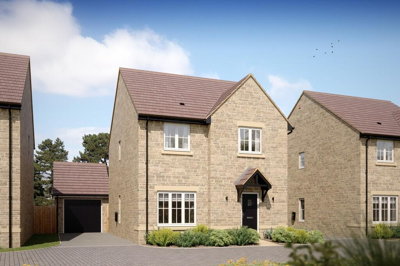
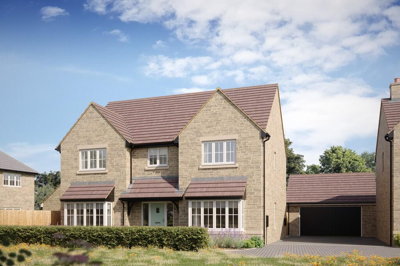
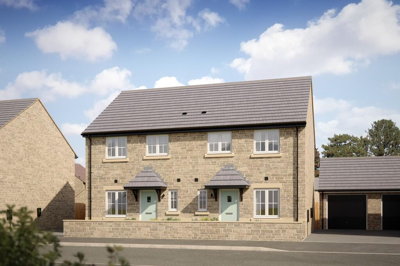
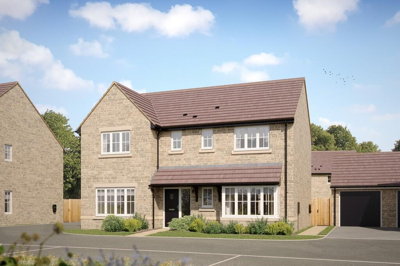
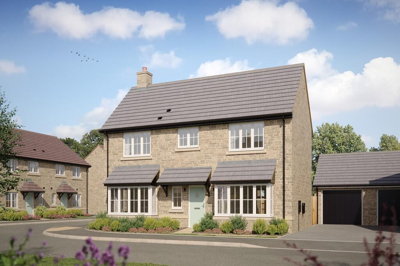
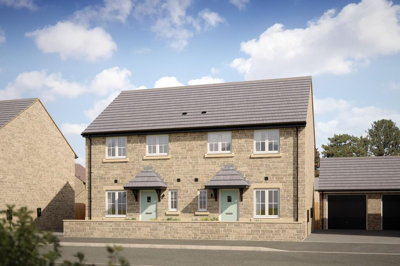
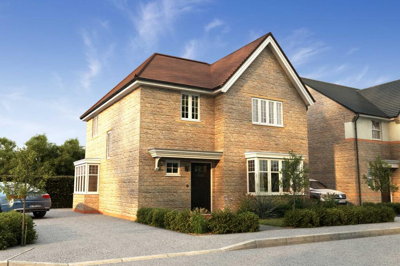
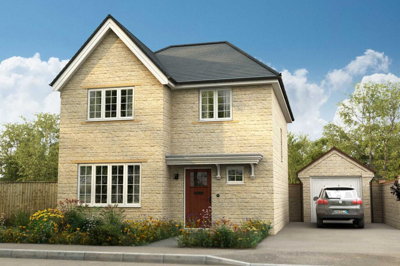
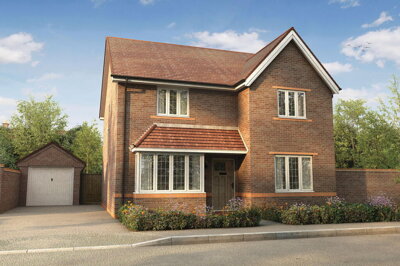
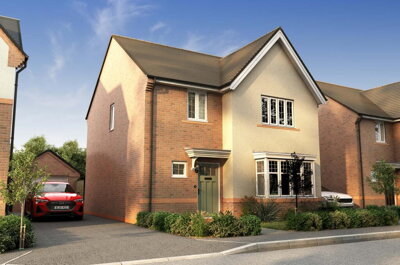
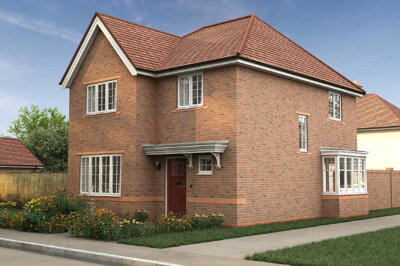
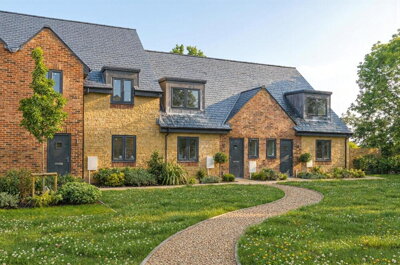
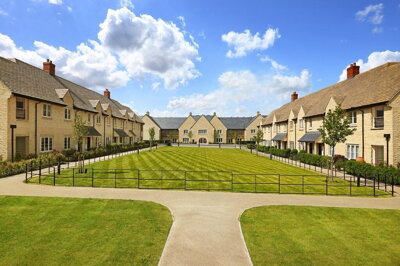
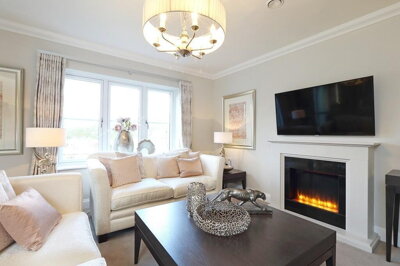
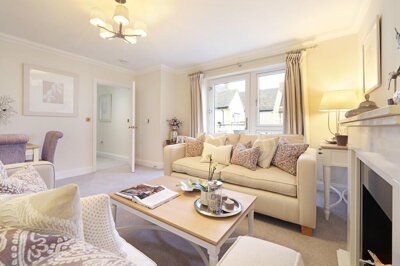
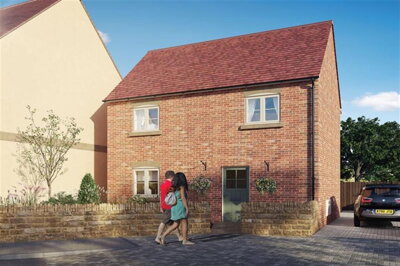
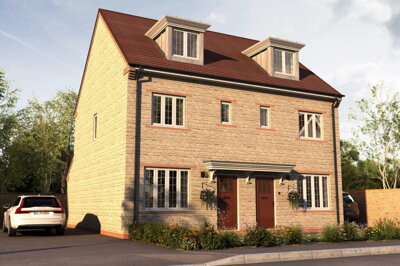
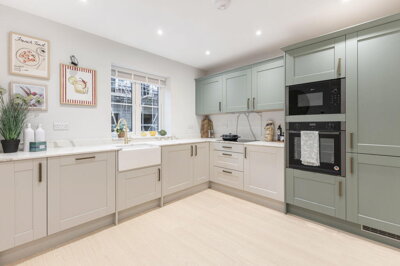
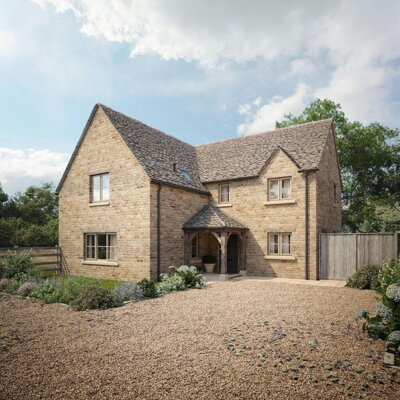
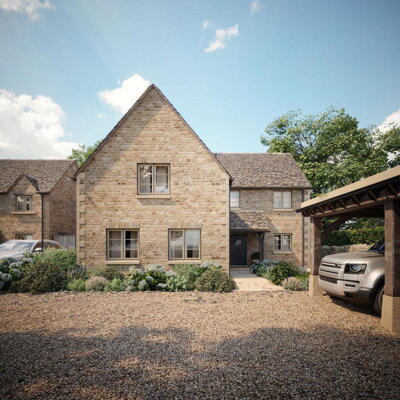
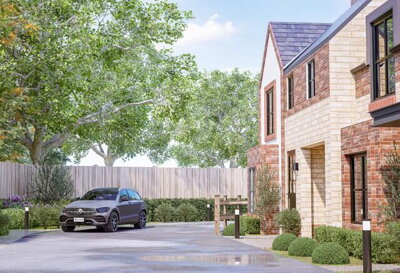
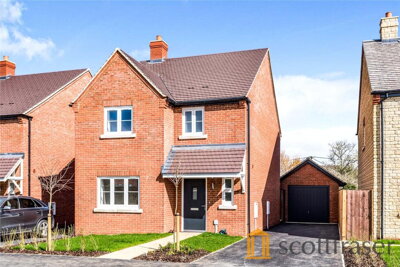
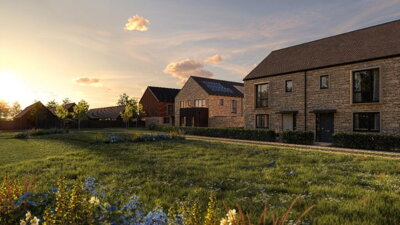
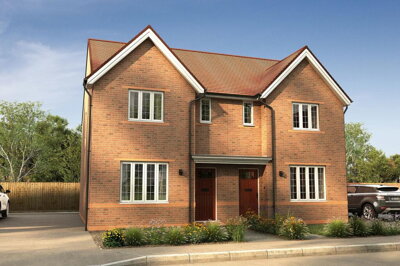
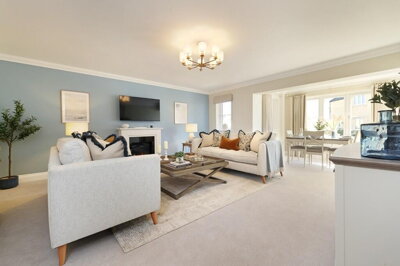
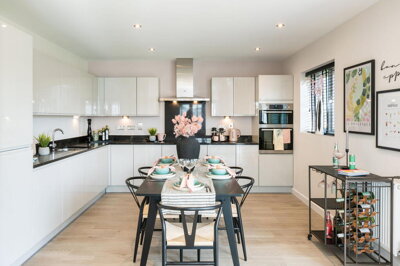
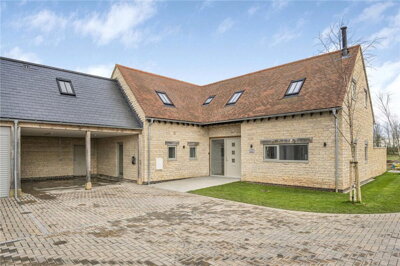
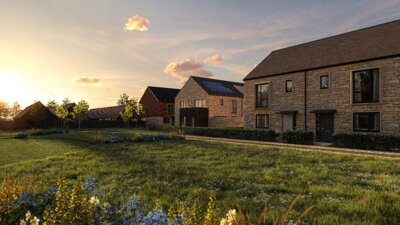
Browse 49 homes new builds in West Oxfordshire from local developer agents.
The West Oxfordshire property market offers detached, semi-detached, and terraced houses spanning various price ranges and neighbourhoods. Each listing includes detailed property information, photographs, and direct contact with the marketing agent.
The West Oxfordshire property market demonstrates steady growth with detached properties commanding the highest prices at an average of £661,000, reflecting strong demand from families seeking generous living space and proximity to excellent schools. Semi-detached homes average £417,000, while terraced properties offer more accessible entry points at around £340,000. Flats and maisonettes remain the most affordable option at approximately £216,000, making them popular among first-time buyers and those working in nearby Oxford. The market saw a 4.9% increase in average prices between December 2024 and December 2025, demonstrating sustained buyer confidence in the area despite broader national market fluctuations.
Property sales volumes remain healthy with 1,284 transactions recorded in the twelve months to February 2026, showing that West Oxfordshire continues to attract motivated buyers. The housing mix reflects the area's character, with detached houses comprising around 33% of sales, semi-detached properties at 25%, terraced homes at 29%, and flats accounting for approximately 13% of transactions. Recent market data shows sold prices have experienced a 9.2% reduction over the last twelve months as of February 2026, presenting potential opportunities for buyers who act decisively in a less heated market. This correction follows a period of significant growth, with prices rising 7.9% between March 2022 and March 2023, indicating a market that has normalised after several years of strong appreciation.
New build activity in the wider Oxfordshire county shows properties averaging £498,000, with most new homes selling in the £500,000 to £750,000 range. Within West Oxfordshire itself, developments like The Byron at Brize Meadow in Carterton offer modern homes from approximately £370,000, providing alternatives to the older housing stock that predominates across the district. First-time buyers will find terraced properties in established neighbourhoods provide excellent value compared to new build options, while families appreciate the generous space and mature gardens that characterise many semi-detached and detached homes in the area. The current market conditions favour buyers who have their finances in order and can move quickly on properties that represent genuine value.

West Oxfordshire encompasses a collection of towns and villages that have preserved their historic character while offering modern amenities for residents. The market town of Witney serves as the commercial hub, providing shopping centres, supermarkets, restaurants, and leisure facilities that cater to daily needs without requiring a trip to Oxford. The town centre features a mix of national retailers and independent shops along its historic High Street, while the Woolgate shopping centre brings additional convenience for residents. Carterton has grown significantly in recent years, becoming an important service centre for the RAF Brize Norton community and offering good local facilities including schools, healthcare, and shopping amenities.
Burford, often described as the gateway to the Cotswolds, charms visitors with its cobbled streets, independent boutiques, and centuries-old coaching inns that line the main thoroughfare. Witney Street in Burford features listed cottages and attractive Tudor and Georgian fronts that showcase the architectural heritage of the area. The village of Woodstock, home to the Churchill War Rooms and Blenheim Palace, offers a unique blend of historical significance and village charm, with properties in this area commanding premium prices due to the proximity to the UNESCO World Heritage Site. Other villages like Bourton-on-the-Water, Charlbury, and Chipping Norton each offer their own distinct characters, from riverside walks to traditional market town amenities.
The area's villages feature the quintessential English countryside aesthetic, with properties built from beautiful honey-coloured Cotswold stone, thatched roofs, and cottage gardens that bloom through spring and summer. Community life remains vibrant with regular farmers markets, village fetes, and cultural events throughout the year. The River Windrush flows through the region, creating attractive riverside walks in towns like Bourton-on-the-Water, while the surrounding countryside offers access to extensive footpaths, bridleways, and the Cotswold Way national trail. The area attracts professionals who work in Oxford but prefer the more affordable housing and superior quality of life offered by West Oxfordshire's towns and villages, with many commuters making the 30-minute journey to the city centre via the A40 trunk road.
West Oxfordshire provides educational opportunities across all levels, with primary schools serving individual villages and towns, and secondary schools drawing from wider catchment areas. The area includes several primary schools rated Good or Outstanding by Ofsted, with many situated in historic buildings that reflect the architecture of their surrounding communities. Primary education in villages often comes through smaller community schools that maintain strong relationships with families, providing children with supportive learning environments during their formative years. Schools in West Oxfordshire benefit from relatively smaller class sizes compared to urban areas, allowing teachers to provide more individual attention to students. Parents should research specific catchments when considering properties, as school admissions policies significantly influence property values and buyer interest in particular neighbourhoods.
Secondary education in West Oxfordshire includes comprehensive schools in larger towns like Witney and Carterton, with many students progressing to sixth form colleges or continuing education providers in nearby Oxford. The Henry Box School in Witney is a popular choice for secondary education, while the Swan School in Charlbury serves the northern part of the district. Students in Carterton have access to Carterton Community College, which provides comprehensive secondary education for the town and surrounding villages. The presence of the University of Oxford and Oxford Brookes University in neighbouring Oxford city provides exceptional further and higher education options for older students and adult learners seeking university education without relocating far from their family homes.
Families relocating from larger cities often cite the quality of local schooling as a primary motivation for choosing West Oxfordshire, with good Ofsted ratings across the district providing reassurance for parents making important housing decisions. The relatively shorter journey times compared to Oxford city schools mean children spend less time travelling and more time on homework, hobbies, and family activities. Village primary schools like Holy Cross Catholic Primary School in Henley-on-Thames and St Mary's Church of England Primary School in Bampton serve their local communities with strong educational outcomes. For families prioritising education in their property search, the availability of good schools across multiple towns and villages means buyers have genuine choice rather than being restricted to one particular location.
West Oxfordshire benefits from excellent road connections that make car travel straightforward for residents. The A40 trunk road runs through the district, providing direct access to Oxford city centre and connecting westward to Cheltenham and the M5 motorway. The A44 passes through Woodstock, offering routes toward Worcester and the Midlands, while the A4095 provides east-west connectivity through the northern part of the district. Commuters working in Oxford can typically reach the city centre within 30 minutes by car, though rush hour traffic can extend journey times during peak periods, particularly on the A40 approach to Oxford. Parking availability varies by town, with larger car parks in Witney and free parking options in smaller villages making day-to-day logistics manageable for residents.
Bus services operated by the Oxford Bus Company and Stagecoach connect West Oxfordshire towns with Oxford and surrounding villages, providing viable alternatives for commuters who prefer to avoid driving. The S4 service runs between Carterton and Oxford via Witney, while the X8 service links Witney with Oxford Parkway station, where passengers can board the Oxford to London Marylebone railway service for journeys to the capital in approximately one hour. Rail access to London is also available from Oxford station, with regular CrossCountry and Great Western Railway services providing connections to Paddington, Birmingham, and the South West. CrossCountry trains from Oxford connect directly to Manchester, Edinburgh, and Bristol, making the city a major transport hub for the region.
Cycling infrastructure has improved in recent years, with National Cycle Route 5 passing through parts of the district and Sustrans developing routes that connect villages with employment centres. Many residents combine cycling with public transport, parking their bikes at Oxford Parkway station before catching trains to London. For international travel, London Heathrow and Birmingham Airport are both accessible within approximately 90 minutes by car, while London Luton and London Gatwick can be reached in around two hours. The proximity to these major airports makes West Oxfordshire practical for regular business travellers and families with overseas connections. Stagecoach bus services also connect to Oxford's park and ride sites, offering convenient options for city centre access without navigating town centre traffic and parking costs.
Obtain a mortgage agreement in principle from a lender before beginning your property search. This demonstrates your purchasing capability to estate agents and gives you a clear budget for your West Oxfordshire home search. Our mortgage partners can help you compare rates and find the most suitable product for your circumstances, whether you are purchasing a terraced starter home or a detached family property.
Explore different towns and villages across the district to find the area that best matches your lifestyle needs and budget. Consider factors like school catchments, commute times to your workplace, local amenities, and the character of housing stock in each location. Villages like Burford and Woodstock offer period stone properties and conservation area restrictions, while towns like Witney and Carterton provide newer housing developments with fewer planning constraints.
Use Homemove to browse all available properties in West Oxfordshire, setting up alerts for new listings that match your criteria. Work with local estate agents who know the market intimately and can arrange viewings at properties that meet your requirements. The current market correction means diligent buyers can find properties priced below their true value, but competition remains for the best homes in desirable locations.
Visit properties in person to assess their condition, character, and suitability. Take notes on each property and ask about the age of the building, recent renovations, service charges if applicable, and any planning permissions granted in the neighbourhood. For period properties, enquire specifically about the condition of original features, the history of renovations, and any known issues with damp or structural movement.
Once you have an offer accepted, arrange a RICS Level 2 Survey to assess the property condition. Given West Oxfordshire's prevalence of period properties and stone construction, a thorough survey can identify issues like damp, timber defects, or structural concerns that may affect your purchase decision. Our team can connect you with qualified surveyors who understand the specific construction methods used in Cotswold stone properties.
Appoint a conveyancing solicitor to handle the legal aspects of your purchase, including local searches, contract review, and registration of title. Work closely with your solicitor through to exchange and completion, typically taking 8-12 weeks for a standard transaction. Local searches in West Oxfordshire will reveal any planning constraints, conservation area designations, or environmental factors that affect the property.
Properties in West Oxfordshire include a significant proportion of historic buildings constructed from local Cotswold stone, often featuring solid wall construction rather than modern cavity insulation. These period properties require careful assessment during the buying process, as issues like rising damp, penetrating damp, and timber deterioration are more common than in newer construction. Many homes in the district date from the Victorian and Edwardian periods, with some Georgian and Tudor properties in conservation areas like Burford and Woodstock. Outdated electrical systems and older plumbing are frequently encountered in these properties, and a thorough survey should assess whether these have been updated to current standards. When viewing stone properties, examine walls for signs of moisture staining, check that original features like fireplaces and staircases remain intact, and enquire about any previous renovation work that may have addressed historic defects.
Conservation area designations affect many West Oxfordshire towns and villages, imposing restrictions on permitted development rights and external alterations. If you are considering a property in a conservation area, investigate what limitations apply before purchasing, as these can affect your ability to extend or modify the property in future. Listed building status provides additional protection for properties of architectural or historic significance, requiring Listed Building Consent for most alterations. Buyers should factor in the additional costs and planning considerations associated with listed properties, while appreciating that these designations help preserve the character that makes West Oxfordshire so attractive. The district council maintains records of all designated conservation areas, and your solicitor will be able to confirm the status of any specific property during the conveyancing process.
Newer developments in towns like Witney and Carterton typically offer more modern construction standards and fewer planning restrictions, making them suitable for buyers who prefer straightforward property management. Properties built after 1980 generally feature cavity wall construction, modern insulation, and updated services that reduce the maintenance burden compared to older stock. However, newer homes may have different considerations, including potential issues with build quality that have emerged over time, service charges on leasehold properties, and proximity to major infrastructure like the A40. Regardless of the property age, we recommend arranging a RICS Level 2 Survey before completing your purchase, as our inspectors are experienced in identifying the specific issues that affect properties across West Oxfordshire's diverse housing stock.

The average house price in West Oxfordshire reached £422,000 in December 2025, with more recent data showing prices averaging £528,000 as of February 2026. Detached properties average £661,000, semi-detached homes £417,000, terraced houses £340,000, and flats approximately £216,000. Prices increased by 4.9% over the twelve months to December 2025, though recent market data indicates some softening in the current climate with a 9.2% reduction over the twelve months to February 2026. The market remains active with over 1,200 sales completed in the past year, suggesting sustained demand from buyers who recognize West Oxfordshire's strong fundamentals including its proximity to Oxford and the Cotswolds.
Council tax bands in West Oxfordshire range from Band A for the lowest valued properties through to Band H for the most expensive homes. Properties in villages like Burford and Woodstock often fall into higher bands due to their character and desirable locations, with many period stone cottages in Band D or above. The district is administered by West Oxfordshire District Council, which sets the council tax rates that apply to residential properties across the area, typically collected alongside Oxfordshire County Council and Thames Valley Police levies. Prospective buyers can check the council tax band for any specific property through the Valuation Office Agency website before making an offer, and should factor these ongoing costs into their budget calculations alongside mortgage payments and maintenance expenses.
West Oxfordshire offers good primary and secondary education options, with several schools rated Good or Outstanding by Ofsted. Primary schools in towns like Witney and Carterton serve their local communities, while village schools provide smaller, more intimate educational settings that many families prefer for early years education. Secondary options include comprehensive schools in the main towns, with students progressing to sixth form colleges or further education providers in nearby Oxford. Families should research specific school catchments, as admission policies can significantly influence which schools serve particular neighbourhoods and properties in certain postcodes may command a premium due to school proximity. The proximity to Oxford's university colleges provides exceptional higher education opportunities for older students.
Bus services operated by Oxford Bus Company and Stagecoach connect West Oxfordshire towns with Oxford city, providing regular services for commuters and shoppers throughout the day. The X8 route links Witney with Oxford Parkway station, where you can catch direct trains to London Marylebone in approximately one hour, making the capital accessible for day trips or regular commuting. Oxford station offers CrossCountry and Great Western Railway services to destinations including Birmingham, Reading, and the South West, while CrossCountry trains continue north to Manchester and Edinburgh. The A40 provides direct road access to Oxford, with journey times typically 25-35 minutes depending on traffic conditions, and park and ride services in Oxford offer convenient options for city centre access without navigating town centre traffic.
West Oxfordshire demonstrates several characteristics that make it attractive for property investment, including strong demand from buyers seeking the lifestyle it offers, a stable local economy supported by proximity to Oxford, and a shortage of new housing development relative to demand. The prevalence of period properties and conservation areas helps maintain property values, while excellent transport links make the area viable for commuters who work in Oxford or London. Rental demand remains solid given the district's desirability, though investors should consider service charges and maintenance costs associated with older properties. As with any property purchase, conducting thorough research on specific locations and property types is advisable before committing to an investment, and we recommend arranging a survey on any property under consideration to understand the maintenance requirements and potential repair costs.
Stamp Duty Land Tax rates from April 2025 require 0% on the first £250,000 of residential property purchases, 5% on the portion from £250,001 to £925,000, 10% on £925,001 to £1.5 million, and 12% on any amount above £1.5 million. First-time buyers benefit from relief on the first £425,000, with 5% payable between £425,001 and £625,000, making the market particularly accessible for those entering the property ladder. For a typical West Oxfordshire property at the current average price of £422,000, a standard buyer would pay £8,600 in stamp duty, while first-time buyers would pay nothing on the first £425,000. Your conveyancing solicitor will calculate the exact SDLT liability based on your personal circumstances and the property purchase price, including any additional properties or non-resident status that may affect the rate.
Competitive mortgage rates for West Oxfordshire buyers
From 4.5% APR
Property solicitors experienced in West Oxfordshire transactions
From £499
Thorough property surveys for all West Oxfordshire homes
From £350
Energy performance certificates for West Oxfordshire properties
From £80
Understanding the full cost of purchasing property in West Oxfordshire requires careful budgeting beyond the advertised purchase price. Stamp Duty Land Tax applies to all residential purchases above £250,000, with rates increasing through higher price bands. For a property at the West Oxfordshire average of £422,000, a buyer without first-time buyer status would incur SDLT of £8,600 on the portion above £250,000. First-time buyers purchasing properties up to £425,000 pay no stamp duty at all, making the market particularly accessible for those entering the property ladder, while those buying between £425,000 and £625,000 pay 5% on the amount above £425,000. Above £625,000, first-time buyer relief does not apply, meaning standard rates take effect for higher-value purchases.
Additional buying costs include solicitor fees for conveyancing, typically ranging from £500 to £1,500 depending on the complexity of the transaction and property value. Survey costs should be budgeted at £350-600 for a RICS Level 2 Survey on a standard property, rising higher for larger or more complex homes with unusual construction or multiple defects. Search fees, land registry fees, and disbursements typically add £300-500 to legal costs, while electronic money transfer fees and Land Registry registration fees are standard components of the conveyancing process. If purchasing with a mortgage, arrangement fees vary from £0 to £2,000 depending on the lender and product chosen, and valuation fees are often required by lenders although these can sometimes be waived or combined with survey arrangements.
Removal costs, decorator and surveyor fees, and connection charges for utilities round out the immediate moving costs that buyers should factor into their financial planning for a West Oxfordshire purchase. Building insurance must be in place before completion, while buildings contents insurance should also be arranged. For leasehold properties, Ground rent and service charges should be confirmed with the freeholder or management company before committing to the purchase. We recommend budgeting an additional 5-10% above the purchase price to cover all associated costs and ensure you have a financial buffer for any unexpected expenses that arise during the buying process.
Properties New Builds In London

Properties New Builds In Plymouth

Properties New Builds In Liverpool

Properties New Builds In Glasgow

Properties New Builds In Sheffield

Properties New Builds In Edinburgh

Properties New Builds In Coventry

Properties New Builds In Bradford

Properties New Builds In Manchester

Properties New Builds In Birmingham

Properties New Builds In Bristol

Properties New Builds In Oxford

Properties New Builds In Leicester

Properties New Builds In Newcastle

Properties New Builds In Leeds

Properties New Builds In Southampton

Properties New Builds In Cardiff

Properties New Builds In Nottingham

Properties New Builds In Norwich

Properties New Builds In Brighton

Properties New Builds In Derby

Properties New Builds In Portsmouth

Properties New Builds In Northampton

Properties New Builds In Milton Keynes

Properties New Builds In Bournemouth

Properties New Builds In Bolton

Properties New Builds In Swansea

Properties New Builds In Swindon

Properties New Builds In Peterborough

Properties New Builds In Wolverhampton

Enter your details to see if this property is within your budget.
Loans, cards, car finance
Estimated property budget
Borrowing + deposit
You could borrow between
Typical borrowing
Monthly repayment
Est. at 4.5%
Loan-to-value
This is an estimate only. Your actual budget may vary depending on interest rates, credit history, and personal circumstances. For an accurate affordability assessment, speak to one of our free mortgage advisors.
This calculator provides estimates for illustrative purposes only and does not constitute financial advice. Your home may be repossessed if you do not keep up repayments on your mortgage. Estimates based on 4.5% interest rate, repayment mortgage. Actual rates depend on your circumstances.
Homemove is a trading name of HM Haus Group Ltd (Company No. 13873779, registered in England & Wales). Homemove Mortgages Ltd (Company No. 15947693) is an Appointed Representative of TMG Direct Limited, trading as TMG Mortgage Network, which is authorised and regulated by the Financial Conduct Authority (FRN 786245). Homemove Mortgages Ltd is entered on the FCA Register as an Appointed Representative (FRN 1022429). You can check registrations at NewRegister or by calling 0800 111 6768.

We use cookies to show you personalised content and improve your experience of our website. Find out more in our Privacy policy and Cookie policy.