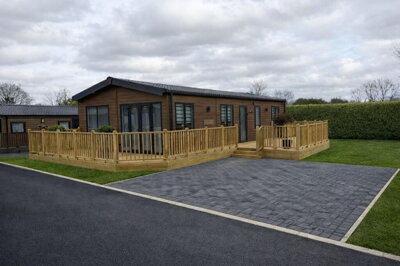
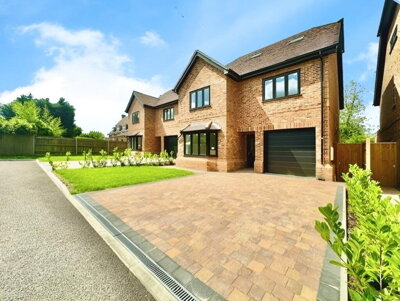
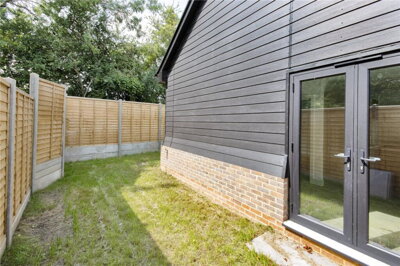
Browse 3 homes new builds in West Kingsdown from local developer agents.
The West Kingsdown property market offers detached, semi-detached, and terraced houses spanning various price ranges and neighbourhoods. Each listing includes detailed property information, photographs, and direct contact with the marketing agent.
The East Chiltington property market reflects the village's status as an exclusive rural enclave within East Sussex, where demand consistently outstrips supply due to the limited number of properties available at any given time. Our listings show detached properties dominating the market, typically priced from £750,000 upwards, with larger family homes and farmhouses commanding premium valuations that reflect their substantial plots and historic features. Semi-detached properties offer a more accessible entry point to village life at around £525,000, though these homes are rarer given the predominantly detached character of the housing stock. The market has shown modest resilience with prices declining just 1.5% over the past twelve months, indicating relative stability despite broader national fluctuations that have affected other parts of the South East.
New build developments are notably absent from East Chiltington itself, as strict planning controls within the Conservation Area limit new construction and preserve the village's historic character for future generations. This scarcity of new housing stock means buyers seeking modern comforts often look to sympathetically renovated older properties or conversions of existing agricultural buildings that have been carefully updated while retaining their original character. The village has recorded only 4 property sales in the past twelve months, highlighting the limited turnover in this tightly held market where properties may remain in families for generations. Properties here tend to be older, with many homes dating from the pre-1919 era, including historic farmhouses, period cottages, and village houses that have been carefully maintained by successive owners who understand the importance of traditional building methods.

Life in East Chiltington revolves around the rhythms of a traditional English village, where community bonds run strong and the pace of life remains unhurried despite proximity to major urban centres. The village centre features St Mary's Church, a historic landmark that has stood the community for centuries and continues to host regular services and village events throughout the year. Local amenities include The Nulli Public House, a popular village pub where residents gather for social evenings, and the community comes together throughout the year for events including the annual village fete, harvest celebrations, and seasonal gatherings that strengthen neighbourhood connections. The surrounding countryside offers extensive walking and cycling routes across the South Downs, with panoramic views stretching toward the South Coast and the English Channel on clear days.
The rural economy of East Chiltington is largely agricultural, with farms and smallholdings dotting the parish and contributing to the village's timeless character through rolling fields and traditional hedgerows. Many residents choose East Chiltington specifically for its semi-rural positioning, enjoying the benefits of country living while maintaining careers in nearby towns where employment opportunities are more concentrated. The nearby market town of Lewes provides comprehensive shopping facilities, cultural attractions including Lewes Castle and the Anne of Cleves House Museum, and essential services within a short drive via the A275. Brighton, with its vibrant city life, award-winning beaches, and extensive employment opportunities, lies approximately 12 miles to the south-west and is easily accessible by car via the A23 or by train from nearby stations.

Families considering a move to East Chiltington will find several educational options available within the surrounding area, though understanding catchment boundaries is essential when selecting a property purchase. The village is served by primary schools in nearby villages, with Chailey School providing secondary education for the wider catchment area and offering a range of GCSE subjects and extracurricular activities for students aged 11 to 16. Parents should research current catchment boundaries and admission arrangements with East Sussex County Council, as these can influence school placement decisions and may change annually based on demand and capacity. For those seeking alternative educational approaches, a selection of independent schools operate in the broader Lewes and Brighton areas, including Lewes Old Grammar School and St Mary's Hall, offering diverse curricula to suit different learning styles and preferences.
Sixth form and further education opportunities are readily accessible in Lewes, where students can access a comprehensive range of A-level subjects and vocational qualifications at the Lewes College campus. The proximity to Brighton also opens doors to the city's renowned sixth form colleges including Varndean College and Longhill High School, as well as the University of Brighton which offers undergraduate and postgraduate programmes across multiple faculties. When purchasing property in East Chiltington, families should factor school transport arrangements into their decision-making, as some schools may require private transportation or school bus services from the village given the limited public transport options available. The journey to secondary schools in Chailey or Lewes typically takes 15-20 minutes by car, and many families arrange car sharing arrangements with other parents in the village.
Transport connectivity from East Chiltington balances rural charm with practical accessibility to major employment centres, though private vehicle ownership remains essential for most residents given the limited public transport options. The village sits within easy reach of several railway stations, with Plumpton offering services to London Victoria in approximately 70 minutes, making it viable for some commuters to travel to the capital on a regular basis. For faster connections, residents frequently travel to Brighton or Lewes stations, which provide more frequent services and reduced journey times to London Bridge and London Victoria. The A275 passes through nearby villages, connecting East Chiltington to Lewes and the A27 coast road, while the A23 provides a direct route to Croydon and London for those willing to tolerate heavier traffic on the southern section.
Bus services operate in the surrounding area, though frequency may be limited compared to urban routes, with some services running only on specific days of the week rather than daily schedules. This makes car ownership practical for most residents, though cycling infrastructure in the South Downs has improved in recent years, with designated routes and scenic lanes attracting recreational cyclists and commuters alike who appreciate the healthier alternative to sitting in traffic. For air travel, Gatwick Airport is accessible within approximately 45 minutes by car, providing international connections and additional commuting options for those working in aviation or travel industries. Daily commuters to Brighton typically find the reverse commute manageable, arriving in the city within 30-40 minutes during off-peak periods, though morning rush hour journeys can extend to 50 minutes or longer depending on traffic conditions on the A23.
Start by exploring our comprehensive listings for East Chiltington properties and understanding local price trends, which have remained relatively stable with a modest 1.5% decline over the past twelve months. With only 4 sales annually, patience is essential as opportunities are rare and properties may sell quickly when they do appear on the market. Consider visiting the village at different times of day to gauge the community atmosphere, check proximity to amenities that matter to your household, and speak with existing residents about their experience of living in East Chiltington. Register with local estate agents operating in the Lewes area, as many village properties sell quietly before reaching mainstream listing portals.
Contact mortgage brokers to discuss your borrowing capacity and obtain an agreement in principle before making offers on properties in East Chiltington. Properties here command significant prices, with an average of £659,000, so speaking with lenders early helps establish realistic budgets and avoids disappointment when viewing properties above your limit. First-time buyers should verify eligibility for Stamp Duty relief on properties up to £625,000, while those purchasing above this threshold should budget accordingly for the additional tax liability. Consider speaking with a broker familiar with rural properties, as some lenders have specific criteria for older homes and non-standard construction types common in conservation villages.
Work with our platform to arrange viewings of shortlisted properties and attend open viewings when available in the village. Given the village's Conservation Area status, pay particular attention to the condition of older properties, any planning conditions attached to listed buildings, and the potential for renovation or extension subject to necessary consents from Lewes District Council. Examine the building materials carefully during viewings, as traditional construction including flint walls, lime mortar, and solid brick requires different maintenance approaches than modern properties. Ask vendors about the age of the property, any recent renovations or improvements, and any known issues with the property that have required attention.
Before completing your purchase, instruct a qualified surveyor to conduct a Level 2 Survey, which is especially valuable for East Chiltington's older properties where common defects include damp, timber defects, and potential subsidence related to the local clay soils and mature trees. Survey costs in the Lewes area typically range from £450 to £900 depending on property size and value, with larger farmhouses commanding higher fees due to the additional inspection time required. For Grade II listed properties or those with complex historic features, consider whether a more comprehensive RICS Level 3 Building Survey would be more appropriate to identify all potential issues and restoration requirements. The survey report will provide valuable negotiating leverage if significant defects are identified, potentially justifying a price reduction or requiring the seller to address issues before completion.
Appoint a conveyancing solicitor with experience in rural Sussex properties to handle the legal aspects of your purchase, as they will understand the specific requirements of Conservation Area transactions. They will conduct local authority searches through Lewes District Council, check the property's title for any restrictions or rights of way, and liaise with your mortgage lender to ensure a smooth transaction through to completion. Local searches will reveal planning history, any enforcement notices, and information about road maintenance responsibilities that are particularly important in rural villages where some lanes may be unadopted. Budget approximately 6-8 weeks for the legal process, though transactions in rural villages with older properties may take longer if title issues or planning conditions require additional investigation.
Purchasing property in East Chiltington requires careful attention to several area-specific factors that may not be immediately apparent during viewings, particularly for buyers relocating from urban areas unfamiliar with rural property considerations. The village's Conservation Area designation imposes restrictions on external alterations, extensions, and even routine maintenance works, meaning any plans for changes must be discussed with Lewes District Council's planning department before commitment. Prospective buyers should investigate whether planning permission or Listed Building Consent is required for any proposed changes to period properties, as these requirements can significantly impact renovation budgets and project timelines for properties of historic significance. Failure to obtain necessary consents before carrying out works can result in enforcement action requiring restoration at the owner's expense.
The local geology presents another important consideration for buyers evaluating properties in this part of East Sussex, as the combination of chalk bedrock with overlying clay deposits creates specific challenges for property owners. Properties built on clay soils near mature trees may be susceptible to subsidence or heave as moisture levels fluctuate seasonally, and this shrink-swell risk is particularly relevant for older properties with shallower traditional foundations. Our inspectors frequently identify signs of foundation movement in East Chiltington properties during surveys, including cracking to walls, uneven floors, and distorted door and window frames that may indicate past or ongoing subsidence issues. A thorough survey should assess foundation conditions and identify any signs of movement that might require remedial work by a specialist contractor.
Surface water flooding affects some areas of the village, particularly low-lying land adjacent to agricultural fields where natural drainage may be limited and water can pool during periods of heavy rainfall. Reviewing the Environment Agency's flood risk maps before purchasing is strongly advisable, and properties in affected areas may face higher buildings insurance premiums or difficulties obtaining mortgage finance. Insurance implications and potential remediation costs should factor into your offer price accordingly, as flood resilience measures such as property-level flood barriers or raised electrical installations can add significant cost to renovation projects. The village is fortunate not to be at risk from river flooding or coastal flooding given its inland position on the South Downs, but surface water remains a consideration for buyers focusing on lower-lying properties.
Building materials used in traditional East Chiltington homes often include flint, brick, and lime mortar, which require different maintenance approaches compared to modern construction materials and techniques. Solid wall properties typically lack cavity insulation, meaning heating costs may be higher than expected, though secondary measures such as internal insulation boards can improve energy efficiency without compromising historic fabric. Lime mortar pointing is essential for flint and brick walls, as cement-based mortars can trap moisture and cause deterioration of the soft local stone over time. When evaluating older farmhouses and cottages, examine the condition of roofing materials, rainwater goods, and any original features that might require specialist conservation repairs, as these can add significantly to ongoing maintenance costs.
The age and construction methods of properties in East Chiltington mean that certain defects occur more frequently than in newer housing stock, and understanding these common issues helps prospective buyers budget accurately for their purchase. Rising damp is prevalent in older properties where original damp-proof courses have failed or were never installed, particularly in solid wall constructions where moisture from the ground can travel upward through the masonry. Our surveyors regularly identify penetrating damp in properties with porous brickwork, damaged render, or defective rainwater goods that allow water ingress during wet weather. Condensation issues also affect some properties, especially those that have been fitted with modern windows without adequate background ventilation being provided.
Timber defects represent another significant category of issues found in East Chiltington homes, given the prevalence of traditional timber-framed construction and the use of wood in roofs, floors, and structural elements throughout older properties. Woodworm infestation can affect roof timbers and floorboards, though not all activity indicates structural damage as some species are merely cosmetic in their impact. Wet rot and dry rot both occur in properties where timber has been exposed to sustained moisture, and both can cause serious deterioration if left untreated. Our inspectors examine all accessible timber during surveys, testing for softness and moisture content to identify areas requiring treatment or replacement by qualified specialists.
Roof conditions frequently require attention in East Chiltington's older properties, where original coverings may be approaching or past their expected lifespan despite careful maintenance by previous owners. Common issues include slipped or missing tiles, deteriorating leadwork around chimneys and valleys, and sagging roof structures that may indicate more serious structural problems with the underlying timber framework. Properties with original clay tiles may have suffered frost damage over winter months, causing tiles to become brittle and more susceptible to cracking. Chimney stacks should be inspected carefully, as deterioration of pointing and flashing can allow water ingress into the property structure, while unsound chimney breasts in disused fireplaces may require removal or reinforcement for safety reasons.
The average house price in East Chiltington currently stands at £659,000 based on transactions over the past twelve months, with only 4 property sales recorded during this period reflecting the village's extremely limited market turnover. Detached properties average around £750,000, while semi-detached homes command approximately £525,000, though individual properties may sell for significantly more or less depending on their specific location, condition, and features. Prices have shown a modest decline of 1.5% over the twelve-month period, suggesting relative stability compared to national trends and indicating that demand remains resilient despite economic uncertainty affecting other areas of the property market.
Properties in East Chiltington fall under Lewes District Council and East Sussex County Council jurisdiction for council tax purposes, with both authorities setting annual charges based on the Valuation Office Agency's property bandings. Bands vary according to property valuation, with smaller period cottages typically falling in bands A to C, while larger detached family homes and farmhouses often occupy bands D to F reflecting their higher values. Prospective buyers should check specific bandings with the Valuation Office Agency or on Lewes District Council's website before budgeting for ongoing costs, as council tax represents a recurring annual expense alongside mortgage payments and maintenance costs.
East Chiltington is served by primary schools in the surrounding villages, with Chailey School providing secondary education for the local catchment area and achieving reasonable results in national league tables for the region. Parents should verify current admission arrangements and consider transport arrangements when selecting properties, as catchment boundaries can change and may affect which school your children can attend. Independent schooling options exist in Lewes and Brighton, including Lewes Old Grammar School which has a long-standing reputation and offers education from nursery through to sixth form. Always check latest Ofsted ratings and admission policies when evaluating schools for your children, as school performance can change over time and some schools may have waiting lists for entry.
Public transport options from East Chiltington are limited compared to urban areas, with bus services operating on reduced frequencies that may not suit daily commuters without vehicle access. The nearest railway station is Plumpton, offering services to London Victoria in approximately 70 minutes, while faster connections are available from Brighton and Lewes stations where journey times to London are reduced. Most residents rely on private vehicles for daily commuting, though cycling routes through the South Downs provide an alternative for shorter journeys and recreational travel on dry days. The A275 and A27 roads provide reasonable car access to surrounding towns and villages, though peak hour traffic on the approach to Brighton can extend journey times significantly during busy periods.
East Chiltington offers several attractive features for property investment, including its Conservation Area status that limits new supply and preserves property values, the village's proximity to the South Downs National Park, and strong commuter links to Brighton and London for those working in the city. The limited number of properties coming to market annually suggests sustained demand from buyers seeking rural lifestyles within reach of urban employment, which can support prices during periods of market adjustment. However, investors should note the village's small size with only 128 households and the associated challenges in achieving liquidity with larger investments, as resale may take considerable time when market conditions are less favourable. Capital growth potential exists, though returns may be modest compared to urban hotspots, and rental demand in the village is likely to be limited given the property price profile.
Stamp Duty Land Tax rates from April 2024 apply the following thresholds for residential purchases: 0% on the first £250,000, 5% on the portion from £250,001 to £925,000, and 10% on amounts between £925,001 and £1.5 million. First-time buyers may claim relief on properties up to £625,000, paying 0% on the first £425,000 and 5% between £425,001 and £625,000. For a typical £659,000 property in East Chiltington, a standard buyer would pay approximately £20,450 in Stamp Duty, calculated as 5% on the amount between £250,000 and £659,000 which totals £409,000 at 5% equalling £20,450.
A RICS Level 2 Survey is particularly important for properties in East Chiltington given the prevalence of older construction and the specific defects commonly found in traditional Sussex buildings, including those with flint, brick, and lime mortar construction. Our surveyors are familiar with the common issues affecting properties in this area, from damp problems in solid wall construction to subsidence risks associated with clay soils and mature trees that characterise the rural landscape. Without a professional survey, you may discover serious defects only after completing your purchase, leaving you responsible for remediation costs that could run into thousands of pounds. The investment in a quality survey typically ranging from £450 to £900 for properties in the Lewes area represents excellent value compared to the potential cost of unidentified structural or maintenance issues.
Purchasing a property in East Chiltington involves several costs beyond the purchase price itself, and understanding these expenses helps you budget accurately for your move without encountering unexpected shortfalls. Stamp Duty Land Tax represents a significant consideration for most buyers, and using the standard residential rates, a buyer purchasing a property at the village average of £659,000 would pay £20,450 in Stamp Duty calculated on the portion between £250,000 and £659,000. This calculation assumes a residential purchase without relief, and first-time buyers may benefit from reduced liability if the property falls within the relief threshold of £625,000. At the average property price of £659,000, most buyers will pay the standard rate rather than qualifying for first-time buyer relief.
Additional costs to budget for include solicitor fees for conveyancing, typically ranging from £500 to £2,000 depending on complexity and whether the property is freehold or has unusual title arrangements that require additional investigation. Survey costs should be allocated at £450 to £900 for a RICS Level 2 Survey, or higher for a comprehensive Level 3 Building Survey recommended for the village's older properties with complex historic features or potential structural concerns. Local authority searches through Lewes District Council usually cost between £200 and £300, while mortgage arrangement fees typically range from £0 to £2,000 depending on the lender and product chosen. Buildings insurance should be arranged from the point of exchange, with annual premiums for a typical East Chiltington property potentially ranging from £300 to £800 depending on construction type, value, and flood risk assessment.
Properties New Builds In London

Properties New Builds In Plymouth

Properties New Builds In Liverpool

Properties New Builds In Glasgow

Properties New Builds In Sheffield

Properties New Builds In Edinburgh

Properties New Builds In Coventry

Properties New Builds In Bradford

Properties New Builds In Manchester

Properties New Builds In Birmingham

Properties New Builds In Bristol

Properties New Builds In Oxford

Properties New Builds In Leicester

Properties New Builds In Newcastle

Properties New Builds In Leeds

Properties New Builds In Southampton

Properties New Builds In Cardiff

Properties New Builds In Nottingham

Properties New Builds In Norwich

Properties New Builds In Brighton

Properties New Builds In Derby

Properties New Builds In Portsmouth

Properties New Builds In Northampton

Properties New Builds In Milton Keynes

Properties New Builds In Bournemouth

Properties New Builds In Bolton

Properties New Builds In Swansea

Properties New Builds In Swindon

Properties New Builds In Peterborough

Properties New Builds In Wolverhampton

Enter your details to see if this property is within your budget.
Loans, cards, car finance
Estimated property budget
Borrowing + deposit
You could borrow between
Typical borrowing
Monthly repayment
Est. at 4.5%
Loan-to-value
This is an estimate only. Your actual budget may vary depending on interest rates, credit history, and personal circumstances. For an accurate affordability assessment, speak to one of our free mortgage advisors.
This calculator provides estimates for illustrative purposes only and does not constitute financial advice. Your home may be repossessed if you do not keep up repayments on your mortgage. Estimates based on 4.5% interest rate, repayment mortgage. Actual rates depend on your circumstances.
Homemove is a trading name of HM Haus Group Ltd (Company No. 13873779, registered in England & Wales). Homemove Mortgages Ltd (Company No. 15947693) is an Appointed Representative of TMG Direct Limited, trading as TMG Mortgage Network, which is authorised and regulated by the Financial Conduct Authority (FRN 786245). Homemove Mortgages Ltd is entered on the FCA Register as an Appointed Representative (FRN 1022429). You can check registrations at NewRegister or by calling 0800 111 6768.

We use cookies to show you personalised content and improve your experience of our website. Find out more in our Privacy policy and Cookie policy.