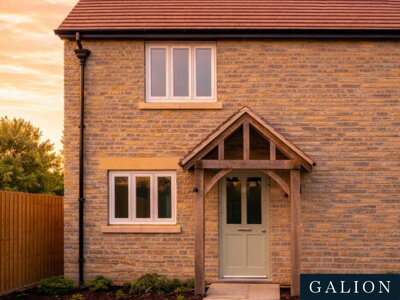
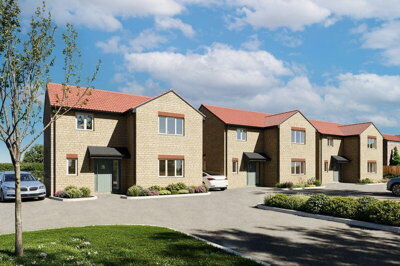
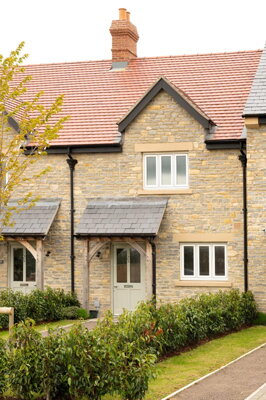
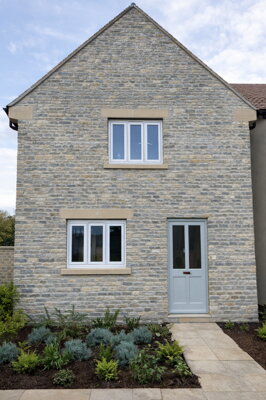
Browse 4 homes new builds in West Bradley from local developer agents.
Three bedroom properties represent a significant portion of the West Bradley housing market, offering space for families with multiple reception rooms and gardens in many cases. Browse detached, semi-detached, and terraced options ranging across new residential developments.
Property availability in West Bradley reflects its status as a small rural parish rather than a bustling town centre. Our current listings include traditional detached houses, converted barns, and historic cottages that characterise the local housing stock. The BA6 postcode area surrounding West Bradley offers a broader range of options, from village centre properties to isolated farmsteads with panoramic countryside views. Properties in this part of Somerset command prices that reflect their historical significance and generous plot sizes compared to urban alternatives.
Historical sales data for specific West Bradley properties shows considerable value appreciation over the decades. One notable detached residence on Tilham Street sold for £708,000 in 2003, demonstrating the premium that period properties and sought-after rural locations command. New build development in the immediate vicinity remains extremely limited, preserving the village's traditional appearance and ensuring continued demand for existing stock. This scarcity factor makes any well-presented property that comes to market particularly competitive.
The wider BA6 property market around Glastonbury and Shepton Mallet provides useful context for understanding West Bradley values. Recent transactions in comparable Somerset villages have shown consistent demand for period properties, with converted barns and traditional farmhouses attracting strong interest from buyers seeking character homes in rural settings. The market has experienced steady price growth over recent years, supported by limited supply and sustained demand from buyers prioritising lifestyle factors over commute convenience. Our team monitors current listings across the parish and can provide updated information on properties as they become available.

West Bradley presents a lifestyle anchored in Somerset's rich agricultural heritage and centuries of uninterrupted rural tradition. The parish population of approximately 277 residents enjoys an intimate community atmosphere where neighbours know one another and local events bring the village together throughout the year. The landscape comprises rolling farmland, historic lanes lined with hedgerows, and scattered farmsteads that have defined the area since medieval times. This is countryside living at its most authentic, far removed from the pressures of modern urban existence.
The village itself contains several landmarks that speak to its deep historical roots. The Parish Church of St Andrew dates predominantly from the 14th and 15th centuries, constructed in the traditional local style of yellow stone with red tiled roofs. Nearby hamlets contribute their own architectural heritage, including the Grade II* listed Church of St Mary in Lottisham and the nationally significant Grade I listed Church of St Peter in Hornblotton. The Court Barn, built in the 15th century as a tithe barn for Glastonbury Abbey, stands as testament to the area's agricultural importance throughout history.
Local employment within West Bradley and the surrounding hamlets remains closely tied to agriculture and land management. Hornblotton, one of the hamlets within the parish, still contains three working farms that contribute to the rural economy and maintain the traditional landscape character that defines the area. Many residents combine rural living with employment in the nearby market towns of Glastonbury and Shepton Mallet, or commute further afield to larger employment centres using the excellent road connections provided by the A361. The village pub, village hall, and local parish church provide the focal points for community life, hosting events throughout the year that bring residents together in the true spirit of village society.

Families considering a move to West Bradley will find educational provision centred on nearby village primary schools and the wider network of Somerset schools accessible via school transport or daily commutes. Primary education within reasonable distance includes schools in Baltonsborough, Butleigh, and other surrounding villages, each offering small class sizes and strong community connections typical of rural Somerset schooling. Parents should research individual school Ofsted ratings and catchment area boundaries when planning a purchase, as these can significantly influence property values in specific streets and lanes.
The primary schools serving West Bradley and the surrounding hamlets have historically maintained good reputations for academic achievement and pastoral care. Baltonsborough Primary School, located approximately 3 miles from the village centre, serves several outlying communities and benefits from dedicated teaching staff who know their pupils individually. Butleigh Primary School similarly provides education for children from the wider rural area, with both schools offering wraparound care facilities that support working parents. School transport arrangements connect these villages to West Bradley, though families should confirm current routes and schedules with Somerset Council before completing a property purchase.
Secondary education options expand considerably with access to schools in Glastonbury, Street, and Shepton Mallet, where families can choose between comprehensive schools and grammar school provision depending on individual circumstances and academic aspirations. Strode College in Street provides excellent sixth form and further education opportunities, offering A-level courses and vocational qualifications that serve students from across the wider area. The rural nature of West Bradley means that school transport arrangements should form part of any property purchase consideration, particularly for families with children at secondary school age who may face longer journeys to their school of choice.
West Bradley benefits from its position within Somerset that offers reasonable connectivity while maintaining the rural isolation that defines village life. The A361 provides the main arterial route through the area, linking the village to Glastonbury approximately 5 miles to the north and connecting onward to Street and the M5 motorway at Bridgwater. Journey times by car to Bristol typically take around 75 minutes, while Taunton and Bath are accessible within approximately one hour depending on traffic conditions.
The A361 corridor serves as the lifeline connecting West Bradley to essential services and employment centres throughout Somerset. This route passes through the heart of Glastonbury, providing access to supermarkets, medical facilities, and the weekly market that has operated in the town for centuries. The road continues south to connect with the A37 and onward to Yeovil, while the M5 motorway junction 23 at Bridgwater offers access to the national motorway network for longer distance travel. Many residents find that the drive to Bristol, while taking approximately 75 minutes, is manageable on a hybrid working basis, with the flexibility of working from home offsetting the commute distance.
Public transport options reflect the sparse nature of rural bus services, with limited weekday routes connecting West Bradley to neighbouring villages and market towns. The nearest railway stations are Castle Cary and Yeovil Pen Mill, both offering services on the West of England line with connections to Bristol, Exeter, and London Paddington. Castle Cary station provides direct services to London Paddington with journey times of approximately two and a half hours, making it viable for occasional commuting for those whose employers offer flexibility. Many residents of West Bradley find that car ownership is essential for daily life, though the village's position makes it viable for commuters who can work from home for several days each week or whose employers offer flexible hybrid arrangements.
Explore available properties in West Bradley and the surrounding BA6 postcode area. Understanding what similar properties have sold for recently helps set realistic expectations for village property prices and negotiation strategies. Our team can provide insights into recent transactions and current market conditions specific to the parish.
Obtain an agreement in principle from a lender before beginning property viewings. Rural properties sometimes require specialist mortgage products, particularly for non-standard construction or properties with complex titles. Several lenders offer products specifically designed for period properties, taking into account the unique characteristics of traditional buildings.
Visit multiple properties to understand the range of housing stock available. Pay attention to property condition, as older village homes often require maintenance and modernisation work. Many West Bradley properties date from the 15th, 16th, and 17th centuries and will have undergone various alterations over the years.
Given the age of many West Bradley properties, a RICS Level 2 HomeBuyer Report is strongly recommended to identify any structural issues, roof condition, damp problems, or outdated electrical systems before committing to purchase. Our RICS Level 2 surveyors in the area understand traditional Somerset construction methods and can provide detailed assessments of period properties.
Choose a conveyancing specialist familiar with Somerset properties to handle the legal aspects of your purchase, including any planning conditions or listed building considerations. Many village properties fall within or near conservation areas where planning controls may affect future alterations.
Once all searches and surveys are satisfactory, your solicitor will arrange the contract exchange and final completion, typically at a date agreed between all parties. Buildings insurance should be arranged from the point of completion, particularly for older properties where insurers may require specific conditions to be met.
Properties in West Bradley span several centuries of construction, from medieval agricultural buildings through to Victorian additions and more recent conversions. The predominant building materials include traditional Somerset stone, timber framing, and clay tile or slate roofing. The characteristic yellow stone with red tiled roofs seen in the Parish Church of St Andrew is typical of the local vernacular, with many cottages and farmhouses constructed using similar materials sourced from the immediate area. Understanding these traditional building methods is essential for assessing the condition of any period property in the village.
Timber framing represents a significant feature of many older properties throughout the parish, including historic farmhouses and agricultural buildings that have been converted for residential use. Properties such as Lottisham Manor, dating from the 15th century, and Bradley House from the 16th and 17th centuries demonstrate the traditional building techniques that continue to define the local architectural character. These timber-framed structures often feature wattle and daub infill panels, which require specialist knowledge to assess for deterioration or structural movement. Our surveyors are experienced in evaluating traditional construction methods common throughout Somerset and can identify issues that may not be apparent to less experienced assessors.
The prevalence of traditional construction methods means that many West Bradley properties exhibit characteristics common to historic buildings throughout England. Solid wall construction, rather than the cavity wall insulation used in modern properties, results in different thermal performance and moisture management characteristics. Roof structures typically feature timber rafters with traditional coverings of clay tile or slate, which may show signs of wear after decades of exposure to the Somerset weather. These construction features are not defects but rather inherent characteristics of period properties that buyers should understand and appreciate. A thorough survey can identify any issues requiring attention while confirming that the property's traditional construction remains sound.
Given the prevalence of older properties throughout the West Bradley parish, certain defects occur more frequently than in modern housing stock. Damp represents perhaps the most common concern, manifesting as rising damp in solid floor constructions, penetrating damp through stone walls, or condensation resulting from the ventilation characteristics of traditional buildings. Our surveyors are trained to identify the type and cause of any damp present, distinguishing between minor issues easily resolved and more significant problems requiring substantial remediation work.
Timber decay affects many period properties in the village, with wooden elements including floor joists, window frames, and structural timbers potentially vulnerable to fungal attack or insect infestation. The solid wall construction and traditional ventilation systems of older buildings can create conditions where moisture accumulates in timber elements, promoting decay over time. Our inspectors carefully examine all accessible timber, including roof structures, floor structures, and window joinery, to identify any evidence of current or historic timber problems. Where issues are identified, we provide detailed recommendations for repair and ongoing maintenance.
Roof condition requires particular attention in West Bradley properties, where traditional clay tile and slate coverings have been in place for many decades. Individual tiles may have become cracked or displaced over time, allowing water penetration to the underlying structure. Leadwork around chimneys, valleys, and junctions represents another common area of concern, as traditional lead flashings can deteriorate and develop leaks. Our surveyors assess the entire roof structure from both inside and outside, providing comprehensive reports on condition and any repairs recommended. For properties seeking planning permission for alterations, Somerset Council may require surveys that demonstrate the structural integrity of existing roof and wall elements.
Several properties in the parish fall within or near conservation considerations given the concentration of listed buildings throughout the area. The Grade I listed Church of St Peter in Hornblotton and the Grade II* listed Church of St Mary in Lottisham indicate that planning controls may affect certain properties, particularly those seeking planning permission for extensions or modifications. Properties in West Bradley may be directly affected by these designations, or may lie within setting protection zones that influence what changes are permitted in the surrounding area.
The Court Barn, built in the 15th century as a tithe barn for Glastonbury Abbey, represents just one example of the historic agricultural buildings that contribute to the village's character. Many similar structures have been converted to residential use over the decades, creating unique homes that retain their original architectural features while meeting modern living requirements. Such conversions may have been completed under previous planning permissions with specific conditions attached, which buyers should investigate carefully before completing a purchase. Any proposed alterations to listed buildings or their settings require consent from Somerset Council, and works undertaken without appropriate permission can result in enforcement action.
Buyers should investigate any planning conditions attached to the property title and consider whether proposed alterations might require consent from Somerset Council. Properties within or adjacent to conservation areas may be subject to Article 4 directions that remove permitted development rights, requiring planning permission for changes that would normally be allowed without application. Our team can provide guidance on the planning history of specific properties and help buyers understand the implications for their intended use and any future modifications they may wish to make to the property.
Specific average house price data for West Bradley as a distinct village is not published separately by major property portals, as transaction volumes are too low for reliable statistical analysis. Property prices in the wider BA6 postcode area around Glastonbury provide a broader reference point, though West Bradley's premium rural location and concentration of historic properties often positions local values above the regional average. A representative detached period property in the village would typically be valued in the £500,000 to £900,000 range based on comparable sales evidence, with the most desirable properties commanding prices at the upper end of this range.
Properties in West Bradley fall under Mendip District Council administration, with council tax bands assigned according to property valuation. Most period homes in the village, including traditional stone cottages and converted barns, typically fall within bands D through G depending on their assessed value. The age, size, and character of West Bradley properties generally result in higher valuations than comparable modern homes, placing many village properties in the upper council tax bands. Buyers should request the specific council tax band from the vendor or verify through the Somerset Council online portal before completing a purchase.
West Bradley does not have its own primary school, so children typically attend schools in surrounding villages such as Baltonsborough or Butleigh. These small rural primaries are well-regarded for their community atmosphere and individual attention to pupils, with Ofsted ratings available through the government website for parents wishing to compare local options. Secondary options in the wider area include schools in Glastonbury and Shepton Mallet, with Strode College in Street providing further education and sixth form provision. Parents should check current Ofsted ratings and catchment area boundaries when evaluating school options, as these can change over time and may influence which schools serve specific addresses within the parish.
Public transport connections from West Bradley reflect its status as a small rural village, with limited bus services operating primarily on weekdays. The nearest railway stations at Castle Cary and Yeovil Pen Mill offer regional connections but require car travel to reach from the village. Castle Cary provides the most convenient rail access, with direct services to London Paddington taking approximately two and a half hours. Most residents rely on private vehicle ownership as essential for daily commuting, shopping, and accessing services in nearby towns. The village position means that Bristol, Bath, and Exeter are all accessible by car within approximately 75 minutes to two hours.
West Bradley offers compelling investment characteristics for buyers seeking long-term value appreciation in a sought-after rural location. The village's limited property supply, historical significance, and concentration of listed buildings create natural scarcity that tends to support values over time. Rental demand in the wider Glastonbury area exists from professionals seeking rural accommodation while working in nearby towns, though the small scale of West Bradley itself means that investment opportunities arise infrequently. Properties requiring renovation may offer value-add potential for investors willing to undertake sympathetic improvements that preserve the character of this historic Somerset village.
Stamp Duty Land Tax applies to all residential property purchases in England at standard rates: zero percent on the first £250,000, five percent on the portion between £250,001 and £925,000, ten percent on the next £575,000, and twelve percent on any value above £1.5 million. First-time buyers purchasing properties up to £625,000 can claim relief, paying zero percent on the first £425,000 and five percent on the remainder. For a typical West Bradley property priced around £600,000, a standard buyer would pay £17,500 in stamp duty while a first-time buyer would pay £8,750, representing a meaningful saving for those who qualify.
Given the age of most properties in West Bradley, with many dating from the 15th, 16th, and 17th centuries, we strongly recommend commissioning a thorough survey before purchase. Traditional construction methods including solid stone walls, timber framing, and traditional roof coverings require specialist knowledge to assess properly. Our RICS Level 2 HomeBuyer Report provides a detailed examination of condition, identifying defects that may not be apparent during a standard mortgage valuation. For properties of particular historic significance or unusual construction, a more comprehensive RICS Level 3 Building Survey may be appropriate to provide the detailed assessment that such properties deserve.
When viewing properties in West Bradley, pay particular attention to the condition of traditional construction elements including stone walls, timber frames, and roof coverings. Evidence of damp staining, particularly on ground floor walls and in basements or cellars, should be noted and investigated further. The age of electrical and plumbing installations is important, as older properties may have systems that require updating to meet current safety standards. Look for any signs of structural movement such as cracking to walls or distortion to door and window frames. Our surveyors can provide detailed assessments during the formal survey process, but noting these factors during initial viewings can help narrow down your property choices.
Budgeting for a property purchase in West Bradley requires careful consideration of all associated costs beyond the purchase price itself. Stamp Duty Land Tax represents the most significant additional expense, with the rates above applying based on your purchasing circumstances and whether you qualify as a first-time buyer. For a village property valued at £595,000, a standard buyer would incur SDLT of £17,250 while a first-time buyer would pay £8,750, representing a meaningful saving for those who qualify. These costs should be factored into your overall budget alongside other fees to ensure you have sufficient funds available at completion.
Survey costs are particularly important for West Bradley properties given the age and character of much of the local housing stock. A RICS Level 2 HomeBuyer Report typically costs between £400 and £900 depending on property size and value, providing a thorough assessment of condition that can identify defects requiring attention or negotiation. For larger or more complex properties, a RICS Level 3 Building Survey may be recommended, which provides a more detailed examination of construction and condition. These survey costs represent a valuable investment, potentially identifying issues that could save thousands in remediation works or provide negotiating leverage on the purchase price.
Conveyancing fees for a Somerset property purchase generally range from £499 to £1,500 depending on complexity, with rural properties sometimes requiring additional work related to rights of way, easements, or agricultural restrictions that may affect the title. Our recommended conveyancing partners have experience with West Bradley properties and can advise on any specific considerations relevant to village purchases. Mortgage arrangement fees and broker charges vary according to the product chosen, with some lenders offering fee-free mortgages while others charge arrangement fees that can be added to the loan amount. Buildings insurance must be in place from the point of completion, and insurers for older properties may require confirmation of condition or specific security features before providing a quote.
From £400
Our inspectors assess traditional Somerset properties for defects common to period construction. Includes detailed reporting on condition.
From £600
Comprehensive building survey for older or complex properties including listed buildings and conversions.
From £80
Energy Performance Certificate required for all property sales.
From £499
Specialist conveyancing for rural Somerset properties including listed buildings and conversions.
Properties New Builds In London

Properties New Builds In Plymouth

Properties New Builds In Liverpool

Properties New Builds In Glasgow

Properties New Builds In Sheffield

Properties New Builds In Edinburgh

Properties New Builds In Coventry

Properties New Builds In Bradford

Properties New Builds In Manchester

Properties New Builds In Birmingham

Properties New Builds In Bristol

Properties New Builds In Oxford

Properties New Builds In Leicester

Properties New Builds In Newcastle

Properties New Builds In Leeds

Properties New Builds In Southampton

Properties New Builds In Cardiff

Properties New Builds In Nottingham

Properties New Builds In Norwich

Properties New Builds In Brighton

Properties New Builds In Derby

Properties New Builds In Portsmouth

Properties New Builds In Northampton

Properties New Builds In Milton Keynes

Properties New Builds In Bournemouth

Properties New Builds In Bolton

Properties New Builds In Swansea

Properties New Builds In Swindon

Properties New Builds In Peterborough

Properties New Builds In Wolverhampton

Enter your details to see if this property is within your budget.
Loans, cards, car finance
Estimated property budget
Borrowing + deposit
You could borrow between
Typical borrowing
Monthly repayment
Est. at 4.5%
Loan-to-value
This is an estimate only. Your actual budget may vary depending on interest rates, credit history, and personal circumstances. For an accurate affordability assessment, speak to one of our free mortgage advisors.
This calculator provides estimates for illustrative purposes only and does not constitute financial advice. Your home may be repossessed if you do not keep up repayments on your mortgage. Estimates based on 4.5% interest rate, repayment mortgage. Actual rates depend on your circumstances.
Homemove is a trading name of HM Haus Group Ltd (Company No. 13873779, registered in England & Wales). Homemove Mortgages Ltd (Company No. 15947693) is an Appointed Representative of TMG Direct Limited, trading as TMG Mortgage Network, which is authorised and regulated by the Financial Conduct Authority (FRN 786245). Homemove Mortgages Ltd is entered on the FCA Register as an Appointed Representative (FRN 1022429). You can check registrations at NewRegister or by calling 0800 111 6768.

We use cookies to show you personalised content and improve your experience of our website. Find out more in our Privacy policy and Cookie policy.