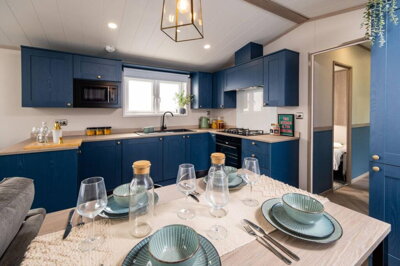
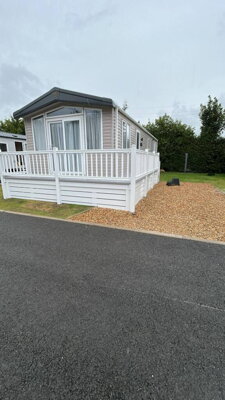
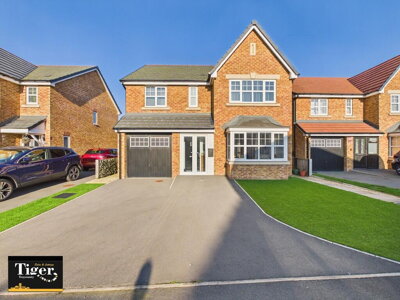
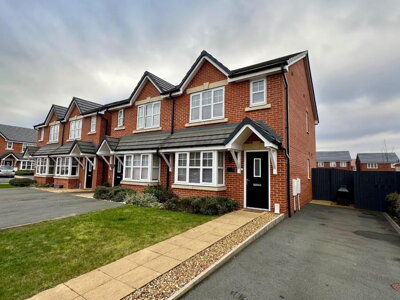
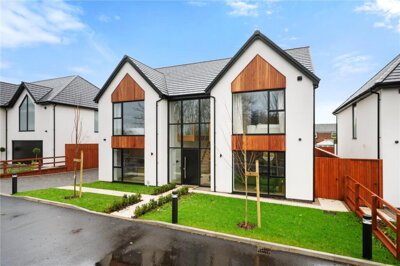
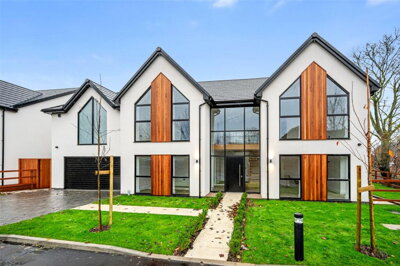
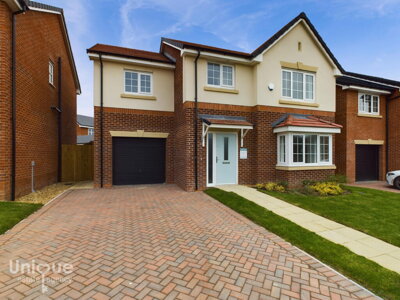
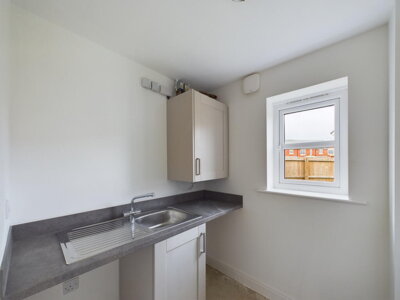
Browse 8 homes new builds in Weeton-with-Preese from local developer agents.
The Weeton With Preese property market offers detached, semi-detached, and terraced houses spanning various price ranges and neighbourhoods. Each listing includes detailed property information, photographs, and direct contact with the marketing agent.
The property market in Howe and the surrounding South Norfolk villages reflects the broader trends of this attractive county. Homes in the area typically range from traditional cottages valued between £250,000 and £450,000, to larger detached farmhouses and period properties that can command prices from £500,000 upwards depending on location, land, and outbuildings. Recent sales in Howe itself include a property on Howe Lane that sold for £725,000 in September 2021, demonstrating the premium that village locations command. The broader Howe Lane, Poringland area shows current average prices around £257,500 to £258,125, with properties ranging from £220,000 to £415,500 depending on type and condition.
New build activity in the immediate Howe area remains limited, preserving the historic character that makes the village so appealing. However, nearby Poringland has seen selective new housing developments in recent years, including properties from developers such as Norfolk Homes at Brooke-Meadow Way. New build homes in the NR14 postcode area range from approximately £210,000 for two-bedroom properties up to £400,000 for larger three-bedroom homes, with some available as leasehold and others freehold. The market in rural Norfolk has shown consistent demand, with properties in villages like Howe often attracting serious buyers due to the limited supply of homes available at any given time.
The average property price in Norfolk currently sits around £300,000, though prices in prime village locations with good school catchment areas and proximity to Norwich can significantly exceed this baseline. Historical data shows that prices on Howe Lane reached a peak of £415,500 in June 2023 before settling to around £258,000 over the following year, reflecting broader national market adjustments. For buyers seeking more substantial properties, the nearby Howe Hill area (separate from the Norfolk Howe) shows detached properties averaging over £763,000, demonstrating the premium for character homes in desirable village settings.

Howe sits within the South Norfolk district, an area renowned for its gently rolling farmland, proximity to the Norfolk Broads, and excellent connections to Norwich city. The village and its surrounding parish form part of a picturesque rural community where agriculture remains important to the local economy and character. The historic core of Howe centres on St Mary's Church, an 11th-century round-towered church that predates the Norman Conquest, making it one of the oldest standing structures in the area. The nearby Howe Hall and its associated barn, both Grade II listed buildings dating from the C17/C18, further reinforce the village's historical significance and traditional building character.
Residents of Howe enjoy access to miles of public footpaths, traditional pubs, local churches, and the kind of close-knit community that has become increasingly sought after. The pace of life here reflects the best of East Anglian living, with agricultural shows, village events, and farmers markets providing regular opportunities for social connection. The demographics of villages like Howe in Norfolk tend to reflect a balanced mix of long-established farming families, professionals who commute to Norwich or work remotely, and retirees drawn by the quality of life and healthcare access available in the region. The village location means that essential amenities in nearby Poringland are accessible within a short drive, while the broader attractions of Norwich city centre are approximately 6-8 miles away.
Local amenities include village shops, primary schools, and parish churches within easy reach, while larger shopping and leisure facilities are available in Norwich. The area's geology, typical of South Norfolk, features a mix of chalk, clay, and sand deposits that influence both the traditional building materials used in local properties and the agricultural character of the surrounding farmland. Clay soils in particular can present shrink-swell considerations for property foundations, especially for older buildings with shallow footings near trees and hedgerows. The rural setting means that some properties may rely on private drainage systems rather than mains sewerage, a factor worth investigating during the purchase process.
Education provision for families living in Howe centres on a network of primary schools serving the surrounding villages, with several schools in the South Norfolk area holding good or outstanding Ofsted ratings. Smaller village primary schools often provide a strong community focus and excellent pastoral care, while preparing pupils well for secondary education. The nearby town of Poringland has a primary school serving the local community, while other village schools in the wider area provide additional options for families seeking places close to home.
For secondary schooling, pupils typically travel to one of the nearby towns where larger comprehensive schools serve wider catchment areas. Schools in the broader South Norfolk area generally offer a full curriculum, sixth form provision, and a range of extracurricular activities. Parents moving to the Howe area should research specific catchment areas and admissions policies, as these can be more complex in rural locations with smaller school populations. Several nearby schools have established reputations for academic achievement and extracurricular provision, making them significant factors in property values within their respective catchments.
Independent schooling options are also available in the broader Norfolk area, with schools in Norwich and surrounding towns providing alternatives for families seeking particular educational approaches. For families considering relocation to Howe and the surrounding villages, early enquiry about school places and admissions timelines is strongly recommended, as popular schools can fill quickly in this desirable area.
Transport connectivity from Howe and the surrounding South Norfolk villages benefits from the area's proximity to Norwich and the major road routes serving East Anglia. The A11 provides direct access to Norwich city centre and connects northward to Thetford and Cambridge, while the A140 offers routes toward Ipswich. For longer-distance travel, the A47 bypasses Norwich and connects to King's Lynn, Great Yarmouth, and the wider motorway network. Norwich railway station provides regular services to London Liverpool Street, with journey times of approximately 90 minutes to two hours, making the capital accessible for commuting or leisure travel.
For air travel, Norwich Airport offers domestic flights and some European destinations, while Stansted Airport in Essex provides a broader range of international connections and is accessible via the A11 and M11. Bus services connect smaller villages to Norwich and nearby towns, though frequencies are typically more limited than in urban areas, making private vehicle ownership a practical necessity for most residents. Commuting patterns in the area show that many residents travel to Norwich for work, while some professionals who can work remotely have chosen to relocate to villages like Howe, taking advantage of the improved broadband infrastructure that now serves much of rural Norfolk.
Parking provision at village locations is generally good, with properties typically offering off-street parking or garage facilities. For those working in Norwich, the relatively short distance of approximately 6-8 miles makes daily commuting feasible, while the village location provides a significantly different quality of life compared to city living. The Port of Great Yarmouth is also accessible for those involved in maritime or logistics industries, adding to the diverse employment options available within reasonable driving distance of Howe.
Spend time in Howe and surrounding villages to understand the community, check local amenities, and get a feel for daily life in this South Norfolk village. Review local property listings to understand current prices and availability, noting that properties in Howe Lane and the surrounding NR15 and NR14 postcodes show current averages around £257,500 to £300,000 depending on the specific location and property type.
Contact a mortgage broker or lender to obtain an agreement in principle before viewing properties. This strengthens your position when making offers and demonstrates to sellers that you are a serious, financially prepared buyer. With current average prices in the Howe area around £250,000 to £350,000 for typical homes, a pre-approved mortgage will help you move quickly when you find the right property.
Work with local estate agents who know the Howe area to arrange viewings of suitable properties. Take time to assess the condition of properties, noting any period features that may require attention, traditional construction methods that differ from modern standards, and the age and condition of any private drainage systems that may serve properties in this rural location.
Before completing your purchase, arrange for a qualified RICS surveyor to conduct a Level 2 Survey (Homebuyer Report). Given the age of many properties in Howe, with several dating from the C17/C18 and earlier, this inspection will identify any structural issues, defects, or maintenance concerns that may affect the property's value or require attention after purchase. Survey costs in the area typically range from £400 to £800 depending on property size and value.
Choose a conveyancing solicitor with experience in rural Norfolk property transactions. They will handle legal checks, searches, and the transfer of ownership, ensuring all documentation is properly completed. Local searches in South Norfolk typically cost around £250 to £350 and include drainage and water searches important for properties relying on private systems.
Once all searches are satisfactory and contracts are signed, your solicitor will arrange the exchange of contracts and set a completion date. On completion day, the remaining funds are transferred and you receive the keys to your new home in Howe.
Purchasing a property in a rural Norfolk village like Howe requires careful attention to local-specific factors that may not be relevant in urban locations. Properties in the area often include historic features such as brick and flint walls, pantile or clay tile roofs, and traditional construction methods that differ from modern standards. Given that Howe contains listed buildings dating from the C17/C18 and earlier, buyers should be particularly aware of potential issues with older properties, including damp penetration through solid walls, the condition of traditional timber elements, and the age and condition of any septic tanks or private drainage systems that may serve properties in areas without mains sewerage connections.
The geology of South Norfolk, with its mix of chalk, clay, and sand deposits, can create specific considerations for foundations and potential subsidence risk, especially for trees planted near older buildings with shallow footings. Clay soils in particular can be susceptible to shrink-swell movement, which may affect properties with traditional foundations. Flood risk should be assessed using available Environment Agency mapping, particularly for properties near watercourses or in lower-lying valley locations, though Howe itself sits at a reasonable elevation above typical flood plains.
Conservation area status or the presence of listed buildings may impose restrictions on alterations, extensions, or renovations, so buyers should confirm the status of any property they are considering. Properties such as Howe Hall and the barn at Howe Hall are Grade II listed, meaning any works affecting their character may require Listed Building Consent. Service charges, ground rent, and leasehold arrangements may apply to some properties, particularly newer homes in nearby developments, and these ongoing costs should be factored into the overall affordability assessment. Given the rural nature of the area, broadband speeds and mobile phone coverage should also be verified, though improvements in rural connectivity continue across Norfolk.

Specific aggregated house price data for the small hamlet of Howe is not published by major property indices, but recent sales provide useful benchmarks. A property on Howe Lane in the NR15 postcode sold for £725,000 in September 2021, while another achieved £550,000 in September 2018. The broader Howe Lane, Poringland area shows current averages around £257,500 to £258,125, with terraced properties averaging approximately £222,500 and semi-detached homes around £270,000. Properties in prime village locations with good access to Norwich typically range from £250,000 for traditional cottages up to £500,000 and beyond for substantial detached homes and farmhouses.
Properties in Howe and the surrounding South Norfolk villages fall under South Norfolk District Council. Council tax bands in rural Norfolk typically range from Band A for smaller properties up to Band H for the most valuable homes, with bands assigned based on the property's assessed value as of April 1991. Band D properties in South Norfolk currently pay around £1,800 to £2,000 per year, though buyers should check the specific band and any applicable exemptions or discounts with the local authority.
Primary schools in the wider South Norfolk area include several rated good or outstanding by Ofsted, serving the village communities across the rural catchment. The nearby town of Poringland has a primary school serving local families, while other village schools provide additional options. Secondary education is provided through schools in nearby towns, with reputations varying by institution. Parents should research specific catchment areas and admission criteria, as these can significantly affect school placement for families relocating to the Howe area, and early enquiry about places is strongly recommended.
Public transport options in Howe reflect its rural nature, with limited bus services connecting the village to Norwich and nearby towns on specific routes and schedules. Norwich railway station provides regular services to London Liverpool Street with journey times of approximately 90 minutes to two hours, making the capital accessible for commuting or leisure. Most residents rely on private vehicles for daily transport, though the relatively short distance to Norwich city centre (approximately 6-8 miles) means that essential amenities and services are accessible with a short drive.
Rural Norfolk villages like Howe continue to attract interest from buyers seeking countryside living with good access to Norwich, making the area potentially attractive for property investment. Demand is supported by the limited supply of homes in small villages, the appeal of traditional period properties, and the area's proximity to a growing regional centre. However, returns may be influenced by the relatively slower pace of capital growth in rural locations compared to urban areas, and any investment should consider ongoing maintenance costs for older properties with traditional construction.
Stamp Duty Land Tax applies to all property purchases in England. For standard residential purchases, there is no SDLT on the first £250,000 of the purchase price, with 5% charged between £250,001 and £925,000. Properties above £925,000 attract higher rates of 10% and 12% on the portions above that threshold. First-time buyers purchasing properties up to £425,000 can benefit from relief that eliminates SDLT on the first £425,000, potentially saving over £11,000 compared to standard rates. For a typical home in Howe at £300,000 to £350,000, standard SDLT would be approximately £2,500 to £5,000.
From 3.5%
Compare mortgage deals from leading lenders
From £499
Expert solicitors for your property purchase
From £400
Professional survey by qualified RICS inspectors
From £80
Energy performance certificate for your new home
When purchasing a property in Howe, Norfolk, budget planning should account for Stamp Duty Land Tax alongside other purchase costs. For a typical home in the £300,000 to £400,000 range, SDLT at the standard rate would be approximately £2,500 to £7,500. First-time buyers purchasing properties up to £425,000 can benefit from relief that eliminates SDLT on the first £425,000, potentially saving over £11,000 compared to standard rates. These thresholds and relief provisions are subject to change, so buyers should verify current rates at the time of their purchase with HM Revenue and Customs or their solicitor.
Beyond SDLT, purchasing a property in South Norfolk involves additional costs including solicitor fees typically ranging from £800 to £2,000 depending on complexity, survey costs between £400 and £800 for a standard RICS Level 2 Survey, and search fees around £250 to £350 for local authority and drainage searches. For rural properties like those in Howe, additional searches may be required for things like private drainage systems and environmental factors. Removal costs, mortgage arrangement fees, and buildings insurance should also be factored into your moving budget. Setting aside approximately 3% to 5% of the purchase price for these additional costs is a sensible approach for buyers budgeting for their move to Howe and the surrounding Norfolk villages.
Properties New Builds In London

Properties New Builds In Plymouth

Properties New Builds In Liverpool

Properties New Builds In Glasgow

Properties New Builds In Sheffield

Properties New Builds In Edinburgh

Properties New Builds In Coventry

Properties New Builds In Bradford

Properties New Builds In Manchester

Properties New Builds In Birmingham

Properties New Builds In Bristol

Properties New Builds In Oxford

Properties New Builds In Leicester

Properties New Builds In Newcastle

Properties New Builds In Leeds

Properties New Builds In Southampton

Properties New Builds In Cardiff

Properties New Builds In Nottingham

Properties New Builds In Norwich

Properties New Builds In Brighton

Properties New Builds In Derby

Properties New Builds In Portsmouth

Properties New Builds In Northampton

Properties New Builds In Milton Keynes

Properties New Builds In Bournemouth

Properties New Builds In Bolton

Properties New Builds In Swansea

Properties New Builds In Swindon

Properties New Builds In Peterborough

Properties New Builds In Wolverhampton

Enter your details to see if this property is within your budget.
Loans, cards, car finance
Estimated property budget
Borrowing + deposit
You could borrow between
Typical borrowing
Monthly repayment
Est. at 4.5%
Loan-to-value
This is an estimate only. Your actual budget may vary depending on interest rates, credit history, and personal circumstances. For an accurate affordability assessment, speak to one of our free mortgage advisors.
This calculator provides estimates for illustrative purposes only and does not constitute financial advice. Your home may be repossessed if you do not keep up repayments on your mortgage. Estimates based on 4.5% interest rate, repayment mortgage. Actual rates depend on your circumstances.
Homemove is a trading name of HM Haus Group Ltd (Company No. 13873779, registered in England & Wales). Homemove Mortgages Ltd (Company No. 15947693) is an Appointed Representative of TMG Direct Limited, trading as TMG Mortgage Network, which is authorised and regulated by the Financial Conduct Authority (FRN 786245). Homemove Mortgages Ltd is entered on the FCA Register as an Appointed Representative (FRN 1022429). You can check registrations at NewRegister or by calling 0800 111 6768.

We use cookies to show you personalised content and improve your experience of our website. Find out more in our Privacy policy and Cookie policy.