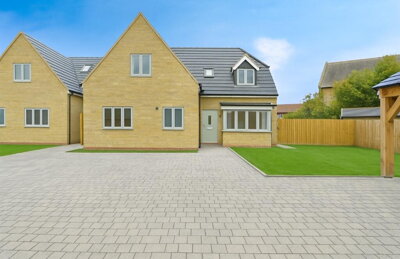
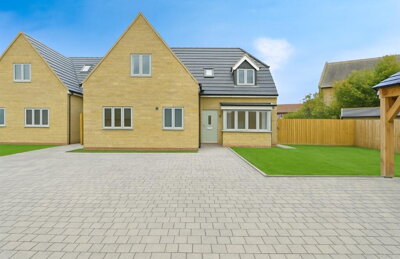
Browse 2 homes new builds in Watford from local developer agents.
The larger property sector typically features multiple bathrooms, substantial reception space, and private gardens or off-street parking. Four bedroom houses in Watford span detached, semi-detached, and occasionally terraced configurations, with styles ranging from period properties to modern executive homes.
The village property market in Watford, West Northamptonshire has recorded around 75 property sales in the past twelve months, a healthy transaction volume for a settlement of this size. Detached properties command the highest prices in the local market, with average sold values reaching approximately £615,000 for this property type. Semi-detached homes provide a more accessible entry point at around £445,000 on average, offering excellent value compared to similar properties in neighbouring counties. The broader West Northamptonshire housing market saw prices increase by 2.9% from December 2024 to December 2025, with the overall district average sitting at £294,000.
Property types across West Northamptonshire include a healthy mix of detached, semi-detached, and terraced homes, with detached properties averaging £475,000, semi-detached at £287,000, terraced at £236,000, and flats at £142,000 in the wider district. While specific new build developments within Watford itself remain limited, the village benefits from proximity to larger towns where modern housing developments offer alternatives for buyers seeking brand new homes. The current market conditions suggest continued demand for quality family homes in village locations, making Watford an attractive prospect for both owner-occupiers and property investors. According to Land Registry data, there were 5,041 property sales across the broader West Northamptonshire area in the last twelve months, indicating an active regional market.
For buyers considering the Watford market, understanding the relationship between village prices and the wider district average provides useful context. The village average of £427,000 represents a premium over the West Northamptonshire average of £294,000, reflecting the desirability of village locations with good transport connections. This premium is particularly pronounced for detached properties, where the village average of £615,000 significantly exceeds the district average of £475,000. Semi-detached properties show similar patterns, with Watford commanding around £158,000 more than the district average, suggesting strong demand for family homes in this particular village setting.
Historical data from Rightmove indicates that sold prices in Watford, Northamptonshire, have shown long-term stability, with values standing 3% below the 2003 peak of £575,000. This relatively modest deviation from historical highs suggests a mature market without the extreme volatility seen in some other regions. Buyers entering the market now can do so with confidence that property values have established a stable foundation, while the recent 10.8% annual increase indicates renewed growth momentum.

Watford, West Northamptonshire embodies the essence of English village life, offering residents a peaceful retreat surrounded by the undulating landscapes of Northamptonshire. The village sits within easy reach of Northampton, the county town, which provides comprehensive shopping, dining, and entertainment facilities for those seeking urban amenities. Local community life in villages like Watford typically revolves around historic churches, village halls, and traditional public houses that serve as social hubs for residents of all ages. The area benefits from an active local community spirit, with events and gatherings that welcome newcomers and foster lasting neighbourly connections.
The surrounding West Northamptonshire countryside offers extensive walking and cycling opportunities, with public footpaths crisscrossing farmland and meadows that showcase the region's natural beauty throughout the seasons. The Nene Way, a long-distance footpath, passes through nearby villages and provides scenic routes for walkers seeking longer adventures. Local pubs and restaurants in the vicinity serve quality British fare made with locally sourced ingredients, reflecting Northamptonshire's growing reputation for food and drink producers. The county has seen development of several farm shops and producers offering artisanal goods, with seasonal menus showcasing local vegetables, meat, and dairy products.
The village's proximity to Market Harborough and surrounding market towns means residents have access to farmers markets, independent shops, and cultural attractions without the need for lengthy journeys. Market Harborough hosts weekly markets and has developed a reputation for its independent retail offerings, including specialist food shops, vintage stores, and contemporary art galleries. For cultural activities, the area benefits from proximity to heritage sites including Kirby Hall near Corby and the ancestral home of the Spencer family at Althorp. Those relocating from larger towns often comment on the improved work-life balance that village living provides, with reduced commute stress and greater opportunities to enjoy outdoor pursuits.
Recreational activities in the surrounding area include golf courses, fishing lakes, and equestrian facilities that cater to various interests. The nearby village of Old Stratford offers additional amenities including a petrol station and convenience stores, while the market town of Oundle provides boutique shopping and dining options. The summer months bring agricultural shows and village fetes that draw communities together, from the Northampton Flower Show to local events at village halls throughout the region. Photography enthusiasts will find the Northamptonshire landscape provides abundant subjects, from historic stone bridges to wildflower meadows and traditional farm buildings.

Families considering a move to Watford, West Northamptonshire will find a selection of educational establishments within reasonable travelling distance. Primary education in the surrounding area is well-served by village schools and those in nearby towns, providing local options for families with younger children. The education landscape across West Northamptonshire includes a mix of community schools and academies, with Ofsted ratings providing guidance for parents researching options. Schools in Northamptonshire follow the national curriculum and prepare pupils for GCSE examinations, with sixth form and further education provisions available at secondary schools and colleges in Northampton and surrounding towns.
Secondary education options in the area include both comprehensive schools and grammar schools, with the nearest grammar schools typically located in towns such as Northampton and Kettering. The grammar school system in Northamptonshire remains operational, with schools including the King John School in Northampton and Kettering's various options providing academically selective education for those who pass the selection tests. Comprehensive schools in the area include Guilsborough Academy and other local secondary schools that offer broad curricula and extracurricular programmes. Parents should research specific catchment areas and admission policies when considering properties in Watford, as school places can be competitive in popular locations.
For families prioritising education in their property search, we recommend visiting local schools and speaking with headteachers before making an offer on a property. Primary schools in the surrounding villages include facilities that serve their local communities, with newer housing developments sometimes bringing expanded provision. The presence of well-regarded schools can significantly impact property values and desirability, making this factor essential to consider alongside the physical attributes of any home. Further education opportunities in Northampton include Northampton College, one of the largest colleges in the region, and the University of Northampton which offers undergraduate and postgraduate programmes across various disciplines.
For families with younger children, childcare provision in the area includes a mix of nurseries, preschool groups, and childminders registered with Ofsted. These settings provide early years education following the Early Years Foundation Stage framework, preparing children for their transition to primary school. The flexibility of village living extends to childcare arrangements, with some families benefiting from shorter journeys to school and childcare settings compared to urban alternatives. Researching specific provision before moving helps families plan their childcare arrangements and understand the options available within reasonable distance of Watford.
Watford, West Northamptonshire benefits from its strategic position within Northamptonshire, offering reasonable access to the regional transport network. The village lies within the NN6 postcode area, with road connections to Northampton and the wider motorway network via the A14 and M1 corridor. Commuters working in Milton Keynes, Northampton, or Leicester find the location practical for regular travel, with journey times varying depending on destination and time of day. The A14 provides connections to Cambridge and the east, while the M1 motorway offers direct links to London and the south.
Rail services from nearby stations including Northampton, Kettering, and Wellingborough connect residents to major cities including London Euston, Birmingham, and Leicester. Northampton station offers regular services to London Euston with journey times of approximately one hour, making the capital accessible for those working in the city. Kettering station provides East Midlands Railway services to London St Pancras International, with journey times of around one hour fifteen minutes, while also offering connections to Sheffield, Nottingham, and Derby. Wellingborough station serves the same intercity routes, providing additional flexibility for rail commuters in the Watford area.
Bus services operated by National Express and local providers offer additional travel options for those without private vehicles, connecting villages to market towns and larger centres. Stagecoach operates bus services in the region, connecting rural villages with town centres for shopping trips and appointments. The village location does typically require car ownership for everyday convenience, though the peaceful rural setting more than compensates for this requirement with its quality of life benefits. Those considering the move should factor in the cost of vehicle ownership and the practicalities of rural driving conditions, particularly during winter months when roads may be affected by weather.
For cyclists, the area offers both on-road and off-road routes, though the winding country lanes require appropriate care and attention. Sustrans National Cycle Network routes pass through parts of Northamptonshire, providing traffic-free options where available. The rolling countryside presents both opportunities and challenges for cyclists, with scenic routes balanced by hilly terrain in places. Electric bikes have become increasingly popular in rural areas, helping residents tackle longer distances and steeper gradients while enjoying the health benefits of cycling. Commuters heading to Northampton or Milton Keynes may find a combined cycle and rail journey provides a practical option for those within cycling distance of the nearest stations.
Begin by exploring current property listings in Watford and comparing prices against the local average of approximately £427,000. Understanding the market dynamics and property types available will help you set realistic expectations and identify the best opportunities. Use property portals such as Rightmove, Zoopla, and OnTheMarket to monitor new listings and track asking prices over time. Register with local estate agents who can alert you to properties coming to market before they appear on major portals, giving you a competitive advantage in a village market where desirable homes may sell quickly.
Before arranging viewings, speak with a mortgage broker to obtain an agreement in principle. This strengthens your position when making offers and demonstrates to sellers that you are a serious, financially prepared buyer with funding already arranged. A mortgage broker familiar with the Northamptonshire area can advise on the most competitive rates and lenders suitable for your circumstances. First-time buyers, those with complex income situations, and self-employed individuals may particularly benefit from broker expertise in navigating the application process and finding appropriate mortgage products.
Visit properties that match your criteria, paying attention to the property condition, surroundings, and neighbourhood character. Take measurements and photographs to help with comparison later. Ask about the property history, any recent renovations, and neighbourly relationships. In village settings like Watford, understanding the local community and any planned developments in the area can be as important as the property itself. Speak with neighbours if possible to gain insights into what it is really like to live in the village throughout different seasons and circumstances.
Once you have an offer accepted, instruct a qualified surveyor to conduct a RICS Level 2 survey before proceeding to completion. This provides and identifies any structural issues or defects that may require negotiation or repair provision. For older properties in village settings, a RICS Level 3 building survey may be appropriate to provide more detailed analysis of the construction and condition. Survey costs vary based on property value and survey type, but the investment is worthwhile given that issues discovered after purchase become the buyer's responsibility to address.
Appoint a solicitor to handle the legal aspects of your purchase, including searches, contracts, and land registry transfers. Your solicitor will coordinate with the seller's representatives and keep you informed throughout the transaction process. Local conveyancers familiar with Northamptonshire property transactions can often expedite the process by understanding local search requirements and common issues in the area. Budget for searches including local authority, drainage and water, and environmental searches, which form part of the standard due diligence for any property purchase.
Once all legal checks are satisfactory, you will exchange contracts and pay your deposit. Completion typically follows within weeks, at which point you will receive the keys and take ownership of your new Watford home. At this stage, ensure your buildings insurance is in place as the property becomes your responsibility upon exchange of contracts. Arrange the transfer of utilities to your name and notify relevant parties of your change of address. Take time to familiarise yourself with the property's maintenance requirements and any warranties or guarantees that transfer with the sale.
Purchasing a property in a village setting like Watford, West Northamptonshire requires attention to specific factors beyond the usual property search considerations. Rural properties may utilise private water supplies, septic tanks, or oil-fired heating systems rather than mains connections, so understanding these infrastructure details is essential before committing to a purchase. Maintenance costs for older properties can exceed those for modern homes, making the survey report particularly valuable for identifying potential repair requirements. Conservation considerations may apply to certain properties in the village, which can restrict permitted development rights and renovation options.
Flood risk should be investigated through the appropriate environmental searches, as properties in certain locations within Northamptonshire may be susceptible to flooding from rivers or surface water. The Environment Agency provides flood risk maps that can indicate potential vulnerability, though a property-specific assessment during the survey process offers more detailed analysis. Insurance implications of flood risk should also be considered, as properties in flood-prone areas may face higher premiums or difficulty obtaining cover. The rolling topography of parts of Northamptonshire can create localised drainage challenges that are not immediately apparent during a dry weather viewing.
The age and construction of any property will inform decisions about survey type and anticipated maintenance needs, with older buildings potentially requiring more frequent attention to roofs, timbers, and structural elements. Properties constructed before the 1970s may contain materials such as asbestos or have solid wall construction without cavity insulation, affecting both maintenance requirements and energy costs. A thorough review of the property's energy performance certificate provides initial guidance on heating costs and improvement opportunities. The rural location may also affect broadband speeds and mobile phone signal strength, factors that have become increasingly important for home working and daily communications.
Access arrangements warrant careful investigation in village locations, where rights of way, shared driveways, and boundary responsibilities can differ from urban properties. Understanding who is responsible for maintaining private roads, footpaths, and common areas helps avoid unexpected costs after purchase. Planning history for the property and any adjacent land can reveal proposed developments or changes that may affect your enjoyment of the property. Taking time to understand these factors before purchase helps avoid unexpected costs and ensures a smooth transition to village life.
The average sold price in Watford, West Northamptonshire reached approximately £427,000 according to recent transaction data from OnTheMarket, with detached properties averaging around £615,000 and semi-detached homes at approximately £445,000. The village has seen a 10.8% increase in sold prices over the past twelve months, reflecting growing demand for village properties in this part of Northamptonshire. For context, the wider West Northamptonshire district average sits at £294,000, suggesting Watford commands a premium for its village character and accessibility. Historical data indicates prices are currently around 3% below the 2003 peak of £575,000, suggesting a stable market with potential for future growth as demand for village properties continues.
Properties in Watford, West Northamptonshire fall under West Northamptonshire Council's jurisdiction for council tax purposes. Bands range from A through to H, with the specific band determined by the property's assessed value. Most village homes typically fall within bands B to E, with the exact amount depending on the band and the council's current charges. You can check the specific band for any property through the Valuation Office Agency website or by contacting West Northamptonshire Council directly. Council tax bills include collection charges for Northamptonshire Police and the local parish council, where applicable. Prospective buyers should verify the current banding and any outstanding charges before proceeding to completion.
Primary schools in the surrounding area serve the local catchment, with several well-regarded options within a reasonable drive of the village. The nearest primary schools are located in nearby villages and provide education following the national curriculum for children up to age eleven. Secondary education is available at comprehensives and grammar schools in nearby towns including Northampton, Kettering, and Daventry, with grammar schools requiring passage of the eleven-plus selection test. Parents should research specific Ofsted ratings and admission catchment boundaries when choosing a property, as these can significantly impact school placement. The nearest sixth form and further education facilities are typically found in Northampton, including Northampton College and the University of Northampton campus.
While Watford is primarily a rural village without its own railway station, nearby stations at Northampton, Kettering, and Wellingborough provide rail connections to major destinations including London, Birmingham, and Leicester. Northampton station offers direct services to London Euston with journey times around one hour, while Kettering and Wellingborough provide access to East Midlands Railway services towards London St Pancras. Bus services connect the village to surrounding towns and market centres, though private vehicle ownership is advisable for everyday convenience in this rural location. Road connections via the A14 and M1 motorway provide straightforward access to the wider national transport network, with the M1 providing direct routes to London, Milton Keynes, and Birmingham.
Property values in Watford have demonstrated positive growth, with prices rising 10.8% over the past twelve months and the village outperforming the broader West Northamptonshire average of 2.9% growth. Village properties with good transport links tend to maintain their appeal to buyers seeking rural lifestyles without complete isolation from employment centres. The stability of the village market, with prices only 3% below the 2003 peak, suggests a mature market without speculative bubbles. However, as with any property investment, buyers should consider their long-term plans and the specific factors that affect value in this particular location rather than relying on general market trends. Village properties often appeal to families and commuters, providing a relatively stable tenant profile for buy-to-let investors.
Standard stamp duty rates for 2024-25 apply no differently to properties in Watford compared with the rest of England. Properties up to £250,000 attract zero stamp duty, with 5% charged on the portion between £250,001 and £925,000. A property at the village average of £427,000 would attract stamp duty of £8,850 for a buyer without first-time buyer relief. First-time buyers benefit from relief on the first £425,000, paying 5% only on the amount between £425,001 and £625,000, resulting in just £100 stamp duty on a £427,000 purchase. Above £625,000, first-time buyer relief does not apply. Your solicitor will calculate the exact amount due based on your purchase price and circumstances.
When viewing village properties, pay particular attention to private water supplies, septic tank arrangements, and heating fuel types which may differ from urban homes. Properties not connected to mains gas may rely on oil, LPG, or electricity for heating, with associated storage and delivery requirements. Check the condition of roofs and any timber elements in older properties, and review the energy performance certificate for heating cost implications. Understanding the local road access, broadband speed, and mobile phone signal strength will help set realistic expectations for daily life in this rural location. In village settings, it is worth investigating any planning applications submitted for adjacent land, as permitted development rights in rural areas may allow changes that affect your outlook or privacy.
The conveyancing process for a property in Watford typically takes between 8 and 12 weeks from offer acceptance to completion, though this can vary depending on the chain complexity and speed of all parties involved. Mortgage offers generally take 2 to 6 weeks to obtain once the lender receives a full application with supporting documentation. Searches ordered by your solicitor usually return within 2 to 3 weeks in Northamptonshire, though some searches such as environmental reports can be expedited. Exchange of contracts normally occurs once all searches are satisfactory, mortgage offer is in place, and both parties are ready to commit. Completion usually follows exchange by 1 to 4 weeks, allowing time for final preparations and removals arrangements.
From 4.5% APR
Expert mortgage advice tailored to your circumstances
From £499
Professional conveyancing services for your Watford purchase
From £350
Professional survey to identify defects before purchase
From £75
Energy performance certificate for your new home
Beyond the purchase price of your new Watford home, budgeting for additional costs is essential to avoid financial surprises during the transaction process. Stamp duty land tax applies to all purchases above £250,000 at standard rates, with the exact amount depending on your purchase price, whether you are a first-time buyer, and whether you own other properties. A property purchased at the village average of £427,000 would attract stamp duty of £8,850 for a buyer without first-time buyer relief, or £1,000 for qualifying first-time purchasers. Your solicitor will calculate the precise amount and include it in their completion statement.
Additional buying costs include solicitor fees for conveyancing, which typically range from £500 to £1,500 depending on the complexity of the transaction and the firm you instruct. Search fees cover local authority searches, drainage and water searches, and environmental reports, with total search costs usually between £200 and £400. Land Registry fees for registering the transfer of ownership depend on the property value and are typically modest compared to other costs. Mortgage arrangement fees, valuation fees, and broker fees should also be factored into your budget where applicable.
Survey costs vary by property type and survey level, with a RICS Level 2 survey starting from around £350 for a modest property but increasing for larger or more complex homes. Older properties or those with unusual construction may require a more detailed RICS Level 3 building survey, which provides comprehensive analysis but at higher cost. Removal costs for moving your belongings, along with potential storage costs if there is a gap between leaving your current home and completing on your new purchase, should also be budgeted. We recommend setting aside an additional 3% to 5% of the purchase price to cover these ancillary costs, ensuring you can proceed to completion without financial pressure.
For properties in village settings like Watford, additional considerations may include the cost of connecting to utilities if the property has been vacant, or unexpected repairs identified during survey that require completion before moving in. Buildings insurance must be in place from the point of contract exchange, when the property becomes your legal responsibility. Setting up council tax, water rates, and utility accounts at your new property also involves administration time and potentially deposits for some services. Planning for these costs in advance ensures a smooth transition to your new Watford home without financial strain.
Properties New Builds In London

Properties New Builds In Plymouth

Properties New Builds In Liverpool

Properties New Builds In Glasgow

Properties New Builds In Sheffield

Properties New Builds In Edinburgh

Properties New Builds In Coventry

Properties New Builds In Bradford

Properties New Builds In Manchester

Properties New Builds In Birmingham

Properties New Builds In Bristol

Properties New Builds In Oxford

Properties New Builds In Leicester

Properties New Builds In Newcastle

Properties New Builds In Leeds

Properties New Builds In Southampton

Properties New Builds In Cardiff

Properties New Builds In Nottingham

Properties New Builds In Norwich

Properties New Builds In Brighton

Properties New Builds In Derby

Properties New Builds In Portsmouth

Properties New Builds In Northampton

Properties New Builds In Milton Keynes

Properties New Builds In Bournemouth

Properties New Builds In Bolton

Properties New Builds In Swansea

Properties New Builds In Swindon

Properties New Builds In Peterborough

Properties New Builds In Wolverhampton

Enter your details to see if this property is within your budget.
Loans, cards, car finance
Estimated property budget
Borrowing + deposit
You could borrow between
Typical borrowing
Monthly repayment
Est. at 4.5%
Loan-to-value
This is an estimate only. Your actual budget may vary depending on interest rates, credit history, and personal circumstances. For an accurate affordability assessment, speak to one of our free mortgage advisors.
This calculator provides estimates for illustrative purposes only and does not constitute financial advice. Your home may be repossessed if you do not keep up repayments on your mortgage. Estimates based on 4.5% interest rate, repayment mortgage. Actual rates depend on your circumstances.
Homemove is a trading name of HM Haus Group Ltd (Company No. 13873779, registered in England & Wales). Homemove Mortgages Ltd (Company No. 15947693) is an Appointed Representative of TMG Direct Limited, trading as TMG Mortgage Network, which is authorised and regulated by the Financial Conduct Authority (FRN 786245). Homemove Mortgages Ltd is entered on the FCA Register as an Appointed Representative (FRN 1022429). You can check registrations at NewRegister or by calling 0800 111 6768.

We use cookies to show you personalised content and improve your experience of our website. Find out more in our Privacy policy and Cookie policy.