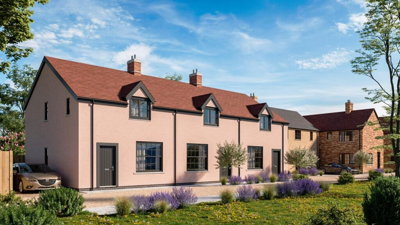
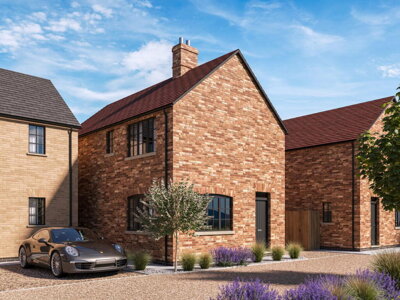
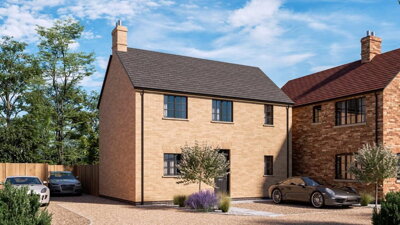
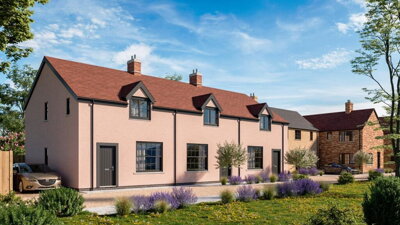
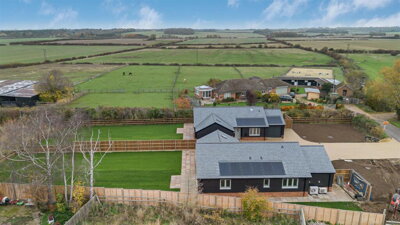
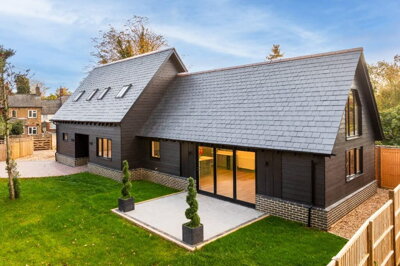
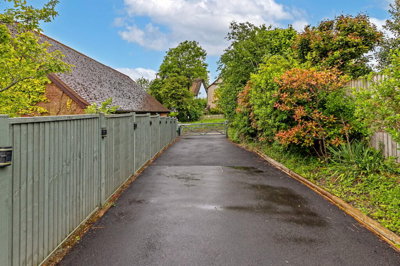
Browse 7 homes new builds in Waresley-cum-Tetworth from local developer agents.
The Waresley-cum-Tetworth property market reflects the character of a traditional English village where period properties dominate the streetscape. Cambridgeshire has experienced a 5.3% fall in average sold prices over the twelve months to January 2026, bringing the county average to approximately £370,000. While specific transaction data for Waresley-cum-Tetworth parish is not published at this granular level, properties in villages with conservation area status and access to large estates typically maintain strong values relative to the broader market. The high proportion of older properties (pre-1919 and interwar periods) means buyers should budget for potential renovation costs, though character homes in this condition are increasingly sought after by those wanting period features without complete restoration projects.
The village features an impressive collection of historic architecture, including the Grade II* listed Tetworth Hall and numerous Grade II listed cottages and farmhouses concentrated along Gamlingay Road and Vicarage Road. Many of these properties date from the mid-19th century, built by the Duncombe estate, while the Old Vicarage traces its origins to the late 18th century. Properties in conservation settings command premiums reflecting their architectural merit, generous plot sizes, and the scarcity of similar opportunities in this rural location. The village's Lower Greensand and Boulder Clay geology creates the gently undulating terrain typical of this part of Cambridgeshire, contributing to the rural charm that attracts buyers to the area.
New build activity in the immediate Waresley-cum-Tetworth area remains limited, with no active large-scale development sites currently underway. A potential development site between West Lodge and Home Farm has been identified in land availability assessments for the 2024-2028 period, though planning consent to regularise its domestic garden use was approved in October 2024. For buyers prioritising modern construction and energy efficiency, extending search parameters to nearby towns such as Sandy or Cambourne may yield additional options while retaining access to the village's rural lifestyle.
Life in Waresley-cum-Tetworth revolves around the rhythms of rural England, where the village community maintains strong connections despite its small population. The parish sits on a landscape characterised by Lower Greensand and Boulder Clay geology, creating the gently undulating terrain typical of this part of Cambridgeshire. The village centre features the Church of St James the Great, rebuilt in 1856 with its distinctive shingled spire, serving as both a landmark and the spiritual heart of the community. Local enterprises reflect the area's agricultural heritage while adapting to contemporary demands, including a well-regarded garden centre and free-range egg production business.
The Waresley Park Estate adds a different dimension to village life, offering a luxury spa and outdoor activities that attract visitors from across the region. This blend of working countryside and premium leisure facilities is unusual for a village of this size and contributes to the local economy while enhancing the area's reputation for quality living. The presence of a resident sculptor also speaks to the creative community that has long been drawn to this part of Cambridgeshire, where natural beauty and peaceful surroundings provide inspiration. For families, the sense of community is strengthened by village events and the shared appreciation for the local environment that residents actively maintain.
The demographic profile of Waresley-cum-Tetworth reveals an economically prosperous community. With 83.77% home ownership and a population of approximately 271 residents as of 2024 estimates, the village attracts professionals and families seeking space and privacy without complete isolation. The high home ownership rate indicates financial stability among residents and contributes to well-maintained properties throughout the conservation area. Daily amenities may require short journeys to nearby Sandy or St Neots, but the trade-off for living in a designated conservation village with listed buildings, traditional architecture, and preserved rural character is one that long-term residents consistently consider worthwhile.

Families considering a move to Waresley-cum-Tetworth will find educational provision concentrated in surrounding towns and villages, with the village's small population meaning primary school-aged children typically travel to nearby settlements. The nearest primary schools serve the surrounding area, with parents encouraged to research current catchment arrangements and admissions policies through Cambridgeshire County Council's education services. Schools in the broader Huntingdonshire area have achieved varying Ofsted ratings, and understanding these alongside admission criteria is essential for families prioritising educational access when choosing their new home.
Secondary education options for Waresley-cum-Tetworth residents include schools in nearby market towns, with Cambridgeshire's selective and comprehensive systems offering different pathways depending on children's academic abilities and preferences. Schools in towns such as Sandy, St Neots, and Cambourne provide secondary education for the area, with sixth form provision available at larger institutions. Transport arrangements for secondary school pupils typically involve school buses serving villages within the county, though arrangements should be confirmed with the local authority as they can change.
For families requiring early years childcare, Cambridgeshire's Family Information Service provides details of registered providers in the surrounding area, including childminders and nurseries that may serve Waresley-cum-Tetworth families. The village's proximity to larger settlements means access to Before and After School clubs is available for working parents, though planning such arrangements before moving is advisable given limited local provision. Cambridgeshire continues to invest in school infrastructure, and prospective buyers should check for any planned expansions or new school openings that might affect catchment areas and property values in the surrounding villages.
Waresley-cum-Tetworth sits at the intersection of rural lanes that connect the village to the wider Cambridgeshire road network. The A1198 runs through nearby areas, providing access to the A14 corridor that links Cambridge to the east with the Midlands and beyond. For residents commuting to Cambridge, the journey typically involves either the A14 or the more scenic routes through villages, with travel times to Cambridge city centre generally between 30 and 45 minutes depending on traffic conditions and exact destination. The proximity to the A14 places Waresley-cum-Tetworth in a favourable position for those working in the biotechnology, technology, and research sectors that dominate the Cambridge economy.
Rail services are accessed from stations in surrounding towns, with Sandy station offering services on the East Coast Main Line providing connections to London King's Cross in approximately 45 minutes. St Neots station, slightly further afield, offers additional route options via the Great Northern network. For professionals working in London on a hybrid schedule, the relatively quick rail access to the capital makes Waresley-cum-Tetworth a practical base, combining the space and character of rural living with manageable commuting times on days when office attendance is required.
Bus services connect Waresley-cum-Tetworth to nearby towns and villages, though as with many rural areas, service frequencies are limited compared to urban routes. Residents without private vehicles should factor journey times and service schedules into their daily planning, particularly for healthcare appointments and shopping trips requiring access to larger centres. Cycling infrastructure in the area has improved in recent years, and the relatively flat Cambridgeshire terrain makes cycling a viable option for shorter local journeys, particularly during summer months. For those working from home, the village benefits from improved broadband connectivity in recent years, though rural speeds can vary by exact location within the parish.

Start your property search by reviewing current listings in Waresley-cum-Tetworth and surrounding villages. Given the limited number of properties typically available in small rural parishes, setting up automated alerts ensures you do not miss new instructions. Understanding the Cambridgeshire market context, where county averages stand around £370,000, helps calibrate expectations for village property values.
Before arranging viewings, obtain a mortgage agreement in principle from a lender. This strengthens your position when making offers and demonstrates to sellers that you are a serious buyer with funding capability. Rural properties can sometimes involve longer transaction times due to conservation considerations or unique titles, so having your finances arranged early prevents delays.
Visit properties that match your requirements, taking time to assess both the property condition and the surrounding neighbourhood. Note the proximity to nearest schools, shops, and transport links, and consider how the village's rural character aligns with your lifestyle preferences. Ask about planning restrictions that may affect your intended use of the property.
Given Waresley-cum-Tetworth's prevalence of older period properties, a comprehensive RICS Level 2 Survey is strongly recommended. These surveys typically cost between £416 and £639 nationally, though older properties may incur higher fees. The survey will identify defects common to period construction including potential damp issues, roof condition, and any signs of movement related to the underlying Boulder Clay geology.
Appoint a solicitor experienced in rural property transactions to handle the legal aspects of your purchase. They will conduct local authority searches, investigate the property title, and coordinate with your mortgage lender. Given the number of listed buildings and conservation areas in Waresley-cum-Tetworth, additional searches regarding planning history and Listed Building consents may be required.
Once surveys are satisfactory, searches complete, and mortgage offer received, your solicitor will arrange contract exchange. A deposit typically of 10% is paid at exchange, with completion following shortly after. On completion day, the remaining balance transfers and you receive the keys to your new Waresley-cum-Tetworth home.
Purchasing a property in Waresley-cum-Tetworth requires attention to specific local factors that reflect the village's historic character and rural setting. The high concentration of listed buildings, including Grade II* and numerous Grade II properties, means buyers must understand the obligations that come with owning a heritage asset. Listed Building consent may be required for alterations that would otherwise not need planning permission, and any works to the fabric of such buildings should be undertaken with appropriate specialist advice. When viewing period properties, look for signs of historic maintenance, quality of previous renovations, and any evidence of unsympathetic alterations that might compromise the building's character or structural integrity.
The underlying Boulder Clay geology presents specific considerations for property buyers. This geological formation can cause shrink-swell movement in clay soils, particularly during periods of drought or heavy rainfall, which may affect foundations over time. Survey reports should be reviewed carefully for any references to subsidence, heave, or foundation movement, and historic remedials such as underpinning should be investigated to confirm they were properly designed and implemented. Older properties in the village may have foundations designed to different standards than modern requirements, making professional surveys particularly valuable before purchase.
Flood risk in Waresley-cum-Tetworth is generally low, with the area classified as Flood Zone 1 indicating minimal probability of river or sea flooding. However, some surface water flooding risk exists in localised areas, particularly following heavy rainfall. Property information forms completed by sellers should detail any historic flooding incidents, and buyers should review drainage arrangements for the property and surrounding land. Insurance considerations for flood risk, while not currently problematic in this location, should nonetheless be verified with providers before completion.
The tenure of properties in Waresley-cum-Tetworth warrants careful investigation. While the high home ownership rate suggests most properties are freehold, any properties sold as leasehold or with unusual title arrangements should be examined thoroughly. Service charges, ground rent arrangements, and any shared ownership provisions will affect ongoing costs and future saleability. For cottages and farmhouses within the conservation area, access rights and maintenance responsibilities for shared boundaries, lanes, and amenities should also be clarified through title investigation.
Budgeting for property purchase in Waresley-cum-Tetworth extends beyond the headline property price to encompass various taxes, fees, and professional services. Stamp Duty Land Tax represents the most significant purchase tax, with standard rates requiring 5% on property values between £250,001 and £925,000. For a village property at the Cambridgeshire average of £370,000, a standard buyer would incur SDLT of £6,000, while those purchasing above £925,000 face progressively higher rates. First-time buyers with purchases up to £625,000 benefit from the increased nil-rate band, though the relief phases out completely above this threshold, making the standard rates apply to the full purchase price for higher-value properties.
Professional fees typically total between £1,500 and £3,000 for a straightforward property purchase, encompassing solicitor's conveyancing costs, local authority searches, and registration fees. Given Waresley-cum-Tetworth's concentration of listed buildings and conservation area status, additional searches investigating planning history, building regulations approvals, and Listed Building consents may increase costs marginally. A RICS Level 2 Survey costs between £416 and £639 nationally, though period properties dating from the 18th or 19th century may incur higher fees due to their complexity. Energy Performance Certificate assessment adds a further £60 to £120 depending on property size.
Moving costs for Waresley-cum-Tetworth should account for the rural location and potentially longer distances from previous homes. Removal firms may charge premiums for village deliveries, and storage requirements during transition periods should be factored into budgets. Mortgage arrangement fees, which some lenders charge separately from interest rates, typically range from zero to £2,000 depending on the product chosen. Buildings insurance must be in place from completion day, and buyers with mortgage offers should verify whether their lender requires buildings cover before releasing funds. Careful budgeting across all these elements ensures a smooth transaction when purchasing in this Cambridgeshire village.
Specific average price data is not published at the hyper-local parish level for Waresley-cum-Tetworth. The broader Cambridgeshire market shows an average sold price of approximately £370,000 as of January 2026, representing a 5.3% decline over the previous twelve months. Properties in Waresley-cum-Tetworth's conservation village setting, particularly listed period homes and properties with land, typically command premiums relative to the county average. Individual property values vary considerably based on size, condition, tenure, and historical significance, with terraced cottages available at different price points to substantial detached family homes with grounds.
Waresley-cum-Tetworth falls under Huntingdonshire District Council for council tax purposes. Bands range from A through H, with property valuations based on 1991 values adjusted for band migrations. Period properties with historic character may have been subject to banding reviews, and current bands can be verified through the Huntingdonshire District Council website or the Valuation Office Agency. Most family homes in the village are likely to fall within Bands C to E, though larger detached properties and those with significant land may be assessed in higher bands.
Waresley-cum-Tetworth does not have schools within the parish boundary due to its small population of approximately 283 residents. Primary education is accessed in surrounding villages and towns, with Cambridgeshire County Council maintaining admissions information for nearby schools. Secondary schools in the area include institutions in Sandy, St Neots, and Cambourne, with some families opting for selective grammar schools accessible through examination. Parents should research current Ofsted ratings, admissions catchment arrangements, and transport provisions when evaluating schools for their children.
Public transport options reflect Waresley-cum-Tetworth's status as a small rural village, with bus services providing limited connections to surrounding towns. Sandy railway station, approximately 4-5 miles away, offers East Coast Main Line services to London King's Cross in around 45 minutes, making it practical for commuters who can travel to the station by car or on occasional bus services. For daily commuting without a vehicle, the limited frequencies would prove challenging, making Waresley-cum-Tetworth most suitable for those working from home frequently or with flexible arrangements regarding office attendance.
Waresley-cum-Tetworth offers several characteristics that appeal to property investors and homebuyers seeking long-term value. The village's 83.77% home ownership rate indicates strong demand for housing in the area, while the conservation status and concentration of listed buildings restrict new development, helping maintain property values. Proximity to Cambridge and good rail connections to London support demand from professionals seeking rural lifestyles without abandoning career opportunities. Period properties with character and land in villages like Waresley-cum-Tetworth have historically demonstrated resilience during market fluctuations, though buyers should recognise that liquidity in small rural markets can be lower than in urban areas.
Stamp Duty Land Tax rates for 2024-25 apply to all purchases in Waresley-cum-Tetworth as follows: no SDLT is due on the first £250,000 of purchase price, 5% applies to the portion between £250,001 and £925,000, 10% on the portion between £925,001 and £1.5 million, and 12% on any amount exceeding £1.5 million. First-time buyers benefit from increased thresholds, with 0% SDLT on the first £425,000 and 5% on the next £200,000, though no relief applies above £625,000. For a typical village property priced around the Cambridgeshire average of £370,000, a standard buyer would pay SDLT of £6,000, while a first-time buyer would pay nothing on the first £425,000.
Expert mortgage advice for your Waresley-cum-Tetworth purchase
From 3.94%
Specialist solicitors for your property transaction
From £499
Essential survey for period properties in the village
From £416
Energy performance certificate for your new home
From £60
Properties New Builds In London

Properties New Builds In Plymouth

Properties New Builds In Liverpool

Properties New Builds In Glasgow

Properties New Builds In Sheffield

Properties New Builds In Edinburgh

Properties New Builds In Coventry

Properties New Builds In Bradford

Properties New Builds In Manchester

Properties New Builds In Birmingham

Properties New Builds In Bristol

Properties New Builds In Oxford

Properties New Builds In Leicester

Properties New Builds In Newcastle

Properties New Builds In Leeds

Properties New Builds In Southampton

Properties New Builds In Cardiff

Properties New Builds In Nottingham

Properties New Builds In Norwich

Properties New Builds In Brighton

Properties New Builds In Derby

Properties New Builds In Portsmouth

Properties New Builds In Northampton

Properties New Builds In Milton Keynes

Properties New Builds In Bournemouth

Properties New Builds In Bolton

Properties New Builds In Swansea

Properties New Builds In Swindon

Properties New Builds In Peterborough

Properties New Builds In Wolverhampton

Enter your details to see if this property is within your budget.
Loans, cards, car finance
Estimated property budget
Borrowing + deposit
You could borrow between
Typical borrowing
Monthly repayment
Est. at 4.5%
Loan-to-value
This is an estimate only. Your actual budget may vary depending on interest rates, credit history, and personal circumstances. For an accurate affordability assessment, speak to one of our free mortgage advisors.
This calculator provides estimates for illustrative purposes only and does not constitute financial advice. Your home may be repossessed if you do not keep up repayments on your mortgage. Estimates based on 4.5% interest rate, repayment mortgage. Actual rates depend on your circumstances.
Homemove is a trading name of HM Haus Group Ltd (Company No. 13873779, registered in England & Wales). Homemove Mortgages Ltd (Company No. 15947693) is an Appointed Representative of TMG Direct Limited, trading as TMG Mortgage Network, which is authorised and regulated by the Financial Conduct Authority (FRN 786245). Homemove Mortgages Ltd is entered on the FCA Register as an Appointed Representative (FRN 1022429). You can check registrations at NewRegister or by calling 0800 111 6768.

We use cookies to show you personalised content and improve your experience of our website. Find out more in our Privacy policy and Cookie policy.