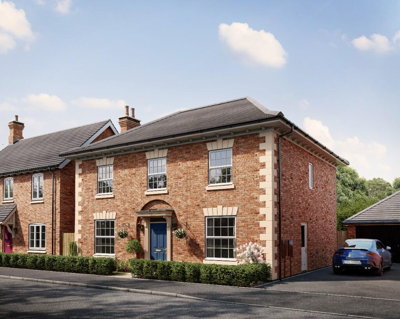
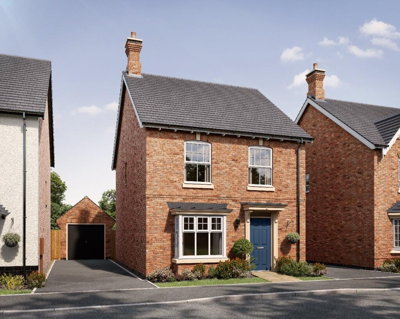
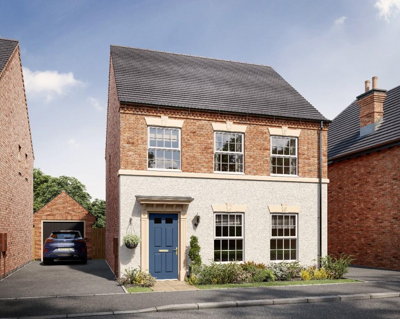
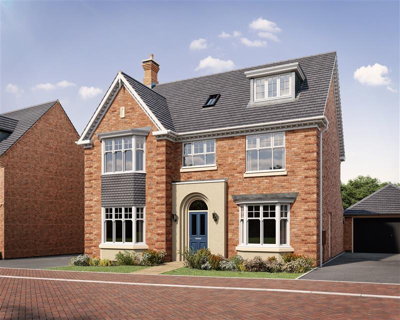
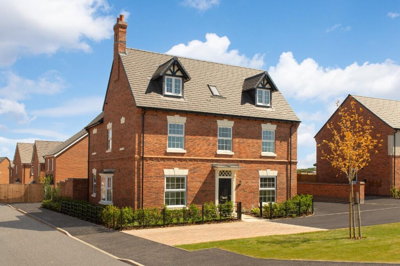
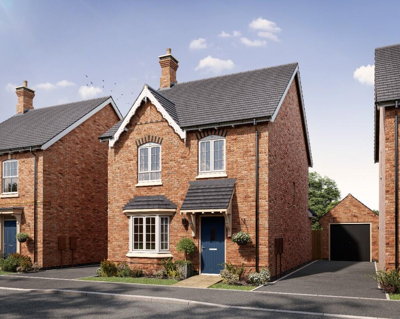
Browse 6 homes new builds in Wardley, Rutland from local developer agents.
The Wardley property market offers detached, semi-detached, and terraced houses spanning various price ranges and neighbourhoods. Each listing includes detailed property information, photographs, and direct contact with the marketing agent.
£995k
1
0
54
Source: home.co.uk
Showing 1 results for Houses new builds in Wardley, Rutland. The median asking price is £995,000.
Source: home.co.uk
Detached
1 listings
Avg £995,000
Source: home.co.uk
Source: home.co.uk
The property market in Metfield reflects the broader trends of the IP20 postcode area, which recorded 125 property sales over the past twelve months. Detached properties command the highest prices in this area, with the average sold price reaching £429,900. These generous family homes typically offer substantial gardens and flexible living spaces that appeal to buyers seeking room to grow or those who work from home. The rural setting means many detached properties sit on generous plots, providing the outdoor space that city dwellers often dream about but rarely find.
Semi-detached properties in the IP20 area average £285,000, offering excellent value for buyers seeking traditional village living at a more accessible price point. These homes often include period features such as original fireplaces, exposed beams, and sash windows that add character and charm. Terraced properties average £245,000 and are particularly popular among first-time buyers and those downsizing from larger homes. Flats in the area are less common, with an average price of £155,000, though purpose-built apartments are rare in this predominantly rural village setting where most housing consists of period cottages, farmhouses, and individually designed homes that reflect the agricultural heritage of the village.
The majority of properties in Metfield date from before 1919, with many traditional Suffolk cottages featuring timber-framed construction and rendered exteriors that characterise the village centre along Metfield Lane. This older housing stock appeals strongly to buyers seeking period character, though it also means that many homes require ongoing maintenance and modernisation. The limited new-build activity in the village, with no large-scale developments currently under construction, means that demand for existing properties remains steady and supply is tight.

Life in Metfield offers a rare opportunity to experience traditional English village life in one of Suffolk's most picturesque corners. The village maintains its agricultural heritage, with rolling farmland surrounding the settlement and country lanes perfect for walking, cycling, and enjoying the Suffolk countryside. The community is served by a village hall where local events bring residents together throughout the year, creating the strong neighbourly connections that make rural living so rewarding. The presence of several Listed Buildings throughout the village, including the historic church and period farmhouses, gives Metfield a timeless quality that distinguishes it from more modern developments.
The local economy of Metfield is primarily driven by agriculture and related services, though many residents commute to nearby towns for employment in sectors including retail, healthcare, and education. Larger towns such as Halesworth and Bungay provide essential amenities including supermarkets, doctors' surgeries, and secondary schools, while Norwich offers comprehensive shopping, cultural venues, and major employers for those willing to travel further. The tourism sector plays a minor but welcome role in the local economy, with visitors drawn to the area's natural beauty, historic architecture, and excellent walking routes that traverse the Suffolk countryside.
For families and individuals considering the move to rural Suffolk, Metfield provides an excellent base from which to explore the wider region. The surrounding countryside offers exceptional walking and cycling opportunities, with public footpaths crossing farmland and woodland throughout the area. The village location also places residents within reasonable reach of the Suffolk coast, with popular destinations such as Southwold and Aldeburgh accessible for day trips during the summer months. Our team regularly helps buyers find properties in villages like Metfield where the pace of life allows for a better work-life balance while maintaining access to urban amenities.
Families considering a move to Metfield will find a selection of educational options within reasonable driving distance. Primary education is available at nearby village schools in surrounding communities, with many small rural primaries offering excellent standards of teaching in intimate class settings where teachers know each pupil personally. Holton Primary School near Halesworth and St Peter's Primary School in Bungay serve families in the Metfield area, both offering good Ofsted ratings alongside the benefits of small class sizes that allow for more individual attention. These village schools often outperform larger urban primaries in reading and writing assessments, making them attractive options for parents prioritising academic foundations.
For secondary education, students typically travel to schools in larger nearby towns where a broader range of GCSE and A-Level subjects are available. Sir John Leman High School in Beccles and Bungay High School serve the surrounding area, both offering comprehensive curricula and established reputations within the community. The rural setting of these schools often provides excellent facilities alongside the benefits of smaller year groups and strong community connections between staff and students. Parents are advised to verify current catchment areas and admission policies when considering properties, as rural school admissions can be competitive and boundaries may differ from parish boundaries.
Sixth form and further education opportunities are readily accessible in nearby towns, with colleges and school sixth forms offering diverse academic and vocational programmes including A-Levels, BTECs, and apprenticeship pathways. The proximity to Norwich provides access to the University of East Anglia, one of the region's major higher education institutions, as well as the Norwich University of the Arts for students pursuing creative degrees. Many families choose Metfield precisely because of the balance between peaceful village living and access to quality educational institutions within a reasonable commute.
Transport connections from Metfield serve the village adequately for those who need to commute to larger employment centres. The nearest railway stations are located in surrounding towns, with Halesworth offering connections to Norwich and Ipswich via the East Suffolk Line, while Diss station provides direct services to London Liverpool Street with journey times of approximately two hours. These rail connections make regular commuting to major employment centres feasible for those working in London or the regional capitals. The A143 runs through nearby towns, connecting Metfield to the wider road network and providing routes to Norwich, Ipswich, and the coast.
Local bus services connect Metfield with neighbouring villages and market towns, though schedules are geared toward school runs and essential local journeys rather than peak-hour commuting. The 521 bus service operates between Halesworth and Norwich, providing a useful link for those without private vehicles. Many residents of Metfield rely on private vehicles as their primary transport method, and the village benefits from the ample parking that characterises rural village living. Cyclists enjoy the quiet country lanes that crisscross the surrounding countryside, though the rolling Suffolk landscape means some routes require moderate fitness.
For international travel, Norwich Airport provides regional flights to destinations across Europe, with approximately forty-five minutes drive from Metfield. London Stansted offers broader international destinations within approximately ninety minutes drive, making Metfield reasonably well-connected for overseas travel despite its rural location. Many buyers considering Metfield appreciate that the village offers the best of both worlds: peaceful countryside living with access to reasonable transport links when needed.
Spend time exploring Metfield and surrounding villages to understand the local property market, community atmosphere, and amenities. Visit at different times of day and week to get a genuine feel for village life. Take time to explore the surrounding countryside and familiarise yourself with the road connections to nearby towns where you will access shops, schools, and healthcare.
Speak to a mortgage broker to understand your borrowing capacity and secure an agreement in principle before beginning your property search. Having your financing arranged strengthens your position when making offers in a competitive rural market where properties can sell quickly. Your mortgage broker can also advise on schemes available for rural purchases, including any first-time buyer incentives.
Contact local estate agents through Homemove to arrange viewings of properties that match your requirements. Take notes and photographs during viewings and return for second visits before committing to any purchase. When viewing older properties in Metfield, pay particular attention to the condition of traditional features such as clay tile roofs, rendered walls, and timber-framed structures that characterise much of the local housing stock.
Before purchasing any property in Metfield, especially older character homes, arrange a RICS Level 2 Survey to assess the condition of the building, identify defects, and provide negotiation leverage. Given that many properties in Metfield date from before 1919, these surveys are particularly valuable for identifying issues common to older construction such as damp, timber defects, and potential foundation movement on the local clay soils.
Appoint a solicitor experienced in rural property transactions to handle the legal aspects of your purchase, including searches, contracts, and registration. Your solicitor should investigate any planning constraints affecting the property, particularly for Listed Buildings where special permissions may be required for alterations or extensions. Local search results will include matters relevant to the Mid Suffolk district and the specific village of Metfield.
Once all searches are satisfactory and finances are arranged, exchange contracts with the seller and arrange a completion date that allows time for moving logistics. In rural property transactions, completion dates often allow extra time for the logistics of moving to a village location where delivery access and services may differ from urban areas.
Properties in Metfield span a wide range of construction periods and building styles, each bringing their own considerations for prospective buyers. A significant proportion of the housing stock dates from before 1919, meaning many homes feature traditional construction methods including timber-framed structures, solid brick walls, and period details that require specialist knowledge to assess properly. When viewing older properties, pay particular attention to the condition of roofs, which often feature traditional clay tiles that may require maintenance after decades of exposure to the Suffolk weather. The presence of render on many properties can sometimes conceal structural issues, making a thorough survey essential before proceeding with any purchase.
The underlying geology of the Metfield area presents specific considerations for property buyers. Boulder clay deposits are prevalent throughout the region, creating a moderate to high shrink-swell risk that can affect property foundations over time. Properties with mature trees planted close to the building are particularly susceptible to foundation movement as tree roots draw moisture from the clay soil during dry periods. The glacial tills and sands that characterise the superficial geology in this part of Suffolk can also create variable ground conditions across short distances. Prospective buyers should check for signs of cracking in walls, sticking doors or windows, and uneven floors that might indicate past or ongoing movement.
Flood risk in Metfield is generally low, as the village is not located on a major river, though surface water flooding can occur in low-lying areas where drainage is insufficient. The Environment Agency provides detailed flood risk mapping that should be consulted for specific properties, particularly those on the village periphery or near small watercourses. Many properties in Metfield are Listed Buildings or located within areas of historical significance, meaning that alterations, extensions, and even some maintenance works may require Listed Building Consent from Mid Suffolk District Council. Buyers considering any future modifications should factor this into their plans and consult with the local planning authority before purchasing.
Common defects found in Metfield properties reflect the age and construction of the local housing stock. Our inspectors regularly identify rising damp in solid-walled cottages with inadequate damp-proof courses, and penetrating damp behind rendered exteriors where the original timber frame may be hidden from view. Timber defects including woodworm (common furniture beetle) and wet rot frequently affect roof structures and floor joists in older properties where ventilation may be poor. Properties built between the 1950s and 1990s may contain asbestos in materials such as artex coatings, bituminous roof felts, and insulation boards, which requires specialist assessment before any renovation work. Outdated electrical wiring and plumbing systems are common in period properties, often requiring partial or complete replacement to meet current standards and satisfy lender requirements.

For the wider IP20 postcode area that includes Metfield, the average sold price over the past twelve months is £363,200. Detached properties average £429,900, semi-detached homes cost around £285,000, and terraced properties average £245,000. Prices have increased by approximately 1% over the past year, indicating a stable market with steady demand for rural Suffolk properties. First-time buyers should note that flats in the area average £155,000, though purpose-built apartments are rare in this village setting where most properties are period houses and cottages.
Properties in Metfield fall under Mid Suffolk District Council tax bands. Specific bands depend on the property valuation, but rural village properties typically range from Band A through to Band E. Most traditional cottages and smaller homes fall into Bands A to C, while larger detached properties and more recently built homes often occupy higher bands. Prospective buyers should check individual property details on the Valuation Office Agency website to confirm the exact council tax band for any property they are considering.
Metfield is served by primary schools in nearby villages and market towns, with many small rural schools offering excellent education in intimate settings. Holton Primary School near Halesworth and St Peter's Primary School in Bungay serve families in the Metfield area, both offering good Ofsted ratings alongside the benefits of small class sizes. Secondary education options include schools in Halesworth, Bungay, and Diss, all within reasonable driving distance. Parents should verify current admission arrangements and consider transportation logistics when choosing a property, as school catchment areas may differ from parish boundaries.
Public transport options from Metfield are limited compared to urban areas, with local bus services providing essential connections to neighbouring villages and towns rather than frequent commuter services. The nearest railway stations are located in surrounding towns, with Halesworth offering connections to Norwich and Ipswich via the East Suffolk Line. Diss station provides direct services to London Liverpool Street, making the capital accessible for regular commuters. Many residents rely on private vehicles as their primary transport method, with Norwich Airport accessible within approximately forty-five minutes drive.
Metfield and the wider Mid Suffolk area have demonstrated stable property values with a 1% annual increase in the IP20 postcode area. The village appeals to buyers seeking rural lifestyles, and demand for character properties in picturesque Suffolk villages remains consistent. Properties suitable for families, commuters, and those seeking peaceful country living tend to hold their value well. However, buyers should consider factors including limited local employment opportunities, the importance of transport connections, and the potential costs of maintaining older properties when evaluating investment potential.
Stamp Duty Land Tax rates for standard purchases start at 0% on the first £250,000 of property value, then 5% on the portion between £250,001 and £925,000. For properties priced above £925,000, the rate increases to 10% up to £1.5 million, with 12% applied above that threshold. First-time buyers benefit from relief on the first £425,000, paying 5% on the portion between £425,001 and £625,000. Given the average property prices in the Metfield area, most purchases fall within the lower tax bands, though higher-value detached properties may incur additional SDLT.
Metfield contains several Listed Buildings, primarily concentrated around the village centre and along Metfield Lane. The most notable is St John the Baptist Church, which holds Grade I Listed status due to its historical significance and age. Various farmhouses and cottages throughout the village hold Grade II Listed status, reflecting the traditional agricultural character of the settlement. Buyers purchasing Listed Buildings should be aware that any alterations, extensions, or significant maintenance works will require Listed Building Consent from Mid Suffolk District Council, and specialist surveys may be needed to assess the condition of traditional construction methods and period features.
Understanding the full costs of purchasing property in Metfield helps you budget accurately and avoid surprises during the transaction process. The Stamp Duty Land Tax bill is often the largest additional cost, though for properties in the Metfield price range, most buyers fall into the lower tax brackets. First-time buyers purchasing properties up to £425,000 pay no stamp duty on that portion, providing meaningful savings compared to the standard thresholds. The government relief means that many terraced and semi-detached properties in the area may incur little or no SDLT for eligible first-time buyers.
Beyond stamp duty, buyers should budget for solicitor conveyancing fees, which typically range from £500 to £1,500 depending on the complexity of the transaction and the property value. Search fees for local authority, drainage, and environmental searches usually total between £200 and £400. Survey costs vary significantly based on property type and value, with a RICS Level 2 Survey for a property around £350,000 to £430,000 costing between £450 and £800. Removal costs, mortgage arrangement fees, and building insurance should also be factored into your overall moving budget to ensure a complete financial picture of your purchase.
For older properties in Metfield, additional costs may arise from the survey process or legal work. Properties with timber frames may require a specialist timber inspection, while those suspected of containing asbestos may need a dedicated asbestos survey before any renovation work. Listed Building properties often involve additional legal work to verify the property's status and any planning conditions attached to its listing. We recommend that buyers budget a contingency of around 5% of the purchase price to cover unexpected costs that frequently arise when purchasing period properties in rural Suffolk villages.
From 4.5%
Compare mortgage rates from leading lenders
From £499
Expert solicitors for your property transaction
From £450
Professional survey for any Metfield property
From £80
Energy performance certificate for your new home
Properties New Builds In London

Properties New Builds In Plymouth

Properties New Builds In Liverpool

Properties New Builds In Glasgow

Properties New Builds In Sheffield

Properties New Builds In Edinburgh

Properties New Builds In Coventry

Properties New Builds In Bradford

Properties New Builds In Manchester

Properties New Builds In Birmingham

Properties New Builds In Bristol

Properties New Builds In Oxford

Properties New Builds In Leicester

Properties New Builds In Newcastle

Properties New Builds In Leeds

Properties New Builds In Southampton

Properties New Builds In Cardiff

Properties New Builds In Nottingham

Properties New Builds In Norwich

Properties New Builds In Brighton

Properties New Builds In Derby

Properties New Builds In Portsmouth

Properties New Builds In Northampton

Properties New Builds In Milton Keynes

Properties New Builds In Bournemouth

Properties New Builds In Bolton

Properties New Builds In Swansea

Properties New Builds In Swindon

Properties New Builds In Peterborough

Properties New Builds In Wolverhampton

Enter your details to see if this property is within your budget.
Loans, cards, car finance
Estimated property budget
Borrowing + deposit
You could borrow between
Typical borrowing
Monthly repayment
Est. at 4.5%
Loan-to-value
This is an estimate only. Your actual budget may vary depending on interest rates, credit history, and personal circumstances. For an accurate affordability assessment, speak to one of our free mortgage advisors.
This calculator provides estimates for illustrative purposes only and does not constitute financial advice. Your home may be repossessed if you do not keep up repayments on your mortgage. Estimates based on 4.5% interest rate, repayment mortgage. Actual rates depend on your circumstances.
Homemove is a trading name of HM Haus Group Ltd (Company No. 13873779, registered in England & Wales). Homemove Mortgages Ltd (Company No. 15947693) is an Appointed Representative of TMG Direct Limited, trading as TMG Mortgage Network, which is authorised and regulated by the Financial Conduct Authority (FRN 786245). Homemove Mortgages Ltd is entered on the FCA Register as an Appointed Representative (FRN 1022429). You can check registrations at NewRegister or by calling 0800 111 6768.

We use cookies to show you personalised content and improve your experience of our website. Find out more in our Privacy policy and Cookie policy.