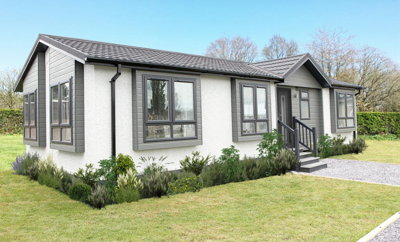
Browse 1 home new builds in Walworth, Darlington from local developer agents.
£0k
0
0
0
Source: home.co.uk
The Walworth property market offers remarkable variety, with prices reflecting the area's desirable location and mix of property ages. Detached properties command the highest prices, averaging around £1,093,333, while semi-detached homes typically sell for approximately £800,000. Terraced properties, which form a significant portion of the local housing stock, average around £690,000, making them popular among families seeking Victorian or Edwardian architecture with original features. Flats provide the most accessible entry point to the market, with average prices of £465,000, though new-build apartments in developments like Elephant Park can exceed £550,000 depending on size and specification.
Property prices in Walworth have shown resilience with a modest 12-month change of -1.4%, suggesting a stable market that has not experienced the dramatic fluctuations seen in some other London neighbourhoods. The area's proximity to Central London, combined with ongoing regeneration at Elephant and Castle, continues to attract buyers who recognise the value on offer compared to more expensive districts. New-build developments include Elephant Park by Lendlease, offering one, two, and three-bedroom apartments ranging from approximately £550,000 to over £1,000,000, as well as the Manor Place Depot development by Notting Hill Genesis and The Walworth Collection, providing additional options for those seeking modern living in SE17.
The Elephant Park regeneration spans multiple phases including South Gardens, West Grove, East Grove, and Park Central, collectively transforming the former shopping centre site into a vibrant mixed-use neighbourhood. These phases offer a range of apartment styles from one-bedroom units ideal for first-time buyers to larger three-bedroom family apartments with private balconies and communal gardens. The development has brought significant investment to the Walworth area, including improved public spaces, new retail outlets, and enhanced walking routes connecting residents to Elephant and Castle station and beyond.

Walworth presents a vibrant mix of old and new, where Victorian terraces stand alongside contemporary apartment blocks and the streets hum with local life. The local economy benefits from Walworth's proximity to Central London and major employment hubs. Key sectors include retail, hospitality, public services such as healthcare and education, and a growing creative and tech presence in surrounding areas. The regeneration at Elephant and Castle has brought significant investment to the area, with new businesses, improved transport infrastructure, and enhanced public spaces attracting younger residents and professionals.
The area is characterised by its handsome period properties featuring London stock brick, large sash windows, and generous room sizes that reflect the building standards of the Victorian and Edwardian eras. Street markets and independent shops along Walworth Road provide a strong sense of community, while nearby Burgess Park offers a welcome green escape. The nearby BROR landscape architecture has transformed former industrial sites into green corridors, and the cultural venue at Elephant Park provides regular events and community activities throughout the year.
Demographics in Walworth reflect this diversity, with a mix of long-established communities and newer arrivals drawn by the excellent transport connections and relatively accessible property prices compared to Zone 1 locations. The neighbourhood hosts a thriving café culture along with established institutions like the Walworth Pharmacy and the Southwark Registration Service. Residents enjoy easy access to cultural attractions including the Cinema Museum and the Horniman Museum in nearby Forest Hill, while the diverse food scene reflects the area's multicultural community with Vietnamese, Somali, Caribbean, and traditional British eateries all represented along Walworth Road.

Understanding the construction methods used in Walworth properties helps buyers appreciate both the character and potential challenges of properties in SE17. The predominant Victorian and Edwardian terraces were typically built with solid brick walls using London stock brick, a distinctive yellowish-grey brick made from clay deposits found in the London area. These properties feature timber floor joists running between solid timber floorboards, slate or clay tile roofs with lead flashings, and timber sash windows with single glazing. Foundations typically consist of shallow brick or concrete strip footings, which can be vulnerable to movement on the underlying London Clay geology.
The mansion blocks that line Walworth Road and surrounding streets were constructed using similar methods to the terraces but with greater scale and often more ornate detailing. These purpose-built flats typically feature communal staircases, high ceilings, and larger room proportions than many modern equivalents. Many retain original features including cornicing, fireplaces, and decorative ironwork, though internal modifications over the decades may have altered original layouts. The structural walls are generally load-bearing solid brick, while floors are often a combination of timber joists and solid concrete in lower ground floor areas.
Post-war construction in Walworth includes council estates built during the mid-20th century, which typically use cavity brick walls, concrete ground floors, and flat or pitched roofs with modern tile coverings. These properties often offer more modern layouts and larger kitchens but may present different maintenance considerations including concrete repair issues and outdated service installations. New-build apartments from regeneration schemes like Elephant Park use contemporary construction methods including steel or concrete frames, modern brickwork, and various cladding systems, with double-glazed windows and improved thermal performance throughout.
Families considering a move to Walworth will find a range of educational options across all age groups, with several well-regarded schools serving the local community. The area hosts primary schools that serve the immediate neighbourhood, with many rated Good or Outstanding by Ofsted, providing parents with confidence in local education options. Key primary schools serving Walworth include Victory Primary School and Nursery,, and others within walking distance of residential areas. Parents should research specific catchment areas, as school admissions in London can be competitive and boundary changes do occur.
Secondary schools in the surrounding borough of Southwark offer comprehensive education, with schools such as Ark Walworth Academy and University Academy of Engineering and Science providing options for local children. Grammar school options are available for those who meet the entrance criteria, including the highly selective Verbal Reasoning and Non-Verbal Reasoning assessment process. The nearest grammar schools are located in neighbouring boroughs, and families should verify current admission arrangements and travel arrangements when considering these options. Secondary school applications are managed through Southwark Council's admissions team, with offers typically made during Year 6.
For older students, sixth form colleges and further education institutions are accessible via public transport from Walworth. The nearby College of Communication and Southwark College offer A-level and vocational courses, while the proximity to Central London means prestigious universities are within reasonable commuting distance. Many students from Walworth attend institutions including King's College London, London South Bank University, and University of the Arts London, making the area practical for families planning ahead. When buying property in Walworth, it is essential to verify current school performance data and admission policies directly with the schools or Southwark Council, as Ofsted ratings and academic results can change over time.
Walworth boasts exceptional transport connections that make commuting into Central London straightforward and convenient. Elephant and Castle station, located just north of the area, provides access to the Northern line and Bakerloo line on the Underground, as well as National Rail services to destinations including London Bridge, Brighton, and the South Coast. From Elephant and Castle, Bank and the City of London are reachable in under 15 minutes, while West End theatres and shopping destinations are easily accessible. The nearby Walworth Road has several bus routes connecting to Waterloo, Victoria, and other key London destinations, providing alternatives when tube services are disrupted.
The bus network serving Walworth is particularly comprehensive, with routes 12, 35, 45, 63, 68, 148, 171, 176, 188, and 468 all stopping within walking distance of the area. These services provide direct connections to destinations including Oxford Street, Shoreditch, Elephant and Castle, and the South Bank, making car-free living highly practical for most residents. The 12 bus route runs through the night, providing late-night travel options for those working irregular hours. Santander Cycles bike hire docking stations are located throughout the area, offering an additional sustainable transport option for shorter journeys.
For those who drive, the area has good access to major routes including the A2 and A3, which connect to the South Circular and the motorway network. The A2 provides a direct route toward Greenwich and Dover, while the A3 connects to the M25 at Wisley. However, like most of Central and South London, parking can be challenging, and residents should be aware of parking permit requirements in their specific zone. The pedestrian-friendly nature of the neighbourhood makes everyday local journeys easy on foot, while ongoing investments in the Elephant and Castle area continue to enhance connectivity for Walworth residents through improved walking routes and public realm enhancements.
Before viewing properties in Walworth, obtain a mortgage agreement in principle from a lender. This document confirms how much you can borrow based on your income, debts, and credit history. Having this in place strengthens your position when making offers and demonstrates to sellers that you are a serious buyer with secured funding. Speak to a mortgage broker who can help you navigate the various mortgage products available and find the best rates for your circumstances.
Explore different streets and property types in Walworth to understand what each offers. Consider proximity to transport, schools, parks, and local amenities when evaluating locations. The area features Victorian terraces near Kennington Park, mansion block flats along Walworth Road, and new-build apartments at Elephant Park. Each property type comes with different considerations regarding maintenance responsibilities, service charges, and leasehold terms that should inform your search criteria.
Contact local estate agents to arrange viewings of properties that match your criteria. Take notes during each viewing and ask about the property's history, any recent renovations, and details of the leasehold terms if applicable. For flats, request information about the building's maintenance schedule, recent service charge increases, and any planned major works. Consider viewing properties at different times of day to assess noise levels, natural light, and the neighbourhood atmosphere.
Before proceeding with a purchase, especially on older Victorian or Edwardian properties common in Walworth, book a RICS Level 2 Survey. This will identify any structural issues, damp problems, or necessary repairs that might affect your decision or negotiating position. Given the prevalence of London Clay in the area, the survey should specifically assess foundation conditions and any signs of subsidence movement. Our inspectors have extensive experience surveying properties throughout SE17 and understand the common defect patterns found in local housing stock.
Choose a conveyancing solicitor to handle the legal aspects of your purchase. They will conduct searches including local authority, drainage, and environmental searches specific to Southwark. The solicitor will review the contract, check lease terms for flats, and manage the transfer of funds through to completion. For leasehold properties, the solicitor should review the lease length, ground rent terms, and any covenants that might affect your use or future sale of the property.
Once all searches are satisfactory and both parties agree on terms, you will exchange contracts and pay your deposit, typically 10% of the purchase price. Completion typically follows within weeks, at which point you will receive your keys and take ownership of your new Walworth home. Our team can recommend conveyancing solicitors with experience in SE17 transactions who can guide you through the final stages smoothly.
Walworth's predominantly Victorian and Edwardian housing stock presents specific defect patterns that buyers should understand before purchasing. Damp issues are among the most common problems our inspectors encounter in local properties, including rising damp from failed or absent damp-proof courses, penetrating damp through solid brick walls, and condensation resulting from inadequate ventilation. These issues are often exacerbated by the age of properties, changes in occupant behaviour, and the solid-wall construction that lacks the cavity insulation found in newer buildings. When viewing properties, look for peeling paint, mould growth, and tide marks on walls, particularly in ground-floor rooms and bathrooms.
The underlying London Clay geology means that properties, particularly older ones with shallow foundations, can be susceptible to subsidence or ground movement. Watch for signs of structural cracking, uneven floors, or doors and windows that stick, as these may indicate foundation issues. Trees planted too close to properties can exacerbate shrink-swell movement in clay soils, so consider the proximity of mature trees to the building structure. Our inspectors assess foundation conditions carefully when surveying properties in Walworth, checking for evidence of movement, cracking patterns, and the condition of load-bearing elements.
Roof condition represents another common concern in period properties throughout Walworth. Original slate or clay tile roofs may have slipped or broken tiles, worn felt underlays, or failing leadwork around chimneys and valleys. Timber elements including rafters, purlins, and support beams can suffer from woodworm infestation or wet rot if moisture has penetrated the roof structure. Electrical and plumbing systems in pre-1980s properties may be original or partially updated and likely require modernisation to meet current standards. When viewing properties, ask about recent upgrades to wiring, heating systems, and insulation, as these can represent significant additional costs if needing replacement soon after purchase.
Buying property in Walworth requires awareness of several area-specific factors that can affect your investment and quality of life. Walworth contains several conservation areas, including the Walworth Road Conservation Area, Liverpool Grove Conservation Area, and parts of the Kennington Park Road Conservation Area. Properties within these areas may be subject to planning restrictions that limit alterations, extensions, or exterior changes. Numerous listed buildings along Walworth Road and surrounding streets offer character but require careful maintenance and may restrict renovation options. If buying a flat, examine the lease terms carefully, including the length of lease remaining, ground rent obligations, and service charge levels, as these can significantly impact long-term costs and the property's resale value.
Surface water flooding represents a localised risk in parts of Walworth, particularly during heavy rainfall when urban drainage systems are under pressure. Check the property's flood risk assessment and consider whether any flood resilience measures are in place. While Walworth generally has low river flooding risk due to its inland location away from major rivers, the urban environment with extensive impermeable surfaces can create surface water pooling during extreme weather events. Properties in lower-lying areas near Burgess Park may be more susceptible to surface water accumulation during heavy rainfall.
When evaluating leasehold properties, pay particular attention to the remaining lease term. Many flats in Walworth mansion blocks have leases that were originally set at 99 years, meaning properties sold now may have significantly reduced terms. We recommend seeking legal advice on any lease with less than 80 years remaining, as extension costs can be substantial and the resale market may be limited. Service charge levels should be scrutinised carefully, particularly for buildings with ongoing major works or planned maintenance programmes. Request copies of recent service charge bills and any planned expenditure from the freeholder or management company before committing to a purchase.
The average house price in Walworth is approximately £543,622 based on recent market data from Rightmove. Property prices vary significantly by type, with detached properties averaging around £1,093,333, semi-detached homes at approximately £800,000, terraced properties at around £690,000, and flats at approximately £465,000. Prices have shown a modest 12-month decline of 1.4%, suggesting relative market stability compared to other London areas where price fluctuations have been more pronounced.
Properties in Walworth fall under Southwark Council jurisdiction, and council tax bands range from A through to H depending on the property's valuation. Most Victorian terraces and mansion block flats in the area typically fall within bands B to D, while larger properties and some new-build apartments may be in higher bands. For a typical two-bedroom flat in Walworth, council tax is likely to be in band B or C, meaning annual charges of approximately £1,400 to £1,600. You can verify the specific band for any property through the Southwark Council website or your solicitor during the conveyancing process.
Walworth offers several primary and secondary education options within the local area, with schools rated Good or Outstanding by Ofsted. Victory Primary School and Nursery serves the immediate area and has achieved good ratings, while Ark Walworth Academy provides secondary education with a strong focus on STEM subjects. Parents should research current Ofsted ratings, academic performance data, and admission catchment areas, as these can change over time and vary for primary versus secondary applications. The surrounding borough of Southwark has a competitive school admission system, so early research and understanding of application deadlines is essential for families with children.
Walworth enjoys excellent public transport connections, primarily through Elephant and Castle station which offers Underground services on the Northern and Bakerloo lines plus National Rail services to destinations including London Bridge and the South Coast. From Elephant and Castle, Bank is just 11 minutes away on the Northern line, while Canary Wharf is accessible via the Jubilee line at London Bridge. Multiple bus routes run along Walworth Road and connecting roads, providing access to Waterloo, Victoria, and Central London destinations. The area scores highly for transport accessibility, making it popular with commuters working in the City, West End, or Canary Wharf.
Walworth offers several factors that appeal to property investors, including its proximity to Central London, strong rental demand from professionals, and ongoing regeneration at Elephant and Castle bringing improved amenities and transport links. Property prices remain more accessible compared to many Zone 2 locations, potentially offering better value for money. The rental market benefits from strong demand due to the area's transport links and proximity to employment hubs. However, investors should consider leasehold terms carefully, as many flats have shorter leases that require attention, and factor in service charges and potential void periods when calculating yields.
For standard purchases, stamp duty land tax is charged at 0% on the first £250,000, 5% on £250,001 to £925,000, 10% on £925,001 to £1.5 million, and 12% on amounts exceeding £1.5 million. For a typical flat in Walworth at £465,000, this would result in SDLT of approximately £10,750 after the nil-rate threshold. First-time buyers purchasing properties up to £425,000 pay no stamp duty at all, while those buying between £425,001 and £625,000 pay 5% on the amount above £425,000 only. Your solicitor will calculate the exact amount due based on the purchase price and your buyer status.
Victorian properties in Walworth were typically built with solid brick walls, timber floor joists, and slate or tile roofs, all of which require specific maintenance considerations. Our inspectors frequently identify damp issues, particularly rising damp where original damp-proof courses have failed, and structural movement related to the underlying London Clay geology. When viewing Victorian properties, check for cracking to external brickwork, uneven floors, and the condition of the roof covering. Original features such as sash windows, fireplaces, and cornicing add character but may require restoration or upgrading to meet modern standards.
The most significant new-build development in Walworth is Elephant Park by Lendlease, a major regeneration project that spans the Elephant and Castle area with phases including South Gardens, West Grove, East Grove, and Park Central. Prices for new apartments start from approximately £550,000 for one-bedroom units, rising to over £1,000,000 for larger three-bedroom apartments with premium specifications. The Manor Place Depot development by Notting Hill Genesis offers additional new-build options with one, two, and three-bedroom apartments. New-build properties benefit from modern construction standards including improved insulation, double glazing, and typically longer lease terms, though service charges may be higher than equivalent period properties.
Beyond the purchase price, buyers should budget for several additional costs when purchasing property in Walworth. Stamp duty land tax represents the most significant additional expense, with rates starting at 0% for the first £250,000 of the purchase price for standard buyers. For a typical flat in Walworth at £465,000, this would result in SDLT of approximately £10,750 after the nil-rate threshold. First-time buyers purchasing properties up to £425,000 pay no stamp duty at all, while those buying between £425,001 and £625,000 pay 5% on the amount above £425,000 only. Properties priced above £625,000 do not qualify for first-time buyer relief.
Survey costs are essential for any purchase, particularly given Walworth's significant stock of older Victorian and Edwardian properties susceptible to damp, subsidence, and outdated electrics. A RICS Level 2 Survey for a typical two-bedroom flat in Walworth typically costs between £450 and £650, while a three-bedroom terraced house might range from £600 to £900 depending on the surveying firm and property specifics. Our inspectors have extensive experience surveying properties throughout SE17 and can provide detailed reports on the specific defect patterns common in local housing stock.
Conveyancing fees generally start from around £499 for standard purchases, though more complex transactions involving lease extensions or listed buildings may cost more. Additional costs include Land Registry fees for registering the title transfer, local authority search fees specific to Southwark Council, environmental searches, and drainage and water searches. Mortgage arrangement fees vary by lender and may be included in the overall mortgage deal or charged separately. Buyers should also budget for removal costs, potential redecoration or renovation expenses, and a contingency fund for any unexpected works identified during the survey.
Properties New Builds In London

Properties New Builds In Plymouth

Properties New Builds In Liverpool

Properties New Builds In Glasgow

Properties New Builds In Sheffield

Properties New Builds In Edinburgh

Properties New Builds In Coventry

Properties New Builds In Bradford

Properties New Builds In Manchester

Properties New Builds In Birmingham

Properties New Builds In Bristol

Properties New Builds In Oxford

Properties New Builds In Leicester

Properties New Builds In Newcastle

Properties New Builds In Leeds

Properties New Builds In Southampton

Properties New Builds In Cardiff

Properties New Builds In Nottingham

Properties New Builds In Norwich

Properties New Builds In Brighton

Properties New Builds In Derby

Properties New Builds In Portsmouth

Properties New Builds In Northampton

Properties New Builds In Milton Keynes

Properties New Builds In Bournemouth

Properties New Builds In Bolton

Properties New Builds In Swansea

Properties New Builds In Swindon

Properties New Builds In Peterborough

Properties New Builds In Wolverhampton

Enter your details to see if this property is within your budget.
Loans, cards, car finance
Estimated property budget
Borrowing + deposit
You could borrow between
Typical borrowing
Monthly repayment
Est. at 4.5%
Loan-to-value
This is an estimate only. Your actual budget may vary depending on interest rates, credit history, and personal circumstances. For an accurate affordability assessment, speak to one of our free mortgage advisors.
This calculator provides estimates for illustrative purposes only and does not constitute financial advice. Your home may be repossessed if you do not keep up repayments on your mortgage. Estimates based on 4.5% interest rate, repayment mortgage. Actual rates depend on your circumstances.
Homemove is a trading name of HM Haus Group Ltd (Company No. 13873779, registered in England & Wales). Homemove Mortgages Ltd (Company No. 15947693) is an Appointed Representative of TMG Direct Limited, trading as TMG Mortgage Network, which is authorised and regulated by the Financial Conduct Authority (FRN 786245). Homemove Mortgages Ltd is entered on the FCA Register as an Appointed Representative (FRN 1022429). You can check registrations at NewRegister or by calling 0800 111 6768.

We use cookies to show you personalised content and improve your experience of our website. Find out more in our Privacy policy and Cookie policy.