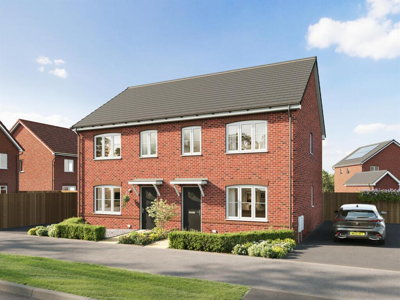
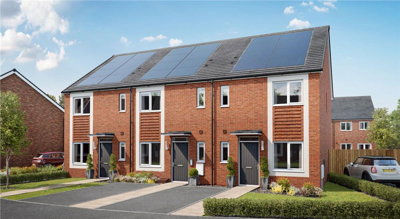
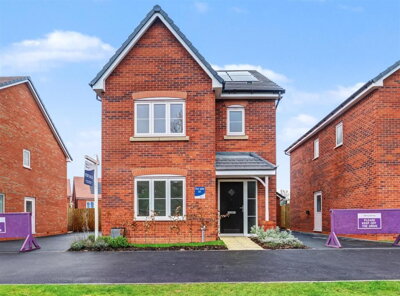
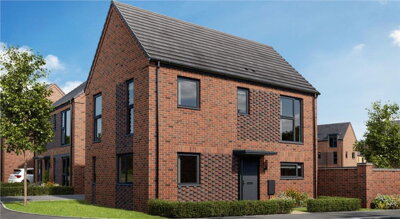
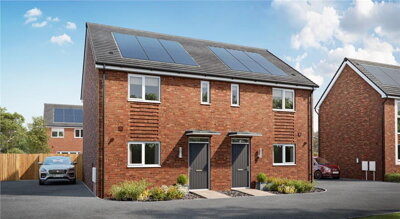
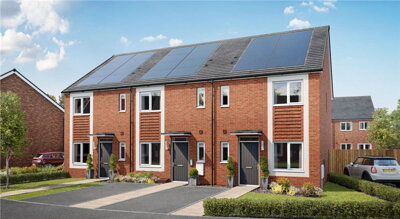
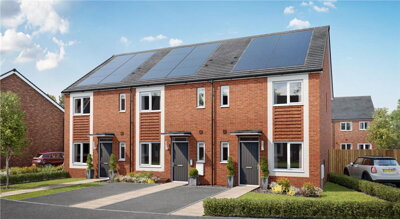
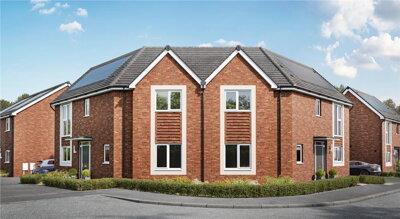
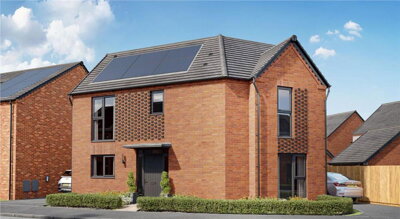
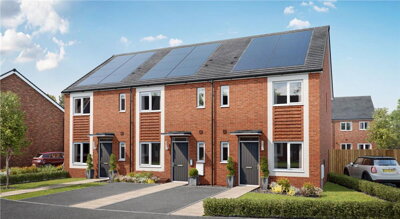
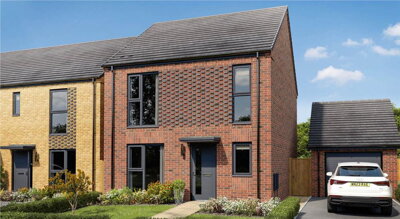
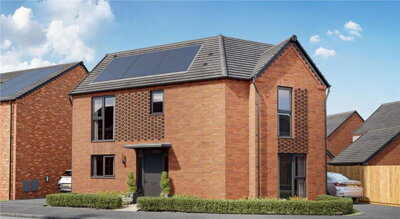
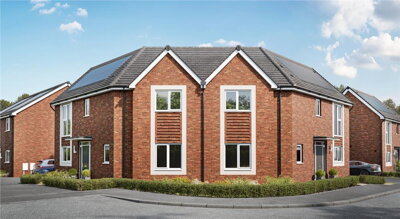
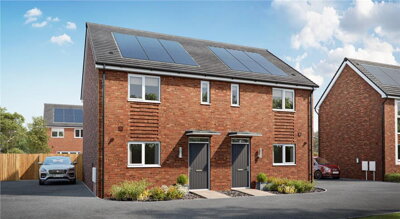
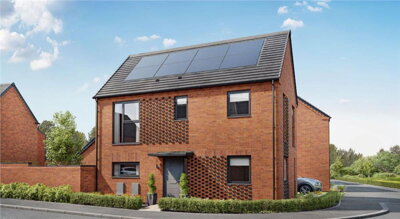
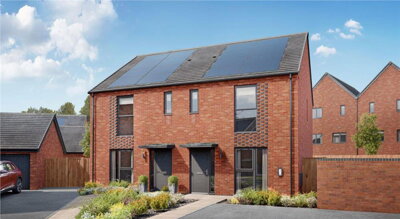
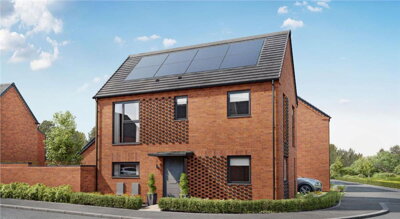
Browse 20 homes new builds in Walton upon Trent from local developer agents.
Three bedroom properties represent a significant portion of the Walton Upon Trent housing market, offering space for families with multiple reception rooms and gardens in many cases. Browse detached, semi-detached, and terraced options ranging across new residential developments.
The Walton upon Trent property market showcases the spectrum of English village living, with property types catering to various budgets and preferences. Detached properties command the highest prices at an average of £511,665, offering generous gardens and period features that appeal to families seeking space away from urban centres. Semi-detached homes average £275,333, representing strong value compared to neighbouring towns, while terraced properties at around £240,000 provide accessible entry points for first-time buyers drawn to the village atmosphere.
The local market has demonstrated steady resilience, with Land Registry data indicating a 27.9% increase in property values over recent years, supplemented by a 3% rise in the past twelve months. Rightmove records show 202 property sales completed in Walton upon Trent within the last year, indicating healthy market activity for a village of its size. This consistent growth reflects the enduring appeal of village life within easy reach of major employment centres.
New build activity in the surrounding area includes the significant Drakelow Park development by Countryside Partnerships on the former power station site, offering 3 and 4-bedroom homes with shared ownership options. While technically in the DE15 postcode rather than Walton upon Trent's DE12, this development's proximity means improved infrastructure including the planned bypass and new bridge will directly benefit Walton upon Trent residents, potentially influencing future property values in the village.
Property types in Walton upon Trent reflect centuries of local building traditions. The historic building stock includes 18th-century brick mansions built with red brick and painted gauged brick with stone dressings, alongside earlier 17th-century timber-framed houses with brick nogging on stone plinths. Roofs historically featured thatch or red clay tiles, with many subsequently replaced by Staffordshire blue clay tiles following the opening of the Trent and Mersey Canal in 1777. Understanding these construction methods helps buyers appreciate the character of period properties while anticipating maintenance requirements.

Walton upon Trent embodies the essence of English village life, positioned on the east bank of the River Trent where generations of residents have enjoyed riverside walks and community gatherings. The village name derives from its location on the ancient river, and the waterway remains central to local identity, though buyers should note the fluvial flood risk that affects some properties on Main Street and the need to investigate flood insurance requirements for specific addresses.
The architectural character of Walton upon Trent reflects centuries of craftsmanship, with the historic building stock constructed predominantly from locally-sourced materials. Eighteenth-century brick mansions like Walton Hall showcase red brick with painted gauged brick and stone dressings, while earlier properties feature traditional timber-framing with brick nogging on stone plinths. The Church of St Laurence, built from distinctive reddish-brown and buff-coloured sandstones, provides the spiritual heart of the community. Many brick buildings throughout the village display characteristic white painted brickwork, believed to originate from historic limewashing practices that both protected and brightened the facades.
The Walton on Trent Conservation Area, designated by South Derbyshire District Council in January 1992, encompasses the historic core centred on Main Street and the village green. This designation protects the architectural heritage including Walton Hall and its attached stable range and garden wall, both Grade II*, along with the Church of St Laurence which is also Grade II*. Other listed buildings include 35 Main Street, 52-54 Main Street, Barn Farm Cottage with its attached barn, and Barr Hall with its associated farm buildings. Properties within the conservation area require planning permission for exterior alterations, which buyers should factor into any renovation plans.
Community amenities in Walton upon Trent include traditional village pubs, local shops, and recreational facilities serving residents of all ages. The proximity to Burton upon Trent provides access to larger retail centres, restaurants, and healthcare facilities while maintaining the peaceful atmosphere of village living. Weekend farmers markets and community events throughout the year foster the strong sense of belonging that characterises this riverside settlement.

Families considering a move to Walton upon Trent will find educational provision serving the village within easy reach, though the small scale of the community means some families travel to nearby towns for secondary education. Primary school-aged children typically access local infant and junior schools in the surrounding villages, with the closest options in adjacent communities providing strong foundations in the Derbyshire curriculum. Parents should research specific catchment areas and admission policies, as village schools often serve defined geographic zones that may not align precisely with parish boundaries.
Several primary schools within a reasonable driving distance of Walton upon Trent have achieved good Ofsted ratings, offering Reception through Year 6 education with strong pastoral care and academic standards. These schools serve not only Walton upon Trent families but also children from surrounding villages including Barton-under-Needwood, Alrewas, and Harlaston, creating established transport routes that parents can investigate when considering primary placement options.
Secondary education options in the wider South Derbyshire area include well-regarded comprehensive schools in Burton upon Trent and surrounding towns, with grammar school provision available for academically selective students in nearby Staffordshire. Parents seeking grammar school places should note that Staffordshire operates a selective intake system, and places are allocated based on performance in the 11-plus examination. Several nearby secondary schools offer dedicated bus services from the Walton upon Trent area, simplifying the daily commute for secondary-aged children.
Sixth form and further education college facilities are accessible in Burton upon Trent, Derby, and Lichfield, providing comprehensive post-16 pathways including A-levels, vocational qualifications, and apprenticeships. The proximity to these larger towns means Walton upon Trent families benefit from both village primary education and access to broader secondary and further education networks, making it a practical choice for families at all stages of their educational journey.
Walton upon Trent enjoys convenient connectivity despite its village setting, positioned between the commercial centres of Burton upon Trent and Lichfield. The village lies within easy reach of the A38 dual carriageway, providing direct routes to Derby to the north and Birmingham to the south-west. Local bus services link Walton upon Trent with surrounding villages and market towns, though residents without private transport should verify service frequency and timing, particularly for evening and weekend travel. The strategic location makes the village popular with commuters who appreciate the rural lifestyle while maintaining access to major employment centres.
Rail connections from nearby Burton upon Trent station offer direct services to Birmingham, Derby, London St Pancras, and the East Midlands, with journey times to Birmingham New Street typically around 40 minutes. The station also provides connections to Nottingham and Leicester, opening up employment and leisure opportunities across the wider region. Commuters working in the professional services sector in Birmingham or the manufacturing hub around Derby find the rail access particularly valuable.
Road infrastructure improvements are planned for the Walton upon Trent area, including a new bypass and a 150-metre-long three-span bridge over the River Trent to replace the existing Bailey Bridge. This infrastructure project aims to reduce traffic congestion through the village centre, particularly during peak hours when through-traffic creates noise and pollution. The improved crossing will also provide better flood resilience, as the current Bailey Bridge has experienced flood damage in the past during periods of high river flow.
For air travel, Birmingham Airport is accessible within approximately 45 minutes by car, connecting Walton upon Trent residents to international destinations across Europe and beyond. East Midlands Airport is also within reasonable driving distance, offering additional options for holiday travel and business flights. The combination of road, rail, and air connectivity makes Walton upon Trent an practical base for professionals who travel regularly for work.
Explore property listings and recent sales data for Walton upon Trent to understand current prices and availability. Our platform shows 200+ homes currently listed, with detached properties averaging £511,665 and terraced homes around £240,000. Pay particular attention to the Walton on Trent Conservation Area boundaries and flood risk zones near Main Street when evaluating properties.
Before arranging viewings, obtain a mortgage agreement in principle from a lender to confirm your budget. This strengthens your position when making offers on properties in this competitive village market. Mortgage rates typically start from 4.5% for residential purchases, and speaking with a broker familiar with South Derbyshire properties can help navigate the specific requirements for older period homes.
Visit properties that match your criteria, taking time to explore the neighbourhood at different times of day. Pay particular attention to flood risk areas near Main Street and the condition of period properties in the conservation area. Check access roads for parking and note any planned infrastructure works that might affect your daily commute.
Commission a homebuyers report before completing your purchase. Our platform offers RICS Level 2 surveys in Walton upon Trent from £350, essential for assessing the condition of older properties built from traditional brick and timber-framed construction. A thorough survey will identify any structural issues, timber defects, or damp problems common in period properties.
Choose an experienced local solicitor to handle the legal aspects of your purchase, including searches on flood risk, conservation area restrictions, and any planned infrastructure works in the area. Our conveyancing partners offer services from £499 and understand the specific considerations for South Derbyshire properties.
Once all searches are satisfactory and financing is confirmed, your solicitor will exchange contracts and arrange completion. On the day of completion, you will receive your keys and can begin moving into your new Walton upon Trent home. Arrange buildings insurance from exchange of contracts, particularly for properties near the River Trent where specialist flood insurance may be required.
Purchasing a property in Walton upon Trent requires attention to several location-specific considerations that differ from urban property searches. The village lies within the Walton on Trent Conservation Area, meaning exterior alterations to period properties require planning permission from South Derbyshire District Council. Buyers should verify whether any works have been carried out with appropriate consents, particularly for properties with historic features like original timber-framing, thatched roofs, or traditional brickwork. The concentration of listed buildings, including Grade II* structures like Walton Hall and the Church of St Laurence, means some neighbouring properties may carry listed status that restricts permitted development rights.
Flood risk assessment is essential when considering properties in Walton upon Trent, particularly those along Main Street or near the River Trent. Some gardens already fall within Flood Zones, and the Environment Agency advises that properties can experience flooding during a one-in-100-year flood event. Properties in Drakelow West benefit from flood mapping showing no residential properties within Flood Zones, though the wider area near the unnamed tributary requires verification. Obtaining appropriate flood insurance should be factored into ongoing costs alongside council tax and service charges.
Building materials in Walton upon Trent properties reflect the local geology and traditional construction methods. Many period properties feature timber-framed construction with brick nogging on stone plinths, which can be susceptible to wet rot and woodworm if not properly maintained. The characteristic white painted brickwork seen on many village properties may be concealing original brickwork that requires maintenance, so buyers should factor potential renovation costs into their offer price. Stone lintels and dressed stone sills on more substantial properties represent quality detailing but may require repointing over time.
Buyers should also investigate the condition of roofing materials, as many original thatch roofs have been replaced with Staffordshire blue clay tiles following the opening of the local canal network. While tiles offer better fire resistance and longevity than thatch, they may still be approaching the end of their practical lifespan after 200+ years. A thorough RICS Level 2 survey will identify any immediate concerns with roof condition, structural integrity, or evidence of damp penetration that might affect your purchase decision.
The average house price in Walton upon Trent is currently £333,363 based on the last 12 months of sales data. Detached properties average £511,665, semi-detached homes are around £275,333, and terraced properties average £240,000. Property prices have increased by approximately 3% over the past year, reflecting steady demand for village properties in this South Derbyshire location. The 27.9% increase in values over recent years demonstrates the sustained growth in this riverside village market.
Properties in Walton upon Trent fall under South Derbyshire District Council jurisdiction. Council tax bands range from A to H depending on property value and type. Victorian and Edwardian terraced properties on Main Street typically fall in bands A to C, while larger detached homes and period houses may be in bands D to F. The specific banding affects monthly outgoings, so you should verify exact bandings via the Valuation Office Agency website using the property address before committing to a purchase.
Walton upon Trent itself is a small village with limited primary school provision, so families typically access schools in surrounding villages. The closest primary schools serve Reception through Year 6, with several options in nearby Barton-under-Needwood, Alrewas, and Harlaston offering good Ofsted ratings. Secondary education is available in Burton upon Trent, with grammar school options in Staffordshire for academically selective students. Parents should check current catchment areas and admission policies, as these can change annually and directly affect which school your child would attend.
Local bus services connect Walton upon Trent with nearby towns including Burton upon Trent and Lichfield, though service frequency may be limited compared to urban areas. The nearest railway station is Burton upon Trent, offering direct trains to Birmingham (around 40 minutes), Derby, and London St Pancras. For commuting, the A38 provides road access to Derby in approximately 25 minutes and Birmingham in around 45 minutes. Residents without cars should check bus timetables carefully before committing to a purchase.
Walton upon Trent offers potential for property investment, with prices having increased by 27.9% over recent years and a 3% rise in the past twelve months. The proximity to the planned Drakelow Park development may influence future property values, as improved infrastructure including the bypass and new bridge crossing could enhance accessibility. Rental demand exists for family homes given the village character and schooling options, though investors should carefully consider flood risk factors along Main Street and conservation area restrictions that may affect future resale value or renovation potential.
Standard stamp duty rates for 2024-25 apply to Walton upon Trent property purchases: 0% on the first £250,000, 5% on £250,001 to £925,000, 10% on £925,001 to £1.5 million, and 12% above £1.5 million. First-time buyers receive relief on the first £425,000, paying 5% between £425,001 and £625,000. For a typical terraced property at £240,000, most buyers would pay no stamp duty, while detached homes averaging £511,665 would incur duty of approximately £13,083 for non-first-time buyers.
Yes, flood risk is a significant consideration in Walton upon Trent. The village sits on the east bank of the River Trent, and some properties on Main Street have gardens within Flood Zones. The existing Bailey Bridge has experienced flood damage in the past, and some properties can flood during a one-in-100-year flood event. The unnamed tributary watercourse also presents fluvial flood risk to the wider area. The planned bypass and new bridge aim to protect existing homes while improving traffic flow. Buyers should always commission a flood risk search and obtain buildings insurance quotes before completing a purchase.
Walton upon Trent has had a designated Conservation Area since 1992, which means exterior alterations to properties often require planning permission from South Derbyshire District Council. The area contains several listed buildings including Walton Hall and the Church of St Laurence, both Grade II*, along with other Grade II structures like 35 Main Street, 52-54 Main Street, and Barn Farm Cottage. These restrictions protect the historic character but may limit renovation options. Buyers should obtain a pre-application planning enquiry with the council if considering significant alterations to any period property.
Walton upon Trent properties reflect centuries of local building traditions. Earlier 17th-century houses feature timber-framing with brick nogging on stone plinths, while 18th-century brick mansions like Walton Hall showcase red brick with painted gauged brick and stone dressings. Roofs were historically thatched or tiled with red clay, though many have been replaced with Staffordshire blue tiles since the Trent and Mersey Canal opened in 1777. Many brick buildings display characteristic white painted brickwork. Understanding these construction methods helps buyers anticipate maintenance requirements and factor renovation costs into their offer.
The most significant nearby development is Drakelow Park on the former power station site, offering new 3 and 4-bedroom homes with shared ownership options. While technically in the DE15 postcode rather than Walton upon Trent's DE12, this development's proximity means improved infrastructure including a 1.5km bypass and a new 150-metre bridge crossing will directly benefit Walton upon Trent residents. These infrastructure improvements may influence property values in the village over the coming years as traffic congestion reduces and flood protection improves.
Understanding the full cost of purchasing property in Walton upon Trent extends beyond the advertised sale price to include stamp duty, legal fees, survey costs, and ongoing expenses. For a terraced property averaging £240,000, a first-time buyer would pay no stamp duty under current thresholds, while a home-mover purchasing the same property would also pay zero duty on the first £250,000. However, a substantial detached home at the village average of £511,665 would incur approximately £13,083 in stamp duty for a non-first-time buyer, with first-time buyer relief potentially reducing this to around £4,333.
Additional buying costs in Walton upon Trent include mortgage arrangement fees typically ranging from £500 to £2,000 depending on the lender and product chosen. Survey costs for a RICS Level 2 homebuyers report start from £350 through our platform, providing essential information about the condition of period properties with their traditional construction methods. Conveyancing fees from £499 cover standard legal work including local searches with South Derbyshire District Council covering planning history, environmental factors, and flood risk.
Local searches with South Derbyshire District Council cover planning history, environmental factors, and flood risk specific to the Walton upon Trent area. Your solicitor will also conduct drainage and water authority searches given the proximity to the River Trent and local watercourses. Buildings insurance should be arranged from exchange of contracts, and buyers in flood-risk areas along Main Street should obtain specialist insurance quotes before completing as premium costs can vary significantly between properties depending on their exact location relative to Flood Zones.
Registering with a local removal firm early is advisable, as village access roads may require smaller vehicles or multiple trips for larger households. Survey costs through our platform start from £350 for a RICS Level 2 homebuyers report, which is particularly recommended for period properties in the conservation area where traditional construction methods may conceal defects. EPC assessment costs start from £60 and are required for all property sales.
From £350
A detailed survey for properties in Walton upon Trent, ideal for checking the condition of period brick and timber-framed homes in the conservation area.
From £60
Energy Performance Certificate required for all property sales in Walton upon Trent.
From £499
Expert legal services for your Walton upon Trent property purchase, including local searches.
From 4.5%
Competitive mortgage rates for your Walton upon Trent home purchase.
Properties New Builds In London

Properties New Builds In Plymouth

Properties New Builds In Liverpool

Properties New Builds In Glasgow

Properties New Builds In Sheffield

Properties New Builds In Edinburgh

Properties New Builds In Coventry

Properties New Builds In Bradford

Properties New Builds In Manchester

Properties New Builds In Birmingham

Properties New Builds In Bristol

Properties New Builds In Oxford

Properties New Builds In Leicester

Properties New Builds In Newcastle

Properties New Builds In Leeds

Properties New Builds In Southampton

Properties New Builds In Cardiff

Properties New Builds In Nottingham

Properties New Builds In Norwich

Properties New Builds In Brighton

Properties New Builds In Derby

Properties New Builds In Portsmouth

Properties New Builds In Northampton

Properties New Builds In Milton Keynes

Properties New Builds In Bournemouth

Properties New Builds In Bolton

Properties New Builds In Swansea

Properties New Builds In Swindon

Properties New Builds In Peterborough

Properties New Builds In Wolverhampton

Enter your details to see if this property is within your budget.
Loans, cards, car finance
Estimated property budget
Borrowing + deposit
You could borrow between
Typical borrowing
Monthly repayment
Est. at 4.5%
Loan-to-value
This is an estimate only. Your actual budget may vary depending on interest rates, credit history, and personal circumstances. For an accurate affordability assessment, speak to one of our free mortgage advisors.
This calculator provides estimates for illustrative purposes only and does not constitute financial advice. Your home may be repossessed if you do not keep up repayments on your mortgage. Estimates based on 4.5% interest rate, repayment mortgage. Actual rates depend on your circumstances.
Homemove is a trading name of HM Haus Group Ltd (Company No. 13873779, registered in England & Wales). Homemove Mortgages Ltd (Company No. 15947693) is an Appointed Representative of TMG Direct Limited, trading as TMG Mortgage Network, which is authorised and regulated by the Financial Conduct Authority (FRN 786245). Homemove Mortgages Ltd is entered on the FCA Register as an Appointed Representative (FRN 1022429). You can check registrations at NewRegister or by calling 0800 111 6768.

We use cookies to show you personalised content and improve your experience of our website. Find out more in our Privacy policy and Cookie policy.