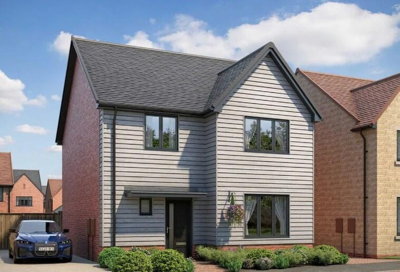
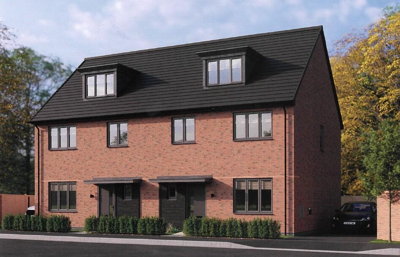
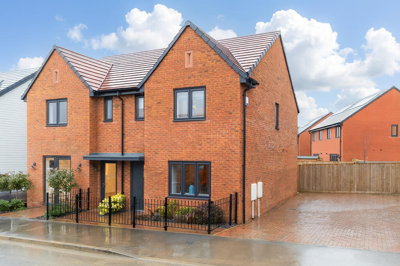
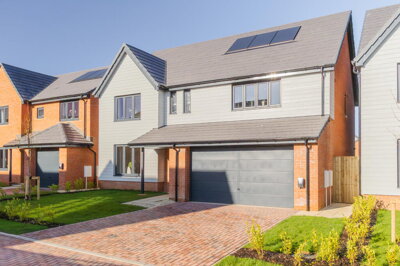
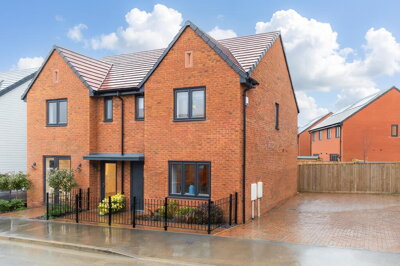
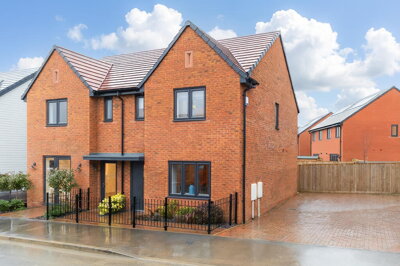
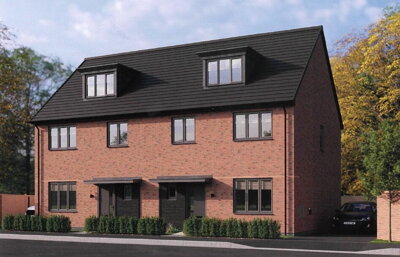
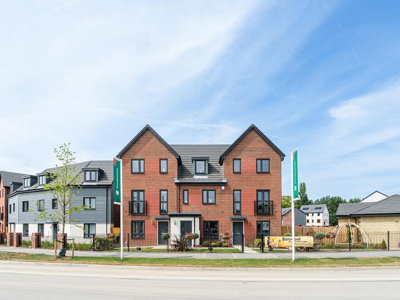
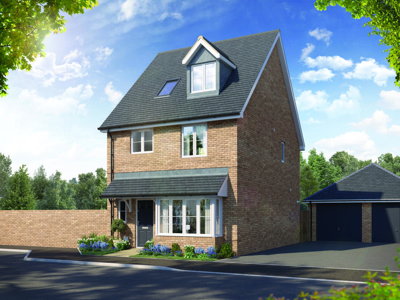
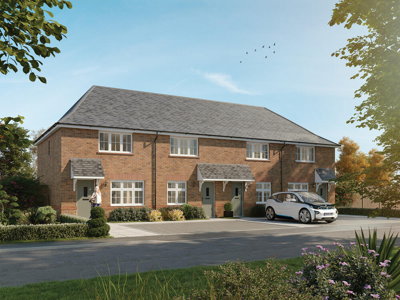
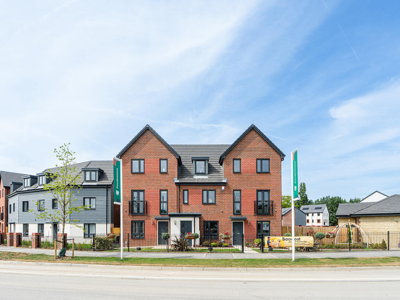
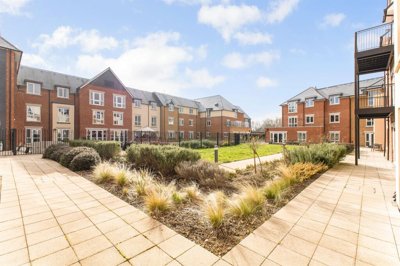
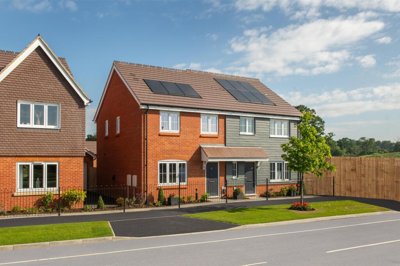
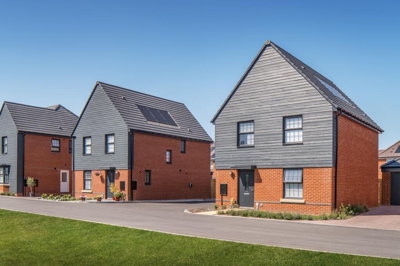
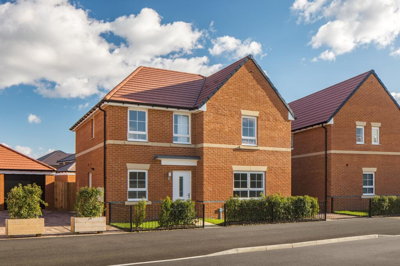
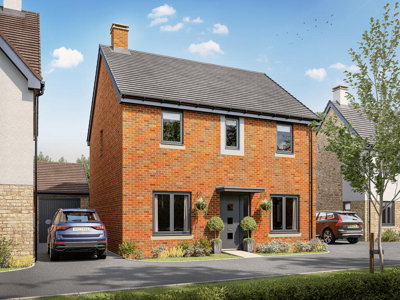
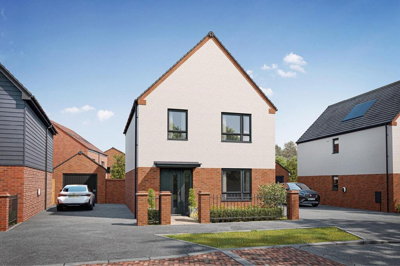
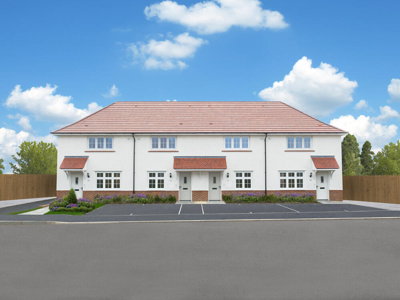
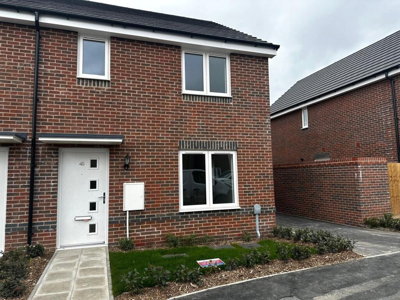
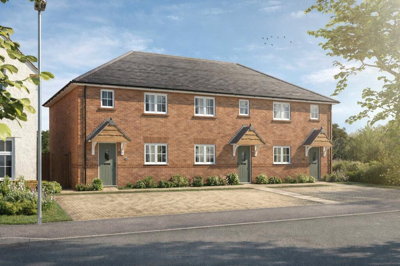
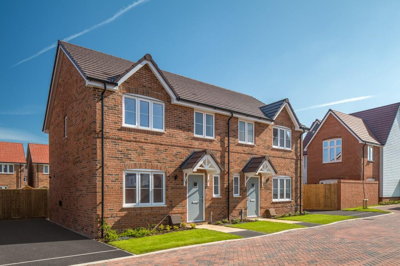
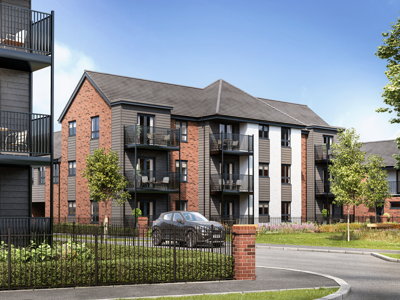
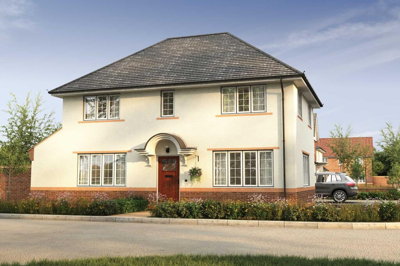
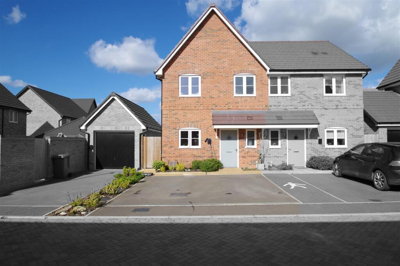
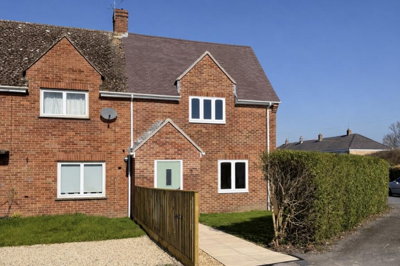
Browse 242 homes new builds in Vale of White Horse from local developer agents.
The Vale of White Horse property market has demonstrated remarkable resilience and steady growth, with the average property price reaching £412,000 in December 2025. Our data shows this represents a 6.2% increase compared to the same period in 2024, demonstrating strong buyer demand in this Oxfordshire district. The average price paid for properties has reached £446,000 as of January 2026, indicating that buyers are prepared to invest premium prices for homes in this desirable location. With 1,667 sales completing in the last twelve months, the market remains active and competitive.
Property types across the Vale of White Horse cater to a wide range of budgets and preferences. Detached properties command the highest prices at an average of £666,000, offering generous space and gardens that appeal to families seeking room to grow. Semi-detached homes, averaging £402,000, saw the strongest price growth at 7.6% year-on-year, reflecting their popularity among buyers seeking a balance between space and affordability. Terraced properties at £325,000 and flats at £208,000 provide accessible entry points to the Oxfordshire property market, with flats showing a more modest 2.5% price increase over the year.
Towns within the Vale of White Horse district offer distinct characters and price points. Wantage serves as a traditional market town with a strong community feel, while Didcot has grown significantly in recent years as a commuter hub. Abingdon, one of the oldest towns in Britain, combines historical character with modern amenities. Faringdon and the surrounding villages offer quieter lifestyles with excellent primary schools and local facilities, making them particularly popular with young families looking to escape larger cities.
Looking at price trends in more detail, the district shows fascinating patterns that reflect its diverse housing stock and varying demand across different neighbourhoods. Properties within walking distance of Didcot station command significant premiums, while homes in conservation villages like East Hendred or Blewbury can achieve prices well above the district average due to their character and setting. The ongoing development around Didcot Garden Town continues to bring new properties to the market, offering modern alternatives to the period housing that dominates many villages.

The Vale of White Horse district encompasses a rich of Oxfordshire countryside, from the ancient slopes of the Berkshire Downs to the fertile farmland that has sustained communities for millennia. The area is anchored by the Uffington White Horse, a Bronze Age hill figure that gazes across the landscape from its commanding position on the Oxfordshire Ridgeway. This iconic symbol has given the district its name and continues to inspire local pride and cultural identity. Residents enjoy a quality of life that balances rural tranquility with practical accessibility to major urban centres.
The market towns scattered throughout the Vale provide comprehensive local amenities without the congestion of larger cities. Wantage offers a weekly market, independent shops, and the popular Letcombe Brook running through its centre. Didcot has undergone significant expansion with the Didcot Garden Town initiative, bringing new shopping facilities, restaurants, and leisure amenities to the area. Abingdon-on-Thames combines medieval architecture with excellent pubs, cafes, and regular community events that draw visitors from across the region. The River Thames touches the southern edge of the district, offering scenic walks and boating opportunities for residents.
Outdoor enthusiasts find paradise in the Vale of White Horse, with extensive footpaths, bridleways, and cycling routes threading through the landscape. The Ridgeway National Trail passes through the district, following ancient tracks used by travellers for thousands of years. The White Horse Hills provide outstanding panoramic views across Oxfordshire, Berkshire, and Wiltshire on clear days. Local nature reserves and country parks offer family-friendly days out, while the proximity to the Cotswolds and Chilterns extends recreational possibilities considerably. The area's strong sense of community is reinforced through active village halls, sports clubs, and seasonal festivals that bring neighbours together throughout the year.
The cultural offerings of the Vale deserve particular attention for those considering a move here. The district hosts numerous events throughout the year, from the Wantage Literary Festival to the Abingdon Air and Craft Show, reflecting the creative and active nature of local communities. Historic churches, manor houses, and ancientScheduled Monuments dot the landscape, providing fascinating destinations for weekend exploration. The towns maintain thriving arts scenes, with local theatre groups, music societies, and craft markets that give the area its distinctive character beyond the simple attractions of the countryside.
Education provision across the Vale of White Horse makes the district particularly attractive to families with children of all ages. The area maintains a strong network of primary schools, many of which are rated Good or Outstanding by Ofsted. Schools in towns such as Wantage, Didcot, and Abingdon serve their local communities with good reputations for academic achievement and pastoral care. Village primary schools in locations like Faringdon, Stanford in the Vale, and East Hanney offer smaller class sizes and close community connections that many parents find appealing for their children's formative years.
Secondary education in the district includes several well-established schools serving wider catchment areas. Didcot offers comprehensive secondary options, while students from surrounding villages often travel to schools in Wantage or Abingdon. The Royal Academy in Abingdon has built a strong reputation for arts education, attracting students from across Oxfordshire. Families seeking grammar school education will find options in nearby areas of Berkshire and Oxfordshire, with transportation links making these accessible for students willing to travel. Sixth form provision in the district continues to develop, with schools expanding their offerings to include vocational qualifications alongside traditional A-levels.
For families considering private education, the Vale of White Horse sits within reach of several respected independent schools in Oxfordshire and Berkshire. These institutions offer varied educational approaches and extracurricular programmes that complement the strong state school options available within the district. Early years provision is well-established across towns and villages, with nursery schools and preschool groups providing essential childcare for working parents. The concentration of quality educational options across all levels makes the Vale of White Horse a compelling choice for families prioritising their children's academic development.
School catchment areas play a significant role in property selection throughout the district, and our platform provides information on which schools serve each neighbourhood. Properties in the catchment areas of popular primary schools like those serving the Wantage town centre or the Willowbrook area of Didcot frequently attract premium prices and competitive interest from buyers with school-age children. We recommend visiting potential schools and verifying current catchment boundaries with Oxfordshire County Council admissions before committing to a purchase, as these boundaries are reviewed periodically and can affect which school your child would attend.
Commuting from the Vale of White Horse has become increasingly practical as transport infrastructure has improved, making the district popular with workers who need to travel to Oxford, Reading, or London. Didcot Railway Station provides regular services to London Paddington with journey times of approximately 40-50 minutes, while Oxford station offers connections to major destinations nationwide. The Didcot to Oxford rail line has seen service improvements in recent years, and plans for further enhancements continue to develop. For those driving, the A417 runs through the district connecting to the M4 motorway to the south and the A40 to the north.
Local bus services operated by the Oxford Bus Company and Stagecoach connect towns and villages throughout the Vale, though schedules are generally geared toward commuters and shoppers rather than full-day flexibility. Many residents find that a combination of public transport and cycling works well for daily travel, particularly for journeys to local towns. The S1 and S2 bus routes connecting Wantage and Abingdon to Oxford provide essential services for students and workers, though journey times of 45-60 minutes mean that proximity to the direct rail services in Didcot often commands a premium in the property market.
Cycling infrastructure in the Vale of White Horse has expanded in recent years, with National Cycle Network routes passing through the district and connecting to the wider Oxfordshire cycling network. The flat terrain around Didcot and the river valleys makes cycling practical for many commuters, while electric bikes have extended the feasible range considerably. For air travel, the district sits within reasonable reach of London Heathrow, London Gatwick, and Birmingham Airport, with coach services available to major terminals. The strategic position of the Vale of White Horse between Oxford and Reading, with direct motorway access, positions it well for residents who travel regularly for business or leisure.
Commuter parking at Didcot station is a practical consideration for those choosing properties further from the railway. The station offers parking facilities, though spaces can fill quickly during peak hours, and permit schemes operate for regular users. Properties in villages like Goring, Streatley, or Cholsey benefit from proximity to mainline rail services while maintaining more rural characters, though these locations fall outside the main Vale of White Horse district. The Park and Ride facilities being developed around Didcot aim to ease congestion and provide additional options for residents travelling to Oxford and beyond.
Before you start viewing properties, approach a mortgage broker or lender to obtain an agreement in principle. This document confirms how much you can borrow based on your financial circumstances and strengthens your position when making offers in a competitive market. In the Vale of White Horse where desirable properties can attract multiple bids, having your finances arranged demonstrates serious intent to sellers and can make the difference between a successful offer and a lost opportunity.
Spend time understanding the different towns and villages within the Vale of White Horse district to identify areas that match your lifestyle priorities and budget. Consider factors such as commute times, school catchment areas, and property types available. Our platform provides detailed neighbourhood information alongside listings, helping you narrow your search to the most suitable locations within this diverse district. The price variations between towns like Abingdon and Didcot, or between village locations and town centres, can significantly affect what you get for your budget.
Once you have identified properties that meet your criteria, contact estate agents to arrange viewings. In the Vale of White Horse, well-presented family homes in good school catchments often sell quickly, so be prepared to act promptly when you find the right property. Take notes during viewings and ask about the history of the property, recent renovations, and any planned developments in the area. We always recommend viewing properties at different times of day to assess traffic, noise levels, and the general atmosphere of the neighbourhood.
When you find your ideal home, submit an offer through the estate agent with evidence of your mortgage agreement in principle and details of your sale chain if applicable. The average price paid in the Vale of White Horse was £446,000 as of January 2026, providing useful context for negotiation. Be prepared for counter-offers and maintain flexibility on completion dates if the seller has specific requirements. In competitive situations, demonstrating your commitment to the property and your understanding of the local market can help your offer stand out.
Once your offer is accepted, instruct a qualified surveyor to conduct a property survey before legal contracts are exchanged. We recommend an RICS Level 2 survey for most properties in the Vale of White Horse, which checks for structural issues, damp, and other defects common in both older properties and newer builds. This survey protects your investment and may provide leverage for price adjustments if significant issues are discovered. For period properties in villages like those along the Ridgeway, a more detailed Level 3 survey may be advisable given the potential for historic construction methods and aging fabric.
Your solicitor will handle the legal aspects of the purchase, including local authority searches, title checks, and contract preparation. In the Vale of White Horse, searches typically include Oxfordshire County Council records and the relevant district council information. On completion day, your solicitor transfers the remaining funds and you receive the keys to your new home. We recommend staying in regular contact with your solicitor throughout the process and requesting updates on any queries raised by searches.
Property buyers considering the Vale of White Horse should be aware of several local factors that can affect their purchase. The district includes numerous conservation areas, particularly in villages such as Abingdon, Wantage, and the smaller settlements scattered across the Vale. Properties within these designated areas may be subject to additional planning restrictions that affect permitted development rights, so prospective buyers should check with the Vale of White Horse District Council planning department before committing to a purchase that involves renovation or extension plans.
Flood risk varies across the district, with properties near rivers and streams requiring particular attention to flood history and flood resilience measures. The River Thames and its tributaries have experienced flooding in the past, though modern flood defences and building regulations have improved resilience in many areas. A thorough property survey will identify any potential moisture or damp issues that can be more prevalent in older properties built with traditional methods common to Oxfordshire villages. Ground conditions in parts of the Vale, particularly on clay soils, may affect foundations and lead to subsidence concerns that require specialist assessment.
The distinction between freehold and leasehold ownership is relevant for anyone considering flats or maisonettes in the Vale of White Horse, particularly in newer developments around Didcot and surrounding areas. Lease terms, ground rent arrangements, and service charges can significantly affect the ongoing costs of ownership and the property's future saleability. Freehold properties, which predominate in older villages and town centres, offer simpler ownership structures but may still be subject to covenants or restrictions recorded in the title deeds. Your solicitor will explain these details during the conveyancing process, and we recommend asking specifically about any unusual terms or obligations attached to the property you are purchasing.
Several additional considerations deserve attention when purchasing in this area. Energy efficiency varies widely between period properties and newer builds, with older homes potentially requiring upgrades to meet modern standards and achieve acceptable EPC ratings. Properties with large gardens in the Vale may involve significant maintenance commitments, particularly those bordering farmland whereboundary disputes or rights of way could arise. The proximity of some properties to agricultural operations means occasional noise and traffic from farm vehicles, especially during harvest seasons, should be factored into your assessment of the location.
The average house price in the Vale of White Horse reached £412,000 in December 2025, representing a 6.2% increase from the previous year. The average price paid for properties was £446,000 as of January 2026, with 1,667 sales completing in the twelve months prior. Property prices vary significantly by type, with detached homes averaging £666,000, semi-detached at £402,000, terraced properties at £325,000, and flats at £208,000. This diversity in pricing makes the Vale of White Horse accessible to buyers across different budget ranges while offering premium options for those seeking larger family homes.
Council tax bands in the Vale of White Horse are set by the Vale of White Horse District Council and South Oxfordshire District Council, depending on the specific location of the property. Bands range from A to H and are based on the property's assessed value as of April 1991. Most properties in the district fall within bands B through E, with newer developments and larger family homes typically in higher bands. Prospective buyers can check the specific band for any property through the government council tax valuation website or by contacting the relevant local authority directly.
The Vale of White Horse has several well-regarded primary schools, including schools in Wantage, Didcot, Abingdon, and surrounding villages, many of which hold Good or Outstanding Ofsted ratings. Secondary options include schools in Didcot, Abingdon, and Wallingford that serve their local communities with broad curriculum offerings. The district's proximity to Oxford provides access to excellent grammar schools and private education options within reasonable travelling distance. Families should verify current catchment areas and admission policies, as these can change and may affect which schools serve a particular address.
Public transport in the Vale of White Horse centres primarily on bus services connecting towns and villages, with the most comprehensive coverage serving commuters travelling to Oxford. Didcot Railway Station provides the main rail connection with regular services to London Paddington and Oxford, typically taking 40-50 minutes to the capital. The S1 and S2 bus routes connect Wantage and surrounding villages to Oxford, though journey times of 45-60 minutes make these most practical for those with flexible working arrangements. Residents without direct rail access often rely on driving to Didcot station, making parking at the station an important consideration.
Property investment in the Vale of White Horse has shown consistent performance, with average prices increasing by 6.2% year-on-year and 4.9% over the past twelve months for sold prices. The area benefits from strong fundamentals including excellent schools, improving transport links, and proximity to major employment centres in Oxford, Reading, and London. Didcot's ongoing development as a Garden Town continues to attract investment in infrastructure and amenities. Rental demand remains steady in the district, driven by commuters and families seeking the lifestyle benefits of Oxfordshire living without Oxford city centre prices.
Stamp duty Land Tax in England applies to property purchases based on the purchase price. For residential properties, there is no SDLT on the first £250,000 of the purchase price, 5% on the portion from £250,001 to £925,000, 10% on the portion from £925,001 to £1.5 million, and 12% on any amount above £1.5 million. First-time buyers benefit from increased thresholds, paying no SDLT on the first £425,000, with 5% charged between £425,001 and £625,000. Given the average property price of £412,000 in the Vale of White Horse, many buyers will fall within the lowest tax bands or qualify for first-time buyer relief.
Period properties across the Vale of White Horse, particularly those in villages along the Ridgeway and in historic market towns like Abingdon and Wantage, may present specific issues that surveyors routinely identify. Traditional construction methods used in these properties, including solid walls, lime mortar, and period roofing materials, require different maintenance approaches compared to modern builds. Our inspectors frequently note issues with damp penetration through solid walls, deterioration of lime pointing, and the condition of older roof coverings on these traditional properties. A thorough RICS survey will identify these issues and help you budget for any necessary repairs or improvements.
The Didcot Garden Town initiative continues to shape the local property market by bringing new infrastructure, amenities, and housing to the area. New developments in Didcot have expanded the housing stock significantly, with modern properties offering contemporary specifications and energy efficiency standards. This development activity has broader effects on surrounding villages and established neighbourhoods, as improved facilities and transport links benefit the entire district. Properties with good access to the new facilities and transport improvements have seen particular appreciation, while some buyers specifically seek established neighbourhoods away from construction activity.
Understanding the full costs of purchasing property in the Vale of White Horse helps buyers budget accurately and avoid surprises during the transaction process. Stamp duty Land Tax represents the most significant government levy, calculated on a tiered system that sees rates of 0%, 5%, 10%, and 12% applied to successive portions of the purchase price above £250,000. With the average property in the Vale of White Horse priced at £412,000, a typical buyer purchasing at this price point would pay SDLT of £8,100 on the portion above £250,000. First-time buyers purchasing properties up to £425,000 pay no SDLT, providing meaningful savings for those entering the property market.
Additional purchase costs include solicitor fees for conveyancing, which typically range from £500 to £1,500 depending on the complexity of the transaction and the property value. Local authority searches, typically £200-£400, cover matters such as planning history, environmental concerns, and highway information relevant to the specific property and its surroundings. Survey costs vary based on the type of inspection chosen, with RICS Level 2 surveys starting from around £350 for a standard property and Level 3 structural surveys costing more for larger or older homes. Mortgage arrangement fees, if applicable, typically range from £0 to £2,000 depending on the lender and product selected.
Moving costs for the Vale of White Horse include removal expenses, which vary widely based on the volume of belongings and distance of the move. Many buyers also budget for decorator and tradespeople costs when moving into properties that require modernisation or repairs identified during survey. It is prudent to maintain a contingency fund of around 5-10% of the purchase price to cover unexpected costs discovered after moving in, particularly for older properties where maintenance issues may not be immediately apparent. Building insurance must be in place from the day of completion, and life insurance or critical illness cover is worth considering when committing to a mortgage of this value in the Oxfordshire market.
When calculating your total budget for purchasing in the Vale of White Horse, remember to account for costs that may not be immediately obvious. Survey and valuation fees for mortgage purposes are often required even when arranging your own independent survey, and these are charged separately by your lender. Electronic identification and money laundering checks by your solicitor typically cost £20-£50 per person. If you are selling a property simultaneously, estate agent fees of 1-3% will apply to that sale. We recommend obtaining quotes from several solicitors and comparing the full scope of services offered before instructing, as costs can vary significantly between providers.
Properties New Builds In London

Properties New Builds In Plymouth

Properties New Builds In Liverpool

Properties New Builds In Glasgow

Properties New Builds In Sheffield

Properties New Builds In Edinburgh

Properties New Builds In Coventry

Properties New Builds In Bradford

Properties New Builds In Manchester

Properties New Builds In Birmingham

Properties New Builds In Bristol

Properties New Builds In Oxford

Properties New Builds In Leicester

Properties New Builds In Newcastle

Properties New Builds In Leeds

Properties New Builds In Southampton

Properties New Builds In Cardiff

Properties New Builds In Nottingham

Properties New Builds In Norwich

Properties New Builds In Brighton

Properties New Builds In Derby

Properties New Builds In Portsmouth

Properties New Builds In Northampton

Properties New Builds In Milton Keynes

Properties New Builds In Bournemouth

Properties New Builds In Bolton

Properties New Builds In Swansea

Properties New Builds In Swindon

Properties New Builds In Peterborough

Properties New Builds In Wolverhampton

Enter your details to see if this property is within your budget.
Loans, cards, car finance
Estimated property budget
Borrowing + deposit
You could borrow between
Typical borrowing
Monthly repayment
Est. at 4.5%
Loan-to-value
This is an estimate only. Your actual budget may vary depending on interest rates, credit history, and personal circumstances. For an accurate affordability assessment, speak to one of our free mortgage advisors.
This calculator provides estimates for illustrative purposes only and does not constitute financial advice. Your home may be repossessed if you do not keep up repayments on your mortgage. Estimates based on 4.5% interest rate, repayment mortgage. Actual rates depend on your circumstances.
Homemove is a trading name of HM Haus Group Ltd (Company No. 13873779, registered in England & Wales). Homemove Mortgages Ltd (Company No. 15947693) is an Appointed Representative of TMG Direct Limited, trading as TMG Mortgage Network, which is authorised and regulated by the Financial Conduct Authority (FRN 786245). Homemove Mortgages Ltd is entered on the FCA Register as an Appointed Representative (FRN 1022429). You can check registrations at NewRegister or by calling 0800 111 6768.

We use cookies to show you personalised content and improve your experience of our website. Find out more in our Privacy policy and Cookie policy.