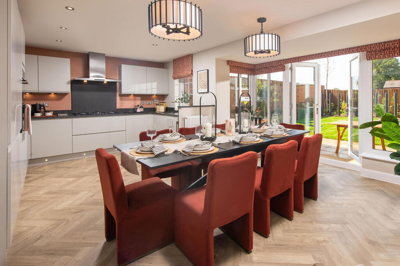
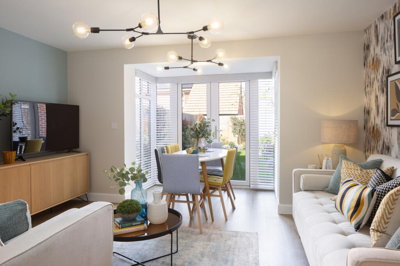
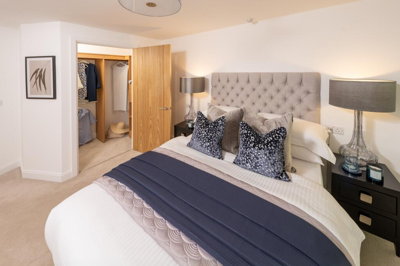
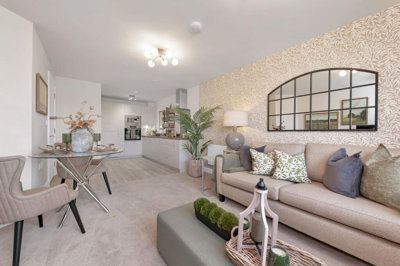
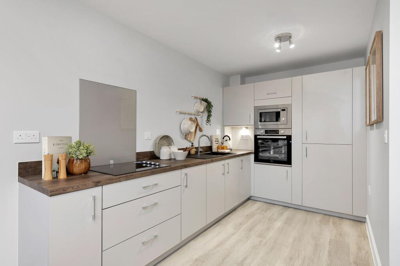
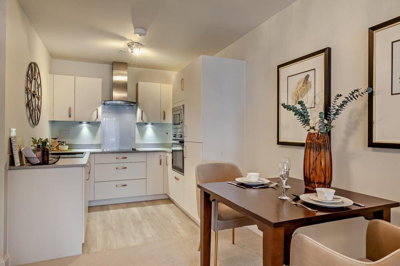
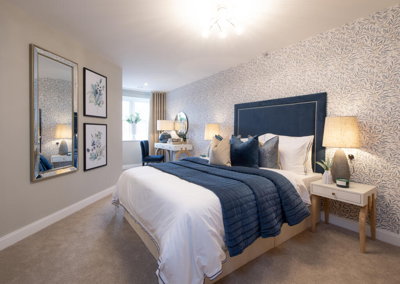
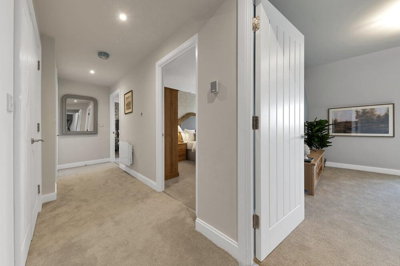
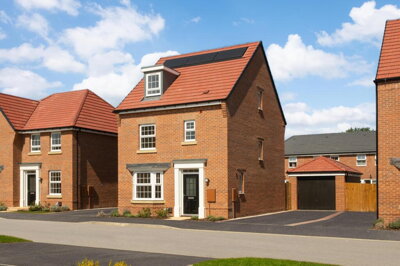
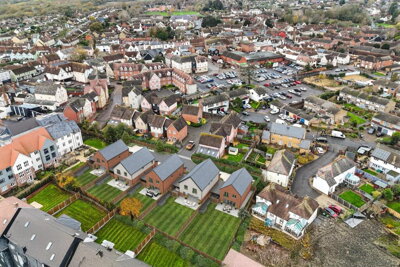
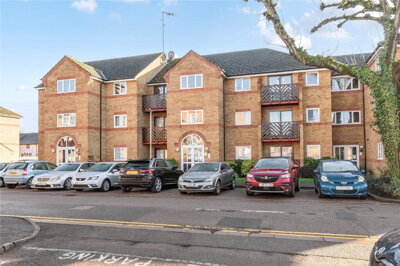
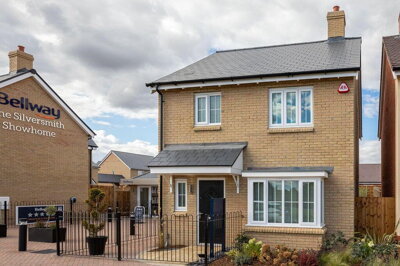
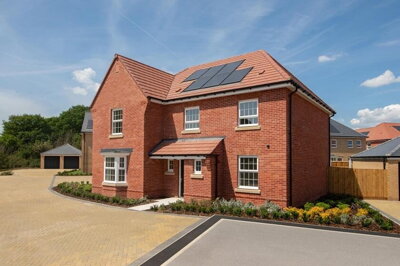
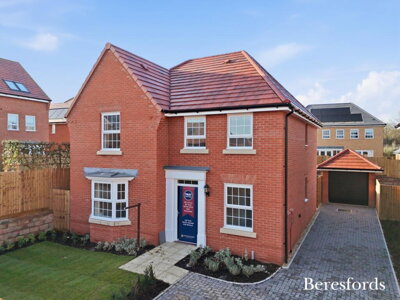
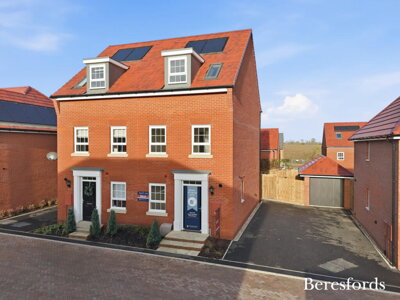
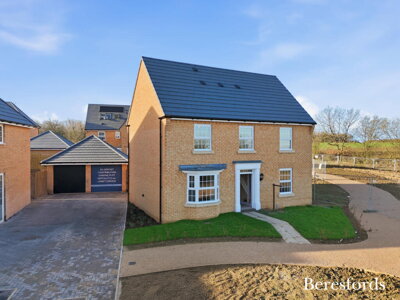
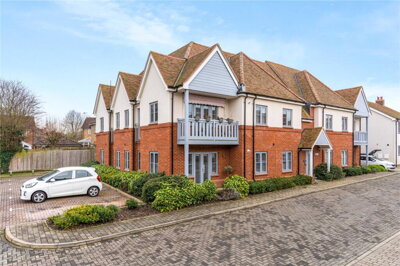
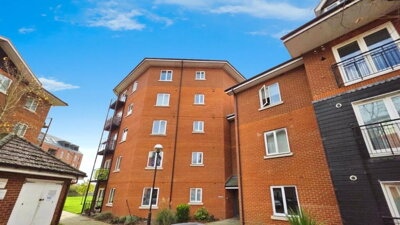
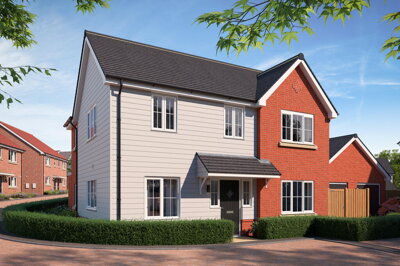
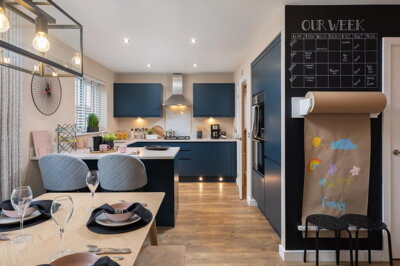
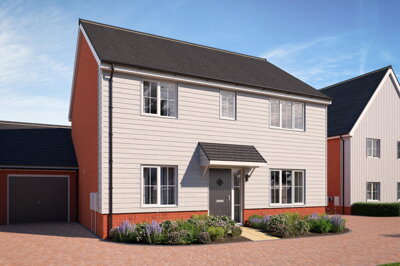
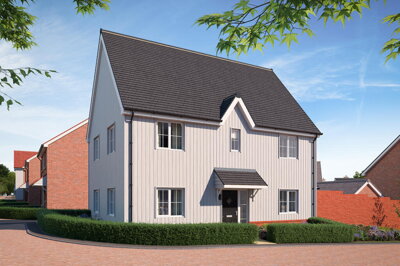
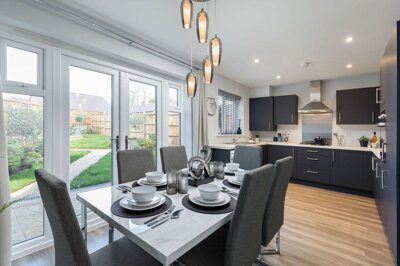
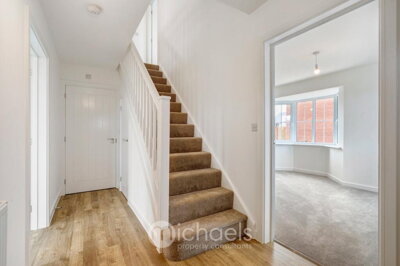
Browse 32 homes new builds in Uttlesford, Essex from local developer agents.
Studio apartments feature open-plan living spaces without separate bedrooms, incorporating sleeping, living, kitchen, and bathroom facilities. The Uttlesford studio market includes properties in modern apartment complexes, modern purpose-built developments and new residential complexes.
£185k
15
0
218
Source: home.co.uk
Showing 15 results for Studio Flats new builds in Uttlesford, Essex. The median asking price is £185,000.
Source: home.co.uk
Flat
15 listings
Avg £191,666
Source: home.co.uk
Source: home.co.uk
The Dengie property market is characterised by a dominance of detached homes, which accounted for 100% of sales in 2025. Detached properties in the area command a median sale price of £915,000, representing a 35.1% increase compared to 2024 figures. Semi-detached homes have also featured in recent transactions, with a median price of £375,000 recorded in 2023, though this represented a 27.9% decrease compared to 2018 levels. The limited volume of sales reflects Dengie's status as a small village rather than a high-volume residential area.
Despite the modest number of annual transactions, the market has shown significant vigour. The dramatic 69.4% price appreciation over the past 12 months suggests strong demand from buyers seeking properties on the Dengie Peninsula. Bungalows and traditional cottages feature prominently in available listings, with newer developments being rare. Prospective buyers should note that no active new-build developments have been verified within the specific Dengie postcode area (CM0 7), though neighbouring villages like Southminster offer additional housing options for those willing to consider nearby locations.
The Dengie property market operates quite differently from urban housing markets, with transactions often driven by personal connections and local knowledge rather than broad marketing campaigns. Properties that come to market may be sold by private treaty or through local estate agents with established relationships in the community. Buyers who understand this intimate market dynamics are often better positioned to identify opportunities before they reach wider circulation.
Our team monitors listings across the Dengie Peninsula and maintains relationships with local estate agents operating in the area. This means we can often provide early information about properties coming to market, giving you an advantage in what is fundamentally a limited supply environment where demand consistently outstrips availability.

Dengie embodies the essence of rural Essex living, sitting within a landscape shaped by agriculture and the sea. The Dengie Peninsula is a low-lying coastal area bordered by the Blackwater Estuary and the North Sea, creating a distinctive environment of marshland, farmland, and tidal creeks. The village's housing stock includes traditional properties such as Manor Cottages and East Ware Cottages, suggesting a proportion of pre-1945 buildings that contribute to the area's historic character. Weatherboarding and render finishes are common on older agricultural buildings and cottages, reflecting the practical construction methods of the region's farming heritage.
The local community revolves around the parish church, village hall, and the network of footpaths that criss-cross the surrounding farmland. Residents enjoy access to the Dengie Flats and marshes, which are popular with birdwatchers and walkers. The area's rural nature means that most amenities require a short journey to nearby Southminster, which offers shops, pubs, and primary school facilities. The proximity to the coast also brings certain considerations, as the low-lying geography of the Dengie Peninsula creates inherent susceptibility to coastal flooding and surface water flooding.
The Dengie area sits atop geological formations that include London Clay and alluvial deposits, which are typical of low-lying coastal regions in Essex. These conditions can create shrink-swell risks for property foundations, particularly in properties with large trees or inadequate drainage systems. Our inspectors regularly assess properties in similar coastal Essex locations and understand how these geological factors can affect building condition over time.
The parish forms part of the Blackwater Estuary National Nature Reserve, with the area's marshes and tidal creeks providing habitat for significant populations of wintering wading birds and wildfowl. The wildlife value of the Dengie Peninsula attracts visitors throughout the year, creating a gentle flow of tourism that supplements the agricultural economy without overwhelming the village's peaceful character.

Families considering a move to Dengie will find educational facilities primarily located in nearby towns and villages. Southminster, approximately 3 miles from Dengie, provides primary school options for younger children. The local primary schools in the surrounding area serve the Dengie Peninsula communities, with children typically progressing to secondary education in the market town of Maldon or other nearby centres. Parents should research specific catchment areas and admission policies, as these can vary across the rural Essex local authority boundaries.
For secondary education, students often travel to Maldon, which offers secondary schools serving the Dengie Peninsula and wider Maldon district. Sixth form and further education opportunities are available in Chelmsford, the county town of Essex, which is accessible via road and public transport links. The rural nature of Dengie means that school transportation arrangements are an important consideration for families, and prospective buyers should confirm bus services and journey times before committing to a purchase in the area.
Primary schools in Southminster serve the immediate surrounding villages of the Dengie Peninsula, with school transport typically provided by Essex County Council for qualifying distances. The journey time from Dengie to Southminster primary schools involves approximately 15-20 minutes by school bus, depending on pick-up schedules from other villages along the route.
Parents should be aware that school admission policies in Essex operate on a catchment area basis with priority given to siblings and those living closest to the school. For families relocating from further afield, securing a school place at your preferred institution requires early application through the Essex County Council admissions process, ideally before completing your property purchase.
Transport connectivity from Dengie centres on road networks and the rail link at Southminster, which provides access to the Shenfield to Southminster line. From Southminster station, commuters can reach London Liverpool Street in approximately one hour, making Dengie a viable location for those who work in the capital but prefer countryside living. The A414 and A13 provide road connections to Chelmsford and onwards to the M25 motorway network, though journeys involve predominantly rural roads that can be affected by seasonal traffic.
Local bus services operate connecting Dengie with Southminster and other villages on the Dengie Peninsula, though frequencies are limited compared to urban areas. The village's rural setting means that a car is considered essential for most residents. Cyclists and walkers benefit from an extensive network of public footpaths and bridleways crossing the farmland and marshes, though cycling on busy roads requires caution. Parking in the village is generally straightforward given the low-density development, and the absence of town-centre congestion makes local journeys relatively stress-free.
For commuters working in Chelmsford or other Essex towns, the road journey from Dengie takes approximately 30-40 minutes under normal traffic conditions. The route passes through the village of Tillingham and onwards to the market town of Maldon, offering an alternative route that avoids the busiest sections of the A414 during peak hours.
The Shenfield to Southminster line provides the main public transport artery for the Dengie Peninsula, with services operated by Greater Anglia. From Southminster, direct trains reach London Liverpool Street in around 60 minutes, with faster services available that skip certain local stops. Onward connections at Shenfield provide access to the Elizabeth line, opening up Canary Wharf and the City for those working in central London.
The housing stock in Dengie reflects the agricultural heritage of the Dengie Peninsula, with traditional brick construction being the predominant building method for cottages and farmhouses built before the Second World War. Properties such as those found along the village's older lanes typically feature solid wall construction rather than the cavity walls used in modern buildings, which affects both insulation performance and susceptibility to moisture penetration. Render and weatherboarding finishes are commonly found on agricultural buildings and older cottages, providing protection against the coastal weather that characterises the area.
The low-lying geography of the Dengie Peninsula means that local construction often needed to account for damp ground conditions and potential flooding. Raised floor levels, deeper foundations, and robust drainage systems were common features of traditional buildings in the area. Properties built in the latter half of the twentieth century may feature different construction methods, though the limited development activity in Dengie means that post-1980 properties form a small proportion of the total housing stock.
Timber-frame construction may be found in some of the older agricultural buildings and barn conversions in the Dengie area, reflecting the farming traditions of the region. These structures require specialist assessment to evaluate the condition of hidden timbers and any signs of rot or insect activity that can compromise structural integrity. Our surveyors understand the construction methods typical of rural Essex properties and know what to look for when inspecting buildings of varying ages and types.
Bungalows form a significant part of the available property stock in Dengie, offering single-storey living that appeals to retirees and those seeking easier access throughout their home. These properties are often of brick construction with pitched roofs, though roof finishes may vary between original tiles and more modern replacements. The single-storey nature of bungalows makes roof condition particularly important, as any defects can have a more immediate impact on the habitable areas below.
Before viewing properties, spend time understanding the local market dynamics. With only around 33 sales annually and a median price of £295,000, Dengie operates differently from urban markets. Research comparable properties, understand the 69.4% price appreciation trend, and identify whether detached homes or bungalows best suit your needs.
Contact mortgage lenders or brokers to discuss your financing options. Given the median detached home price of £915,000, larger mortgages may be required for premium properties. Obtain an Agreement in Principle before viewing homes to demonstrate your seriousness to sellers and agents.
Arrange viewings of properties that match your criteria. In a small village market, opportunities may arise infrequently. Attend viewings with a checklist covering property condition, flood risk considerations, and proximity to local amenities in Southminster.
Once your offer is accepted, instruct a qualified surveyor to conduct a RICS Level 2 Homebuyer Report. Given Dengie's coastal location and older housing stock, surveys should specifically check for damp issues, roof condition, and any signs of subsidence related to local clay geology.
Appoint a solicitor with experience in rural Essex property transactions to handle the legal aspects of your purchase. They will conduct searches, check flooding risk assessments, and ensure all planning permissions are in order for your new home.
Finalise your mortgage, pay your deposit, and coordinate with your solicitor to exchange contracts and complete your purchase. On completion day, you will receive the keys to your new Dengie home.
Property buyers in Dengie should pay particular attention to flood risk, given the Dengie Peninsula's low-lying coastal geography. The area's susceptibility to coastal flooding and surface water flooding means that purchasers should carefully review any flood risk assessments and consider the history of flooding at specific properties. Properties located closer to the Blackwater Estuary and marshes warrant additional scrutiny, and buildings insurance costs may be higher in flood-risk areas.
The presence of older properties in Dengie, including cottages and farmhouses dating from before the Second World War, means that potential buyers should investigate construction materials and condition carefully. Traditional brick construction with render or weatherboarding may require ongoing maintenance, and solid wall properties can be more susceptible to damp. A thorough RICS Level 2 survey is strongly recommended for any older property in the area, with particular attention to roof condition, drainage, and the condition of any timber elements.
Buyers should also verify whether properties are freehold or leasehold, as this affects long-term costs and responsibilities. Service charges and ground rent apply to any leasehold properties, though these are likely to be limited in Dengie given the dominance of houses and bungalows over flats. Properties near the coast may also be affected by coastal erosion considerations, and local planning restrictions may apply to properties in any designated conservation areas. St James's Church on Keelings Road is a notable local structure, and nearby properties may be affected by associated planning designations.
The geological conditions in the Dengie area, including the presence of London Clay and alluvial deposits, create potential for ground movement that can affect property foundations. Properties near large trees or with poor drainage may show signs of subsidence or heave that require professional assessment. Our surveyors inspect properties across the Dengie Peninsula and understand how local geology interacts with different foundation types and construction methods to produce characteristic defect patterns.
The overall median house price in Dengie is £295,000, based on Land Registry data. However, the average sold price over the past 12 months is £915,000, reflecting the dominance of detached properties in recent transactions. Detached homes specifically have achieved a median price of £915,000 in 2025, representing a 35.1% increase compared to 2024. The semi-detached market showed a median of £375,000 in 2023. This disparity between median and average prices illustrates how the small number of annual transactions can skew figures, so buyers should consider both measures when assessing value in this intimate local market.
Properties in Dengie fall under Maldon District Council's jurisdiction. Council tax bands in the area typically range from Band A for smaller properties through to higher bands for larger detached homes. Buyers should check specific bandings with Maldon District Council or use the Valuation Office Agency website to confirm the council tax band for any specific property they are considering purchasing. Current banding information can affect your ongoing running costs and should be verified before completing your purchase.
Primary education near Dengie is served by schools in Southminster, approximately 3 miles away. Secondary education options include schools in Maldon, with students typically travelling to the market town for Key Stage 3 and 4 education. For sixth form and further education, students often attend facilities in Chelmsford. Parents should verify current admission arrangements and catchment areas with Essex County Council, as these can change and may affect school placements. The school bus service from Dengie to Southminster typically operates on term-time mornings and afternoons only.
Dengie is connected to the wider area primarily via Southminster railway station, which offers services to London Liverpool Street in approximately one hour. Local bus services operate between Dengie and surrounding villages, though frequencies are limited compared to urban areas. The village's rural setting means that a car is generally essential for day-to-day travel. The Shenfield to Southminster line provides the main rail connection, with onward connections available at Shenfield to London and other major destinations. Bus services to Southminster typically run two or three times daily on weekdays, with more limited weekend services.
Dengie has shown strong price appreciation, with house prices increasing by 69.4% over the past 12 months. The Dengie Peninsula's rural and coastal character attracts buyers seeking lifestyle changes or peaceful retirement locations. The limited supply of properties in this small village, combined with ongoing demand from London commuters and rural lifestyle seekers, suggests continued interest. However, buyers should be aware of flood risk considerations and the modest number of annual transactions, which can affect liquidity. Investment returns in Dengie are likely to be driven by capital growth rather than rental yield, given the limited tenant demand in such a small rural community.
Stamp Duty Land Tax (SDLT) applies to purchases in England. For standard purchases, the rates are 0% on the first £250,000, 5% on £250,001 to £925,000, 10% on £925,001 to £1.5 million, and 12% above £1.5 million. First-time buyers benefit from relief on the first £425,000, paying 5% on £425,001 to £625,000. Given that detached properties in Dengie often exceed £425,000, most purchases will incur SDLT charges. For a typical detached property at the £915,000 median price, standard rate SDLT would be £33,250, while first-time buyers would pay £14,500.
The primary risks for Dengie property buyers relate to the area's coastal geography. Flood risk from the Blackwater Estuary and surface water flooding affects low-lying areas of the peninsula. Properties may also be susceptible to damp issues due to the coastal environment and potential clay geology causing subsidence. Older properties may require maintenance or modernisation, particularly those with traditional brick and render construction. Buildings insurance costs may be higher due to flood risk, and buyers should obtain quotes before completing their purchase. The limited transaction volume in Dengie means that reselling may take longer than in more active markets, which buyers should factor into their investment horizon.
From 4.5%
Expert mortgage advice from our specialist partners
From £499
Professional conveyancing services for your Dengie property
From £350
Our qualified inspectors assess properties across the Dengie Peninsula
From £60
Energy performance certificate for your Dengie property
When purchasing a property in Dengie, budget carefully for the additional costs beyond the purchase price. Stamp Duty Land Tax (SDLT) is calculated on the property purchase price, with standard rates of 0% on the first £250,000, 5% on £250,001 to £925,000, 10% on £925,001 to £1.5 million, and 12% on any amount above £1.5 million. For a typical detached property in Dengie at the current median of £915,000, a buyer would pay SDLT of £33,250.
First-time buyers benefit from increased thresholds, paying 0% on the first £425,000 and 5% on £425,001 to £625,000, but no relief above £625,000. This means first-time buyers purchasing at the £915,000 price point would pay £14,500 in SDLT. Conveyancing costs typically range from £499 to £1,500 depending on the complexity of the transaction and property value. Survey costs for a RICS Level 2 Homebuyer Report start from around £350 for standard properties, rising for larger or more complex homes.
Additional costs to budget for include mortgage arrangement fees (typically 0.5% to 1.5% of the loan amount), valuation fees, and buildings insurance, which may be higher in flood-risk areas like the Dengie Peninsula. Land Registry fees for registering your ownership are typically around £200 to £500 depending on the property price. Buyers should also consider moving costs, potential renovation expenses for older properties, and the cost of any works identified in the RICS Level 2 survey report. Obtaining a mortgage Agreement in Principle before starting your property search is recommended to clarify your budget and demonstrate your seriousness to sellers in this competitive rural market.
Properties in Dengie may incur additional costs not commonly associated with urban purchases. Buildings insurance premiums in flood-risk coastal areas can be substantially higher than national averages, and some insurers may decline to cover properties in certain locations. Surveyors inspecting older properties in the Dengie area commonly identify works needed to address damp, roof condition, and drainage issues, all of which should be budgeted for alongside the purchase price. Our team can provide guidance on typical survey findings for properties in this area, helping you anticipate potential costs before you commit to a purchase.
Properties New Builds In London

Properties New Builds In Plymouth

Properties New Builds In Liverpool

Properties New Builds In Glasgow

Properties New Builds In Sheffield

Properties New Builds In Edinburgh

Properties New Builds In Coventry

Properties New Builds In Bradford

Properties New Builds In Manchester

Properties New Builds In Birmingham

Properties New Builds In Bristol

Properties New Builds In Oxford

Properties New Builds In Leicester

Properties New Builds In Newcastle

Properties New Builds In Leeds

Properties New Builds In Southampton

Properties New Builds In Cardiff

Properties New Builds In Nottingham

Properties New Builds In Norwich

Properties New Builds In Brighton

Properties New Builds In Derby

Properties New Builds In Portsmouth

Properties New Builds In Northampton

Properties New Builds In Milton Keynes

Properties New Builds In Bournemouth

Properties New Builds In Bolton

Properties New Builds In Swansea

Properties New Builds In Swindon

Properties New Builds In Peterborough

Properties New Builds In Wolverhampton

Enter your details to see if this property is within your budget.
Loans, cards, car finance
Estimated property budget
Borrowing + deposit
You could borrow between
Typical borrowing
Monthly repayment
Est. at 4.5%
Loan-to-value
This is an estimate only. Your actual budget may vary depending on interest rates, credit history, and personal circumstances. For an accurate affordability assessment, speak to one of our free mortgage advisors.
This calculator provides estimates for illustrative purposes only and does not constitute financial advice. Your home may be repossessed if you do not keep up repayments on your mortgage. Estimates based on 4.5% interest rate, repayment mortgage. Actual rates depend on your circumstances.
Homemove is a trading name of HM Haus Group Ltd (Company No. 13873779, registered in England & Wales). Homemove Mortgages Ltd (Company No. 15947693) is an Appointed Representative of TMG Direct Limited, trading as TMG Mortgage Network, which is authorised and regulated by the Financial Conduct Authority (FRN 786245). Homemove Mortgages Ltd is entered on the FCA Register as an Appointed Representative (FRN 1022429). You can check registrations at NewRegister or by calling 0800 111 6768.

We use cookies to show you personalised content and improve your experience of our website. Find out more in our Privacy policy and Cookie policy.