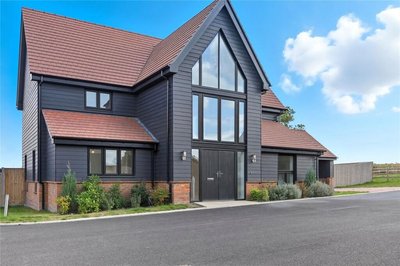
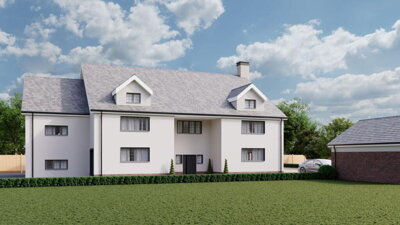
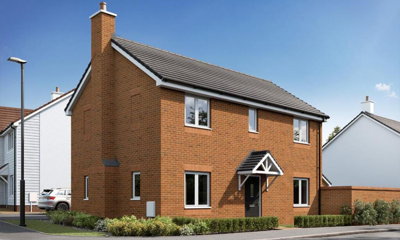
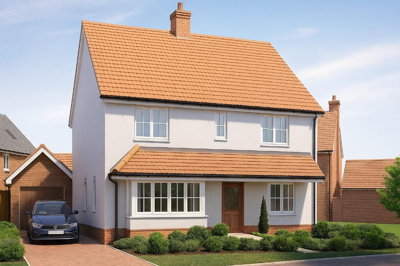
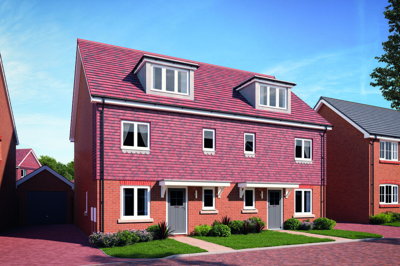
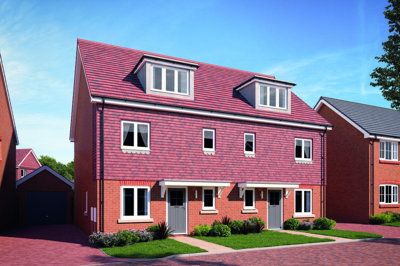
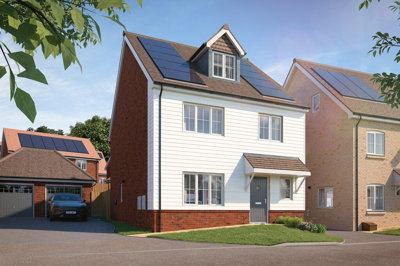
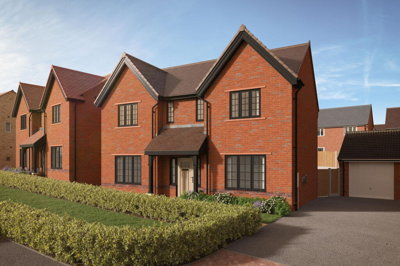
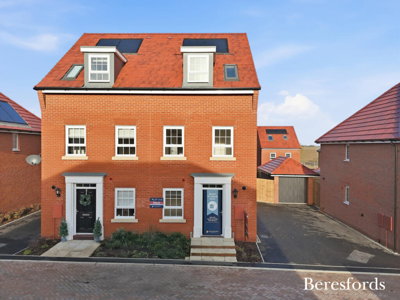
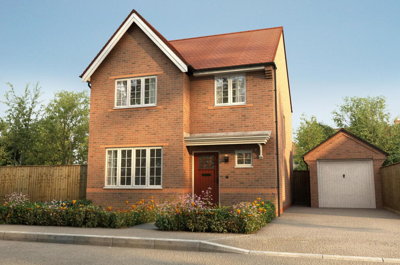
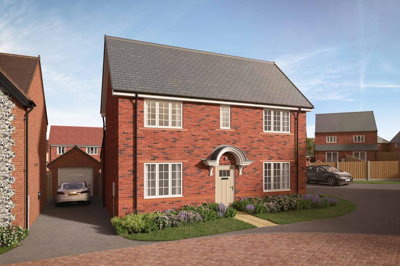
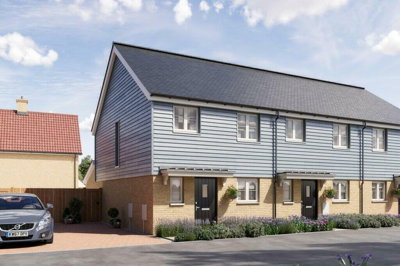
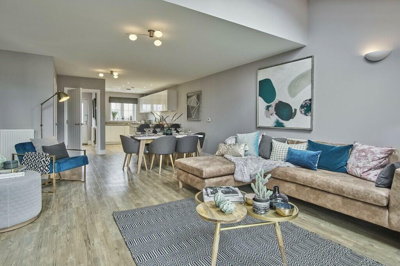
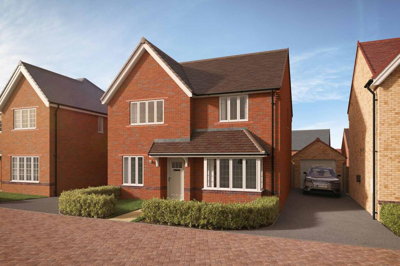
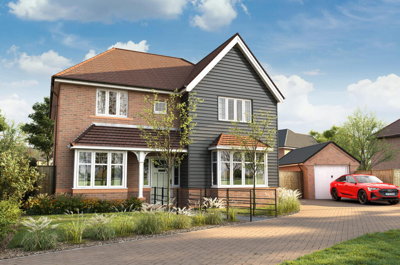
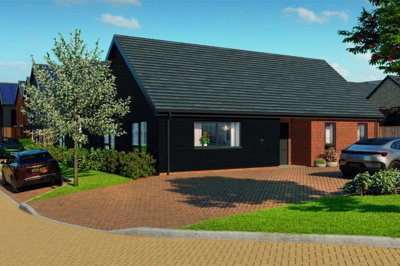
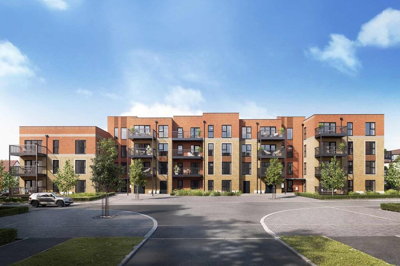
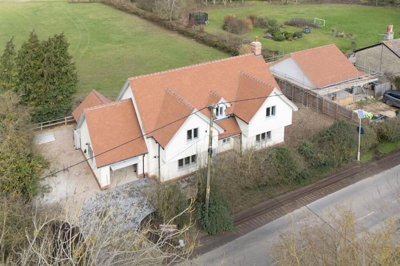
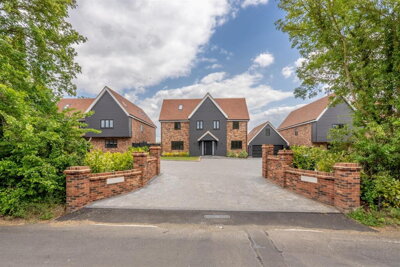
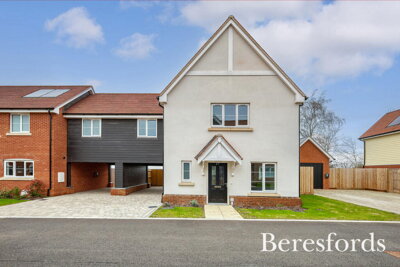
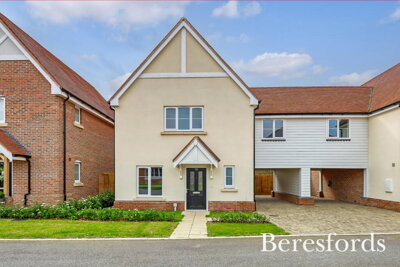
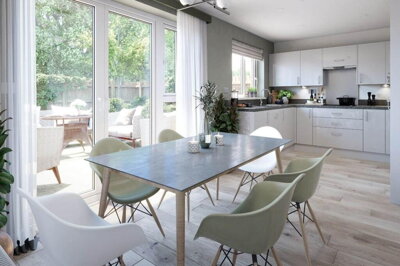
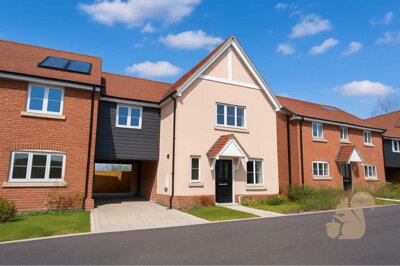
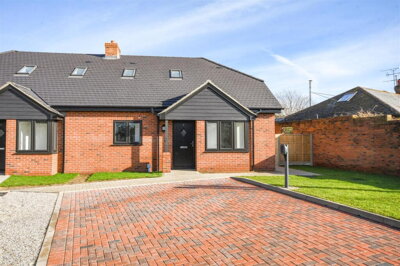
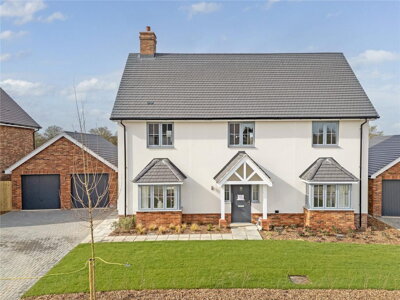
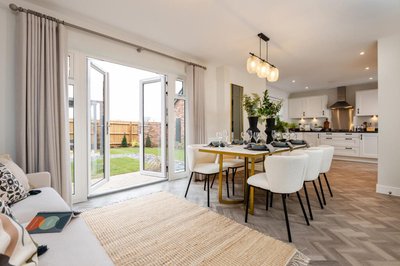
Browse 315 homes new builds in Uttlesford, Essex from local developer agents.
The Uttlesford property market offers detached, semi-detached, and terraced houses spanning various price ranges and neighbourhoods. Each listing includes detailed property information, photographs, and direct contact with the marketing agent.
£620k
786
33
107
Source: home.co.uk
Showing 786 results for Houses new builds in Uttlesford, Essex. 33 new listings added this week. The median asking price is £619,995.
Source: home.co.uk
Detached
541 listings
Avg £814,481
Semi-Detached
180 listings
Avg £497,362
Terraced
65 listings
Avg £387,760
Source: home.co.uk
Source: home.co.uk
33
Properties Sold (12 months)
£295,000
Median Price
+69.4%
Annual Price Growth
£915,000
Detached Median Price
The Dengie property market has demonstrated remarkable strength in recent months, with the overall median house price standing at £295,000 according to Land Registry data. This figure reflects a diverse market where detached properties command premium prices, with the median sale price for this property type reaching £915,000 based on recent transactions in 2025. The market activity has been concentrated heavily in the detached sector, which accounted for 100% of sales recorded in 2025. Semi-detached properties have also featured in the market, with a median sale price of £375,000 recorded in 2023, though this segment showed a 27.9% decrease compared to earlier periods, indicating some variation across property types.
The broader market trends paint a picture of growing demand for Dengie property. House prices across the area have increased by 69.4% over the past twelve months, a significant uplift that reflects the increasing appeal of rural coastal living. Detached homes specifically saw a 35.1% increase in median price in 2025 compared to 2024, demonstrating strong appreciation in this segment. The average sold price for properties in Dengie over the last twelve months reached £915,000, influenced by the prominence of detached sales. These trends suggest that buyers entering the market now should expect competitive conditions, particularly for detached properties in desirable positions with estuary or countryside views.
The composition of Dengie sales differs markedly from nearby Southminster and other Dengie Peninsula villages, where a broader mix of property types typically appears on the market. Dengie's position as a smaller, more rural settlement means that listings appear less frequently, making the local market somewhat opportunistic for buyers who can act quickly when suitable properties become available. The relative scarcity of properties in the immediate locality means that neighbouring villages including Mayland, Southminster, and Tillingham often feature in buyer searches, expanding the available inventory while maintaining proximity to the distinctive Dengie lifestyle.
Property type distribution in Dengie skews heavily toward detached houses and bungalows, with fewer semi-detached homes and a notable absence of flats within the village itself. This pattern reflects both the rural character of the settlement and the age of the housing stock, which includes traditional agricultural buildings converted to residential use alongside more modern detached family homes. Buyers seeking apartment-style accommodation would typically need to look toward Southminster, which offers a greater variety of property types within reasonable travelling distance of Dengie.

Dengie represents the essence of rural Essex living, offering residents an authentic escape from modern life's relentless pace. The village and its surrounding parish form part of the Dengie Peninsula, a distinctive landscape of low-lying farmland, salt marshes, and coastal wetlands that stretch toward the Blackwater Estuary. The area's geography creates a unique environment where traditional agriculture meets unspoiled natural beauty. Residents benefit from expansive skies, dramatic tidal changes, and an abundance of wildlife, including wintering birds that draw ornithologists from across the region. The village itself maintains a close-knit community character, with local residents often involved in farming, local services, and the small-scale tourism that the area attracts during summer months.
The housing stock in Dengie reflects its agricultural heritage and rural character. Traditional brick-built cottages and farmhouses sit alongside more modern detached family homes, with properties often featuring generous gardens and outdoor space. Older properties, such as those found at Manor Cottages and East Ware Cottages, demonstrate the pre-1945 construction that characterises parts of the village, typically featuring solid wall construction and traditional detailing. The predominant use of brick with render or weatherboarding in older agricultural buildings creates a distinctive visual character across the parish. Bungalows feature in the local market, appealing to buyers seeking single-level living with the benefits of rural surroundings. The absence of significant flat development within Dengie itself means the market focuses primarily on houses and bungalows, with flats more commonly found in nearby towns like Southminster.
The surrounding Dengie Peninsula offers numerous attractions for residents and visitors alike. Dengie Marshes, designated as a Site of Special Scientific Interest, provides exceptional birdwatching opportunities, particularly during winter months when thousands of wildfowl winter in the area. The historic St Lawrence Windmill, located in the nearby village of St Lawrence on the peninsula, stands as one of the few surviving examples of a smock mill in Essex and offers a tangible connection to the region's agricultural past. Local pubs in surrounding villages serve as community hubs, providing opportunities for social engagement that reinforce the strong sense of local identity found throughout the peninsula. The coastal walks along the estuary and sea walls provide recreation opportunities that urban dwellers frequently cite as primary motivations for relocating to the area.
Amenity provision in Dengie itself reflects its small-scale character, with residents typically travelling to nearby Southminster for everyday requirements including convenience shopping, post office services, and medical facilities. The journey to Southminster takes approximately 10-15 minutes by car along the B1010, where additional services including a pharmacy, dental practices, and independent shops can be found. The larger town of Maldon, approximately 20 minutes away by car, provides access to supermarkets, high street banks, and a broader range of retail and hospitality options. This arrangement is typical of rural Essex living, where residents accept the need for occasional travel to access comprehensive services while enjoying the considerable benefits of countryside residence.

Families considering a move to Dengie will find that educational provision in the immediate locality is focused on smaller primary schools serving the Dengie Peninsula and surrounding villages. The rural nature of the area means that primary school provision typically involves village schools that serve their local communities with dedicated teaching in intimate class settings. Secondary education options are generally found in nearby towns, with secondary schools in the Maldon district offering broader curriculum choices and extracurricular activities. Parents should research specific catchment areas and admissions criteria, as these can significantly influence schooling options for families moving to the Dengie area. Transport arrangements for secondary school pupils often involve school bus services connecting the peninsula to schools in larger settlements.
The nearest primary schools to Dengie serve the villages of the peninsula and surrounding area, with typical journey times of 10-15 minutes by car or school bus. These village primaries often benefit from strong community connections and individual attention for pupils, though they may have limited facilities compared to larger town schools. For families prioritising particular educational approaches, faith schools in the wider Maldon district may offer alternative provision, though catchment areas and admissions criteria vary. Early enquiry with Maldon District Council's education department is advisable to confirm current allocations and any planned changes to school provision in the area.
For families with higher education aspirations, the proximity of Dengie to sixth form colleges and further education institutions in Essex provides viable options. Sixth form provision in nearby towns offers a range of A-level subjects, while colleges in Chelmsford and Colchester are accessible for older students willing to travel. The quiet, focused environment of rural Dengie can provide an excellent backdrop for study and personal development, with local young people often achieving well in academic and vocational pathways. When purchasing property in Dengie, families should confirm current school allocations and travel arrangements with the relevant local education authority to ensure their children's educational needs are adequately served.
Transport logistics for secondary education represent a practical consideration for families moving to Dengie. The nearest secondary schools are typically located in Southminster and Maldon, with school bus services operating from Dengie and surrounding villages. Journey times vary depending on specific school allocations, but families should anticipate 20-40 minute bus journeys as typical for secondary school pupils. Private transport arrangements by parents are an alternative for families preferring to manage school transport themselves. The Ofsted website provides current inspection reports for all local schools, enabling parents to assess educational quality alongside practical considerations when evaluating properties in the Dengie area.
Transport connections from Dengie reflect its rural peninsula location, requiring residents to plan journeys carefully, particularly for daily commuting. The nearest railway stations are typically found in nearby towns, with services connecting to major destinations including London Liverpool Street via interchange hubs. Journey times to Chelmsford, the nearest significant city, involve a combination of road travel, making car ownership essentially necessary for most residents. The B1010 and surrounding country roads provide the primary road connections, linking Dengie to villages across the peninsula and eventually to the larger road network. Those working from home or with flexible working arrangements find Dengie's location particularly manageable, as the need for daily commuting is reduced.
The nearest railway station to Dengie is located in Southminster, offering connections to the wider rail network including services toward London Liverpool Street via Chelmsford. Southminster station sits on the Crouch Valley Line, providing regular services that connect with mainline routes at Wickford. Journey planning apps and National Rail Enquiries provide current timetable information for those evaluating commuting feasibility from Dengie. The Southminster station car park offers parking facilities for residents who wish to combine driving with rail travel, a common arrangement for peninsula residents working in London or other major centres.
For local travel, Dengie residents rely primarily on private vehicles, with village roads connecting to nearby towns including Southminster, which offers basic amenities and local services. Bus services operate in the area, though frequency is limited compared to urban routes, making them more suitable for occasional local journeys than daily commuting. The local bus service connecting Dengie to Southminster and surrounding villages operates on a reduced schedule that reflects the rural nature of the peninsula. Residents should verify current bus timetables and routes through the Essex County Council public transport information service, as service frequencies can change and may be reduced during school holidays.
Cycling can be enjoyable in the flat terrain surrounding Dengie, though the coastal winds and rural road conditions require appropriate precautions. The Dengie Peninsula offers relatively flat cycling routes along country lanes, though exposed sections near the estuary can be challenging in strong winds. Electric bicycles are increasingly popular among Dengie residents, providing assistance on hillier sections and against coastal headwinds. The Sustrans National Cycle Network provides route planning resources for those considering cycling as a regular transport option. Parking within the village is generally straightforward given the low population density, contrasting favourably with urban areas where parking stress is common. Those considering a move to Dengie should realistically assess their transport needs and ensure that the rural character of the area's connections aligns with their lifestyle requirements.
Property buyers considering Dengie should be aware of the area's environmental characteristics, with flood risk being a primary consideration for anyone purchasing property in this coastal location. The Dengie Peninsula's low-lying geography creates inherent exposure to both coastal flooding from the Blackwater Estuary and surface water flooding during periods of heavy rainfall or exceptional tidal events. The proximity to salt marshes and the tidal nature of local waterways means that certain properties, particularly those at lower elevations or with direct estuary views, may face elevated flood risk that requires careful assessment before purchase. The Environment Agency publishes detailed flood risk maps that prospective buyers should consult when evaluating specific properties.
Flood risk assessment should form a core part of due diligence for any Dengie property purchase. The area's designation as a coastal floodplain means that properties may be affected by tidal surges, particularly during severe weather events that combine high tides with strong onshore winds. Historical flooding incidents in the broader Dengie Peninsula area have been recorded, and buyers should seek information about specific properties including any past flooding, current flood defences, and the elevation of the property relative to surrounding land. Properties with unobstructed views across the salt marshes or toward the Blackwater Estuary may carry higher flood exposure despite their desirable outlook, making thorough investigation essential.
Insurance arrangements and premiums represent a practical consideration that buyers should factor into their ownership cost calculations. Properties with elevated flood risk in Dengie may face higher insurance premiums or specific policy conditions that affect coverage terms. The Association of British Insurers provides guidance on flood insurance considerations, and prospective buyers should obtain insurance quotes for specific properties as part of their purchase planning. Properties that have implemented flood resilience measures, such as raised electrics, flood-resistant doors, or waterproof rendering, may benefit from more favourable insurance terms.
Beyond flood risk, the environmental characteristics of the Dengie area include geological conditions that warrant consideration during property assessment. Essex geology, particularly the London Clay deposits found in parts of the region, can create shrink-swell risk that affects property foundations over time. Properties built on alluvial deposits, common in low-lying coastal areas, may face additional ground movement considerations that affect structural integrity. A thorough property survey will identify any signs of subsidence, heave, or movement that may relate to local geological conditions. Drainage assessment is also advisable given the water table in the area and the potential for drainage issues in older properties that may predate modern building standards.
Begin by exploring property listings in Dengie through Homemove and familiarise yourself with current prices, property types, and market trends. With median prices at £295,000 and detached homes averaging higher, understanding the market will help you set realistic expectations and identify the best opportunities. Given the limited volume of properties available in the immediate Dengie area, extending your search to include neighbouring villages on the Dengie Peninsula can broaden your options while maintaining access to the distinctive rural lifestyle the area offers.
Before viewing properties, obtain a mortgage agreement in principle from a lender. This demonstrates your financial credibility to sellers and estate agents, giving you a competitive edge when making offers in what has become an active market with 69.4% annual price growth. Given the higher average prices for detached properties in Dengie, securing adequate mortgage financing is essential before engaging seriously with the market. Mortgage brokers familiar with rural properties can often help arrange suitable products even for non-standard property types or older buildings that may present challenges for some lenders.
Schedule viewings of properties that match your criteria, taking time to assess the property condition, surroundings, and proximity to local amenities. Given the age of some housing stock, pay particular attention to the condition of roofs, walls, and foundations during your visits. The coastal location of Dengie means that external building elements may show accelerated wear from salt-laden winds, making thorough inspection of timber work, rendering, and roof coverings particularly important. Take time to view properties in different weather conditions if possible, as the coastal environment can reveal different characteristics during varying conditions.
Once your offer is accepted, arrange for a RICS Level 2 Survey to assess the property condition thoroughly. This is especially important for older properties where damp, subsidence risk, or outdated electrics may be present. The coastal location of Dengie makes professional surveys particularly valuable, as properties may face issues related to penetrating damp, timber decay, or salt crystallisation in external walls. Survey costs typically start from £350 for standard properties, with larger or more complex buildings requiring higher fees. We can arrange a RICS Level 2 Survey for you through qualified local surveyors familiar with the Dengie Peninsula property stock.
Appoint a solicitor to handle the legal aspects of your purchase, including searches, contracts, and registration. Local knowledge of Essex properties and the Dengie Peninsula can be beneficial in identifying potential issues related to flooding risk or planning restrictions. Your solicitor will conduct local authority searches that will reveal any planning applications, conservation area designations, or flood risk assessments relevant to the property. Given the coastal location, environmental searches covering flood risk and coastal erosion are particularly important for Dengie purchases.
Finalise your mortgage, complete all legal requirements, and arrange for your property completion. On the day of completion, you will receive your keys and can begin enjoying your new home in Dengie. Before completion, arrange buildings insurance to ensure the property is covered from the moment ownership transfers. Consider scheduling a immediate post-purchase inspection to document the property condition and identify any urgent maintenance requirements.
The overall median house price in Dengie stands at £295,000 according to Land Registry data. However, prices vary significantly by property type, with detached homes commanding a median price of £915,000 based on recent 2025 sales. The market has shown substantial growth, with prices increasing by 69.4% over the past twelve months. Semi-detached properties have recorded a median price of £375,000, though this data is from 2023. The average sold price across all properties in the last twelve months reached £915,000, heavily influenced by the prominence of detached home sales. First-time buyers and investors should note that entry-level properties may be limited given the dominance of detached homes in recent market activity, and should consider expanding their search to nearby villages including Southminster, Mayland, and Tillingham for more varied property types.
Properties in Dengie fall under Maldon District Council, which sets council tax bands from A through H based on property valuations. Specific band information for individual properties can be found through the Valuation Office Agency or Maldon District Council's online records. Band A properties have the lowest council tax charges, while Band H properties command the highest rates. Given the mix of property types in Dengie, from traditional cottages to substantial detached homes, council tax bands will vary accordingly. The council tax bands for Dengie properties reflect the property values in this desirable rural coastal location, with larger detached homes typically falling into higher bands. Prospective buyers should check the specific band for any property they are considering, as this forms part of the ongoing cost of ownership.
Primary education in the Dengie area is served by village schools serving the local community and surrounding villages of the Dengie Peninsula. Secondary education options are available in nearby towns, with schools in the Maldon district offering broader curriculum choices. Families should research specific catchment areas, as school admissions are determined by distance and availability. The closest secondary schools typically require transport arrangements, and parents should confirm bus services and journey times when evaluating educational provision. Ofsted inspection reports for all local schools are available through the Ofsted website, allowing parents to assess current performance and quality of education before committing to a property purchase. For families with younger children, early years provision in the area includes preschool and nursery settings that operate alongside the primary school network.
Public transport connections from Dengie are limited, reflecting its rural peninsula location. The nearest railway stations are found in nearby towns, with connections to London Liverpool Street requiring interchange. Southminster station, approximately 10 minutes drive from Dengie, provides access to the Crouch Valley Line connecting to Chelmsford and onward to London. Bus services operate in the area, though frequencies are lower than in urban areas, making private vehicle ownership essential for most residents. The village connects to the wider road network via country roads leading to Southminster and eventually to major routes. Residents working in nearby towns or cities generally find car travel necessary for daily commuting, while those working from home or with flexible arrangements find the transport limitations more manageable.
Broadband connectivity in rural Dengie has improved in recent years but remains more limited than urban areas. Superfast broadband coverage has expanded across parts of the Dengie Peninsula, though speeds can vary significantly depending on property location and local infrastructure. Properties further from the village centre may rely on slower connections or alternative solutions such as satellite broadband services. Mobile phone coverage from major networks is generally available across most of the Dengie area, though signal strength can be affected by the low-lying terrain and distance from mobile masts. Buyers who work from home should verify broadband speeds for specific properties using online availability checkers before committing to a purchase, as connectivity has become an increasingly important factor in property valuation.
The Dengie property market has demonstrated significant growth, with prices increasing by 69.4% over the past twelve months. This appreciation reflects growing demand for rural coastal properties and limited supply in the area. Detached properties have shown particular strength, with a 35.1% increase in median price in 2025 compared to 2024. However, prospective investors should consider factors including flood risk, the specialised nature of the local market, and the importance of property condition given the age of much of the housing stock. Rental demand in the immediate area may be limited given the rural location, making capital appreciation a more likely investment driver than rental income. Any investment decision should account for ongoing maintenance costs, potential flood insurance premiums, and the relatively niche nature of the Dengie market. Properties with strong aesthetic appeal, estuary views, or proximity to Dengie Marshes SSSI may command premium valuations given the limited supply of such characteristics in the local market.
Stamp Duty Land Tax applies to all property purchases in England, including Dengie. For standard residential purchases, you pay nothing on the first £250,000 of the purchase price, 5% on the portion from £250,001 to £925,000, 10% on the portion from £925,001 to £1,500,000, and 12% on any amount above £1,500,000. First-time buyers benefit from relief on the first £425,000, with 5% payable on the portion from £425,001 to £625,000. Given that detached properties in Dengie frequently exceed £915,000, most buyers would expect to pay stamp duty on at least a portion of their purchase. At the Dengie median price of £295,000, a standard buyer would pay £2,250 in stamp duty, while a £915,000 detached property would attract approximately £36,250 in stamp duty before any relief provisions. Your specific liability will depend on the purchase price, your buyer status, and whether you own other properties.
Properties in Dengie may be subject to planning considerations that affect alterations, extensions, or development potential. As a rural village on a coastal peninsula, certain areas may be subject to conservation considerations or flood zone restrictions that limit development options. Maldon District Council's planning portal provides access to planning records and local plan policies affecting the Dengie area. Properties constructed before 1965 may have been built under pre-approval arrangements that require investigation if significant works are intended. Agricultural occupancy conditions, occasionally attached to rural properties originally built for farm workers, can restrict future occupation and should be verified during conveyancing. Your solicitor will conduct appropriate searches to identify any planning matters affecting the property.
Purchasing a property in Dengie involves several costs beyond the purchase price itself, with stamp duty land tax being one of the most significant expenses for most buyers. For properties purchased at the current Dengie median price of £295,000, a standard buyer would pay no stamp duty on the first £250,000 and 5% on the remaining £45,000, resulting in a stamp duty liability of £2,250. However, many properties in Dengie, particularly detached homes which averaged £915,000 in recent sales, will fall into higher stamp duty bands. At £915,000, a standard buyer would pay £2,500 on the first £250,000, £33,750 on the next £665,000, totaling £36,250 before considering any relief provisions. First-time buyers may benefit from increased thresholds, paying nothing on the first £425,000 and 5% on the remaining amount up to £625,000, providing meaningful savings for eligible purchasers.
Beyond stamp duty, buyers should budget for solicitor fees, survey costs, mortgage arrangement fees, and miscellaneous expenses including searches and registration fees. Conveyancing costs for a standard residential purchase typically start from £499 for basic legal work, though more complex transactions or leasehold properties may incur higher charges. The rural and coastal nature of Dengie means that environmental searches, flood risk assessments, and potentially specialist surveys for older properties add to overall costs. Your solicitor will provide a detailed quote covering all anticipated expenses once instructed on your specific transaction.
A RICS Level 2 Survey is strongly recommended for properties in Dengie, particularly given the age of much of the housing stock and the area-specific risks including flood exposure and potential subsidence issues. Survey costs vary based on property size and value, but typically start from £350 for a standard report. Properties with unusual construction, listed building status, or apparent defects may require more detailed assessment through a RICS Level 3 Building Survey, which provides more comprehensive analysis of property condition and construction. The investment in professional surveying typically proves worthwhile given the potential costs of unidentified defects, particularly in older rural properties that may have accumulated maintenance issues over decades.
Additional costs include land registry fees, search fees from Maldon District Council, and potentially mortgage valuation fees if your lender requires one. Mortgage arrangement fees vary between lenders and products, ranging from flat fees to percentage-based charges. Budgeting for a contingency equivalent to 5-10% of the purchase price above your mortgage limit is advisable to cover unexpected expenses that can arise during the purchase process. Buildings insurance must be in place from the date of completion, and properties in flood risk areas may face higher premiums that should be factored into ongoing ownership costs.
From 4.5% APR
Our mortgage partners can arrange competitive deals tailored to rural coastal properties. Contact us today to compare rates from 4.5% APR.
From £499
Our conveyancing partners handle property transactions across Essex, including local knowledge of the Dengie Peninsula and flood risk considerations.
From £350
A professional survey essential for Dengie properties given the age of housing stock and coastal conditions. Identifies damp, subsidence risk, and structural issues.
From £80
Energy Performance Certificate required for all property sales. Essential information about energy efficiency for Dengie buyers.
Properties New Builds In London

Properties New Builds In Plymouth

Properties New Builds In Liverpool

Properties New Builds In Glasgow

Properties New Builds In Sheffield

Properties New Builds In Edinburgh

Properties New Builds In Coventry

Properties New Builds In Bradford

Properties New Builds In Manchester

Properties New Builds In Birmingham

Properties New Builds In Bristol

Properties New Builds In Oxford

Properties New Builds In Leicester

Properties New Builds In Newcastle

Properties New Builds In Leeds

Properties New Builds In Southampton

Properties New Builds In Cardiff

Properties New Builds In Nottingham

Properties New Builds In Norwich

Properties New Builds In Brighton

Properties New Builds In Derby

Properties New Builds In Portsmouth

Properties New Builds In Northampton

Properties New Builds In Milton Keynes

Properties New Builds In Bournemouth

Properties New Builds In Bolton

Properties New Builds In Swansea

Properties New Builds In Swindon

Properties New Builds In Peterborough

Properties New Builds In Wolverhampton

Enter your details to see if this property is within your budget.
Loans, cards, car finance
Estimated property budget
Borrowing + deposit
You could borrow between
Typical borrowing
Monthly repayment
Est. at 4.5%
Loan-to-value
This is an estimate only. Your actual budget may vary depending on interest rates, credit history, and personal circumstances. For an accurate affordability assessment, speak to one of our free mortgage advisors.
This calculator provides estimates for illustrative purposes only and does not constitute financial advice. Your home may be repossessed if you do not keep up repayments on your mortgage. Estimates based on 4.5% interest rate, repayment mortgage. Actual rates depend on your circumstances.
Homemove is a trading name of HM Haus Group Ltd (Company No. 13873779, registered in England & Wales). Homemove Mortgages Ltd (Company No. 15947693) is an Appointed Representative of TMG Direct Limited, trading as TMG Mortgage Network, which is authorised and regulated by the Financial Conduct Authority (FRN 786245). Homemove Mortgages Ltd is entered on the FCA Register as an Appointed Representative (FRN 1022429). You can check registrations at NewRegister or by calling 0800 111 6768.

We use cookies to show you personalised content and improve your experience of our website. Find out more in our Privacy policy and Cookie policy.