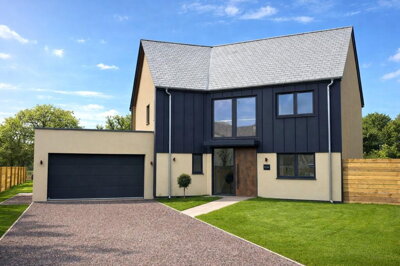
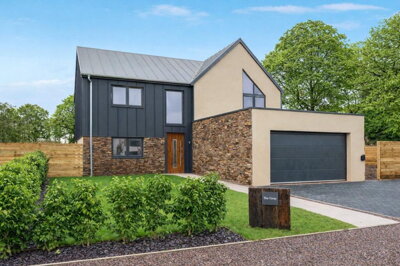
Browse 2 homes new builds in Uffculme, Mid Devon from local developer agents.
£275k
29
1
149
Source: home.co.uk
Source: home.co.uk
Detached
8 listings
Avg £546,250
Terraced
7 listings
Avg £216,421
End of Terrace
5 listings
Avg £195,490
Bungalow
1 listings
Avg £345,000
Cottage
1 listings
Avg £222,000
Country House
1 listings
Avg £635,000
Detached Bungalow
1 listings
Avg £460,000
Retirement Property
1 listings
Avg £55,000
Semi-Detached
1 listings
Avg £239,500
detached
1 listings
Avg £425,000
Source: home.co.uk
Source: home.co.uk
The Tywyn property market offers excellent variety for buyers seeking different property types and price ranges. Detached properties command the highest prices, averaging £280,000, with semi-detached homes selling at around £195,000 and terraced properties at approximately £170,000. Flats remain the most affordable entry point at an average of £115,000, making Tywyn particularly accessible for first-time buyers or those seeking a holiday let investment. Over the past year, the market has shown consistent growth across all property types, with each category recording a 1% increase, suggesting sustained demand from buyers drawn to the area's unique combination of coastal living and mountain access.
The housing stock in Tywyn reflects its long history, with 35% of properties built before 1919 using traditional construction methods such as solid stone walls and Welsh slate roofing. A further 30% of homes were constructed between 1945 and 1980, while post-1980 developments account for approximately 20% of the current stock. This predominantly older housing stock means many properties come with characterful features such as original fireplaces, exposed stonework, and timber sash windows, though buyers should budget for potential maintenance associated with period properties. The Census 2021 data shows Tywyn has 1,515 households with a population of 3,095, indicating a tight-knit community where neighbours know each other and local businesses thrive on repeat custom.
Property type distribution across Tywyn shows terraced homes comprising 32.8% of the housing stock, making them the most common property type in the town. Detached properties account for 26.5% of homes, while semi-detached houses make up 20.3%. Flats and apartments represent 19.9% of properties, with the remaining 0.5% falling into other categories such as commercial conversions. This mix provides good options across different budgets and lifestyle preferences, from compact flats suitable for retirees or holiday let investors to substantial detached homes with gardens that appeal to families.

Life in Tywyn revolves around the stunning natural environment that surrounds this small Gwynedd town. The location on Cardigan Bay provides immediate access to sandy beaches, coastal walks, and marine wildlife including dolphins and seals that are regularly spotted offshore. The nearby Talyllyn Railway, one of Wales's historic narrow-gauge railways, operates as both a working heritage railway and a significant local employer, with its headquarters and workshops based in the town itself. This cultural asset draws tourists throughout the year, supporting local cafes, restaurants, and accommodation providers, and creates a sense of community pride that residents frequently cite as central to their quality of life.
The local economy draws heavily from tourism, retail, and public sector employment in healthcare and education. Tywyn High Street retains a mix of traditional shops serving daily needs, from family butchers and bakeries to hardware stores and newsagents. The town has a primary school, secondary school, health centre, and a leisure centre with swimming facilities, providing essential services without requiring residents to travel to larger towns. Weekend markets bring local producers and craftspeople together, while regular community events throughout the year, including summer festivals and winter celebrations, maintain the strong social fabric that makes Tywyn feel genuinely connected.
The surrounding countryside offers exceptional walking and cycling opportunities, with the Dysynni Valley and parts of the Snowdonia National Park accessible within a short drive. The area's geology, primarily composed of Ordovician and Silurian mudstones and sandstones, creates the dramatic mountain scenery that defines the local landscape. Outdoor enthusiasts appreciate the proximity to Cader Idris, the striking peak visible from many parts of the town, which offers challenging scrambles and spectacular views on clear days. The coastal position means residents benefit from the moderating influence of the sea, though this same maritime exposure brings damp conditions that property buyers should consider when assessing older homes.

Families considering a move to Tywyn will find educational provision available for children of all ages within the town itself. Tywyn Primary School serves Reception through Year 6 pupils and maintains strong community ties, with many families appreciating the small class sizes and individual attention that larger schools in cities simply cannot match. The school benefits from dedicated teaching staff who know each child's strengths and areas for development, creating an environment where pupils can flourish academically and socially. For secondary education, pupils typically attend Tywyn Secondary School, which offers GCSE and A-Level programmes, preparing students for further education or employment.
The wider Gwynedd local authority area includes several notable secondary schools within reasonable commuting distance, and parents should research specific school performances and catchment areas when considering where to buy. Gwynedd schools generally perform well in Welsh-medium education, offering children the valuable opportunity to become fluent in both English and Welsh from an early age. For families with children approaching secondary transfer age, attending open days and contacting local education offices for the latest admissions information is strongly recommended. Parents should verify current school performance data through Estyn reports and check school catchment boundaries, as these can influence admissions decisions for families with specific enrollment preferences.
Higher education options are accessible via the universities in Bangor and Aberystwyth, both within driving distance, while the University of Wales Trinity Saint David has a campus in Carmarthen for more specialized courses. Tywyn's schools benefit from the Welsh curriculum, which emphasises bilingualism and cultural understanding alongside academic achievement. The local education system prepares young people for opportunities both within Wales and further afield, with many former students progressing to careers in healthcare, education, and the tourism sector that drive the regional economy.
Tywyn benefits from direct rail connections along the Cambrian Coast line, providing regular services to major destinations including Machynlleth, Aberystwyth to the south, and Pwllheli and Hafod y Llan to the north. The train station is centrally located, making it practical for residents to travel without relying on a car for daily commuting or leisure trips. Journey times to larger towns vary, with Machynlleth reachable in around 25 minutes and Aberystwyth in approximately one hour by train, opening up employment opportunities in these larger centres while allowing residents to enjoy Tywyn's more affordable living costs and superior quality of life.
The Cambrian Coast railway line is widely regarded as one of the most scenic rail journeys in Britain, winding along the coastline with views across Cardigan Bay. This scenic quality attracts visitors to Tywyn throughout the year and provides residents with an enjoyable commute that compares favourably to hours spent in traffic on motorways serving larger cities. The A493 coastal road connects Tywyn to Dolgellau to the east and Aberdovey to the south, linking eventually to the A487 trunk road that runs through Snowdonia. Those travelling further north will find the A55 corridor near Bangor approximately 60 miles away, providing access to the motorway network connecting to Chester, Liverpool, and Manchester.
Local bus services provide connections to neighbouring villages and towns, though frequencies are limited on some routes, making car ownership practically necessary for many households. The town has public car parking facilities, which is particularly useful for those working in tourism or needing to commute by train with vehicles. For cyclists, the flat coastal terrain around Tywyn is relatively cycling-friendly, though the surrounding hills present challenges for less experienced riders. The nearest major airport with international flights is Liverpool John Lennon Airport, approximately 90 miles away, with Manchester Airport slightly further north offering a wider range of destinations.
Contact a mortgage broker to obtain an agreement in principle before viewing properties. This demonstrates your financial readiness to estate agents and sellers, giving you a competitive edge in what can be a busy market. Having your financing arranged before making offers shows sellers that you are a serious buyer capable of completing the transaction.
Spend time exploring different areas of Tywyn, from the town centre with its listed buildings and traditional shops to quieter residential streets near the seafront. Consider factors such as flood risk proximity, school catchments, and transport links that matter most to your household. Properties near the Afon Dysynni river banks or along the seafront may face different insurance considerations than those on higher ground.
Work with our listed estate agents to arrange viewings of properties matching your criteria. Pay attention to construction materials, roof conditions, and signs of damp in older properties, given the coastal climate and age of much of the local housing stock. We recommend visiting properties at different times of day and in various weather conditions to assess how they perform in the local environment.
For most Tywyn properties, where 80% of homes were built before 1980, a RICS Level 2 Survey is essential. Budget between £450-£750 for this comprehensive assessment of the property's condition, identifying defects that may not be visible during a standard viewing. Our inspectors have extensive experience with traditional Welsh construction methods and understand the common issues affecting properties in this coastal location.
Choose a solicitor experienced in Welsh property transactions to handle the legal work. They will conduct searches, handle local authority queries, and manage the transfer of ownership from exchange through to completion. Searches will include flood risk assessments and local authority checks specific to Gwynedd Council.
Once all searches are satisfactory and finance is confirmed, your solicitor will coordinate the exchange of contracts with the seller, setting a completion date. On the day, funds are transferred and you receive the keys to your new Tywyn home. We recommend arranging buildings insurance to commence from the completion date.
Buying property in Tywyn requires attention to specific local factors that reflect the town's coastal position and geological characteristics. Flood risk is a genuine consideration, particularly for properties located close to the Afon Dysynni river banks or along the seafront, where tidal flooding and storm surges can occur. Surface water flooding has been recorded in various parts of the town during periods of heavy rainfall, so investigating the flood history of any specific property and its elevation relative to surrounding land is worthwhile. Properties in higher-risk areas may face higher insurance premiums, which should factor into your overall affordability calculations.
The age and construction of Tywyn properties demand thorough investigation before purchase. With 35% of the housing stock built before 1919, many homes feature traditional solid wall construction rather than modern cavity walls, which can be more susceptible to penetrating damp and rising damp issues. Welsh slate roofs are beautiful but require ongoing maintenance, and slipped or damaged slates, along with deteriorating leadwork, are common findings in older properties. Timber defects including rot and woodworm can affect properties with poor ventilation, and outdated electrical systems frequently require complete rewiring to meet current standards. Our inspectors frequently identify these issues during surveys and can advise on remediation costs before you commit to purchase.
The geology around Tywyn presents some considerations for property buyers. The underlying Ordovician and Silurian mudstones and sandstones create a moderate to low shrink-swell clay risk, with pockets of higher risk in areas with glacial till deposits. While significant mining activity is not a concern in Tywyn, localised quarrying or shallow mineral extraction may have occurred historically, requiring specific investigation if suspected. Properties on slopes or with unusual foundations should be assessed carefully, and our surveyors will flag any signs of movement or subsidence that may require further structural engineering assessment.
The presence of listed buildings in Tywyn, concentrated around the town centre and along main thoroughfares, means that some properties may be protected by historic building regulations. These properties require specialist surveys and careful consideration of renovation restrictions, as permitted development rights may be limited. If you are considering purchasing a listed property for renovation or extension, consulting with Gwynedd planning authority before committing is essential. The surrounding Snowdonia National Park also influences planning considerations for properties near the park boundary, where additional environmental protections may apply.
The average house price in Tywyn is currently £215,702, according to Rightmove data updated February 2026. Detached properties average £280,000, semi-detached homes around £195,000, terraced properties at approximately £170,000, and flats at £115,000. Prices have increased by 1% across all property types over the past twelve months, indicating steady market growth rather than rapid appreciation. With 52 property sales recorded in the past year, the market shows reasonable liquidity for a town of Tywyn's size, though the smaller pool of available properties means buyers may need patience when searching for the right home.
Properties in Tywyn fall under Gwynedd Council's jurisdiction, with council tax bands ranging from A through to H depending on property value and type. Band A properties typically attract the lowest annual charges while Band H properties, usually larger detached homes, command the highest rates. You can check specific council tax bands on Gwynedd Council's website or obtain this information during the conveyancing process when local searches are conducted. Given Tywyn's relatively affordable average property price, many homes fall into lower council tax bands, keeping running costs reasonable for residents.
Tywyn Primary School serves children from Reception through Year 6 and maintains strong educational standards within a supportive community environment. Tywyn Secondary School provides GCSE and A-Level education for older pupils, with the option to pursue Welsh-medium education through Gwynedd's broader school network. Parents should verify current school performance data through Estyn reports and check school catchment boundaries, as these can influence admissions decisions for families with specific enrollment preferences. The Welsh-medium education available through Gwynedd's schools offers children the valuable opportunity to become bilingual in English and Welsh from an early age, which many families consider a significant advantage of living in this part of Wales.
Tywyn railway station sits on the Cambrian Coast line, offering direct train services to Machynlleth, Aberystwyth, Pwllheli, and intermediate stations. The journey to Machynlleth takes approximately 25 minutes, making it practical for daily commuting, while Aberystwyth is reachable in around one hour. Bus services connect Tywyn to surrounding villages and towns, though frequencies vary, and the A493 coastal road provides road access to Dolgellau and the wider A487 trunk road network. The scenic railway line running through Tywyn is considered one of Britain's most beautiful rail journeys, attracting tourists and providing residents with an enjoyable commute alongside practical connectivity.
Tywyn presents several investment considerations that depend on your goals. The stable 1% annual price growth and relatively affordable entry prices compared to other coastal areas make it potentially attractive for capital appreciation. The strong tourism economy supports demand for holiday lets, though regulations around short-term rentals are subject to local authority policy. The average property price of £215,702 and 52 sales in the past year indicate reasonable market liquidity, though the market is smaller than urban areas, which can affect how quickly properties sell. Investors considering holiday let opportunities should research Gwynedd Council's current policies on short-term lets, as the council has been monitoring the impact of second homes on housing availability in the area.
For standard purchases, stamp duty rates start at 0% on the first £250,000 of property value, rising to 5% on the portion between £250,001 and £925,000. First-time buyers benefit from relief on the first £425,000, paying 0% on that amount and 5% between £425,001 and £625,000. For properties above £625,000, first-time buyer relief does not apply. Second home buyers pay an additional 3% surcharge on all bands. Given Tywyn's average price of £215,702, many properties will fall below the standard nil-rate threshold, meaning standard buyers purchasing at average prices may pay no stamp duty at all.
Understanding the full costs of purchasing property in Tywyn extends beyond the listed price to include stamp duty land tax, solicitor fees, survey costs, and moving expenses. The current SDLT thresholds for standard purchases mean no tax is payable on the first £250,000, with 5% charged on amounts between £250,001 and £925,000. Given that Tywyn's average property price of £215,702 falls below this threshold, many buyers purchasing at or near average prices will pay no stamp duty at all. First-time buyers benefit from an increased nil-rate band of £425,000, making the majority of Tywyn properties entirely exempt from SDLT.
Additional purchase costs include solicitor fees, which typically range from £500 to £1,500 depending on complexity and whether the transaction involves a mortgage. Local search fees through Gwynedd Council, drainage and water searches, and environmental searches generally total between £200 and £400. Survey costs for a comprehensive RICS Level 2 Survey in Tywyn range from £450 to £750, with the upper end applying to larger or older properties requiring more detailed inspection. Given that approximately 80% of Tywyn's housing stock predates 1980, budgeting for a thorough survey is money well spent to identify potential defects before purchase.
Mortgage arrangement fees, valuation fees, and removal costs complete the picture of total expenditure associated with buying your new home. Survey costs represent a particularly wise investment in Tywyn, where the combination of coastal exposure, older construction methods, and traditional materials means defects are frequently discovered during professional inspections. The money spent on a thorough survey before purchase can save buyers thousands of pounds by highlighting issues that require remediation, allowing for informed negotiation on price or enabling buyers to withdraw from unsuitable purchases before committing significant funds.
Properties New Builds In London

Properties New Builds In Plymouth

Properties New Builds In Liverpool

Properties New Builds In Glasgow

Properties New Builds In Sheffield

Properties New Builds In Edinburgh

Properties New Builds In Coventry

Properties New Builds In Bradford

Properties New Builds In Manchester

Properties New Builds In Birmingham

Properties New Builds In Bristol

Properties New Builds In Oxford

Properties New Builds In Leicester

Properties New Builds In Newcastle

Properties New Builds In Leeds

Properties New Builds In Southampton

Properties New Builds In Cardiff

Properties New Builds In Nottingham

Properties New Builds In Norwich

Properties New Builds In Brighton

Properties New Builds In Derby

Properties New Builds In Portsmouth

Properties New Builds In Northampton

Properties New Builds In Milton Keynes

Properties New Builds In Bournemouth

Properties New Builds In Bolton

Properties New Builds In Swansea

Properties New Builds In Swindon

Properties New Builds In Peterborough

Properties New Builds In Wolverhampton

Enter your details to see if this property is within your budget.
Loans, cards, car finance
Estimated property budget
Borrowing + deposit
You could borrow between
Typical borrowing
Monthly repayment
Est. at 4.5%
Loan-to-value
This is an estimate only. Your actual budget may vary depending on interest rates, credit history, and personal circumstances. For an accurate affordability assessment, speak to one of our free mortgage advisors.
This calculator provides estimates for illustrative purposes only and does not constitute financial advice. Your home may be repossessed if you do not keep up repayments on your mortgage. Estimates based on 4.5% interest rate, repayment mortgage. Actual rates depend on your circumstances.
Homemove is a trading name of HM Haus Group Ltd (Company No. 13873779, registered in England & Wales). Homemove Mortgages Ltd (Company No. 15947693) is an Appointed Representative of TMG Direct Limited, trading as TMG Mortgage Network, which is authorised and regulated by the Financial Conduct Authority (FRN 786245). Homemove Mortgages Ltd is entered on the FCA Register as an Appointed Representative (FRN 1022429). You can check registrations at NewRegister or by calling 0800 111 6768.

We use cookies to show you personalised content and improve your experience of our website. Find out more in our Privacy policy and Cookie policy.