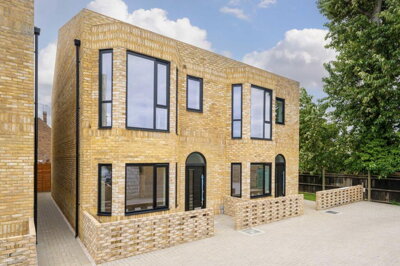
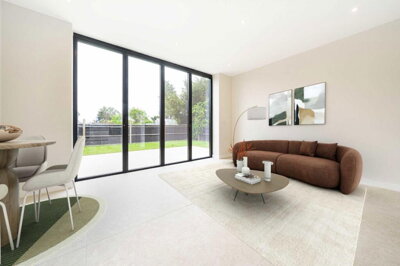
Browse 2 homes new builds in TW6 from local developer agents.
£0k
0
0
0
Source: home.co.uk
£577,500
Average Sold Price
£670,000
Detached Average
£534,375
Terraced Average
£233,333
Flat Average
-9%
Annual Change
The TR21 property market presents a distinctive picture shaped by its island location and limited housing stock. Terraced properties have dominated recent sales activity, with average prices around £534,375, while detached homes command significantly higher premiums at approximately £670,000. Flats and apartments offer more accessible entry points to island living, with average prices around £233,333, though these properties represent a smaller portion of the available housing stock. The overall average sold price of £577,500 reflects the premium that buyers are willing to pay for the unique lifestyle that the Isles of Scilly offer, though this figure has moderated by 19% from the 2023 peak as the market adjusts.
Unlike many mainland areas, the Isles of Scilly see minimal new-build development activity, which means that most properties on the market are established homes with character and history. This limited supply creates a market where properties can be relatively scarce, and buyers often find themselves acting quickly when suitable homes become available. The seasonal nature of the island economy, which relies heavily on tourism during the summer months, also influences the property market rhythm, with listings potentially varying throughout the year as owners respond to changing circumstances and seasonal opportunities.
Property types in TR21 reflect the practical realities of island construction, with traditional granite and stone buildings featuring prominently alongside more recent additions built with imported materials. Many properties date from the 19th century or earlier, having been constructed to withstand Atlantic conditions using local stone and traditional building techniques. These older properties often feature thick walls that provide excellent thermal mass, though they may require specialist maintenance approaches that differ from modern construction standards. Buyers should budget for the possibility of heritage-related maintenance costs, including lime mortar pointing, traditional window restoration, and the repair of original features that contribute to each property's unique character.

Life on the Isles of Scilly operates at its own distinctive rhythm, shaped by the surrounding Atlantic Ocean and the practical realities of island logistics. St Mary's serves as the main inhabited island, home to Hugh Town and the majority of the population, offering shops, schools, medical facilities, and the islands' airport and harbour. The economy here centres on tourism, agriculture, and fishing, creating a community where neighbours know one another and local events bring residents together throughout the year. The population of approximately 1,592 people creates an intimate atmosphere where community spirit thrives, and the absence of heavy traffic and urban noise offers a quality of life that mainland residents often find difficult to imagine.
The natural environment defines daily life in TR21, with stunning beaches, coastal walks, and wildlife watching opportunities right on the doorstep. The islands are famous for their sub-tropical gardens, with the famous Abbey Gardens on Tresco showcasing thousands of exotic plant species that thrive thanks to the moderating influence of the Gulf Stream. This unique microclimate allows plants that would not survive on the Cornish mainland to flourish, creating gardens of remarkable beauty that attract visitors from around the world. Walking routes across the islands offer breathtaking views of granite outcrops, pristine beaches, and the rich marine life that inhabits the surrounding clear waters.
Local amenities, while more limited than mainland towns, are well-regarded, and the community has worked hard to maintain essential services despite the challenges of operating in a remote location. The islands' shop in Hugh Town provides daily necessities, while local pubs and restaurants offer fresh seafood and island-grown produce. For those seeking a simpler, more connected way of life, the Isles of Scilly offer an unmatched proposition that continues to attract buyers from across the UK and beyond who are seeking escape from urban pressures and a return to community-focused living.

Education on the Isles of Scilly is necessarily adapted to the island environment, with St Mary's serving as the educational hub for the archipelago. The Five Islands School provides primary education for children across the islands, with facilities on St Mary's, St Agnes, Bryher, and St Martin's, reflecting the commitment to maintaining community education despite geographic challenges. Secondary education is available through the same school, with students typically remaining on-island for their GCSE years before considering further education options that may require travel to the mainland. Parents moving to TR21 should contact the local education authority directly regarding current school arrangements, as island educational provision can adapt to changing circumstances and student numbers.
The tight-knit nature of island communities often creates excellent educational environments where children benefit from smaller class sizes and strong community involvement in school life. For families considering a move to the Isles of Scilly, the limited but dedicated educational provision represents both a challenge and an opportunity, with children benefiting from personalised attention and a safe, nurturing environment. The island school maintains strong links with the local community, with regular opportunities for children to learn about local ecology, maritime heritage, and the practical skills that island life demands.
Sixth form and further education options typically require mainland travel, and families should factor these considerations into their relocation planning, particularly for those with older teenagers pursuing specific academic or vocational pathways. Some families choose to establish mainland bases for older children during their final school years, while others embrace the opportunity for teenagers to develop independence through managing their own mainland visits. The practicalities of education provision should be discussed thoroughly with the local education authority before committing to a property purchase in TR21.

Accessing the Isles of Scilly requires either air or sea travel, with regular services connecting St Mary's to the Cornish mainland. Skybus operates flights from Land's End, Newquay, and Exeter, with the short flight from Land's End taking approximately 15 minutes, while ferries operate from Penzance with journey times of around two and a half hours. This transport connection is a fundamental consideration for island residents, and buyers should realistically assess the frequency and cost of travel requirements, whether for work commutes, school runs to mainland institutions, or simply maintaining family connections elsewhere. The islands' airport and harbour on St Mary's serve as the crucial lifeline connecting this remote community to the outside world.
Inter-island transport operates through local ferries and boat services, allowing residents to travel between St Mary's and the other inhabited islands including Tresco, St Martin's, Bryher, and St Agnes. This network of boat services adds another dimension to island life and property considerations, with some buyers prioritising proximity to harbour facilities while others embrace the greater privacy offered by the smaller outer islands. The ferry timetable varies seasonally, with reduced services during autumn and winter months when weather conditions can disrupt travel plans at short notice. Residents quickly learn to build flexibility into their travel arrangements and maintain supplies of essential items rather than relying on daily shopping trips.
For daily commuting purposes, most residents work within the islands themselves, though those requiring mainland employment face a significant commitment of time and expense to maintain such arrangements. The practical realities of island transport should feature prominently in any property decision in TR21, and we recommend that buyers factor in the cost of regular travel when calculating their overall budget. Many island residents maintain mainland bank accounts, vehicles, and family connections that require periodic visits, and these ongoing costs should be incorporated into financial planning for island home ownership.

Properties on the Isles of Scilly present unique considerations that buyers should carefully evaluate before making a purchase decision. Given the island location and exposure to Atlantic weather systems, coastal erosion and flood risk represent genuine considerations for property buyers. Properties positioned close to cliff edges or low-lying coastal areas may face increasing long-term risks from erosion and rising sea levels, making it essential to understand a property's precise location and any historical issues with flooding or coastal damage. The granite geology of the islands, while generally robust, does include areas where erosion has altered coastlines over time, and local knowledge about specific locations can prove invaluable.
The age and construction of island properties also warrant careful attention, as many homes on the Isles of Scilly are likely to be of traditional construction with significant history. Traditional building materials including local stone, slate, and lime render are common throughout the islands, and while these materials offer excellent character and breathability, they may require different maintenance approaches compared to modern construction. Properties may also be subject to conservation area restrictions given the islands' historical and environmental significance, potentially affecting permitted development rights and renovation options. The thick granite walls found in many island properties provide excellent thermal performance, though they may conceal structural issues that a thorough survey would identify.
Older island properties frequently exhibit issues related to damp penetration, roof deterioration, and the effects of salt-laden winds on metal components. Timber joists and other wooden elements can be susceptible to rot in the humid island environment, particularly where ventilation is limited or where original breathability has been compromised by the application of modern impermeable coatings. Outdated plumbing using galvanised pipes and electrical systems that predate current standards are common in older properties, and buyers should anticipate the possibility of updating these essential services as part of their purchase planning. Properties that have been sympathetically maintained using traditional methods and materials will generally offer better long-term value than those where inappropriate modern interventions have been attempted.
Consider the practical implications of island life including transport connections, seasonal tourism impacts, and the availability of services. Visit at different times of year if possible to experience both peak summer season and quieter winter months. Speak with current residents about their experiences of island logistics, medical facilities, and the practical challenges of maintaining a household in a remote location.
Obtain a mortgage agreement in principle before viewing properties. Given the unique nature of island properties and potential specialist lending requirements, speak to a mortgage broker familiar with unusual property types and locations. Some lenders may require specialist valuations for island properties, and this should be factored into your timeline and budget.
Arrange viewings through local estate agents and be prepared to travel to the islands. Consider the property's relationship to the sea, prevailing weather conditions, and any coastal erosion or flood exposure. Assess the condition of the property's exterior, roof, and any sea-facing elements that may be subject to accelerated weathering.
Given the age of many island properties and their exposure to coastal conditions, always arrange a RICS Level 2 survey before purchasing. A thorough inspection will identify any issues with structural integrity, damp, or coastal weathering. For older or more complex properties, a RICS Level 3 survey may be more appropriate to provide detailed assessment of construction and potential defects.
Choose a conveyancing solicitor with experience in island property transactions, as the legal process may involve additional considerations around tidal boundaries, common land, or special arrangements unique to the islands. The Law Society maintains registers of solicitors with specialist island experience who can guide you through any unique aspects of TR21 property transactions.
Finalise your mortgage, pay stamp duty, and coordinate your move with island transport schedules. Arrange for belongings to be shipped and plan for any items that cannot be transported by air. Budget for the additional logistics costs associated with moving to an island location, including potential storage requirements during transition periods.
The average sold house price in TR21 is currently around £577,500 according to recent transaction data. Rightmove reports an overall average price of £474,250 over the past year, with detached properties averaging approximately £670,000 and terraced properties around £534,375. Flats offer more accessible pricing at approximately £233,333. The market has seen a 9% reduction over the past year following a 2023 peak of £588,136, suggesting some adjustment in the premium commanded by island properties as the market finds new equilibrium.
Properties in TR21 fall under Cornwall Council for council tax purposes, despite the separate governance of the Isles of Scilly as an archipelago. Council tax bands are determined by the property's value as assessed on 1 April 1991, and buyers should check specific banding with Cornwall Council or the local island authority for accurate information on their chosen property. The islands maintain their own unique character despite this administrative arrangement, with local services provided through a combination of Cornwall Council funding and local island council contributions.
The Five Islands School provides primary and secondary education across the archipelago, with facilities on St Mary's and the outer islands. This community-focused school offers small class sizes and strong local involvement, though secondary education options are necessarily limited compared to mainland areas. Families should contact the local education authority directly regarding current provision and any plans for educational provision across the islands. The school on St Mary's benefits from modern facilities and dedicated teaching staff who are committed to maintaining educational standards despite the challenges of island location.
Access to the Isles of Scilly relies on air services operated by Skybus from Land's End, Newquay, and Exeter, with the shortest flight taking approximately 15 minutes from Land's End. Ferries operate from Penzance with journey times of around two and a half hours. Inter-island travel uses local ferries and boat services. Visitors and residents should plan ahead, as services can be affected by weather conditions, particularly during autumn and winter months when crossings may be disrupted by Atlantic storms.
The Isles of Scilly property market is relatively small and specialist, with limited new build activity and a consistent appeal to buyers seeking the unique island lifestyle. Property values have shown resilience over time, though the seasonal tourism economy and geographic isolation create considerations that differ from mainland markets. Holiday let potential exists for those willing to manage seasonal rental income, though the logistics of property management in a remote location add complexity to this investment strategy. Investors should carefully research rental potential, seasonal demand, and the practical challenges of managing property in a remote island location before committing to purchase.
Stamp duty rates for 2024-25 apply to all UK properties including TR21, with the standard threshold of 0% applying to the first £250,000 of property value, 5% on £250,001 to £925,000, 10% on £925,001 to £1.5 million, and 12% above £1.5 million. First-time buyers benefit from relief on properties up to £625,000, with 0% rate on the first £425,000 and 5% between £425,001 and £625,000. At the average TR21 price of £577,500, a standard buyer would pay approximately £16,375 in stamp duty.
Given the island location surrounded by the Atlantic Ocean, properties in TR21 face inherent coastal flood risk that all buyers should evaluate carefully. Properties on low-lying coastal areas or those with direct sea exposure require particular assessment regarding their vulnerability to storm surge events and rising sea levels. Our inspectors pay special attention to ground levels, coastal exposure, and any evidence of previous flooding when surveying island properties. Buyers should research specific locations and consider the long-term implications of coastal change when evaluating property suitability.
When viewing properties in TR21, pay close attention to the condition of the roof, exterior stonework, and any elements exposed to coastal weather. Look for signs of damp penetration, particularly in older properties with traditional construction. The condition of windows and doors should be assessed, as these often require more frequent maintenance in island environments due to salt-laden winds. Check the property's relationship to the coastline, noting any signs of erosion or exposure to prevailing Atlantic weather systems. Properties with sea views command significant premiums but may also face greater exposure to weathering and coastal conditions.
When purchasing property in TR21, buyers should budget for stamp duty alongside the property purchase price and various associated costs. At the current average sold price of approximately £577,500, a standard buyer would expect to pay stamp duty of around £16,375, calculated at 0% on the first £250,000 and 5% on the remaining £327,500. First-time buyers purchasing at this price point would pay approximately £7,625 in stamp duty, benefiting from the increased threshold of £425,000 for first-time relief. For higher-value properties, particularly detached homes averaging £670,000, stamp duty costs increase proportionally and should be factored into overall financial planning.
Beyond stamp duty, buyers should account for survey costs, legal fees, mortgage arrangement fees, and removal expenses that take on additional significance given the island location. A RICS Level 2 survey typically costs between £400 and £800 depending on property size and complexity, with island properties potentially requiring attention to coastal weathering, traditional construction, and age-related issues that are common in older island housing stock. For older properties or those with unusual construction, a RICS Level 3 Building Survey may be recommended to provide more detailed analysis of structural concerns and potential defects.
Legal fees for island property transactions may vary, and conveyancing costs typically start from around £499 for straightforward purchases. Given the logistics of moving to an island location, removal costs can exceed mainland quotes significantly, and buyers should obtain quotes from companies experienced with island relocations or those who can coordinate sea transport for belongings. Many buyers choose to downsize significantly before their island move, as the logistics of transporting large household items to the islands can be prohibitive. Budgeting for an initial period of limited furnishing and gradual acquisition of island-specific items will help manage the transition more smoothly.

🏠
A detailed inspection ideal for conventional properties in reasonable condition. From £400
🏠
A comprehensive survey for older, larger, or complex properties. From £600
💷
Expert mortgage advice tailored to island properties. From 4.5% APR
📋
Specialist conveyancing for TR21 property transactions. From £499
Properties New Builds In London

Properties New Builds In Plymouth

Properties New Builds In Liverpool

Properties New Builds In Glasgow

Properties New Builds In Sheffield

Properties New Builds In Edinburgh

Properties New Builds In Coventry

Properties New Builds In Bradford

Properties New Builds In Manchester

Properties New Builds In Birmingham

Properties New Builds In Bristol

Properties New Builds In Oxford

Properties New Builds In Leicester

Properties New Builds In Newcastle

Properties New Builds In Leeds

Properties New Builds In Southampton

Properties New Builds In Cardiff

Properties New Builds In Nottingham

Properties New Builds In Norwich

Properties New Builds In Brighton

Properties New Builds In Derby

Properties New Builds In Portsmouth

Properties New Builds In Northampton

Properties New Builds In Milton Keynes

Properties New Builds In Bournemouth

Properties New Builds In Bolton

Properties New Builds In Swansea

Properties New Builds In Swindon

Properties New Builds In Peterborough

Properties New Builds In Wolverhampton

Enter your details to see if this property is within your budget.
Loans, cards, car finance
Estimated property budget
Borrowing + deposit
You could borrow between
Typical borrowing
Monthly repayment
Est. at 4.5%
Loan-to-value
This is an estimate only. Your actual budget may vary depending on interest rates, credit history, and personal circumstances. For an accurate affordability assessment, speak to one of our free mortgage advisors.
This calculator provides estimates for illustrative purposes only and does not constitute financial advice. Your home may be repossessed if you do not keep up repayments on your mortgage. Estimates based on 4.5% interest rate, repayment mortgage. Actual rates depend on your circumstances.
Homemove is a trading name of HM Haus Group Ltd (Company No. 13873779, registered in England & Wales). Homemove Mortgages Ltd (Company No. 15947693) is an Appointed Representative of TMG Direct Limited, trading as TMG Mortgage Network, which is authorised and regulated by the Financial Conduct Authority (FRN 786245). Homemove Mortgages Ltd is entered on the FCA Register as an Appointed Representative (FRN 1022429). You can check registrations at NewRegister or by calling 0800 111 6768.

We use cookies to show you personalised content and improve your experience of our website. Find out more in our Privacy policy and Cookie policy.