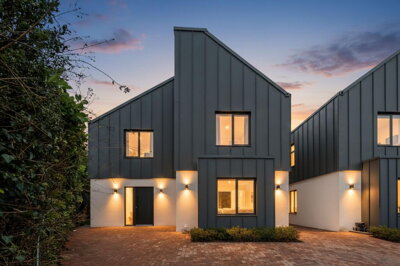
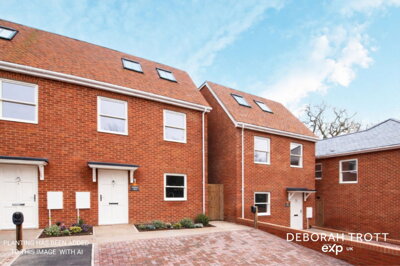
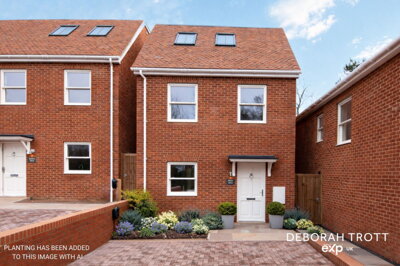
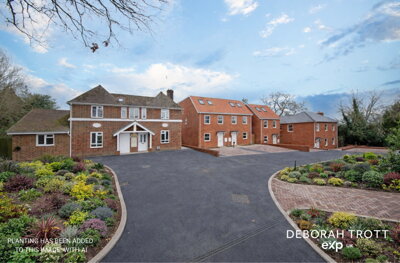
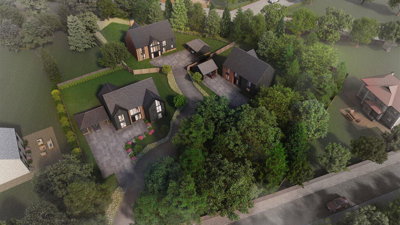
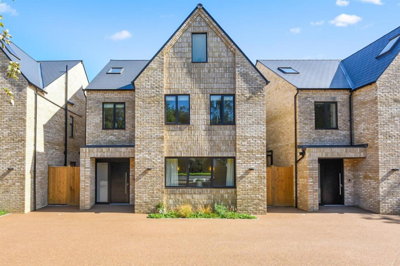
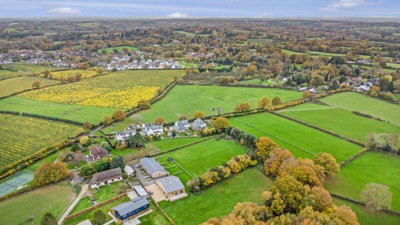
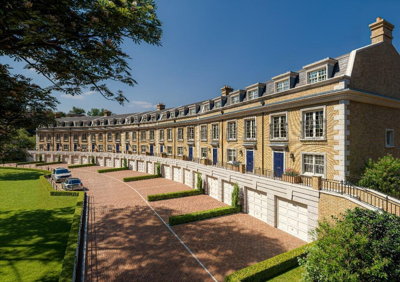
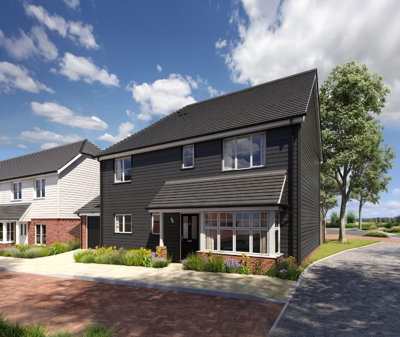
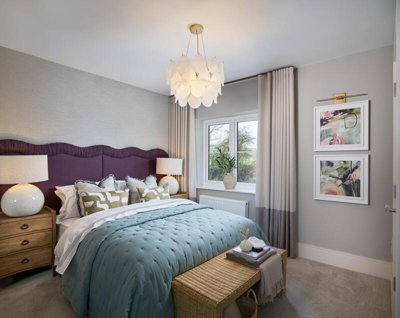
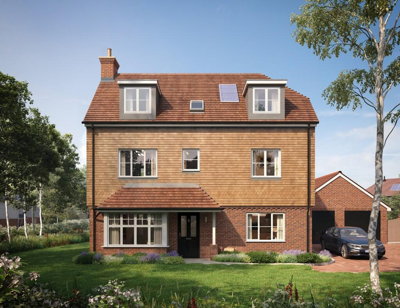
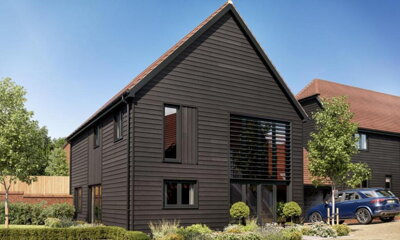
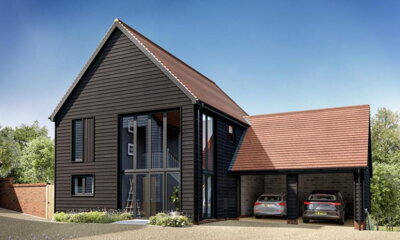
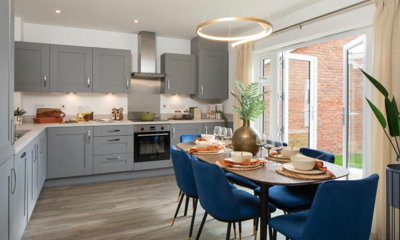
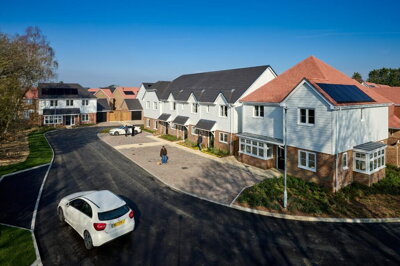
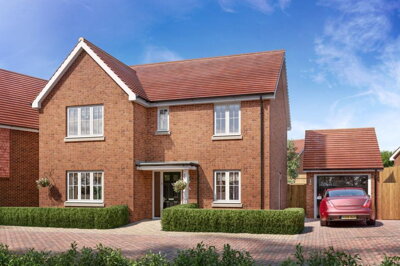
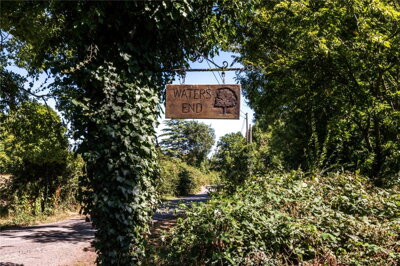
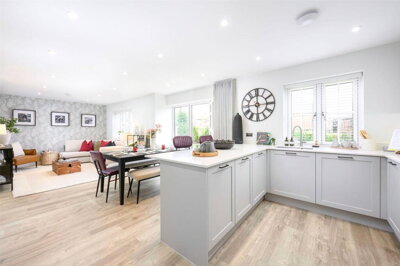
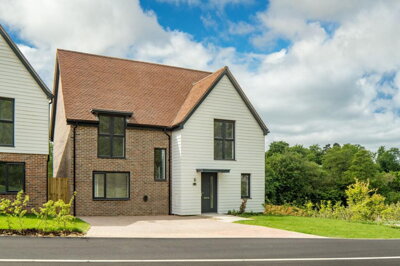
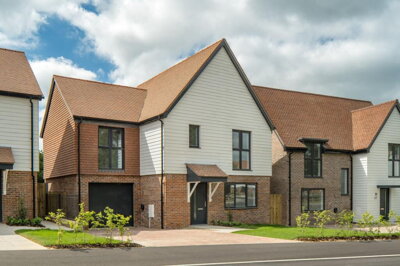
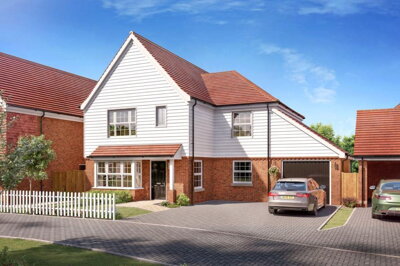
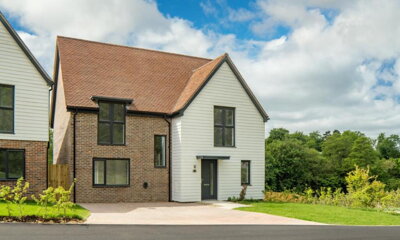
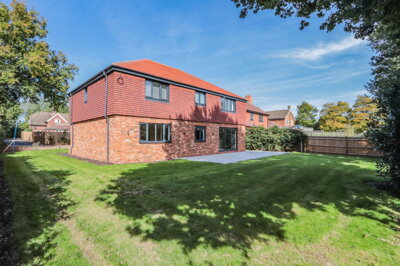
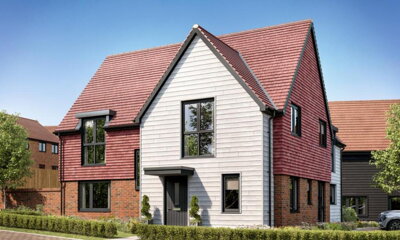
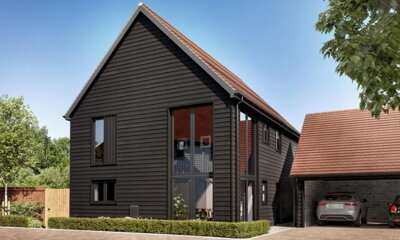
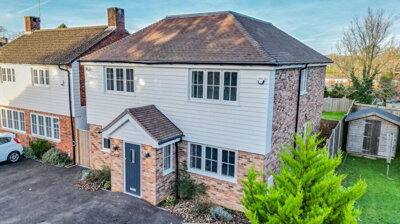
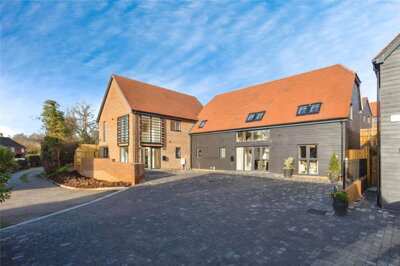
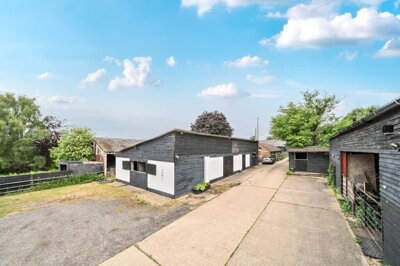
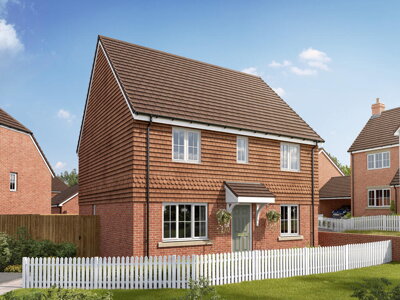
Browse 38 homes new builds in Tunbridge Wells from local developer agents.
The larger property sector typically features multiple bathrooms, substantial reception space, and private gardens or off-street parking. Four bedroom houses in Tunbridge Wells span detached, semi-detached, and occasionally terraced configurations, with styles ranging from period properties to modern executive homes.
The Tunbridge Wells property market has demonstrated remarkable resilience despite broader national uncertainties. According to the most recent ONS data, average house prices rose 2.7% from December 2024 to December 2025, with the current average sitting at approximately £465,000 based on provisional figures. Zoopla reports the 12-month average at £519,273, while Rightmove records £527,213 for the past year. The market remains firmly in balance, with strong demand from buyers drawn to the area's exceptional quality of life and limited supply helping to support values.
Property types in Tunbridge Wells span a diverse range to suit different needs and budgets. Semi-detached homes, the backbone of family housing in the area, average around £515,000 to £556,000 depending on the data source consulted. These properties represent strong value for buyers seeking generous room sizes and gardens without the premium attached to detached houses. Terraced properties, many featuring the elegant Georgian architecture the town is famous for, typically range from £416,000 to £446,000. Flats and maisonettes offer the most accessible entry point at approximately £268,000 to £318,000, though some premium apartments in central locations command higher prices. According to recent transaction data from Rightmove, flats have accounted for the majority of sales in the town over the past year, while semi-detached properties dominate in the TN4 postcode area covering areas like Rusthall and the outskirts.
New build activity in Tunbridge Wells continues to add to the housing stock, though specific development details require verification through local planning portals. The area has seen various new-build schemes in recent years, with developers responding to persistent demand from buyers looking to relocate from London. Properties over 50 years old dominate the housing landscape, meaning most homes will benefit from character features but may require updating of electrics, plumbing, and insulation. The market reached a peak average price of £564,745 in 2022 according to Rightmove data, and current prices sit approximately 7% below that peak, creating opportunities for buyers who missed the previous high. If you are considering an older property, a thorough RICS Level 2 Survey is essential to identify any defects common to period construction.
Tunbridge Wells strikes an enviable balance between town and country, offering residents the best of both worlds. The town centres on the historic Pantiles, a colonnaded promenade dating from the early 18th century when visitors came to take the healing spa waters. Today the Pantiles hosts regular craft markets, artisan shops, and restaurants that create a vibrant atmosphere throughout the week. The surrounding streets contain an eclectic mix of independent retailers, high street names, and specialist shops that cater to every taste.
The area boasts extensive parkland and green spaces that contribute significantly to its family appeal. Dunorlan Park offers 26 acres of beautiful grounds with a boating lake, formal gardens, and woodland walks just minutes from the town centre. The adjacent countryside provides excellent walking and cycling opportunities, with the Weald of Kent stretching southwards towards the coast. For families, the combination of outstanding educational options, safe neighbourhoods, and abundant green space makes Tunbridge Wells one of the most desirable locations in the South East. The nearby village of Groombridge and its surrounding areas offer additional rural charm for those seeking more peaceful settings while remaining within easy reach of the town.
The local economy benefits from several key sectors including professional services, healthcare, and education. Many residents commute to London for work, taking advantage of the fast rail links, while others work locally or run businesses from home offices in the converted Victorian properties that characterise many residential streets. The town maintains a strong sense of community with regular events, active local societies, and excellent leisure facilities including theatres, cinemas, and sports clubs. The Calverley Grounds in the town centre provides a popular venue for community events and outdoor activities, while the historic Assembly Hall Theatre continues to attract visitors with its diverse programme of performances throughout the year.

Education is one of Tunbridge Wells most significant draws for families considering a move to the area. The town and its surrounding villages host some of the finest educational institutions in Kent, including highly selective grammar schools that consistently achieve excellent examination results. Tunbridge Wells Grammar School for Boys and The Bennett Memorial Diocesan School for Girls are among the most sought-after secondary schools in the region, with parents often structuring their house purchase around catchment areas for these popular institutions.
The independent school sector is particularly strong, with establishments such as The Skinners School, St. Gregory's Catholic School, and various preparatory schools attracting families from across the South East. These schools offer exceptional academic standards and extensive extracurricular programmes, contributing to the area's reputation as an educational hub. The Tunbridge Wells Girls Grammar School has a strong tradition of academic excellence, while schools such as The Mead School provide excellent primary education with a focus on creative learning. Primary education is well served by numerous Ofsted-rated Good and Outstanding schools throughout Tunbridge Wells, ensuring younger children have access to quality schooling within easy reach of most neighbourhoods.
For further education, Kent has no shortage of options, with several colleges offering A-level programmes and vocational courses within reasonable travelling distance. The presence of such a strong educational landscape significantly influences property values, with homes near good schools often commanding premium prices and maintaining their value during market downturns.Families moving to Tunbridge Wells should research school catchments carefully, as popular primaries and secondary schools can fill quickly with catchment areas sometimes covering only immediate surrounding streets. Properties in the TN4 postcode area, which includes the popular St. Peters and Broadwater neighbourhoods, often see heightened interest from families prioritising school proximity.

Tunbridge Wells enjoys excellent transport connections that make it a favourite destination for London commuters seeking more space without sacrificing career opportunities. The mainline station provides direct services to London Bridge in under an hour, with regular trains running throughout the day and into the evening. This commuting advantage has driven significant demand from city workers, particularly since the pandemic accelerated trends towards flexible working arrangements that allow employees to split their time between home and office.
Road connections are equally impressive, with the A21 providing direct access to the M25 motorway network and the coast via Hastings and Eastbourne. The town sits comfortably within reach of the Channel ports and ferry terminals, making continental travel straightforward for those planning holidays or business trips abroad. Local bus services connect Tunbridge Wells with surrounding villages and neighbouring towns including Tonbridge, Sevenoaks, and Maidstone, providing practical alternatives for those who prefer not to drive. The A26 road provides convenient access to the south coast and the market town of Uckfield.
Cycling infrastructure has improved in recent years, with dedicated bike lanes and shared paths making it safer and easier to travel by bicycle around the town. For air travel, Gatwick Airport is reachable within approximately 45 minutes by car, while Heathrow requires around 90 minutes. This comprehensive connectivity helps explain why Tunbridge Wells property remains consistently popular despite the higher prices compared to less well-connected areas of Kent and Sussex. The town also benefits from good connections to the coast, with the beaches at Brighton accessible in under an hour by car or via the direct train service.
Before viewing any properties, obtain a mortgage agreement in principle from a lender. This demonstrates to sellers that you are a serious buyer and can move quickly when you find your ideal home. In Tunbridge Wells competitive market, having finance agreed in advance can make the difference between securing a property and losing it to another buyer. Speak to a mortgage broker who understands the local market to explore your options and get the best rate available.
Spend time exploring different neighbourhoods in Tunbridge Wells to understand which suits your lifestyle best. Consider proximity to schools if you have children, commuting requirements, and access to local amenities. The difference between areas like Hawkenbury and the town centre can significantly impact your daily routine and property budget. Take time to walk through different streets at various times of day to get a genuine feel for each neighbourhood.
Many properties in Tunbridge Wells sell before appearing on major portals. Registering with local estate agents directly can give you early access to new listings and allow you to build relationships with agents who know the market intimately. They can alert you to properties matching your criteria as soon as they become available. Estate agents with offices in the town centre often have the most up-to-date knowledge of properties coming to market.
View multiple properties to compare options and understand what represents good value in the current market. Pay attention to construction quality, potential maintenance costs, and any red flags such as signs of damp or structural issues. Given the prevalence of older properties, a thorough inspection is always advisable before making an offer. Take photographs and notes at each viewing to help you compare properties later.
Once you find a suitable property, submit a formal offer through the estate agent. Be prepared to negotiate on price and terms, particularly for properties that have been on the market for some time. Your offer should reflect current market conditions and any issues identified during viewing. In a competitive market, consider offering slightly above asking if you are particularly keen on a property.
Instruct a conveyancing solicitor as soon as your offer is accepted. They will handle searches, contracts, and the legal transfer of ownership. For period properties in Tunbridge Wells, searches should investigate potential issues including flood risk, conservation area restrictions, and the presence of any planning constraints that might affect the property. Choose a solicitor with experience handling properties in Kent to ensure they understand local requirements.
The prevalence of Georgian and Victorian properties in Tunbridge Wells means many homes will have features requiring specific attention during the buying process. Traditional construction methods from these periods often include solid walls without cavity insulation, original timber windows, and older plumbing and electrical systems that may need updating. When viewing period properties, examine walls for signs of damp, check the condition of roofs and chimneys, and ask about recent works to the electrics and heating system. Pay particular attention to the condition of original sash windows, as restoration is often preferable to replacement in conservation areas.
Conservation areas are present throughout Tunbridge Wells given the architectural significance of many streets and buildings. If you purchase a property within a conservation area, you will face restrictions on certain alterations including extensions, dormer conversions, and changes to windows and doors. These constraints protect the character of the neighbourhood but can limit your ability to modify a property to suit changing needs. Always check with Tunbridge Wells Borough Council planning department before committing to a purchase if you have plans for significant alterations. The Calverley and The Pantiles conservation areas are among the most significant, covering many of the towns most attractive historic streets.
The proportion of listed buildings in Tunbridge Wells means some properties will carry additional obligations. Grade I and Grade II listed properties require consent for virtually any external change and may have conditions attached to internal alterations. While these homes often represent exceptional architectural quality, buyers should budget for potentially higher maintenance costs and accept that modernising them can be more complex and expensive than equivalent non-listed properties. Specialist surveys for historic buildings may also be advisable before completing a purchase. Properties along the London Road and in the historic core of the town are particularly likely to carry listing status.
Given the age of much of the housing stock, common defects in Tunbridge Wells properties include damp affecting solid walls, roof defects such as slipped tiles or lead flashing deterioration, and timber issues including rot and woodworm. Electrical systems in period properties are frequently outdated and may require complete rewiring to meet modern standards. Many older homes also lack adequate insulation, resulting in higher heating costs. A RICS Level 2 Survey carried out by one of our qualified inspectors can identify these issues before you commit to a purchase, giving you the information needed to negotiate on price or request that problems be addressed.
Average house prices in Tunbridge Wells currently range from approximately £465,000 to £527,000 depending on the data source consulted. The ONS provisional figure for December 2025 shows £465,000, while Zoopla records £519,273 over the last 12 months and Rightmove reports £527,213 for the past year. Property prices vary significantly by type, with detached homes averaging £875,000, semi-detached around £515,000 to £556,000, terraced properties from £416,000 to £446,000, and flats starting from approximately £268,000. The market reached a peak of £564,745 in 2022 and has since corrected by around 7%, creating more accessible entry points for buyers compared to two years ago.
Properties in Tunbridge Wells fall under Tunbridge Wells Borough Council and are subject to council tax bands A through to H. The majority of residential properties fall in bands B through E, with the exact band depending on the property value assessed by the Valuation Office Agency. Flats and smaller terraced properties typically fall into lower bands, while larger detached homes frequently occupy bands F through H. You can check the specific band for any property by searching the Valuation Office Agency website using the property address.
Tunbridge Wells hosts several highly regarded educational institutions including Tunbridge Wells Grammar School for Boys, The Bennett Memorial Diocesan School for Girls, and The Skinners School at secondary level. The independent school sector is particularly strong with various preparatory and senior schools serving families from the local area and beyond. Primary schools in the area frequently achieve Good or Outstanding Ofsted ratings, with schools such as St. Johns Church of England Primary School and Claremont Primary School among the most popular choices for local families.
Tunbridge Wells benefits from excellent transport links with direct trains to London Bridge taking under an hour from the mainline station. The town also has good bus services connecting surrounding villages and neighbouring towns including Tonbridge and Sevenoaks. Road connections are strong via the A21 to the M25 and onwards to the rest of the motorway network, with the coast accessible via Hastings and Eastbourne. Gatwick Airport is approximately 45 minutes away by car, making overseas travel convenient for residents.
Tunbridge Wells has historically performed well as a property investment location due to persistent demand from families seeking good schools and professionals wanting easy London access. The combination of limited new supply and strong buyer demand helps maintain property values during market downturns. However, as with any investment, conditions can change and past performance is not a guarantee of future returns. The premium nature of the market means growth rates may be more modest than in some northern regions, but the stability of demand provides some protection against significant price falls.
Stamp Duty Land Tax rates for standard buyers start at 0% on the first £250,000 of property value, then 5% on the portion from £250,001 to £925,000. For properties above £925,000, rates increase to 10% up to £1.5 million and 12% above that threshold. First-time buyers benefit from relief on the first £425,000, paying 5% on the amount between £425,001 and £625,000, with no relief available above £625,000. For a typical Tunbridge Wells property at the current average price of around £500,000, a standard buyer would pay approximately £12,500 in SDLT.
Given the prevalence of Georgian and Victorian properties in Tunbridge Wells, common issues include damp affecting solid walls without cavity construction, roof defects such as slipped tiles or damaged lead flashing, and timber problems including rot and woodworm infestation. Electrical systems in period properties frequently date from the 1960s or earlier and often require complete rewiring to meet modern safety standards. Plumbing systems may use outdated materials that need replacement, and many older homes lack modern insulation levels resulting in higher heating costs. A RICS Level 2 Survey is strongly recommended for any older property to identify these issues before you commit to the purchase.
Our search platform currently lists over 1,200 homes for sale in Tunbridge Wells, covering properties across all price ranges and property types from flats and terraced houses to large detached family homes. The inventory includes properties from all the major estate agents operating in the area, giving you a comprehensive view of what is available on the market right now. New properties are added regularly as they come to market, so checking back frequently can help you spot new opportunities as soon as they appear.
The Hawkenbury area is particularly popular with families due to its proximity to good schools and relative quiet compared to the town centre. Rusthall, with its village atmosphere and proximity to the famous Rusthall Common, attracts buyers seeking a more rural feel while remaining within walking distance of the station. The Calverley and Camden area close to the town centre appeals to those who value being within easy walking distance of shops and restaurants. Properties in the TN4 postcode covering areas towards Tonbridge often offer more competitive pricing while still benefiting from good transport connections.
From 3.94%
Expert mortgage advice from our panel of lenders
From £499
Local conveyancing solicitors to handle your property purchase
From £350
Comprehensive property survey by qualified local inspectors
From £80
Energy performance certificate for your new home
Purchasing a property in Tunbridge Wells involves several costs beyond the advertised purchase price. Stamp Duty Land Tax represents the most significant additional expense, and understanding the current rates is essential for budgeting accurately. For properties purchased at the current average price of around £500,000, a standard buyer would pay no SDLT on the first £250,000, then 5% on the remaining £250,000, bringing the total stamp duty to approximately £12,500. First-time buyers benefit from significant relief, paying nothing on the first £425,000 and 5% on the remaining £75,000, reducing their SDLT bill to £3,750.
Beyond stamp duty, you should budget for solicitor conveyancing fees which typically range from £500 to £1,500 depending on the complexity of the transaction and the property type. Local searches with Tunbridge Wells Borough Council usually cost between £200 and £400, while surveys and valuations add further costs. A basic mortgage valuation survey might be provided free by your lender, but a standalone RICS Level 2 Survey, strongly recommended for the older properties prevalent in Tunbridge Wells, typically costs from £350 depending on property size. Additional costs include land registry fees, bank transfer charges, and potentially mortgage arrangement fees.
When calculating your total budget, remember to factor in removals costs, potential refurbishment or renovation expenses, and the ongoing costs of homeownership including council tax, buildings insurance, and service charges for leasehold properties. Flats in Tunbridge Wells often carry annual service charges that can significantly affect affordability. Requesting details of these charges before proceeding with a purchase is always advisable. By accounting for all these costs from the outset, you can approach your Tunbridge Wells property purchase with confidence and avoid the stress of unexpected expenses during the transaction.
Properties New Builds In London

Properties New Builds In Plymouth

Properties New Builds In Liverpool

Properties New Builds In Glasgow

Properties New Builds In Sheffield

Properties New Builds In Edinburgh

Properties New Builds In Coventry

Properties New Builds In Bradford

Properties New Builds In Manchester

Properties New Builds In Birmingham

Properties New Builds In Bristol

Properties New Builds In Oxford

Properties New Builds In Leicester

Properties New Builds In Newcastle

Properties New Builds In Leeds

Properties New Builds In Southampton

Properties New Builds In Cardiff

Properties New Builds In Nottingham

Properties New Builds In Norwich

Properties New Builds In Brighton

Properties New Builds In Derby

Properties New Builds In Portsmouth

Properties New Builds In Northampton

Properties New Builds In Milton Keynes

Properties New Builds In Bournemouth

Properties New Builds In Bolton

Properties New Builds In Swansea

Properties New Builds In Swindon

Properties New Builds In Peterborough

Properties New Builds In Wolverhampton

Enter your details to see if this property is within your budget.
Loans, cards, car finance
Estimated property budget
Borrowing + deposit
You could borrow between
Typical borrowing
Monthly repayment
Est. at 4.5%
Loan-to-value
This is an estimate only. Your actual budget may vary depending on interest rates, credit history, and personal circumstances. For an accurate affordability assessment, speak to one of our free mortgage advisors.
This calculator provides estimates for illustrative purposes only and does not constitute financial advice. Your home may be repossessed if you do not keep up repayments on your mortgage. Estimates based on 4.5% interest rate, repayment mortgage. Actual rates depend on your circumstances.
Homemove is a trading name of HM Haus Group Ltd (Company No. 13873779, registered in England & Wales). Homemove Mortgages Ltd (Company No. 15947693) is an Appointed Representative of TMG Direct Limited, trading as TMG Mortgage Network, which is authorised and regulated by the Financial Conduct Authority (FRN 786245). Homemove Mortgages Ltd is entered on the FCA Register as an Appointed Representative (FRN 1022429). You can check registrations at NewRegister or by calling 0800 111 6768.

We use cookies to show you personalised content and improve your experience of our website. Find out more in our Privacy policy and Cookie policy.