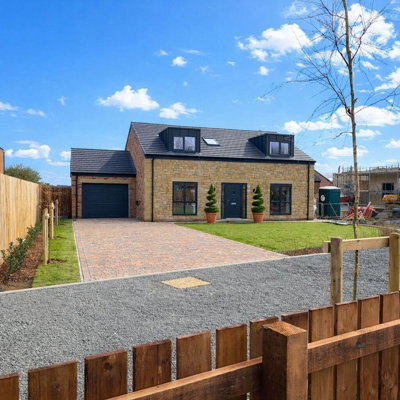
Browse 1 home new builds in Tritlington and West Chevington from local developer agents.
Three bedroom properties represent a significant portion of the Tritlington And West Chevington housing market, offering space for families with multiple reception rooms and gardens in many cases. Browse detached, semi-detached, and terraced options ranging across new residential developments.
The Tritlington and West Chevington property market reflects the broader characteristics of rural Northumberland, where demand consistently outstrips supply due to the limited number of properties available at any given time. Our platform aggregates listings from local estate agents throughout the area, providing buyers with comprehensive access to properties ranging from traditional stone-built cottages to substantial detached residences set within generous plot sizes. The absence of major new build developments in the immediate vicinity means that buyers purchasing in Tritlington and West Chevington can expect to find character properties that have been thoughtfully maintained or sympathetically modernised by previous owners.
Property types available in the parish include traditional terraced cottages, semi-detached residences, and substantial detached homes, many of which date from the 18th and 19th centuries. The historic housing stock includes converted farm buildings and agricultural barns that have been transformed into contemporary family homes while retaining their original architectural features. Given the mining heritage of the area, prospective buyers should arrange for thorough surveys that assess the condition of older properties, particularly regarding potential mining-related subsidence issues that may affect structures in former coalfield areas.
The geology of Tritlington and West Chevington parish lies within the North East coalfield, where the underlying Yoredale Group comprises mudstones, siltstones, sandstones, and limestone. The presence of clay in this geological formation can create shrink-swell risks for properties with shallow foundations, making professional surveys essential for older buildings. The historic use of local stone and brick in construction throughout the area means that properties may show signs of weathering, mortar erosion, or differential movement that requires expert assessment.
Planning applications within the parish are administered by Northumberland County Council, and the presence of multiple listed buildings, including Grade II structures such as Tritlington Old Hall, Causey Park House, and West Chevington Farmhouse, imposes restrictions on alterations and improvements to protected structures and their surroundings. Buyers should investigate any planning conditions that may affect their intended use of the property before committing to a purchase.

Life in Tritlington and West Chevington revolves around the rhythms of the Northumberland countryside, where farming traditions continue alongside an emerging rural economy. The parish encompasses rolling farmland, historic estates, and scattered settlements that have been inhabited since Mesolithic times. Archaeological evidence throughout the area reveals continuous human occupation spanning thousands of years, with particular significance during the medieval period when tower houses such as Tritlington Old Hall and Causey Park House were constructed as defensive residences for prominent local families.
The medieval heritage of Tritlington and West Chevington is particularly rich, with Tritlington Old Hall dating from the medieval period and enlarged in 1595 before remodelling in 1723, while Causey Park House represents a tower house from 1589 with later alterations. Tritlington Hall, constructed after 1603, exemplifies the country houses that emerged as defensive needs diminished. These historic properties and their associated structures, including garden walls, stable ranges, and gatepiers, form an important part of the architectural heritage that buyers in the area may encounter, either as direct purchases or as neighbouring properties.
The modern economy of the parish has diversified beyond traditional agriculture to include holiday lets, golf courses, farm shops, caravan sites, and creative enterprises that utilise converted farm buildings. The West Chevington Farm project, which includes holiday property development, reflects ongoing investment in the area despite legal challenges related to historical conveyancing matters. The presence of these diverse rural businesses contributes to a vibrant community spirit, with local events and facilities bringing residents together throughout the year. The nearby village of Felton provides additional amenities including shops, pubs, and services, while the market town of Alnwick offers a wider range of retail, educational, and healthcare facilities within easy driving distance.
Community life in Tritlington and West Chevington is characterised by strong neighbourly connections and shared appreciation for the rural environment. The Civil Parish Council meets regularly to address local issues, and residents participate in village events that celebrate the area's heritage and natural environment. For buyers seeking an authentic rural community experience, the parish offers a rare combination of historical significance, natural beauty, and genuine local character that distinguishes it from more heavily developed areas of Northumberland.

Families considering a move to Tritlington and West Chevington will find a selection of educational establishments within the surrounding area of Northumberland. Primary education is served by schools in nearby villages and towns, with the closest primary schools typically accepting pupils from the parish. The rural nature of the area means that school transport arrangements are well established, with dedicated bus services operating to transport children to schools in surrounding communities. Broughton Primary School in the nearby village of Broughton offers education for younger children, while schools in Felton provide additional options for primary-aged pupils.
Secondary education options in the region include well-regarded comprehensive schools in the wider Northumberland area, some of which have achieved strong ratings from Ofsted in recent inspections. The Duchess's Community High School in Alnwick serves students from the surrounding area, while other secondary schools in the region provide comprehensive education with strong academic and extracurricular programmes. For families seeking grammar school provision, the nearby town of Alnwick offers selective education opportunities, and catchment areas for these schools may include the Tritlington and West Chevington parish. Families should verify current admission policies with Northumberland County Council, as catchment areas can change and competition for places at popular schools can be significant.
Sixth form and further education provision is available at colleges in Morpeth and Alnwick, with dedicated bus services making these institutions accessible to students residing in the parish. Northumberland College offers a wide range of vocational and academic courses, while King Edward VI School in Morpeth provides sixth form education for students seeking A-level qualifications. For students interested in pursuing higher education, the journey to universities in Newcastle, Durham, and Sunderland is manageable by public transport or car, with regular bus and rail services connecting these cities to the surrounding area.
Parents moving to Tritlington and West Chevington should register their interest with schools as early as possible to understand admission arrangements and transport options. School transport subsidies are available through Northumberland County Council for eligible students, and many families find that the established bus services make schooling in surrounding towns practical even without private vehicle access. Planning ahead for educational needs ensures a smooth transition to rural family life in the parish.
Tritlington and West Chevington benefits from its position within Northumberland, offering connectivity to major urban centres while maintaining a peaceful rural setting. The A1 trunk road passes through the broader area, providing direct access to Newcastle upon Tyne to the south and Edinburgh to the north. The nearby A1068 road connects the parish to the regional centre of Morpeth, where additional transport options become available including rail services to Newcastle, Durham, and beyond. The journey time to Newcastle city centre by car typically ranges from 45 minutes to one hour depending on traffic conditions, making regular commuting feasible for those working in the city.
For those working in Alnwick, the market town is easily accessible via the A1068, with journey times of approximately 15-20 minutes by car. The proximity to Alnwick makes the parish particularly attractive for employees in the town's retail, hospitality, and service sectors, as well as those working in the education and healthcare sectors. Alnwick also serves as a gateway to the stunning Northumberland coastline, with the beaches of Alnmouth, Craster, and Bamburgh all within reasonable driving distance.
Public transport options in the immediate vicinity are limited, reflecting the rural nature of the parish. Bus services operate on routes connecting surrounding villages to market towns, though frequencies are typically adjusted to school transport requirements and market days. The nearest railway stations are located in Alnwick and Morpeth, offering connections to the East Coast Main Line and regional rail services. Morpeth station provides direct trains to Newcastle, Edinburgh, and London, making it a valuable resource for residents who commute by rail or enjoy occasional travel further afield.
Residents of Tritlington and West Chevington typically find that private vehicle ownership is essential for daily living, given the limited public transport options in the parish. The peaceful rural setting means that cycling is popular for recreational purposes, though hilly terrain and country roads require appropriate caution. For commuters working in Newcastle upon Tyne, the parking facilities at Newcastle Central Station and the wider public transport network provide alternatives to daily driving into the city centre, where parking costs can be significant.
Before committing to a purchase in Tritlington and West Chevington, spend time exploring the parish at different times of day and week to understand local conditions. Visit nearby amenities, speak with residents about their experiences, and assess the journey times to your regular destinations. The limited local amenities mean that understanding your connectivity to surrounding towns is essential. Drive the routes to schools, workplaces, and social destinations at different times to gauge realistic journey times.
Arrange a mortgage agreement in principle before beginning property viewings. This financial preparation demonstrates your seriousness to sellers and estate agents while helping you understand your true budget. Given the age and character of many properties in the area, factor in potential additional costs for surveys and any necessary renovation work when calculating your borrowing requirements. Specialist rural mortgage brokers can advise on products suitable for properties with land or agricultural dependencies.
View multiple properties across different price ranges to understand the full spectrum of what is available. Pay particular attention to the condition of older properties, noting features such as original windows, traditional heating systems, and the condition of stonework. Properties in former mining areas may require specialist surveys to assess structural integrity. Take photographs and notes during viewings to help compare properties after the viewing process.
Given the significant proportion of older properties in Tritlington and West Chevington, a thorough RICS Level 2 Survey is essential. This comprehensive assessment will identify any defects related to the age of the property, potential mining subsidence issues, and the condition of key structural elements, electrical systems, and roofing. The presence of clay soils in the Yoredale Group geology means that foundations and subsidence risk should be specifically addressed in the survey report.
Appoint a local or experienced rural property solicitor to handle the legal aspects of your purchase. They will conduct local authority searches, investigate rights of way, and check for any planning restrictions that may affect your intended use of the property. Properties with significant land, historic structures, or proximity to listed buildings may require additional due diligence. Specialist agricultural and rural property solicitors often have experience with the particular issues affecting Northumberland properties.
Once all searches and surveys have been satisfactory and your mortgage offer has been confirmed, your solicitor will arrange the exchange of contracts with the seller. Completion typically follows within 28 days, after which you will receive the keys to your new home in Tritlington and West Chevington. Arrange buildings insurance from the day of completion and plan your removal logistics well in advance, particularly if you are moving from a distance or require specialist transport for unusual items.
Properties in Tritlington and West Chevington often feature traditional construction methods and materials that require careful assessment during the buying process. Stone-built properties, which dominate the historic housing stock, may show signs of weathering, mortar erosion, or movement that should be evaluated by a qualified surveyor. The presence of older construction methods means that insulation standards and energy efficiency ratings may differ from modern properties, potentially affecting ongoing utility costs. Buyers should request evidence of recent energy performance certificates and consider the potential costs of upgrading insulation and heating systems.
The mining heritage of the area introduces specific considerations for prospective buyers. Tritlington and West Chevington lies within the North East coalfield, and properties constructed on land affected by historic coal mining operations should be thoroughly surveyed for signs of subsidence, ground movement, or structural instability. The presence of former mine entries or shafts on or adjacent to the property can affect both structural integrity and insurance arrangements. Conveyancing solicitors should conduct specific mining searches to identify any historic mining activity that may affect the property.
Flood risk in the parish requires consideration despite the absence of active flood warnings. The long-term flood risk from rivers, surface water, and groundwater is acknowledged across Northumberland, and the local geology, including the presence of clay in the Yoredale Group, can affect drainage and ground conditions. Properties with large gardens or land should be assessed for drainage systems and potential water management issues. The proximity to watercourses and the lie of the land should be considered when evaluating flood resilience.
Planning considerations in the parish include the presence of multiple listed buildings, which impose restrictions on alterations and improvements to protected structures and their surroundings. If you are purchasing a listed property or a property adjacent to listed structures, familiarise yourself with the relevant English Heritage or local authority requirements before planning any modifications. Conservation area status in nearby Felton may also influence planning considerations for properties in the surrounding area. Listed building consent is required for most external alterations to Grade II structures, and restrictions can affect windows, doors, roofing materials, and boundary treatments.
Specific average house price data for Tritlington and West Chevington is not published separately by the Land Registry due to the small number of annual transactions in this civil parish. However, properties in this rural Northumberland location typically range from £200,000 for traditional cottages to over £500,000 for substantial detached residences with land. The wider Northumberland market has experienced steady growth in recent years, with rural properties particularly sought after by buyers seeking countryside living. Contact local estate agents for current listings and recent comparable sales data specific to the parish.
Properties in Tritlington and West Chevington fall under Northumberland County Council administration for council tax purposes. Council tax bands in the parish range from Band A for smaller properties to Band H for substantial residences, with the majority of traditional stone properties typically assessed in Bands C to E. Current annual charges for a Band D property in Northumberland are approximately £2,000, though precise amounts vary depending on the specific property band and any applicable exemptions or discounts. Properties with significant land or historic features may be assessed differently based on their rental value.
Tritlington and West Chevington does not have schools within the parish itself, but the surrounding area offers good educational options for families. Primary schools in nearby villages including Broughton and Felton provide education for younger children, with several achieving good or outstanding Ofsted ratings. Secondary education is available at schools in Alnwick and Morpeth, with selective grammar school options accessible through the examination process. Families should verify current catchment areas and admission policies with Northumberland County Council before purchasing, as these can change and affect school placement.
Public transport options in Tritlington and West Chevington are limited, reflecting the rural nature of the parish. Bus services operate between surrounding villages and market towns, with routes primarily serving school transport requirements. The nearest railway stations are located in Alnwick and Morpeth, offering connections to regional rail services and the East Coast Main Line. Morpeth station provides direct services to Newcastle, Edinburgh, and London King's Cross. Residents typically rely on private vehicles for daily commuting and accessing amenities, with the A1 providing road connectivity to Newcastle upon Tyne and the wider North East region.
Tritlington and West Chevington offers several characteristics that appeal to property investors, including the scarcity of available properties, the historic character of the housing stock, and strong demand from buyers seeking rural Northumberland living. The conversion of redundant agricultural buildings into residential properties continues to generate interest, while holiday let opportunities exist given the area's proximity to tourist attractions including Alnwick Castle, the Northumberland coastline, and the national park. The West Chevington Farm holiday development reflects ongoing interest in tourism-related property investments in the area. However, investors should be aware of potential mining-related issues that may affect certain properties and should factor this into their due diligence process.
Stamp Duty Land Tax for England applies to all purchases in Tritlington and West Chevington. For residential purchases up to £250,000, the SDLT rate is 0 percent. Between £250,001 and £925,000, the rate increases to 5 percent, rising to 10 percent for the portion between £925,001 and £1.5 million. Properties exceeding £1.5 million incur a 12 percent charge on the remainder. First-time buyers benefit from relief on the first £425,000 of a purchase, with 5 percent applying between £425,001 and £625,000. Given the typical property values in the area, many purchases fall within the higher SDLT bands.
While there are currently no active flood warnings for the immediate Tritlington and West Chevington area, Northumberland faces long-term flood risk from rivers, surface water, and groundwater in certain areas. The Northumberland Local Plan Strategic Flood Risk Assessment identifies zones susceptible to fluvial and surface water flooding, though specific data for this parish is limited. Given the area's mining heritage and the presence of clay soils, prospective buyers should commission thorough surveys that assess both flood risk and potential subsidence issues before completing a purchase. Properties with large gardens or adjacent to watercourses should be assessed with particular care.
Tritlington and West Chevington contains numerous listed buildings reflecting its rich medieval heritage. Key structures include Tritlington Old Hall, a medieval tower enlarged in 1595 and remodelled in 1723, and Causey Park House, a tower house from 1589. Tritlington Hall, built after 1603, and West Chevington Farmhouse represent other significant historic properties. Many properties in the parish may incorporate older features or be constructed using traditional methods associated with these historic building traditions. Buyers purchasing period properties should budget for potential maintenance requirements specific to historic buildings.
From £350
Essential for older properties with mining heritage
From £450
For complex or period properties
From £60
Energy performance certificate
From £499
Legal services for your purchase
From 4.5%
Finance your purchase
Purchasing a property in Tritlington and West Chevington involves several costs beyond the purchase price that buyers should factor into their financial planning. Stamp Duty Land Tax represents the most significant additional cost for most buyers, with current thresholds of £250,000 for standard residential purchases applying in this area. First-time buyers purchasing properties up to £425,000 can benefit from complete SDLT relief on that portion, while purchases between £425,001 and £625,000 incur a 5 percent charge on the excess. Given typical property values in the parish, many purchases will attract SDLT at the 5 percent rate on the portion above £250,000.
Survey costs are particularly important in Tritlington and West Chevington given the age and character of many properties. A RICS Level 2 Survey typically costs from £350 for standard properties, with higher fees applying to larger or more complex residences. Properties with significant land, historic features, or potential mining-related issues may require additional specialist assessments that increase overall survey expenditure. Given the mining heritage of the area, a thorough structural survey that specifically addresses subsidence risk and ground stability is money well spent before committing to a purchase of an older property.
Legal fees for conveyancing typically start from £499 for straightforward transactions, though properties with title complications, rights of way, or those involving agricultural land may require additional work that increases costs. Mining searches are particularly important in this area and may incur additional charges. Additional costs to budget for include mortgage arrangement fees, which vary significantly between lenders but can range from 0 to 2 percent of the loan amount, and removal expenses, which depend on the distance of your move and the volume of belongings being transported.
Buildings insurance must be in place from the day of completion, and insurance for properties in former mining areas may carry higher premiums or require specific exclusions. Life insurance or critical illness cover should be considered when taking on a substantial mortgage commitment. Setting aside funds for immediate post-purchase requirements such as new furniture, security measures, or essential repairs will ensure a smooth transition to your new home in Tritlington and West Chevington. Budgeting for potential renovation costs is particularly important for period properties that may require updating of systems or structural work.
Properties New Builds In London

Properties New Builds In Plymouth

Properties New Builds In Liverpool

Properties New Builds In Glasgow

Properties New Builds In Sheffield

Properties New Builds In Edinburgh

Properties New Builds In Coventry

Properties New Builds In Bradford

Properties New Builds In Manchester

Properties New Builds In Birmingham

Properties New Builds In Bristol

Properties New Builds In Oxford

Properties New Builds In Leicester

Properties New Builds In Newcastle

Properties New Builds In Leeds

Properties New Builds In Southampton

Properties New Builds In Cardiff

Properties New Builds In Nottingham

Properties New Builds In Norwich

Properties New Builds In Brighton

Properties New Builds In Derby

Properties New Builds In Portsmouth

Properties New Builds In Northampton

Properties New Builds In Milton Keynes

Properties New Builds In Bournemouth

Properties New Builds In Bolton

Properties New Builds In Swansea

Properties New Builds In Swindon

Properties New Builds In Peterborough

Properties New Builds In Wolverhampton

Enter your details to see if this property is within your budget.
Loans, cards, car finance
Estimated property budget
Borrowing + deposit
You could borrow between
Typical borrowing
Monthly repayment
Est. at 4.5%
Loan-to-value
This is an estimate only. Your actual budget may vary depending on interest rates, credit history, and personal circumstances. For an accurate affordability assessment, speak to one of our free mortgage advisors.
This calculator provides estimates for illustrative purposes only and does not constitute financial advice. Your home may be repossessed if you do not keep up repayments on your mortgage. Estimates based on 4.5% interest rate, repayment mortgage. Actual rates depend on your circumstances.
Homemove is a trading name of HM Haus Group Ltd (Company No. 13873779, registered in England & Wales). Homemove Mortgages Ltd (Company No. 15947693) is an Appointed Representative of TMG Direct Limited, trading as TMG Mortgage Network, which is authorised and regulated by the Financial Conduct Authority (FRN 786245). Homemove Mortgages Ltd is entered on the FCA Register as an Appointed Representative (FRN 1022429). You can check registrations at NewRegister or by calling 0800 111 6768.

We use cookies to show you personalised content and improve your experience of our website. Find out more in our Privacy policy and Cookie policy.