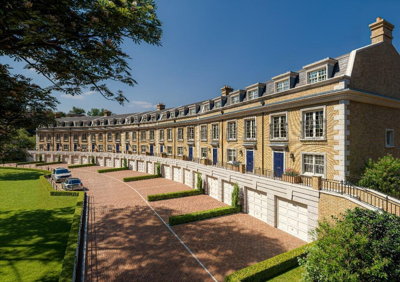
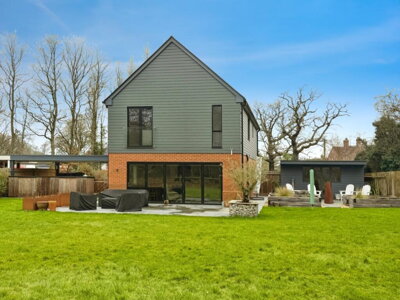
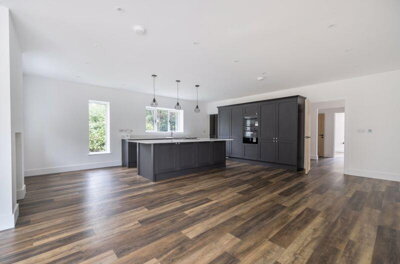
Browse 3 homes new builds in TN27 from local developer agents.
The larger property sector typically features multiple bathrooms, substantial reception space, and private gardens or off-street parking. Four bedroom houses in TN27 span detached, semi-detached, and occasionally terraced configurations, with styles ranging from period properties to modern executive homes.
£800k
37
4
102
Source: home.co.uk
Showing 37 results for 4 Bedroom Houses new builds in TN27. 4 new listings added this week. The median asking price is £800,000.
Source: home.co.uk
Detached
30 listings
Avg £1.01M
Semi-Detached
5 listings
Avg £462,800
Terraced
2 listings
Avg £497,500
Source: home.co.uk
Source: home.co.uk
£490,800
Average House Price
100+
Properties Listed
116
Annual Sales (12 months)
+0.75%
Price Change (12 months)
Our data shows the average house price in TN27 currently stands at approximately £490,800 based on HM Land Registry figures, with the past year recording 116 residential property sales across the postcode area. Property prices have shown remarkable resilience, increasing by 0.75% over the last twelve months and sitting just 3% below the 2023 peak of £545,785, demonstrating sustained demand for homes in this sought-after corner of Kent. The most active price band is the £388,000 to £516,000 range, which accounted for 31 sales, followed closely by 29 transactions in the £260,000 to £388,000 bracket.
New build activity remains modest but notable, with several quality developments adding contemporary options to the local market. Dynamo Close in Headcorn offers five executive 3 and 4 bedroom homes with allocated parking and EV charging points, while Otium Lake in Pluckley provides executive homes from £825,000 to £850,000 within walking distance of the village amenities. For those seeking single-storey living, Mill Lane in Smarden presents nine luxury bungalows, and a luxury development of just seven homes is coming soon to Charing village, ranging from 1,890 to 2,655 square feet. One exceptional new build in Smarden even boasts an EPC rating of 'A', demonstrating the high standards possible in contemporary construction. First-time buyers and those seeking smaller properties will find flats available from approximately £100,000 for leasehold apartments, though such properties represent a smaller portion of the local housing stock.

The TN27 postcode encompasses a collection of villages that together form one of Kent's most desirable rural communities, with the postcode district containing 6,934 addresses split between 6,054 houses and 880 flats. Each village possesses its own distinct character: Headcorn serves as a local hub with a butcher, baker, traditional pub, and weekly farmers market, while Pluckley maintains its status as one of England's most picturesque villages with a welcoming atmosphere that attracts visitors throughout the year. Biddenden offers wine lovers the chance to visit the famous Biddenden Vineyard, and Charing preserves a rich heritage with its medieval history evident in the architecture and layout of the village.
The local economy supports diverse employment opportunities, with job listings in the area indicating vacancies across education, logistics, manufacturing, and care sectors. Schools like Heath Farm School in Ashford (TN27 0AX) provide educational employment, while distribution centres and manufacturing facilities in the surrounding area offer industrial roles. A fresh fruit juice production company operates from facilities in the TN27 9LW area, providing manufacturing positions, and care roles are frequently advertised in villages like Charing. The proximity to Ashford, with its larger retail and commercial centre, extends job prospects significantly.
Residents frequently cite the quality of life, scenic countryside walks, strong neighbourhood connections, and relative affordability compared to more metropolitan areas of Kent as key reasons for choosing to live in TN27. The combination of village charm with practical transport links to London makes this an increasingly popular choice for families and commuters seeking to escape larger towns without sacrificing accessibility. The area has shown consistent long-term growth, with the TN27 0PL sector recording a 46.8% increase in property values over the past decade, significantly outperforming many metropolitan areas.
Families considering a move to TN27 will find a selection of reputable primary schools serving the various villages, with many schools in the surrounding Kent area maintaining good Ofsted ratings and strong community involvement. Primary-aged children in Headcorn typically attend the local primary school, while families in surrounding villages access schools within reasonable driving distance, with school transport often available for those living further from educational facilities. The village school model common throughout the TN27 area means class sizes can be smaller than urban alternatives, allowing for more individual attention and strong pastoral care.
Secondary education options include schools in nearby towns such as Ashford, where a broader range of secondary schools and grammar schools operate, with some families choosing independent education options available across Kent. For sixth form and further education, students typically travel to Ashford College or other institutions in larger towns, with school sixth forms at some local secondary schools providing continuation options closer to home. Parents should research specific catchment areas and admission policies for their preferred schools, as these can vary and change year on year, making early enquiries essential when planning a family move to the area.
The TN27 area benefits from convenient rail connections that make commuting to London practical for many residents, with both Headcorn and Pluckley stations offering regular services to the capital. Headcorn station provides Southeastern rail services with journey times to London Bridge typically around 55 minutes to an hour, making it comparable to many more expensive commuter locations further south in Kent. Pluckley station offers similar connectivity, and both stations have car parking facilities, though spaces can fill quickly during peak hours, so residents without reserved parking may need alternative arrangements.
For those preferring road travel, the TN27 postcode provides access to the A20 and M20 motorway via nearby Ashford, connecting residents to Canterbury, Dover, and the Channel ports, as well as to the wider motorway network beyond Maidstone. Local bus services connect the various villages, though frequencies are typically limited compared to urban areas, making car ownership effectively essential for full participation in village life. Cycling infrastructure varies by village, with some roads popular among recreational cyclists, though the undulating Kentish terrain presents challenges for less experienced riders. Heathrow Airport is approximately 90 minutes drive away for those requiring international travel connections.
Properties in the TN27 area are built on Weald Clay, a geological formation that creates specific considerations for homebuyers regarding foundations and structural integrity. The Weald Dome, a geological anticline stretching across Kent and Sussex, has resulted in layers of Cretaceous and Tertiary sedimentary rocks beneath the surface, including the softer Weald Clay that characterises the Low Weald where TN27 sits. This clay is susceptible to shrink-swell behaviour, meaning it contracts during dry periods and expands when wet, potentially causing ground movement that affects building foundations over time.
The British Geological Survey's GeoSure data indicates shrink-swell prone clays beneath deposits up to 10 metres deep in this area, with the upper two metres showing particular plasticity. Postcode sectors including TN27 8 are identified as high-risk for clay shrinkage, meaning foundations may be affected by seasonal moisture changes or the presence of large trees whose roots extract moisture from the soil. When purchasing period properties in villages like Charing, Biddenden, or Pluckley, arrange for thorough inspections that specifically assess foundation condition and look for signs of cracking or movement that may indicate subsidence.
Historic properties throughout the TN27 area often feature traditional Kentish building materials including Kentish ragstone (a type of sandy limestone quarried locally), timber framing, and local brick. Many Victorian and Edwardian cottages in conservation areas will have solid walls without cavity insulation, meaning different approaches to energy efficiency and damp management apply compared to modern construction. Modern developments use contemporary building methods with brick and blockwork, though the underlying geology remains a consideration regardless of construction type.
Start by exploring the different villages within TN27 such as Headcorn, Pluckley, Smarden, Charing, and Biddenden to find the community that best matches your lifestyle needs and budget, considering factors such as proximity to schools, transport links, and local amenities. Each village offers a distinct character, from Headcorn's active weekly market to Pluckley's picture-postcard charm.
Before viewing properties, obtain a mortgage agreement in principle from a lender to understand your budget and demonstrate your seriousness to sellers. Given the average property price of around £490,800, most buyers will need a mortgage of £350,000 to £450,000 depending on their deposit. Speak to a mortgage broker who can access deals from multiple lenders across the market.
Work with local estate agents to arrange viewings of properties matching your criteria, taking time to assess the condition of properties, their proximity to neighbours, and the general character of each village neighbourhood. View properties at different times of day to understand noise levels, traffic patterns, and the of the local community.
Once your offer is accepted, instruct a RICS Level 2 HomeBuyer Survey to assess the property condition and identify any issues. For a three bedroom property in TN27, expect to pay approximately £437, rising to around £495 for a four bedroom home. Older properties built before 1900 may incur a premium of 20-40% due to the increased likelihood of defects.
Appoint a solicitor to handle the legal aspects of your purchase, including searches, contracts, and registration at the Land Registry. For properties in conservation areas or listed buildings throughout the TN27 villages, additional specialist considerations apply, and your solicitor should advise on any planning conditions or restrictions.
Once all searches are satisfactory and finances are confirmed, exchange contracts with a deposit (typically 10%) and arrange a completion date. On completion day, your solicitor transfers the balance and you receive the keys to your new TN27 home, ready to begin the exciting journey of settling into village life.
Properties in the TN27 area require careful scrutiny of potential structural issues, particularly given the prevalence of Weald Clay which creates a high risk of clay shrinkage and ground movement. When viewing properties, examine walls for cracking that may indicate subsidence, check the condition of foundations where visible, and ask sellers about any previous underpinning or foundation work. The presence of large trees near properties increases shrink-swell risk as tree roots extract moisture from the clay soil, potentially destabilising foundations over time.
Many properties in TN27 villages are period homes requiring careful consideration of their construction and condition. Older properties built before 1900 may feature traditional materials such as Kentish ragstone, timber framing, and local brick, which require specialist knowledge to assess and maintain. Those in conservation areas (such as Victorian cottages in Charing) will face planning restrictions on alterations and renovations, and listed buildings require Listed Building Consent for any significant works. A RICS Level 2 survey is particularly valuable for older properties, identifying issues such as dampness, outdated electrics (including potentially dangerous knob-and-tube wiring), and roof deterioration.
Common defects found in older TN27 properties include rising damp (where properties lack modern damp-proof courses), penetrating damp from defective gutters or roof coverings, and condensation issues caused by inadequate ventilation in solid-walled properties. Roof structures in period properties may show signs of sagging or deflecting timbers, while hidden guttering behind parapet walls can cause water ingress that damages masonry over time. Electrical systems in older properties may include outdated wiring types that require replacement, and plumbing may use materials no longer considered safe or reliable.
Leasehold flats in the TN27 area, though less common than houses, require examination of service charges, ground rent terms, and the condition of communal areas. Freehold houses generally provide fewer ongoing costs, though maintenance responsibilities fall entirely on the homeowner. Flood risk in TN27 should be assessed using Environment Agency flood maps for your specific location, as surface water flooding can occur even in areas not shown as significant flood plains.
Purchasing a property in the TN27 area involves several costs beyond the purchase price itself, with stamp duty land tax representing one of the most significant expenses for buyers. For a property priced at the current TN27 average of £490,800, a standard buyer without first-time buyer status would pay stamp duty of approximately £12,040, calculated as 0% on the first £250,000 plus 5% on the remaining £240,800. First-time buyers purchasing properties up to £625,000 would pay nothing in stamp duty on the first £425,000, with only 5% due on the £65,800 above that threshold, totalling around £3,290.
Beyond stamp duty, buyers should budget for solicitor conveyancing fees typically ranging from £500 to £1,500 depending on complexity and property value, with additional search fees of approximately £250 to £400 for local authority, drainage, and environmental searches. A RICS Level 2 HomeBuyer Survey costs between £400 and £800 depending on property size and type, with three bedroom properties averaging around £437 and four bedroom homes typically £495. For older properties in the TN27 area, particularly those built before 1900, surveyors may apply a premium of 20-40% due to the increased likelihood of finding defects requiring more detailed assessment.
Additional costs include mortgage arrangement fees (often £500 to £1,500 depending on lender and deal type), valuation fees (£150 to £500), and land registry fees for registering your ownership at approximately £300 to £500. Buildings insurance must be in place from completion day, and removals costs vary significantly based on distance and volume of belongings. Overall, buyers should budget an additional 3% to 5% of the purchase price to cover these associated costs when calculating their total moving budget for a TN27 property.

The average house price in TN27 currently stands at approximately £490,800 according to HM Land Registry data, with the postcode recording 116 residential property sales over the past year. Detached properties average around £681,000, semidetached homes approximately £443,000, and terraced properties around £332,000. Prices have remained relatively stable with a modest increase of 0.75% over the past twelve months, sitting just 3% below the 2023 peak of £545,785.
Council tax bands in TN27 are set by Ashford Borough Council, Maidstone Borough Council, or Swale Borough Council depending on the specific village location. Bands range from A for the lowest valued properties through to H for the most expensive homes, with most family houses falling into bands C through E. You can check the specific band for any property using the Valuation Office Agency's online calculator.
The TN27 area is served by several primary schools within the villages, with families often citing the village school model as providing excellent individual attention for younger children. Secondary education options include schools in nearby Ashford, where grammar schools and comprehensive schools operate with varying admission criteria. Parents should research Ofsted reports and admission catchment areas directly with Kent County Council, as these can vary significantly between villages and change annually.
TN27 benefits from mainline railway stations at both Headcorn and Pluckley, offering regular Southeastern services to London Bridge with journey times of approximately 55 to 65 minutes. Bus services connect the various villages but operate with limited frequencies, making car ownership effectively essential for full daily mobility. The M20 motorway is accessible via nearby Ashford, providing road connections to the Channel ports and the wider motorway network.
The TN27 property market has shown consistent long-term growth, with prices rising 46.8% over the past decade in some postcode sectors, significantly outperforming many metropolitan areas. The TN27 0PL sector specifically has seen a 16.3% increase over the past five years, demonstrating sustained demand. The combination of attractive village living, improving transport links, and relative affordability compared to South East London makes the area appealing to both owner-occupiers and investors. Rental demand exists from commuters, young families, and those seeking rural lifestyles, though investors should factor in maintenance costs for period properties and potential void periods between tenants.
For standard purchases, stamp duty land tax is charged at 0% on the first £250,000 of property value, 5% on the portion from £250,001 to £925,000, 10% on £925,001 to £1.5 million, and 12% on any amount above £1.5 million. First-time buyers benefit from relief on the first £425,000 (0% rate), with 5% applied between £425,001 and £625,000. For a typical TN27 property at the average price of £490,800, a first-time buyer would pay no stamp duty, while a subsequent buyer would pay approximately £12,040.
Properties in TN27 sit on Weald Clay, which is susceptible to shrink-swell movement that can affect foundations, particularly during dry spells or where large trees are present. The postcode sector TN27 8 is classified as high-risk for clay shrinkage, and signs of subsidence such as cracking in walls or door frames sticking should be investigated thoroughly before purchase. Older period properties may also have traditional construction that requires specialist assessment, and properties in conservation areas or listed buildings will face restrictions on alterations.
The TN27 area contains numerous listed buildings, particularly in villages like Charing and Biddenden where Victorian and earlier cottages often hold Grade II listing status. Properties in designated conservation areas require planning permission for significant alterations, and listed buildings need Listed Building Consent for any works affecting their character. If you are considering a listed property, factor in the additional costs and restrictions that come with owning heritage property, and consider whether your renovation plans would be viable under listing constraints.
From 4.5%
Compare mortgage rates from leading lenders
From £499
Expert solicitors handling your property purchase
From £437
Comprehensive condition report for your TN27 property
From £85
Energy performance certificate for your property
Properties New Builds In London

Properties New Builds In Plymouth

Properties New Builds In Liverpool

Properties New Builds In Glasgow

Properties New Builds In Sheffield

Properties New Builds In Edinburgh

Properties New Builds In Coventry

Properties New Builds In Bradford

Properties New Builds In Manchester

Properties New Builds In Birmingham

Properties New Builds In Bristol

Properties New Builds In Oxford

Properties New Builds In Leicester

Properties New Builds In Newcastle

Properties New Builds In Leeds

Properties New Builds In Southampton

Properties New Builds In Cardiff

Properties New Builds In Nottingham

Properties New Builds In Norwich

Properties New Builds In Brighton

Properties New Builds In Derby

Properties New Builds In Portsmouth

Properties New Builds In Northampton

Properties New Builds In Milton Keynes

Properties New Builds In Bournemouth

Properties New Builds In Bolton

Properties New Builds In Swansea

Properties New Builds In Swindon

Properties New Builds In Peterborough

Properties New Builds In Wolverhampton

Enter your details to see if this property is within your budget.
Loans, cards, car finance
Estimated property budget
Borrowing + deposit
You could borrow between
Typical borrowing
Monthly repayment
Est. at 4.5%
Loan-to-value
This is an estimate only. Your actual budget may vary depending on interest rates, credit history, and personal circumstances. For an accurate affordability assessment, speak to one of our free mortgage advisors.
This calculator provides estimates for illustrative purposes only and does not constitute financial advice. Your home may be repossessed if you do not keep up repayments on your mortgage. Estimates based on 4.5% interest rate, repayment mortgage. Actual rates depend on your circumstances.
Homemove is a trading name of HM Haus Group Ltd (Company No. 13873779, registered in England & Wales). Homemove Mortgages Ltd (Company No. 15947693) is an Appointed Representative of TMG Direct Limited, trading as TMG Mortgage Network, which is authorised and regulated by the Financial Conduct Authority (FRN 786245). Homemove Mortgages Ltd is entered on the FCA Register as an Appointed Representative (FRN 1022429). You can check registrations at NewRegister or by calling 0800 111 6768.

We use cookies to show you personalised content and improve your experience of our website. Find out more in our Privacy policy and Cookie policy.