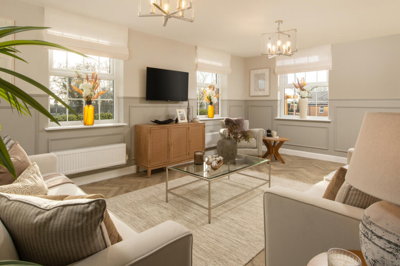
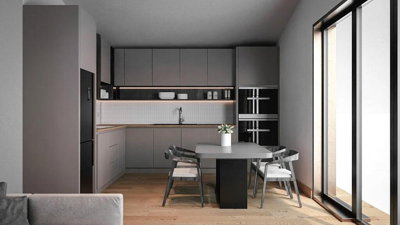
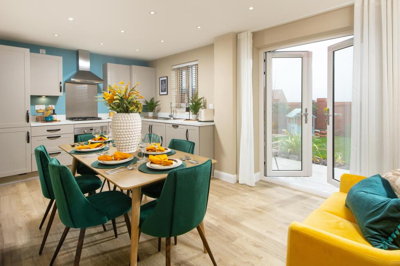
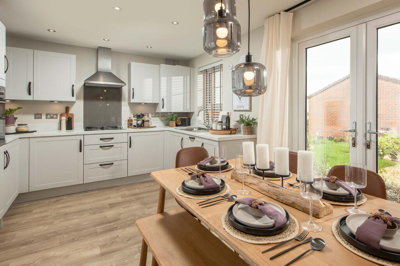
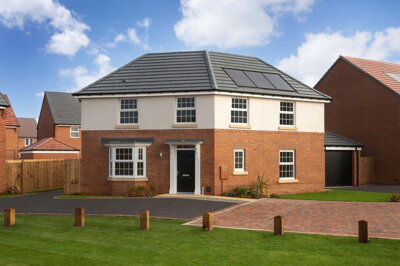
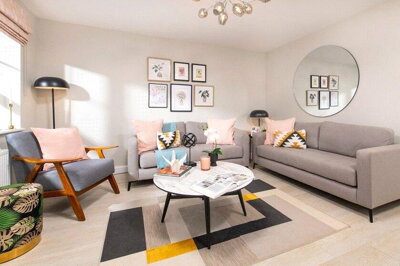
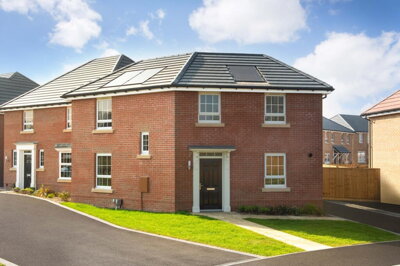
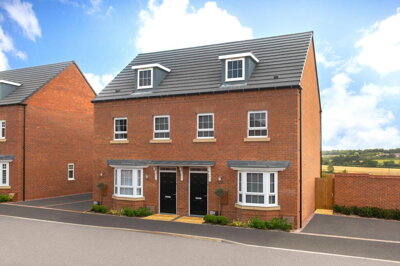
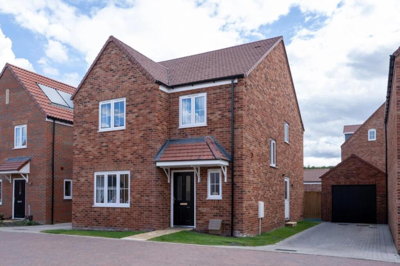
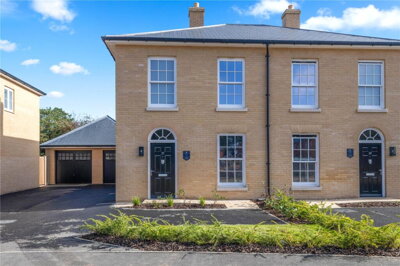
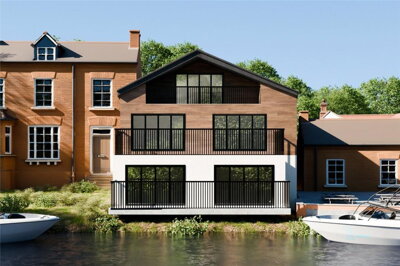
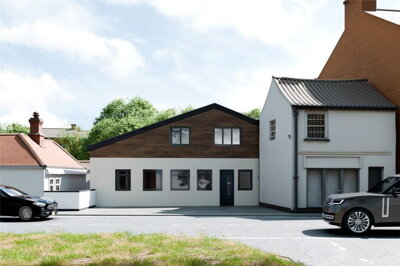
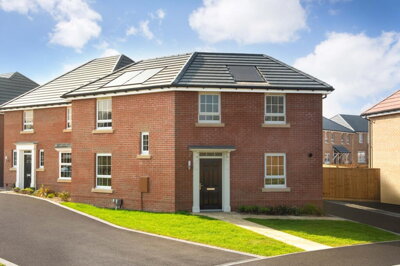
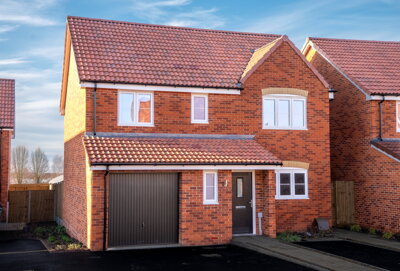
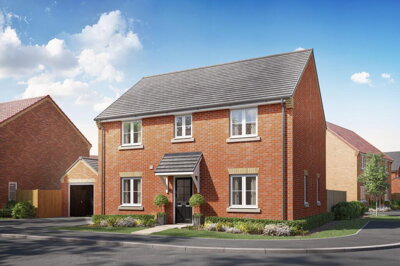
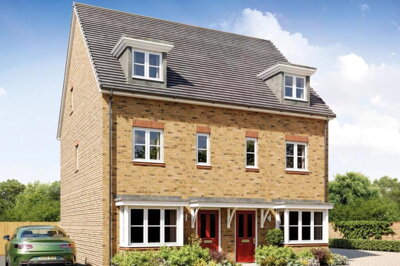
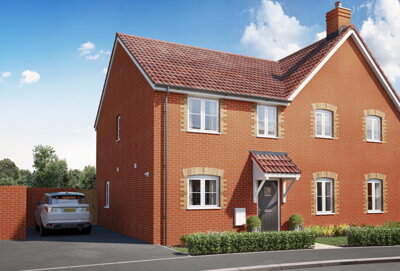
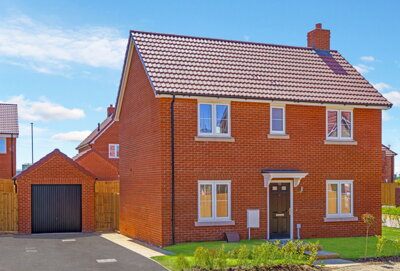
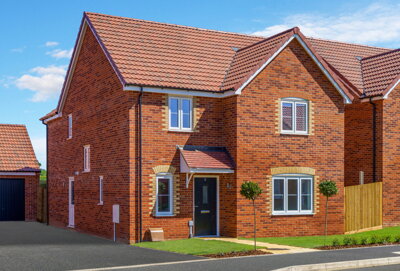
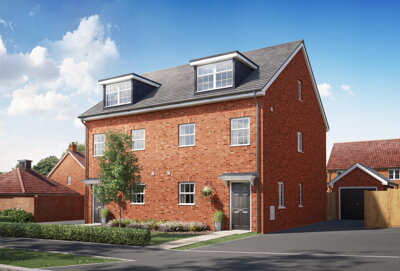
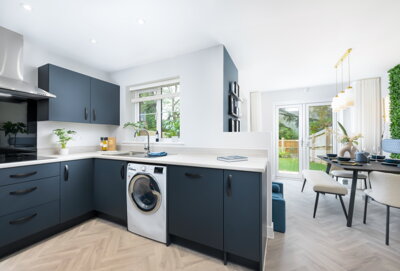
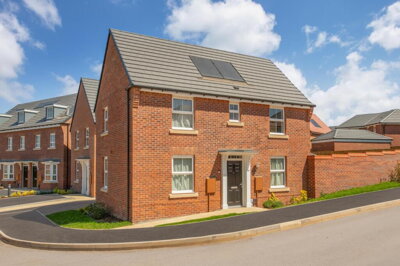
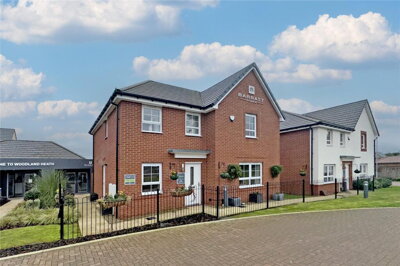
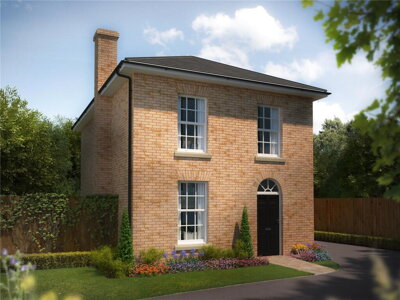
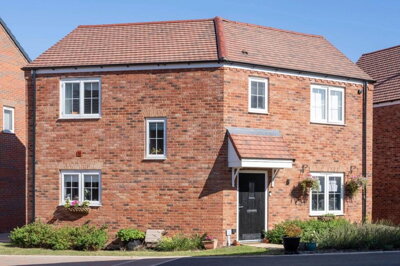
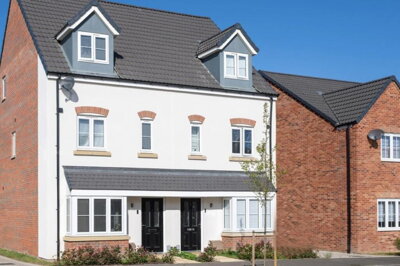
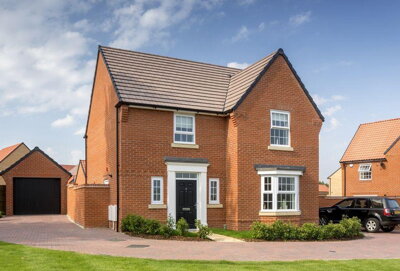
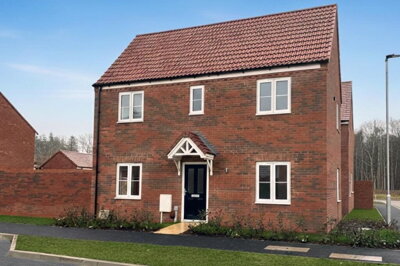
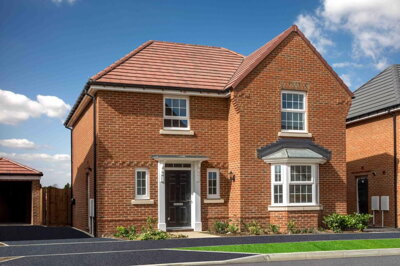
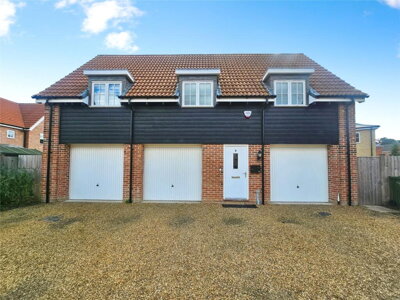
Browse 35 homes new builds in Thorpe St Andrew from local developer agents.
The Cardiff property market has shown consistent growth over the past five years, driven by strong local employment, excellent universities, and ongoing investment in infrastructure. Detached family homes in desirable postcodes like Cyncoed (CF23), Lisvane (CF23), and Thornhill (CF14) command prices between £400,000 and £700,000, while semi-detached properties in areas such as Pontprennau (CF23), Cyncoed, and Llanishen (CF14) typically range from £280,000 to £420,000. First-time buyers frequently target terraced houses in popular districts including Canton (CF11), Grangetown (CF11), and Adamsdown (CF24), where two-bedroom homes can often be found between £180,000 and £260,000.
The apartment market in Cardiff continues to attract investors and professionals, particularly around Cardiff Bay and the city centre. One-bedroom flats in these central locations generally sell between £140,000 and £220,000, while larger two-bedroom apartments range from £200,000 to £350,000 depending on specification and views. New developments continue to reshape the city skyline, with major schemes bringing thousands of new homes to areas including Cardiff Bay, the former Rover site in Llaniles, and the Central Quay development on Dunleavy Drive. Our listings include properties across all price points and property types, updated throughout each day from estate agent databases.
Market conditions in Cardiff vary significantly between neighbourhoods. Properties in family-oriented areas like Rhiwbina (CF14) and Lisvane often sell within weeks of listing, particularly three-bedroom semi-detached homes priced under £350,000. In contrast, city centre apartments may take longer to sell, especially those with high service charges or short leases. Understanding these local dynamics helps you make competitive offers and negotiate effectively. Our platform provides current average prices, time-on-market data, and price reductions for each neighbourhood, giving you the information needed to make confident decisions in the Cardiff market.

Cardiff blends Welsh tradition with metropolitan sophistication, creating a city where centuries-old architecture stands alongside contemporary developments. The city grew from a Roman fort and Norman castle town into a major port, and that history is visible throughout the city centre and waterfront areas. Today, Cardiff Bay hosts the Senedd (Welsh Parliament building), the Wales Millennium Centre, and an array of restaurants and bars overlooking the water. The Bay's transformation over the past thirty years has made it one of the most desirable places to live in South Wales, with modern apartments and waterside living commanding premium prices.
Beyond the city centre, Cardiff's residential neighbourhoods each have distinct characters. The leafy suburb of Rhiwbina offers tree-lined streets and excellent primary schools, making it popular with families seeking quieter streets within easy reach of the city. Victorian and Edwardian terraces in Roath (CF24) and Penylan (CF23) attract professionals and couples who appreciate period features and proximity to the city centre. The diverse neighbourhood of Grangetown has seen significant investment and regeneration over recent years, with new cafes and independent shops appearing along Clare Road and Penarth Road. Canton provides excellent value for buyers seeking character properties with good transport links to the city centre via the Coryton rail line.
Local amenities throughout Cardiff meet everyday needs without requiring trips into the city centre. Weekly markets at Rhiwbina Garden Centre and Whitchurch Hospital car park provide fresh local produce, while larger shopping destinations include St David's Dewi Sant in the city centre and M4 Retail Park near Pontprennau. Parks and green spaces are abundant, from the sprawling Roath Park with its famous lake and botanical gardens to the wooded slopes of the Garth Mountain overlooking the northern suburbs. The Taff Trail footpath runs from Cardiff Bay through the city centre to Brecon Beacons, providing walking and cycling routes popular with residents throughout the week.
Cardiff boasts an excellent selection of state and independent schools, making it a top choice for families relocating to Wales. At primary level, schools such as Ysgol Mynydd Bychan in the Cyncoed area and Radyr Primary School consistently achieve strong Estyn ratings, while the Welsh-language primary Ysgol Y Wern in Llandaff North provides immersion education for families embracing the national language. St Mary's Catholic Primary in the city centre and St Joseph's in Penylan serve families seeking faith-based education, both with excellent reputations for academic achievement and pastoral care.
Secondary education in Cardiff includes highly regarded comprehensives such as Cardiff High School in Cyncoed, which serves the northern suburbs and regularly appears in Welsh school performance tables. Whitchurch High School in the Whitchurch neighbourhood (CF14) is one of the largest secondary schools in Wales, known for its strong academic results and extensive extracurricular programme. The Welsh-language stream at Ysgol Glantaf in Llandaff North provides secondary education through Welsh for families seeking bilingual schooling, while Ysgol Plasmawr in Fairwater offers another excellent Welsh-medium option for secondary students.
The city is home to two major universities that shape both the economy and demographics of Cardiff. Cardiff University, founded in 1883, is a Russell Group institution with over 30,000 students and strengths in journalism, medicine, and architecture. The university campus centres on Park Place and Museum Avenue, with significant investment in recent years creating modern research facilities and student accommodation. Cardiff Metropolitan University offers applied courses across its campuses in the city centre and Llandaff, including the prestigious Cardiff School of Art and Design. The presence of universities creates a steady demand for rental property and contributes to the vibrant, youthful atmosphere of areas like Cathays and Plasnewydd.
Sixth form options include the dedicated sixth form centres at Cardiff High School and Ysgol Glantaf, as well as Cardiff Sixth Form College on Queens Street, which consistently achieves outstanding A-level results among independent providers. For families considering private education, St Michael's College in Brynsadwen Road and Lewis School of Girls in Barry offer established reputations, though the strong state school options mean many families find excellent education without private school fees.
Cardiff offers excellent transport connections within South Wales and to the rest of the UK. The M4 motorway runs just north of the city, providing direct access to Bristol (approximately 75 minutes) and London (around 2 hours 45 minutes to the capital). The A4232 outer ring road connects residential areas including Pentwyn, Pontprennau, and Llanishen to major employment centres and retail parks. For commuters working in Newport or Swansea, the well-maintained motorway network makes reverse commuting straightforward, and many buyers choose Cardiff precisely because of these connections to broader employment markets.
Public transport in Cardiff has improved significantly with the South Wales Metro project, which will eventually integrate rail, bus, and tram services across the region. Current rail services from Cardiff Central and Cardiff Queen Street connect to destinations including Barry Island, Penarth, Pontypridd, and Treherbert. The Valley Lines services link northern suburbs like Caerphilly, Pontypridd, and Bridgend to the city centre, with journey times typically under 30 minutes. The recently opened Crwys Road station provides additional access for residents in the Roath and Cathays areas, while the proposed Metro extension to Llantrisant would bring further connectivity to the western suburbs.
Within the city, Cardiff Bus operates extensive routes across all districts, with the city centre loop and Baycar service proving particularly popular for residents commuting to the Bay. The Baycar runs from Cardiff Central through the city centre to Cardiff Bay, serving key destinations including the Senedd and Wales Millennium Centre. Cyclists benefit from the Taff Trail, a scenic route running from Cardiff Bay through Bute Park and the city centre to Brecon, while the Ely Trail provides a quieter alternative route for residents in the western suburbs. The Bay line provides direct rail access to Penarth from Cardiff Central via Dingle Road and Cogan stations, popular with commuters and day-trippers alike.

Before viewing properties in Cardiff, obtain a mortgage agreement in principle from a lender. This confirms your borrowing capacity and strengthens your position when making offers, particularly in popular areas like Cyncoed and Rhiwbina where properties sell quickly. Having a mortgage Decision in Principle document demonstrates to sellers that you are a serious buyer capable of completing the purchase.
Spend time exploring different areas of Cardiff to understand which suits your lifestyle. Consider commute times, school catchment areas, local amenities, and atmosphere. Cathays suits students and young professionals seeking proximity to the university and nightlife of Pontcathys. Meanwhile, Rhiwbina and Lisvane attract families prioritising space, good schools, and quieter streets within easy cycling distance of the city centre.
Book viewings through Homemove or directly with estate agents listing properties in Cardiff. Our platform aggregates listings from every major agent in the area, giving you comprehensive access to available properties. View multiple properties in each area before deciding, and take time to return to shortlisted properties at different times of day to understand traffic noise, parking availability, and neighbourhood atmosphere.
Once your offer is accepted, arrange a RICS Level 2 survey or Level 3 building survey, particularly important for Victorian and Edwardian properties common in Roath, Canton, and Plasnewydd. These older properties may have maintenance issues not visible during viewings, including hidden damp, structural movement, or outdated electrical systems. Our inspectors know Cardiff's housing stock intimately and understand the common defects found in local construction types.
Choose a solicitor experienced in Welsh property transactions to handle legal work, searches, and registration with HM Land Registry. Cardiff transactions follow standard Welsh and English conveyancing procedures for most purchases, though the Transfer of Part document differs from English conveyancing. Your solicitor will conduct local searches including drainage and water searches with Dwr Cymru, mining searches for former coal mining areas, and environmental searches for potential contamination.
Your solicitor handles contract exchange once searches are satisfactory and mortgage is confirmed. On completion day, you receive the keys to your new Cardiff home. Ensure buildings insurance is in place from the date of completion, as mortgage lenders require proof of insurance before releasing funds. Our team can recommend conveyancing solicitors with specific experience in Cardiff transactions.
Cardiff's diverse housing stock includes properties across all architectural periods, and each brings specific considerations for buyers. Victorian and Edwardian terraces in areas like Roath, Canton, and Grangetown often feature original fireplaces, high ceilings, and bay windows, but may require electrical rewiring, new boilers, or roof repairs. Many of these properties were built as workers' housing for the docks and railways, so expect smaller rooms than modern buyers might expect and check whether original features have been maintained or replaced. Always check the condition of original sash windows and whether secondary glazing has been installed.
Flood risk varies across Cardiff due to its coastal position and river courses. Properties near the River Taff, River Rhondda, or low-lying areas of Cardiff Bay should be checked carefully for flood history and current flood resilience measures. The natural flood plain around Llanishen and the Rhondda valley floor means some areas have higher insurance premiums, and properties in the Bay area have experienced flooding in the past. Request copies of any previous flood claims and check the Environment Agency flood risk maps before committing to a purchase in affected areas. Our inspectors assess flood risk as part of their survey, noting any signs of previous water damage or damp penetration.
Conservation areas exist in parts of the city centre, Roath, and Llandaff, imposing restrictions on external alterations and requiring planning permission for extensions. If you are considering extending a period property in a conservation area, factor in the additional time and cost of obtaining planning permission and the more stringent design requirements imposed by conservation area consent. These restrictions can limit future renovation options but also help preserve property values by maintaining the character of the neighbourhood. The Plasnewydd conservation area specifically covers one of Cardiff's most architecturally significant Victorian residential zones.
Leasehold flats are common in Cardiff Bay, the city centre, and around Cardiff Central station. If purchasing a leasehold property, scrutinise the remaining lease term (aim for over 80 years), annual service charges, ground rent arrangements, and whether the freehold is held by a residents' management company. Recent legislation has improved leasehold conditions, but variations exist between developments and some older leases include onerous ground rent clauses that may affect mortgageability. New builds typically come with a 10-year NHBC warranty (or similar Buildmark warranty), providing protection against structural defects for the first decade after construction.
Understanding the construction methods used in Cardiff's housing stock helps you assess maintenance requirements and potential issues. Victorian terraces in districts like Roath, Cathays, and Canton were typically built with solid brick external walls, lime mortar pointing, and timber floor structures. These properties often have cellars, which can be prone to damp but also provide valuable storage or potential conversion space. The original brickwork on these properties tends to be in good condition if properly maintained, but look for signs of mortar erosion or brick spalling that indicate deferred maintenance.
Inter-war semi-detached houses built during the 1920s and 1930s form a significant proportion of Cardiff's residential stock, particularly in areas like Llanishen, Thornhill, and Cyncoed. These properties typically feature cavity wall construction with brick outer leaves, concrete tile roofs, and uPVC double-glazed windows (often replacing originals). While generally in good structural condition, watch for signs of subsidence in clay soil areas, particularly near trees or drains. The attached nature of these properties means issues with one half often affect the neighbouring property.
Post-war local authority housing in areas including Ely, Caerau, and Splott was built using various systems including brick, concrete panel construction, and composite systems. These properties were often built quickly to address post-war housing shortages and may have specific maintenance issues related to their construction era. Concrete panel properties in particular have been subject to remediation programmes, and our inspectors are familiar with the common defect patterns in Cardiff's social housing stock. Private purchases of ex-local authority properties can offer excellent value, but always commission a thorough survey to assess the condition of structural elements.
The median property price in Cardiff stands at £268,000 based on current listings, though prices range significantly across property types and neighbourhoods. Detached homes in premium postcodes like Lisvane (CF23) and Thornhill (CF14) typically exceed £450,000, while semi-detached properties in family areas such as Pontprennau and Llanishen range from £280,000 to £380,000. Terraced homes in popular districts like Canton and Grangetown can be found from £180,000 to £280,000 depending on condition and location. One-bedroom apartments in Cardiff Bay start from around £140,000, with penthouse flats overlooking the Bay reaching £400,000 or more. Prices tend to be highest in postcodes CF14 (Llanishen, Thornhill, Rhiwbina) and CF23 (Cyncoed, Lisvane, Penylan), reflecting school catchment desirability and proximity to the city centre.
Properties in Cardiff fall into council tax bands A through I, set by Cardiff Council based on property value assessments from 2003. Band A covers the lowest-value properties, typically one-bedroom flats in areas like Splott and Ely, with annual charges around £1,200. Band D covers average family homes in areas like Llanishen and Whitchurch at approximately £1,700 annually. The highest-value properties in desirable postcodes like Cyncoed and Lisvane fall into bands F through I, with charges exceeding £2,500 per year. You can check the specific band for any property through the Welsh Government valuation listing at voa.gov.uk, and note that band reassessments occasionally occur following major renovations or extensions.
Cardiff offers excellent educational options at all levels, with strong performance across both English and Welsh-medium provision. Primary schools with outstanding Estyn ratings include Ysgol Mynydd Bychan in Cyncoed, Radyr Primary School in the village of Radyr, and St Mary's Catholic Primary in the city centre. At secondary level, Cardiff High School in Cyncoed serves the northern suburbs and regularly achieves strong results in GCSE examinations, while Whitchurch High School in CF14 is one of Wales's largest secondary schools. The Welsh-language secondary Ysgol Glantaf in Llandaff North provides excellent bilingual education for students from across Cardiff. For independent education, St Michael's College offers co-educational private schooling from nursery through to A-levels.
Cardiff has comprehensive public transport links within South Wales and connections to major UK cities via the rail network. Rail services from Cardiff Central run to London Paddington via Bristol (approximately 2 hours), Bristol Temple Meads (75 minutes), and Birmingham New Street (2 hours). Within the city, Valley Lines trains serve northern suburbs including Caerphilly, Pontypridd, and Bridgend with journey times under 30 minutes to the city centre. The city also has rail connections to Penarth via the Bay line, popular with commuters and visitors to the seaside town. Cardiff Bus operates throughout the city on routes serving all residential districts, while the South Wales Metro project will significantly improve integration across the region when complete.
Cardiff offers strong rental yields and consistent capital growth, making it attractive for property investors seeking returns in South Wales. The large student population creates consistent demand for shared houses in Cathays and Plasnewydd, where five or six-bedroom properties can generate rental income of £2,000 to £3,000 per month during the academic year. Young professionals rent apartments in Cardiff Bay and the city centre, with one-bedroom flats typically achieving £800 to £1,200 per month. Rental yields of 5-7% are achievable for well-positioned properties, particularly for Houses in Multiple Occupation. The ongoing development of areas like Cardiff Bay and the Central Quay scheme suggests continued demand, though investors should factor in void periods between tenants, maintenance costs, and potential regulatory changes affecting rented accommodation.
For residential purchases in Wales, Land Transaction Tax (LTT) replaced Stamp Duty Land Tax in 2018, and the rates differ from England. The standard LTT rates are: 0% on the first £225,000, 5% on £225,001 to £400,000, 7.5% on £400,001 to £750,000, 10% on £750,001 to £1,500,000, and 12% on amounts exceeding £1,500,000. First-time buyers in Wales benefit from first-time buyer relief on the portion up to £260,000, paying 0% on the first £225,000 and 5% on £225,001 to £260,000. A typical first-time buyer purchasing a £200,000 flat in Cardiff would pay no LTT. On the median Cardiff property price of £268,000, a first-time buyer would pay approximately £2,150, while a home-mover would pay around £2,775.
First-time buyers seeking value in Cardiff should consider up-and-coming neighbourhoods where property prices remain accessible. Grangetown has seen significant regeneration investment in recent years, with new cafes and shops appearing along Clare Road and ongoing improvements to local amenities. Adamsdown offers excellent value with good transport connections to the city centre via the nearby Cardiff Queen Street station. Splott provides some of the most affordable properties in Cardiff, with terraced houses available from around £150,000, though buyers should research school catchment areas carefully. Canton and Riverside offer a balance of character properties and affordability, particularly for buyers willing to take on light renovation work on Victorian terraces.
Understanding the full costs of buying property in Cardiff helps you budget accurately beyond the purchase price itself. Land Transaction Tax applies to residential purchases above £225,000 in Wales, with rates of 0% on the first £225,000, 5% on £225,001 to £400,000, and higher rates above that threshold. For a typical Cardiff property at the median price of £268,000, a first-time buyer would pay no tax on the first £225,000 and 5% on the remaining £43,000, totalling £2,150. A home-mover purchasing the same property would pay 5% on the full amount above £225,000, which comes to £2,150 for this purchase price. First-time buyers purchasing above £625,000 receive no relief on amounts exceeding that threshold.
Beyond stamp duty, budget for solicitor fees typically ranging from £800 to £1,500 depending on complexity, including local searches, Land Registry registration, and electronic money transfers. Search costs include local authority searches with Cardiff Council, drainage and water searches with Dwr Cymru Welsh Water, and environmental searches for potential contamination. For properties in former mining areas, a coal mining search may reveal historical mining activity affecting the property. Our conveyancing partners understand Cardiff-specific requirements and can provide fixed-price quotes covering all standard costs.
Survey costs vary from £350 for a basic condition report to £600 or more for a comprehensive building survey on older properties. For Victorian or Edwardian properties in Roath, Canton, or Grangetown, we recommend the more detailed Level 3 building survey to identify hidden defects that may not be apparent during viewings. Mortgage arrangement fees range from zero to around £2,000 depending on lender and product, often added to the mortgage loan rather than paid upfront. Removal costs vary based on distance and volume, while disconnection and reconnection of utilities at your new property may incur small charges from utility companies.
When calculating your total budget, remember that most mortgage deals require a minimum 5% deposit for residential purchases. On a £268,000 property, this means a deposit of £13,400. Additional costs including stamp duty, solicitor fees, survey, and mortgage fees could add another £5,000 to £8,000 to your upfront spending. Our mortgage calculator tools help you understand monthly payments across different scenarios, while our conveyancing service provides fixed-price quotes from solicitors experienced in Cardiff transactions. Getting a mortgage agreement in principle before searching helps you move quickly when you find your ideal property, as competitive Cardiff neighbourhoods can see properties sell within days of listing.
Properties New Builds In London

Properties New Builds In Plymouth

Properties New Builds In Liverpool

Properties New Builds In Glasgow

Properties New Builds In Sheffield

Properties New Builds In Edinburgh

Properties New Builds In Coventry

Properties New Builds In Bradford

Properties New Builds In Manchester

Properties New Builds In Birmingham

Properties New Builds In Bristol

Properties New Builds In Oxford

Properties New Builds In Leicester

Properties New Builds In Newcastle

Properties New Builds In Leeds

Properties New Builds In Southampton

Properties New Builds In Cardiff

Properties New Builds In Nottingham

Properties New Builds In Norwich

Properties New Builds In Brighton

Properties New Builds In Derby

Properties New Builds In Portsmouth

Properties New Builds In Northampton

Properties New Builds In Milton Keynes

Properties New Builds In Bournemouth

Properties New Builds In Bolton

Properties New Builds In Swansea

Properties New Builds In Swindon

Properties New Builds In Peterborough

Properties New Builds In Wolverhampton

Enter your details to see if this property is within your budget.
Loans, cards, car finance
Estimated property budget
Borrowing + deposit
You could borrow between
Typical borrowing
Monthly repayment
Est. at 4.5%
Loan-to-value
This is an estimate only. Your actual budget may vary depending on interest rates, credit history, and personal circumstances. For an accurate affordability assessment, speak to one of our free mortgage advisors.
This calculator provides estimates for illustrative purposes only and does not constitute financial advice. Your home may be repossessed if you do not keep up repayments on your mortgage. Estimates based on 4.5% interest rate, repayment mortgage. Actual rates depend on your circumstances.
Homemove is a trading name of HM Haus Group Ltd (Company No. 13873779, registered in England & Wales). Homemove Mortgages Ltd (Company No. 15947693) is an Appointed Representative of TMG Direct Limited, trading as TMG Mortgage Network, which is authorised and regulated by the Financial Conduct Authority (FRN 786245). Homemove Mortgages Ltd is entered on the FCA Register as an Appointed Representative (FRN 1022429). You can check registrations at NewRegister or by calling 0800 111 6768.

We use cookies to show you personalised content and improve your experience of our website. Find out more in our Privacy policy and Cookie policy.