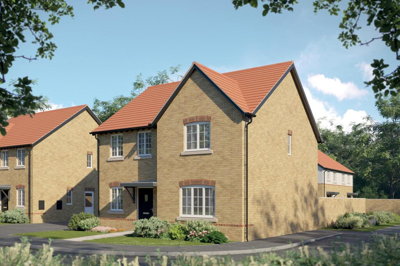
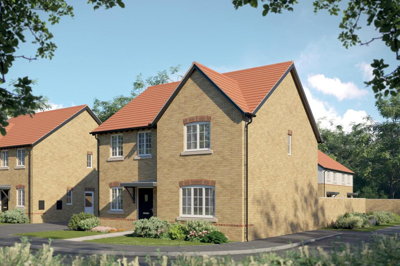
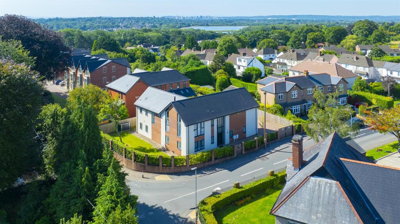
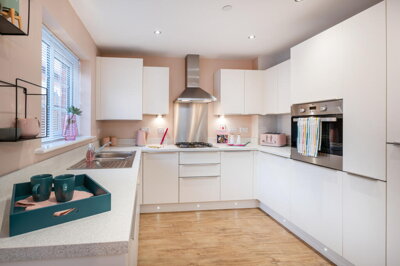
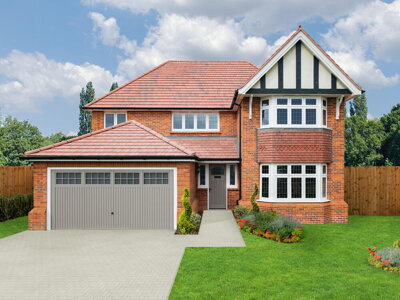
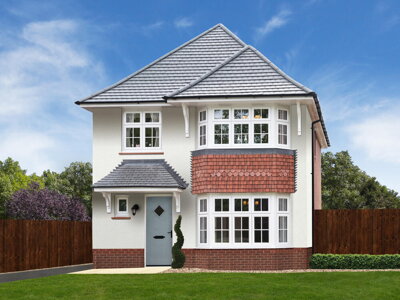
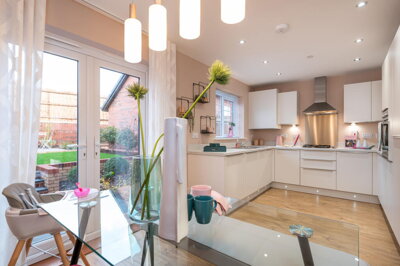
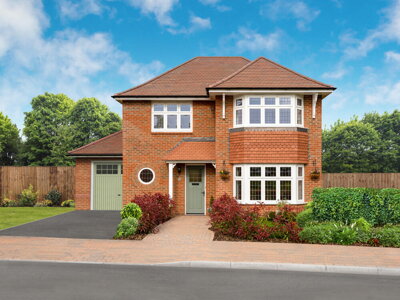
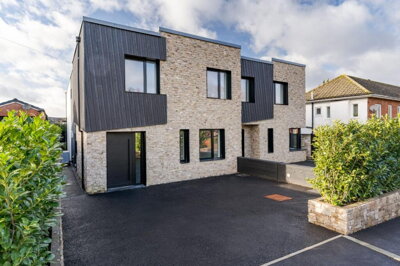
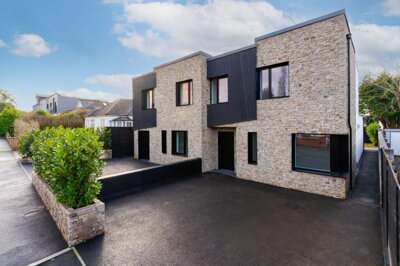
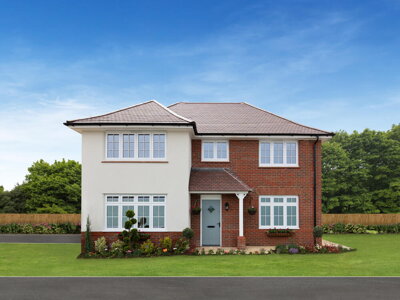
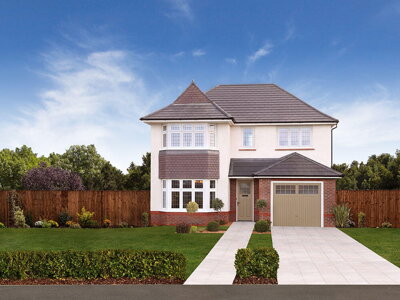
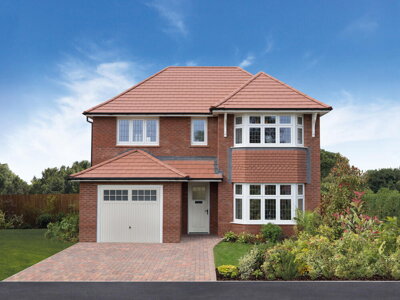
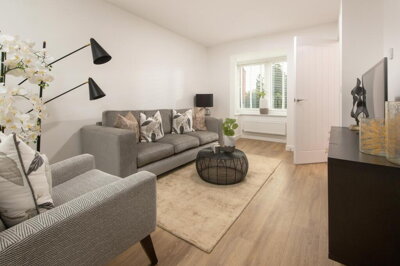
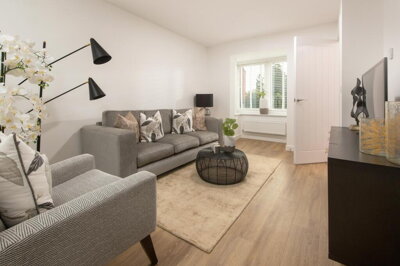
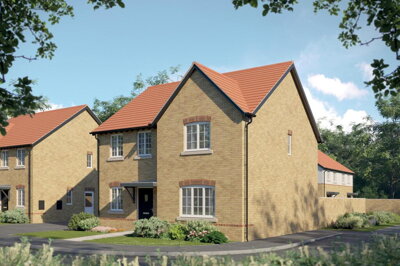
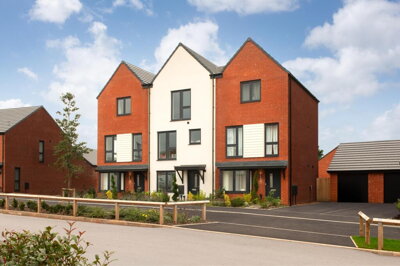
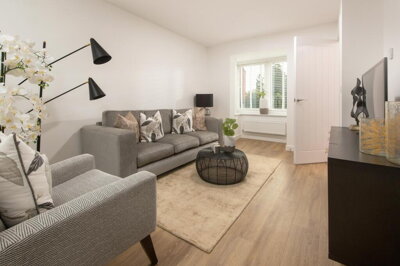
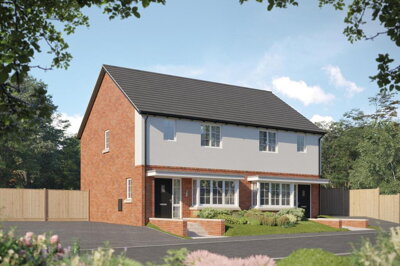
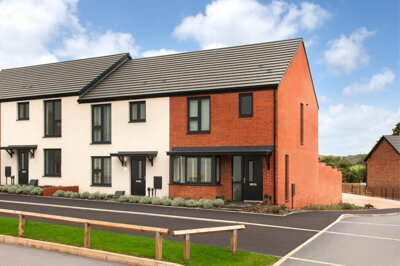
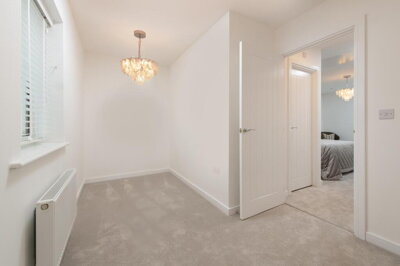
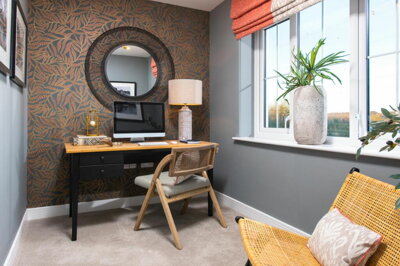
Browse 24 homes new builds in Thornhill from local developer agents.
The Grimstone property market offers buyers a taste of traditional Dorset living with properties that typically feature local stone construction, flint accents, and period details. The hamlet's housing stock predominantly consists of detached and semi-detached properties, reflecting its rural character and the generous plot sizes typical of countryside locations. Properties available in Grimstone include a range from charming two-bedroom cottages to substantial four-bedroom family homes, though specific listings should be sought through local estate agents who maintain active databases of properties in this sought-after area.
Dorset as a county saw approximately 10,300 property sales between January 2025 and December 2025, though this represented a 13.3% decrease compared to the previous twelve months. This reduction in transaction volumes reflects broader market conditions across the UK, but it also presents opportunities for buyers who can proceed with confidence in the current market. The broader county average house price stood at £332,000 in December 2025, with a modest 0.4% increase compared to December 2024, suggesting relatively stable conditions rather than the rapid price inflation seen in previous years.
New build activity in Grimstone itself remains limited, with no active new-build developments explicitly listed within the hamlet on major property portals. Searches for new homes in Grimstone often yield results for properties in nearby villages or the wider Dorchester area, where some modern housing developments have been constructed in recent years. For buyers specifically seeking new build properties, the surrounding market towns offer more options, though many buyers are drawn to Grimstone precisely because of its lack of new development and the character of its established housing stock.

Grimstone embodies the essence of rural Dorset living, sitting within a landscape of rolling chalk downland and verdant river valleys that have shaped the area for centuries. The hamlet's name derives from its position at the meeting point of two watercourses, the Sydling Water and the River Frome, which have influenced both its geography and its character over generations. The surrounding countryside offers excellent walking and cycling opportunities, with public footpaths traversing the chalk downland and river valleys that define this part of Dorset.
The area is characterised by traditional Dorset stone cottages, many featuring locally sourced materials such as Portland or Purbeck stone, with flint accents common on boundary walls and outbuildings. Thatched roofs remain a distinctive feature of some properties, adding to the picturesque character of the village. The presence of the historic Grimstone Viaduct, built in 1846 and opened in 1857, speaks to the area's railway heritage and adds architectural interest to the local landscape. Winding country lanes invite leisurely walks and cycling through the surrounding countryside, with opportunities to spot local wildlife in the meadows and woodlands that fringe the hamlet.
The broader Stratton parish, of which Grimstone forms part, had a population of 592 according to the 2011 census, indicating the intimate scale of this community. Residents enjoy access to the stunning Dorset countryside, with the Jurassic Coast accessible within a short drive for beach outings and coastal walks along the world-famous cliffs at Durdle Door and Lulworth. The nearby market town of Dorchester, approximately 4.5 miles southeast, provides comprehensive shopping, healthcare, and cultural amenities, including the Dorset County Museum and the terracotta statue of Thomas Hardy. Smaller local villages offer village shops, traditional pubs serving local ales, and community facilities that maintain the social fabric of rural Dorset life.

Families considering a move to Grimstone will find a selection of educational options within easy reach in the surrounding Dorset area. Primary education is available at several village schools in nearby communities, with Ofsted-registered establishments serving the local catchment areas. The surrounding villages host primary schools that maintain good reputations for pastoral care and academic progress, making them popular choices for families with young children. Parents should research specific catchment areas and admission policies when considering properties, as school places can be competitive in popular rural locations.
The nearby village of Stratton hosts a primary school serving the local parish, while other neighbouring villages including Cerne Abbas and Sydling St Nicholas have their own primary schools serving surrounding communities. These small village schools typically benefit from close community ties, dedicated teaching staff, and for outdoor learning given their rural settings. For families seeking faith-based education, several church primary schools operate in the wider area, with the Diocese of Salisbury maintaining standards across Dorset church schools.
Secondary education is provided by schools in the nearby town of Dorchester and surrounding market towns, with several options accessible via school transport or the local bus network. Dorchester hosts secondary schools including The Gryphon School and Dorchester Middle School, with The Gryphon School offering sixth form provision and strong academic records in recent GCSE and A-level results. The Thomas Hardye School, a large secondary school with a specialism in maths and computing, serves students from across the Dorchester area and has sixth form facilities. For students seeking further education, Bournemouth and Poole College and Kingston Maurward College offer vocational and academic courses, while those seeking university study have access to institutions in Bournemouth, Southampton, and Exeter.
Grimstone benefits from its position in the Dorset countryside while remaining reasonably connected to major transport routes. The hamlet sits approximately 4.5 miles northwest of Dorchester, the county town, which serves as a key transport hub for the area. Road connections include the A37 running through nearby villages, providing access to Yeovil and the M5 motorway to the north, while the A35 connects Dorchester to Poole and Bournemouth on the south coast. These routes enable commuting to larger employment centres while maintaining the rural character that makes Grimstone attractive to buyers seeking countryside tranquility.
Public transport options include bus services connecting Grimstone with Dorchester and surrounding villages, with the X10 service providing a direct link between Dorchester and Yeovil via several intermediate villages. However, bus frequencies in rural Dorset are modest compared to urban areas, and residents should check current timetables to understand the practical limitations of public transport for daily commuting. Dorchester railway station provides direct services to London Waterloo, with journey times of approximately two and a half hours, making the capital accessible for occasional commuting or leisure trips.
For air travel, Bournemouth Airport offers international connections including flights to European destinations, while Bristol Airport and Southampton Airport provide additional options for longer-haul destinations. Exeter Airport, located to the west, also serves a range of domestic and European routes. For local travel, the Dorset countryside surrounding Grimstone is best navigated by car, with scenic country lanes connecting the hamlet to nearby villages and amenities. Most residents consider a car essential for daily life in this rural location, and properties with off-street parking or garaging are highly valued given the limited public transport options.
Explore current property listings in Grimstone and the surrounding Dorset area, attending viewings to understand what your budget buys in this rural hamlet. Speak with local estate agents who operate in the Dorchester and surrounding area about the types of properties available and typical timeframes for sales in the area. Understanding the local market conditions, including recent sales and current inventory, will help you make informed decisions when you find a property you wish to purchase.
Before making offers, obtain a mortgage agreement in principle from a lender to understand your borrowing capacity. Having this in place demonstrates your seriousness to sellers and strengthens your position when negotiating on properties in competitive rural markets. Speak with a mortgage broker who understands the Dorset property market, as they may have access to exclusive deals from local building societies and can advise on the best products for your circumstances. Factors such as the age of traditional properties, thatched roofs, and rural location may affect the type of mortgage products available.
Visit multiple properties in Grimstone to compare their condition, character, and proximity to local amenities. Consider factors such as garden orientation, parking availability, and the condition of traditional features like thatched roofs, stone walls, and original windows. Our team recommends viewing properties at different times of day and in varying weather conditions to understand how the property performs throughout the year. Pay particular attention to the grounds around properties near watercourses, checking for signs of previous flooding or water damage.
Given Grimstone's older property stock and traditional construction methods, commissioning a RICS Level 2 Survey before completing your purchase is essential. This inspection will identify any structural issues, damp problems, or roof defects common in traditional Dorset stone properties, allowing you to negotiate repairs or price adjustments. The survey will assess the property's condition, highlighting any areas requiring immediate attention or future maintenance, which is particularly valuable for period properties where defects may not be immediately apparent to the untrained eye.
Appoint a solicitor experienced in rural property transactions to handle the legal aspects of your purchase. They will conduct local searches including drainage and water searches for properties near the River Frome or Sydling Water, check rights of way across farmland, and manage the transfer of ownership through to completion. Rural properties may require additional searches relating to agricultural land, rights to draw water, and any historic planning permissions that may affect the property. The solicitor will also investigate whether the property is in a flood risk area and any implications for buildings insurance.
Once all searches are satisfactory and your mortgage is approved, your solicitor will exchange contracts and set a completion date. On completion day, the remaining funds are transferred and you receive the keys to your new Grimstone home. We recommend arranging buildings insurance from the point of contract exchange, as this is when you become legally responsible for the property. Consider having a thorough snagging list ready for the first weeks of ownership, particularly for traditional properties where minor maintenance issues are common.
Buying a property in rural Grimstone requires attention to specific factors that differ from urban property purchases. The geology of the area, situated on chalk downland and near river valleys, means some properties may sit on alluvial deposits or clay that can cause ground movement through shrink-swell activity. Properties built on elevated chalk tend to benefit from more stable ground conditions, while those in low-lying areas near the River Frome or Sydling Water may be at greater risk of subsidence. A thorough survey will check for signs of movement, cracking, or subsidence that could indicate foundation issues, particularly in properties located in valley locations.
Flood risk deserves careful consideration given Grimstone's position at the confluence of two watercourses. Properties immediately adjacent to the rivers face potential river flooding, so checking the Environment Agency's flood maps and understanding the property's flood history is essential before committing to a purchase. Buildings insurance costs can be higher in flood-risk areas, and some lenders may have specific requirements for properties in flood zones. Ask the seller or their solicitor about any historical flooding incidents and whether the property has any flood resilience measures installed.
Traditional construction requires specific knowledge when assessing a property. Many homes in Grimstone feature local stone walls, often Portland or Purbeck stone, which require different maintenance approaches compared to modern brick or block construction. Stone repointing should be checked for deterioration, as failing mortar can allow water penetration that leads to structural issues over time. Thatched roofs, while beautiful, require specialist knowledge to assess and ongoing maintenance from approved thatchers. Our inspectors frequently find that traditional timber-framed properties have settlement patterns that are normal for their age, but understanding the difference between historic movement and active structural problems requires professional assessment.
Given Grimstone's older housing stock, several defects are commonly encountered during surveys. Rising or penetrating damp affects many traditional stone and brick properties, particularly those with inadequate damp-proof courses or poor external maintenance. Roof condition requires careful inspection, with slipped tiles, damaged flashing, and timber deterioration representing frequent issues. Properties near watercourses should be checked for signs of flood damage or water ingress. Outdated electrical systems and plumbing that do not meet current regulations are also common in period properties and may require updating after purchase.
The average sold house price in the local DT2 postcode area is around £339,000, based on recent sales data for Dorchester Road and surrounding streets in Grimstone. Dorset county's average house price stood at £332,000 in December 2025, with modest year-on-year growth of 0.4% compared to the previous year. Property prices in Grimstone itself vary considerably depending on property type, with substantial detached family homes typically commanding higher prices than terraced cottages. The rural Dorset market has seen some softening in recent months, with total sales volumes declining by 13.3% across the county, potentially creating opportunities for buyers who can proceed with confidence in the current conditions.
Grimstone is served by primary schools in nearby villages and the wider Dorchester area, with several Ofsted-rated good or outstanding primary schools within a reasonable distance. Stratton Primary School serves the local parish, while other nearby primary schools include those in Cerne Abbas and Sydling St Nicholas, all providing education for children up to age 11. Secondary education is available in Dorchester, with The Gryphon School and Thomas Hardye School offering comprehensive secondary education with sixth form provision and strong academic records. Parents should verify specific catchment areas and admission criteria, as school places in popular rural locations can be competitive and subject to oversubscription.
Grimstone has limited public transport, with bus services connecting the hamlet to Dorchester and surrounding villages, though frequency is modest compared to urban areas. The X10 bus service provides a link between Yeovil and Dorchester via local villages, but residents should check current timetables as rural services may operate infrequently. Dorchester railway station provides direct services to London Waterloo in approximately two and a half hours, offering access to the capital for work or leisure. Road connections via the A37 and A35 enable travel to Yeovil, Poole, and Bournemouth, while the M5 motorway is accessible to the north around 20 miles away. Most residents rely on private vehicles for daily transport, so a car is effectively essential for living in this rural hamlet.
Grimstone and the surrounding Dorset countryside offer solid fundamentals for property investment, with the hamlet's character, location near Dorchester, and limited new supply supporting values over time. The area's population of around 592 in the broader Stratton parish indicates a stable if small community, with demand from buyers seeking rural lifestyles within reach of employment centres. Rental demand exists from those seeking the Dorset countryside experience, though tenant pools in rural hamlets tend to be smaller than in towns. Properties requiring renovation may offer value-add opportunities, while traditional stone cottages and period homes hold enduring appeal for buyers who appreciate character properties.
Stamp duty rates for England apply to all property purchases, including those in Grimstone. Standard rates are 0% on the first £250,000, 5% on the portion from £250,001 to £925,000, 10% on the next £575,000, and 12% on any amount above £1.5 million. First-time buyers benefit from increased thresholds, paying 0% on the first £425,000, 5% between £425,001 and £625,000, with no relief above that threshold. A typical £339,000 property in Grimstone would attract no stamp duty for first-time buyers and £4,450 for those who have previously purchased property. These rates apply from September 2022 and may be subject to change by future government policy.
Properties in Grimstone fall under Dorset Council administration, with council tax bands ranging from A to H depending on the property's assessed value at the time of its construction. Rural properties with traditional features or larger gardens may fall into mid-range bands, while more substantial detached homes often attract higher bands. As of 2024-25, Dorset Council set Band D council tax at £1,966.04 per year, with proportional rates for other bands. Prospective buyers should check the specific council tax band for any property they are considering, as this forms part of the ongoing cost of homeownership alongside mortgage payments, insurance, and maintenance.
Given Grimstone's older housing stock and traditional construction, several defects are commonly encountered during property surveys. Rising or penetrating damp affects many traditional stone and brick properties, particularly those with inadequate damp-proof courses or poor external maintenance that allows water penetration through the stonework or mortar joints. Roof condition requires careful inspection, with slipped tiles, damaged flashing, and timber deterioration representing frequent issues on period properties with aging roof coverings. Properties in low-lying areas near watercourses should be checked for signs of flood damage or water ingress that may have affected walls, floors, or timbers. Outdated electrical systems and plumbing that do not meet current regulations are also common in period properties, with wiring dating from the 1960s or earlier often requiring full rewire. Timber defects including wet rot, dry rot, and woodworm activity in structural timbers or floorboards require specialist assessment.
From 4.5%
Get competitive mortgage rates for your Grimstone purchase
From £499
Expert solicitors for your property purchase
From £350
Professional survey for your new home
From £75
Energy performance certificate
Understanding the full costs of purchasing property in Grimstone helps buyers budget accurately and avoid surprises at completion. Beyond the property price, purchasers must account for stamp duty land tax, solicitor fees, survey costs, and various other charges that together can add several thousand pounds to the total outlay. For a typical property in Grimstone priced at around £339,000, these additional costs typically range from £3,000 to £6,000 depending on circumstances and the services selected. Getting quotes from multiple providers ensures competitive pricing on conveyancing and surveys, while mortgage arrangement fees should be factored into the overall cost comparison between different lenders.
The current stamp duty thresholds for England apply uniformly to Grimstone purchases, with standard rates of 0% on the first £250,000, rising to 5% on the portion between £250,001 and £925,000. First-time buyers benefit from relief that increases the nil-rate band to £425,000, meaning a £339,000 purchase would attract no stamp duty at all. Properties above £625,000 do not receive first-time buyer relief, and those above £925,000 enter higher rate bands. Beyond stamp duty, budget approximately £500-£1,500 for a RICS Level 2 Survey, £800-£1,500 for conveyancing, and £200-£400 for searches and Land Registry fees.
Additional costs to factor into your budget include mortgage arrangement fees that can range from £0 to £2,000 depending on the lender and product chosen, valuation fees typically between £150-£500, and building insurance that should be in place from exchange of contracts. For properties near watercourses like those in Grimstone, buildings insurance premiums may be higher than average due to flood risk considerations. Survey costs for traditional stone properties may also be higher than standard residential properties due to the additional expertise required to assess period construction methods and materials.
Properties New Builds In London

Properties New Builds In Plymouth

Properties New Builds In Liverpool

Properties New Builds In Glasgow

Properties New Builds In Sheffield

Properties New Builds In Edinburgh

Properties New Builds In Coventry

Properties New Builds In Bradford

Properties New Builds In Manchester

Properties New Builds In Birmingham

Properties New Builds In Bristol

Properties New Builds In Oxford

Properties New Builds In Leicester

Properties New Builds In Newcastle

Properties New Builds In Leeds

Properties New Builds In Southampton

Properties New Builds In Cardiff

Properties New Builds In Nottingham

Properties New Builds In Norwich

Properties New Builds In Brighton

Properties New Builds In Derby

Properties New Builds In Portsmouth

Properties New Builds In Northampton

Properties New Builds In Milton Keynes

Properties New Builds In Bournemouth

Properties New Builds In Bolton

Properties New Builds In Swansea

Properties New Builds In Swindon

Properties New Builds In Peterborough

Properties New Builds In Wolverhampton

Enter your details to see if this property is within your budget.
Loans, cards, car finance
Estimated property budget
Borrowing + deposit
You could borrow between
Typical borrowing
Monthly repayment
Est. at 4.5%
Loan-to-value
This is an estimate only. Your actual budget may vary depending on interest rates, credit history, and personal circumstances. For an accurate affordability assessment, speak to one of our free mortgage advisors.
This calculator provides estimates for illustrative purposes only and does not constitute financial advice. Your home may be repossessed if you do not keep up repayments on your mortgage. Estimates based on 4.5% interest rate, repayment mortgage. Actual rates depend on your circumstances.
Homemove is a trading name of HM Haus Group Ltd (Company No. 13873779, registered in England & Wales). Homemove Mortgages Ltd (Company No. 15947693) is an Appointed Representative of TMG Direct Limited, trading as TMG Mortgage Network, which is authorised and regulated by the Financial Conduct Authority (FRN 786245). Homemove Mortgages Ltd is entered on the FCA Register as an Appointed Representative (FRN 1022429). You can check registrations at NewRegister or by calling 0800 111 6768.

We use cookies to show you personalised content and improve your experience of our website. Find out more in our Privacy policy and Cookie policy.