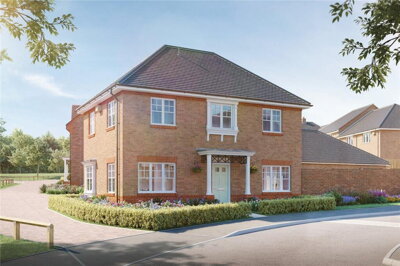
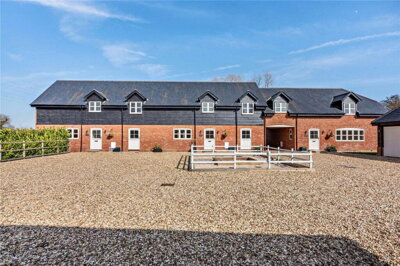
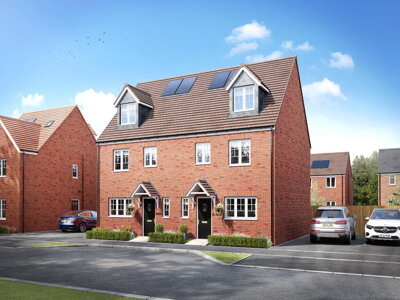
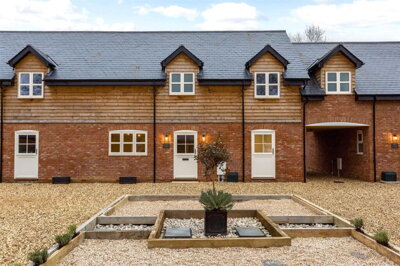
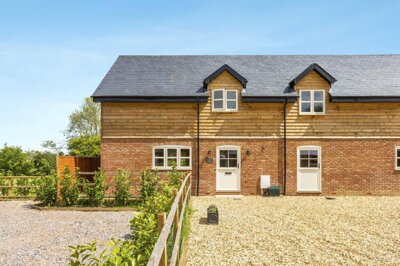
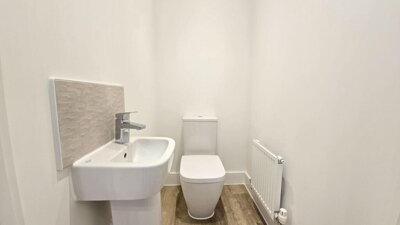
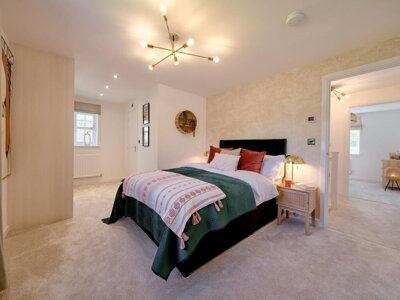
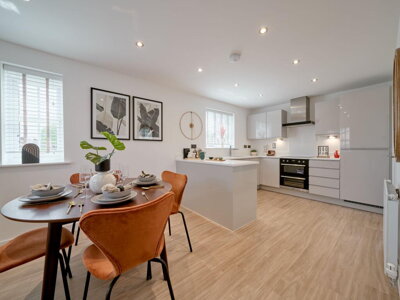
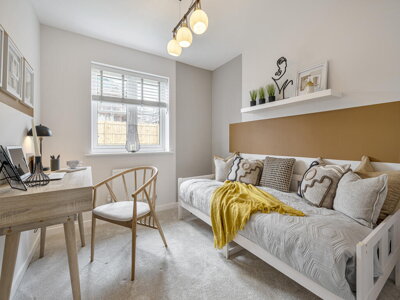
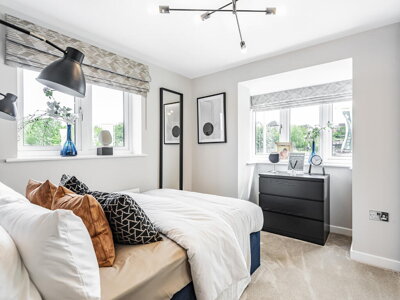
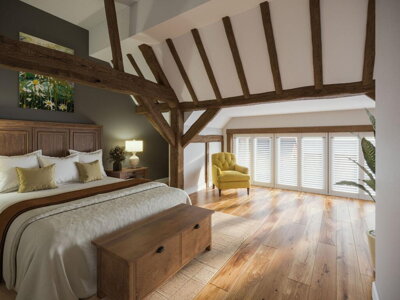
Browse 11 homes new builds in Thatcham, West Berkshire from local developer agents.
Three bedroom properties represent a significant portion of the Thatcham housing market, offering space for families with multiple reception rooms and gardens in many cases. Browse detached, semi-detached, and terraced options ranging across new residential developments.
£375k
27
0
131
Source: home.co.uk
Showing 27 results for 3 Bedroom Houses new builds in Thatcham, West Berkshire. The median asking price is £375,000.
Source: home.co.uk
Semi-Detached
12 listings
Avg £353,417
Detached
11 listings
Avg £504,455
Terraced
4 listings
Avg £297,500
Source: home.co.uk
Source: home.co.uk
The Withersfield property market has demonstrated steady growth, with house prices increasing by 5% over the past 12 months. This consistent upward trend reflects the enduring appeal of rural Suffolk living and the village's proximity to thriving economic hubs. Detached properties command the highest prices in the area, averaging £625,000, making them ideal for families seeking generous space both inside and out. Semi-detached homes offer excellent value at approximately £425,000, providing a popular choice for those looking to balance budget with the benefits of village life.
The village's housing stock reflects its historical character, with a significant proportion of properties dating from the pre-1919 period, many of which are situated within the designated Conservation Area. These historic homes feature traditional construction methods including timber framing, red brick, and local flint, giving the village its distinctive appearance. Terraced properties in Withersfield average around £350,000, offering an accessible entry point to this desirable community for first-time buyers or those seeking a character property at a more modest price point. New build activity in the village itself remains limited, though surrounding areas may offer additional options for those specifically seeking modern construction.
Given the limited stock of approximately 10 property sales annually, Withersfield experiences periods of relative scarcity where motivated buyers may face competitive situations. Properties in the village centre, particularly those with views of the historic Church of St Mary Magdalene or proximity to the village green, often command premiums. The Conservation Area status helps maintain property values over time by preserving the village's special architectural character, making Withersfield an attractive proposition for both owner-occupiers and investors seeking stable long-term returns. Our platform provides real-time access to these sought-after listings, allowing you to monitor the market and act quickly when suitable properties become available.

Withersfield's architectural heritage is dominated by properties constructed before 1919, many of which showcase the traditional building methods that define rural Suffolk villages. Timber framing appears frequently in older properties, with red brick or render used to fill the panels between structural timbers. Local flint, sourced from the chalk geology underlying the area, features prominently in boundary walls and some cottage construction, creating the distinctive aesthetic that characterises the village centre. Understanding these construction methods is essential for any prospective buyer, as each material brings specific maintenance requirements and potential defect patterns that differ significantly from modern properties.
The underlying geology of Withersfield presents particular considerations for property owners and buyers. The chalk bedrock of the area is overlain by glacial till deposits including boulder clay and sand, with the boulder clay having a moderate to high shrink-swell potential. During periods of extreme weather, particularly prolonged dry spells, this clay can contract significantly, potentially affecting foundations and causing structural movement in properties with less robust construction. Properties with large trees nearby face additional risk, as root systems extract moisture from the clay soil, exacerbating shrink-swell issues. Our team frequently sees evidence of this ground movement in survey reports for local properties, making thorough structural assessments particularly valuable in this area.
Properties within the Conservation Area benefit from the village's managed development, which helps preserve character and maintain property values over time. However, this designation also brings planning considerations that prospective buyers should understand before purchasing. Any external alterations, extensions, or significant changes to a property within the Conservation Area require planning permission from West Suffolk Council, with additional scrutiny applied to proposals that might affect the character of the area. Listed buildings carry additional restrictions, with works to the Grade I and Grade II listed properties requiring consent from both local authorities and Historic England. Budgeting for potential planning fees and specialist contractor costs is advisable when purchasing historic properties in Withersfield.
Life in Withersfield revolves around the rhythms of rural Suffolk, where the village's population of 421 residents across 176 households creates an intimate community atmosphere. The village economy is rooted in agriculture, with surrounding farmland shaping both the landscape and the character of daily life. Local amenities include traditional country pubs and village facilities, while the wider area offers comprehensive shopping, dining, and leisure options in nearby market towns. Residents enjoy the benefits of village living without sacrificing access to everyday conveniences.
The presence of numerous listed buildings throughout Withersfield, including the striking Grade I listed Church of St Mary Magdalene, underscores the village's architectural significance. Traditional building materials such as red brick, timber framing, render, and local flint define the village's appearance, creating a cohesive aesthetic that has been preserved through careful conservation management. The surrounding Suffolk countryside provides ample opportunities for outdoor recreation, with scenic walks, cycling routes, and bridleways crisscrossing the agricultural landscape. Community events and local traditions further enhance the village's appeal, fostering strong social connections among residents who appreciate the quieter pace of rural life.
The village pub serves as a focal point for community socialising, offering regular events and a welcoming atmosphere for both residents and visitors. Several farm shops in the surrounding area provide fresh local produce, while nearby towns such as Haverhill and Sudbury offer comprehensive retail options, supermarkets, and weekly markets. Healthcare facilities are accessible in the nearby market towns, with GP surgeries, dental practices, and pharmacies serving the local population. The strong sense of community in Withersfield is perhaps best demonstrated by the various village events held throughout the year, from summer fetes to Christmas celebrations, which bring residents together and create lasting connections among neighbours.
Families considering a move to Withersfield will find a selection of educational options available within the wider West Suffolk area. The village's location places it within reach of primary schools in surrounding villages and market towns, many of which have earned strong reputations for academic achievement and pastoral care. Secondary education options in the region include schools offering comprehensive curricula, with some institutions specialising in particular subject areas or extracurricular programmes. Parents are encouraged to research specific school catchments and admission arrangements, as these can significantly impact property choices in the area.
For those seeking further education opportunities, sixth form colleges and further education institutions are accessible in nearby towns including Haverhill and Newmarket. The proximity to Cambridge also opens doors to some of the country's most prestigious educational institutions at secondary and higher education levels. Many Withersfield families benefit from the village's strategic location, allowing older children to access a broader range of educational opportunities while still enjoying the advantages of a rural upbringing. Private schooling options are also available in the surrounding region for families seeking alternative educational approaches.
Primary schools in nearby villages such as Kedington and Steeple Bumpstead serve the Withersfield community, with several achieving good or outstanding Ofsted ratings in recent inspections. The journey times to these schools from Withersfield are typically manageable for families, though transport arrangements should be confirmed before purchasing a property. Secondary schools in the market towns offer a wider variety of options, with several sixth form colleges providing clear pathways to university education. Many families find that the village's central location allows children to access excellent educational provision while benefiting from the stable, supportive environment that a small rural community provides.
Connectivity from Withersfield is a significant advantage for residents who need to commute to larger employment centres. The village sits conveniently close to the A14, which provides direct access to Cambridge to the north and Bury St Edmunds to the east, making daily commuting feasible for those working in these major economic hubs. The A11 is also within easy reach, offering a direct route to Newmarket and connecting to the wider motorway network. These transport links explain why many Withersfield residents choose to live in the village while working in Cambridge, Newmarket, or beyond.
Public transport options include bus services connecting Withersfield to nearby towns, though these may be limited in frequency. For rail travel, the nearest stations are located in Cambridge and Bury St Edmunds, offering regular services to London and other major destinations. Many residents find that driving provides the most practical option for daily commuting, with Cambridge city centre reachable within approximately 30-40 minutes depending on traffic conditions. The village's position in the Suffolk countryside does mean that a car is generally considered essential for full access to amenities and employment opportunities.
Cambridge station provides access to regular train services to London King's Cross, with journey times of approximately 45 minutes to an hour, making the capital practical for business travel or leisure visits. Bury St Edmunds station offers connections to Cambridge and Norwich, providing additional flexibility for residents who prefer to use public transport for longer journeys. For those working in Newmarket, the town is accessible via the A11 in approximately 20 minutes, with Newmarket itself offering employment opportunities in the racing industry, retail, and services. The strategic position of Withersfield, with its combination of village character and transport connectivity, makes it an increasingly popular choice for commuters seeking to balance professional requirements with family life in a rural setting.

Properties in Withersfield, given their predominantly pre-1919 construction, frequently exhibit defect patterns that differ significantly from modern homes. Our inspectors regularly identify damp issues in these older properties, with rising damp and penetrating damp being particularly common in homes with solid walls or inadequate damp-proof courses. The traditional construction methods used in Withersfield's period properties, including timber framing and solid brick walls, require different maintenance approaches compared to modern cavity wall construction. Moisture can track through traditional wall structures in ways that newer building techniques are designed to prevent, making professional assessment of damp conditions essential before purchase.
Timber defects represent another significant category of issues identified during surveys of Withersfield properties. Wet rot, dry rot, and woodworm infestations can affect structural timbers and floorboards in older properties, particularly those with a history of damp penetration or inadequate ventilation. Our surveyors pay close attention to floor structures, roof timbers, and any exposed timber in the structure when inspecting properties in this area. Properties with evidence of previous timber treatment should be investigated further to understand the extent of any infestation and ensure appropriate remediation has been carried out.
The electrical and plumbing systems in many period properties in Withersfield require assessment against current standards. Older properties may still contain original wiring, dated consumer units, and plumbing systems that do not meet modern requirements for safety and efficiency. Lead pipes, outdated fuse boards, and older heating systems are frequently encountered during surveys of properties in the village. Budgeting for potential rewiring or plumbing upgrades should form part of any purchasing decision for a period property in Withersfield, with costs varying depending on the property size and the extent of any required works.
Explore current listings on Homemove to understand property types, prices, and availability. Given the village's limited stock, setting up saved searches and alerts can help you react quickly when new properties become available. Understanding the local market dynamics, including the prevalence of period properties and Conservation Area considerations, will help you make informed decisions throughout your search. With only approximately 10 sales per year, patience and persistence are essential qualities for buyers in this village market.
Before viewing properties, arrange a mortgage agreement in principle from a lender. This demonstrates your financial credibility to estate agents and sellers, strengthening your position in what can be a competitive market. With average prices around £500,000, securing appropriate financing is essential for most buyers. Our mortgage comparison tool can help you find competitive rates suited to your circumstances, with local brokers familiar with West Suffolk properties able to offer tailored advice.
Visit potential properties in person to assess their condition, location within the village, and proximity to amenities. Pay particular attention to the age and construction of any period properties, as these may require more detailed inspection. View multiple properties before making any decisions to ensure you have a clear comparison of available options. Take time to walk around the village at different times of day to get a genuine feel for the community atmosphere.
Given the prevalence of older properties in Withersfield, including many within the Conservation Area and listed buildings, a thorough survey is essential. A Level 2 survey will identify any structural issues, damp, timber defects, or other concerns that may not be visible during viewings. Survey costs in the area typically range from £400 to £800 depending on property size and value, with larger or more complex period properties generally at the higher end of this range. For listed buildings or particularly complex properties, a RICS Level 3 Building Survey may be more appropriate.
Once your offer is accepted, instruct a conveyancing solicitor to handle the legal aspects of your purchase. Your solicitor will conduct searches, handle contracts, and manage the transfer of ownership. Homemove's conveyancing comparison service connects you with experienced solicitors familiar with West Suffolk properties and the specific considerations involved in purchasing period homes and listed buildings.
After all searches are satisfactory and contracts are signed, you will exchange deposits and agree on a completion date. Your solicitor will coordinate the final transfer of funds and registration of ownership with the Land Registry. On completion day, you will receive the keys to your new Withersfield home. Allow time for the move and any immediate maintenance requirements that your survey may have identified.
Purchasing a property in Withersfield requires careful consideration of several area-specific factors that differ from urban property searches. The underlying geology presents particular challenges, with boulder clay deposits creating potential shrink-swell risks that can affect foundations over time. Prospective buyers should commission thorough structural surveys, particularly for older properties, to assess foundation conditions and identify any signs of movement or subsidence. The presence of mature trees near properties can exacerbate these issues by extracting moisture from the clay soil during dry periods.
The Conservation Area designation brings both benefits and considerations for property owners. While it ensures the village maintains its special character, it also imposes restrictions on alterations, extensions, and external changes that may require planning permission. Properties with listed building status are subject to even stricter regulations governing their preservation and modification. Prospective buyers should familiarise themselves with these requirements and factor any associated costs into their purchasing decisions. Additionally, surface water flood risk exists in some areas of the village, warranting investigation of specific property locations and any flood history.
Building materials in Withersfield properties reflect the area's traditional construction methods, with many homes featuring timber framing, solid brick walls, and flint construction. These materials require different maintenance approaches compared to modern properties and may present challenges during renovation or improvement works. Electrical and plumbing systems in older properties often require updating to meet current standards, adding to the overall purchase costs that should be budgeted for accordingly. Understanding these property-specific considerations will help you make an informed decision and avoid unexpected expenses after completion.
The average house price in Withersfield is currently £500,000, with detached properties averaging £625,000, semi-detached homes around £425,000, and terraced properties at approximately £350,000. House prices have increased by 5% over the past 12 months, reflecting sustained demand for rural Suffolk properties with good transport connections. With only 10 property sales recorded in the past year, stock levels are limited, making early engagement with the market advisable for serious buyers. Flats are extremely rare in the village, with the overwhelming majority of housing stock consisting of houses reflecting the rural character of the area.
Properties in Withersfield fall under West Suffolk Council's jurisdiction and are assigned council tax bands that reflect their assessed value. Specific bands vary by individual property, with period properties and listed buildings potentially receiving different classifications based on their characteristics and historical status. Prospective buyers should verify the council tax band for any specific property through the Valuation Office Agency website or by requesting this information from the seller or their estate agent during the purchase process. Council tax charges in West Suffolk for a Band D property currently stand at around £1,800 per year, though exact figures depend on the property's assigned band.
Withersfield itself is a small rural village, so families typically access primary education through schools in surrounding villages and secondary education in nearby market towns. The wider West Suffolk area offers a range of educational options, with schools in towns such as Haverhill and Newmarket serving local communities. Researching specific school catchments, Ofsted ratings, and admission criteria is essential for families, as school placement can significantly influence property selection in the area. Primary schools in Kedington and Steeple Bumpstead provide local options for younger children, while secondary students typically travel to schools in Haverhill, Saffron Walden, or Newmarket.
Public transport options in Withersfield are limited, with bus services providing connections to nearby towns but with potentially infrequent timetables that may not suit those requiring daily commuting. The village is better suited to residents with access to private vehicles, with the A14 accessible within a short drive, providing routes to Cambridge and Bury St Edmunds. Rail connections are available at stations in Cambridge and Bury St Edmunds, offering regular services to London and the wider rail network. A car is generally considered essential for full participation in village and regional life, though the village's position relative to major transport routes does make occasional rail travel practical.
Withersfield offers several factors that may appeal to property investors, including its Conservation Area status which helps preserve property values, proximity to major employment centres like Cambridge, and the limited supply of available properties in the village. The 5% annual price increase demonstrates sustained demand, while the rural character and village atmosphere continue to attract buyers seeking quality of life. However, investors should consider the limited rental market in such a small village and the potential challenges of managing period properties with specific maintenance requirements. Properties in the village are likely to appreciate steadily over time given the enduring appeal of rural Suffolk locations with good transport connections.
Stamp duty land tax (SDLT) is calculated based on the purchase price of your property. For standard purchases, the rates are 0% on the first £250,000, 5% on £250,001 to £925,000, 10% on £925,001 to £1.5 million, and 12% on any amount above £1.5 million. First-time buyers may qualify for relief, paying 0% on the first £425,000 and 5% on £425,001 to £625,000, provided the property is worth less than £625,000 and you have not previously owned property. Given Withersfield's average price of £500,000, most buyers would fall into the 5% bracket on the portion above £250,000, resulting in SDLT of £12,500.
Properties in Withersfield face varying levels of flood risk depending on their specific location within the village. Surface water flooding presents a low to medium risk in some areas, particularly during periods of heavy rainfall when drainage systems may be overwhelmed. Flooding from rivers or the sea is generally not a concern for Withersfield, as the village is situated inland away from major watercourses and the coast. Prospective buyers should request information about any history of flooding at a specific property and review the government flood risk checker to understand the risk profile for any location they are considering purchasing.
Survey costs for properties in Withersfield typically range from £400 to £800 for a standard RICS Level 2 survey, depending on the size and value of the property. Larger detached properties or those with complex period construction will generally attract higher survey fees. Given that the majority of properties in Withersfield are pre-1919 and many fall within the Conservation Area or are listed buildings, a thorough survey is particularly important to identify any structural issues, timber defects, damp problems, or maintenance requirements. For particularly historic or complex properties, a more detailed RICS Level 3 Building Survey may be advisable despite the higher cost.
From 4.5%
Compare mortgage rates from leading lenders
From £499
Expert solicitors for your property transaction
From £400
Thorough inspection of residential properties
From £80
Energy performance certificate for your property
Understanding the full costs of purchasing property in Withersfield extends beyond the purchase price itself. Stamp duty land tax (SDLT) represents a significant consideration, with rates currently set at 0% for the first £250,000 of a property's purchase price, rising to 5% on the portion between £250,001 and £925,000. For a typical Withersfield property priced at the village average of £500,000, this would result in SDLT of £12,500 on the amount above £250,000. First-time buyers purchasing properties under £625,000 may benefit from enhanced relief, paying 0% up to £425,000 and 5% on amounts between £425,001 and £625,000, significantly reducing their SDLT liability.
Beyond stamp duty, buyers should budget for survey costs, with RICS Level 2 surveys in the Withersfield area typically ranging from £400 to £800 depending on property size and complexity. Given the prevalence of older, period properties in this Conservation Area village, a thorough survey is particularly important to identify any structural issues, timber defects, or renovation requirements before purchase. Solicitor fees for conveyancing generally start from around £499 for standard transactions, though more complex purchases involving listed buildings or leasehold properties may incur higher costs. Additional expenses include Land Registry fees, search costs, and moving expenses, which together can add several thousand pounds to the overall purchase budget.
When budgeting for a Withersfield property purchase, prospective buyers should also consider the potential costs of bringing older properties up to modern standards. Electrical rewiring, plumbing updates, and heating system replacements can each cost several thousand pounds depending on the property's condition and size. The timber-framed and solid-walled construction common in the village's period properties may also require specific maintenance approaches, with specialist contractors sometimes necessary for works on listed buildings. Setting aside a contingency fund equivalent to at least 10% of the purchase price is advisable to cover any unexpected works identified during surveys or required following completion.
Properties New Builds In London

Properties New Builds In Plymouth

Properties New Builds In Liverpool

Properties New Builds In Glasgow

Properties New Builds In Sheffield

Properties New Builds In Edinburgh

Properties New Builds In Coventry

Properties New Builds In Bradford

Properties New Builds In Manchester

Properties New Builds In Birmingham

Properties New Builds In Bristol

Properties New Builds In Oxford

Properties New Builds In Leicester

Properties New Builds In Newcastle

Properties New Builds In Leeds

Properties New Builds In Southampton

Properties New Builds In Cardiff

Properties New Builds In Nottingham

Properties New Builds In Norwich

Properties New Builds In Brighton

Properties New Builds In Derby

Properties New Builds In Portsmouth

Properties New Builds In Northampton

Properties New Builds In Milton Keynes

Properties New Builds In Bournemouth

Properties New Builds In Bolton

Properties New Builds In Swansea

Properties New Builds In Swindon

Properties New Builds In Peterborough

Properties New Builds In Wolverhampton

Enter your details to see if this property is within your budget.
Loans, cards, car finance
Estimated property budget
Borrowing + deposit
You could borrow between
Typical borrowing
Monthly repayment
Est. at 4.5%
Loan-to-value
This is an estimate only. Your actual budget may vary depending on interest rates, credit history, and personal circumstances. For an accurate affordability assessment, speak to one of our free mortgage advisors.
This calculator provides estimates for illustrative purposes only and does not constitute financial advice. Your home may be repossessed if you do not keep up repayments on your mortgage. Estimates based on 4.5% interest rate, repayment mortgage. Actual rates depend on your circumstances.
Homemove is a trading name of HM Haus Group Ltd (Company No. 13873779, registered in England & Wales). Homemove Mortgages Ltd (Company No. 15947693) is an Appointed Representative of TMG Direct Limited, trading as TMG Mortgage Network, which is authorised and regulated by the Financial Conduct Authority (FRN 786245). Homemove Mortgages Ltd is entered on the FCA Register as an Appointed Representative (FRN 1022429). You can check registrations at NewRegister or by calling 0800 111 6768.

We use cookies to show you personalised content and improve your experience of our website. Find out more in our Privacy policy and Cookie policy.