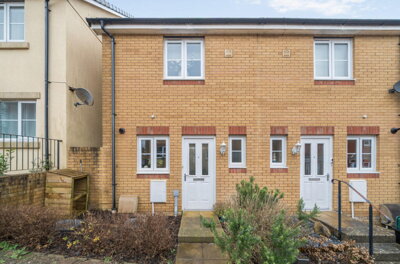
Browse 1 home new builds in Teigngrace, Teignbridge from local developer agents.
The 2 bed house market features detached, semi-detached, and terraced properties with two separate bedrooms plus living spaces. Properties in Teigngrace range across contemporary developments, with pricing varying across different neighbourhoods.
£0k
0
0
0
Source: home.co.uk
Showing 0 results for 2 Bedroom Houses new builds in Teigngrace, Teignbridge.
The Beal property market has demonstrated remarkable resilience and growth in recent years, with house prices rising 50% since the 2010 market peak of £213,250. This significant appreciation reflects the enduring appeal of village living combined with the area's improving transport links and proximity to major northern cities. Detached properties command the highest prices in Beal, averaging £361,250, while semi-detached homes offer more accessible entry points at around £237,500. This price differential makes Beal attractive to families seeking spacious accommodation without the premium associated with urban centres.
Property listings in Beal predominantly feature detached and semi-detached houses, reflecting the village's predominantly residential character and generous plot sizes typical of North Yorkshire villages. The housing stock includes traditional brick-built properties alongside older stone cottages that speak to the area's agricultural heritage. While no active new-build developments were confirmed specifically within Beal, the surrounding Selby district offers opportunities for buyers interested in modern construction and energy efficiency. The village's mix of property ages means buyers can choose between characterful period homes requiring renovation and more recent constructions offering modern standards of insulation and layout.
The local economy's transition since the closure of Kellingley Colliery in 2015 has reshaped the housing market dynamics in meaningful ways. Properties in Beal now appeal to a different buyer demographic, with commuting professionals valuing the village atmosphere alongside accessibility to major employment centres. Agricultural workers and families drawn to rural lifestyle choices also constitute a significant portion of local demand. This diversification has helped stabilise the market even as traditional mining-related employment declined.
Understanding the current market conditions is essential for making competitive offers on homes for sale in Beal. Working with local estate agents who understand the nuances of this specific village market can provide valuable insights into pricing strategies and vendor expectations. Our platform aggregates listings from multiple agents, giving you a complete picture of available properties and recent comparable sales data.

Beal sits within the historic parish of Brotherton, positioned on the floodplain of the River Aire in what was once the heart of the Yorkshire coalfields. The village maintains a close-knit community atmosphere, with local amenities serving the day-to-day needs of residents while the surrounding countryside offers extensive walking routes and outdoor recreation opportunities. The River Aire itself provides scenic walks along its banks, though buyers should be aware of the associated flood risk that comes with living on a river floodplain. The wider area's geology includes alluvial deposits and clay soils common to river valleys, which can present shrink-swell considerations for property foundations.
The population of approximately 771 residents reflects Beal's status as a small but established community. The village's economic history was profoundly shaped by Kellingley Colliery, the last operating deep coal mine in the United Kingdom, which ceased production in December 2015. This closure represented a significant turning point for the local economy, though the area has since diversified towards agriculture and commuting-based employment. Today, Beal residents typically work in nearby towns including Selby, Knottingley, and Pontefract, or commute further afield to Leeds and York thanks to improved road and rail connections. The village retains its agricultural character with farmland surrounding the residential core, offering residents a genuinely rural lifestyle within reach of urban employment and amenities.
The surrounding North Yorkshire countryside offers numerous attractions for residents who appreciate outdoor pursuits. The proximity to the River Aire provides opportunities for fishing and riverside walks, while the wider agricultural landscape features public footpaths and bridleways connecting Beal to neighbouring villages. Monthly community events and local pub gatherings help maintain the village's social fabric, making it easier for newcomers to integrate into the community. The nearby market towns of Selby and Pontefract provide additional leisure facilities, supermarkets, and cultural venues for residents seeking broader amenities.
The DN14 postcode area encompassing Beal benefits from the administrative services of North Yorkshire Council, which provides bin collections, road maintenance, and local authority services to the village. Residents have access to GP surgeries and healthcare facilities in the surrounding towns, with the nearest hospitals located in Pontefract and York. These practical considerations make Beal suitable for families, retirees, and professionals seeking a balance between rural charm and access to essential services.

Properties in Beal reflect the village's evolution from a coalmining settlement to a commuter village over the past century. The housing stock includes Victorian and Edwardian terraced houses built to accommodate miners and their families, typically featuring traditional brick construction with solid walls and original fireplaces. These period properties often retain architectural features valued by buyers seeking character homes, though they may require updating of electrical systems and insulation to meet modern standards.
Semi-detached houses constructed during the mid-twentieth century constitute a significant portion of available properties in Beal. These homes typically feature cavity wall construction and benefit from more modern building standards compared to older terraced properties. Many have been updated by previous owners with replacement windows, modern kitchens, and bathroom fittings, offering a balance between original character and contemporary comfort.
Detached properties in Beal range from substantial Edwardian and Victorian houses with generous gardens to more modest post-war bungalows. Larger detached homes along Church Lane and Main Street often feature original stonework, bay windows, and period details that appeal to buyers seeking traditional architecture. Newer detached properties constructed from the 1980s onwards typically offer open-plan living spaces, attached garages, and energy-efficient specifications that reduce ongoing running costs.
Families considering a move to Beal will find a selection of educational options within the surrounding area. Primary education is available at local schools in the nearby towns of Knottingley and Brotherton, with the village's position meaning most primary schools are within comfortable commuting distance for children of primary age. The rural nature of Beal means school transport arrangements are worth investigating before purchasing, as catchment areas and bus services can significantly impact daily routines for families with school-age children.
Secondary education options in the wider area include schools in Selby and Pontefract, with several establishments offering sixth form provision for students continuing their education beyond GCSE. Parents should research specific school performance data and Ofsted ratings for current information, as educational provision can vary across the district. For families prioritising academic selective education, the grammar school system in the West Yorkshire area may offer additional options, though this typically requires passing the 11-plus examination and may involve travel to schools in neighbouring towns.
For families with younger children, several nurseries and pre-school settings operate in the surrounding towns, providing early years education from ages two and above. The commute to these facilities from Beal typically requires private transport, though some families choose to combine school runs with commuting journeys to Leeds or York. Higher education facilities are readily accessible in the major cities of Leeds and York, both offering universities and further education colleges within approximately 30 miles of Beal.
Beal benefits from strategic positioning within the road network, making car travel to surrounding towns and cities relatively straightforward. The A1(M) motorway provides north-south connectivity within easy reach, while the A645 road offers connections to Wakefield and the broader West Yorkshire road network. Journey times by car to Leeds city centre typically take around 45 minutes outside peak hours, while York is accessible in approximately 35 minutes. This makes Beal particularly attractive to commuters who require occasional access to major employment centres while preferring the lifestyle benefits of village living.
Public transport options include bus services connecting Beal with surrounding towns including Selby, Knottingley, and Pontefract, providing essential connectivity for residents without private vehicles. Rail connections are available from nearby stations in the wider area, with services to Leeds, York, and beyond offering alternatives to road-based commuting. For international travel, Leeds Bradford Airport provides connections to European destinations and beyond, located approximately 35 miles from Beal. The village's position between several towns means residents have flexibility in choosing their preferred transport options, though planning journeys in advance remains advisable given the rural nature of some services.
The A19 trunk road passes nearby and provides direct access to Doncaster and the M18 motorway network, opening up employment opportunities in South Yorkshire and beyond. For commuters working in York, the A64 road offers a direct route to the historic city, with journey times comparable to rail travel when parking and station access are factored in. Many Beal residents find that the flexibility of car commuting outweighs the availability of public transport options, making private vehicle ownership practical for most households.
Before viewing properties, obtain a mortgage agreement in principle from a lender. This strengthens your position when making offers and demonstrates to sellers that you are a serious buyer with confirmed borrowing capacity. Contact our mortgage partners to explore rates and get pre-approved before beginning your property search in Beal.
Study property prices in Beal and surrounding areas. Current data shows average prices of £320,000 for detached homes and £237,500 for semi-detached properties. Understanding the market helps you identify fair offers and negotiate effectively. Review comparable sales and current listings to build a clear picture of value in this specific village market.
Use Homemove to browse available properties in Beal and arrange viewings through our partner estate agents. Take notes on property condition, potential issues, and how each home meets your requirements. We recommend viewing multiple properties before making an offer to ensure you find the best value available.
For properties over 50 years old or showing signs of age-related wear, a Level 2 survey provides valuable insight into condition and any defects. This is particularly important given Beal's mix of period properties. Our inspectors know the common issues affecting local housing stock and can identify concerns that might otherwise be missed.
Choose a conveyancing solicitor to handle the legal aspects of your purchase. They will conduct searches, review contracts, and coordinate with the seller's legal team through to completion. Our conveyancing partners offer competitive fixed fees for purchases in the Beal area.
Once all searches are satisfactory and finance is confirmed, you will exchange contracts and pay your deposit. Completion typically follows within days to weeks, when you receive the keys to your new Beal home.
Property buyers in Beal should pay particular attention to flood risk considerations, given the village's position on the River Aire floodplain. Requesting flood risk reports and understanding the history of any flooding at a potential property is essential before committing to a purchase. Properties in areas identified as having elevated flood risk may face higher insurance premiums and potential difficulties obtaining mortgage finance. A thorough survey can identify any signs of previous water damage or damp that might indicate ongoing issues with the property.
The historical presence of mining activity through Kellingley Colliery means buyers should consider the potential for ground stability issues in some areas. While not all properties will be affected, a mining search can reveal whether a property falls within a mining consultation zone or has a history of subsidence claims. Our conveyancing team can arrange these essential searches as part of the standard purchase process.
Older properties in Beal may present typical age-related issues including damp, timber defects, and outdated electrical systems that require assessment. A RICS Level 2 survey provides professional evaluation of these concerns, giving buyers confidence in their purchase decision and leverage for negotiating repairs or price adjustments where defects are identified. Properties constructed before 1970 may have solid wall construction without cavity insulation, resulting in higher heating costs that should be factored into running cost calculations.
Properties near the River Aire may also show signs of damp or water ingress, particularly in basements or ground floor rooms. Our surveyors pay particular attention to these areas when inspecting homes for sale in Beal, checking for effective damp proof courses and adequate ventilation. Timber framed elements should be inspected for evidence of woodworm or rot, especially in properties with original construction features.
When purchasing a property in Beal, budget carefully for stamp duty and associated acquisition costs. For a typical Beal home priced at the village average of £320,000, standard stamp duty charges would apply at 0% on the first £250,000 and 5% on the remaining £70,000, resulting in a total SDLT bill of £3,500. First-time buyers purchasing at this price point with qualifying criteria would pay 0% on the first £425,000, meaning no stamp duty would be due on properties at or below this threshold. The current SDLT thresholds represent meaningful savings for qualifying buyers at various price points.
Beyond stamp duty, buyers should budget for survey costs, legal fees, and removal expenses. A RICS Level 2 survey for a property in Beal typically costs between £400 and £900 depending on property value and complexity. Conveyancing fees generally start from around £499 for straightforward purchases, though leasehold properties or those with complications may cost more. Search fees, land registry charges, and bank transfer costs add further modest amounts to the total purchase cost.
Building insurance should be arranged before completion, and buyers in flood risk areas like Beal should obtain insurance quotes early in the process to avoid surprises. Properties on the River Aire floodplain may face higher premiums, and some insurers apply loadings or exclusions for flood risk. Getting insurance quotes before exchange of contracts allows you to factor these costs into your budget and avoid completion day surprises.
Removal costs vary depending on distance moved and volume of belongings, with local moves within North Yorkshire typically costing £500-1,500. Storage costs may apply if there is a gap between selling and buying, which can add £50-100 per week to moving budgets. Taking a comprehensive view of all costs ensures buyers can proceed to completion without financial shortfalls derailing their purchase.
The current average house price in Beal stands at £320,000, according to recent market data from Rightmove. Detached properties average £361,250 while semi-detached homes are more affordable at around £237,500. Prices have risen 20% year-on-year and are 50% higher than the 2010 market peak of £213,250, indicating strong demand for properties in this North Yorkshire village location. This growth trajectory reflects the area's increasing popularity among buyers seeking value for money compared to nearby Leeds and York.
Properties in Beal fall under the council tax jurisdiction of North Yorkshire Council. Specific band allocations vary by property depending on valuation, with most residential properties in the village falling within bands A through D. Prospective buyers should check individual property details on the North Yorkshire Council website for exact band information and current council tax charges applicable to the property. Band D properties in North Yorkshire currently pay approximately £1,900 per year in council tax.
Primary schools in the surrounding Knottingley and Brotherton areas serve the Beal community, while secondary options include schools in Selby and Pontefract. The area benefits from several schools with good Ofsted ratings, though specific performance varies year by year. Parents should consult current Ofsted data and consider school transport arrangements when evaluating educational options for their children. School transport in rural North Yorkshire may involve longer journey times than urban areas, so factoring school runs into daily schedules is advisable.
Beal is connected to surrounding towns via local bus services providing routes to Selby, Knottingley, and Pontefract. Rail connections are available from stations in the wider area, with services to Leeds, York, and beyond offering alternatives to road-based commuting. While Beal is primarily a village suited to car ownership, public transport options do exist for commuting and essential travel. The nearest railway station is typically around 5-10 miles away, making it accessible for occasional rail travel to major cities.
The Beal property market has shown consistent growth with prices rising 20% year-on-year and 50% since 2010. The village offers relatively affordable entry points compared to nearby Leeds and York while providing good transport links to major employment centres. However, potential investors should consider the local economy's transition away from mining and factor in flood risk considerations when evaluating rental demand and property values. Rental yields in village locations like Beal typically range from 4-6% annually, though demand for rental properties fluctuates with local employment conditions.
Stamp duty rates for 2024-25 apply to all properties in England, including Beal. Standard rates are 0% on the first £250,000, 5% on £250,001 to £925,000, 10% on £925,001 to £1.5 million, and 12% above £1.5 million. First-time buyers may qualify for relief on the first £425,000, paying 5% between £425,001 and £625,000 with no relief above this threshold. For a £320,000 property, standard buyers pay £3,500 while qualifying first-time buyers pay nothing under current thresholds.
Properties in Beal are situated on the River Aire floodplain, which means some areas carry elevated flood risk especially during periods of heavy rainfall. Flood risk reports should be requested during the conveyancing process to identify whether a specific property falls within high-risk zones. Insurance premiums may be higher for properties with flood history, and some mortgage lenders apply conditions to properties in elevated flood risk areas. A thorough survey can identify signs of previous flooding and assess the property's drainage systems.
Given the historical presence of Kellingley Colliery, mining searches are strongly recommended for any property purchase in Beal. These searches reveal whether a property falls within a mining consultation zone, has a history of subsidence claims, or sits above known mine workings. Our conveyancing partners include mining searches as standard for properties in the DN14 postcode area. Properties affected by mining activity may require additional insurance or structural surveys before mortgage offers can proceed.
From 4.5%
Compare competitive mortgage rates from trusted lenders
From £499
Fixed-fee legal services for your Beal property purchase
From £400
Professional survey tailored to Beal's housing stock
From £60
Energy performance certificate for your new home
Properties New Builds In London

Properties New Builds In Plymouth

Properties New Builds In Liverpool

Properties New Builds In Glasgow

Properties New Builds In Sheffield

Properties New Builds In Edinburgh

Properties New Builds In Coventry

Properties New Builds In Bradford

Properties New Builds In Manchester

Properties New Builds In Birmingham

Properties New Builds In Bristol

Properties New Builds In Oxford

Properties New Builds In Leicester

Properties New Builds In Newcastle

Properties New Builds In Leeds

Properties New Builds In Southampton

Properties New Builds In Cardiff

Properties New Builds In Nottingham

Properties New Builds In Norwich

Properties New Builds In Brighton

Properties New Builds In Derby

Properties New Builds In Portsmouth

Properties New Builds In Northampton

Properties New Builds In Milton Keynes

Properties New Builds In Bournemouth

Properties New Builds In Bolton

Properties New Builds In Swansea

Properties New Builds In Swindon

Properties New Builds In Peterborough

Properties New Builds In Wolverhampton

Enter your details to see if this property is within your budget.
Loans, cards, car finance
Estimated property budget
Borrowing + deposit
You could borrow between
Typical borrowing
Monthly repayment
Est. at 4.5%
Loan-to-value
This is an estimate only. Your actual budget may vary depending on interest rates, credit history, and personal circumstances. For an accurate affordability assessment, speak to one of our free mortgage advisors.
This calculator provides estimates for illustrative purposes only and does not constitute financial advice. Your home may be repossessed if you do not keep up repayments on your mortgage. Estimates based on 4.5% interest rate, repayment mortgage. Actual rates depend on your circumstances.
Homemove is a trading name of HM Haus Group Ltd (Company No. 13873779, registered in England & Wales). Homemove Mortgages Ltd (Company No. 15947693) is an Appointed Representative of TMG Direct Limited, trading as TMG Mortgage Network, which is authorised and regulated by the Financial Conduct Authority (FRN 786245). Homemove Mortgages Ltd is entered on the FCA Register as an Appointed Representative (FRN 1022429). You can check registrations at NewRegister or by calling 0800 111 6768.

We use cookies to show you personalised content and improve your experience of our website. Find out more in our Privacy policy and Cookie policy.