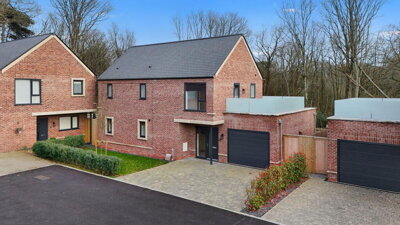
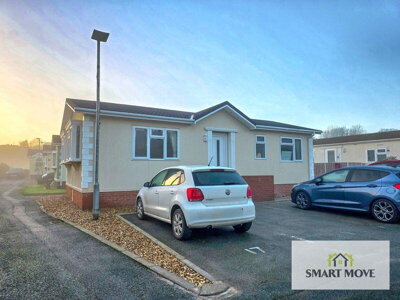
Browse 2 homes new builds in Tarleton, West Lancashire from local developer agents.
The Tarleton property market offers detached, semi-detached, and terraced houses spanning various price ranges and neighbourhoods. Each listing includes detailed property information, photographs, and direct contact with the marketing agent.
£450k
25
3
107
Source: home.co.uk
Showing 25 results for Houses new builds in Tarleton, West Lancashire. 3 new listings added this week. The median asking price is £450,000.
Source: home.co.uk
Detached
21 listings
Avg £478,562
Semi-Detached
4 listings
Avg £356,250
Source: home.co.uk
Source: home.co.uk
£350,000 - £400,000
Average Price
£450,000 - £600,000+
Detached Homes
£250,000 - £350,000
Semi-Detached
34 properties
Annual Sales (NE66)
The Eglingham property market operates on a smaller scale than the major towns and cities of the North East, yet it holds its own appeal for buyers seeking something beyond the ordinary. Our platform currently lists available homes in the village and surrounding NE66 postcode area, giving buyers access to a carefully curated selection of period properties that rarely come to market. The overall average property price in the Eglingham area sits between £350,000 and £400,000, though individual properties can command significantly more depending on their condition, size, and historical significance. Due to the limited transaction volume in the village itself, price data is often aggregated into the wider postcode area, making direct comparisons with neighbouring settlements challenging.
Detached properties represent the largest segment of available housing stock in Eglingham, with prices typically ranging from £450,000 to £600,000 or higher for the most impressive examples. These substantial homes often feature generous gardens, traditional stone construction, and interior spaces that have been sympathetically updated while retaining original features such as fireplaces, exposed beams, and flagstone floors. Properties along Eglingham's main village street and those bordering the surrounding farmland command particular premiums due to their prominent positions and views across the Northumbrian landscape. The village contains several notable historic properties including Eglingham Hall, a Grade II* listed building that stands as testament to the area's heritage.
Semi-detached properties offer a more accessible entry point to village life, generally priced between £250,000 and £350,000, and these often include charming cottages with compact but characterful interiors perfect for first-time buyers or those downsizing. Many of these properties feature the distinctive warm, light brown or grey local sandstone that gives Eglingham its characteristic appearance. The terraced housing stock in Eglingham is extremely limited, and flats are virtually non-existent, reflecting the purely residential nature of this historic settlement. For buyers specifically seeking brand new properties, nearby Alnwick offers contemporary options, but those who choose Eglingham are typically seeking exactly what this village provides: an authentic slice of Northumberland heritage in a settled, community-focused location.

Understanding the construction methods used in Eglingham properties is essential for any prospective buyer, particularly given the age and character of the housing stock. The majority of properties in this Conservation Area village are constructed using traditional solid wall techniques, either in local sandstone or period brick, with slate or traditional clay tiles providing the roofing material. These solid wall constructions, typical of properties built before the widespread adoption of cavity wall technology in the mid-twentieth century, offer excellent thermal mass but present different insulation challenges compared to modern properties. Our team regularly encounters these construction types during surveys in the Eglingham area, and we understand the specific considerations they bring for prospective buyers.
The local sandstone used throughout Eglingham is a defining feature of the village's architectural character, appearing in everything from modest cottages to substantial farmsteads. This sedimentary stone, typically exhibiting warm brown or grey tones, is relatively soft and porous compared to some other building stones, making it susceptible to weathering and erosion over time if not properly maintained. Prospective buyers should examine the condition of stonework carefully, looking for signs of spalling, crumbling mortar joints, or previous repairs that may indicate ongoing maintenance requirements. Properties with original stonework in good condition represent the best examples of the village's building heritage.
The underlying geology of the Eglingham area consists primarily of Carboniferous bedrock, with superficial deposits of glacial till (boulder clay) creating the fertile agricultural land surrounding the village. This clay-rich till presents a moderate shrink-swell risk to property foundations, particularly where trees are present near buildings or where ground conditions have changed over time. Properties showing signs of cracking, sticking doors or windows, or uneven floors should be investigated further to assess whether ground movement has affected the structure. While significant structural problems are not widespread in Eglingham, the geological conditions mean this assessment is particularly important for any property purchase in the area.
Properties in Eglingham, being predominantly older constructions, frequently exhibit defects that buyers should understand before completing a purchase. Damp is among the most common issues encountered in traditional stone and solid wall properties throughout the village, manifesting as rising damp where ground moisture travels up through solid walls, penetrating damp from weathered stonework or failed rainwater goods, and condensation resulting from modern living practices in poorly ventilated historic buildings. Our surveyors regularly identify these issues during inspections in the Eglingham area, and addressing damp problems is often a priority for new owners of period properties.
The condition of roofs in Eglingham properties requires careful scrutiny, as traditional slate and clay tile coverings on older buildings frequently show their age. Common defects include slipped or missing slates, failed pointing to ridge tiles, deteriorated mortar joints, and rotting timber fixings that can lead to water ingress. Given the substantial age of much of the village's housing stock, we strongly recommend that any property purchase in Eglingham includes a thorough survey of the roof structure, including any hidden timbers that may be affected by woodworm or wet rot. These defects can be costly to remedy but are readily identifiable by an experienced surveyor during a RICS Level 2 or Level 3 inspection.
Electrical and plumbing systems in Eglingham properties frequently require updating to meet current safety standards, regardless of any apparent cosmetic improvements made by previous owners. Rewiring a period property is a significant undertaking that can require chasing into traditional stone walls, making this work disruptive and expensive compared to similar work in modern houses. Similarly, plumbing systems using galvanised steel or lead pipes are common in older Eglingham homes and typically require complete replacement. Buyers should budget for these potential costs when assessing the true cost of purchasing a property in the village. Properties that have been fully modernised should be checked to ensure the work was carried out to proper standards with appropriate certifications.
Life in Eglingham revolves around the rhythms of the Northumberland countryside, where the seasons bring dramatic changes to the landscape surrounding the village. The civil parish, which encompasses the main village and surrounding farmland, had a population of 396 according to the 2011 census, though this tight-knit rural community continues to attract new residents seeking an escape from urban life. The village centre features a historic church, local pub, and community facilities that foster the neighbourly atmosphere that makes village living so appealing to families and retirees alike. St Maurice's Church, a Grade I listed building dating from the 12th century, stands as a focal point for the community and exemplifies the historical depth of this Northumbrian settlement.
The local economy around Eglingham is shaped by agriculture, with farming remaining a significant employer in the wider area alongside the growing tourism sector that brings visitors to explore Northumberland's castles, coastline, and national parks. Many residents choose to commute to larger towns like Alnwick, Morpeth, or even Newcastle for employment, taking advantage of the improved road connections that link this rural location to the regional economic hubs. The community attracts a diverse mix of buyers, including families seeking space for children to roam freely, professionals working remotely who want a better quality of life, and retirees looking to settle in one of England's most beautiful counties. The village pub serves as a social hub where residents gather, while the proximity to the Northumberland Coast Area of Outstanding Natural Beauty provides endless opportunities for coastal walks and days out.
The character of Eglingham is defined by its traditional Northumbrian architecture, with many properties constructed from the distinctive local sandstone that gives the village its warm, golden appearance. The landscape is characterised by Carboniferous bedrock beneath, with glacial till deposits creating the fertile agricultural land that surrounds the village. Surface water flooding can occur in rural areas during periods of heavy rainfall, so prospective buyers should consider drainage and topography when evaluating individual properties, though the village itself sits away from major flood risks from the River Breamish to the west and River Aln to the south. The tranquil nature of the village, combined with its strong sense of community, makes Eglingham particularly appealing to those seeking a slower pace of life without sacrificing access to essential amenities.
Understanding the environmental factors affecting properties in Eglingham is an important part of the due diligence process for any prospective buyer. While the village itself sits comfortably away from the immediate floodplains of the River Breamish to the west and River Aln to the south, surface water flooding represents a genuine consideration for properties in rural Northumberland. During periods of intense rainfall, low-lying areas and those with poor natural drainage can experience standing water that may affect gardens, access routes, or in some cases ground floors of properties. We recommend checking the long-term drainage characteristics of any garden or grounds before purchasing, particularly for properties at lower elevations.
The underlying geology of the Eglingham area brings additional considerations for property owners. The presence of glacial till deposits, which are clay-rich superficial deposits left by glacial activity thousands of years ago, creates conditions where ground movement can occur during periods of drought or heavy rainfall. Properties with trees planted close to buildings are particularly susceptible to this shrink-swell phenomenon, as tree roots extract moisture from clay soils during dry periods, causing the clay to contract and the ground to subside. This type of movement typically manifests as cracking in walls, particularly above door and window openings where lintels may be insufficient for the stresses placed upon them. Our surveyors are experienced in identifying these patterns of movement and can advise on appropriate investigations.
While Northumberland has a history of coal mining in certain areas, Eglingham itself is not considered a major mining location. However, for complete , particularly when purchasing older properties, we recommend ordering a Coal Authority mining report as part of the conveyancing process. This report will confirm whether any past mining activity could affect the property and is a standard requirement for properties in many parts of the North East. Additionally, properties constructed or refurbished before the year 2000 may contain asbestos-containing materials (ACMs) in various locations including pipe insulation, textured ceiling finishes, or old storage heaters. A thorough survey can identify potential ACMs and advise on appropriate management or removal by qualified specialists.
Families considering a move to Eglingham will find educational options available in the surrounding area, with primary schools serving the local community and secondary education provided in the nearby market town of Alnwick. The rural location means that school transport arrangements are an important consideration, and parents should familiarise themselves with catchment areas and admission policies for their chosen properties. Several primary schools in nearby villages serve the Eglingham community, with the closest options typically located within a few miles of the village centre. The school transport network operates specific routes to these facilities, and journey times should be factored into family planning when relocating to the area.
Alnwick, as the nearest significant town, hosts several primary and secondary schools that serve the wider region including families from Eglingham. The town's education provision includes both state and independent options, with several well-regarded private schools within reasonable driving distance of the village. For secondary education, Alnwick's schools offer a range of academic and vocational pathways, and the town serves as an educational hub for the surrounding rural communities. Parents should research current school performance data, Ofsted ratings, and admission catchment areas when planning a family move to the area, as popularity for rural schools can be high and places limited.
The broader Northumberland area offers a range of educational opportunities from early years through to further education, with colleges and training providers based in Alnwick, Morpeth, and Newcastle serving the wider region. For families prioritising education in their property search, understanding the local school landscape and admission criteria is essential, particularly given the competitive nature of popular rural communities where school places can be limited. We recommend visiting local schools and speaking with education authorities to confirm current arrangements and any planned changes to school provision in the area. School bus services from Eglingham to educational establishments in Alnwick typically operate on set timetables, and parents should confirm these arrangements before committing to a property purchase.
Eglingham sits within easy reach of Northumberland's main transport routes, with the A1 trunk road providing swift access to Newcastle upon Tyne to the south and Edinburgh to the north. The journey to Newcastle city centre takes approximately 45 minutes by car under normal traffic conditions, while Edinburgh is reachable in around 90 minutes, making Eglingham a viable base for commuters who occasionally need to travel to either capital city. The A1 also connects the village to the market town of Alnwick, located approximately 8 miles to the north, where additional amenities and services are available. For regular commuters, the transport links offer a workable balance between rural tranquility and access to major employment centres.
The nearest railway station is in Alnwick, offering connections on the East Coast Main Line with regular services to major cities including Newcastle, Durham, and London King's Cross. Trains from Alnwick to Newcastle typically take around 35 minutes, while the journey to Edinburgh Waverley takes approximately 90 minutes. London King's Cross is reachable in around three and a half hours, making day trips to the capital feasible for those with business or leisure appointments there. For international travel, Newcastle Airport provides flights to destinations across Europe and beyond, located approximately 35 miles south of Eglingham near Newcastle. The airport offers both scheduled services and holiday charter flights, with good connections to major European hubs.
Local bus services connect Eglingham with surrounding villages and towns, though frequency may be limited compared to urban routes, making private vehicle ownership advisable for residents without alternative transport arrangements. The bus service connecting Eglingham to Alnwick typically operates several times daily on weekdays with reduced services at weekends. Cyclists will appreciate the scenic country lanes surrounding the village, though the hilly terrain in parts requires some fitness and caution on narrow roads. For commuters working in regional centres, the transport links from the Eglingham area offer a workable balance between rural tranquility and access to employment opportunities, though journey times should be factored into any decision about relocating here.
Explore available properties on Homemove and familiarise yourself with the Eglingham property landscape. Understanding typical prices for detached and semi-detached homes, and identifying the features that matter most to you in a rural Northumberland property, will help you make informed decisions. Given the limited number of properties that typically come to market in Conservation Areas like Eglingham, being well-prepared before starting your search gives you a significant advantage over less organised buyers.
Contact a mortgage broker to obtain an agreement in principle before viewing properties. Having your finances arranged demonstrates to sellers that you are a serious buyer and can speed up the purchase process once you find your ideal home. For properties in Eglingham typically valued between £250,000 and £600,000, most buyers will require mortgage financing, and having a Decision in Principle document to show sellers can make your offer more competitive in what is often a fast-moving market for desirable village properties.
Schedule viewings of properties that match your criteria. When viewing historic stone properties in Eglingham, pay attention to the condition of the roof, any signs of damp or timber issues, and the maintenance history of traditional features. Take photographs and notes during viewings, and don't hesitate to arrange second visits to properties you are seriously considering before making an offer.
Given the age of properties in Eglingham, we strongly recommend booking a RICS Level 2 Survey before completing your purchase. This homebuyer report can reveal defects common in older properties, including issues with traditional construction, roofing, and potential structural concerns. Our inspectors are experienced in surveying period properties throughout Northumberland and understand the specific construction methods and common defects found in buildings of this type and age.
Appoint a solicitor experienced in rural property transactions to handle the legal aspects of your purchase. They will conduct searches, handle contracts, and ensure the transfer of ownership proceeds smoothly. For Eglingham properties that may include Listed Building status or Conservation Area considerations, ensuring your solicitor has relevant experience is particularly important.
Once all searches are satisfactory and financing is confirmed, you will exchange contracts and pay your deposit. Completion typically follows within weeks, when you will receive the keys to your new Eglingham home.
Purchasing a property in Eglingham requires careful consideration of factors specific to this historic village and its Conservation Area status. Properties within the Conservation Area are subject to stricter planning controls, which can affect permitted development rights and any plans you might have for extensions or alterations. Before committing to a purchase, we recommend obtaining a planning history for the property and understanding what works may require consent from Northumberland County Council. The Conservation Area designation exists to protect the village's special character, and understanding this framework helps buyers appreciate both the benefits and responsibilities of owning property here.
The traditional construction methods used in Eglingham properties, predominantly solid wall stone and brick with slate roofing, bring both character and potential maintenance considerations. Older properties may have inadequate insulation by modern standards, and buyers should budget for improvements to thermal performance over time. Electrical and plumbing systems in period properties often require updating to meet current regulations, and a thorough survey can identify where work may be needed. Given that glacial till deposits are present in the local geology, some properties may be susceptible to ground movement, making a structural survey particularly valuable for any property showing signs of cracking or settlement.
Many properties in Eglingham are Listed Buildings, which brings additional responsibilities and considerations for buyers. Grade II, Grade II*, and Grade I listed properties cannot be altered or extended without Listed Building Consent from the local planning authority, and owners have a duty to maintain the historic character of these buildings. If you are considering a Listed Property, we strongly recommend instructing a surveyor with experience of historic buildings who can assess the condition and identify any outstanding maintenance obligations or previous alterations that may require retrospective consent. Our team has experience surveying listed properties throughout Northumberland and can provide the specialist advice needed when purchasing these historic homes.
Average property prices in Eglingham and the surrounding NE66 postcode area typically range between £350,000 and £400,000, though this varies significantly by property type. Detached family homes generally command between £450,000 and £600,000 or more, while semi-detached properties typically sell between £250,000 and £350,000. The limited volume of sales means specific village-level data can fluctuate, but prices reflect the premium associated with period properties in this sought-after Conservation Area village. Recent sales data for the wider NE66 postcode area indicates 34 property transactions in the past twelve months, demonstrating continued buyer interest despite limited supply.
Council tax bands in Eglingham are set by Northumberland County Council and vary according to property valuation. Most period homes in the village fall into bands D through G, though the specific band depends on the individual property's assessed value. Prospective buyers can check the current council tax band for any property through the Valuation Office Agency website or request this information during the conveyancing process. Given the premium nature of many Eglingham properties, particularly larger detached homes and Listed Buildings, higher council tax bands are common for the village's most substantial residences.
Eglingham is served by local primary schools in nearby villages and towns, with secondary education available in Alnwick where several well-regarded schools operate. Parents should research current school performance data, Ofsted ratings, and admission catchment areas when planning a family move to the area. School transport arrangements from Eglingham to educational establishments should be confirmed before purchasing, as rural bus services may have limited frequency or specific routes. The closest primary schools to Eglingham are typically located in the surrounding villages, with Alnwick providing the nearest secondary school options for families relocating to the village.
Eglingham has limited public transport options, with local bus services connecting the village to Alnwick and surrounding areas but at frequencies lower than urban routes. The nearest railway station is in Alnwick on the East Coast Main Line, providing connections to Newcastle, Edinburgh, and London. For daily commuting or regular travel, a private vehicle is practically essential for residents of Eglingham, though the A1 trunk road provides convenient road access to the wider region. The Alnwick railway station offers regular services to major destinations including Newcastle (35 minutes) and Edinburgh (90 minutes), making occasional rail travel feasible without private transport.
Eglingham and the wider Northumberland countryside continue to attract buyers seeking rural lifestyles, heritage properties, and strong community environments, which supports long-term property values. The village's Conservation Area status and limited development potential help preserve the character that makes properties here desirable. While rental demand may be more limited than in urban areas due to the rural location, period properties in good condition can appeal to tenants seeking the Northumberland lifestyle, and capital growth potential exists for well-positioned properties in this sought-after location. Properties in Eglingham that have been sympathetically modernised while retaining historic features typically command premiums in the local market.
Stamp duty rates (now called Stamp Duty Land Tax or SDLT) depend on the purchase price and your buyer status. For residential purchases, there is no SDLT on the first £250,000 of property value, 5% on the portion from £250,001 to £925,000, 10% from £925,001 to £1.5 million, and 12% on amounts exceeding £1.5 million. First-time buyers purchasing properties up to £625,000 pay no SDLT on the first £425,000. For Eglingham properties typically valued between £250,000 and £600,000, most buyers will incur SDLT on the amount above £250,000 at the standard residential rates.
We strongly recommend booking a RICS Level 2 Survey before completing any property purchase in Eglingham. The village's predominantly older housing stock, much of which is pre-1919 construction, means that defects are frequently encountered during surveys. Common issues identified in Eglingham properties include damp in traditional solid walls, roof defects affecting slate and tile coverings, timber deterioration in floor joists and roof structures, and outdated electrical and plumbing systems. For larger properties, those in poor condition, or Listed Buildings, a more comprehensive RICS Level 3 Building Survey may be more appropriate to provide the detailed assessment needed before purchase.
Eglingham village itself sits away from the major floodplains of the River Breamish and River Aln, though surface water flooding can occur in rural areas during periods of heavy rainfall. Properties in low-lying positions or those with poor natural drainage should be evaluated carefully before purchase. The underlying clay geology of the area also means that some properties may be susceptible to ground movement during extended dry periods or following changes in nearby vegetation, though significant structural problems are not widespread in the village. We recommend ordering appropriate environmental searches as part of your conveyancing to fully understand any flood or ground stability risks affecting a specific property.
Beyond the purchase price of your Eglingham property, budget carefully for the additional costs associated with buying a home in this historic Northumberland village. Stamp Duty Land Tax is calculated on a tiered basis, starting at zero percent for the first £250,000 of value for standard residential purchases. For a typical Eglingham property priced around £400,000, this would mean SDLT of £7,500 on the amount between £250,001 and £400,000. First-time buyers purchasing properties up to £625,000 benefit from relief on the first £425,000, which can significantly reduce this cost for eligible purchasers.
Survey costs are particularly important when purchasing period properties in Eglingham, where traditional construction and the age of the housing stock mean defects are relatively common. A RICS Level 2 Survey for properties in the Eglingham area typically costs between £400 and £900 depending on the size and complexity of the property, with larger detached homes at the higher end of this range. For Listed Buildings or properties showing signs of structural issues, a more comprehensive RICS Level 3 Building Survey may be advisable, which provides more detailed analysis of construction and condition. Our team of experienced surveyors covers the Eglingham area and understands the specific construction methods and common defects found in Northumberland's period properties.
Legal fees for conveyancing typically start from around £499 for standard transactions, though rural property purchases with additional complexities such as Listed Building status, agricultural land, or unusual title arrangements may cost more. Search fees, land registry fees, and miscellaneous charges add further costs to the legal process. We recommend obtaining quotes from several conveyancing providers and ensuring your solicitor has experience with Northumberland properties, particularly those in Conservation Areas or with historic designations. Budget realistically for all these costs to avoid surprises during what should be an exciting purchase process. Your solicitor will also handle local authority searches, drainage and water searches, and environmental searches that together build a comprehensive picture of any property you are purchasing.

Properties New Builds In London

Properties New Builds In Plymouth

Properties New Builds In Liverpool

Properties New Builds In Glasgow

Properties New Builds In Sheffield

Properties New Builds In Edinburgh

Properties New Builds In Coventry

Properties New Builds In Bradford

Properties New Builds In Manchester

Properties New Builds In Birmingham

Properties New Builds In Bristol

Properties New Builds In Oxford

Properties New Builds In Leicester

Properties New Builds In Newcastle

Properties New Builds In Leeds

Properties New Builds In Southampton

Properties New Builds In Cardiff

Properties New Builds In Nottingham

Properties New Builds In Norwich

Properties New Builds In Brighton

Properties New Builds In Derby

Properties New Builds In Portsmouth

Properties New Builds In Northampton

Properties New Builds In Milton Keynes

Properties New Builds In Bournemouth

Properties New Builds In Bolton

Properties New Builds In Swansea

Properties New Builds In Swindon

Properties New Builds In Peterborough

Properties New Builds In Wolverhampton

Enter your details to see if this property is within your budget.
Loans, cards, car finance
Estimated property budget
Borrowing + deposit
You could borrow between
Typical borrowing
Monthly repayment
Est. at 4.5%
Loan-to-value
This is an estimate only. Your actual budget may vary depending on interest rates, credit history, and personal circumstances. For an accurate affordability assessment, speak to one of our free mortgage advisors.
This calculator provides estimates for illustrative purposes only and does not constitute financial advice. Your home may be repossessed if you do not keep up repayments on your mortgage. Estimates based on 4.5% interest rate, repayment mortgage. Actual rates depend on your circumstances.
Homemove is a trading name of HM Haus Group Ltd (Company No. 13873779, registered in England & Wales). Homemove Mortgages Ltd (Company No. 15947693) is an Appointed Representative of TMG Direct Limited, trading as TMG Mortgage Network, which is authorised and regulated by the Financial Conduct Authority (FRN 786245). Homemove Mortgages Ltd is entered on the FCA Register as an Appointed Representative (FRN 1022429). You can check registrations at NewRegister or by calling 0800 111 6768.

We use cookies to show you personalised content and improve your experience of our website. Find out more in our Privacy policy and Cookie policy.