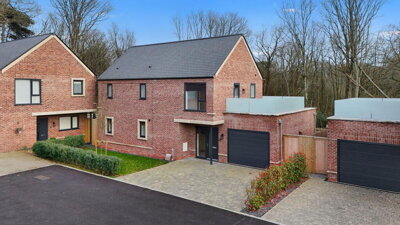
Browse 1 home new builds in Tarleton, West Lancashire from local developer agents.
The larger property sector typically features multiple bathrooms, substantial reception space, and private gardens or off-street parking. Four bedroom houses in Tarleton span detached, semi-detached, and occasionally terraced configurations, with styles ranging from period properties to modern executive homes.
£435k
13
1
110
Source: home.co.uk
Showing 13 results for 4 Bedroom Houses new builds in Tarleton, West Lancashire. 1 new listing added this week. The median asking price is £435,000.
Source: home.co.uk
Detached
12 listings
Avg £459,992
Semi-Detached
1 listings
Avg £475,000
Source: home.co.uk
Source: home.co.uk
The Eglingham property market is characterised by its limited supply and consistently high demand for character homes from buyers seeking rural Northumberland living. Average prices in the wider NE66 area sit between £350,000 and £400,000, with detached properties commanding premium prices of £450,000 to over £600,000 depending on size, condition, and plot size. Semi-detached homes offer more accessible entry points typically ranging from £250,000 to £350,000, though these properties are uncommon in the village given the historic development pattern of dispersed farmhouses and manor houses rather than the terraced housing more common in industrial towns.
Terraced properties and flats are virtually nonexistent in Eglingham itself, reflecting the village's development as an agricultural settlement where larger homes served farm workers and estate tenants. The predominance of detached and semi-detached period properties means buyers seeking more affordable options may need to expand their search to nearby villages or consider the broader Alnwick area. New build activity in Eglingham village itself is minimal, with no large-scale developments currently underway or planned for the foreseeable future. Any new properties tend to be individual self-builds or sympathetic conversions of existing agricultural buildings, often subject to strict planning controls due to the village's Conservation Area designation.
The market in Eglingham tends to move slowly compared to urban areas, with low transaction volumes reflecting the village's small size and the specialist nature of the properties available. Given the scarcity of available stock, buyers should be prepared for a patient approach, as suitable properties may appear infrequently and generate strong interest when they do. However, this scarcity also means that well-presented homes in the village rarely remain on the market for long once correctly priced, creating competitive situations among qualified buyers who appreciate the village's unique appeal.

Eglingham is a village defined by its architectural heritage and rural setting in the heart of Northumberland. The village centre features a traditional Conservation Area encompassing numerous Listed Buildings, including the notable Eglingham Hall which holds Grade II* listed status, and the striking St Maurice's Church, a Grade I listed building dating from medieval times. Properties throughout the village showcase the region's characteristic local sandstone construction, typically featuring warm brown or grey tones that weather beautifully against the Northumberland landscape. The Carboniferous bedrock underlying the area, comprising sandstones, mudstones, and limestones, has historically provided the building materials for these traditional homes.
The surrounding area is primarily agricultural, with farmland and rolling countryside providing immediate access to rural walks and scenic vistas across the Northumberland landscape. The local economy relies heavily on agriculture, though many residents commute to larger settlements including Alnwick, Morpeth, or even Newcastle upon Tyne for employment. The village attracts a mix of families seeking a countryside upbringing, professionals valuing the rural quality of life, and those looking toward retirement in a peaceful setting with strong community ties. The River Breamish flows to the west of the village, while the River Aln lies to the south, though Eglingham itself sits outside their immediate flood plains.
Amenities within the village itself are limited, reflecting its small scale, but the community maintains a village hall hosting regular activities that bring residents together throughout the year. The wider area offers excellent walking and cycling opportunities across the Northumberland countryside, with the coast and the Northumberland National Park both within reasonable driving distance for day trips. The growing tourism industry in Northumberland benefits the area, with visitors drawn to historic properties like Eglingham Hall, scenic drives through the rolling countryside, and the region's castle-studded landscape that includes the famous Alnwick Castle nearby.
Surface water flooding can be a consideration in rural areas such as Eglingham, particularly during periods of heavy rainfall when drainage may be overwhelmed. Prospective buyers should make enquiries about any historic flooding issues when viewing properties and review the property's position within the local topography. Properties on slightly elevated ground or with good existing drainage arrangements typically present lower risk in this regard.
Families considering a move to Eglingham will find educational options available within reasonable travelling distance of the village. The village falls within the catchment area for primary schools in nearby villages and towns, with several good-quality primaries serving the surrounding rural communities. Parents should research specific school performance through Ofsted reports and league tables when considering their options, as school quality can significantly impact property values in an area and family relocation decisions. Transport arrangements require planning, as primary school children will typically need transport to schools in neighbouring villages.
Secondary education is typically accessed through schools in Alnwick or other larger settlements, requiring consideration of transport arrangements for school-age children. The county of Northumberland maintains a selection of well-regarded schools, with the area performing reasonably in national comparisons. Northumberland also offers several grammar school options, with admission based on academic selection, providing educational pathways for higher-achieving students within the county system.
For families requiring early years childcare, provision in the immediate area may be limited and often operates on a part-time or sessional basis, reflecting the rural nature of the community. Those with older children may wish to explore sixth form options and further education colleges, with institutions in Alnwick and wider Northumberland offering a range of A-level and vocational courses. Planning for education and transport needs should form part of any relocation assessment for families with school-age children, as school catchment areas and transport routes can influence property selection within the village.
Eglingham's rural location means that private transport is essential for most daily activities, and prospective residents should be comfortable with driving as a primary means of transport. The village sits approximately 5 miles west of the A1 trunk road, providing straightforward access to the north-south route connecting Edinburgh to Newcastle and beyond. This connection makes commuting to larger employment centres feasible for those working in cities beyond the immediate area, though journey times should be factored into any relocation planning. The journey to Newcastle city centre takes approximately 45 minutes in normal traffic conditions.
The nearest railway stations are located in Alnwick and Berwick-upon-Tweed, offering connections to the East Coast Main Line serving destinations north and south. Alnwick station provides access to Newcastle in around 45 minutes by train, while Berwick-upon-Tweed offers faster services to Edinburgh in approximately one hour and Newcastle in around 90 minutes. These rail connections make day commuting to major cities achievable for those with flexible working arrangements or less frequent office attendance, particularly given the growing prevalence of hybrid working patterns.
Bus services operate in the area, though frequencies reflect the rural nature of the community and may be limited to certain days or times rather than providing all-day connectivity. Those accustomed to urban public transport provision should adjust their expectations accordingly when relocating to Eglingham. Walking and cycling are popular for local journeys, with the relatively flat countryside offering pleasant routes for those able to travel by bike. Parking in the village presents minimal issues compared to urban areas, with most properties offering off-street parking or garaging reflecting the historic pattern of horse and carriage storage.
Explore current listings and recent sales in Eglingham and the wider NE66 area to understand pricing and availability. Given the village's small size and limited stock, monitoring the market over several weeks helps identify patterns and spot genuine opportunities when they arise. Register with local estate agents in Alnwick who cover the village, as many Eglingham properties are sold off-market or through agents with established local connections.
Before viewing properties, obtain a mortgage agreement in principle from a lender to demonstrate your financial credibility to sellers and agents. This is particularly important in competitive rural markets where multiple interested parties may be considering the same property. Having your finances arranged also allows you to move quickly when the right property becomes available, which is crucial in a market with limited stock.
Visit properties that match your requirements, taking time to assess the condition of traditional stone-built homes and their outbuildings thoroughly. Pay particular attention to roof condition on slate and tile roofs, signs of damp in stone walls, and the age and condition of services such as electrics and plumbing, which are often original in period properties. Given Eglingham's Conservation Area status, also consider how any potential modifications might be affected by planning requirements.
Given the age of most properties in Eglingham, which predominantly date from the pre-1919 period, a Level 2 Survey is strongly recommended before proceeding with a purchase. Our inspectors will identify defects common to older properties, including damp, timber defects, and structural issues that may not be apparent during a standard viewing. For properties with significant historic character or Listed Building status, a more detailed RICS Level 3 Survey may be appropriate.
Choose a solicitor experienced in rural property transactions to handle your legal work in Northumberland. They will conduct searches, handle the contract, and manage the transfer of funds through to completion, including checks on any planning constraints, Listed Building implications, or rights of way affecting the property. A mining search via the Coal Authority is advisable given Northumberland's mining history.
Once all searches are satisfactory and your mortgage offer is confirmed, your solicitor will exchange contracts and agree a completion date that suits both parties. On completion day, property ownership transfers to you and you receive the keys to your new Eglingham home, marking the beginning of your life in this attractive Northumberland village.
Properties in Eglingham are predominantly traditional construction dating from the pre-1919 period, which brings specific considerations for prospective buyers that differ from modern properties. The local sandstone construction found in most period properties requires ongoing maintenance, and buyers should look carefully for signs of cracking, crumbling mortar, or vegetation growth on walls, which can indicate moisture penetration or structural movement. The presence of render or cladding can sometimes hide underlying stone deterioration, so understanding what lies beneath exterior finishes is valuable when assessing any property.
As a Conservation Area with numerous Listed Buildings including Eglingham Hall at Grade II* and St Maurice's Church at Grade I, planning restrictions in Eglingham are more stringent than in most locations. Any alterations, extensions, or significant external changes may require consent from Northumberland County Council's planning authority. Buyers should confirm the Listed status of any property under consideration and understand the implications for future modifications, including restrictions on replacing windows, doors, or roofing materials with non-traditional alternatives that might be permitted on standard properties.
The local geology includes areas of glacial till and clay deposits, which can cause ground movement in periods of drought or saturation through shrink-swell processes. Properties should be checked for signs of subsidence or heave, including diagonal cracking, doors and windows sticking, or uneven floors that may indicate foundation movement. A Coal Authority mining report is advisable given Northumberland's mining history, as past extraction activities can affect ground stability even in areas not traditionally associated with coal mining. Our inspectors will assess these potential issues during any survey.
Electrical wiring and plumbing systems in Eglingham's older properties often require updating to meet current standards, and many homes may contain asbestos-containing materials (ACMs) given their pre-2000 construction or renovation history. Our surveyors will check the condition of services and flag any concerns about electrical safety, plumbing integrity, or the presence of hazardous materials that require professional removal before undertaking any renovation work.

Average property prices in the Eglingham area typically range between £350,000 and £400,000, with detached homes commanding £450,000 to over £600,000 depending on size, condition, and plot size. Semi-detached properties generally range from £250,000 to £350,000, though these are uncommon within the village itself. Exact pricing varies considerably based on individual property characteristics, with period farmhouses and homes with significant land commanding premium prices at the upper end of these ranges. The limited transaction volume in the village means prices can fluctuate based on the specific properties available at any given time.
Properties in Eglingham fall under Northumberland County Council's jurisdiction, with council tax bands ranging from A to H depending on the property's assessed value. Most traditional stone cottages and farmhouses in the village typically fall into bands C to E, reflecting their characterful but often modest market values relative to newer properties in urban areas. Prospective buyers should check specific bandings with the local authority or on property listing details, as bandings can vary significantly between adjacent properties depending on their size, condition, and recent improvements.
Eglingham is served by primary schools in nearby villages and towns, with parents choosing between several good-quality options within a reasonable driving distance of the village. Secondary schools in Alnwick and the surrounding area serve the village, with transport arrangements requiring consideration when selecting a property. Parents should research current Ofsted ratings and consider school transport routes when evaluating educational options for their family, as catchment areas can influence which schools are accessible without significant daily journeys.
Public transport options in Eglingham are limited due to its rural location, with private transport being essential for most daily needs including shopping, healthcare appointments, and social activities. The nearest railway stations are in Alnwick and Berwick-upon-Tweed, providing connections to Newcastle and Edinburgh on the East Coast Main Line for those commuting to major cities. Bus services operate in the area but with reduced frequencies compared to urban locations, making a car necessary for reliable access to employment, shopping, and services throughout the week.
Eglingham's property market is characterised by limited supply and consistent demand from buyers seeking rural Northumberland living, which can support long-term property values in the village. Properties in Conservation Areas with Listed Building status often retain their appeal to buyers seeking character homes, though the restricted development potential and planning constraints limit opportunities for value-add strategies. The market is relatively illiquid due to low transaction volumes, so investors should be prepared for longer holding periods before achieving a sale and should consider the implications of restricted tenant appeal when evaluating rental potential in this predominantly owner-occupier village.
Stamp duty rates for 2024-25 apply 0% on the first £250,000 of residential property purchase price, 5% on £250,001 to £925,000, 10% on £925,001 to £1.5 million, and 12% above £1.5 million. First-time buyers pay 0% on the first £425,000 with 5% on £425,001 to £625,000 on qualifying purchases. For a typical £350,000 Eglingham property, standard buyers pay £7,500 in stamp duty while first-time buyers meeting the criteria pay £0, making this an important saving for those entering the property market for the first time.
Older properties in Eglingham require consideration of several specific risks including damp penetration in traditional sandstone walls, roof defects common to slate and tile coverings, and potential ground movement related to the local glacial till deposits. Properties may also have outdated electrical systems requiring rewiring, older plumbing that needs replacement, and possible asbestos-containing materials in any pre-2000 construction or renovation work. A thorough RICS Level 2 Survey will identify these issues before you commit to purchase, allowing you to budget appropriately for any necessary remediation work.
From £400
A detailed inspection of the property condition, essential for older Eglingham homes
From £600
Comprehensive survey recommended for period properties and Listed Buildings
From 4.5%
Expert mortgage advice tailored to your purchase
From £499
Specialist solicitor services for your Eglingham purchase
Budgeting for stamp duty is an essential part of any property purchase in Eglingham, and understanding the total costs involved helps you plan your finances effectively. For a typical detached home priced around £400,000, a standard buyer would pay £12,500 in Stamp Duty Land Tax under current rates. First-time buyers purchasing qualifying properties up to £625,000 would pay £0 on the first £425,000 and 5% on the remaining amount, totalling £0 for a £400,000 purchase. Higher-value properties above £925,000 incur 10% stamp duty on amounts between £925,001 and £1.5 million, making this an important consideration for those purchasing premium period homes.
Beyond stamp duty, buyers should budget for additional purchase costs including mortgage arrangement fees typically ranging from £0 to £2,000 depending on the lender and product chosen. Survey costs for a RICS Level 2 Survey on a typical Eglingham property will range from approximately £400 to £900 depending on property size and value, with larger or more complex period homes requiring the higher end of this range. Conveyancing fees for a standard residential purchase in Northumberland typically start from around £499 for basic services, rising to £1,500 or more for complex transactions involving Listed Buildings or unusual tenure arrangements.
Searches and ancillary costs including local authority searches, Land Registry fees, and teleport charges typically total between £300 and £500 for a standard transaction. Buildings insurance must be arranged from the point of exchange, and removals costs should be factored in depending on the distance of your move. For properties with unique characteristics such as Eglingham's traditional stone homes, budget should also be allowed for potential repairs or upgrades identified during survey inspections, particularly for electrical rewiring, heating system upgrades, or roof repairs common in period properties. A contingency of 10-15% of the purchase price is often recommended for properties in this age range.
Properties New Builds In London

Properties New Builds In Plymouth

Properties New Builds In Liverpool

Properties New Builds In Glasgow

Properties New Builds In Sheffield

Properties New Builds In Edinburgh

Properties New Builds In Coventry

Properties New Builds In Bradford

Properties New Builds In Manchester

Properties New Builds In Birmingham

Properties New Builds In Bristol

Properties New Builds In Oxford

Properties New Builds In Leicester

Properties New Builds In Newcastle

Properties New Builds In Leeds

Properties New Builds In Southampton

Properties New Builds In Cardiff

Properties New Builds In Nottingham

Properties New Builds In Norwich

Properties New Builds In Brighton

Properties New Builds In Derby

Properties New Builds In Portsmouth

Properties New Builds In Northampton

Properties New Builds In Milton Keynes

Properties New Builds In Bournemouth

Properties New Builds In Bolton

Properties New Builds In Swansea

Properties New Builds In Swindon

Properties New Builds In Peterborough

Properties New Builds In Wolverhampton

Enter your details to see if this property is within your budget.
Loans, cards, car finance
Estimated property budget
Borrowing + deposit
You could borrow between
Typical borrowing
Monthly repayment
Est. at 4.5%
Loan-to-value
This is an estimate only. Your actual budget may vary depending on interest rates, credit history, and personal circumstances. For an accurate affordability assessment, speak to one of our free mortgage advisors.
This calculator provides estimates for illustrative purposes only and does not constitute financial advice. Your home may be repossessed if you do not keep up repayments on your mortgage. Estimates based on 4.5% interest rate, repayment mortgage. Actual rates depend on your circumstances.
Homemove is a trading name of HM Haus Group Ltd (Company No. 13873779, registered in England & Wales). Homemove Mortgages Ltd (Company No. 15947693) is an Appointed Representative of TMG Direct Limited, trading as TMG Mortgage Network, which is authorised and regulated by the Financial Conduct Authority (FRN 786245). Homemove Mortgages Ltd is entered on the FCA Register as an Appointed Representative (FRN 1022429). You can check registrations at NewRegister or by calling 0800 111 6768.

We use cookies to show you personalised content and improve your experience of our website. Find out more in our Privacy policy and Cookie policy.