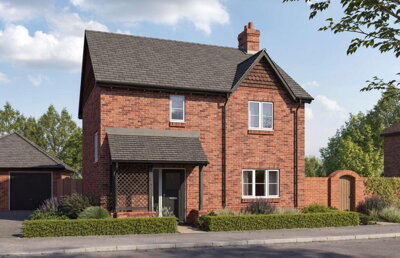
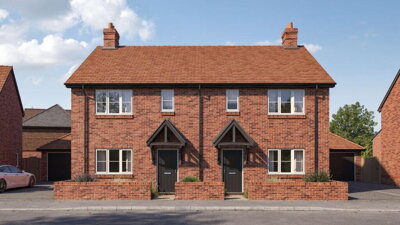
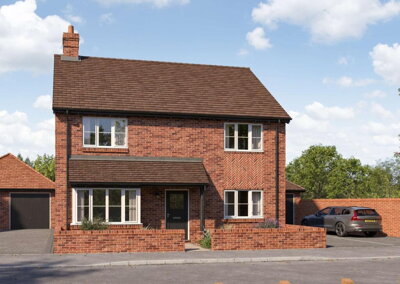
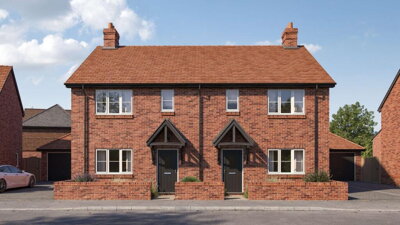
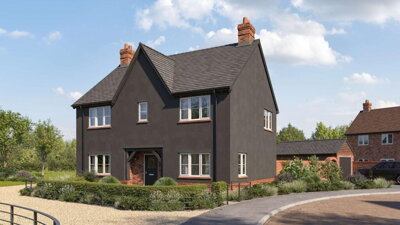
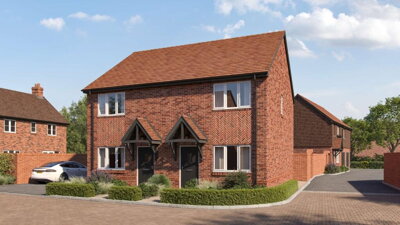
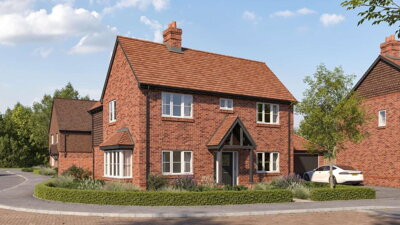
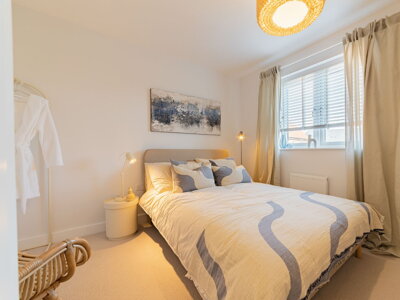
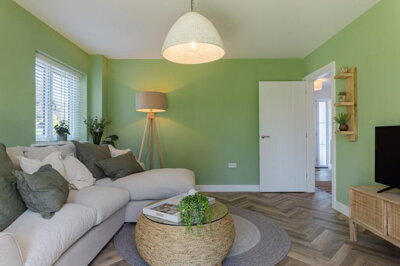
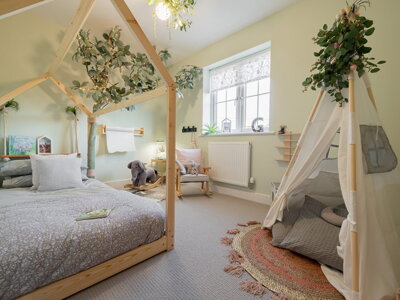
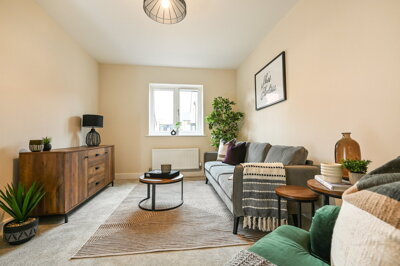
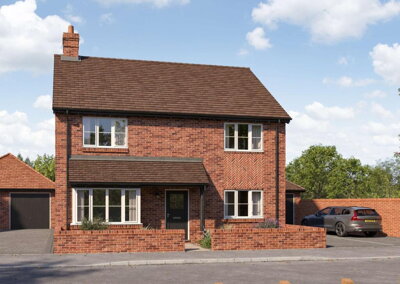
Browse 13 homes new builds in Sway, New Forest from local developer agents.
Studio apartments feature open-plan living spaces without separate bedrooms, incorporating sleeping, living, kitchen, and bathroom facilities. The Sway studio market includes properties in modern apartment complexes, modern purpose-built developments and new residential complexes.
£0k
0
0
0
Source: home.co.uk
Showing 0 results for Studio Flats new builds in Sway, New Forest.
The property market in Ickworth operates differently from typical residential areas, given the unique composition of the estate. Residential properties within the National Trust estate boundaries are relatively few, with sales occurring infrequently. Recent transactions within the Ickworth Park postcode (IP29) have included notable sales such as Dairy Wood Cottage, which sold for £675,000 in June 2021, and Mordaboys, which achieved £510,000 in October 2009. These figures reflect the premium associated with properties set within this prestigious estate landscape. The IP29 5LQ postcode area currently shows limited live listings, underscoring the rarity of available properties in this particular enclave.
Property types in the Ickworth area reflect the estate's historical development, ranging from 17th-century thatched cottages to more substantial Georgian and Victorian residences. Mordaboys Cottages represent the quintessential Suffolk vernacular, featuring original thatch roofing and timber-framed construction that characterises much of the older housing stock. The estate contains 12 listed structures, including the Grade I listed Ickworth House itself, the Grade II* listed St Mary's Church and parkland, and numerous Grade II structures including Sir John Hervey's Summerhouse, the White House, the Coach House, and the distinctive ha-ha wall. This concentration of heritage designations means many residential properties may carry Listed status or be affected by the estate's conservation requirements.
The wider Horringer and Ickworth parish area includes additional residential options beyond the National Trust estate, whilst Bury St Edmunds itself offers a broader spectrum of property types and price points for comparison. Census data from the area indicates a predominance of detached dwellings, with minimal terraced housing or purpose-built flats, reflecting the rural and estate character of the locality. For buyers specifically seeking the Ickworth estate character, patience is essential, as opportunities arise infrequently and properties rarely appear on the open market more than once per decade.

Properties currently available or recently listed within the Ickworth Park postcode area represent exceptional opportunities given the market's inherent scarcity. The limited inventory reflects both the National Trust's stewardship of the majority estate lands and the generational nature of private ownership within this prestigious enclave. Buyers should monitor major property portals including Rightmove, Zoopla, and OnTheMarket, whilst also establishing relationships with Bury St Edmunds-based estate agents who may have advance notice of impending sales.
Beyond direct property sales, some residents within the Ickworth estate area hold properties under National Trust leasehold arrangements, which operate under different terms to freehold ownership. These arrangements may include specific obligations regarding property maintenance, alterations requiring Trust consent, and community participation in estate activities. Prospective buyers should clarify the nature of ownership interests before proceeding, as leasehold arrangements carry distinct legal and financial considerations compared to standard freehold purchases.
For buyers whose requirements cannot be met within the immediate Ickworth estate area, the surrounding West Suffolk region offers complementary options. Horringer village provides cottages and period properties within a traditional village setting, whilst the approach to Bury St Edmunds along the A143 or through the parkland lanes reveals additional residential opportunities. These surrounding areas benefit from easier accessibility and broader market activity whilst maintaining close proximity to the Ickworth estate's exceptional landscape and amenities.
Life in Ickworth revolves around the extraordinary Ickworth House estate, an Italianate palace designed by Antonio Visetti and completed in 1830 for the Hervey family. The estate encompasses approximately 1,800 acres of parkland, farmland, and woodland managed by the National Trust, offering residents an exceptional quality of life surrounded by protected Suffolk countryside. The estate features formal gardens including the acclaimed rotunda, an ancient deer park, and extensive public access routes through woodland and meadows. This blend of private residence and public heritage creates a unique community atmosphere where estate workers, local residents, and visitors coexist harmoniously.
The civil parish itself is small, with population figures from the 2011 Census indicating minimal permanent residents, largely concentrated within or adjacent to the National Trust estate. Community life extends to nearby Horringer, where the village offers a pub, local shop, and parish church of St Leonard, whilst Bury St Edmunds provides comprehensive shopping, dining, and cultural amenities within a short drive. The River Linnet flows through the estate, contributing to the verdant character of the landscape whilst providing habitat for diverse wildlife. Residents benefit from the cultural calendar maintained by the National Trust, including seasonal events, art exhibitions, and outdoor theatre performances held at Ickworth House throughout the year.
The National Trust presence in Ickworth represents a significant employer within the local economy, with estate management, conservation, visitor services, and hospitality roles providing stable employment for local residents. This economic foundation supports the broader community whilst ensuring professional stewardship of the estate's heritage assets. Tourism generated by Ickworth House and its gardens also contributes to the local economy, with visitors drawn from across the region to experience this remarkable Suffolk destination.

Properties within the Ickworth estate showcase a fascinating range of construction methods reflecting centuries of architectural development across Suffolk. The Grade I listed Ickworth House itself represents the Italianatepalatial tradition of the early 19th century, whilst scattered throughout the estate are structures spanning several centuries of vernacular building practice. The 17th-century thatched cottages such as those at Mordaboys exemplify traditional Suffolk construction, featuring timber-framed structures with wattle-and-daub or brick infill panels, clay tile or thatch roofing, and solid brick foundations lacking modern damp-proof courses.
Traditional construction throughout the Ickworth area predominantly employs solid brick walls rather than the cavity wall construction common in post-war housing. These solid walls, often constructed with lime mortar rather than Portland cement, offer excellent thermal mass but present different insulation and moisture management characteristics compared to modern buildings. The geology of the surrounding West Suffolk area comprises chalk bedrock with varying superficial deposits of clay, sand, and gravel, which historically provided local building materials whilst also creating foundation conditions requiring careful assessment for older structures.
The Grade II* listed park and garden designation affecting the broader estate imposes additional considerations for any construction or modification works. Properties within this designation may require heritage assessment and National Trust consultation for alterations affecting external appearance, structural works, or landscaping. The combination of historic construction methods, heritage designations, and the aged nature of the housing stock means that professional surveys from qualified RICS surveyors are particularly valuable for identifying maintenance requirements, potential defects, and renovation opportunities within this distinctive property market.
Families considering a move to the Ickworth area will find educational provision centred primarily in nearby Bury St Edmunds, which offers an excellent selection of primary and secondary schools. Primary education within reasonable distance includes Horringer School, a village primary serving the local community, whilst Bury St Edmunds hosts several well-regarded primary schools including Sexton's Manor Primary School and St Edmundsbury Church of England Primary School. For secondary education, King Edward VI School in Bury St Edmunds is a notable choice, offering grammar school provision, whilst St Benedict's Catholic School and Bury St Edmunds County Upper School provide comprehensive secondary options.
Independent schooling options in the wider West Suffolk area include Culford School, a co-educational boarding and day school set in extensive grounds north of Bury St Edmunds, offering education from nursery through to A-levels. The school occupies a historic estate setting that may appeal to families seeking an educational environment paralleling the Ickworth estate character. Parents seeking grammar school placement should note that the Kent-based grammar system does not apply in Suffolk, and school catchment areas can significantly influence placement availability.
Transport arrangements are common for families living in Ickworth, with many opting to utilise the school transport links or independent travel to Bury St Edmunds schools. The proximity to Bury St Edmunds means that most families find the daily journey manageable, with typical travel times of 15-25 minutes by car depending on the specific school and time of day. For higher education, the University of Cambridge is accessible via the A14 and M11, approximately 45 miles to the north-west, whilst the University of East Anglia in Norwich offers another option within reasonable driving distance.
Transport connectivity from Ickworth benefits significantly from proximity to Bury St Edmunds, Suffolk's principal market town and major transport hub. The A14 trunk road passes north of Bury St Edmunds, providing direct access to Cambridge to the north-west and Felixstowe port to the south-east, connecting residents to the wider East Anglia region and national motorway network. The town also provides access to the A143, linking westwards towards Haverhill and eastwards to Diss and the Broads. For Ickworth residents, the nearest motorway access remains the M11, reached via Cambridge on the A14, approximately 50 miles distant.
Rail services from Bury St Edmunds station offer regular connections to Cambridge, with journey times of approximately 40-50 minutes, and direct services to London Liverpool Street via the Cambridge line, with fastest journey times around 1 hour 40 minutes. This makes Ickworth a viable base for commuters requiring access to the capital whilst maintaining a rural Suffolk residence. Local bus services operated by First Group and other providers connect Ickworth and Horringer with Bury St Edmunds town centre, whilst National Cycle Route 51 passes nearby, offering safe cycling routes for recreational purposes and sustainable commuting.
Parking provision varies significantly by property within the Ickworth estate, with historic estates often having limited off-street parking compared to modern developments. Properties converted from agricultural buildings may retain original access arrangements unsuited to multiple vehicles, whilst older cottages may feature limited parking or require on-road parking subject to estate management arrangements. Buyers should clarify parking provisions during property assessment, particularly given that heritage designations may restrict modifications to access arrangements or creation of additional parking areas.
Given the unique nature of the Ickworth estate, understanding which properties are available and their heritage status is essential. Properties within the National Trust estate often carry Listed status or sit within the Grade II* registered park and garden, requiring careful consideration of planning constraints and conservation requirements. The rarity of available properties means that monitoring property portals regularly and maintaining relationships with local agents can significantly improve access to forthcoming sales.
Contact local estate agents in Bury St Edmunds who handle properties in the Ickworth and Horringer area. Before viewing properties, obtain a mortgage Agreement in Principle to demonstrate your buying position to sellers, particularly important given the prestige and value of estate properties. Given that many Ickworth properties exceed £500,000, ensuring mortgage arrangements can proceed smoothly for higher-value properties is essential.
Properties in Ickworth are predominantly historic, with many featuring construction methods and materials requiring expert assessment. A RICS Level 2 Survey is recommended for standard period properties, whilst a RICS Level 3 Building Survey should be considered for Listed buildings or those of significant architectural interest. Given the prevalence of thatched roofs, timber-framed construction, and older damp-proofing methods, comprehensive surveys from qualified RICS professionals are strongly recommended before purchase.
Properties within the Ickworth estate may involve additional legal considerations including rights of access, conservation obligations, and National Trust arrangements. Instruct a solicitor experienced in historic and rural properties to handle your purchase. Searches should include commons registration, village green inquiries, and specialist heritage searches where applicable.
Once surveys, searches, and legal work are satisfactory, your solicitor will exchange contracts and set a completion date. Ensure all outstanding questions regarding Listed building consent, planning conditions, and access rights are resolved before proceeding to completion. Buildings insurance should be arranged from exchange of contracts, with specialist insurers recommended for Listed properties.
Properties within the Ickworth estate present unique considerations that differ significantly from standard residential purchases. The concentration of Listed buildings, including the Grade I listed Ickworth House, Grade II* listed St Mary's Church and parkland, and numerous Grade II structures, means that many residential properties may carry Listed status or be affected by the estate's heritage designations. Buyers should investigate whether their intended property is Listed and understand the associated obligations regarding maintenance, alterations, and planning consent. The National Trust's management of the broader estate also creates a distinctive living environment where public access and private residence coexist.
Construction and condition issues commonly affecting properties in the Ickworth area require careful assessment. The presence of 17th-century thatched cottages, such as Mordaboys Cottages, indicates specialist construction requiring knowledge of traditional building methods. Common defects in this older stock include damp related to original construction lacking modern damp-proof courses, roof condition issues affecting slate, tile, and thatch coverings, timber defects including woodworm and dry rot, and potential subsidence in areas with clay geology. Electrical and plumbing systems in historic properties frequently require updating to meet current standards.
Flood risk considerations for the Ickworth area include the presence of the River Linnet flowing through the estate, particularly for properties in low-lying positions adjacent to watercourses. Surface water flooding can affect properties in certain locations following heavy rainfall. Buyers should obtain relevant drainage and flood risk searches from the Environment Agency and West Suffolk Council. Ground conditions in Suffolk generally feature chalk bedrock with varying superficial deposits of clay, sand, and gravel, which can influence foundations and ground stability, particularly for extensions or new construction.
Given that many properties exceed 50 years of age with significant numbers predating 1919, comprehensive surveys from qualified RICS professionals are strongly recommended before purchase. A RICS Level 2 Survey provides detailed assessment suitable for most period properties, whilst the complex construction of Listed buildings may warrant a more thorough RICS Level 3 Building Survey. Survey costs for properties in the Ickworth area typically range from £400-£900 for standard surveys, with specialist heritage assessments commanding higher fees reflecting the additional expertise required.
Comprehensive aggregated house price data for Ickworth civil parish is limited due to the small number of property sales in this unique area. Available transaction data from the IP29 postcode includes Dairy Wood Cottage, sold for £675,000 in June 2021, and Mordaboys, sold for £510,000 in October 2009. These figures, whilst limited, indicate a premium market for properties within the Ickworth estate. For broader market context, Bury St Edmunds and West Suffolk areas have seen property prices increase significantly in recent years, with the average property in the wider area typically ranging from £280,000 for flats to £400,000-£600,000 for detached family homes depending on location and specification. The scarcity of available properties in IP29 means that each sale represents a significant data point in understanding this niche market.
Properties in Ickworth fall under West Suffolk Council's jurisdiction for council tax purposes. Specific bandings depend on property value and type, with historic and period properties in the Ickworth estate often spanning Bands D through H. The Grade I listed Ickworth House itself is likely to be in a higher banding given its significant value and size, whilst smaller cottages and residential units within the estate would occupy lower bands. Prospective buyers should verify the specific banding with West Suffolk Council or via the Valuation Office Agency website before budgeting for ongoing ownership costs. Historic properties may occasionally qualify for certain exemptions or discounts where relevant renovation or conservation work has been undertaken.
The Ickworth area is served primarily by schools in nearby Bury St Edmunds. Primary options include Horringer School for village-based provision and several well-regarded primaries in Bury St Edmunds including Sexton's Manor and St Edmundsbury Church of England Primary School. Secondary choices include King Edward VI School (grammar), St Benedict's Catholic School, and Bury St Edmunds County Upper School. Independent options include Culford School. School quality is reflected in Ofsted ratings, and catchment areas should be verified with Suffolk County Council as admissions policies can change annually. The proximity of Bury St Edmunds schools to Ickworth means that most families find the daily commute manageable, with typical journey times of 15-25 minutes by car.
Ickworth is primarily car-dependent for most purposes, with the nearest bus services connecting to Bury St Edmunds, approximately 3 miles distant. Bury St Edmunds railway station provides regular services to Cambridge (40-50 minutes) and London Liverpool Street (approximately 1 hour 40 minutes). For commuting to London, Cambridge provides an alternative route with more frequent services. Daily commuters typically require car transport to reach the station, whilst the A14 provides road access to Cambridge (approximately 50 miles) and connections to the M11 for wider motorway network access. National Cycle Route 51 offers sustainable commuting alternatives for those able to cycle the route to Bury St Edmunds.
Property investment in Ickworth presents distinctive characteristics compared to mainstream residential markets. The rarity of available properties, combined with the heritage significance of the estate and its Grade II* listed status, suggests strong long-term value retention for the right property. National Trust presence provides ongoing estate management and public engagement, whilst proximity to Bury St Edmunds ensures access to services and transport. However, the limited liquidity of this market means properties may take longer to sell, and the heritage obligations associated with Listed buildings can affect renovation flexibility. Buyers seeking regular rental income may find the lack of available stock and National Trust employment base limiting, whilst those seeking a long-term principal residence in a unique setting may find excellent value. The West Suffolk property market has shown consistent growth in recent years, with Bury St Edmunds benefiting from its strategic position and excellent transport links.
Stamp Duty Land Tax (SDLT) rates for 2024-25 apply as follows: 0% on the first £250,000 of purchase price, 5% on the portion from £250,001 to £925,000, 10% on £925,001 to £1,500,000, and 12% on any amount exceeding £1,500,000. First-time buyers benefit from relief on the first £425,000 (0% rate), with 5% applying between £425,001 and £625,000, provided the property is your first home and costs £625,000 or less. Given the price points observed in the Ickworth area, most purchases would attract SDLT at the standard rates, and buyers should budget for these costs alongside purchase price, survey fees, and legal costs. For a £675,000 purchase, SDLT would amount to £18,750 at current rates, whilst higher-value properties approaching £1 million would attract additional 10% SDLT on amounts between £925,001 and £1,000,000.
Properties in the Ickworth area, being predominantly historic and often Listed, frequently exhibit defects common to older construction. These include rising damp and penetrating damp resulting from original construction lacking modern damp-proof courses, roof condition issues particularly affecting thatch coverings which require specialist maintenance and carry fire risk and pest infestation concerns, timber defects including woodworm, dry rot, and wet rot affecting structural elements, and potential subsidence in areas with clay geology where tree roots or moisture changes can affect foundations. Outdated electrical systems and plumbing installations that do not meet current regulations are also commonly encountered. Given the variety of construction ages and types, ranging from 17th-century timber-framed cottages to Georgian and Victorian properties, a comprehensive RICS survey is essential before purchase.
Flood risk in Ickworth primarily relates to the River Linnet which flows through the estate, creating potential for fluvial flooding in low-lying areas adjacent to the watercourse. Properties positioned near the river or in valley locations should be subject to detailed flood risk assessment prior to purchase. Surface water flooding can also affect certain locations following periods of heavy rainfall, particularly where ground conditions involve clay deposits with lower permeability. The Environment Agency flood risk maps should be consulted for specific properties, and relevant drainage and flood risk searches obtained during the conveyancing process. Buildings insurance costs may be higher for properties with identified flood risk, and specialist insurers familiar with historic properties may be required.
From 4.5%
Expert mortgage advice tailored to your property purchase
From £499
Specialist conveyancing for Ickworth properties
From £350
Detailed assessment for period properties
From £600
Comprehensive survey for Listed buildings
Budgeting for a property purchase in the Ickworth area requires consideration of multiple costs beyond the purchase price itself. Stamp Duty Land Tax represents a significant upfront cost, with rates of 5% applying to the portion of purchase price between £250,001 and £925,000 at current 2024-25 rates. For properties exceeding £925,000, additional 10% and 12% bands apply. Given that available evidence suggests most residential properties within the Ickworth estate exceed £500,000, buyers should anticipate SDLT liability of several thousand pounds. First-time buyers should verify eligibility for relief, which provides exemption up to £425,000 and reduced 5% rates up to £625,000, though this relief does not apply above £625,000 or for non-first-time buyers.
Professional service costs include mortgage arrangement fees, typically ranging from £500 to £2,000 depending on lender and product, whilst many brokers charge arrangement fees or percentage-based charges. Survey costs vary significantly by property type and value: RICS Level 2 Surveys typically range from £400-£900 for standard properties, whilst the older, potentially Listed properties in the Ickworth area may require more comprehensive RICS Level 3 Building Surveys at £600-£1,500 or more for larger or complex historic buildings. Legal and conveyancing costs for rural and historic properties may exceed standard residential rates due to additional complexity, ranging from £500 to £2,000 or more including searches and Land Registry fees.
Buildings insurance should be arranged from exchange of contracts, with specialist insurers recommended for Listed properties given the higher rebuild costs and unique risk profiles. Properties with thatched roofs may attract higher premiums due to fire risk and specialist repair requirements. Buyers should also budget for Land Registry fees, local authority searches including drainage and environmental searches, and potential specialist heritage or commons searches depending on the property's location within the estate. Factor in survey costs ranging from £350 for a basic RICS Level 2 Survey on a modest property to £600 or more for comprehensive assessments on larger historic homes.
Properties New Builds In London

Properties New Builds In Plymouth

Properties New Builds In Liverpool

Properties New Builds In Glasgow

Properties New Builds In Sheffield

Properties New Builds In Edinburgh

Properties New Builds In Coventry

Properties New Builds In Bradford

Properties New Builds In Manchester

Properties New Builds In Birmingham

Properties New Builds In Bristol

Properties New Builds In Oxford

Properties New Builds In Leicester

Properties New Builds In Newcastle

Properties New Builds In Leeds

Properties New Builds In Southampton

Properties New Builds In Cardiff

Properties New Builds In Nottingham

Properties New Builds In Norwich

Properties New Builds In Brighton

Properties New Builds In Derby

Properties New Builds In Portsmouth

Properties New Builds In Northampton

Properties New Builds In Milton Keynes

Properties New Builds In Bournemouth

Properties New Builds In Bolton

Properties New Builds In Swansea

Properties New Builds In Swindon

Properties New Builds In Peterborough

Properties New Builds In Wolverhampton

Enter your details to see if this property is within your budget.
Loans, cards, car finance
Estimated property budget
Borrowing + deposit
You could borrow between
Typical borrowing
Monthly repayment
Est. at 4.5%
Loan-to-value
This is an estimate only. Your actual budget may vary depending on interest rates, credit history, and personal circumstances. For an accurate affordability assessment, speak to one of our free mortgage advisors.
This calculator provides estimates for illustrative purposes only and does not constitute financial advice. Your home may be repossessed if you do not keep up repayments on your mortgage. Estimates based on 4.5% interest rate, repayment mortgage. Actual rates depend on your circumstances.
Homemove is a trading name of HM Haus Group Ltd (Company No. 13873779, registered in England & Wales). Homemove Mortgages Ltd (Company No. 15947693) is an Appointed Representative of TMG Direct Limited, trading as TMG Mortgage Network, which is authorised and regulated by the Financial Conduct Authority (FRN 786245). Homemove Mortgages Ltd is entered on the FCA Register as an Appointed Representative (FRN 1022429). You can check registrations at NewRegister or by calling 0800 111 6768.

We use cookies to show you personalised content and improve your experience of our website. Find out more in our Privacy policy and Cookie policy.