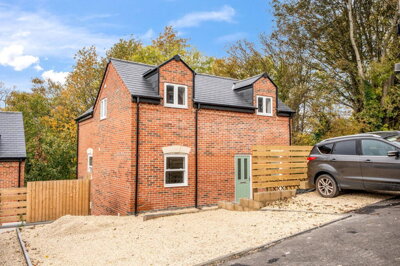
Browse 7 homes new builds in Stroud from local developer agents.
The Stroud property market presents a diverse range of options for buyers, with property types suiting various budgets and lifestyles. Detached properties command the highest average prices at around £523,000, reflecting the demand for family homes with generous gardens and off-street parking in this desirable location. Semi-detached homes average approximately £320,000, offering excellent value for buyers seeking spacious accommodation without the premium associated with detached living. Terraced properties at an average of £270,000 represent the most affordable route onto the Stroud property ladder, with many Victorian and Edwardian terraces offering characterful accommodation on streets within walking distance of the town centre.
The market has experienced subtle shifts over the past year, with overall prices decreasing by 1.2% between December 2024 and December 2025 according to provisional figures. However, this masks variations across different property types, with semi-detached homes maintaining their values while flats saw a more significant 4.2% decline, possibly reflecting increased choice in the apartment sector. Notably, the GL5 4 postcode sector saw stronger growth of 7.1% in the last year, suggesting certain neighbourhoods within Stroud are outperforming the wider market average. Despite these minor adjustments, Stroud remains an active market with 324 residential transactions completing in the past twelve months, demonstrating continued buyer interest in this well-connected Gloucestershire town.
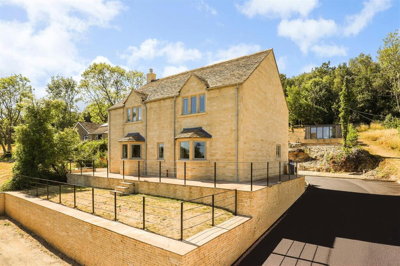
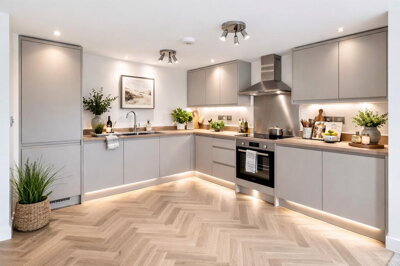
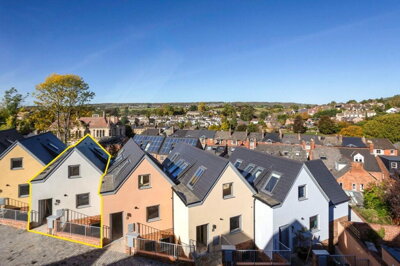
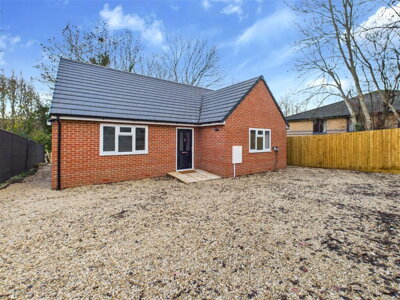
Several notable new build developments are adding fresh inventory to the Stroud market. The Daniels Industrial Estate scheme on Bath Road will deliver 111 sustainable homes on a brownfield site less than a mile from the town centre, comprising two and three-bedroom houses plus apartments. Meanwhile, the Ebley Wharf development branded as Marling Waters offers two and three-bedroom houses alongside one, two, and three-bedroom apartments with private parking, providing options for first-time buyers and downsizers alike. For those seeking characterful new build options, the Church Street development offers four-bedroom terraced houses within a private gated community setting, while Lower Sppilmans Road in nearby Rodborough features newly constructed detached four-bedroom homes. For single-storey living, three-bedroom bungalows on Stanton Road represent a rare opportunity in a market where bungalows consistently attract strong demand from older buyers looking to release equity or simplify their living arrangements.
When considering value compared to neighbouring areas, Stroud compares favourably with the broader Cotswold district where average prices typically exceed £400,000. The town offers similar countryside access and aesthetic appeal at a more accessible price point, making it particularly attractive to buyers priced out of villages like Bourton-on-the-Water, Broadway, or Chipping Campden. The combination of competitive pricing, strong transport links, and the vibrant town centre culture positions Stroud as one of the most sought-after market towns in the region for buyers balancing lifestyle aspirations with budget constraints.

Life in Stroud offers a distinctive blend of market-town character and progressive community spirit that has attracted creative professionals, families, and nature enthusiasts alike. The town centre clusters around the historic Cornhill and Parliament Street, where independent retailers coexist with weekly markets selling local produce, artisan crafts, and vintage goods. Stroud's reputation as a haven for artists, musicians, and craftspeople is evident in the converted mill spaces that now house studios and workshops, alongside the annual Stroud Drama Festival and numerous gallery spaces that punctuate the townscape.
The natural landscape surrounding Stroud provides exceptional recreational opportunities, with the Cotswold Way National Trail passing through the town and offering spectacular walking along the escarpment with views across the Severn Vale. The River Frome flows through the town centre, its banks lined with footpaths connecting residential areas to the surrounding countryside. Residents benefit from multiple parks and green spaces, including Stratford Park with its popular leisure centre and Miller's Open Space, which provides a tranquil retreat within easy walking distance of the shops and cafes. The district's population of approximately 123,225 people creates a sense of community without the anonymity of larger cities, with neighbourhood associations, sports clubs, and cultural groups offering numerous opportunities for social engagement.
The local economy reflects Stroud's diverse character, with the wholesale and retail trade remaining the largest employment sector at 14.1% of jobs, followed by manufacturing, education, and health services. The presence of home working has grown significantly, with many residents employed in professional, scientific, and technical roles that allow flexible location. The median age rising from 44 in 2011 to 47 in 2021 indicates an established community with strong ties to the area, while the younger families moving to the town bring fresh energy to schools and community activities. The town has historically attracted those seeking an alternative lifestyle, giving rise to a distinctive cultural identity reflected in organic food shops, holistic health practitioners, and a thriving co-operative movement.
Despite these unique characteristics, Stroud provides comprehensive everyday amenities including major supermarkets, healthcare facilities, and a hospital serving the wider district, ensuring residents need not travel far for essential services. The weekly Saturday farmers market, held in the town centre since 1999, has become a social institution bringing together producers from across the Five Valleys and Cotswolds. For cultural pursuits, the Subscription Rooms hosts regular concerts, comedy nights, and community events, while The Cotswold Canals Trust offers opportunities for volunteering and enjoying the restored canal network that connects Stroud to Saul Junction and the Gloucester-Sharpness canal system.

Education provision in Stroud serves families at every stage, from nursery through to further education, with several schools consistently performing well in regional assessments. Primary education is well-represented across the town and surrounding villages, with options ranging from smaller village schools serving rural communities to larger primary schools in the town centre. Many primary schools in the area benefit from good Ofsted ratings, with Thomas Keble Primary and Stratford-sub-Castle Primary School among those praised for their supportive learning environments and strong community connections.
Secondary education in Stroud centres on Stroud High School, a well-established secondary with a reputation for academic achievement and strong examination results. The school attracts students from across the district, making catchment areas an important consideration for families purchasing property. Other secondary options include Maidenhill School, which serves families in the eastern part of the district and offers a range of extracurricular activities alongside its academic curriculum. For families seeking faith-based education, St Peter's Catholic Primary and St Mary's Catholic Primary feed into secondary options in surrounding towns, while various preparatory schools in the wider area provide private education pathways.
For families considering sixth form education, Stroud College provides a comprehensive range of A-level and vocational courses, serving students from across the district and beyond. The college offers specialist facilities for subjects ranging from arts and media to sciences and technology, providing clear progression routes into higher education or employment. Independent schooling options exist in the wider area for families seeking private education, with several preparatory and senior schools within reasonable commuting distance. When searching for property in Stroud, families should verify current school admission policies and catchment arrangements, as these can change and directly impact which schools children will be eligible to attend.
Beyond formal education, Stroud offers numerous extracurricular opportunities that reflect the town's creative character. The Stroud Music Festival provides opportunities for young musicians, while the annual Open Studios event allows aspiring artists to learn from working professionals in their studios. The Cotswold School in Bourton-on-the-Water, while technically in the Cotswold district, serves some Stroud families seeking independent secondary education, and the school is noted for its strong academic results and rural campus setting.
Stroud benefits from excellent railway connections that position it as an ideal base for commuters working in major cities while enjoying a more affordable and relaxed lifestyle. Stroud railway station provides regular services to London Paddington, with journey times of approximately 90 minutes making day commuting feasible for those working in the capital. The train service also connects Stroud to Bristol, with journey times of around 40 minutes, and regular services to Gloucester and Cheltenham, with onward connections to Birmingham and the wider national rail network. The station is located within easy walking distance of the town centre and benefits from parking facilities for those driving from surrounding villages, with over 300 spaces available for commuters.
Road connectivity from Stroud is equally strong, with the A46 trunk road passing through the town and providing direct links to Cheltenham and the M5 motorway. The M5 is accessible within ten minutes by car at junction 13, opening routes to Bristol, Birmingham, and the South West peninsula. The A419 provides direct access to Swindon and the M4 corridor, making the town well-connected to the Reading and London areas for those willing to drive to a closer motorway junction. For air travel, Bristol Airport is approximately 45 minutes drive away, offering domestic and international flights, while Birmingham Airport provides additional long-haul options within reasonable driving distance.
Local bus services operated by Stagecoach and other providers connect Stroud with surrounding villages and towns, though frequency on some rural routes may require careful planning for those relying entirely on public transport. The 46 service connects Stroud with Gloucester, the 71 and 71A routes serve the valley villages including Chalford, Bussage, and Eastington, while the 63 provides links to Dursley and Cam in the north. Cyclists will find both challenges and opportunities in Stroud's hilly terrain, with the steep streets requiring reasonable fitness but rewarded with scenic views and reduced travel costs. The town connects to the National Cycle Network, with routes following former railway lines providing flatter alternatives for less confident cyclists.
For commuters to Gloucester or Cheltenham, park and ride schemes at both destinations offer stress-free alternatives to driving into town centres, while the availability of home working has reduced daily commuting requirements for many Stroud residents who now split their working week between home and office. The changing nature of work has made Stroud increasingly attractive to professionals who need London access only a few days per week, combining the benefits of rural living with urban employment opportunities. Several co-working spaces in the town centre cater to remote workers and small business owners seeking professional workspace without the commute to Bristol or Cheltenham.
Explore different areas within and around Stroud, from the town centre with its red-brick terraces and flats to the surrounding villages of Bisley, Painswick, and Nailsworth. Each offers distinct character, price points, and community atmosphere. Consider factors such as proximity to schools if you have children, commuting requirements, and access to countryside when narrowing your search. The GL5 postcode covers the central town area, while surrounding postcode sectors include GL6 for the villages to the north and GL10 for Stonehouse to the east.
Before viewing properties, obtain a mortgage agreement in principle from a lender to understand your budget and demonstrate your seriousness to sellers. With average prices around £333,000, most buyers will require a mortgage, though those purchasing flats at £158,000 average or terraced homes at £270,000 may find they need smaller loans. First-time buyers should explore whether Help to Buy ISAs or Lifetime ISAs could boost their deposit, and should check whether they qualify for stamp duty relief on purchases up to £625,000. Speaking to a local mortgage broker familiar with the Stroud market can help navigate the options available from lenders active in the area.
Stroud's property market includes both national chains and local independent agents who know individual streets and developments intimately. Register your requirements with multiple agents to ensure you hear about new listings quickly, as desirable properties in popular areas like the town centre and sought-after villages can sell within days of listing. Local agents operating in Stroud include those with offices on Kendrick Street and High Street who often have early sight of properties coming to market before they appear on major portals.
Attend viewings with a checklist covering structure, damp, electrics, and plumbing, particularly important given Stroud's many period properties. Once you find your home, commission a RICS Level 2 Home Survey before proceeding, with local surveys typically costing between £395 and £1,250 depending on property size. Given Stroud's history with flooding and older housing stock, a thorough survey is especially valuable for identifying issues with damp-proof courses, roof conditions, and electrical wiring that may not be immediately apparent during viewings.
Appoint a conveyancing solicitor experienced in Stroud property transactions to handle legal work including searches, contracts, and registration at HM Land Registry. Your solicitor will liaise with the seller's representative, coordinate with your mortgage lender, and guide you through completion. Searches specific to Stroud District Council will include drainage and water authority checks, local authority searches revealing planning history and conservation area status, and environmental searches assessing flood risk and ground conditions. On completion day, the balance is transferred and keys are collected from the estate agent, marking the exciting moment when your new home becomes yours.
Stroud's distinctive architectural heritage means that many properties require careful inspection before purchase, with period properties demanding attention to common issues that affect older construction. Red brick construction throughout the town centre and Victorian terraces on the hillside streets may show signs of damp, particularly rising damp in solid-walled properties without modern damp-proof courses. Timber defects including rot and woodworm can affect floorboards, staircases, and roof structures, especially in properties where maintenance has been deferred. The age of much of Stroud's housing stock also means that electrical wiring and plumbing may be dated, requiring rewiring or upgrades that add significantly to renovation budgets.
Flood risk represents a specific consideration for properties in Stroud, given the town's relationship with the River Frome and its tributaries including the Slad Brook and Nailsworth Stream. While flood risk varies significantly by location within the town, with some streets and developments positioned safely above flood-prone areas, any property near watercourses warrants thorough investigation. The Environment Agency provides detailed flood mapping showing historical flood extents and probability assessments, which should be reviewed before committing to a purchase. Properties in designated flood risk areas may face higher insurance premiums and may be ineligible for certain mortgage products, making early identification essential.
The underlying geology of the area is limestone, which generally presents lower shrink-swell risk compared to clay-rich soils found in some other parts of Gloucestershire. However, any property should be checked for signs of ground movement or subsidence, particularly those built on slopes where ground conditions may be less stable. Local drainage can also be a consideration, with some older properties connected to private drainage systems rather than the mains sewer network. A thorough survey will identify these issues and allow buyers to make informed decisions about their purchase and any remedial works required.
Conservation areas and listed buildings require additional due diligence, as planning restrictions affect what modifications owners can undertake. Stroud town centre and several surrounding streets fall within conservation areas where exterior alterations require consent from Stroud District Council. Listed buildings, of which there are numerous examples throughout the town, require Listed Building Consent for virtually any works affecting their character or structure. While these designations preserve the visual appeal and heritage value that makes Stroud attractive, they do impose obligations on owners that differ from standard residential property ownership. Specialist surveyors with experience of historic and listed buildings are available locally to advise on the implications for specific properties.
According to the most recent data, the average house price in Stroud is £333,000 as of December 2025, showing a slight decrease of 1.2% from the previous year. However, different sources report varying averages depending on methodology and data sources, with HM Land Registry recording £448,090 and Rightmove showing £368,829 over the last year. Detached properties average £523,000, semi-detached homes around £320,000, terraced properties at £270,000, and flats at approximately £158,000, giving buyers a wide range of options across different price points. The variation between sources reflects different methodologies, with some using sales completed and others using asking prices or valuations.
Council tax bands in Stroud are set by Stroud District Council and follow the national framework ranging from Band A through to Band H. The specific band for any property depends on its assessed value as of April 1991, with bands typically corresponding to property size and value. Properties can be checked individually using the Valuation Office Agency's online tool. Band D is often cited as a reference point for average properties, with Stroud's proportion of properties across different bands reflecting the mix of period terraces, family homes, and apartments in the town. Flats and smaller terraced properties typically fall into Bands A to C, while larger detached family homes often occupy Bands E to G.
Stroud offers good educational provision at all levels, with primary schools including Thomas Keble Primary and Stratford-sub-Castle Primary receiving positive Ofsted assessments. Stroud High School is the main secondary school, known for strong academic results and serving students from across the district. Stroud College provides comprehensive sixth form and further education options with a range of A-level and vocational courses. Families should verify current admission arrangements and catchment boundaries, as these can affect eligibility and change over time. School performance tables published by the government provide additional data on examination results and progress measures that can inform decisions about where to purchase.
Stroud railway station provides excellent connectivity with direct services to London Paddington taking approximately 90 minutes and regular trains to Bristol, Gloucester, and Cheltenham. The train to Bristol Temple Meads takes around 40 minutes, making it feasible for daily commuters to work in the city before returning home in the evening. Bus services operated by Stagecoach connect the town with surrounding villages and towns, with varying frequencies depending on the route. The A46 road passes through the town providing easy access to the M5 motorway at junction 13, approximately five miles away. This combination of rail and road connectivity makes Stroud particularly attractive to commuters seeking an alternative to expensive city living while maintaining access to major employment centres.
The Stroud property market has shown steady performance with prices increasing 3.16% over the past year according to HM Land Registry data, and the area benefits from strong fundamentals including limited new housing supply, desirable location, and excellent transport connections. Rental demand is supported by commuters, professionals, and the local creative community, with yields varying by property type and location. The planned new developments including the 111 homes at Daniels Industrial Estate will add to housing stock, but continued population growth in the district suggests ongoing demand. Properties in conservation areas and with heritage features tend to hold their value well, while period terraces offer renovation potential that can appeal to both owner-occupiers and investors seeking to add value. The relative affordability compared to central Cotswold villages makes Stroud competitive for rental demand from professionals who might otherwise consider Cheltenham or Bristol.
For standard purchases, stamp duty rates are 0% on the first £250,000, 5% on £250,001 to £925,000, 10% on £925,001 to £1.5 million, and 12% above that. First-time buyers benefit from relief on the first £425,000, paying 5% between £425,001 and £625,000, with no relief above £625,000. Given that Stroud's average price of £333,000 falls within the zero-rate band, a first-time buyer purchasing an average-priced property would pay no stamp duty, while a subsequent buyer would pay approximately £4,150. Those purchasing higher-value properties, particularly detached homes averaging £523,000, should budget accordingly for stamp duty costs. Additional properties including second homes and buy-to-let investments attract a 3% surcharge on all bands, making it more expensive to add to your property portfolio in Stroud.
Stroud's period properties, which make up a significant proportion of the housing stock, require careful inspection for issues common to older construction. Key areas to assess include the condition of damp-proof courses, as solid-walled Victorian and Edwardian terraces are particularly susceptible to rising damp if original damp-proofing has failed. Timber elements such as floorboards, staircases, and roof structures should be checked for signs of rot or woodworm activity, especially in properties where interior decoration may have concealed problems. Electrical wiring dating from the mid-20th century or earlier may require complete rewiring to meet current standards, as should plumbing systems using lead or galvanised steel pipes. A thorough RICS Level 2 or Level 3 survey will identify these issues and allow you to budget for necessary remedial works.
Flood risk varies significantly across different areas of Stroud, with properties near the River Frome, Slad Brook, and Nailsworth Stream requiring particular attention. The Environment Agency's flood mapping service allows buyers to check the long-term flood risk for any specific address, showing the probability of flooding from rivers, surface water, and groundwater. Properties in higher-risk areas may face elevated insurance premiums and could be subject to mortgage conditions requiring flood resilience measures. Those considering properties on lower-lying streets near watercourses should review the flood history and speak to neighbours about any previous incidents before committing to a purchase.
From 4.5%
From 4.5% APR - Compare rates from leading lenders to find the right mortgage for your Stroud property purchase
From £499
Expert property solicitors handling your legal work, searches, and registration
From £395
A detailed inspection of your new home identifying defects before purchase
From £550
Comprehensive building survey recommended for older and period properties
Understanding the full costs of purchasing property in Stroud helps buyers budget accurately and avoid surprises during the transaction process. The primary upfront cost is Stamp Duty Land Tax, which for standard purchases incurs no duty on the first £250,000, 5% on the portion between £250,001 and £925,000, 10% on £925,001 to £1.5 million, and 12% on any amount above that. For a typical terraced property at £270,000, a non-first-time buyer would pay £1,000 in stamp duty, while a first-time buyer would pay nothing due to the higher zero-rate threshold. Those purchasing semi-detached homes averaging £320,000 should budget around £3,500 for stamp duty as subsequent buyers, with first-time buyers again benefiting from relief.
Beyond stamp duty, buyers should budget for solicitor fees averaging £800 to £1,500 for conveyancing, which covers title searches, contract preparation, and registration at HM Land Registry. Search fees specific to Stroud District Council typically range from £200 to £300, covering local authority, drainage, and environmental searches. A mortgage arrangement fee, often between 0.5% and 1.5% of the loan amount, may apply depending on the lender and product chosen, though some borrowers opt for fee-free mortgages with slightly higher rates. Buildings insurance must be in place from completion, with annual premiums varying significantly based on property value, type, and flood risk assessment.
Survey costs warrant particular attention given Stroud's housing stock, with a RICS Level 2 Home Survey recommended for most purchases to identify defects before commitment. Local survey pricing ranges from £395 to £1,250 depending on property size and value, with the national average around £455. Properties above £500,000 typically cost more to survey, often around £586, while flats under £200,000 may be surveyed for approximately £384. For the substantial number of listed buildings and properties in conservation areas throughout Stroud, a more detailed RICS Level 3 Building Survey may be advisable despite the higher cost, as these properties often have non-standard construction or require specialist assessment of heritage features.
Additional costs to factor into your budget include removal expenses, which can range from £300 for a small flat move to £2,000 or more for a family home with full contents. If the property requires modernisation, contingency funds of 10-15% above purchase price are advisable for unforeseen works discovered after moving in. Land Registry fees for registering your ownership are typically modest, and your solicitor will itemise all costs in their final bill. First-time buyers should also check eligibility for any government schemes that could reduce upfront costs, such as the Lifetime ISA bonus or shared ownership arrangements available on some new build properties in the area.
Properties New Builds In London

Properties New Builds In Plymouth

Properties New Builds In Liverpool

Properties New Builds In Glasgow

Properties New Builds In Sheffield

Properties New Builds In Edinburgh

Properties New Builds In Coventry

Properties New Builds In Bradford

Properties New Builds In Manchester

Properties New Builds In Birmingham

Properties New Builds In Bristol

Properties New Builds In Oxford

Properties New Builds In Leicester

Properties New Builds In Newcastle

Properties New Builds In Leeds

Properties New Builds In Southampton

Properties New Builds In Cardiff

Properties New Builds In Nottingham

Properties New Builds In Norwich

Properties New Builds In Brighton

Properties New Builds In Derby

Properties New Builds In Portsmouth

Properties New Builds In Northampton

Properties New Builds In Milton Keynes

Properties New Builds In Bournemouth

Properties New Builds In Bolton

Properties New Builds In Swansea

Properties New Builds In Swindon

Properties New Builds In Peterborough

Properties New Builds In Wolverhampton

Enter your details to see if this property is within your budget.
Loans, cards, car finance
Estimated property budget
Borrowing + deposit
You could borrow between
Typical borrowing
Monthly repayment
Est. at 4.5%
Loan-to-value
This is an estimate only. Your actual budget may vary depending on interest rates, credit history, and personal circumstances. For an accurate affordability assessment, speak to one of our free mortgage advisors.
This calculator provides estimates for illustrative purposes only and does not constitute financial advice. Your home may be repossessed if you do not keep up repayments on your mortgage. Estimates based on 4.5% interest rate, repayment mortgage. Actual rates depend on your circumstances.
Homemove is a trading name of HM Haus Group Ltd (Company No. 13873779, registered in England & Wales). Homemove Mortgages Ltd (Company No. 15947693) is an Appointed Representative of TMG Direct Limited, trading as TMG Mortgage Network, which is authorised and regulated by the Financial Conduct Authority (FRN 786245). Homemove Mortgages Ltd is entered on the FCA Register as an Appointed Representative (FRN 1022429). You can check registrations at NewRegister or by calling 0800 111 6768.

We use cookies to show you personalised content and improve your experience of our website. Find out more in our Privacy policy and Cookie policy.