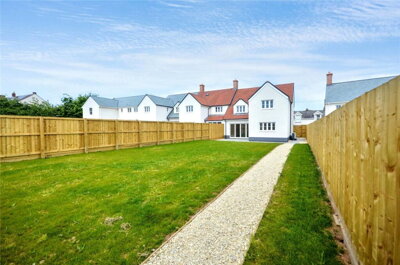
Browse 1 home new builds in Stringston, Somerset from local developer agents.
£0k
0
0
0
Source: home.co.uk
£477,500
Average House Price
181%
Price Growth (12 months)
£560,000
Detached Average
£395,000
Semi-Detached Average
The Sunk Island property market has shown exceptional strength over the past twelve months, with detached properties dominating sales activity in this rural coastal parish. Our data indicates that the average property price of £477,500 reflects strong demand from buyers seeking the space and privacy that this part of East Riding offers. The dominance of detached homes, averaging £560,000, demonstrates the preference for larger properties with gardens and land that characterise the local housing stock.
Property values on specific roads in Sunk Island show varying performance trends that highlight the importance of understanding local micro-markets. Village Road properties have increased 17% from their 2020 peak of £480,000, showing sustained growth in this particular neighbourhood. However, East Bank Road experienced a 32% decline from its 2011 peak of £580,000, while Sunk Island Road saw prices fall 71% from the 2015 peak of £1,000,000. These variations underscore why buyers benefit from detailed research into specific locations before committing to a purchase.
The absence of new-build activity in the HU12 postcode area means that buyers are typically looking at existing properties that may include historic homes with character and charm. Properties in this rural coastal location range from traditional farmhouses and cottages to more modern detached family homes built throughout the twentieth century. The limited housing supply creates competitive market conditions, particularly for well-presented properties in good locations, which can lead to multiple interest and quick sales.
Buyers should also consider the ongoing costs associated with rural property ownership, including potential private drainage systems, off-mains utilities, and insurance considerations specific to coastal locations. Properties in this area may feature septic tanks or cess pits rather than mains sewerage, and buildings insurance costs can reflect the proximity to tidal waters and the low-lying nature of the landscape.
Sunk Island sits on the northern bank of the Humber Estuary in the East Riding of Yorkshire, forming part of a landscape shaped by drainage and agricultural improvement dating back centuries. The area is characterised by flat, fertile farmland with the distinctive sky and open views that define the Humber headlands. Living in Sunk Island means embracing a pace of life that prioritises community, outdoor pursuits, and connection to the natural environment. The parish forms part of the larger civil parish structure and shares ties with neighbouring coastal communities along the estuary.
The local area offers access to the Yorkshire Wolds to the north and the coastal attractions of the East Riding, including nearby towns with essential amenities. Residents benefit from the strong sense of community that small rural parishes provide, with local events, agricultural shows, and community activities forming the social calendar. The proximity to the Humber Estuary makes the area popular with birdwatchers, walkers, and those who appreciate coastal and wetland landscapes. The absence of major through-traffic creates a peaceful environment, while the agricultural character of the surroundings defines the visual landscape of the parish.
Day-to-day life in Sunk Island requires an acceptance of the practical realities of rural coastal living. Local amenities in the immediate village are limited, so residents typically travel to nearby towns for shopping, healthcare, and other services. The larger towns of Hull and Grimsby provide comprehensive retail, medical, and cultural facilities within reasonable driving distance. For those who work remotely or run businesses from home, the peaceful environment and fast internet connections available in many rural properties offer significant advantages.
The Humber Estuary is one of the largest tidal estuaries in the United Kingdom, shaping both the landscape and character of Sunk Island. The area's position on the estuary northern bank means that residents experience dramatic tidal changes and enjoy panoramic views across the water to Lincolnshire on the southern bank. This geography has defined the local economy and community for generations, with fishing, shipping, and agriculture historically forming the backbone of local life. Today, the estuary attracts nature enthusiasts drawn to the diverse bird populations that use the wetlands throughout the year.
The flat topography of the surrounding land means that weather conditions can feel more exposed than in sheltered valley locations, with wind and rain arriving unobstructed across the estuary. However, this same openness provides the sweeping skies and light quality that many residents cite as a key attraction of the area. Seasonal changes bring different qualities to the landscape, from summer months when the fields glow green and wildlife is most active, to winter when the estuarine light creates atmospheric seascapes across the water.

The housing stock in Sunk Island reflects the area's long history of rural habitation and agricultural activity. Detached properties dominate the local market, with many homes built as farmhouses, estate cottages, or substantial private residences set within generous plots. The prevalence of larger detached homes, averaging £560,000, means that buyers seeking more affordable options may need to consider the semi-detached properties available, which average around £395,000.
Traditional construction in this part of East Riding typically features brick external walls under pitched roofs covered with clay or concrete tiles. Older properties may have solid brick walls rather than the cavity wall construction common in more modern buildings, which affects insulation performance and maintenance requirements. Properties dating from different eras will have varying characteristics, with Victorian and Edwardian homes often featuring higher ceilings and more decorative architectural details than post-war properties.
Given the rural coastal setting, prospective buyers should consider how individual properties have been affected by their environment over time. Salt-laden winds from the estuary can accelerate wear on external surfaces and fittings, while the low-lying nature of much of the surrounding land means that drainage and damp penetration require careful attention. A thorough survey is particularly valuable for older properties where maintenance history may be uncertain or where previous owners may have deferred work.
Families considering a move to Sunk Island will find educational options available within reasonable driving distance in the surrounding East Riding area. Primary education is accessible at local village schools in the wider parish network, with the closest primary schools typically serving surrounding communities within a 15-20 minute drive by car. The East Riding of Yorkshire Council maintains a network of primary schools across the region, with admissions determined by catchment area, so prospective buyers should verify school catchment boundaries when considering specific properties.
Several primary schools in nearby towns and villages serve the broader area around Sunk Island, offering education for children from Reception through to Year 6. These smaller rural schools often benefit from close-knit communities and strong relationships between staff and pupils, though class sizes and facilities may differ from larger town schools. Parents are advised to visit potential schools and discuss their specific requirements with educational staff before committing to a property purchase.
Secondary education options include schools in nearby market towns, with several secondary schools and academies serving the wider Hull and East Riding area. When evaluating schools for secondary-age children, parents should research specific school performance data, current Ofsted ratings, and admission policies for schools they are considering. The catchment area for secondary schools can extend across significant distances in rural areas, so transport arrangements require careful planning.
For families requiring sixth form or further education provision, Hull and the surrounding towns offer colleges and sixth form centres providing a wide range of academic and vocational courses. Transport arrangements for secondary school pupils from Sunk Island typically involve school bus services operating on set routes, which families should factor into their planning when evaluating the practical aspects of daily life in this rural location.

Transport connections from Sunk Island reflect its rural coastal location, with residents typically relying on private vehicles for daily commuting and essential journeys. The A1033 road provides the main route connecting Sunk Island to Hull and the wider East Riding road network, passing through several villages before reaching the city outskirts. The proximity to the Humber Bridge offers access to North Lincolnshire and the motorway network beyond, with the M180 accessible via the A15 on the southern bank of the estuary.
Journey times to Hull city centre typically take around 40 minutes by car, making regular commuting feasible for those working in the city while enjoying rural living. Commuters to Hull should be aware that traffic conditions can vary significantly depending on the time of day and any incidents on major routes into the city. For those working in Hull's commercial districts or industrial areas on the eastern side of the city, journey times may be longer depending on exact workplace location and traffic patterns.
Public transport options in the immediate Sunk Island area are limited, consistent with the sparse population typical of rural parishes. Bus services connecting to nearby towns operate on reduced frequencies compared to urban routes, with some services running only on certain days of the week. Residents should verify current timetables for their specific needs and plan accordingly, as relying on public transport for daily commuting would be challenging in this location.
The nearest railway stations are located in Hull and nearby towns, offering connections to major cities including Leeds, York, and London. Hull Paragon station provides regular services to London King's Cross with journey times of approximately 2.5 hours, while regional connections to Leeds and Sheffield offer good options for those travelling further afield for work. For those travelling to employment centres in Hull or Grimsby, the practical reality of rural living means that car ownership is essential for most residents.
Start by exploring current property listings in Sunk Island through Homemove and understand how prices compare to similar rural locations in the East Riding. The average price of £477,500 and the variation between detached and semi-detached properties will help you establish your budget and expectations. Given the limited housing stock in this rural area, it is worth setting up property alerts to be notified quickly when new listings appear.
Before viewing properties, arrange a mortgage agreement in principle with a lender. This strengthens your position when making offers and demonstrates to sellers that you have financing secured. Use Homemove's mortgage comparison tools to find competitive rates and speak to a broker who understands rural property markets where property types and values may differ from standard urban assessments.
Schedule viewings of properties that match your criteria. Given the limited housing stock in this rural area, be prepared to travel to see properties and move quickly on listings that meet your requirements. Take notes and photographs during viewings and ask the selling agent about the property history, any recent works undertaken, and reasons for the current sale.
Once you have an offer accepted, instruct a professional survey to assess the property condition. This is particularly important for older rural properties in coastal locations that may have maintenance issues, period features requiring attention, or potential concerns related to the estuarine environment. A thorough survey will identify any defects and help you negotiate appropriate remedies with the seller if necessary.
Choose a solicitor to handle the legal aspects of your purchase. They will conduct searches including local authority, drainage and water, and environmental searches specific to the coastal location. Review contracts and coordinate with the seller's solicitor through to completion, ensuring all queries about the property and land are resolved before you commit to the purchase.
Your solicitor will arrange for contracts to be signed and deposits paid at exchange. Completion typically follows within days or weeks, when you will receive the keys to your new Sunk Island home. Ensure you have buildings insurance in place from the completion date and have arranged removal logistics for your move to this rural location.
Buying property in Sunk Island requires attention to specific local factors that reflect the area's geography and rural character. The coastal and estuarine location means that flood risk should be carefully considered, and buyers should consult Environment Agency flood maps for the specific property location. Low-lying areas near the Humber Estuary may be susceptible to tidal or surface water flooding, and buildings insurance costs may reflect this risk. A thorough property survey will identify any signs of previous flooding or water damage that may not be immediately apparent.
Given the rural nature of the area and the prevalence of detached properties with land, buyers should assess boundary definitions, access rights, and any rights of way that may cross the property. Agricultural neighbours and farming operations are likely nearby, so understanding the relationship between residential properties and working farmland is important. Properties may have private drainage systems including septic tanks or cess pits rather than mains sewerage, and maintenance responsibilities for these should be clarified before purchase.
The age and construction of properties in Sunk Island varies, with older properties potentially featuring traditional building methods and materials that require specialist knowledge to assess. Older homes may have solid walls, older electrical systems, or outdated plumbing that will need updating. A professional survey provides professional assessment of the property condition and highlights any repairs or upgrades needed. Buyers should also check whether properties are freehold or leasehold, as this affects ownership rights and ongoing costs.
Insurance considerations deserve particular attention when purchasing in this coastal rural location. Buildings insurance premiums may be higher than average due to the proximity to tidal waters and the potential for extreme weather events affecting the low-lying landscape. Prospective buyers should obtain insurance quotes before completing the purchase to ensure they understand the full cost implications of ownership. Some insurers may have restrictions on properties in certain flood risk categories, so early engagement with insurance providers is advisable.
The average house price in Sunk Island over the last year was £477,500. Detached properties average £560,000 while semi-detached homes are around £395,000. The market has shown significant growth with prices rising 181% compared to the previous year and 43% above the 2023 peak of £333,000. This strong appreciation reflects growing demand for rural coastal properties in the East Riding of Yorkshire, with limited new supply entering the market.
Properties in Sunk Island fall under the East Riding of Yorkshire Council tax authority. Specific council tax bands vary by property depending on the valuation band assigned by the council. Prospective buyers should verify the band for any specific property through the East Riding of Yorkshire Council website or by requesting this information during the conveyancing process, as council tax costs form part of the ongoing cost of ownership and can vary significantly between different property types and sizes in the same area.
Sunk Island is a rural parish, so families typically access primary schools in surrounding villages and towns within a 15-20 minute drive. The closest primary schools serve nearby communities and are operated by East Riding of Yorkshire Council, with admissions determined by catchment areas that prospective buyers should verify. Secondary schools are located in nearby market towns serving the wider East Riding area, with transport typically provided via school bus services. When choosing a property, buyers with children should research specific school catchment areas, check current Ofsted ratings, and understand admission policies for schools they are considering.
Public transport connections in Sunk Island reflect its rural character and are limited compared to urban areas. Bus services connect to nearby towns but operate with reduced frequencies, sometimes running only on specific days of the week rather than daily. The nearest railway stations are in Hull and surrounding towns offering regional and national connections, with Hull Paragon providing regular services to London and major northern cities. Journey times to Hull by car take approximately 40 minutes via the A1033 road, making car ownership essential for most residents.
The Sunk Island property market has demonstrated strong performance with prices rising significantly in recent years, with 181% growth over the past twelve months. The combination of limited housing supply, growing interest in rural coastal locations, and the unique character of the area suggests potential for continued appreciation. However, property investment always carries risks and should be based on individual circumstances, planned holding periods, and thorough research into local market conditions. If considering buy-to-let opportunities, investors should also examine rental demand in the wider East Riding area and understand the practical challenges of managing property in a rural location.
Stamp Duty Land Tax rates for standard residential purchases in England are 0% on the first £250,000, 5% on £250,001 to £925,000, 10% on £925,001 to £1.5 million, and 12% on amounts above £1.5 million. First-time buyers benefit from relief on the first £425,000, with 5% charged between £425,001 and £625,000. Given the average property price of £477,500, a typical buyer purchasing at this price would pay approximately £11,375 in stamp duty. Qualifying first-time buyers purchasing at the average price would pay no SDLT on the first £425,000 and 5% on the remaining £52,500.
Given Sunk Island's location on the Humber Estuary and its low-lying coastal position, flood risk is a legitimate consideration for property buyers in the area. The proximity to tidal waters means that some properties, particularly those in lower-lying locations, may face elevated flood risk from tidal surges or surface water during extreme weather events. A professional survey will identify any signs of water damage or previous flooding, and buyers should also consult Environment Agency flood maps and factor potential insurance implications into their purchasing decision before completing the sale.
When viewing properties in Sunk Island, pay particular attention to the condition of the roof and exterior walls given the exposure to coastal weather conditions. Check the age and condition of any private drainage systems such as septic tanks or cess pits, as maintenance and emptying costs can be significant. Ask about the history of any flooding or water ingress, and verify the boundaries of the property and any rights of way that may cross the land. For older properties, assess whether essential systems including electrics, plumbing, and heating have been updated in recent years.
Understanding the full costs of purchasing property in Sunk Island helps you budget accurately for your move. The Stamp Duty Land Tax on a typical Sunk Island property priced at the area average of £477,500 would amount to approximately £11,375 for a standard buyer purchasing with a mortgage. This calculation applies the 5% rate to the portion of the price above £250,000, which spans from £250,001 to £477,500. First-time buyers purchasing properties up to £625,000 may qualify for relief that reduces or eliminates this cost, potentially saving the full £11,375 SDLT bill.
Beyond stamp duty, buyers should budget for solicitor conveyancing fees, which typically start from around £499 for standard transactions but may increase for more complex purchases involving longer chains or unusual property types. Survey costs, particularly a professional property survey, generally start from £350 depending on property value and size. Mortgage arrangement fees, valuation fees, and land registry charges complete the upfront purchase costs. Buildings insurance should be arranged from the point of completion, and buyers should be aware that coastal and rural locations may have specific insurance considerations that affect premium levels.
Ongoing costs after purchase include mortgage repayments, buildings and contents insurance, council tax, utility bills, and maintenance reserves for property upkeep. The East Riding of Yorkshire Council sets annual council tax rates, and buyers should verify the specific band for their property when budgeting for ongoing costs. Setting aside funds for property maintenance is particularly important for older rural properties that may require updates to heating systems, roofing, or electrical wiring over time. Properties in coastal locations may also face higher maintenance costs for external decorations and repairs due to exposure to salt-laden winds.
From 4.5% APR
Finding the right mortgage for your Sunk Island property purchase
From £499
Legal services for your property purchase
From £350
Professional survey for your new home
From £80
Energy performance certificate
Properties New Builds In London

Properties New Builds In Plymouth

Properties New Builds In Liverpool

Properties New Builds In Glasgow

Properties New Builds In Sheffield

Properties New Builds In Edinburgh

Properties New Builds In Coventry

Properties New Builds In Bradford

Properties New Builds In Manchester

Properties New Builds In Birmingham

Properties New Builds In Bristol

Properties New Builds In Oxford

Properties New Builds In Leicester

Properties New Builds In Newcastle

Properties New Builds In Leeds

Properties New Builds In Southampton

Properties New Builds In Cardiff

Properties New Builds In Nottingham

Properties New Builds In Norwich

Properties New Builds In Brighton

Properties New Builds In Derby

Properties New Builds In Portsmouth

Properties New Builds In Northampton

Properties New Builds In Milton Keynes

Properties New Builds In Bournemouth

Properties New Builds In Bolton

Properties New Builds In Swansea

Properties New Builds In Swindon

Properties New Builds In Peterborough

Properties New Builds In Wolverhampton

Enter your details to see if this property is within your budget.
Loans, cards, car finance
Estimated property budget
Borrowing + deposit
You could borrow between
Typical borrowing
Monthly repayment
Est. at 4.5%
Loan-to-value
This is an estimate only. Your actual budget may vary depending on interest rates, credit history, and personal circumstances. For an accurate affordability assessment, speak to one of our free mortgage advisors.
This calculator provides estimates for illustrative purposes only and does not constitute financial advice. Your home may be repossessed if you do not keep up repayments on your mortgage. Estimates based on 4.5% interest rate, repayment mortgage. Actual rates depend on your circumstances.
Homemove is a trading name of HM Haus Group Ltd (Company No. 13873779, registered in England & Wales). Homemove Mortgages Ltd (Company No. 15947693) is an Appointed Representative of TMG Direct Limited, trading as TMG Mortgage Network, which is authorised and regulated by the Financial Conduct Authority (FRN 786245). Homemove Mortgages Ltd is entered on the FCA Register as an Appointed Representative (FRN 1022429). You can check registrations at NewRegister or by calling 0800 111 6768.

We use cookies to show you personalised content and improve your experience of our website. Find out more in our Privacy policy and Cookie policy.