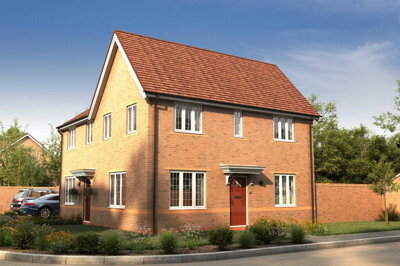
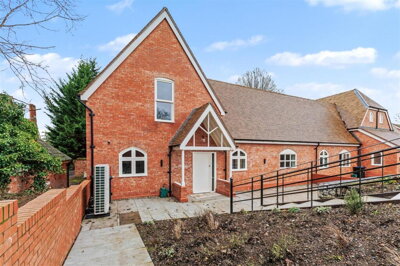
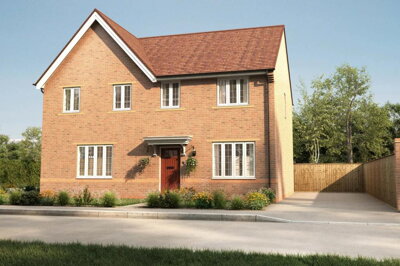
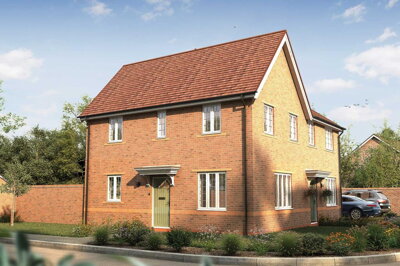
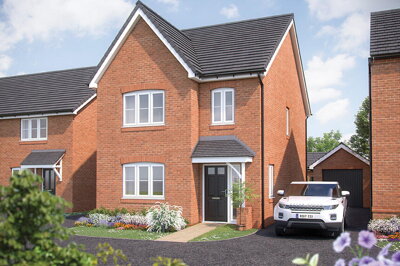
Browse 6 homes new builds in Stratford-upon-Avon from local developer agents.
Three bedroom properties represent a significant portion of the Stratford Upon Avon housing market, offering space for families with multiple reception rooms and gardens in many cases. Browse detached, semi-detached, and terraced options ranging across new residential developments.
The Stratford-upon-Avon property market has demonstrated remarkable resilience and steady growth, with detached properties commanding the highest prices in the area. The average price for a detached home in Stratford-upon-Avon currently stands at approximately £647,935, reflecting the strong demand for spacious family residences with gardens in this desirable location. Semi-detached properties average around £422,544, representing excellent value for buyers seeking generous living space without the premium attached to fully detached homes, with this segment showing an impressive 8.1% increase over the past twelve months. The market saw 413 residential property sales in the last year, with detached properties making up the majority of transactions, demonstrating that buyers in Stratford-upon-Avon prioritise space and character over compact urban living.
Terraced properties in Stratford-upon-Avon average £339,752, though this segment has seen slightly more modest price movements with a 2.0% decrease over the past year, potentially creating opportunities for first-time buyers seeking a foothold in this prestigious market. Flats and apartments have shown steady appreciation with a 1.2% increase year-on-year, appealing to professionals, downsizers, and investors drawn to the town's strong rental demand from tourism and cultural sector workers. Several new build developments are active in and around Stratford-upon-Avon, including Shottery View by Bloor Homes offering 1 to 4-bedroom properties from £175,000 to £545,000, and Taylor Wimpey's Valiant Fields development with prices starting from just £190,000 for a 1-bedroom maisonette. The CV37 postcode area specifically has seen house prices grow by 6.3% in the last year, outpacing the wider West Midlands regional average of 2.0%.
Beyond these established sites, additional new build options provide varied choices for different buyer budgets. Appledown Meadow by Taylor Wimpey offers 3-bedroom semi-detached and detached homes starting from £310,000, while Abbey Grange presents 2 and 3-bedroom semi-detached options from £299,000. For those preferring village locations within the district, The Vineyards at Bearley offers prestigious houses and bungalows from £695,000 to over £750,000, and The Lawns at Snitterfield provides nine three-bedroom homes priced from £450,000. These developments demonstrate the range of new build opportunities across different price points within the Stratford-upon-Avon area.

Stratford-upon-Avon occupies a special place in English cultural history as the birthplace of William Shakespeare, and this heritage shapes every aspect of daily life in the town. The population stands at approximately 30,495 according to the 2021 Census, with estimates suggesting growth to around 33,368 by 2024, reflecting the increasing popularity of this Warwickshire town as a place to live and raise a family. The town centre retains its medieval layout with timber-framed buildings, many dating back centuries, alongside elegant Georgian and Victorian properties that reflect the prosperity brought by tourism and the theatre. The population of the wider Stratford-on-Avon district increased by 11.8% between 2011 and 2021, demonstrating that the area continues to attract new residents seeking its unique blend of history, culture, and quality of life.
The local economy thrives on tourism, with Shakespeare's Birthplace, Anne Hathaway's Cottage, and the Royal Shakespeare Theatre drawing millions of visitors annually. This creates a vibrant atmosphere throughout the year, with street performers, markets, and cultural events enriching the town centre. Despite its international fame, Stratford-upon-Avon maintains a distinctly rural feel, with the Warwickshire Avon Valley providing scenic walking and cycling routes along the river. Local amenities include excellent butchers, bakers, and independent shops alongside major supermarkets, ensuring residents enjoy both convenience and character. The town hosts several theatres beyond the Royal Shakespeare Company, including The Bear Pit Theatre and The Attic Theatre, creating a thriving arts scene that supports local employment and community cohesion. Weekend farmers' markets, historic pubs serving local ales, and riverside cafes contribute to an enviable lifestyle that combines small-town charm with cultural richness typically found in much larger cities.
The architecture throughout Stratford-upon-Avon tells the story of its evolution from a medieval market town to the cultural destination it is today. Early buildings used timber frames constructed from wood harvested from the nearby Forest of Arden, often with wattle and daub infill panels. More prestigious structures were built using local stones including Arden Sandstone, Warwick Sandstone, and Blue Lias, which was particularly popular for footings and paving. Following devastating fires between 1594 and 1641, brick construction became more prevalent as tile began replacing thatched roofs, and Georgian-era prosperity brought further changes as many timber-framed buildings were rendered with stucco to imitate fashionable stone facades. Understanding these construction methods helps buyers appreciate the character of different properties while recognising potential maintenance considerations.

Families considering a move to Stratford-upon-Avon will find an impressive selection of educational institutions serving the town and surrounding villages. King Edward VI School is one of the town's most prestigious secondary schools, operating as a selective grammar school that consistently achieves strong academic results and attracts students from across the wider area. Stratford-upon-Avon School serves as a comprehensive secondary option, providing a broad curriculum and various extracurricular activities for students of all abilities. The wider Stratford-on-Avon district offers additional choices including Alcester Academy and Shipston High School, both providing good secondary education for families in neighbouring communities within the district.
Primary education in Stratford-upon-Avon is well-served by several highly regarded infant and junior schools, with many enjoying favourable Ofsted ratings and strong reputations among local parents. Schools such as Trinity Close Primary School and Shottery St Andrew's Primary School serve the immediate town area, while village primaries in Tiddington, Wilmcote, and Welford provide excellent options for families preferring rural settings. For families requiring childcare and early years education, numerous nurseries and pre-schools operate throughout the town, often associated with primary schools or operating independently. The presence of Stratford-upon-Avon College provides further education opportunities for older students, offering vocational courses and A-levels that serve school-leavers from across Warwickshire. Parents should note that catchment areas for popular schools can be competitive, making early property search advisable for families prioritising access to specific educational institutions.
Stratford-upon-Avon benefits from excellent transport connections that make it practical for commuters while preserving its historic character away from major motorway corridors. The town sits conveniently close to junction 15 of the M40 motorway, providing direct access to Birmingham to the northwest and Oxford, Bicester, and London to the southeast. Journey times to Birmingham city centre typically take around 45 minutes by car, while London can be reached in approximately two hours depending on traffic conditions. The A46 provides an alternative route to Coventry and the wider strategic road network, with improvements to this route ongoing to reduce congestion and improve journey reliability. For air travel, Birmingham Airport is approximately 30 miles away, offering domestic and international flights including connections to European holiday destinations and major business hubs.
Rail services from Stratford-upon-Avon station provide regular connections to Birmingham Moor Street and Birmingham Snow Hill, with journey times of around 50-60 minutes making day commuting highly practical. The station has benefited from investment in recent years, improving facilities and passenger experience despite the town's historic character creating constraints on platform expansion. Bus services operated by various providers connect Stratford-upon-Avon with surrounding villages and nearby towns including Warwick, Leamington Spa, and Evesham, providing essential transport for those without cars. Within the town itself, cycling infrastructure has improved with dedicated lanes on some roads, though the historic street layout creates limitations for cycle provision in the oldest areas. Parking in the town centre can be challenging during peak tourist seasons, though several car parks serve different areas and resident parking schemes operate in residential streets near the centre.
Before beginning your property search in Stratford-upon-Avon, secure a mortgage agreement in principle from a lender. This demonstrates your financial credibility to estate agents and sellers, giving you a competitive edge when making offers on desirable properties. Factor in the area's average price of £421,000 and ensure your borrowing capacity aligns with Stratford-upon-Avon's property market.
Explore the distinct character of different areas within Stratford-upon-Avon, from the riverside properties near Waterside to family homes in Shottery and period properties in the town centre conservation areas. Consider proximity to schools, transport links, and flood risk areas when evaluating locations, as these factors significantly impact daily life and future resale value.
Contact local estate agents through Homemove to arrange viewings of properties matching your criteria. View properties at different times of day to assess noise levels, lighting, and neighbourhood atmosphere. For period properties, pay particular attention to the condition of roofs, timber frames, and any signs of damp common in older construction.
Before completing your purchase, arrange a RICS Level 2 Home Survey to assess the property's condition thoroughly. In Stratford-upon-Avon, with its mixture of timber-framed, Georgian, and Victorian properties, a professional survey is essential to identify defects such as damp, roof issues, or potential subsidence from the underlying Mercia Mudstone geology.
Appoint a solicitor experienced in Stratford-upon-Avon property transactions to handle the legal aspects of your purchase. Your solicitor will conduct local searches including flood risk and drainage searches specific to Warwickshire, check planning permissions on any extensions, and manage the transfer of ownership through to completion.
Once all searches are satisfactory and financing is confirmed, your solicitor will exchange contracts and agree a completion date. On completion day, the remaining funds are transferred and you receive the keys to your new Stratford-upon-Avon home, ready to begin enjoying everything this historic Warwickshire town has to offer.
Properties in Stratford-upon-Avon present unique considerations that buyers should carefully evaluate before committing to a purchase. The town's location on the River Avon creates a significant flood risk for certain areas, with properties on Warwick Road, Tiddington Road, Bridgefoot, Waterside, Shipston Road area, Avonside, Saffron Walk, Stratford Racecourse area, and Luddington Road particularly vulnerable to fluvial flooding during periods of heavy rainfall. While flood risk for the coming days is typically very low, buyers should obtain a thorough understanding of a property's flood history and consider whether appropriate insurance coverage is available and affordable. Surface water flooding can also occur throughout the town due to the local geology, so a comprehensive property survey should assess drainage systems and any signs of previous water ingress.
The underlying Mercia Mudstone geology presents potential shrink-swell risks that could affect property foundations over time, particularly for older properties with less robust construction methods. Traditional timber-framed buildings, which are common in Stratford-upon-Avon's older housing stock, require careful inspection for signs of woodworm, rot, or structural movement. Many properties in conservation areas may be listed buildings requiring specialist surveys and consent for alterations, with the RICS Level 3 Building Survey recommended for older or more complex properties. Service charges and ground rent should be carefully reviewed for any leasehold properties, as these can vary significantly and include provisions that may affect future saleability. Buyers should also verify that any extensions or alterations have appropriate planning permission and building regulations approval, as historical works may not have been properly documented.
The age and construction of properties throughout Stratford-upon-Avon also brings specific considerations for buyers. Many period properties feature traditional roof materials such as Welsh slate, plain tile, or even straw thatch on older cottages, each requiring different maintenance approaches and carrying varying insurance implications. Traditional construction methods using permeable materials like earth, stone, brick, and timber allow properties to absorb and release moisture naturally, which means adequate ventilation is essential to prevent damp issues. Properties built with local Blue Lias stone for footings and paving may show different wear patterns compared to those using imported materials, and understanding these local building traditions helps buyers appreciate both the character and the maintenance needs of their potential new home.
The average house price in Stratford-upon-Avon was approximately £421,000 as of February 2026, representing a rise of 0.7% over the previous twelve months. Other data sources indicate an overall average of £445,218 over the last year, which is 9% up on the previous year. Detached properties average around £647,935, semi-detached homes average £422,544, and terraced properties average £339,752. The wider CV37 postcode area saw prices grow by 6.3% over the past year, outpacing the West Midlands regional average of 2.0%. Property prices in Stratford-upon-Avon have consistently outperformed regional averages, demonstrating sustained demand for homes in this historic market town.
Properties in Stratford-upon-Avon fall under Stratford-on-Avon District Council's council tax banding system. Bands range from A through to H, with the specific band determined by the property's assessed value. Most standard family homes in the town typically fall into bands C through E, while larger period properties and detached family homes may be banded higher. You can check the specific band for any property through the Valuation Office Agency website using the property address, which is useful information when budgeting for ongoing costs alongside mortgage payments and maintenance.
Stratford-upon-Avon offers excellent educational options for families at all levels. King Edward VI School is a prestigious selective grammar school with outstanding academic results that attracts students from across Warwickshire. Stratford-upon-Avon School serves as a high-achieving comprehensive option for secondary education. For primary education, schools including Trinity Close Primary School and Shottery St Andrew's Primary School enjoy strong reputations among local parents. Stratford-upon-Avon College provides further education opportunities including A-levels and vocational courses. Many families choose their property location based on school catchment areas, making early property search advisable if school placement is a priority for your household.
Stratford-upon-Avon has good transport connections for a town of its size, balancing its historic character with practical accessibility. The railway station provides regular services to Birmingham Moor Street and Birmingham Snow Hill, with journey times of around 50-60 minutes making day commuting highly practical for workers in the city. The M40 motorway is accessible at junction 15, providing road connections to Birmingham, Oxford, and London for those who prefer driving. Bus services connect the town with surrounding villages and nearby towns including Warwick and Leamington Spa, while Birmingham Airport is approximately 30 miles away for air travel needs. Within the town, cycling lanes have improved in recent years, though the medieval street layout limits provision in the oldest areas around Henley Street and Wood Street.
Stratford-upon-Avon has historically shown strong property price growth, with prices rising 9% year-on-year and currently exceeding previous peaks set in 2022. The town's international appeal as a tourist destination and cultural centre supports consistent demand from both buyers and renters alike. The strong tourism sector driven by Shakespeare's Birthplace and the Royal Shakespeare Company creates employment that underpins the local economy. The steady population growth in the wider district, which increased by 11.8% between 2011 and 2021, suggests continued demand for housing in the area. However, investors should be aware of potential flood risks in certain areas located near the River Avon and should factor in appropriate insurance costs when calculating rental yields.
Stamp Duty Land Tax rates for standard purchases are 0% on the first £250,000 of property value, 5% on the portion from £250,001 to £925,000, 10% on the portion from £925,001 to £1.5 million, and 12% on any amount above £1.5 million. First-time buyers benefit from increased thresholds: 0% on the first £425,000 and 5% on the portion from £425,001 to £625,000, with no relief available above £625,000. Given Stratford-upon-Avon's average price of around £421,000, most standard purchases by non-first-time buyers would incur no stamp duty on the first £250,000, resulting in duty on £171,000 at the 5% rate, which equals £8,550.
Flood risk is a significant consideration when buying in Stratford-upon-Avon due to the town's position on the River Avon. Properties along Warwick Road, Tiddington Road, Bridgefoot, Waterside, Shipston Road area, Avonside, Saffron Walk, Stratford Racecourse area, and Luddington Road face the highest fluvial flood risk from the river and its tributaries. Surface water flooding is also a concern throughout the town due to the local geology and topography, particularly during periods of heavy rainfall. Groundwater flood risk is generally classified as low across most of the district. As of early 2026, there are currently no flood warnings in force for the River Avon at Stratford-upon-Avon, with flood risk for the coming days typically very low. A thorough property survey and drainage assessment are recommended, particularly for properties in identified flood risk zones.
Stratford-upon-Avon's housing stock reflects its long history, with traditional timber-framed buildings common in medieval and Tudor-era properties, often featuring wattle and daub infill panels. Georgian and Victorian-era properties frequently use brick construction following the fires of the late 16th and early 17th centuries that prompted a shift away from thatched roofs. Local building stones including Arden Sandstone, Warwick Sandstone, Blue Lias, and Hornton Stone were used for prestigious buildings and remain visible throughout the conservation areas. Many older timber-framed buildings were rendered with stucco during the Georgian period to mimic stone, with varying degrees of this covering remaining today. Traditional roof materials include Welsh slate, plain tile, and occasionally straw thatch on the oldest cottages, each requiring specialist maintenance knowledge.
Understanding the full cost of purchasing property in Stratford-upon-Avon is essential for budgeting effectively, as costs extend well beyond the property purchase price itself. The current Stamp Duty Land Tax thresholds for 2024-25 apply zero duty on the first £250,000 of residential property purchases, with 5% charged on the portion between £250,001 and £925,000. For the portion from £925,001 to £1.5 million, the rate increases to 10%, with 12% applied to any value above £1.5 million. Given that Stratford-upon-Avon's average property price sits around £421,000, most buyers purchasing at or near the average price would pay stamp duty only on the amount exceeding £250,000, which would be £171,000 at the 5% rate, resulting in a stamp duty bill of £8,550 for standard purchasers.
First-time buyers benefit from more generous reliefs under the First-Time Buyer Relief scheme, with zero stamp duty payable on the first £425,000 and 5% charged on the portion from £425,001 to £625,000. For a first-time buyer purchasing a property at Stratford-upon-Avon's average price of £421,000, no stamp duty would be due at all. However, no relief is available for any portion above £625,000, which affects higher-value properties including many detached homes in the area averaging £647,935. Beyond stamp duty, buyers should budget for solicitor conveyancing costs typically ranging from £500 to £1,500 depending on complexity, mortgage arrangement fees of 0-0.5% of the loan amount, and a RICS Level 2 Home Survey costing between £395 and £1,250 in the Stratford-upon-Avon area depending on property size and value. Removal costs, surveyor's valuations required by lenders, and potential renovation works should also be factored into your total budget for moving to your new Stratford-upon-Avon home.
From 4.5%
Get competitive mortgage rates for your Stratford-upon-Avon purchase
From £499
Expert legal services for your property purchase
From £395
Professional property survey for Stratford-upon-Avon homes
From £85
Energy performance certificate for your new home
Properties New Builds In London

Properties New Builds In Plymouth

Properties New Builds In Liverpool

Properties New Builds In Glasgow

Properties New Builds In Sheffield

Properties New Builds In Edinburgh

Properties New Builds In Coventry

Properties New Builds In Bradford

Properties New Builds In Manchester

Properties New Builds In Birmingham

Properties New Builds In Bristol

Properties New Builds In Oxford

Properties New Builds In Leicester

Properties New Builds In Newcastle

Properties New Builds In Leeds

Properties New Builds In Southampton

Properties New Builds In Cardiff

Properties New Builds In Nottingham

Properties New Builds In Norwich

Properties New Builds In Brighton

Properties New Builds In Derby

Properties New Builds In Portsmouth

Properties New Builds In Northampton

Properties New Builds In Milton Keynes

Properties New Builds In Bournemouth

Properties New Builds In Bolton

Properties New Builds In Swansea

Properties New Builds In Swindon

Properties New Builds In Peterborough

Properties New Builds In Wolverhampton

Enter your details to see if this property is within your budget.
Loans, cards, car finance
Estimated property budget
Borrowing + deposit
You could borrow between
Typical borrowing
Monthly repayment
Est. at 4.5%
Loan-to-value
This is an estimate only. Your actual budget may vary depending on interest rates, credit history, and personal circumstances. For an accurate affordability assessment, speak to one of our free mortgage advisors.
This calculator provides estimates for illustrative purposes only and does not constitute financial advice. Your home may be repossessed if you do not keep up repayments on your mortgage. Estimates based on 4.5% interest rate, repayment mortgage. Actual rates depend on your circumstances.
Homemove is a trading name of HM Haus Group Ltd (Company No. 13873779, registered in England & Wales). Homemove Mortgages Ltd (Company No. 15947693) is an Appointed Representative of TMG Direct Limited, trading as TMG Mortgage Network, which is authorised and regulated by the Financial Conduct Authority (FRN 786245). Homemove Mortgages Ltd is entered on the FCA Register as an Appointed Representative (FRN 1022429). You can check registrations at NewRegister or by calling 0800 111 6768.

We use cookies to show you personalised content and improve your experience of our website. Find out more in our Privacy policy and Cookie policy.