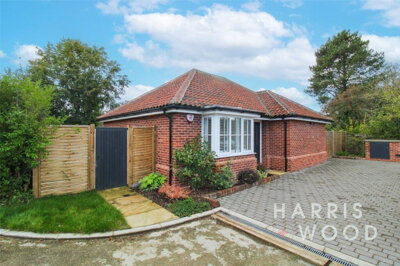
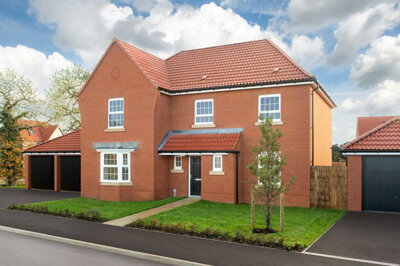
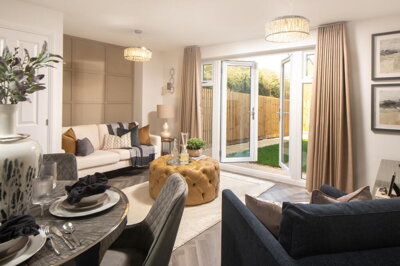
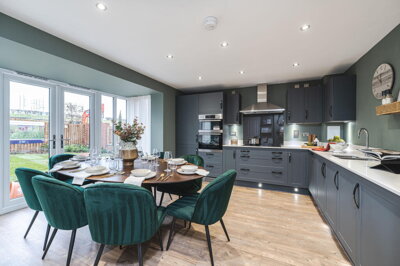
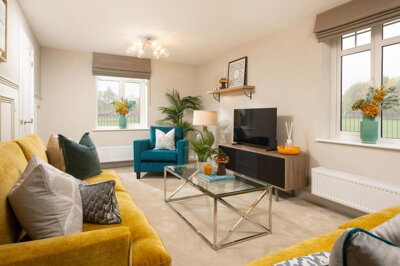
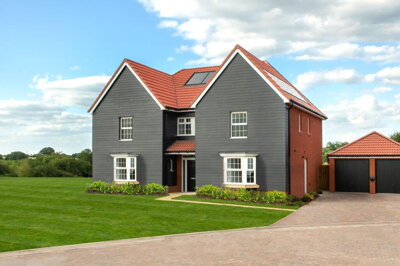
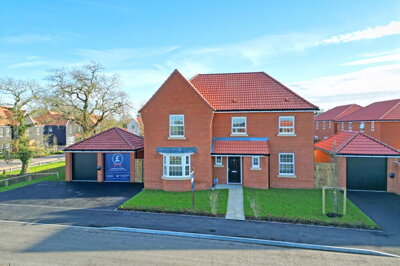
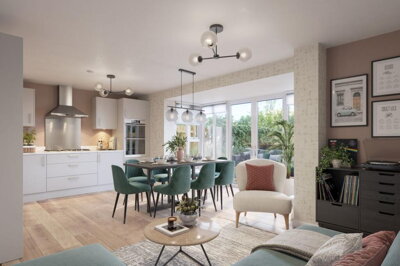
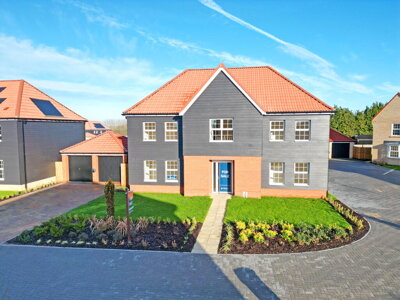
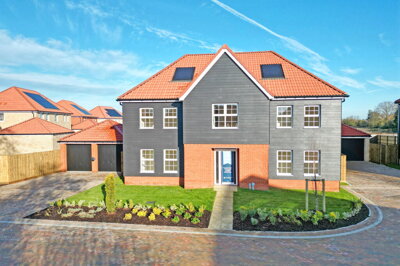
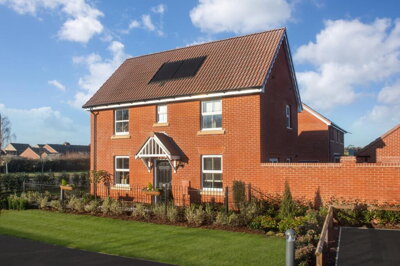
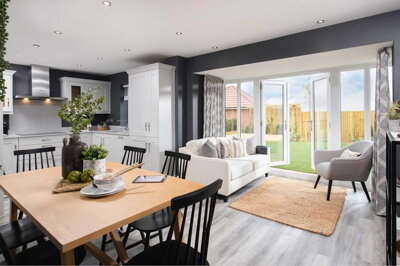
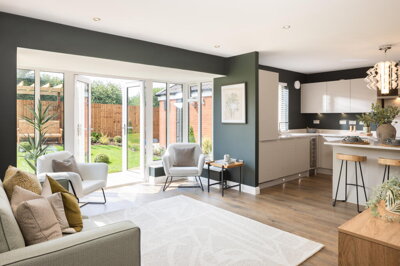
Browse 13 homes new builds in Stratford St. Mary from local developer agents.
The Drighlington property market presents a diverse range of options for buyers, with property types to suit various budgets and lifestyles. Detached properties command the highest prices, averaging between £372,681 and £395,800 depending on the source consulted. These spacious homes typically offer generous gardens, multiple reception rooms, and the privacy that many families seek when putting down roots in an established neighbourhood. The premium for detached accommodation reflects the strong demand from buyers upgrading from smaller properties or relocating from Leeds city centre.
Semi-detached homes form the backbone of Drighlington's housing stock, with average prices hovering around £265,000 according to both Zoopla and Rightmove data. This property type accounts for the majority of sales in the area, offering an excellent balance of space and affordability. Terraced properties provide the most accessible entry point to the local market, with averages of approximately £196,500, making them particularly attractive to first-time buyers and investors. Flats remain relatively scarce in the village, which contributes to the area's predominantly residential character and keeps the supply limited for those seeking lower-maintenance accommodation.
New build opportunities are emerging at Spring Meadow, a development featuring stylish three and four-bedroom passive homes with high specifications and energy-efficient designs. These properties include stamp duty incentives of up to £7,000, making them an appealing consideration for buyers seeking modern living with reduced running costs. The broader BD11 1 postcode sector recorded 249 property transactions, demonstrating the healthy volume of activity in this part of West Yorkshire. Property Solvers data using HM Land Registry figures suggests an average house price of £348,333, indicating that higher-value properties are also changing hands regularly in the area.

Drighlington retains much of its historic village character despite being part of the Leeds metropolitan area, offering residents a strong sense of community alongside practical urban accessibility. The village centre features local amenities including shops, pubs, and essential services, while the surrounding area provides extensive green spaces and countryside walks that appeal to outdoor enthusiasts. The community atmosphere makes Drighlington particularly suitable for families and those seeking a quieter lifestyle without sacrificing access to urban conveniences.
The BD11 postcode area encompasses several neighbouring communities including Birkenshaw, which shares facilities and amenities with Drighlington. Local residents benefit from a range of sporting and recreational facilities, with parks and open spaces providing venues for community events and activities throughout the year. The proximity to Leeds city centre, approximately 7 miles away, means that cultural attractions, shopping destinations, and employment opportunities remain easily accessible via regular public transport links. Many residents enjoy the best of both worlds by living in Drighlington while working in the city.
Property prices in the wider BD11 district have shown consistent appreciation, with values growing 4.6% in the last year alone, or 0.7% after accounting for inflation. This steady growth reflects the ongoing appeal of the area to buyers who recognise the value offered by village life within commuting distance of a major city. Historical data shows sold prices running 7% above the previous year and 5% above the 2023 peak of £288,659, indicating sustained demand from buyers who appreciate the area's combination of affordability and quality of life. The village hosts various community events throughout the year, from summer fairs to Christmas celebrations, fostering the strong neighbourhood connections that make Drighlington feel like home to long-term residents.

Understanding the housing stock in Drighlington helps prospective buyers appreciate what different properties offer in terms of character, maintenance requirements, and renovation potential. The majority of properties in the village were constructed during the mid-20th century expansion, with semi-detached houses built during the 1950s and 1960s forming a significant proportion of the residential stock. These post-war properties typically feature solid brick construction, pitched roofs with slate or tile coverings, and layouts designed for family living with separate dining rooms and generous rear gardens.
Detached properties in Drighlington often date from the 1970s and 1980s, representing the era when larger family homes became more common in suburban and village locations. These properties generally offer more generous room proportions, larger gardens, and the privacy of not sharing walls with neighbours. The terraced housing stock provides a glimpse into Drighlington's earlier development, with some properties potentially dating back to the late 19th or early 20th century when the village was more self-contained. Older terraced properties may feature original features such as fireplaces, wooden floorboards, and decorative ceiling roses that appeal to those seeking period character.
When purchasing any property in Drighlington, we recommend commissioning a thorough survey to assess the condition of the building fabric, services, and any potential issues arising from the property's age and construction type. Our inspectors regularly encounter typical concerns in local properties, including the condition of roof coverings on mid-century houses, the integrity of rendering on bay fronted elevations, and the state of original timber windows that may require upgrading or replacement. Understanding these factors before completing your purchase enables you to budget accurately for any necessary work and negotiate confidently based on the property's actual condition.
Families considering a move to Drighlington will find a selection of educational establishments serving the local community, with primary schools feeding into secondary schools in the surrounding area. The village falls within the Leeds local education authority, which oversees school admissions and maintains standards across the metropolitan district. Parents should research specific catchment areas when considering properties, as school places are allocated based on proximity to the school and residential address. Visiting schools and meeting with headteachers can provide valuable insights beyond official statistics and performance tables.
Primary education in Drighlington includes schools within the village itself, serving families who value short walking distances for younger children. The local primary schools have established reputations within the community, with many families choosing properties specifically to secure places at particular establishments. For secondary education, several options exist within the wider BD11 postcode area and beyond, with schools accessible via school buses or the regular public transport connections that link Drighlington to surrounding towns. The Leeds eastern doublestorey arrangement provides additional secondary school places for families in the area, with several establishments within reasonable commuting distance by bus or car.
When purchasing property in Drighlington, prospective buyers with school-age children should verify current school performance data, admission policies, and transport arrangements. Sixth form provision is available at secondary schools in the region, with further education colleges accessible for students pursuing vocational qualifications or specialised courses. The proximity to Leeds city centre also opens access to a wider range of educational institutions including grammar schools, independent schools, and specialist colleges. Many families find that Drighlington's position offers educational flexibility, with options ranging from village primaries through to city grammar schools and colleges, depending on family preferences and admission outcomes.
Drighlington benefits from convenient transport connections that make commuting to Leeds city centre straightforward for residents who work in the professional and service sectors. The village sits near the A657 and is well positioned for accessing the Leeds outer ring road network, connecting residents to employment hubs across the metropolitan area. Bus services operate regular routes connecting Drighlington with Leeds and surrounding towns, providing an affordable alternative to car travel for commuters. The frequency and reliability of these services make car-free commuting feasible for many residents who work regular office hours.
For those travelling further afield, the M62 motorway passes nearby, providing direct access to Manchester to the west and Hull to the east, while the M1 provides north-south connectivity through West Yorkshire. Rail services are accessible from stations in Leeds and nearby towns, with East Lancashire having direct lines to major cities including Manchester, Liverpool, and London via the West Coast Main Line. The Leeds Bradford Airport, located within reasonable driving distance, offers domestic and European flights for business and leisure travel. Many professionals appreciate how Drighlington's position provides easy access to the airport without the premium property prices charged in areas closer to the terminal.
Cycling infrastructure in the area continues to improve, with routes connecting Drighlington to surrounding villages and Leeds city centre for those who prefer environmentally friendly commuting options. Local cycle paths and quieter country lanes provide pleasant routes for recreational cycling at weekends, with the surrounding West Yorkshire countryside offering scenic routes for more adventurous riders. Parking provision in the village accommodates residents with cars, while the good transport links reduce the necessity for multiple vehicles per household. This combination of transport options contributes to Drighlington's appeal for buyers who need flexibility in how they travel for work and leisure.
Spend time exploring Drighlington at different times of day to understand the character of different neighbourhoods within the village and surrounding BD11 postcode area. Visit local shops and amenities, check the proximity to your workplace, and familiarise yourself with the types of properties available at various price points. Walking the streets during both weekday evenings and weekends gives you a genuine feel for the community atmosphere that distinguishes one street from another.
Contact lenders or brokers to obtain an agreement in principle before viewing properties. Having this document ready strengthens your position when making offers and demonstrates your financial readiness to estate agents. Given that average Drighlington property prices sit around £297,888, understanding your borrowing capacity helps you focus your search on properties you can realistically afford. Brokers familiar with the Leeds property market can advise on the most suitable mortgage products for your circumstances.
Use Homemove to browse listings and schedule viewings of properties matching your criteria. Take notes on condition, location within the village, and proximity to transport links and schools. Viewing multiple properties helps you understand what represents fair value in the current market, as price differences may reflect condition, position, or specific features rather than obvious deficiencies. Photograph properties you are seriously considering so you can compare them afterwards.
Once you find your ideal property, submit a competitive offer based on comparable sales data. Your estate agent can advise on appropriate offer levels given current market conditions in Drighlington, where prices have risen 4.42% over the past year. Consider factors including the property's condition, how long it has been on the market, and the vendor's circumstances when deciding your opening offer. Negotiating effectively requires balancing competitiveness with protecting your budget.
Before completing, arrange an independent survey to assess the property condition and identify any issues requiring negotiation or repair. Our inspectors check properties thoroughly, looking at the structure, roof, walls, plumbing, electrical systems, and other key components. For a typical Drighlington property priced around the £300,000 average, a Level 2 survey provides essential protection against discovering costly defects after you have committed to the purchase.
Appoint a solicitor to handle the legal transfer of ownership, conduct searches, and manage the completion process through to handover. Searches typically include local authority checks, environmental searches, and drainage and water enquiries that can reveal issues affecting the property. Your solicitor will also handle the transfer of funds and registration of your ownership with the Land Registry, ensuring the transaction proceeds smoothly and legally.
Prospective buyers should carefully consider the age and construction type of properties in Drighlington, as the village contains housing stock from various eras. Properties built before 1980 may have different maintenance requirements compared to newer builds, and understanding potential issues like damp, roof condition, and outdated electrics helps inform your offer and future renovation budget. Requesting sellers' property information forms and reviewing any relevant surveys provides valuable context about the home's condition. Our inspectors frequently find that mid-century semi-detached properties in the area benefit from solid construction but may require updating of services installed when the houses were first built.
The majority of properties in Drighlington are freehold houses, which provides certainty around ground rent and service charges that can affect leasehold flats elsewhere. However, prospective buyers should still verify tenure arrangements for any specific property and understand what management responsibilities come with the purchase. Properties on private estates may have additional covenants or maintenance obligations that affect ongoing costs, so reviewing the title documents carefully helps avoid unexpected commitments. Checking for any planned maintenance or service charge contributions for communal areas protects you from surprise costs after completion.
Transport connectivity varies within the village depending on your specific location, so consider walking distances to bus stops and local amenities when evaluating different properties. School catchment boundaries can significantly impact property values and resale potential, so families should confirm their intended property falls within desirable school admission areas. The proximity to Leeds city centre remains a key factor in Drighlington's appeal, with properties offering easy commuting access typically commanding premiums in the local market. Properties on quieter roads away from main bus routes may offer better value but consider how this affects your daily travel requirements and the potential preferences of future buyers.
According to recent data from Zoopla and Rightmove, the average house price in Drighlington stands at approximately £297,888 to £302,413 depending on the source consulted. Property Solvers, using HM Land Registry data, reports an average of £348,333, suggesting higher-value properties are included in the calculation. Property prices have increased by 4.42% over the past 12 months, with detached properties averaging around £372,000 to £395,000, semi-detached homes at approximately £265,000, and terraced properties at around £196,500. The wider BD11 postcode area has performed particularly well, with prices 10% above the previous year and 11% above the 2023 peak.
Properties in Drighlington fall under Leeds City Council administration for council tax purposes, with the village forming part of the Leeds metropolitan district. Specific banding depends on the property's valuation and size, with typical residential properties ranging from Band B to Band E depending on whether you are looking at a modest terraced home or a larger detached property. Prospective buyers should check the Valuation Office Agency website for specific banding information on individual properties they are considering purchasing, as band placement affects annual running costs.
Drighlington is served by primary schools within the village and surrounding area, with the specific best school depending on current performance data, individual child needs, and admission criteria. The village falls within the Leeds local education authority, and families should research current Ofsted ratings and admission policies, as catchment boundaries can influence which children are offered places at oversubscribed schools. Secondary schools in the wider BD11 area and Leeds provide additional options, with several schools accessible by bus from the village. Many families view educational choice as a key factor when deciding where to buy in the Drighlington area.
Drighlington has regular bus services connecting the village to Leeds city centre and surrounding towns, making car-free commuting feasible for many residents who work in the city. The nearest rail stations are located in Leeds and nearby towns, providing access to the national rail network for longer journeys. The M62 motorway is within easy reach for those who drive, connecting the area to Manchester, Hull, and the broader motorway network that serves the North of England. Leeds Bradford Airport is accessible for domestic and international travel, with many residents appreciating the convenience of having flights available without living in more expensive airport suburbs.
The Drighlington property market has demonstrated consistent growth, with prices rising 4.42% over the past year and the wider BD11 area showing 10% appreciation compared to the previous year. The combination of village character, good transport links, and proximity to Leeds makes the area attractive to both owner-occupiers and investors seeking properties with strong resale potential. Strong rental demand from commuters working in Leeds supports buy-to-let investment, though prospective landlords should understand their obligations regarding energy performance standards and tenant rights. The limited supply of flats in the village means that any rental property in this category may face less competition, potentially supporting rental yields.
Stamp duty Land Tax rates for 2024-25 start at 0% on the first £250,000 of residential property purchases, rising to 5% on the portion between £250,001 and £925,000. Properties priced between £925,001 and £1.5 million incur 10% stamp duty, with 12% applying above £1.5 million. First-time buyers benefit from increased thresholds, paying 0% on the first £425,000 and 5% between £425,001 and £625,000. Spring Meadow new build properties offer stamp duty incentives of up to £7,000, which can significantly reduce overall purchase costs for buyers who qualify for these developer incentives.
When viewing properties in Drighlington, pay attention to the condition of original features in older properties, including timber windows, fireplaces, and wooden floorboards that may require maintenance or replacement. Check the roof coverings on properties of all ages, as roof condition is one of the most common issues identified in surveys across the Leeds area. For mid-century semi-detached properties, examine the condition of rendering, bay windows, and any extensions that may have been added over the years. Understanding the orientation of the garden, the position of neighbouring properties, and the street noise levels helps you assess whether a property will suit your lifestyle long-term.
Properties in Drighlington span several construction eras, each with characteristic concerns that our inspectors frequently encounter during surveys. Mid-century properties built during the 1950s and 1960s may have original electrical systems and plumbing that require updating to meet modern standards, while roofs on properties from this period often need attention after several decades of weathering. Some terraced properties dating from the early 20th century may have experienced settlement over the years, though significant structural movement is relatively uncommon in the area. Commissioning a professional survey before completing your purchase provides the most reliable assessment of any property's condition.
From £350
A professional survey to assess the condition of the property and identify any issues requiring attention
From £450
A detailed building survey providing comprehensive analysis of all accessible areas of the property
From £80
Energy performance certificate required for all property sales
From £499
Legal services to handle the transfer of ownership
Understanding the full costs of purchasing property in Drighlington helps you budget accurately and avoid financial surprises during the transaction. Beyond the property price, buyers should budget for stamp duty Land Tax, solicitor fees averaging £800 to £1,500 for conveyancing, survey costs ranging from £350 for a Level 2 homebuyer report to £600 or more for a detailed Level 3 building survey, and removal expenses. Search fees, Land Registry fees, and mortgage arrangement fees add further costs that together can amount to several thousand pounds on a typical Drighlington purchase.
The stamp duty thresholds for 2024-25 mean that a typical Drighlington property priced at the area average of approximately £300,000 would incur stamp duty of £2,500 for a buyer who has previously owned property. First-time buyers purchasing at this price point would pay zero stamp duty on the first £425,000, resulting in no SDLT liability on a £300,000 purchase. These thresholds represent significant savings compared to the rates that applied before the reforms, making property more accessible for buyers entering the market. Spring Meadow new build properties may qualify for developer incentives of up to £7,000, providing additional savings that effectively reduce the purchase price for eligible buyers.
Additional ongoing costs to consider include annual council tax payments to Leeds City Council, buildings insurance typically ranging from £200 to £500 per year depending on property value, and ground rent or service charges if purchasing a leasehold property. Energy costs for larger family homes in Drighlington average between £1,500 and £2,000 annually, though modern properties like those at Spring Meadow offer significantly reduced energy bills through passive design features. Planning these costs alongside your mortgage repayments ensures you can comfortably afford your new home from day one, with the confidence that comes from understanding exactly what your monthly commitments will be.
Properties New Builds In London

Properties New Builds In Plymouth

Properties New Builds In Liverpool

Properties New Builds In Glasgow

Properties New Builds In Sheffield

Properties New Builds In Edinburgh

Properties New Builds In Coventry

Properties New Builds In Bradford

Properties New Builds In Manchester

Properties New Builds In Birmingham

Properties New Builds In Bristol

Properties New Builds In Oxford

Properties New Builds In Leicester

Properties New Builds In Newcastle

Properties New Builds In Leeds

Properties New Builds In Southampton

Properties New Builds In Cardiff

Properties New Builds In Nottingham

Properties New Builds In Norwich

Properties New Builds In Brighton

Properties New Builds In Derby

Properties New Builds In Portsmouth

Properties New Builds In Northampton

Properties New Builds In Milton Keynes

Properties New Builds In Bournemouth

Properties New Builds In Bolton

Properties New Builds In Swansea

Properties New Builds In Swindon

Properties New Builds In Peterborough

Properties New Builds In Wolverhampton

Enter your details to see if this property is within your budget.
Loans, cards, car finance
Estimated property budget
Borrowing + deposit
You could borrow between
Typical borrowing
Monthly repayment
Est. at 4.5%
Loan-to-value
This is an estimate only. Your actual budget may vary depending on interest rates, credit history, and personal circumstances. For an accurate affordability assessment, speak to one of our free mortgage advisors.
This calculator provides estimates for illustrative purposes only and does not constitute financial advice. Your home may be repossessed if you do not keep up repayments on your mortgage. Estimates based on 4.5% interest rate, repayment mortgage. Actual rates depend on your circumstances.
Homemove is a trading name of HM Haus Group Ltd (Company No. 13873779, registered in England & Wales). Homemove Mortgages Ltd (Company No. 15947693) is an Appointed Representative of TMG Direct Limited, trading as TMG Mortgage Network, which is authorised and regulated by the Financial Conduct Authority (FRN 786245). Homemove Mortgages Ltd is entered on the FCA Register as an Appointed Representative (FRN 1022429). You can check registrations at NewRegister or by calling 0800 111 6768.

We use cookies to show you personalised content and improve your experience of our website. Find out more in our Privacy policy and Cookie policy.