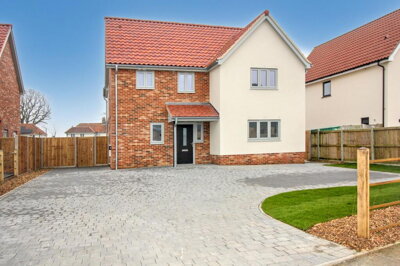
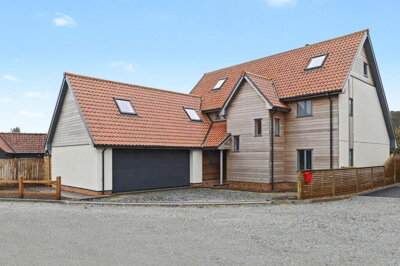
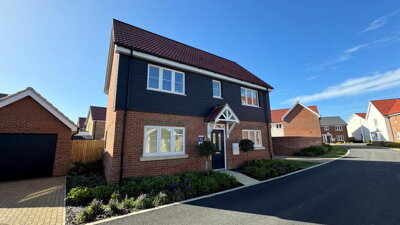
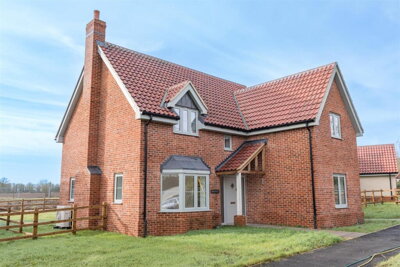
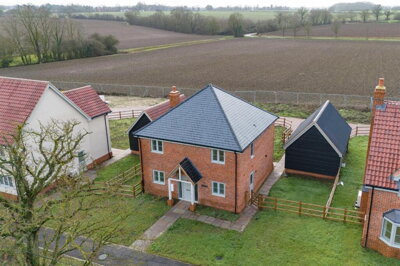
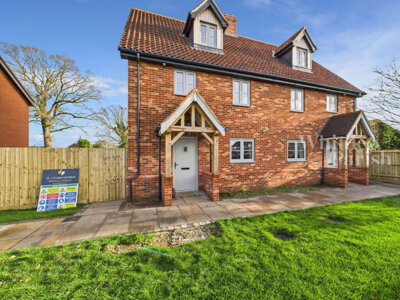
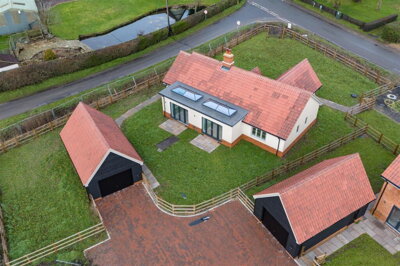
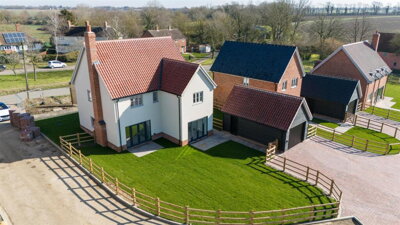
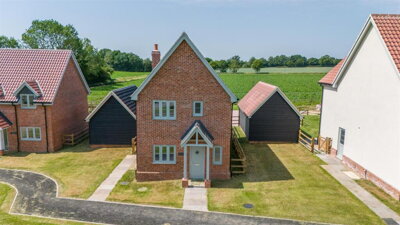
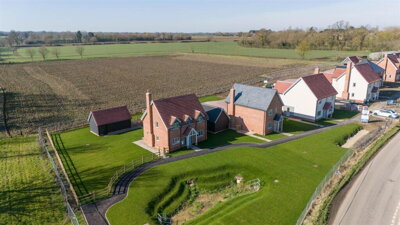
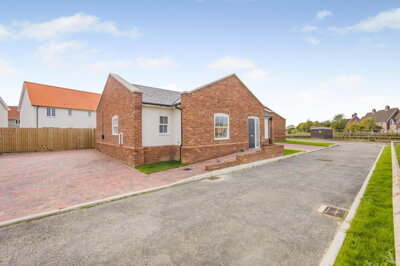
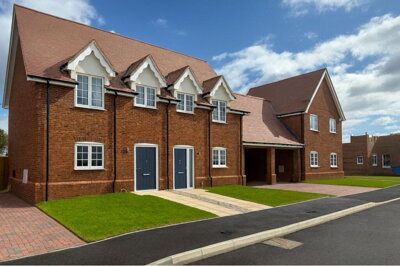
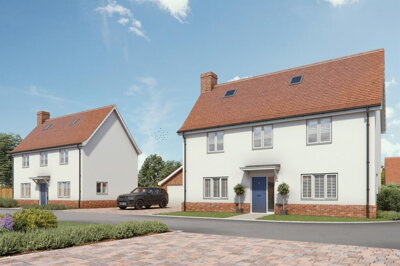
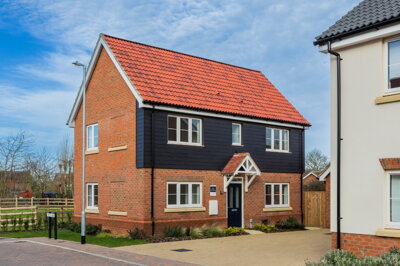
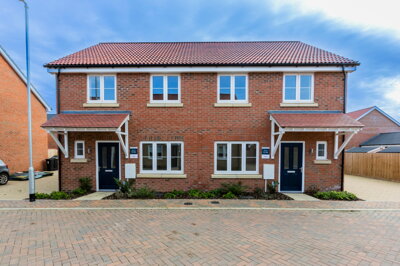
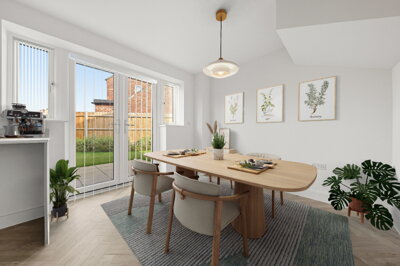
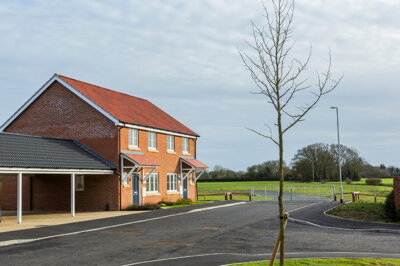
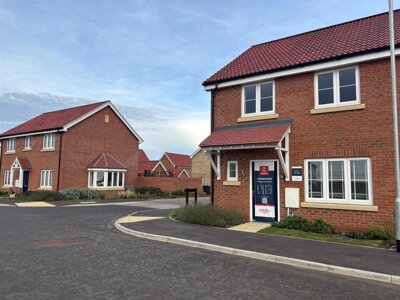
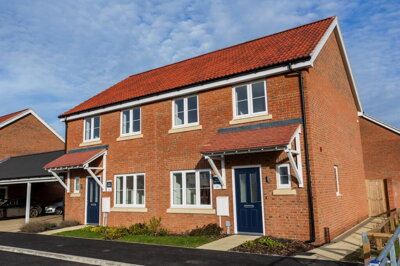
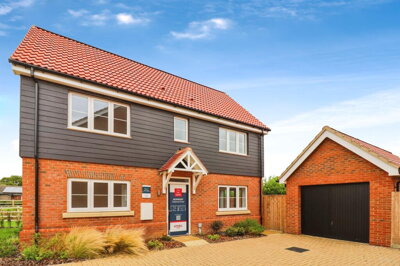
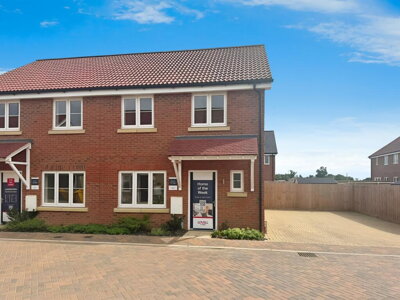
Browse 21 homes new builds in Stradbroke, Mid Suffolk from local developer agents.
£350k
31
1
106
Source: home.co.uk
Source: home.co.uk
Detached
9 listings
Avg £483,883
Semi-Detached
9 listings
Avg £298,333
Detached Bungalow
6 listings
Avg £358,333
Town House
2 listings
Avg £410,000
Barn Conversion
1 listings
Avg £275,000
Flat
1 listings
Avg £125,000
Link Detached House
1 listings
Avg £300,000
Semi-Detached Bungalow
1 listings
Avg £180,000
Terraced
1 listings
Avg £230,000
Source: home.co.uk
Source: home.co.uk
The All Cannings property market has experienced notable fluctuations over the past year, with the overall average house price standing at £438,500. This figure represents a 22% decrease compared to the previous year and a 16% reduction from the 2023 peak of £520,633, suggesting a normalisation of prices after a period of significant growth. For buyers, this cooling market presents opportunities to acquire property in this desirable village at more accessible price points, particularly for those willing to take a longer-term view on their investment. The recent price adjustments have brought some properties within reach of buyers who previously found the village market beyond their budget.
Property types available in All Cannings include terraced homes averaging £372,500, semi-detached properties at around £359,000, and larger detached houses commanding approximately £650,000. The variety of property styles reflects the village's historical development, from humble agricultural workers' cottages to substantial Victorian and Edwardian family homes. New build activity within the village remains limited to small-scale plot subdivisions and self-build projects, meaning that most buyers will be purchasing period properties with character and history woven into their fabric. Properties along The Street and in areas like Tumlins and The Glebe offer different characteristics, with The Glebe showing significant price growth of 55% over the previous year.
For those interested in new build opportunities, planning permissions exist for several individual plots within the village. One notable example is 5 Tumlins, where full planning permission was granted in April 2022 for a three-bedroom detached dwelling following the subdivision of an existing plot. Additionally, 46 The Street offers a building plot with implemented planning permission for a two-bedroom red brick end-of-terrace property, with the original permission granted in December 2010 and implemented in 2013. These opportunities are relatively rare in the village, where most housing stock consists of traditional period properties built using local materials including thatch, timber frame, and sarsen stone.

All Cannings is a village that wears its history proudly, with a designated Conservation Area protecting its special architectural character for future generations. The village centre features a collection of historic buildings including the Grade II* Church of All Saints, The Old Rectory, and several timber-framed farmhouses dating from the late 16th and early 17th centuries. Many cottages in the village feature traditional thatched roofs, creating an unmistakably English rural scene that has been preserved through careful planning controls and community stewardship. The village has even earned recognition in national press for its attractive setting and community spirit.
The local geography of All Cannings places it within the Vale of Pewsey, with the northern areas extending onto the Marlborough Downs. The parish is traversed by Moor Brook, which flows south through the neighbouring village of Allington, and Etchilhampton Water forms part of the southern boundary as a tributary of the River Avon. The underlying geology consists primarily of Upper Cretaceous Chalk, with exposures of Upper Greensand and areas of clay-with-flints on the chalk plateau. This varied landscape supports rich biodiversity and provides residents with beautiful countryside walks right on their doorstep, including routes that connect to the Pewsey Vale and beyond.
Building materials used in All Cannings reflect the local geology and traditional building practices of Wiltshire. Historic properties often feature sarsen stone on ground floors, with brick used for upper floors, limestone ashlar quoins, and Bath stone incorporated into 19th-century additions. The Church of All Saints includes Bath stone in its chancel reconstruction, while older farmhouses like Rustic Farmhouse and Cliff Farmhouse showcase traditional timber frame construction with thatched or clay tile roofing. These materials require different maintenance approaches compared to modern construction, and prospective buyers should factor in the ongoing maintenance requirements of traditional buildings when budgeting for a purchase.
The village supports an active local community with a traditional pub, The Red Lion, serving as a social hub for residents. The Bethel Strict Baptist Chapel, itself a Grade II listed building, represents the village's religious heritage, while the All Cannings and Allington War Memorial Cross stands as the community's history. Local events and village activities bring residents together throughout the year, fostering the strong sense of community that makes All Cannings particularly appealing to families and those seeking a slower pace of life.
Families considering a move to All Cannings will find a selection of educational options within reasonable driving distance. The village itself falls within Wiltshire's education framework, with primary schools available in nearby villages and towns. Parents should research current catchment areas and admissions policies, as these can vary and change year by year. The availability of school transport and walking routes to local schools is an important practical consideration for families with children of different ages, particularly in a rural location where school runs may involve longer distances than in urban areas.
Primary education in the surrounding area is served by schools in nearby villages, with some families choosing to travel to schools in Devizes or the wider Wiltshire region. St Mary's Primary School in Devizes is frequently cited by local residents as a popular choice, while other options include schools in surrounding villages that may have more convenient locations depending on where within All Cannings a family intends to live. Parents are advised to visit potential schools, review current Ofsted ratings, and understand the full admissions criteria before making any property decisions, as catchment boundaries can significantly affect school placement.
Secondary education options in the surrounding area include schools in Devizes, with The Devizes School providing secondary education for students from across the region. Some families choose to utilise grammar school provisions where applicable, with schools in surrounding towns offering this pathway for academically able students. For sixth form and further education, students typically travel to nearby towns where a broader range of A-level and vocational courses are available. Given the rural nature of All Cannings, parents are advised to plan school runs and understand the full implications of journey times before committing to a property purchase in the village.
All Cannings enjoys a strategic position within Wiltshire, offering relatively straightforward access to the county's main transport routes despite its village setting. The A360 provides a key road connection running through the area, linking the village to Devizes and onwards to the wider Wiltshire road network. For commuters, understanding the typical journey times to major employment centres is essential when considering a move to this rural location. The nearest railway stations are located in larger towns, typically requiring a car journey to reach, with train services available from Salisbury, Swindon, and Reading providing connections to major cities including London and Bristol.
For those working in nearby towns such as Devizes, Swindon, or Salisbury, All Cannings offers a manageable commute by car. Journey times to Devizes take approximately 15-20 minutes by car, making it feasible for daily commuting for those working in the market town. Swindon is approximately 30-40 minutes away by car, offering broader employment opportunities and mainline railway services. Salisbury can be reached in approximately 40-50 minutes, providing another option for commuters with access to the train station there. Bus services connect the village to surrounding communities, though frequencies are typical of rural areas and may not suit all commuting patterns.
Cycling is popular for shorter journeys, with the surrounding countryside offering both challenging routes for enthusiasts and gentler paths suitable for occasional recreational use. The rolling Wiltshire countryside provides scenic cycling routes, though the hilly terrain in some areas may require a reasonable level of fitness. Parking within the village itself is generally less constrained than in urban areas, though this varies by specific location. For those working from home or with flexible working arrangements, All Cannings offers an ideal base with excellent broadband connectivity and the peace of rural living within reasonable reach of larger towns and their amenities.
Explore current listings in All Cannings and understand recent sale prices, which averaged £438,500 over the past year. Drive through the village at different times to get a feel for the community and check noise levels, traffic patterns, and the condition of neighbouring properties. Register with local estate agents who handle properties in the village and attend any village events where possible to gain insights into the community atmosphere and any properties that may be coming to market privately.
Before viewing properties, obtain a mortgage agreement in principle from a lender. This strengthens your position when making offers and demonstrates to sellers that you have the financial capability to proceed. Speak to our mortgage partners who can compare rates across multiple lenders and help you understand your borrowing capacity based on the All Cannings property market values, which range from terraced properties around £372,500 to detached homes averaging £650,000.
Visit a range of properties in All Cannings to understand what your budget buys in this village market. Consider the condition of older properties carefully, as many homes date from the 16th and 17th centuries and may require maintenance or renovation work. Pay particular attention to the condition of thatched roofs, timber frame structures, and traditional building materials that characterise many properties in the village's Conservation Area.
Once you have had an offer accepted, arrange for a RICS Level 2 Survey before proceeding to completion. Given the age of many properties in All Cannings, this survey will identify any structural issues, damp problems, or roof defects that may not be visible during viewings. Our inspectors are experienced in assessing traditional Wiltshire properties and will check for common issues including subsidence risk from clay-with-flints geology, roof condition on period properties, and damp in solid-walled construction.
Appoint a solicitor to handle the legal aspects of your purchase, including searches, contracts, and registration with the Land Registry. Properties in All Cannings may include additional considerations such as listed building consents or Conservation Area restrictions that your solicitor should investigate thoroughly. Our conveyancing partners offer transparent pricing with no hidden fees and experience in handling rural property transactions.
Once all searches are satisfactory and your solicitor is ready, you will exchange contracts and pay your deposit. Completion typically follows within a few weeks, and you will receive the keys to your new home in All Cannings. Our team can recommend local tradespeople and services to help you settle into your new village home.
Purchasing a property in All Cannings requires careful attention to several area-specific factors that may not be immediately apparent during viewings. Given the village's Conservation Area status, buyers should understand that certain planning restrictions apply to alterations, extensions, and even routine maintenance work. Listed Building status, which affects numerous properties including the Church of All Saints, The Old Rectory, Rustic Farmhouse, Cliff Farmhouse, and the Bethel Strict Baptist Chapel, imposes additional requirements for planning consent and may limit what changes owners can make to their properties.
The local geology presents potential considerations for property buyers, as areas of clay-with-flints on the chalk plateau can create shrink-swell subsidence risks, particularly where large trees are situated near shallow foundations. This type of subsidence accounts for approximately 70% of all subsidence cases in the UK and can be exacerbated during prolonged dry weather. Prospective buyers should check for any existing subsidence insurance claims, look for signs of structural movement such as diagonal cracks wider than 5mm, and consider commissioning a thorough building survey for older properties.
Flood risk in All Cannings is primarily from surface water and groundwater sources rather than rivers. The village is traversed by Moor Brook and Etchilhampton Water forms part of the southern boundary. Properties should be checked for any history of surface water or groundwater flooding, and buyers should review available flood risk data before purchase. The chalk geology underlying much of the village means that groundwater emergence can occur during periods of high water table, affecting both surface and subsurface assets. Buildings insurance premiums may be affected by flood risk assessments, and this should be factored into ongoing ownership costs.
Properties in All Cannings were built using traditional materials and construction methods that differ significantly from modern buildings. Many homes feature solid-walled construction predating modern cavity walls and damp-proof courses, making them more susceptible to penetrating and rising damp. Original features such as timber frame structures, sarsen stone foundations, and thatched roofs require specialist knowledge to maintain correctly. A thorough survey will identify any issues with these traditional building elements and help buyers understand the maintenance requirements and costs associated with owning a period property in this historic village.

The average house price in All Cannings over the past year was approximately £438,500, based on recorded sales. This represents a decrease of 22% compared to the previous year and 16% down from the 2023 peak of £520,633. Detached properties average around £650,000, semi-detached homes around £359,000, and terraced properties approximately £372,500. The market appears to be stabilising after a period of price growth, which may present opportunities for buyers looking to enter the village property market at more accessible price points.
Properties in All Cannings fall under the Wiltshire Council local authority for council tax purposes. Specific bandings depend on the property valuation, but buyers should budget for annual council tax payments that typically range from Band A for smaller properties up to Band H for the most valuable homes in the village. Properties in Conservation Areas or those with historic features may have specific valuation considerations. Contacting Wiltshire Council directly or viewing the property listing details will confirm the exact council tax band applicable to any specific property.
All Cannings is a small village, so primary school options are located in nearby communities within reasonable driving distance. Families should research current school performance data, Ofsted ratings, and catchment area boundaries, as these can influence admissions and change over time. Secondary education options in the surrounding area include schools in Devizes, with some families choosing to utilise grammar school provisions where applicable. School transport arrangements and journey times should be factored into family relocation decisions, as rural school runs can significantly impact daily schedules.
All Cannings has limited public transport options typical of a small rural village, with bus services connecting to surrounding communities but with frequencies that reflect lower population density. Most residents rely on private vehicles for daily commuting and shopping trips. The village is situated within reasonable driving distance of larger towns providing mainline railway stations, including Swindon, Salisbury, and Reading, offering connections to London and other major cities. Prospective buyers without cars should carefully consider how transport limitations might affect their daily routine and employment options.
All Cannings offers several characteristics that may appeal to property investors, including its Conservation Area status which helps preserve property values, the village's historic character, and its location within the desirable Vale of Pewsey area. However, the small village setting means limited rental demand compared to urban areas, and any investment should be considered over a longer timeframe. The recent price correction from the 2023 peak may present buying opportunities for those with a medium to long-term investment horizon, particularly for detached properties which continue to command premium prices averaging around £650,000.
Stamp Duty Land Tax applies to all property purchases in England. For properties purchased at the average All Cannings price of around £438,500, standard rates would apply 0% on the first £250,000 and 5% on the amount between £250,000 and £438,500, resulting in SDLT of £9,425. First-time buyers purchasing properties up to £625,000 may qualify for relief, paying 0% on the first £425,000 and 5% on the remainder. Buyers purchasing above £625,000 would not qualify for first-time buyer relief. Buyers should verify their eligibility and calculate their specific liability based on their circumstances.
All Cannings faces potential flood risks primarily from surface water and groundwater sources rather than river flooding. The village is traversed by Moor Brook, and areas with underlying chalk geology can experience groundwater emergence during periods of high water table. Surface water flooding can occur when heavy rainfall overwhelms drainage systems, particularly after prolonged dry spells when ground becomes less permeable. Properties should be checked for any history of flooding, and buyers should review available flood risk data before purchase. Buildings insurance premiums may be affected by flood risk assessments, and this should be factored into ongoing ownership costs.
All Cannings has a designated Conservation Area, meaning that planning restrictions apply to alterations, extensions, and even routine maintenance work within the village. Numerous properties also have Listed Building status, including the Church of All Saints, The Old Rectory, Rustic Farmhouse, and Cliff Farmhouse, among others. Listed Building consent may be required for any alterations that affect the building's character or historic fabric. Prospective buyers should investigate whether any property they are considering has these designations and understand the implications before proceeding with a purchase.
When purchasing a property in All Cannings, buyers should budget for several costs beyond the purchase price itself. The Stamp Duty Land Tax rates for England in 2024-25 are 0% on the first £250,000, 5% between £250,000 and £925,000, 10% between £925,000 and £1.5 million, and 12% on amounts exceeding £1.5 million. For a typical All Cannings property at the current average price of £438,500, a standard buyer would pay approximately £9,425 in stamp duty, while a first-time buyer purchasing under £625,000 might pay considerably less under the first-time buyer relief scheme.
Additional purchasing costs include solicitor fees for conveyancing, which typically start from around £499 for a straightforward transaction but can increase for more complex purchases such as listed buildings or properties in Conservation Areas. Survey costs should also be factored in, with RICS Level 2 Surveys starting from approximately £395 for properties in the Wiltshire area. For older properties in All Cannings, which often feature traditional construction methods and materials, a thorough survey is particularly valuable and may identify issues that would be costly to remedy if discovered after purchase.
Mortgage arrangement fees, valuation fees, and search costs from the local authority will add further expenses to the purchase. Land Registry registration fees and any local authority searches specific to the Wiltshire area should also be included in the budget. For a £438,500 property, buyers should typically budget an additional £3,000 to £5,000 to cover these associated costs, though this varies depending on individual circumstances and the specific property being purchased. Properties requiring specialist surveys due to their age, listed status, or unusual construction may incur additional costs that should be factored into the overall budget.
Properties New Builds In London

Properties New Builds In Plymouth

Properties New Builds In Liverpool

Properties New Builds In Glasgow

Properties New Builds In Sheffield

Properties New Builds In Edinburgh

Properties New Builds In Coventry

Properties New Builds In Bradford

Properties New Builds In Manchester

Properties New Builds In Birmingham

Properties New Builds In Bristol

Properties New Builds In Oxford

Properties New Builds In Leicester

Properties New Builds In Newcastle

Properties New Builds In Leeds

Properties New Builds In Southampton

Properties New Builds In Cardiff

Properties New Builds In Nottingham

Properties New Builds In Norwich

Properties New Builds In Brighton

Properties New Builds In Derby

Properties New Builds In Portsmouth

Properties New Builds In Northampton

Properties New Builds In Milton Keynes

Properties New Builds In Bournemouth

Properties New Builds In Bolton

Properties New Builds In Swansea

Properties New Builds In Swindon

Properties New Builds In Peterborough

Properties New Builds In Wolverhampton

Enter your details to see if this property is within your budget.
Loans, cards, car finance
Estimated property budget
Borrowing + deposit
You could borrow between
Typical borrowing
Monthly repayment
Est. at 4.5%
Loan-to-value
This is an estimate only. Your actual budget may vary depending on interest rates, credit history, and personal circumstances. For an accurate affordability assessment, speak to one of our free mortgage advisors.
This calculator provides estimates for illustrative purposes only and does not constitute financial advice. Your home may be repossessed if you do not keep up repayments on your mortgage. Estimates based on 4.5% interest rate, repayment mortgage. Actual rates depend on your circumstances.
Homemove is a trading name of HM Haus Group Ltd (Company No. 13873779, registered in England & Wales). Homemove Mortgages Ltd (Company No. 15947693) is an Appointed Representative of TMG Direct Limited, trading as TMG Mortgage Network, which is authorised and regulated by the Financial Conduct Authority (FRN 786245). Homemove Mortgages Ltd is entered on the FCA Register as an Appointed Representative (FRN 1022429). You can check registrations at NewRegister or by calling 0800 111 6768.

We use cookies to show you personalised content and improve your experience of our website. Find out more in our Privacy policy and Cookie policy.