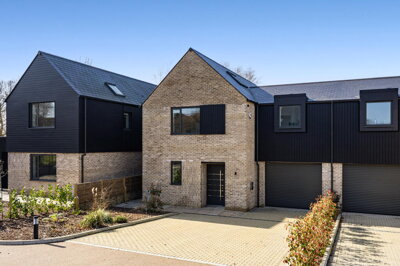
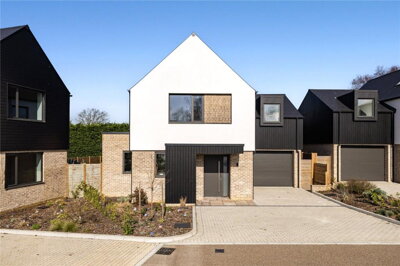
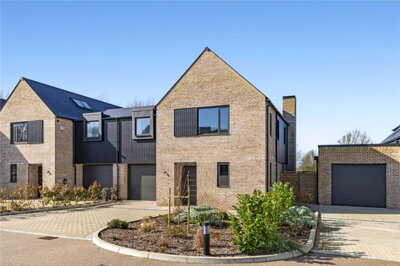
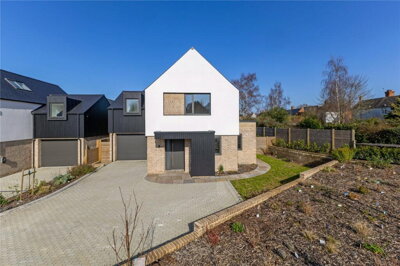
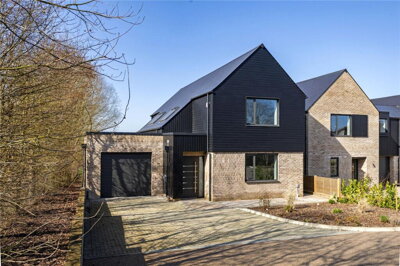
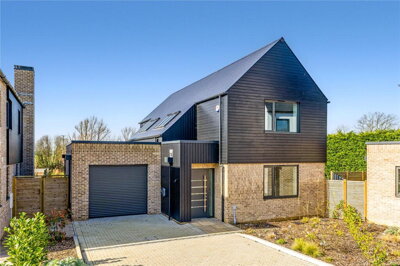
Browse 6 homes new builds in Stone-cum-Ebony from local developer agents.
The Stone Cum Ebony property market offers detached, semi-detached, and terraced houses spanning various price ranges and neighbourhoods. Each listing includes detailed property information, photographs, and direct contact with the marketing agent.
Stone-cum-Ebony occupies a unique position in the Kent property market as the most expensive parish within the Ashford district. Recent sales data shows the village maintains strong values with four recorded property transactions in 2025 averaging £793,750 per sale, compared to two sales averaging £685,000 in 2024. This upward trajectory reflects consistent demand for homes in this coveted location, with sold prices rising 23.3% over the last twelve months according to the most recent market analysis. However, prices remain 55% below the 2021 peak of £1,075,000, suggesting opportunities for buyers who missed the previous market high.
The detached property sector dominates the Stone-cum-Ebony market, with an average price of £828,115 since 2018 demonstrating the premium placed on larger period homes with land and gardens. Semi-detached properties averaged £385,875 over the same period, making them more accessible entry points to this exclusive parish. Properties typically feature traditional construction methods including mellow brick external walls, part tile-hung elevations, timber casement and sash windows, and pitched peg tiled roofs. The prevalence of historic farmhouses, converted barns and period buildings means buyers should expect character-rich homes that may require varying degrees of modernisation.
No active new-build developments were found within the Stone-cum-Ebony postcode area, meaning buyers are purchasing established period properties rather than new construction. This scarcity of supply is a defining characteristic of the local market, with limited properties coming to market each year. Detached properties in the broader Stone-in-Oxney area sold for an average of £750,000 in the last year, while semi-detached homes commanded £350,000. The consistent premium commanded by Stone-cum-Ebony properties reflects their position within this highly desirable parish, where the combination of rural charm, AONB designation and transport connectivity creates sustained demand from buyers seeking the best of Kent countryside living.

Stone-cum-Ebony represents the essence of rural Kent living, positioned within the Isle of Oxney, a historic island of high ground surrounded by the River Rother and its tributaries. The parish forms part of the High Weald Area of Outstanding Natural Beauty, guaranteeing protection for the stunning landscape of rolling farmland, ancient woodlands and traditional orchards that define this corner of the county. The village itself is intimate and unspoilt, characterised by winding country lanes, hedgerow boundaries and a scattering of historic properties that have remained largely unchanged for generations. The absence of major commercial development preserves the peaceful atmosphere that attracts buyers seeking respite from urban life.
Daily amenities are available in the surrounding villages, with Wittersham and Appledore both approximately 2.5 miles from Stone-cum-Ebony. These neighbouring villages provide essential services including primary schools, village stores, post offices, traditional tea rooms and public houses. The Plough Inn at Wittersham and the Woolpack at Appledore provide welcoming venues for local dining, while village stores stock everyday essentials. For families, the proximity to these service villages means that daily requirements can be met without lengthy car journeys, preserving the village atmosphere that makes Stone-cum-Ebony so appealing.
The market town of Tenterden lies five miles to the north and offers a broader range of facilities including Waitrose and Tesco supermarkets, quality independent shops, cafes, restaurants and a leisure centre. Tenterden's historic High Street features specialist retailers including antique shops, art galleries and boutique clothing stores that reflect the prosperity of this corner of Kent. The ancient town of Rye sits six miles to the south and is renowned for its period architecture, artistic community and excellent selection of restaurants. The combination of village tranquility with access to comprehensive amenities makes Stone-cum-Ebony an ideal base for those who appreciate countryside living without sacrificing convenience.

Families considering a move to Stone-cum-Ebony will find several primary education options within easy reach. The village itself falls within the catchment area for primary schools in nearby Wittersham and Appledore, both offering education for children from Reception through to Year 6. Wittersham Primary School serves the northern part of the Isle of Oxney, providing a nurturing environment for young learners in a rural setting typical of small Kent primary schools. These village schools offer intimate class sizes and strong community connections, with teachers who know each child individually.
For secondary education, pupils typically travel to Tenterden where the Grid for Learning provides comprehensive secondary school facilities for students from across the surrounding area. Homewood School and Sixth Form Centre offers secondary education through to A-levels, serving families from the Isle of Oxney and surrounding villages. Parents should verify current catchment boundaries and admissions criteria with Kent County Council, as these can change annually and may be subject to variation based on specific circumstances including sibling connections and distance from school.
Tenterden offers several educational options for older students, with sixth form provision available at the local secondary school for those pursuing A-levels or equivalent qualifications. For vocational and further education routes, colleges in Ashford provide a comprehensive range of courses accessible via the excellent rail connections from nearby stations at Appledore and Rye. The presence of quality schools within reasonable driving distance, combined with the strong academic culture in the wider Tenterden area, makes Stone-cum-Ebony suitable for families at all stages of education. Private school options in the region include a selection of independent schools in Kent and East Sussex, with several offering transport arrangements from the local area. St. Mary's Primary School in nearby Stone-in-Oxney provides an additional option for families seeking faith-based education.
Despite its rural location, Stone-cum-Ebony enjoys excellent transport connections that make commuting to London entirely feasible for residents. Branch line train services operate from nearby stations at Appledore and Rye, connecting directly to Ashford International where passengers can access high-speed services to London St Pancras. Journey times from Ashford International to London St Pancras take approximately 37 minutes on the high-speed line, making this one of the fastest commuter routes from a rural location in Kent. This remarkable connectivity explains much of the sustained demand for properties in Stone-cum-Ebony and the surrounding Isle of Oxney villages, as residents enjoy countryside living without accepting a lengthy commute.
The station at Appledore provides services toward Hastings and the Kent coast, while Rye station offers connections to the Brighton main line. Both stations are within 3 miles of Stone-cum-Ebony, with local taxi services providing convenient connections for those without direct access to a vehicle. For residents working in Ashford itself, the journey by car takes approximately 25 minutes, making day-to-day commuting practical for those employed in the town. The combination of branch line convenience and high-speed rail access positions Stone-cum-Ebony as an ideal location for professionals who need to reach London regularly while living in a peaceful rural setting.
For road travel, the A28 runs through the area providing connections to Canterbury and the Kent coast, while the A268 offers a direct route to the market town of Tenterden. Access to the M20 motorway is via the A2070 or through Ashford, connecting to the national motorway network for travel to London, the Channel ports and the rest of the country. Local bus services operated by Stagecoach and other providers connect the village to surrounding towns and villages, though services are less frequent than in urban areas with typically 2-3 buses per day on most routes. A car is considered essential for daily life in Stone-cum-Ebony, providing flexibility for school runs, shopping and accessing the wider range of amenities available in Tenterden, Ashford and beyond.
Stone-cum-Ebony is a small exclusive parish where properties are limited. Work with a local estate agent who knows the Isle of Oxney market intimately. Given the prevalence of period properties and listed buildings, understanding the specific characteristics of each property is essential before viewing. We can help connect you with agents who specialise in this exclusive corner of Kent and understand the nuances of pricing and availability in this tight-knit community.
Before viewing properties in this premium market, obtain a mortgage agreement in principle from a lender. With average prices above £700,000, a substantial deposit and strong borrowing capacity are typically required. This strengthens your position when making offers on desirable properties. Many lenders have specific products designed for rural properties and period homes, including consideration for the potential renovation costs that often accompany older properties in this area.
Visit properties that match your requirements, paying close attention to construction quality, potential modernisation needs and any signs of damp or structural issues common in older period homes. Properties here include converted oasts, farmhouses and traditional Kentish cottages dating from various periods. We recommend viewing properties at different times of day and in various weather conditions to assess aspects such as natural light, heating efficiency and how the property responds to damp conditions.
Given the age of most properties in Stone-cum-Ebony, a thorough RICS Level 2 or Level 3 survey is essential. Older properties may have outdated electrics, plumbing issues, roof concerns or timber defects that require professional assessment before purchase. A Level 3 Building Survey is particularly recommended for converted oast houses and historic farmhouses, where unique construction features may require specialist knowledge to assess properly.
Appoint a conveyancing solicitor with experience in rural Kent properties. They will handle local searches, check for any planning restrictions, and ensure the title is clear. Some properties may be affected by rights of way, agricultural covenants or obligations relating to the maintenance of shared lanes or drainage systems that are common in rural parishes.
Once surveys are satisfactory and legal queries are resolved, your solicitor will exchange contracts and set a completion date. Funds are transferred and keys are handed over for your new home in Stone-cum-Ebony. We can recommend conveyancing solicitors who understand the specific considerations of buying period properties in the High Weald AONB, including any restrictions relating to planning consents or listed building requirements.
Properties in Stone-cum-Ebony are predominantly period homes constructed using traditional methods and materials that differ significantly from modern building standards. The characteristic mellow brick and tile-hung elevations require ongoing maintenance to prevent water penetration, and timber sash or casement windows may need restoration rather than replacement, particularly on listed buildings where original features must be preserved. When viewing properties, look for signs of mortar decay in the brickwork, damaged or missing tiles, and any indication of timber movement or decay around window frames and door openings.
Buyers should assess the condition of pitched peg tiled roofs carefully, as these traditional roofs often require specialist repair by craftspeople familiar with historic roofing techniques. The distinctive peg tiles of Kent are individually fixed and can be damaged by severe weather or age, with replacement tiles requiring careful matching to maintain the roof's appearance. Beneath the roof structure, inspect for signs of damp, woodworm activity or fungal decay in roof timbers, as these issues are commonly found in older properties throughout the Isle of Oxney area. We recommend commissioning a detailed survey for any property where roof access is possible or where visible signs of deterioration are apparent.
Several properties in the area may be listed buildings or located within areas of special architectural or historic interest, imposing restrictions on alterations and improvements. A Grade II Listed home believed to date from the 15th Century has been noted in the broader search area, illustrating the heritage significance of properties here. Listed building consent is required for significant alterations, and any works must preserve original features. The planning authority will expect materials and methods to match the original construction where possible, which can affect both the cost and timescale of any proposed works. Buyers should budget for potentially higher maintenance costs on period properties and factor in the expense of specialist surveys for older or historic homes.
Flood risk should be investigated despite the lack of specific high-risk designations identified, as the proximity to the River Rother means that standard searches and environmental reports should be reviewed carefully. While Stone-cum-Ebony itself is not identified as a high-risk flood zone, the surrounding low-lying land and tributary streams can experience surface water flooding during periods of heavy rainfall. We recommend requesting a property-specific flood risk assessment and checking the Environment Agency flood maps for any property that adjoins water features or lies in valley locations.
Stone-cum-Ebony holds the distinction of being the most expensive parish in the Ashford district. Recent sales data shows an average price of £793,750 based on four transactions in 2025. Detached properties average £828,115 while semi-detached homes average £385,875. The overall average for the broader Stone-in-Oxney area over the past year was £483,333, with prices rising 23.3% over the last twelve months. Properties are limited in number but consistently command premium values reflecting the area's exclusive position within the High Weald AONB and its proximity to excellent transport connections.
Properties in Stone-cum-Ebony fall under Ashford Borough Council for council tax purposes. Bands range from A to H depending on property value, with most period homes and farmhouses typically falling into bands D through G. Exact bands depend on the specific property valuation and should be confirmed with Ashford Borough Council or the Land Registry records for any property you are considering purchasing. Given the premium values in this parish, many detached period homes fall into bands E through G, with corresponding annual charges that reflect the property's assessed value.
Primary education is available at nearby village schools in Wittersham and Appledore, both approximately 2.5 miles from Stone-cum-Ebony. Wittersham Primary School serves families from across the northern Isle of Oxney, providing education from Reception through Year 6 in a nurturing rural setting. Secondary education and sixth form provision can be found in Tenterden at Homewood School and Sixth Form Centre. Kent County Council manages school admissions, and parents should verify current catchment areas as these determine eligibility. Several independent schools in Kent and East Sussex are accessible from Stone-cum-Ebony, with some offering transport arrangements from the local area.
Stone-cum-Ebony enjoys good transport connections despite its rural setting. Branch line trains from Appledore and Rye connect to Ashford International, where high-speed services reach London St Pancras in approximately 37 minutes. This makes commuting entirely practical for residents working in the capital. The branch line also provides connections toward Hastings and the Brighton main line via Rye, offering alternative routes for travel. Local bus services connect the village to surrounding towns including Tenterden, though a car remains essential for daily convenience. The A28 provides road connections to Canterbury and the coast, while the M20 is accessible via Ashford for longer journeys.
Stone-cum-Ebony represents a solid investment opportunity given its position as the most expensive parish in Ashford and its location within the High Weald Area of Outstanding Natural Beauty. Properties are scarce and highly sought after, with limited new-build supply ensuring existing period homes maintain their value. The strong transport links to London continue to attract commuters seeking rural lifestyles, supporting long-term demand. Period properties, particularly converted oasts and farmhouses, have demonstrated resilient values, though buyers should be aware that returns depend on property condition, maintenance investment and broader market conditions. The AONB designation provides additional protection for the landscape that makes this area desirable, helping to preserve property values over time.
Stamp Duty Land Tax applies to all property purchases in England. For standard purchases, there is no SDLT on the first £250,000, 5% on £250,001 to £925,000, 10% on £925,001 to £1.5 million, and 12% on amounts exceeding £1.5 million. First-time buyers benefit from relief on the first £425,000, with 5% charged between £425,001 and £625,000. Given that most Stone-cum-Ebony properties exceed £600,000, SDLT will typically apply. You should calculate your specific liability based on purchase price and circumstances, or consult a solicitor or financial adviser for personalised advice.
The property market in Stone-cum-Ebony is dominated by period homes including traditional Kentish farmhouses, converted agricultural buildings and historic cottages. Detached properties with generous gardens are the most prevalent and command the highest prices, averaging over £828,000. Semi-detached period cottages and terraced workers cottages provide more accessible entry points to the market. Converted oast houses represent a distinctive local property type, offering characterful accommodation with original features such as curved walls and circular rooms beneath former kiln gear. No new-build developments exist in the immediate area, meaning all available properties are established period homes.
Properties in Stone-cum-Ebony typically showcase traditional Kentish construction including mellow brick elevations, part tile-hung exteriors, and pitched peg tiled roofs that require specific maintenance knowledge. Inside period homes, look for original inglenook fireplaces with substantial brick or stone surrounds, exposed ceiling beams often constructed from oak or chestnut, and original quarry tile or flagstone floors that may need restoration. Timber sash windows with original glass, panelled doors with period ironmongery, and staircase balustrades with turned newel posts all contribute to the character of these historic properties. Any property containing a bread oven, wine cellar, or dairy would represent particularly rare original features.
Purchasing a property in Stone-cum-Ebony involves several costs beyond the purchase price itself. Stamp Duty Land Tax represents the most significant additional expense, with the threshold for standard buyers currently set at £250,000 where no SDLT applies. Properties priced between £250,001 and £925,000 incur 5% on the portion above £250,000, with higher rates applying at higher price points. Given that the average property price in Stone-cum-Ebony exceeds £700,000, most buyers should budget for SDLT of approximately £22,500 or more. First-time buyers purchasing properties up to £625,000 may qualify for relief, with no SDLT on the first £425,000 and 5% on the next £200,000.
Solicitor fees for conveyancing typically range from £499 to £1,500 depending on complexity, with rural properties sometimes requiring additional searches regarding rights of way, agricultural covenants or conservation area restrictions. The unique nature of period properties in Stone-cum-Ebony may also require specialist enquiries regarding listed building status, historic planning permissions and any obligations relating to shared access roads or drainage systems common in rural parishes. We can recommend conveyancing solicitors experienced with rural Kent properties who understand the specific considerations that apply to this type of transaction.
A RICS Level 2 survey costs from £350 depending on property size and is particularly important for period properties where defects may not be immediately visible. For older farmhouses, converted oasts or listed buildings, a more comprehensive RICS Level 3 Building Survey starting from £600 provides detailed assessment of structural condition and potential renovation requirements. Survey costs are modest relative to the property values in Stone-cum-Ebony but can reveal issues that justify price negotiations or alert buyers to future maintenance expenses. Removal costs, potential renovation work and furnished contents complete the typical budget for a move to this exclusive Kent parish.
From 4.5%
Specialist mortgage advice for Stone-cum-Ebony properties
From £499
Conveyancing solicitors experienced in rural Kent properties
From £350
Detailed condition survey for your new home
From £600
Comprehensive building survey for period properties
Properties New Builds In London

Properties New Builds In Plymouth

Properties New Builds In Liverpool

Properties New Builds In Glasgow

Properties New Builds In Sheffield

Properties New Builds In Edinburgh

Properties New Builds In Coventry

Properties New Builds In Bradford

Properties New Builds In Manchester

Properties New Builds In Birmingham

Properties New Builds In Bristol

Properties New Builds In Oxford

Properties New Builds In Leicester

Properties New Builds In Newcastle

Properties New Builds In Leeds

Properties New Builds In Southampton

Properties New Builds In Cardiff

Properties New Builds In Nottingham

Properties New Builds In Norwich

Properties New Builds In Brighton

Properties New Builds In Derby

Properties New Builds In Portsmouth

Properties New Builds In Northampton

Properties New Builds In Milton Keynes

Properties New Builds In Bournemouth

Properties New Builds In Bolton

Properties New Builds In Swansea

Properties New Builds In Swindon

Properties New Builds In Peterborough

Properties New Builds In Wolverhampton

Enter your details to see if this property is within your budget.
Loans, cards, car finance
Estimated property budget
Borrowing + deposit
You could borrow between
Typical borrowing
Monthly repayment
Est. at 4.5%
Loan-to-value
This is an estimate only. Your actual budget may vary depending on interest rates, credit history, and personal circumstances. For an accurate affordability assessment, speak to one of our free mortgage advisors.
This calculator provides estimates for illustrative purposes only and does not constitute financial advice. Your home may be repossessed if you do not keep up repayments on your mortgage. Estimates based on 4.5% interest rate, repayment mortgage. Actual rates depend on your circumstances.
Homemove is a trading name of HM Haus Group Ltd (Company No. 13873779, registered in England & Wales). Homemove Mortgages Ltd (Company No. 15947693) is an Appointed Representative of TMG Direct Limited, trading as TMG Mortgage Network, which is authorised and regulated by the Financial Conduct Authority (FRN 786245). Homemove Mortgages Ltd is entered on the FCA Register as an Appointed Representative (FRN 1022429). You can check registrations at NewRegister or by calling 0800 111 6768.

We use cookies to show you personalised content and improve your experience of our website. Find out more in our Privacy policy and Cookie policy.