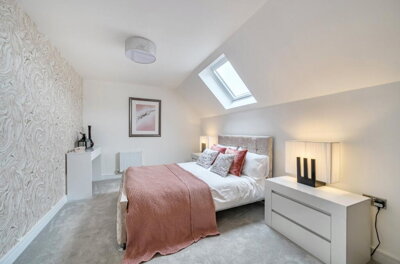
Browse 1 home new builds in Stokeclimsland, Cornwall from local developer agents.
The Stokeclimsland property market offers detached, semi-detached, and terraced houses spanning various price ranges and neighbourhoods. Each listing includes detailed property information, photographs, and direct contact with the marketing agent.
£750k
10
0
232
Source: home.co.uk
Showing 10 results for Houses new builds in Stokeclimsland, Cornwall. The median asking price is £750,000.
Source: home.co.uk
Detached
10 listings
Avg £772,500
Source: home.co.uk
Source: home.co.uk
The South Tyneside property market has demonstrated remarkable resilience and growth, with 1,339 property sales recorded throughout the borough in 2025. Our data shows that the overall average house price reached £166,000 by December 2025, with Rightmove reporting a slightly higher overall average of £188,807 over the same twelve-month period. This upward trajectory reflects strong buyer demand across all property types, particularly for semi-detached homes which saw price increases of 9.5% year-on-year. The market benefits from a diverse range of property types, from affordable flats averaging around £98,000 to substantial detached family homes commanding prices above £320,000 in the most desirable postcodes.
Property types in South Tyneside span several distinct price brackets, allowing buyers to find homes suitable for various budgets and circumstances. Terraced properties, which form a significant proportion of the borough's housing stock, averaged £158,000 in December 2025, making them an attractive option for first-time buyers seeking a foothold on the property ladder. Semi-detached homes averaged £195,000, with Rightmove recording sales at approximately £207,149 over the past year. The borough's flat market, while more affordable at around £98,000, has shown consistent growth with prices increasing by 4.5% annually. New build activity remains modest, representing just 2.6% of all sales in 2025, which means most buyers will be considering established properties with established characters and histories.
The local market has shown particularly strong performance in South Shields, where average property prices reached £162,000 in December 2025 according to Plumplot, with Zoopla reporting sold prices averaging £159,265 for the same period. Asking prices in South Shields currently average around £210,780, reflecting the premium vendors place on properties in this coastal town. The area around Westoe Road and the Leas remains particularly desirable, with period properties commanding premiums over the borough average. Meanwhile, Jarrow and Hebburn offer more affordable options, with terraced properties frequently available below the borough median, making them attractive to investors and first-time buyers working with tighter budgets.

South Tyneside encompasses a rich variety of neighbourhoods, each offering distinct characteristics that appeal to different lifestyles and preferences. South Shields, the largest town in the borough, stretches along a dramatic coastline where the River Tyne meets the North Sea. The seafront area features the acclaimed Little Haven beach, the historic South Shields Pier, and the stunning Leas, grassy cliffs that provide panoramic views across the river to Tynemouth and Whickham. Westoe Village, a designated Conservation Area, preserves the historic character of this former mining community with its distinctive architecture and village atmosphere, offering a glimpse into South Tyneside's heritage while providing excellent modern amenities nearby.
The borough extends inland to include Jarrow, historically significant as the home of the Venerable Bede and centre of medieval monastic learning. Today, Jarrow maintains strong community roots alongside regeneration projects that have introduced new housing and commercial development. The area around Jarrow Hall and the Bede's World heritage site continues to attract visitors interested in the town's remarkable history. Hebburn, situated on the southern bank of the River Tyne, offers a mix of residential areas with good schools and local shops, with the Victoria Terrace area particularly popular among buyers seeking period properties with character. The village areas of Cleadon and East Boldon stand apart as Conservation Areas, featuring charming period properties, village greens, and a semi-rural character that appeals to families seeking quieter surroundings while remaining well-connected to urban centres.
The predominant construction material throughout South Tyneside is brick, reflecting the region's building traditions, with solid brick walls and cavity wall construction common in properties ranging from Victorian terraces to post-war semis. Many Edwardian properties along streets like Prince Edward Road and Dean Road feature decorative brickwork and bay windows characteristic of the period. Post-war housing estates built by local authorities in the 1950s and 1960s typically use cavity brick construction with concrete tile roofs, while more recent developments incorporate modern building techniques while maintaining the visual character expected in this part of the North East. The durability of brick construction generally serves the region well, though buyers should be aware of potential issues with older solid wall properties regarding insulation and damp penetration.

South Tyneside offers a comprehensive range of educational establishments that make the borough particularly attractive to families considering a house move. Secondary education across the borough includes several well-established schools, with St. Thomas More Catholic Academy in Jarrow and Harton Academy in South Shields serving significant catchment areas. The borough maintains a selective education system, with several excellent grammar schools including South Shields School for Girls and King Edward School, which have historically achieved strong academic results and remain popular choices for parents of academically gifted children. Tyneside also hosts the well-regarded Jarrow School and Hebburn Comprehensive, providing good options for secondary education across the borough.
Primary education in South Tyneside is well-served by numerous schools, with many achieving good or outstanding Ofsted ratings. Schools such as St. Mary's Catholic Primary School, Westoe Academy, and Hebburn Lake Primary School serve their local communities with strong educational outcomes. St. Mary's, situated in the centre of South Shields, benefits from its proximity to the town centre and excellent transport links, making it popular with families who value convenience alongside academic quality. Westoe Academy, located in the desirable Westoe Village area, draws families from across the borough, and catchment areas for both primary and secondary schools should be verified before purchasing property, as demand consistently outstrips supply in popular catchment zones.
For families considering higher education pathways, South Tyneside College offers a wide range of vocational and academic courses, while the proximity to Newcastle University, Sunderland University, and Northumbria University provides excellent further and higher education options within easy commuting distance. Students at South Tyneside College can access pathways into skilled trades, healthcare professions, and business qualifications, while those seeking university degrees benefit from the straightforward Metro connection to Newcastle city centre. The presence of quality schools throughout the borough means families can find suitable educational options regardless of which neighbourhood they choose, though researching specific catchment areas remains essential when purchasing property for school-aged children.
South Tyneside enjoys excellent transport connections that make commuting to major employment centres straightforward and convenient. The Tyne and Wear Metro system serves South Shields with regular trains connecting directly to Newcastle Central Station and Newcastle Airport in approximately 40 and 55 minutes respectively. The Shields Ferry provides a traditional crossing of the River Tyne between South Shields and North Shields, offering both practical transport and scenic views of the river estuary. For rail travel, Newcastle Central Station provides intercity connections to London, Edinburgh, Birmingham, and other major destinations, with Virgin Trains and LNER services operating from the station. Sunderland Station, accessible via Metro or road, offers additional rail connections and CrossCountry services.
Road access from South Tyneside is excellent, with the A194 and A19 providing swift connections to Newcastle, Sunderland, and the wider North East road network. The Tyne Tunnel offers a convenient crossing point for those working in North Tyneside or requiring access to the A1 north, though drivers should be aware that the tunnel becomes a toll road for some vehicle types. The strategic location of the borough means that employers in the Nissan plant in Sunderland, the Port of Tyne, and the Freeman Hospital in Newcastle are all within reasonable commuting distance, making South Tyneside popular with workers in manufacturing, logistics, and healthcare sectors. Bus services operated by Stagecoach and other providers connect communities throughout the borough, with frequent services between South Shields, Jarrow, Hebburn, and surrounding areas.
For cyclists, the Coast and Castle route provides traffic-free paths along the coast, while the borough is working to expand its cycling infrastructure through investment in new routes connecting residential areas to employment centres and retail destinations. The Sustrans National Cycle Network passes through South Tyneside, offering opportunities for recreational cycling and sustainable commuting. Parking availability varies by area, with on-street parking common in residential neighbourhoods but limited in town centres and near Metro stations, which is worth considering for those planning to commute by train. Properties with off-street parking command premiums in areas like Westoe Village and East Boldon, where on-street parking can be competitive during school drop-off and pick-up times.
Explore different areas within South Tyneside to find the community that best suits your lifestyle. Consider proximity to schools, transport links, local amenities, and property types available in each neighbourhood. South Shields seafront areas offer coastal living with access to beaches and the Leas cliffs, while Westoe Village provides period properties in a conservation setting. Jarrow and Hebburn offer more affordable options with strong community networks and excellent road connections.
Contact lenders or brokers to obtain a mortgage agreement in principle before viewing properties. This strengthens your position when making offers and demonstrates you are a serious buyer with financing arranged. With average South Tyneside prices around £166,000, many buyers will find they can borrow more than they might expect, particularly those with deposits of 10% or more.
Use Homemove to browse current listings and schedule viewings with local estate agents. Take notes on property conditions, ask about leasehold details, service charges, and any planned maintenance or renovations. Pay attention to construction type and age, as properties in South Tyneside range from Victorian brick terraces to post-war semis and modern apartments.
Before completing your purchase, arrange a RICS Level 2 or Level 3 survey to assess the property's condition and identify any structural issues. Given South Tyneside's glacial till geology and potential for shrink-swell soil movement, a thorough survey is particularly important. Our inspectors have extensive experience identifying subsidence indicators, damp penetration in solid wall properties, and roof condition issues common in the borough's housing stock.
Appoint a solicitor experienced in South Tyneside property transactions to handle legal work, searches, and contract exchange. They will coordinate with your mortgage lender and the seller's solicitors, including local searches for flood risk, planning history, and any contamination from the borough's industrial past.
Once searches are satisfactory and financing is confirmed, your solicitor will exchange contracts and agree a completion date. On completion day, funds are transferred and you receive the keys to your new South Tyneside home.
Property buyers in South Tyneside should be aware of several local factors that can affect their purchase decisions and long-term satisfaction. The borough's geology, characterised by Coal Measures overlain by glacial till, means some areas have moderate to high shrink-swell potential in clay-rich soils. This can lead to subsidence issues, particularly during extreme weather conditions with prolonged dry spells followed by heavy rainfall. A thorough survey is essential, and buyers should check for any existing subsidence insurance claims, underpinning work, or evidence of cracking that might indicate ground movement. Properties in areas of particular geological concern should be investigated carefully before committing to purchase.
Flood risk requires careful consideration in South Tyneside due to the borough's coastal location and proximity to the River Tyne. Coastal flooding affects areas near South Shields seafront, while river flooding poses risks in Jarrow and Hebburn which sit adjacent to the Tyne and its tributaries. Surface water flooding can occur in urbanised areas during heavy rainfall. The South Tyneside Council Local Flood Risk Management Strategy addresses these issues, and buyers should request flood risk searches as part of their conveyancing. Properties with any history of flooding should be investigated thoroughly, and insurance implications should be understood before proceeding.
Properties within designated Conservation Areas, including South Shields Town Centre, Westoe Village, Jarrow Town Centre, Cleadon Village, and East Boldon, may be subject to planning restrictions that affect alterations and extensions. Checking the planning register and consulting the conservation area designation before purchasing is advisable. Listed buildings throughout the borough, ranging from historic churches along the seafront to Victorian terraces on Prince Edward Road, require listed building consent for most alterations, which can affect renovation budgets and future plans. Always verify whether a property is listed or within a conservation area before proceeding, as these designations can significantly impact both the character of your home and your ability to modify it.
The average house price in South Tyneside was £166,000 according to ONS provisional data from December 2025. Rightmove reported a slightly higher overall average of £188,807 over the past year, while OnTheMarket stated an average sold price of £171,000 as of January 2026. Property prices vary significantly by type, with detached homes averaging £323,000, semi-detached properties at £195,000, terraced houses around £158,000, and flats at approximately £98,000. The market has shown strong growth, with overall prices increasing by 8.3% over the past twelve months, outpacing the wider North East regional average of 4.6%.
Council tax bands in South Tyneside follow the standard national system administered by South Tyneside Council. Properties are assigned bands A through H based on their assessed value, with most terraced homes and smaller properties falling into bands A to C, semi-detached homes typically in bands B to D, and larger detached properties in higher bands. Given the average property price of £166,000 in South Tyneside, the majority of homes in the borough fall within bands A through C, keeping council tax relatively affordable compared to neighbouring Newcastle and North Tyneside. Prospective buyers can check specific bandings on the Valuation Office Agency website using the property address.
South Tyneside offers excellent educational options at all levels. Primary schools such as St. Mary's Catholic Primary School in South Shields town centre and Westoe Academy in the Conservation Village area achieve strong academic results, while secondary options include the selective King Edward School and South Shields School for Girls for academically gifted children, plus well-regarded comprehensives like St. Thomas More Catholic Academy in Jarrow and Harton Academy in South Shields. The borough's proximity to Newcastle, Sunderland, and Northumbria Universities provides good higher education access, with direct Metro links making university attendance practical from anywhere in the borough. Families should always verify current catchment areas, as popular schools in areas like Westoe Village and East Boldon can be oversubscribed.
South Tyneside benefits from excellent public transport connectivity. The Tyne and Wear Metro serves South Shields with direct trains to Newcastle Central in approximately 40 minutes and to Newcastle Airport in around 55 minutes, making it practical for commuters working in the city or travelling further afield. The Shields Ferry crosses the Tyne to North Shields, a popular route for both commuters and visitors seeking scenic river crossings. Frequent bus services operated by Stagecoach and other providers connect all major communities within the borough, including regular services between South Shields, Jarrow, Hebburn, and the surrounding villages of Cleadon and East Boldon. Road connections via the A194 and A19 provide swift access to Newcastle, Sunderland, and the wider North East, with the Tyne Tunnel offering convenient access to North Tyneside and the A1.
South Tyneside has shown consistent property price growth, with prices rising 8.3% in the past year compared to the North East average of 4.6%, indicating strong underlying demand in the borough. The borough offers relatively affordable entry prices compared to many coastal areas, with terraced properties and flats available around £158,000 and £98,000 respectively, making it accessible for landlords building a portfolio. Strong rental demand is driven by commuters working in Newcastle and Sunderland, young professionals attracted to coastal living, and families seeking affordable housing with good schools. Rental yields in South Tyneside are competitive for the region, with the most affordable property types typically offering the strongest returns, though investors should research specific postcodes and property types carefully before committing.
Stamp Duty Land Tax rates from April 2025 start at 0% on the first £250,000 of residential property purchases, which means most buyers purchasing at or below the average South Tyneside price of £166,000 will pay no SDLT at all under the standard threshold. The rate increases to 5% on the portion between £250,001 and £925,000, 10% between £925,001 and £1.5 million, and 12% on any amount above £1.5 million. First-time buyers benefit from relief on the first £425,000, with 5% applied between £425,001 and £625,000, meaning most first-time buyers in South Tyneside purchasing properties at or below the median price will pay no SDLT whatsoever. Given average South Tyneside prices of around £166,000, the majority of purchases will fall entirely within the 0% threshold, though buyers of larger properties or those in premium areas like Westoe Village should calculate their specific liability.
Description
From 4.5% APR
Expert solicitors for your property purchase
From £499
Detailed condition report for conventional properties
From £350
Comprehensive building survey for older or complex properties
From £450
Energy performance certificate required for sale
From £60
Understanding the full costs of purchasing property in South Tyneside helps you budget accurately and avoids surprises during the transaction. Stamp Duty Land Tax represents the most significant upfront cost, though at current average South Tyneside prices of approximately £166,000, most buyers purchasing at or below the median price will pay no SDLT at all under the standard threshold. First-time buyers purchasing properties up to £425,000 can benefit from relief that eliminates SDLT entirely on the first £425,000 of their purchase. Those buying above this threshold should factor SDLT costs into their budget, with rates of 5% applying between £425,001 and £625,000 under the first-time buyer relief scheme.
Beyond Stamp Duty, purchasing a home involves several additional costs that typically total between 2% and 5% of the purchase price. Solicitor conveyancing fees for a standard sale typically range from £500 to £1,500 depending on complexity and whether leasehold or freehold. Local searches through South Tyneside Council usually cost between £250 and £400, while mortgage arrangement fees vary significantly between lenders and can range from nothing to around £2,000. Survey costs, whether a basic condition report or comprehensive RICS Level 3 building survey, typically range from £300 to £1,500 depending on property size and report type. An Energy Performance Certificate is mandatory and costs between £60 and £120. Factor in mortgage valuation fees, potentially around £300 to £500, plus removal costs and any immediate renovation or furnishing requirements when setting your complete budget for moving to South Tyneside.
For a typical terraced property at the December 2025 average of £158,000, a first-time buyer would pay zero SDLT under current thresholds, with total additional costs likely ranging from £1,500 to £3,000 for legal fees, surveys, searches, and miscellaneous charges. Those purchasing at or above the median price of £166,000 would similarly benefit from zero SDLT under the standard residential threshold, though buyers should note that additional SDLT of 3% applies for second homes and buy-to-let purchases regardless of price, which can significantly affect investment calculations. Our team can provide more detailed cost estimates based on your specific circumstances and property type.
Properties New Builds In London

Properties New Builds In Plymouth

Properties New Builds In Liverpool

Properties New Builds In Glasgow

Properties New Builds In Sheffield

Properties New Builds In Edinburgh

Properties New Builds In Coventry

Properties New Builds In Bradford

Properties New Builds In Manchester

Properties New Builds In Birmingham

Properties New Builds In Bristol

Properties New Builds In Oxford

Properties New Builds In Leicester

Properties New Builds In Newcastle

Properties New Builds In Leeds

Properties New Builds In Southampton

Properties New Builds In Cardiff

Properties New Builds In Nottingham

Properties New Builds In Norwich

Properties New Builds In Brighton

Properties New Builds In Derby

Properties New Builds In Portsmouth

Properties New Builds In Northampton

Properties New Builds In Milton Keynes

Properties New Builds In Bournemouth

Properties New Builds In Bolton

Properties New Builds In Swansea

Properties New Builds In Swindon

Properties New Builds In Peterborough

Properties New Builds In Wolverhampton

Enter your details to see if this property is within your budget.
Loans, cards, car finance
Estimated property budget
Borrowing + deposit
You could borrow between
Typical borrowing
Monthly repayment
Est. at 4.5%
Loan-to-value
This is an estimate only. Your actual budget may vary depending on interest rates, credit history, and personal circumstances. For an accurate affordability assessment, speak to one of our free mortgage advisors.
This calculator provides estimates for illustrative purposes only and does not constitute financial advice. Your home may be repossessed if you do not keep up repayments on your mortgage. Estimates based on 4.5% interest rate, repayment mortgage. Actual rates depend on your circumstances.
Homemove is a trading name of HM Haus Group Ltd (Company No. 13873779, registered in England & Wales). Homemove Mortgages Ltd (Company No. 15947693) is an Appointed Representative of TMG Direct Limited, trading as TMG Mortgage Network, which is authorised and regulated by the Financial Conduct Authority (FRN 786245). Homemove Mortgages Ltd is entered on the FCA Register as an Appointed Representative (FRN 1022429). You can check registrations at NewRegister or by calling 0800 111 6768.

We use cookies to show you personalised content and improve your experience of our website. Find out more in our Privacy policy and Cookie policy.